Google: 4.8 · 148 reviews
Gennaro Di Pace
.png)
Sea-meets-Alps finesse defines Gennaro Di Pace in Monforte d’Alba, where a Michelin-recognized chef merges Calabrian brightness with Piedmontese depth in an intimate, modern dining room near Perno castle.
 Discover on Pearl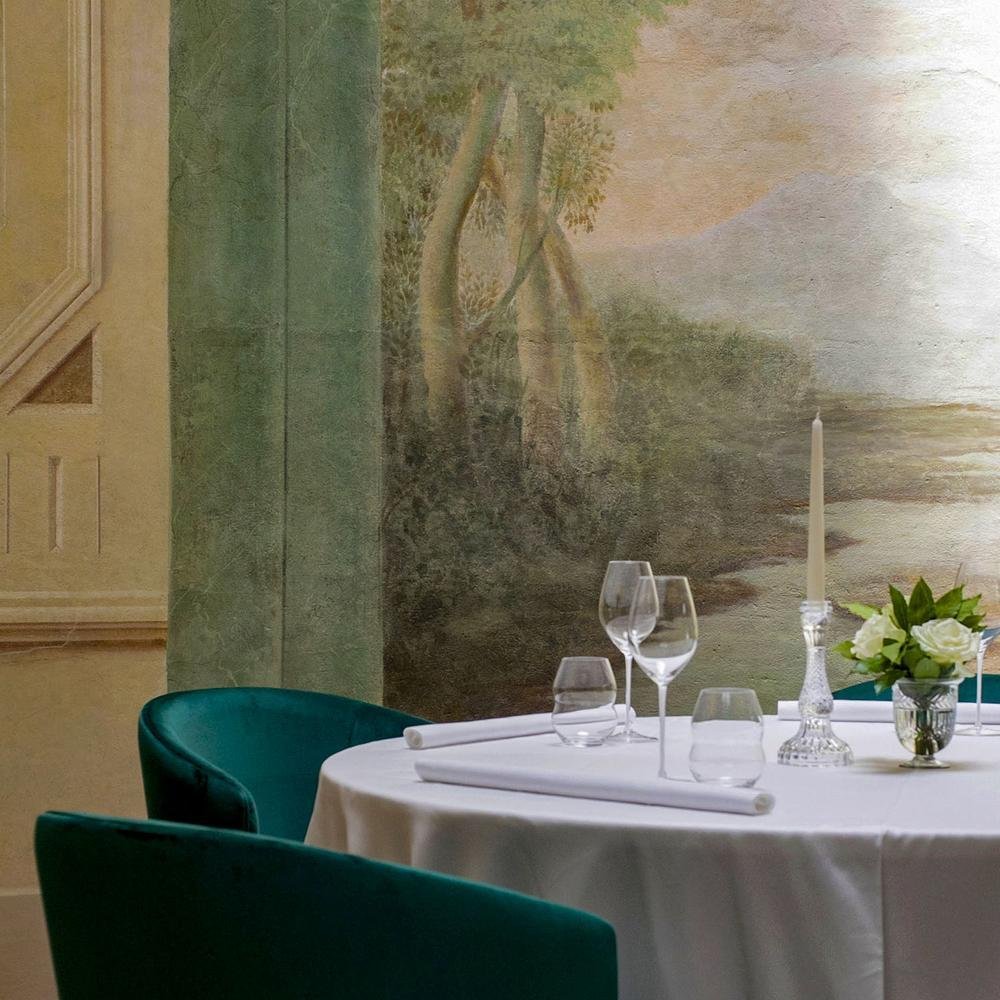
Where Calabria Meets the Langhe
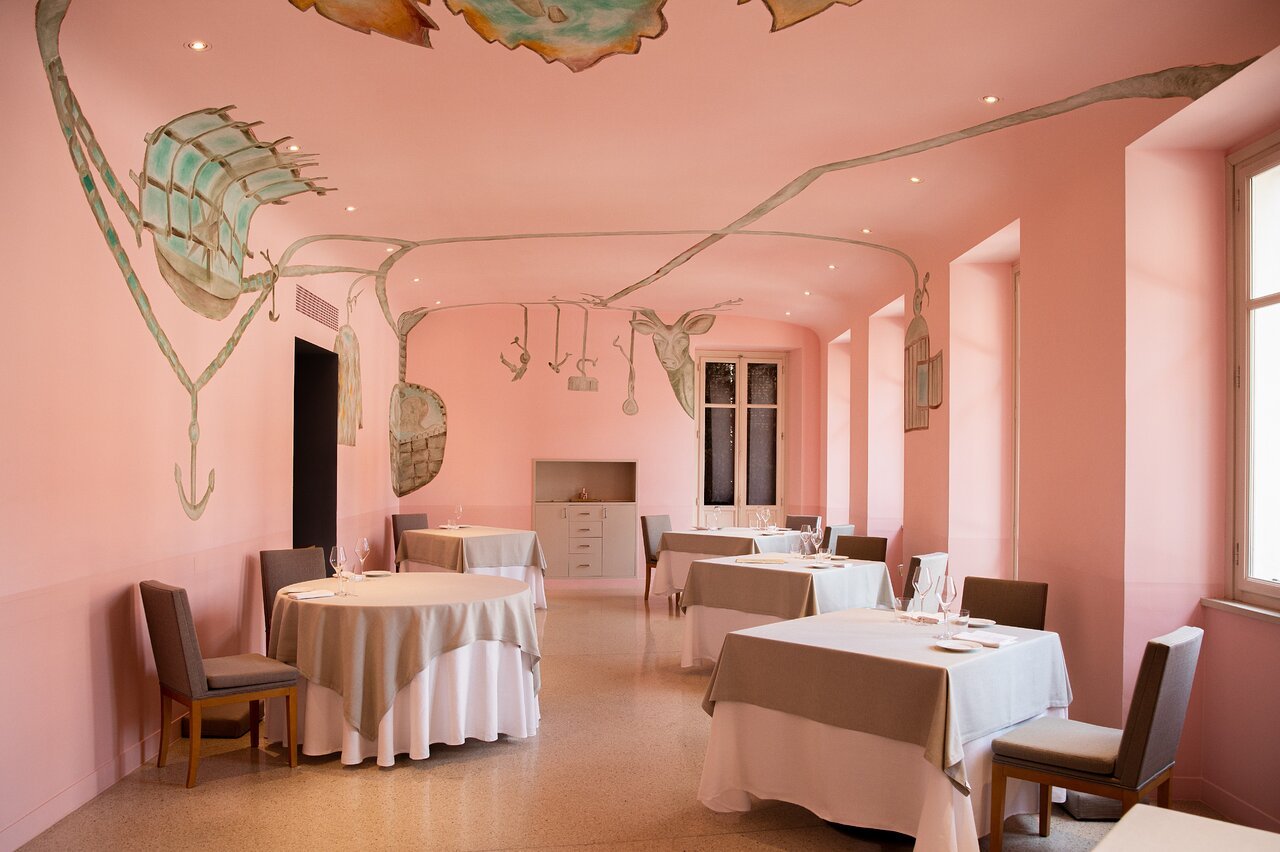
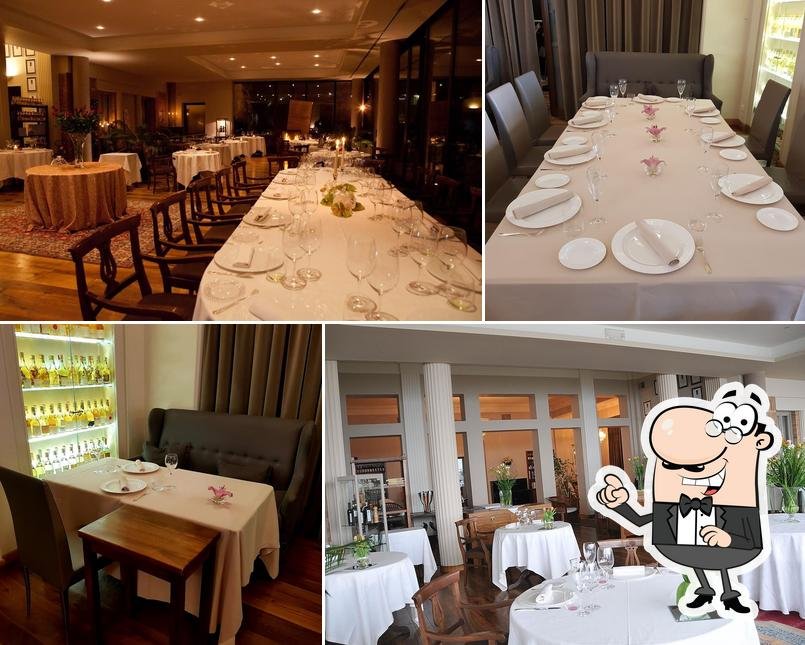
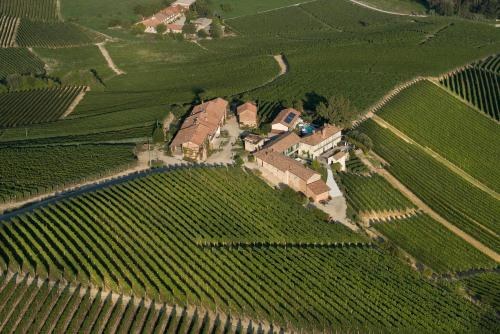
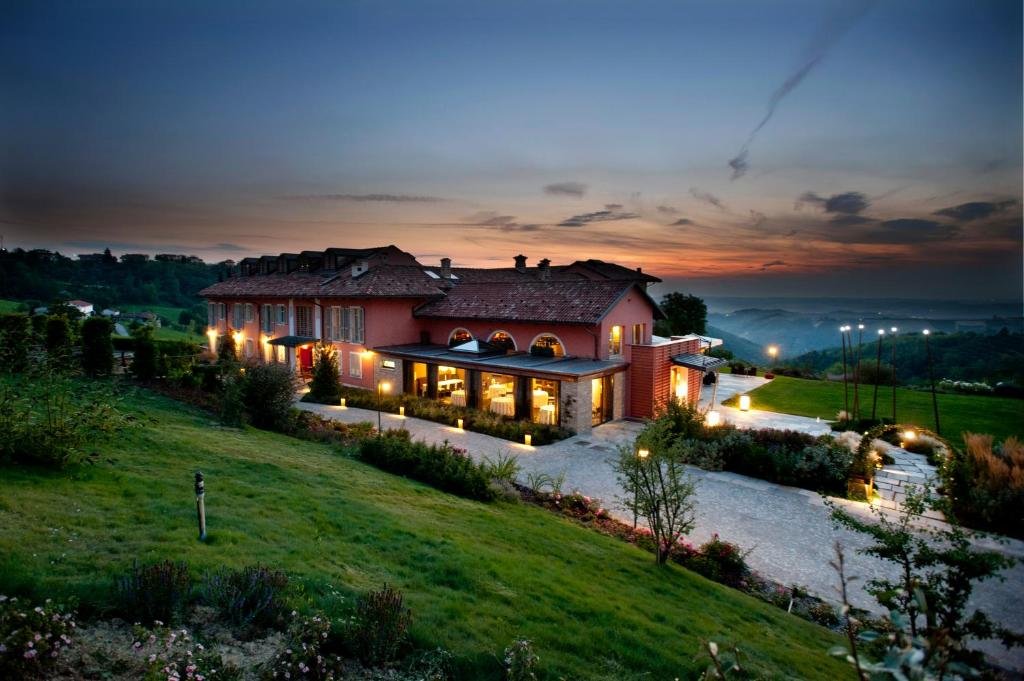
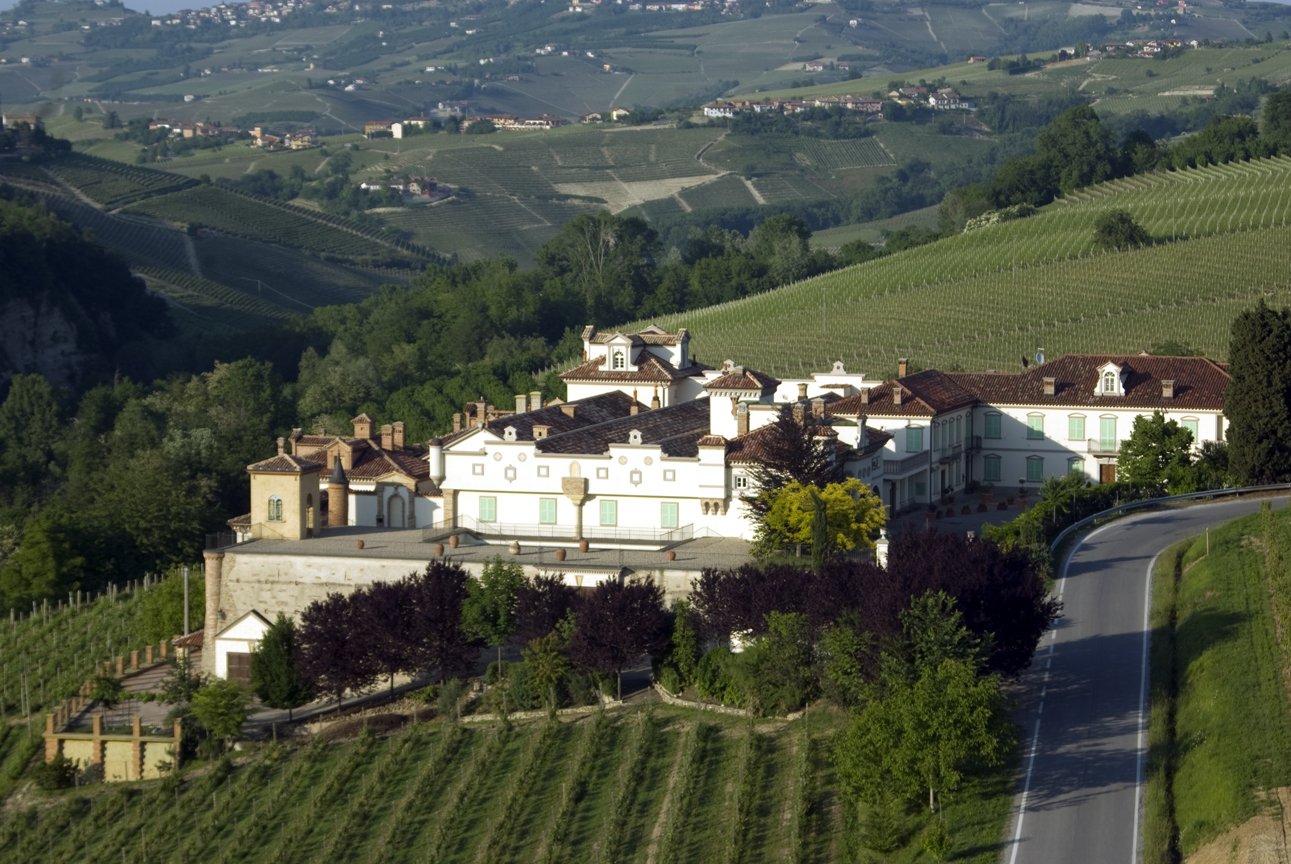
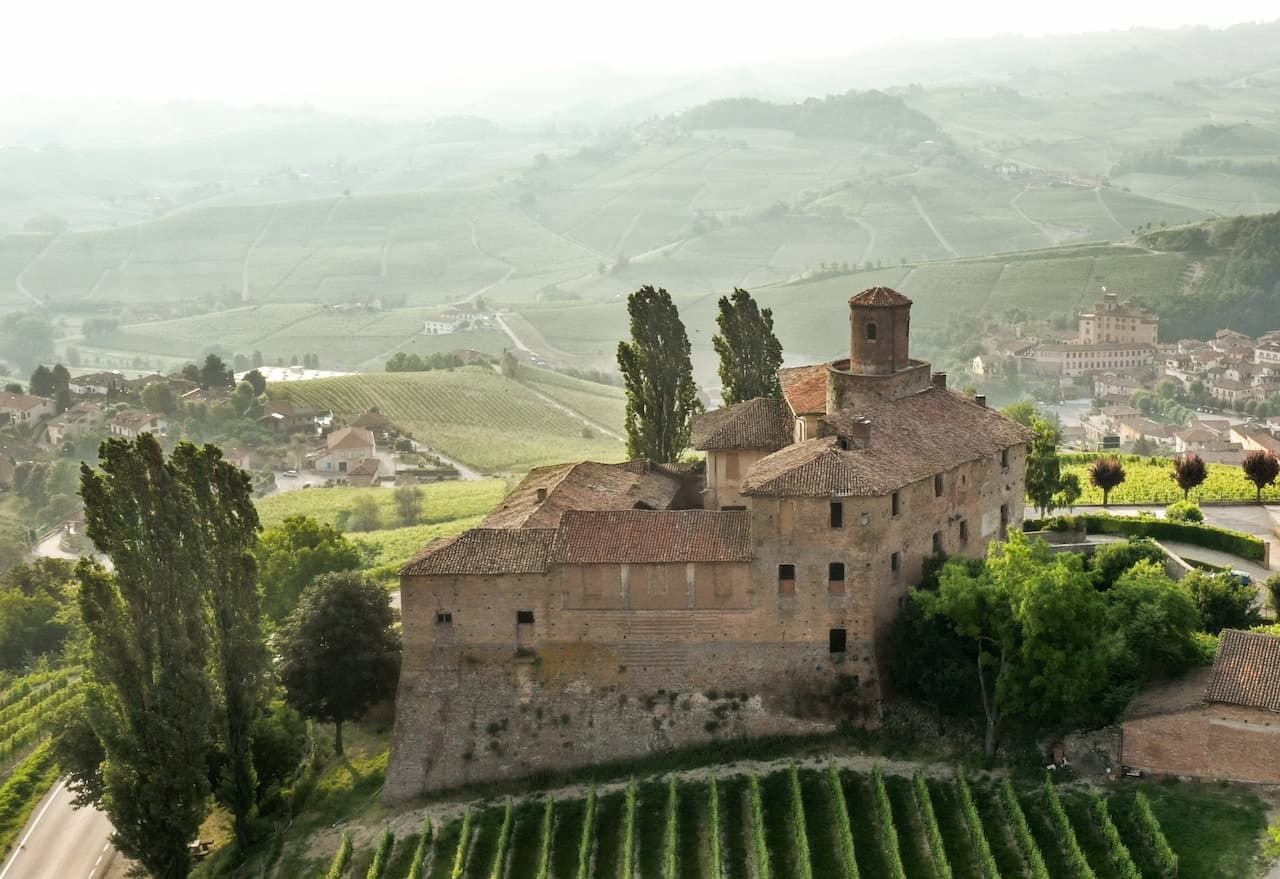
The hamlet of Perno sits on a ridge above Monforte d'Alba, close enough to the main wine towns to feel connected to the Langhe's gravitational pull but removed enough to operate at its own quieter rhythm. Vicolo della Chiesa is the kind of narrow lane where the stone walls seem to absorb the afternoon light differently than the streets below, and Gennaro Di Pace occupies a compact modern space near Perno castle that signals immediately it is not a traditional trattoria operating on nostalgia. The room is small and contemporary, with a presentation register that places it alongside Monforte's mid-range dining options rather than the more formal rooms of the town's Michelin-starred properties.
A Kitchen Built on Two Coasts
In Piedmont, the default culinary gravity pulls northward toward truffle, tajarin, and slow-braised meat. What makes the cooking at Gennaro Di Pace worth paying attention to from an editorial standpoint is the less common cross-regional dialogue it conducts. The owner-chef brings Calabrian origins to a menu that holds both Mediterranean seafood traditions and Piedmontese specialities in tension, a pairing that sounds unlikely on paper but has a culinary logic rooted in Italy's broader pasta tradition. Southern Italian kitchens have historically been confident with fish-based pasta sauces, from the anchovy-forward pasta dishes of the Calabrian coast to the more delicate preparations built around local seafood. Piedmont, by contrast, tends toward egg-rich pasta in meat and mushroom contexts. A kitchen that holds both fluencies can produce a more textured tasting range than one anchored purely to regional canon.
Contemporary technique applies here in the dish presentation, which Michelin's inspectors, who have awarded the restaurant a Plate recognition in both 2024 and 2025, described as beautifully presented. The Michelin Plate designation sits below star level but functions as a meaningful quality signal in the guide's framework, indicating cooking that is good and prepared with care. Within Monforte d'Alba's dining field, that positions Gennaro Di Pace in a tier distinct from the starred rooms: Borgo Sant'Anna and FRE both carry one Michelin star and operate at €€€ and €€€€ respectively, while Gennaro Di Pace prices at €€, making it one of the area's more accessible entry points into Michelin-recognised cooking.
The Pasta Argument
Piedmont's pasta tradition is among Italy's most codified. Tajarin, the region's thin egg-yolk pasta typically dressed with ragù or butter and truffle, defines the benchmark for what a Langhe kitchen is expected to produce. Across Italy, handmade pasta functions as both technical evidence and regional declaration: the width of a pappardelle, the thickness of a ragu-soaked pasta wall, or the delicacy of a filled pasta all communicate the kitchen's confidence and origins more precisely than almost any other component of a menu.
A kitchen that also speaks the southern Italian pasta vocabulary, where semolina-based shapes and seafood reductions sit alongside more delicate preparations, is making a different argument. It is saying that pasta technique is not monolithic but a set of overlapping regional grammars, and that a chef trained in one tradition can interpret another. That cross-regional reading has become more common across northern Italy's contemporary dining rooms: at major reference points like Osteria Francescana in Modena or Le Calandre in Rubano, the concept of Italian cuisine as a single tradition has been replaced by a more self-aware negotiation between regional specificity and technique-led synthesis. Gennaro Di Pace operates at a more modest scale and price tier, but the underlying tension between Calabrian and Piedmontese approaches on one menu participates in that same broader conversation.
For comparison, the deeper Italian traditions of long-established houses like Dal Pescatore in Runate or Enoteca Pinchiorri in Florence represent the more anchor-weighted end of that spectrum, where regional identity is the foundation rather than a variable. What Italian kitchens working at the cross-regional register offer instead is a more contingent menu logic, one that rewards curiosity about where a dish's technique actually originates.
Monforte's Mid-Range Dining Field
Monforte d'Alba has developed a more layered dining field than its size might suggest, partly because it sits within one of Italy's most visited wine tourism corridors and partly because the surrounding Langhe communes have historically attracted serious kitchen talent. At the €€ level, Gennaro Di Pace shares price positioning with Le Case della Saracca, while Il Giardino "Da Felicin" sits at €€€ with a Piedmontese focus. Repubblica di Perno, also in Perno, provides the most immediate neighbourhood comparison and also draws on Piedmontese traditions.
The Google review score of 4.8 from 139 reviews places Gennaro Di Pace in the upper tier of consistently rated restaurants in the area, and the volume is sufficient to be statistically meaningful rather than a small-sample outlier. That rating, combined with two consecutive years of Michelin Plate recognition, gives the restaurant a coherent quality signal across both popular and professional assessment.
Italian cuisine translated for international contexts, whether at 8 1/2 Otto e Mezzo Bombana in Hong Kong or cenci in Kyoto, tends to privilege the kind of regional specificity that a restaurant like Gennaro Di Pace represents. For visiting diners arriving via the Langhe wine circuit, a meal that holds both fish and Piedmontese tradition in dialogue offers a more expansive reading of Italian table culture than a purely regionally orthodox menu would.
Planning a Visit
Perno is a short drive from Monforte d'Alba's main centre, and the restaurant sits close to the castle in a quiet residential lane. Lunch is available but requires a prior reservation, making advance booking the practical requirement for both services. The €€ price range places this among the more accessible Michelin-recognised tables in the Langhe, and for travellers combining the visit with wine country exploration, it fits naturally into a wider day itinerary. For a fuller picture of the area's options, the Monforte d'Alba restaurants guide covers the range from mid-market to starred rooms. Those staying in the area will also find relevant context in the Monforte d'Alba hotels guide, bars guide, wineries guide, and experiences guide. For those with broader Italian dining ambitions beyond the Langhe, the work coming out of kitchens like Enrico Bartolini in Milan and Atelier Moessmer Norbert Niederkofler in Brunico represents the upper end of northern Italy's contemporary register, and provides useful framing for where Gennaro Di Pace sits in the wider field.
Cuisine-First Comparison
A compact peer snapshot based on similar venues we track.
| Venue | Cuisine | Awards | Notes |
|---|---|---|---|
| Gennaro Di Pace | Italian | The owner-chef’s Calabrian origins are evident on a menu that combines Mediterra… | This venue |
| Borgo Sant'Anna | Modern Italian, Country cooking | Michelin 1 Star | Modern Italian, Country cooking, €€€ |
| Trattoria della Posta | Piemontese, Piedmontese | Piemontese, Piedmontese, €€ | |
| FRE | Creative | Michelin 1 Star | Creative, €€€€ |
| Le Case della Saracca | Piedmontese | Piedmontese, €€ | |
| Il Giardino "Da Felicin" | Piedmontese | Piedmontese, €€€ |
Continue exploring
More in Monforte d'Alba
Restaurants in Monforte d'Alba
Browse all →
Bars in Monforte d'Alba
Browse all →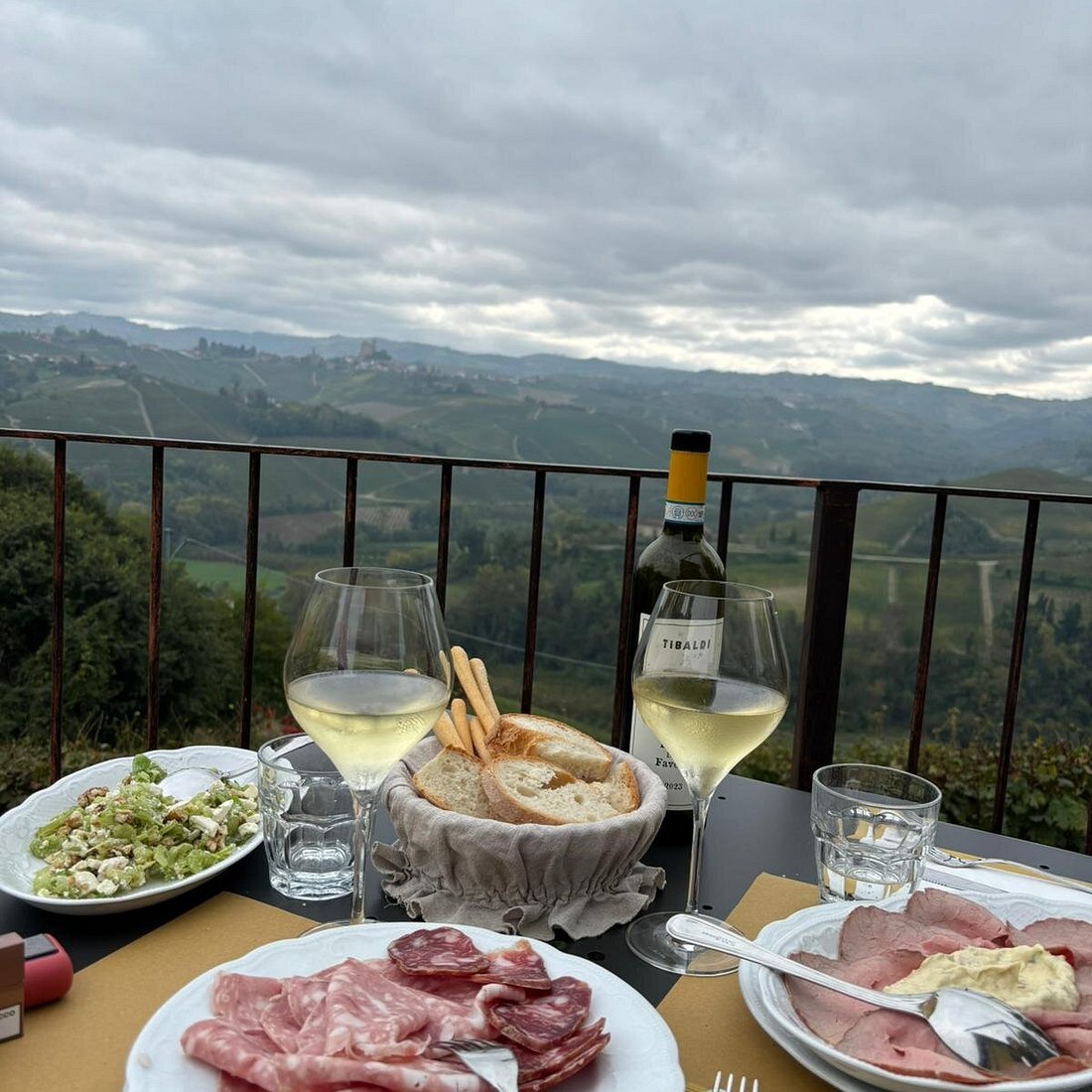
Hotels in Monforte d'Alba
Browse all →
At a Glance
- Intimate
- Elegant
- Cozy
- Modern
- Sophisticated
- Date Night
- Special Occasion
- Terrace
- Extensive Wine List
- Local Sourcing
- Vineyard
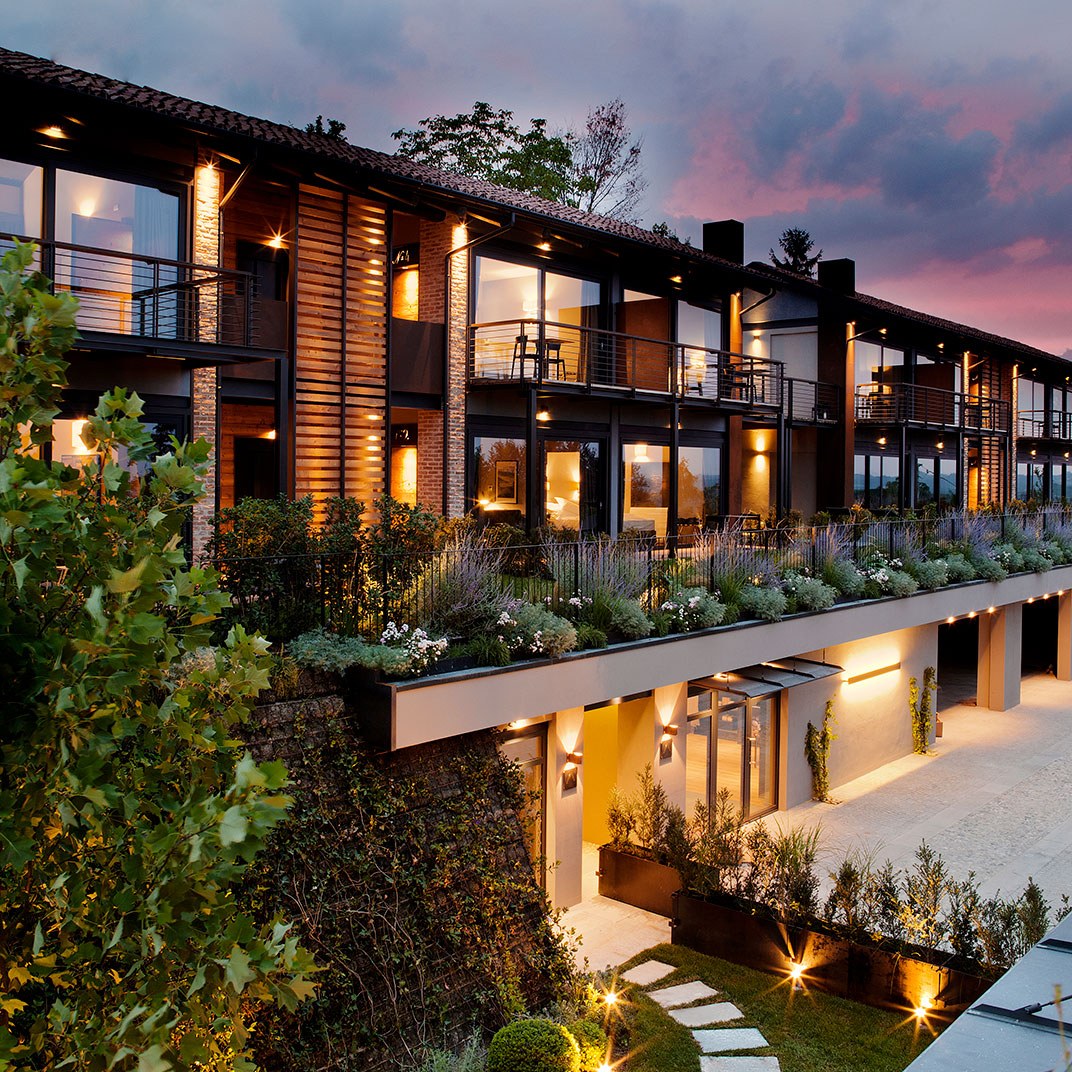
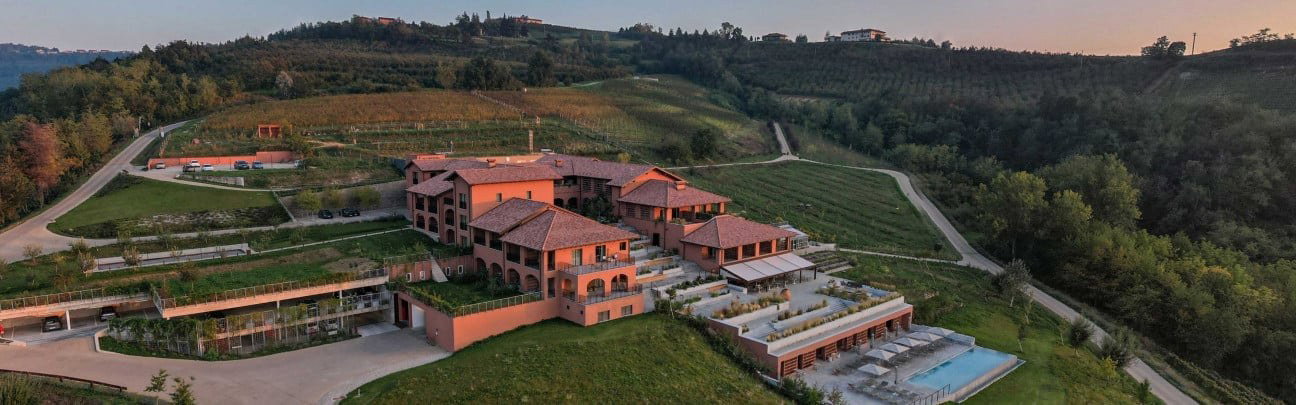
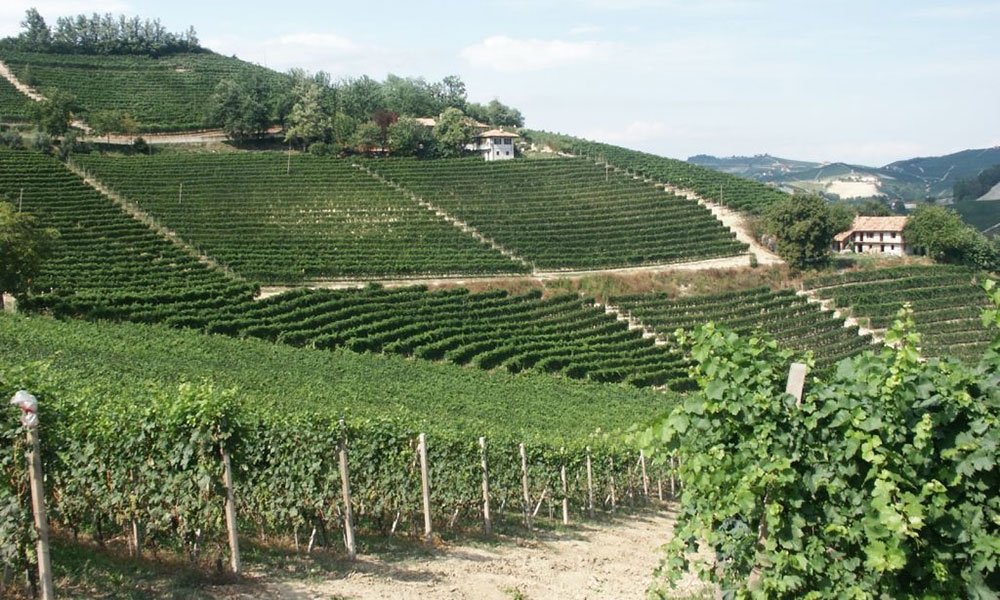
Cozy, warm, modern interior with intimate atmosphere, terrace for aperitivo overlooking vineyards.