Gene & Georgetti

Gene & Georgetti at 500 N Franklin St has anchored Chicago's steakhouse tradition since 1941, making it one of the city's longest-running chophouses. The dining room operates as a study in old Chicago character: dark wood, close tables, and a room that rewards regulars. For travelers mapping the city's full dining range alongside destinations like Alinea or Oriole, Gene & Georgetti represents the other end of the spectrum, weight, ritual, and staying power.
Pearl is the En Primeur Club membership app — saves, bookings, and concierge access live there. Same editors, same standards.
- Address
- 500 N Franklin St, Chicago, IL 60654
- Phone
- +13125273718
- Website
- geneandgeorgetti.com
- Directions
- Get directions
 Saves & bookings on Pearl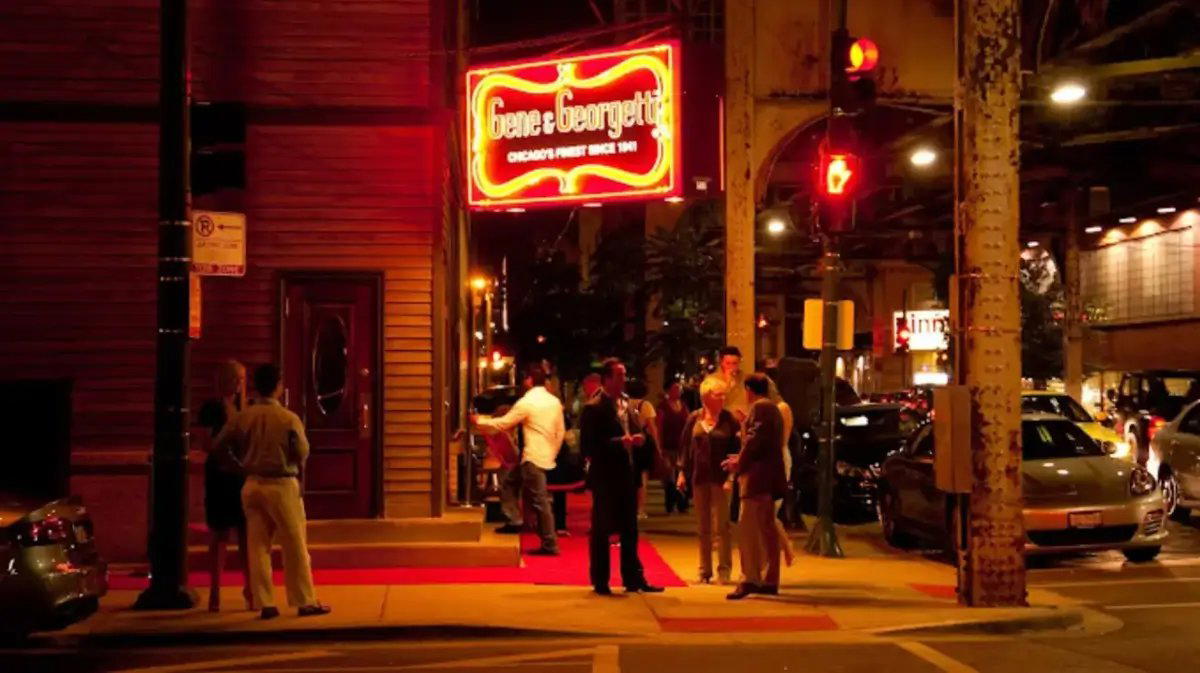
Walking Into a Particular Kind of Chicago
There is a version of Chicago dining that has nothing to do with tasting menus or fermentation programs. It runs on beef, booths, and the particular authority of a room that has been doing the same thing for decades without apology. Gene & Georgetti, at 500 N Franklin St in River North, is one direct address for that tradition. Before you reach the door you already have a sense of the atmosphere inside: old wood, low light, and the smell of charcoal and red meat. The room does not announce itself. It simply continues.
Chicago's steakhouse category is not small. The city has added nationally recognized chophouses at regular intervals over the past two decades, and the competition for expense-account tables is serious. Gene & Georgetti's position in that field is unusual: it is not competing on modernity or spectacle. It competes on continuity. Founded in 1941, it is one of the oldest restaurants in continuous operation in the city, and that longevity functions as its primary credential. In a dining culture that now produces destinations like Alinea, Smyth, and Oriole, Gene & Georgetti represents the longer institutional memory of the city's table culture.
The Atmosphere as the Main Event
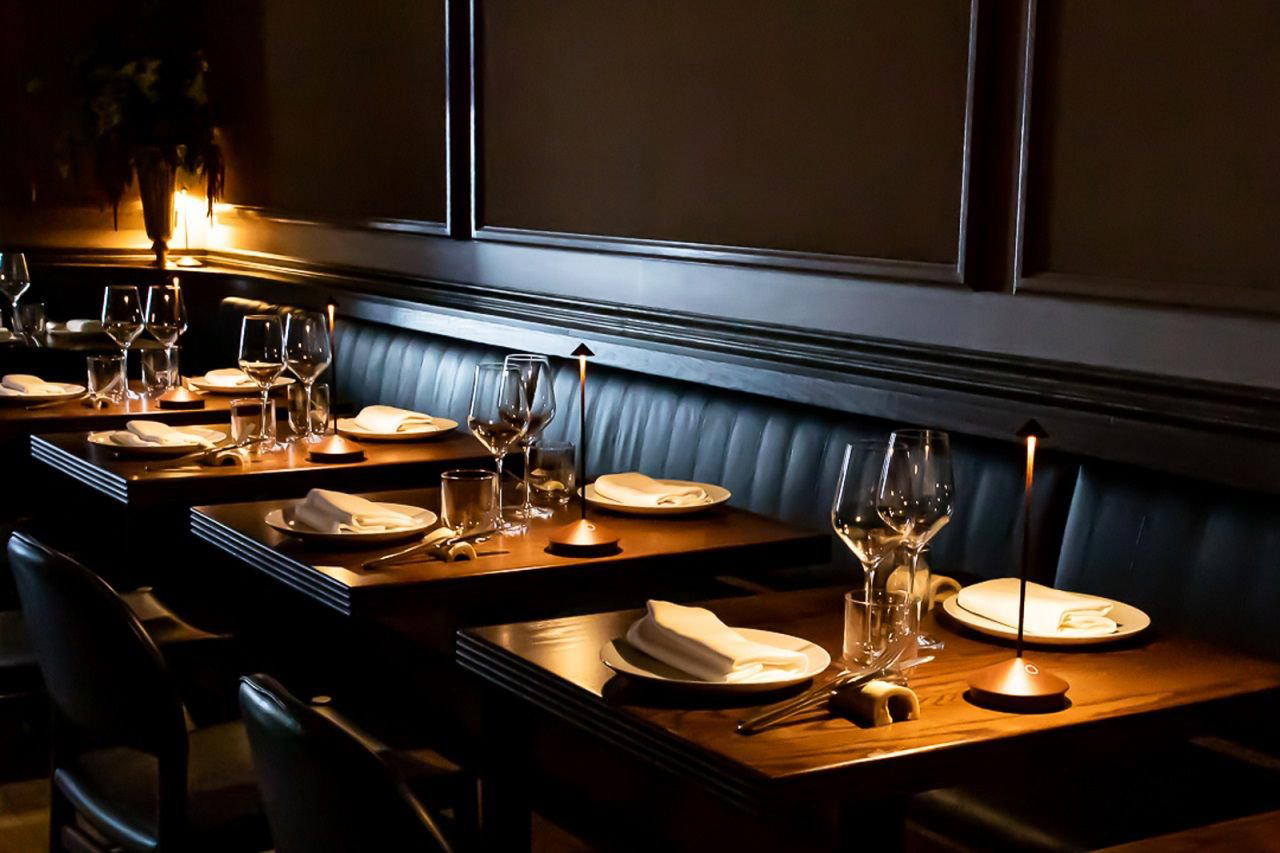
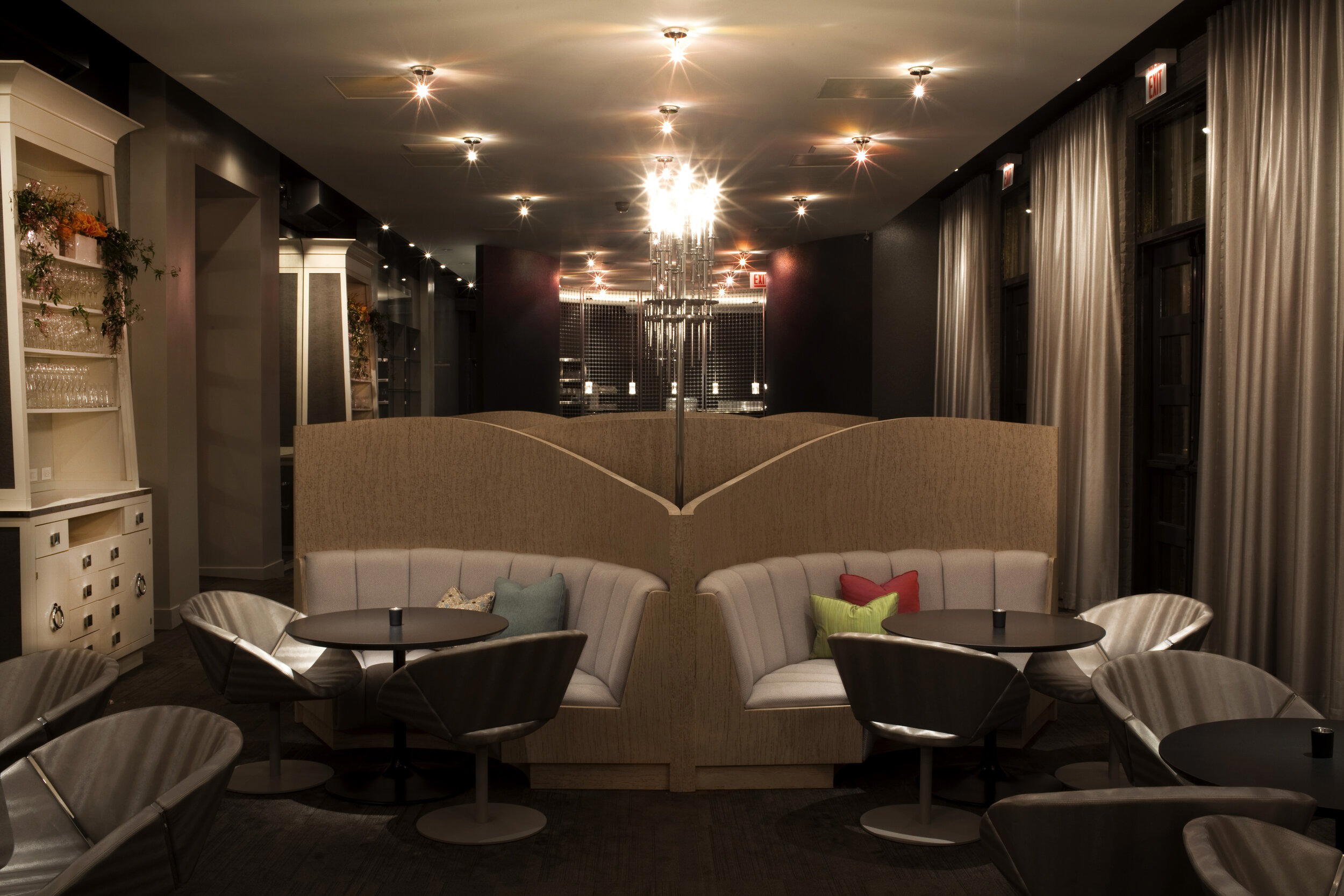
The interior reads as a document of mid-century Chicago hospitality. Dark paneling, photographs accumulated across generations of service, and tables arranged for conversation rather than theater. The room is not staged to feel old; it simply is old, in the way that matters. There is a particular acoustic quality to a room this size with this volume of regulars: the noise level sits high enough to feel lively, low enough that a table can function as a private conversation. The proximity of the refined train adds an intermittent bass note to the soundscape that most River North restaurants have buffered out. Here it is part of the texture.
Italian-American steakhouses of this era, and Gene & Georgetti belongs firmly to that lineage, developed a specific set of conventions that are worth understanding as a category. The format combined the Italian immigrant kitchen's relationship with good olive oil, garlic, and pasta with the midwestern appetite for prime beef. The result was not fusion in any modern sense but a pragmatic combination that produced its own grammar: steaks as the centerpiece, pasta as a serious side rather than a first course afterthought, and a service culture built around recognizing returning guests. That hospitality architecture is what gives rooms like this their specific weight.
The Steakhouse as Chicago Institution
Chicago has always taken beef seriously, and the city's chophouse tradition is one of the more coherent dining categories in American restaurant culture. The stockyards history is well documented, and it shaped not just the supply chain but the civic appetite for well-aged, well-handled prime cuts served without excessive intervention. Gene & Georgetti entered that tradition more than eighty years ago and has remained inside it, a fact that places it in a different competitive conversation than newer entries to the category.
For travelers assembling a Chicago itinerary across multiple price points and formats, it is useful to think of the city's dining as genuinely plural. Kasama and Next Restaurant represent different expressions of the city's appetite for format and technique. Gene & Georgetti represents something that those destinations, however accomplished, cannot replicate: the accumulated social weight of a room that has been functioning as a gathering place for Chicago's professional and political class since the Forties. The two things are not in competition. They are different arguments about what a city's dining culture is for.
Across the broader American fine dining map, there are parallels worth noting. Emeril's in New Orleans carries a comparable institutional status within its own city's dining identity. The Inn at Little Washington similarly occupies a category where longevity and accumulated reputation function as credentials in their own right. Internationally, destinations like Atelier Moessmer Norbert Niederkofler in Brunico demonstrate that institutional depth and a specific regional tradition can anchor a restaurant's identity as firmly as any award cycle. Gene & Georgetti's version of that depth is Chicago-specific, rooted in the Italian-American chophouse tradition rather than European fine dining, but the structural logic is the same.
Where It Sits in the Chicago Dining Map
River North, as a neighbourhood, has absorbed a significant density of restaurant development over the past two decades. The area runs a wide range from hotel dining rooms to destination tasting menus, and Gene & Georgetti's address at 500 N Franklin puts it within walking distance of much of that activity. The restaurant does not position itself against any of it. The neighborhood has changed substantially around it; the restaurant itself registers the change mostly as additional foot traffic on the surrounding streets.
For a fuller read on how Gene & Georgetti fits within Chicago's restaurant categories, our full Chicago restaurants guide maps the city's dining across formats, price tiers, and neighbourhoods. The guide also covers the city's newer progressive American destinations, which now include entries that have drawn national attention alongside comparably acclaimed rooms in other cities: Le Bernardin in New York City, Lazy Bear in San Francisco, The French Laundry in Napa, Single Thread Farm in Healdsburg, Providence in Los Angeles, Blue Hill at Stone Barns in Tarrytown, Addison in San Diego, Frasca Food & Wine in Boulder, and Atomix in New York City.
Cuisine Lens
Comparable venues nearby, for context on price, style, and recognition.
| Venue | Cuisine | Price | Notes |
|---|---|---|---|
| Gene & GeorgettiThis venue — the venue you are viewing | Classic Tuscan Steakhouse | $$$ | Not listed |
| the Albert | Modern Italian | $$$ | Streeterville |
| Deliz | Italian Steakhouse | $$$ | Bucktown / Wicker Park |
| Sofi Restaurant | Northern Italian | $$$ | Printer's Row |
| Carmine’s | Classic Italian Trattoria | $$$ | Gold Coast |
| Viaggio Restaurant Chicago | Authentic Italian Pasta | $$$ | West Loop |
Recognition history
Dated appearances from independent guides and award organizations, with the underlying list record or original source where available.
Wine Spectator Award of Excellence
Wine Spectator
At a Glance
- Classic
- Well Known
- Elegant
- Business Dinner
- Special Occasion
- Group Dining
- Historic Building
- Extensive Wine List
Current opening hours
- Monday
- 11 AM–9 PM
- Tuesday
- 11 AM–9 PM
- Wednesday
- 11 AM–9 PM
- Thursday
- 11 AM–9 PM
- Friday
- 11 AM–10 PM
- Saturday
- 11 AM–10 PM
- Sunday
- 11 AM–10 PM
Hours can change for holidays and private events. Last verified .
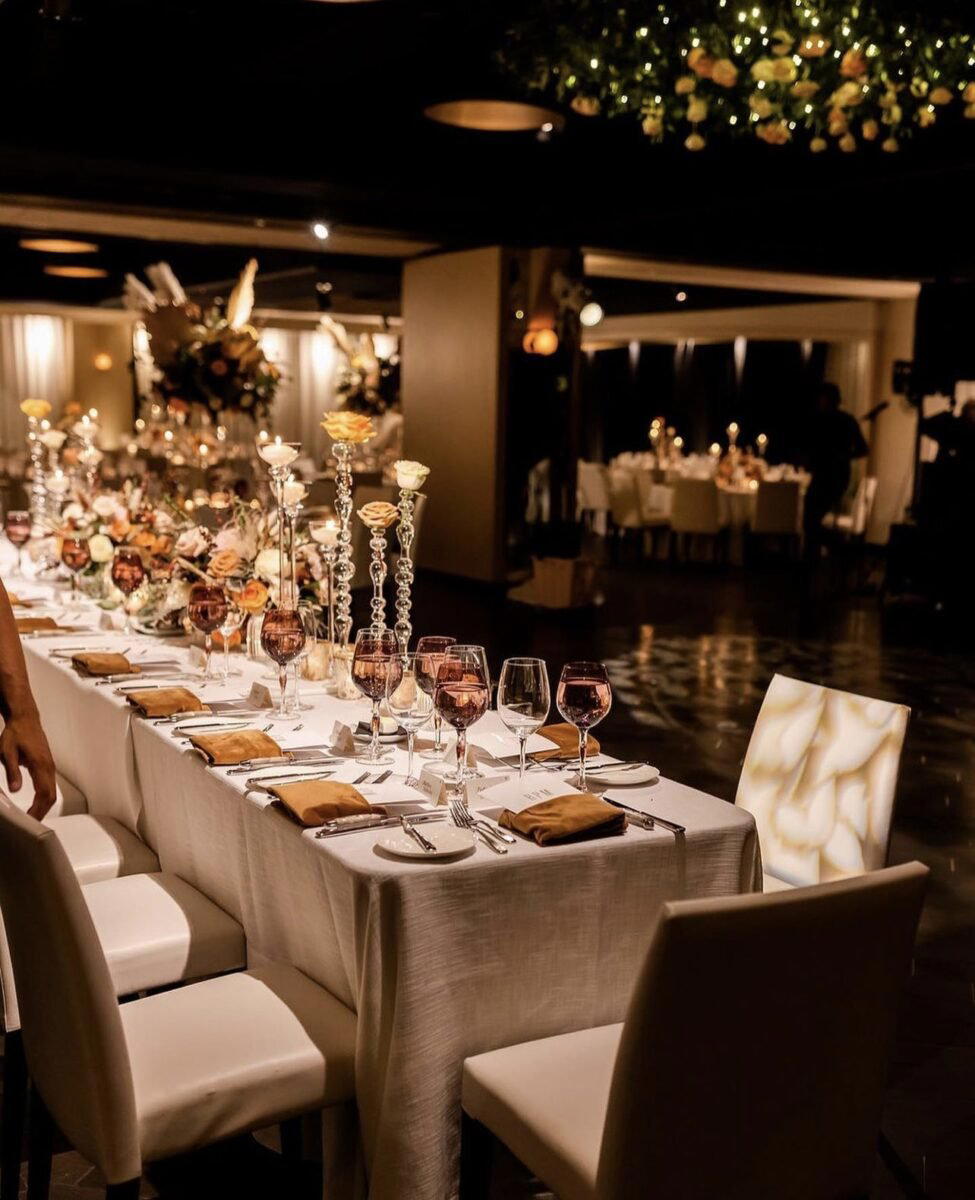
Classic steakhouse atmosphere with elegant, traditional decor evoking old-school Chicago dining excellence.