Sofi Restaurant
Sofi Restaurant occupies a South Loop address on South Dearborn Street, positioning it within one of Chicago's more quietly considered dining corridors. The kitchen works at the intersection of globally trained technique and locally sourced product, a format that has become a defining current in the city's serious dining tier.
Pearl is the En Primeur Club membership app — saves, bookings, and concierge access live there. Same editors, same standards.
- Address
- 616 S Dearborn St, Chicago, IL 60605
- Phone
- +13127535502
- Website
- sofichicago.com
- Directions
- Get directions
 Saves & bookings on Pearl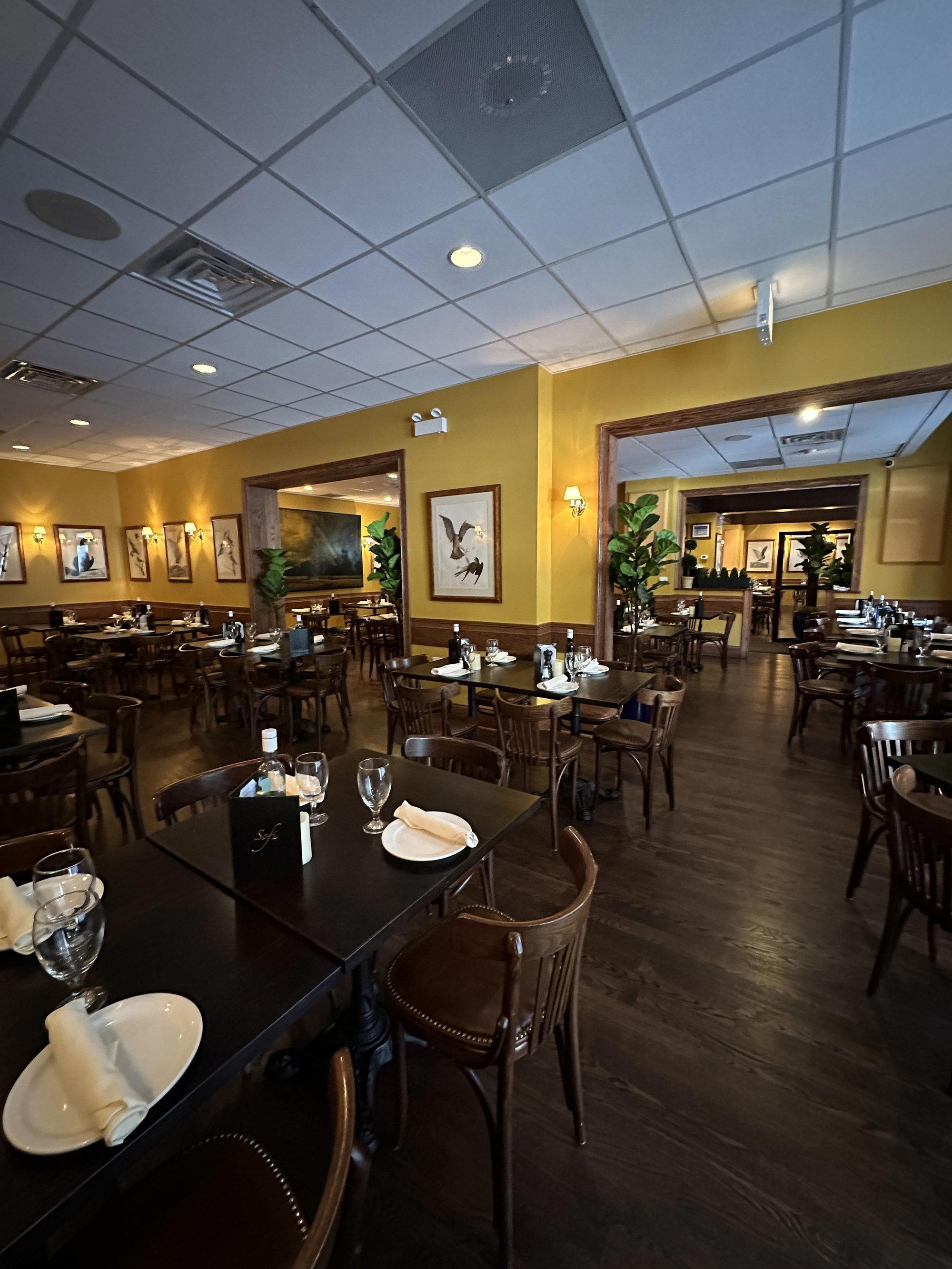
South Loop, South Dearborn, and the Corridor That Earns Attention Quietly
Chicago's South Loop has never generated the dining press that River North or the West Loop command, yet the neighbourhood around South Dearborn Street has accumulated a cohort of restaurants that operate with more editorial seriousness than their surroundings might suggest. The street runs through a district that is still consolidating its identity as a dining destination, which means that the restaurants choosing to set up here tend to make a deliberate argument for their location rather than relying on foot traffic or neighbourhood cachet. Sofi Restaurant, at 616 S Dearborn St, sits in that context: a venue whose address is a statement as much as a coordinate.
This matters because interesting dining in any American city rarely clusters where you expect it. Lazy Bear in San Francisco built its reputation in a part of the Mission that required a deliberate trip; Blue Hill at Stone Barns in Tarrytown made the case that commuting to a farm was worth the detour. The South Loop operates on a smaller version of the same logic: the dining here is destination dining by necessity, which tends to self-select for kitchens with something to say.
The Technique-and-Terroir Current in Chicago Dining
The editorial angle that matters most for understanding where Sofi Restaurant sits is the one reshaping serious dining across every major American city: the intersection of globally trained technique with ingredients that have a verifiable local address. This is not a novelty position in 2024. It is, in fact, the dominant grammar of ambitious American cooking, from Single Thread Farm in Healdsburg, where the Japanese kaiseki structure is applied to Northern California produce, to Providence in Los Angeles, where French classical rigour meets Pacific seafood. The question for any Chicago kitchen working in this register is how it positions itself within that national conversation.
Chicago has a strong claim to being the city where the technique-terroir pairing acquired its most explicit American form. Alinea demonstrated that imported methods (in that case, modernist European technique) could be applied to American flavour references without apology. Smyth built its identity around a farm-to-counter logic that takes Midwestern ingredients and processes them through a contemporary fine dining vocabulary. Oriole runs a similarly disciplined program at the premium end. Even Kasama, working in a Filipino idiom, demonstrates that the technique-terroir pairing extends beyond European cooking frameworks. The pattern across all of these is consistent: global training, local sourcing, and an explicit culinary argument in every course.
Sofi Restaurant operates in the same city as these references, which means it is implicitly in dialogue with them regardless of price tier or format. A restaurant in this part of Chicago, at this address, drawing from the same broader framework, faces the same reader question that every serious dining room in the city faces: what, exactly, is the argument you're making?
What the Local-Technique Framework Demands of a Kitchen
When a restaurant positions itself at the intersection of imported method and indigenous product, the critical weight falls on specificity. It is not enough to source locally; the sourcing has to be traceable and the technique has to be legible. The restaurants that make this framework work are the ones where the two halves of the equation are in genuine conversation rather than existing as independent marketing points. The French Laundry in Napa and Addison in San Diego both demonstrate that the classical French toolkit does not need to produce French food; applied to regional ingredients, it produces something geographically specific that couldn't have been made anywhere else.
The same principle holds for kitchens working with Asian technique applied to American product, a format that Atomix in New York City executes at the highest level in the Korean idiom, and that 8 1/2 Otto e Mezzo Bombana in Hong Kong reverses by applying Italian structure to East Asian ingredients. The direction of the technique transfer is less important than the rigor with which the conversation between method and material is sustained across a menu.
For a restaurant at Sofi's address, the local ingredient pool is substantial. The Midwest offers a produce calendar that moves through brassicas and root vegetables in winter, into alliums and early greens in spring, and toward grain-based preparations that have no equivalent in coastal American cooking. A kitchen that takes that seriously and brings a non-regional technique to it has a genuinely interesting editorial position. The work is in making that position visible in the cooking rather than just describing it.
The South Loop in the Broader Chicago Dining Map
Chicago's serious dining tier is more geographically distributed than its marketing suggests. The West Loop concentration around Fulton Market draws greater coverage, but the South Loop and adjacent neighbourhoods have historically housed restaurants that operate at a comparable level with considerably less ambient noise. This dynamic is familiar from other American cities: Bacchanalia in Atlanta and Emeril's in New Orleans both anchored dining scenes in neighbourhoods that required the restaurant to create destination gravity rather than absorb it from surroundings.
The advantage of operating in a lower-traffic corridor is that it tends to attract a customer who has made a decision rather than a walk-in. South Dearborn, in that sense, functions as a filter: the diners who arrive at 616 S Dearborn St have, by definition, chosen to go there. That is not a small thing in a city where restaurant competition is measured in blocks and the default tourist circuit covers a fraction of the actual dining geography. Next Restaurant built an entire model around the idea that diners who commit to a reservation in advance are a different audience from walk-in customers, and the South Loop implicitly applies a softer version of that logic to every restaurant in the corridor.
Planning Your Visit
Address: 616 S Dearborn St, Chicago, IL 60605. Budget: Approximately $60 per person. Dress: Smart casual. Getting there: South Dearborn Street in the South Loop is accessible from the Loop via a short walk south; the area is served by CTA Red, Green, and Orange lines at nearby stations.
In Context: Similar Options
Comparable venues nearby, for context on price, style, and recognition.
| Venue | Cuisine | Price | Notes |
|---|---|---|---|
| Sofi RestaurantThis venue — the venue you are viewing | Northern Italian | $$$ | Not listed |
| Carmine’s | Classic Italian Trattoria | $$$ | Gold Coast |
| Formento’s Italian Steakhouse | Italian Steakhouse | $$$ | West Loop |
| Gene & Georgetti | Classic Tuscan Steakhouse | $$$ | River North |
| Macello | Pugliese Italian | $$$ | West Loop |
| UMMO | Contemporary Italian | $$$ | River North |
At a Glance
- Elegant
- Cozy
- Sophisticated
- Classic
- Date Night
- Business Dinner
- Special Occasion
- Open Kitchen
- Extensive Wine List
- Craft Cocktails
- Local Sourcing
Current opening hours
- Monday
- 4:30–10 PM
- Tuesday
- 4:30–10 PM
- Wednesday
- 4:30–10 PM
- Thursday
- 4:30–10 PM
- Friday
- 4:30–10:30 PM
- Saturday
- 4:30–10:30 PM
- Sunday
- 4–9 PM
Hours can change for holidays and private events. Last verified .
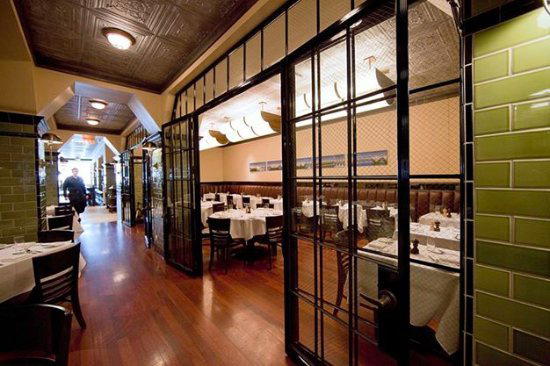
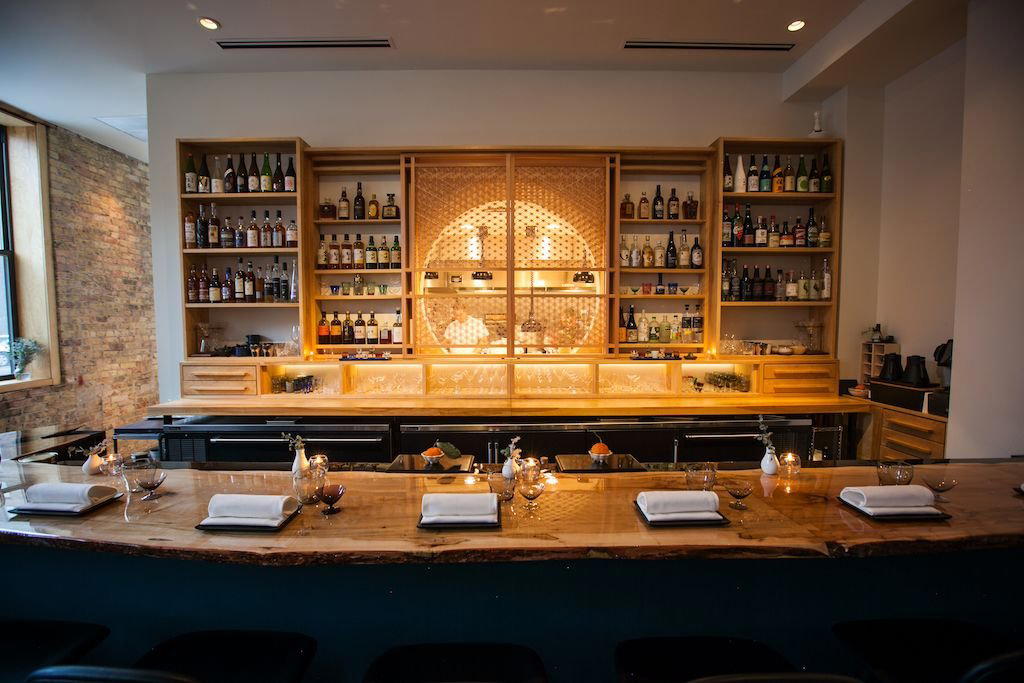
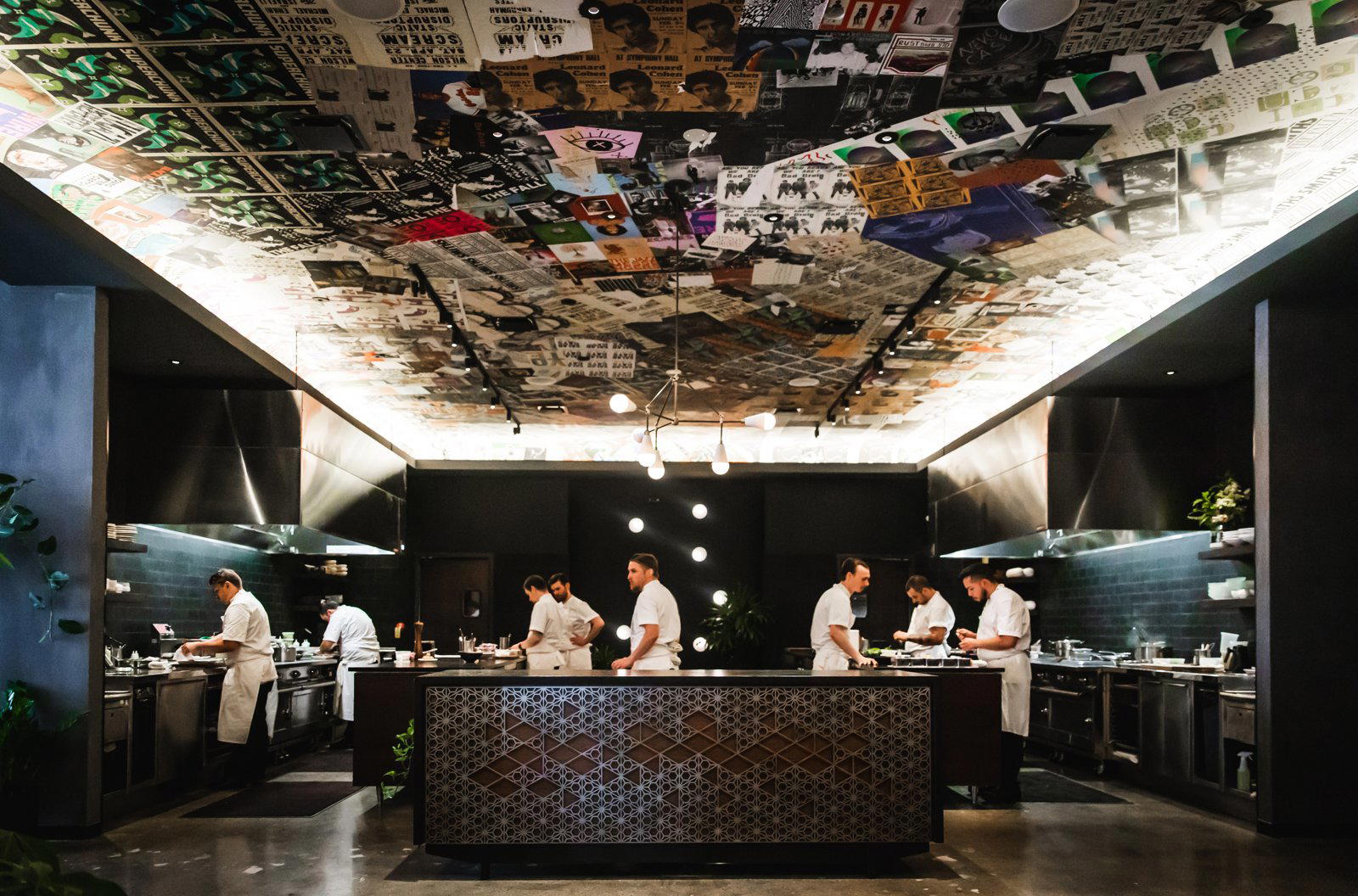
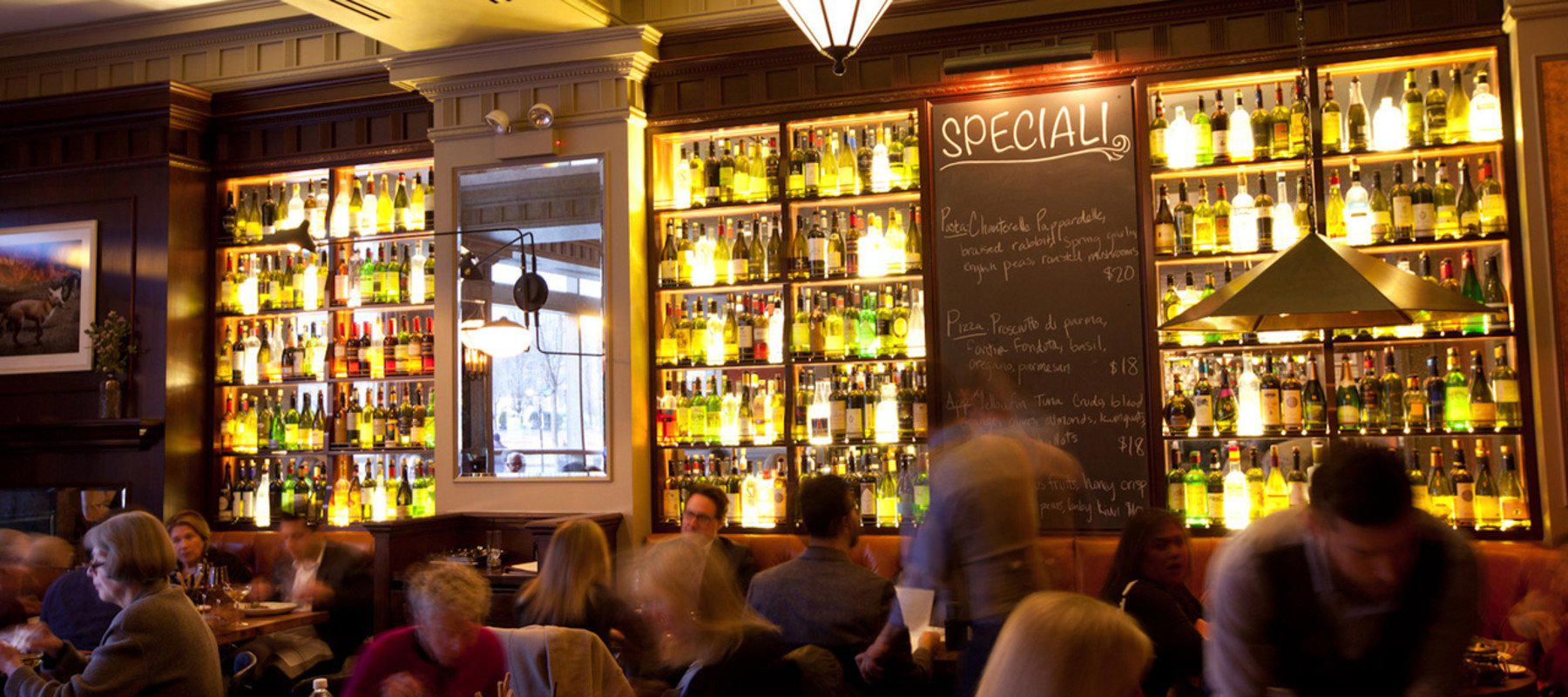
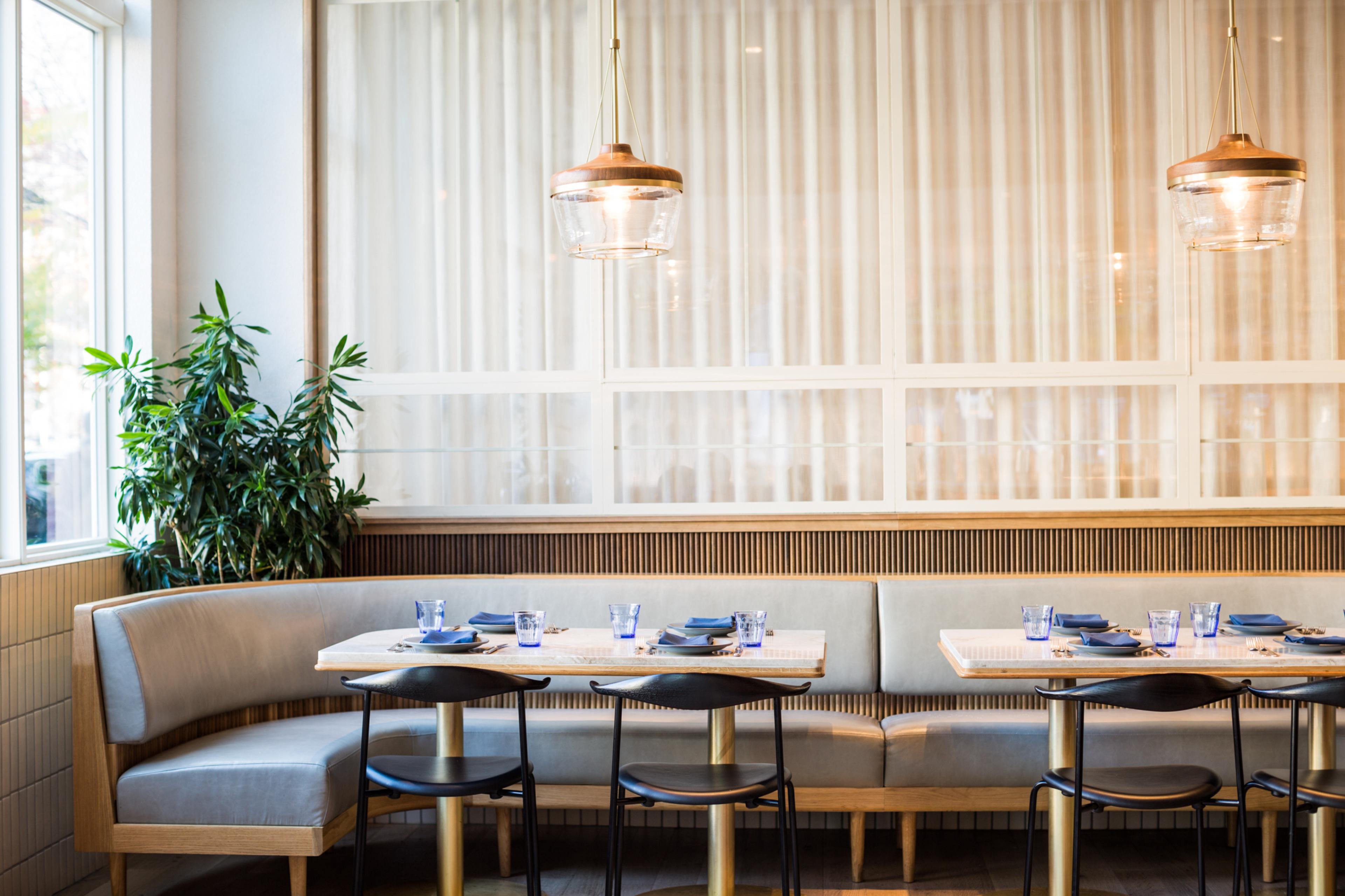
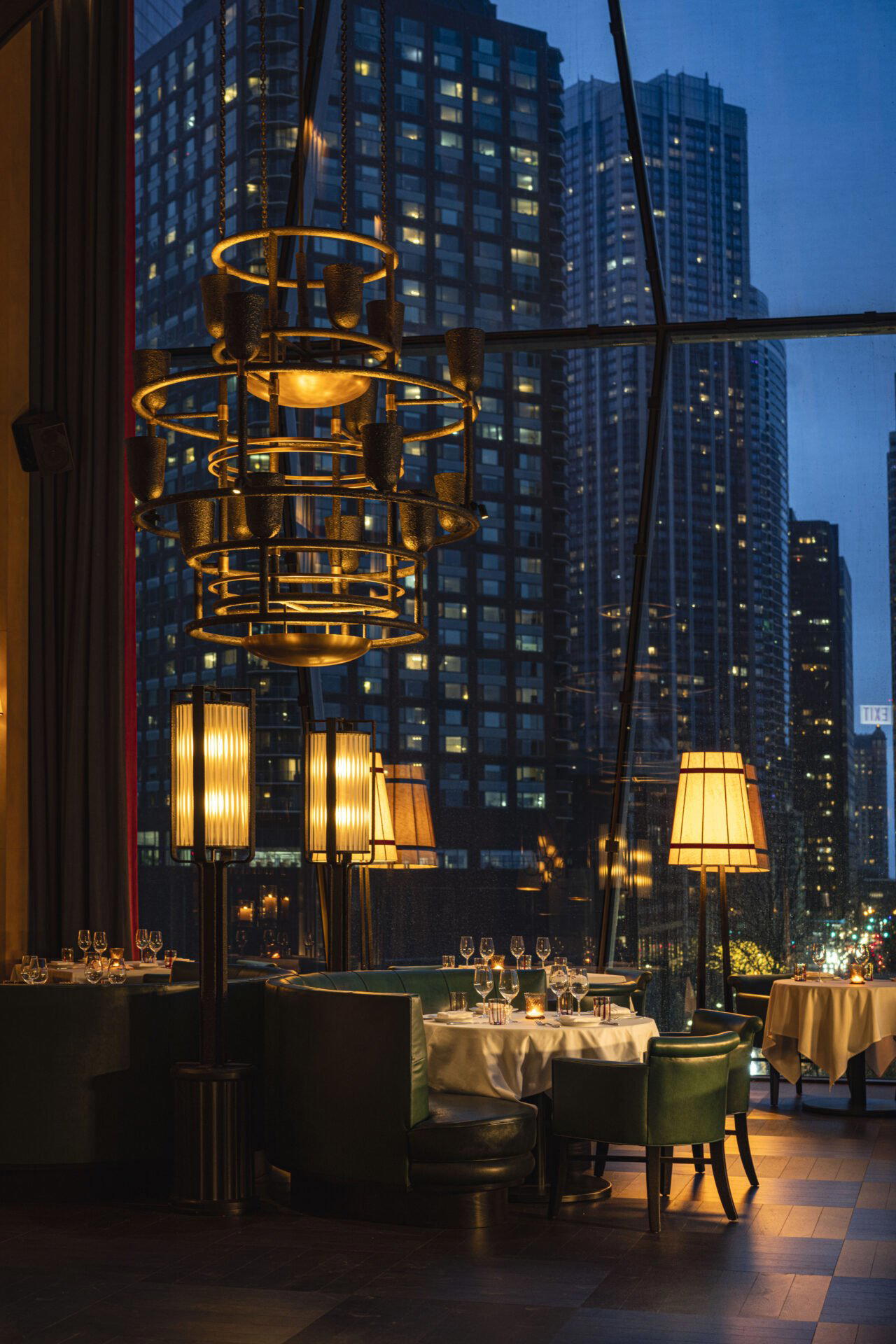
Inviting and warm space with hospitable service, featuring simple presentations that let high-quality food shine amid a welcoming Italian atmosphere.