Carmine’s
On Rush Street in Chicago's Gold Coast, Carmine's has held its ground as a red-sauce institution while the city's dining scene shifted dramatically around it. The kitchen works the Italian-American canon, pasta, braised meats, garlic-heavy sauces, in generous portions built for the table rather than the tasting menu. It occupies a different tier from Chicago's Michelin-decorated rooms, and that's precisely the point.
Pearl is the En Primeur Club membership app — saves, bookings, and concierge access live there. Same editors, same standards.
- Address
- 1037 N Rush St, Chicago, IL 60611
- Phone
- (312) 988-7676
- Website
- carminesitalian.com
- Directions
- Get directions
 Saves & bookings on Pearl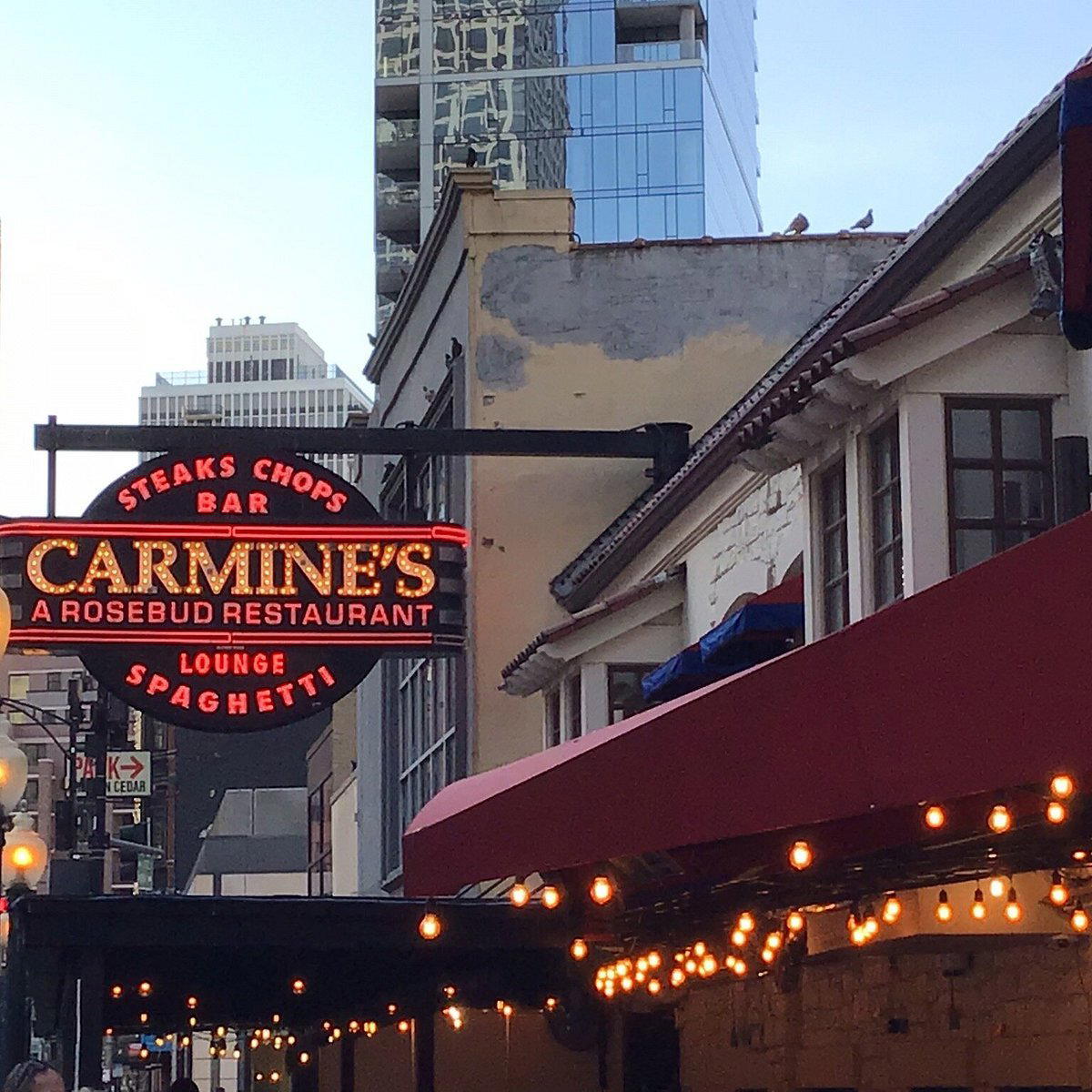
Red Sauce on Rush Street: Where the Italian-American Canon Holds
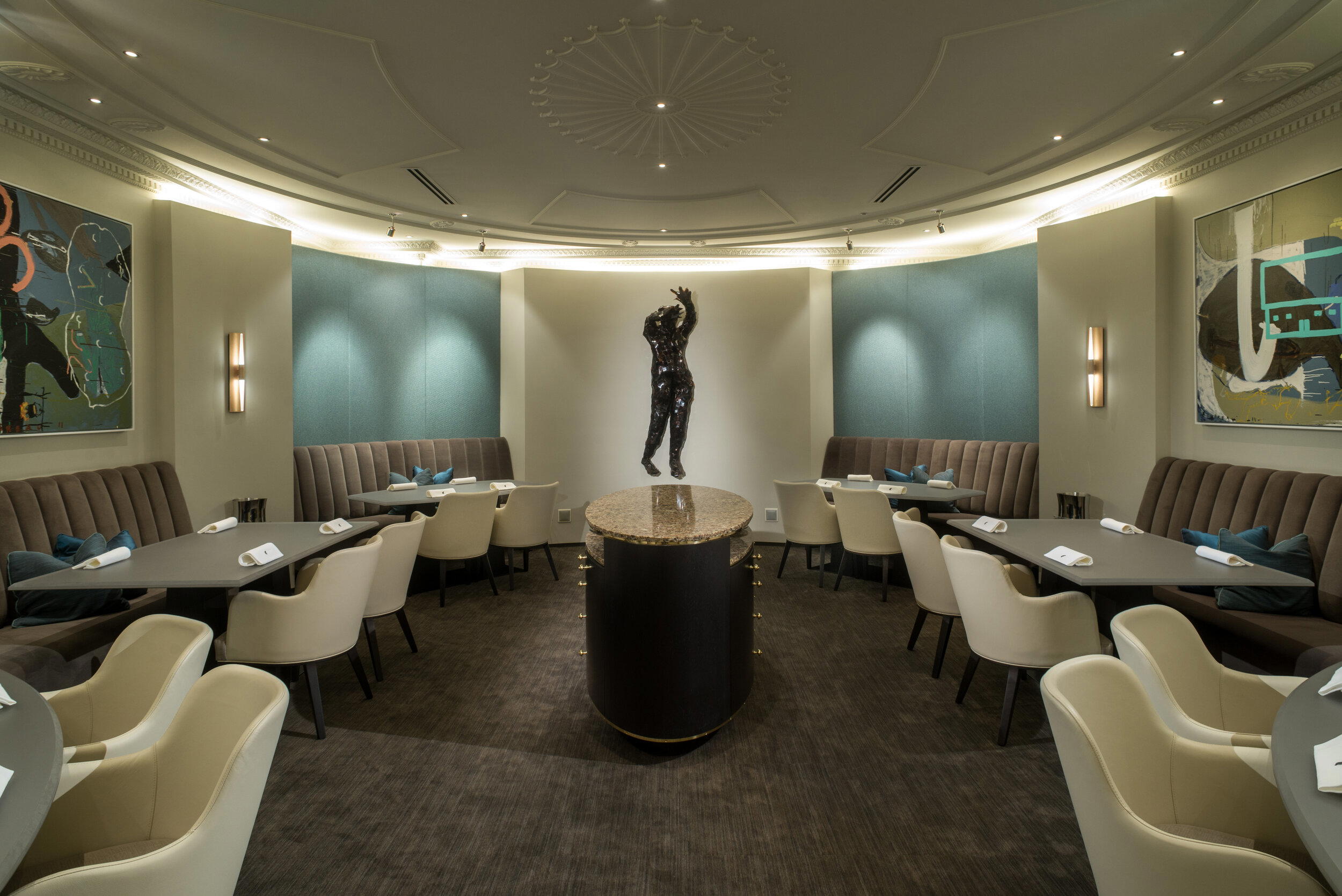
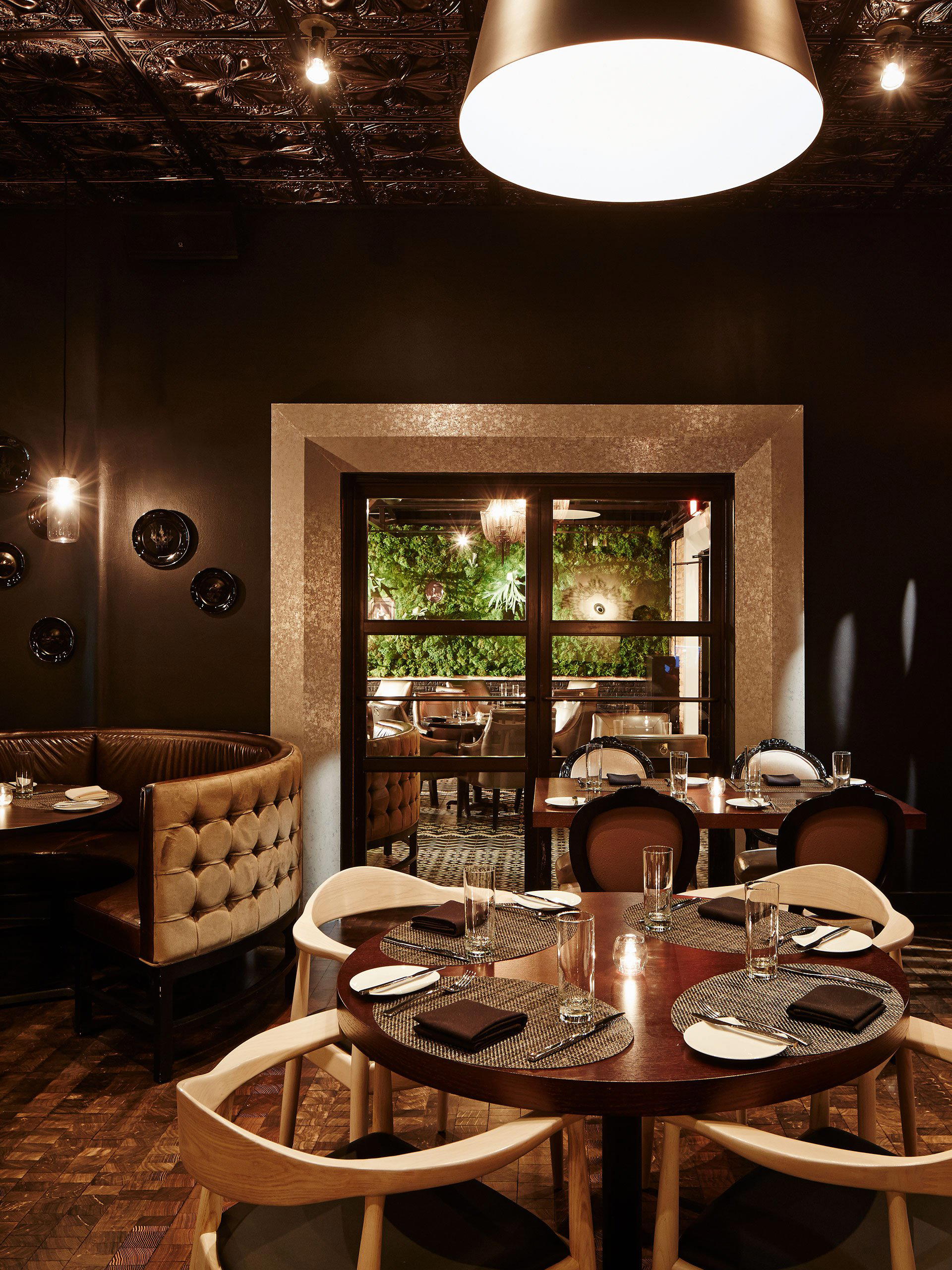
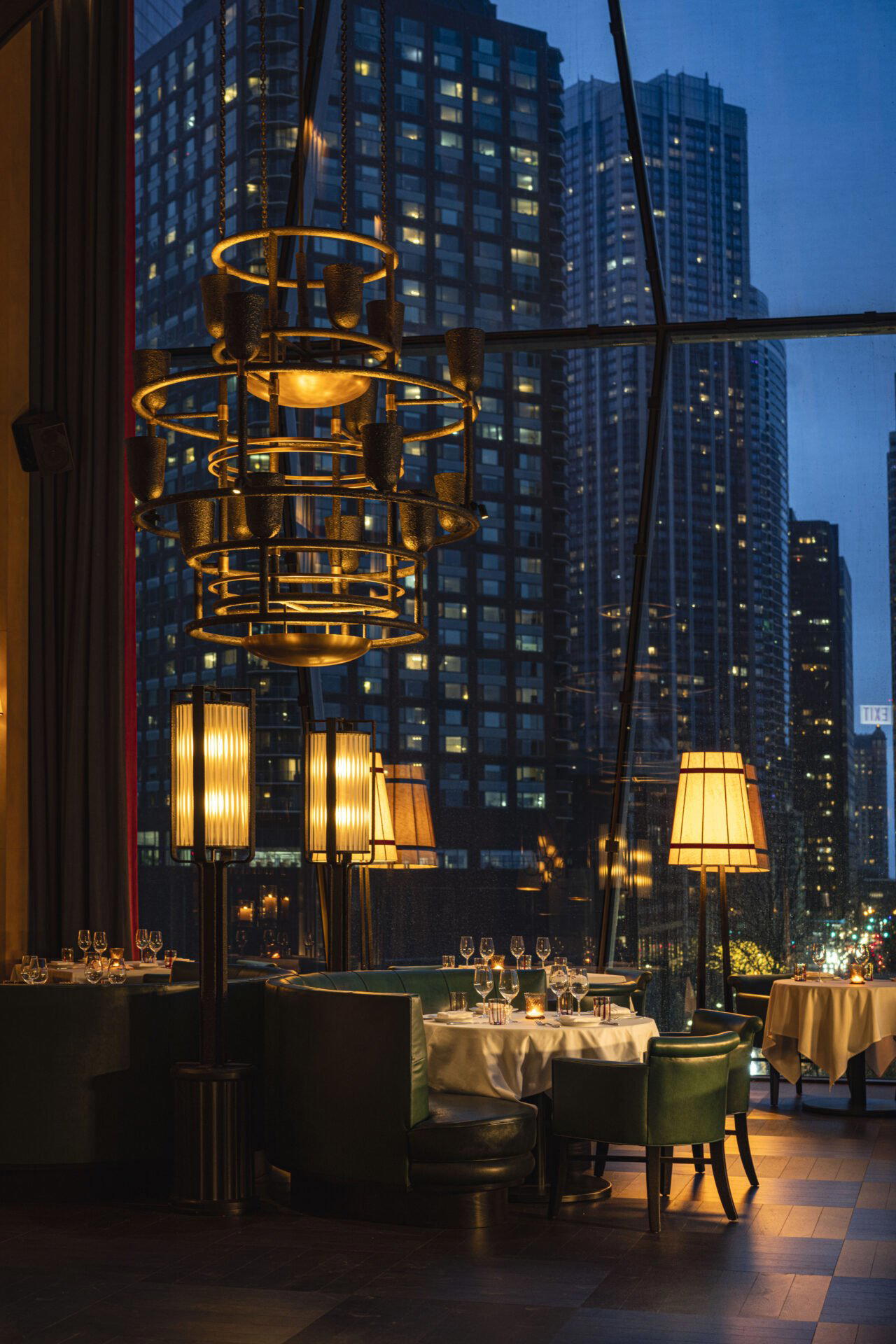
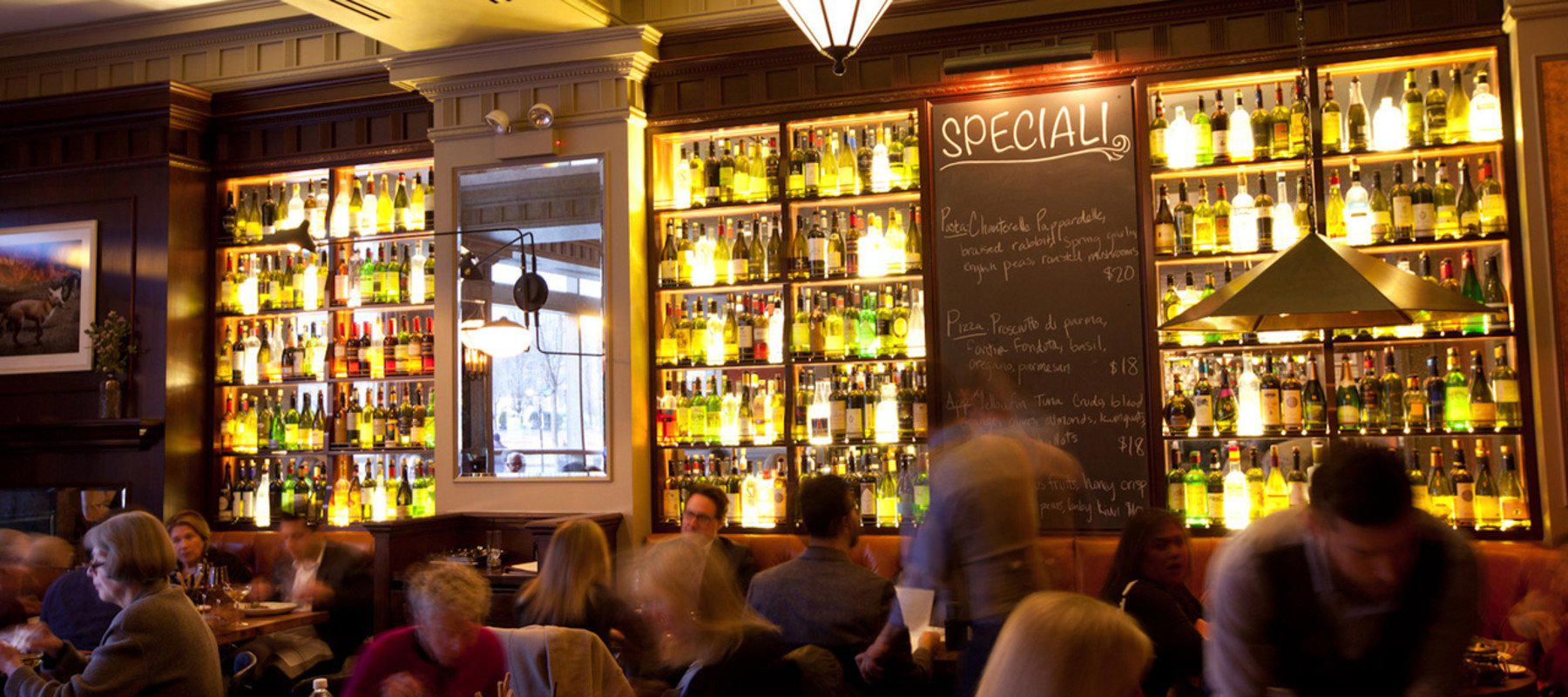
Walk north on Rush Street through Chicago's Gold Coast and the signals shift quickly. The neighbourhood has always traded on a certain theatricality, the broad sidewalks, the dense restaurant row, the sense that dinner here is a social event as much as a meal. Carmine's, at 1037 N Rush St, is a Classic Italian Trattoria in Chicago's Gold Coast. The room reads as a classic Italian-American dining hall: large, vocal, built around tables rather than counters, with the kind of ambient noise that suggests the kitchen is doing real volume and the crowd has been coming back long enough to stop looking at the menu.
Chicago's dining scene pulls in several directions at once. The city's progressive American contingent, represented by rooms like Alinea, Smyth, and Oriole, occupies stronger examples from the Michelin bracket. Further along the spectrum, places like Kasama and Next Restaurant push genre boundaries in different directions. Carmine's operates in a separate lane entirely, the lane defined not by innovation but by fidelity to a cooking tradition that predates the modern tasting menu by several decades. That's not a consolation prize. For a specific kind of dinner, it's exactly the point.
The Pasta Tradition and What It Demands
Red-sauce Italian cooking in America has a complicated reputation. For much of the late twentieth century, it was the default setting for Italian dining, ubiquitous, often mediocre, and gradually overshadowed by the arrival of regional Italian cooking with its emphasis on restraint, olive oil, and the cooking of northern and central Italy. The backlash to that backlash is now fully underway. Across American cities, a generation of diners and cooks has re-examined the Italian-American canon and found in it something worth defending: the braised Sunday ragù, the garlic-forward sauces, the pasta dishes that prioritise depth over delicacy.
The pasta question is where Italian-American kitchens tend to reveal themselves most clearly. The tradition draws from southern Italian roots, specifically the cooking of Neapolitan and Sicilian immigrants who adapted their techniques to American pantries, substituting what was available and, in doing so, creating something distinct from the source material. A well-executed red sauce requires patience above all: the tomatoes need time, the aromatics need to break down fully, and the acidity needs to cook out to a richer, rounder finish. The pasta, whether dried or fresh, should arrive with enough sauce to coat rather than pool, at a temperature that suggests it was plated to order rather than held. These are the standards by which a kitchen like Carmine's is reasonably judged.
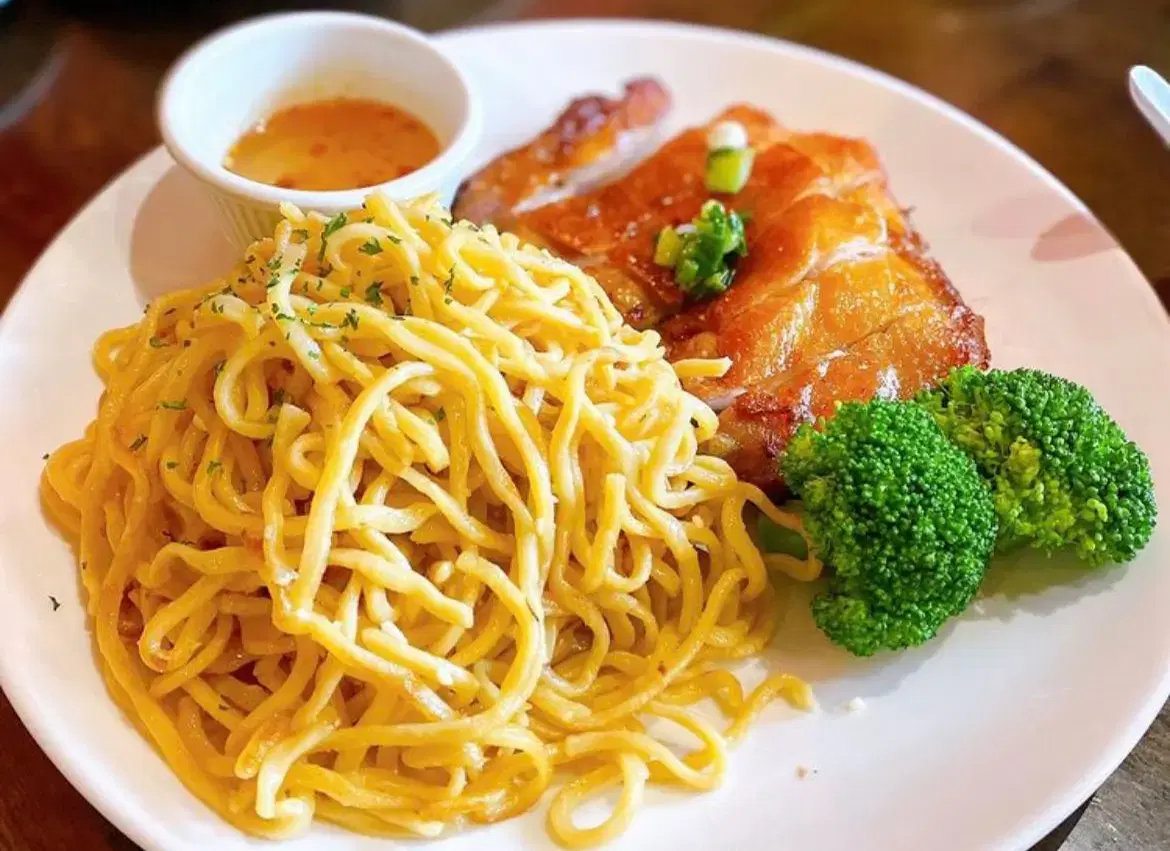
The format at Carmine's aligns with the tradition it draws from: portions are substantial, dishes are familiar in their construction, and the menu reads as a cross-section of the Italian-American repertoire rather than an edited tasting sequence. This is family-style dining in the original sense, food designed to be shared, repeated, and eaten without ceremony.
Where Carmine's Sits in Chicago's Dining Geography
Gold Coast is not Chicago's most adventurous dining neighbourhood. It skews toward established formats, steakhouses, Italian-American rooms, upscale American bistros, and its clientele tends to reward consistency over experimentation. That dynamic shapes what a restaurant like Carmine's is asked to do. The room needs to deliver a reliable experience for a mixed crowd: regulars who know what they want, visitors to the city who are looking for a broad Italian-American menu in a convivial setting, and groups for whom the booking logistics of a tasting-menu room would be impractical.
Positioned against the comparison set, Alinea at the creative extreme, Smyth and Oriole in the contemporary American tier, Carmine's occupies a different price and format register. It is more usefully compared to other Italian-American anchor restaurants in major American cities: the kind of room that has survived not through reinvention but through understanding exactly what its audience needs and delivering it without distraction. Nationally, analogues exist in cities like New York and New Orleans, where Italian-American institutions have maintained relevance by doubling down on the canon rather than chasing it sideways. Chicago's version of that story runs through places like Carmine's.
How Carmine's Compares Beyond Chicago
Italian-American cooking occupies a specific tier in the broader American fine-dining conversation. At the summit end of that conversation sit rooms like Le Bernardin in New York and The French Laundry in Napa, where European technique and tasting-menu format define the benchmark. Carmine's doesn't compete in that frame and isn't trying to. It's more instructive to consider it alongside the tradition of generous, ingredient-anchored American restaurant cooking that places like Emeril's in New Orleans also inhabit, rooms where the pleasure is in the abundance and the familiarity rather than the revelation.
The distinction matters for the traveller calibrating expectations. If the visit to Chicago is structured around rooms like Lazy Bear in San Francisco analogues or Atomix in New York-style precision, Carmine's will read as a gear change. If the visit includes one night where the agenda is a large table, a loud room, and pasta in serious quantity, Carmine's occupies that slot well on Rush Street. The distinction between what Providence in Los Angeles or Single Thread in Healdsburg provide and what Carmine's provides is not a quality hierarchy so much as a format hierarchy. Dinner at Alain Ducasse's Louis XV in Monte Carlo operates in an entirely different register of intent.
Planning Your Visit
Carmine's address, 1037 N Rush St, places it in the heart of the Gold Coast restaurant corridor. Reservations are recommended, especially for weekend evenings and groups of four or more. The kitchen runs a full Italian-American menu, which means the experience is consistent across visits. For groups who want to eat broadly, multiple pastas, shared proteins, the full arc of the Italian-American meal, the portion sizing makes sharing across the table the logical approach.
Style and Standing
Comparable venues nearby, for context on price, style, and recognition.
| Venue | Cuisine | Price | Notes |
|---|---|---|---|
| Carmine’sThis venue — the venue you are viewing | Classic Italian Trattoria | $$$ | Not listed |
| Rosebud on Rush | Classic Italian Steakhouse | $$$ | Near North Side |
| Sofi Restaurant | Northern Italian | $$$ | Printer's Row |
| The Radicle | Coastal Italian with Midwestern Influences | $$$ | Logan Square |
| Erie Cafe | Classic Italian Steakhouse | $$$ | River North |
| void | Modern Italian-American | $$$ | Avondale |


At a Glance
- Lively
- Classic
- Elegant
- Energetic
- Date Night
- Business Dinner
- Group Dining
- Celebration
- After Work
- Live Music
- Private Dining
- Standalone
- Extensive Wine List
- Craft Cocktails
- Street Scene
Current opening hours
- Monday
- 4–10:30 PM
- Tuesday
- 4–10:30 PM
- Wednesday
- 4–10:30 PM
- Thursday
- 4–10:30 PM
- Friday
- 4–11:30 PM
- Saturday
- 3–11:30 PM
- Sunday
- 3–10:30 PM
Hours can change for holidays and private events. Last verified .
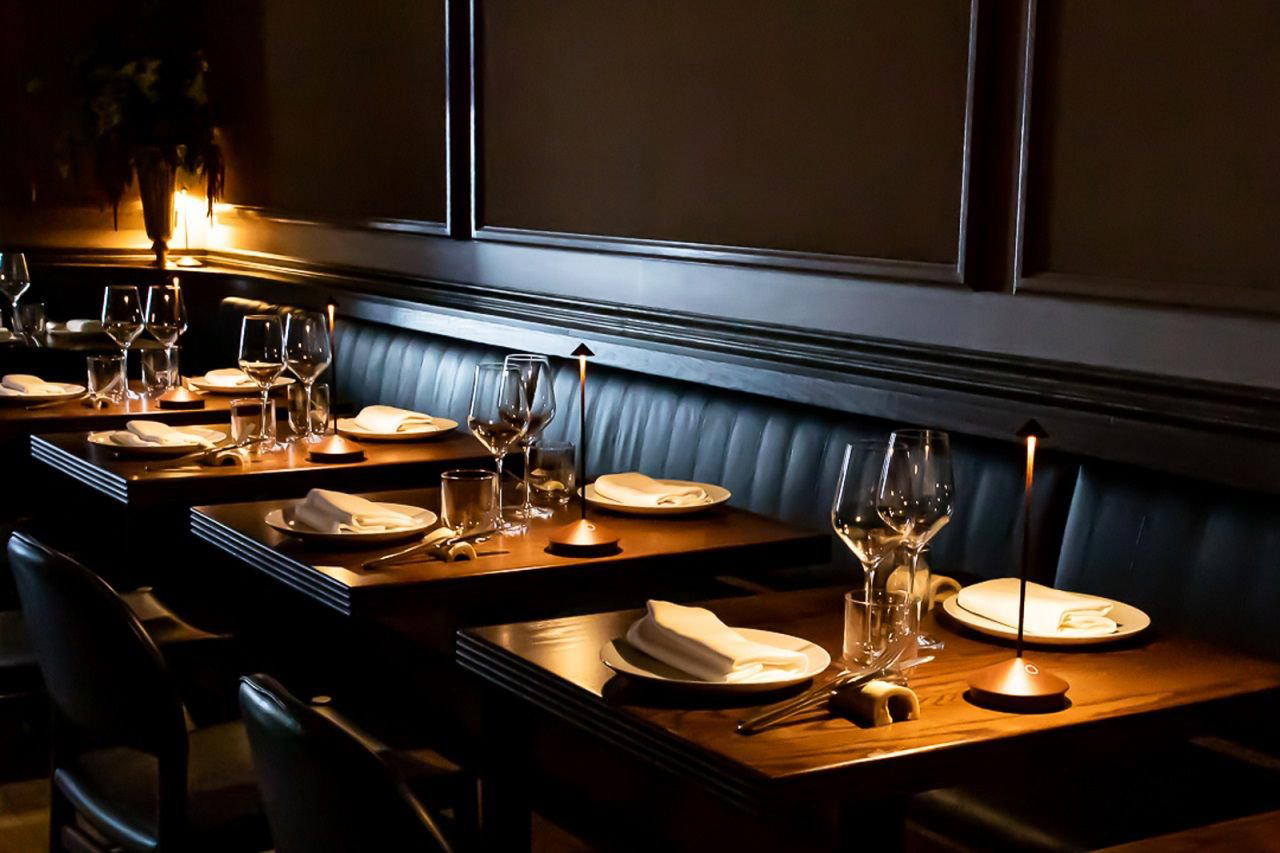
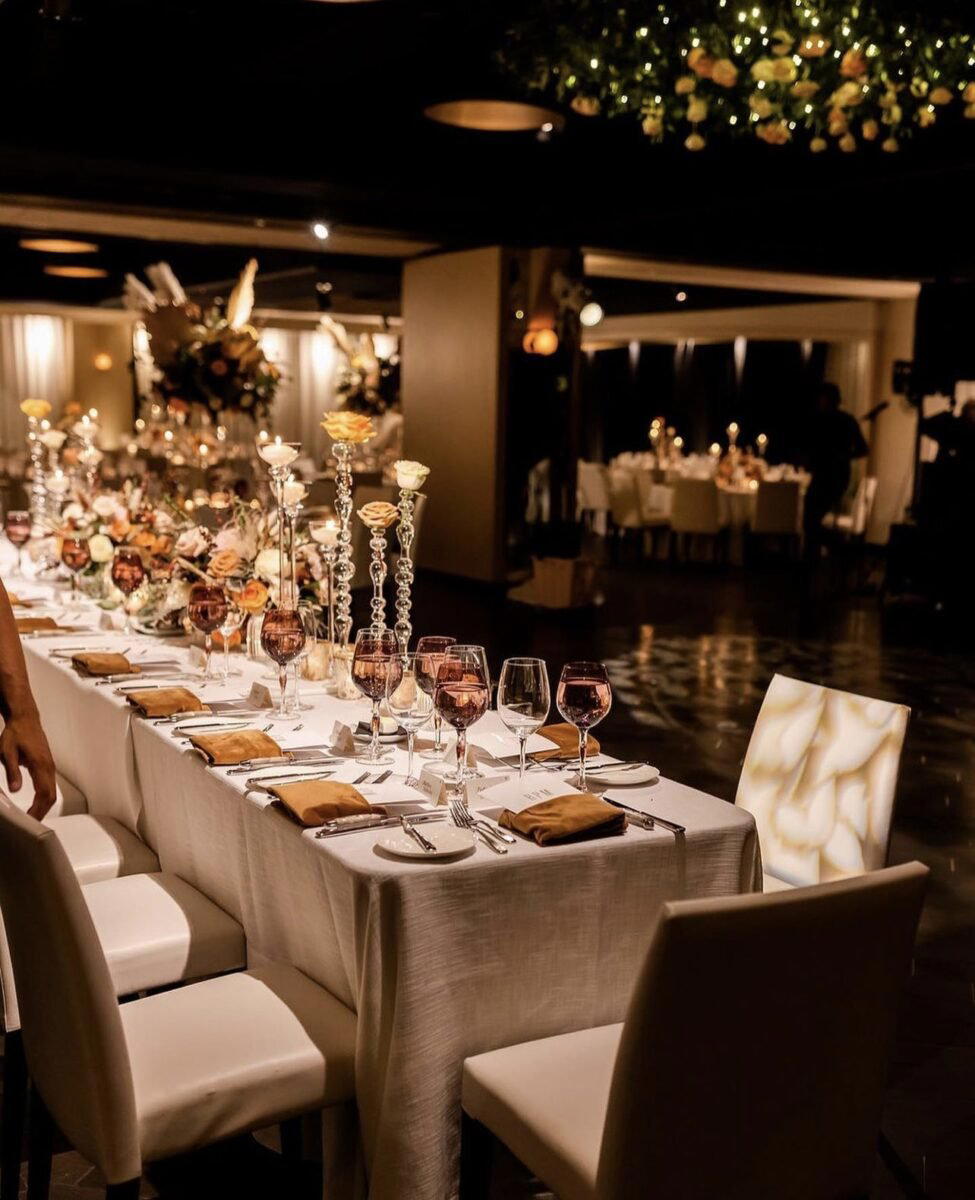
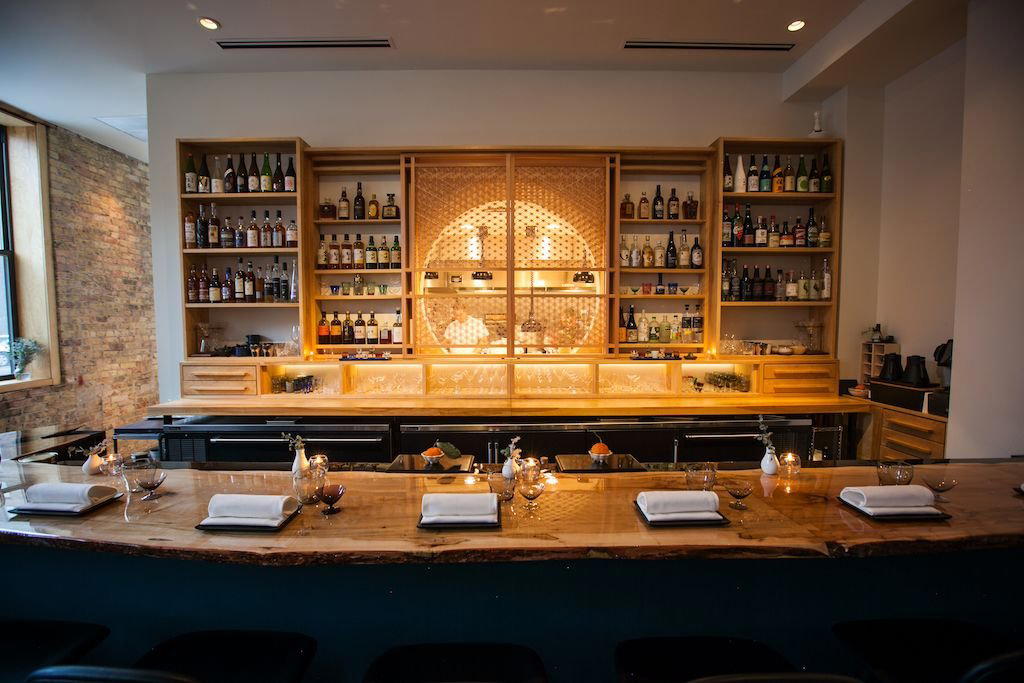
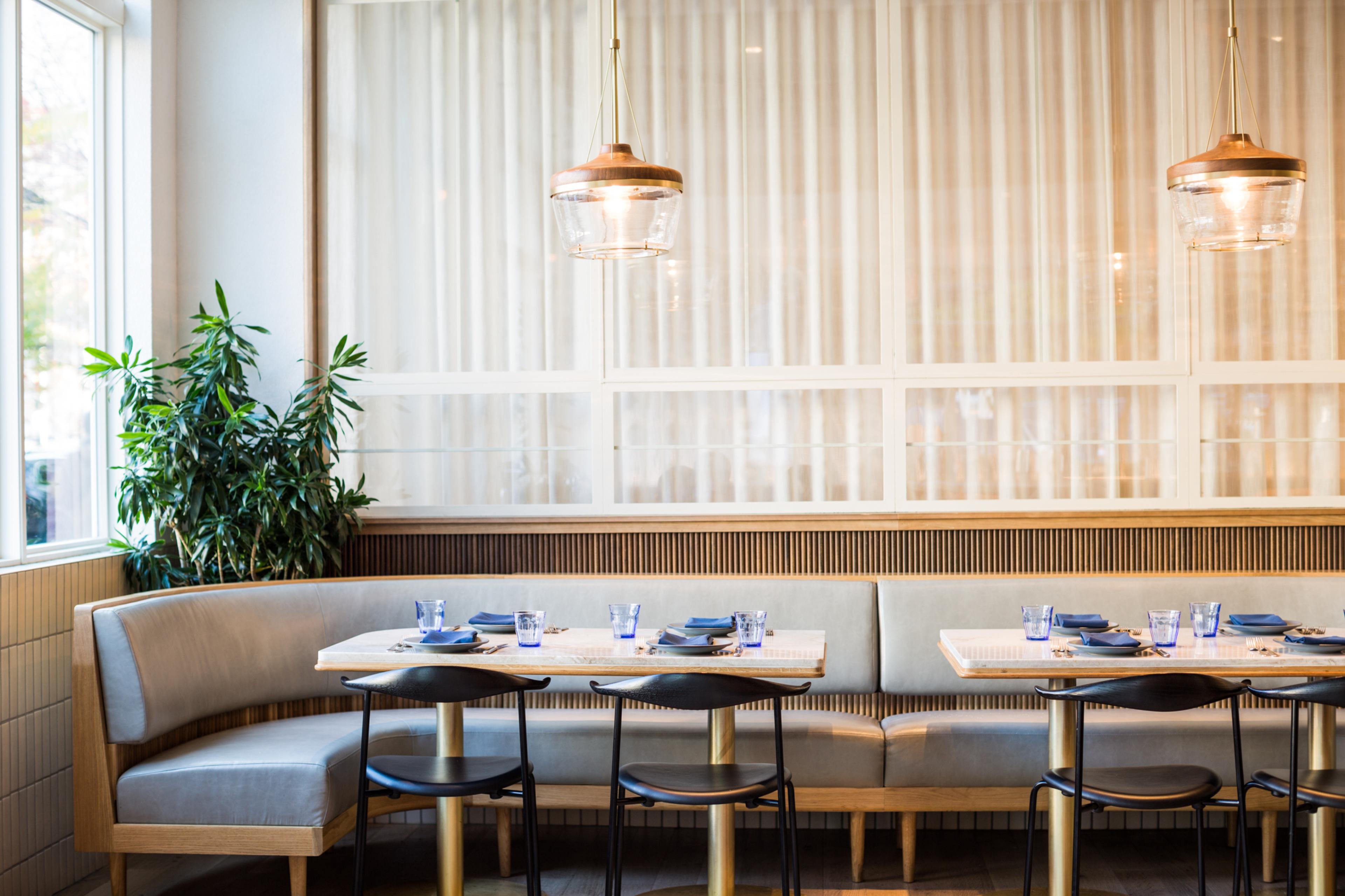
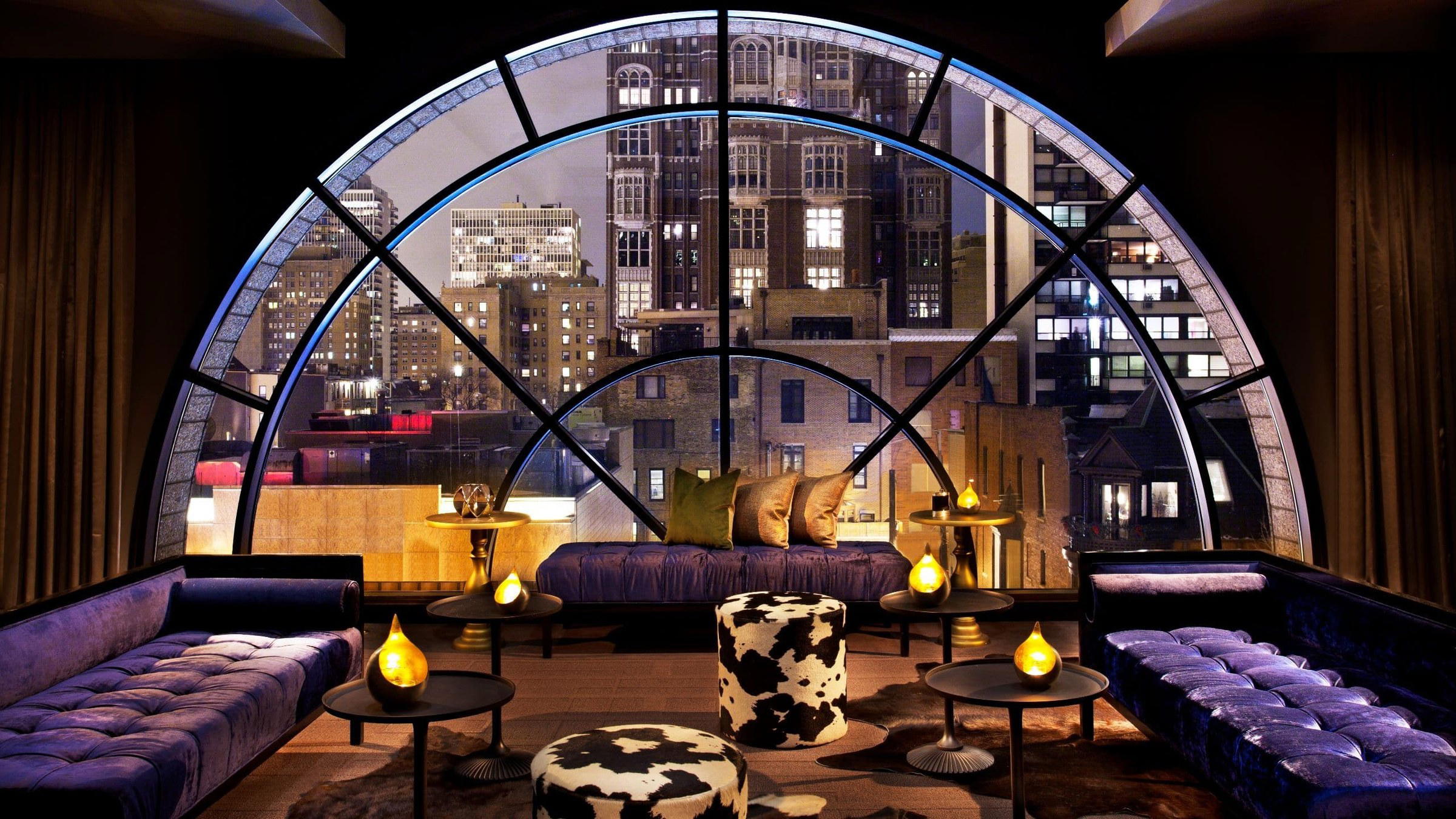
Bustling and energetic with warm lighting, candle-lit dining areas, and an upbeat atmosphere; the upper level offers a friendly dining experience while the lower level features a bar with live entertainment.