Taranto's dining scene draws from among the more productive stretches of the Ionian coastline, and GastroBoutique on Via Medaglie d'Oro sits within that tradition. The restaurant positions itself at the boutique end of the city's restaurant spectrum, where Southern Italian ingredients, sea urchin, mussels, orecchiette wheat, are handled with deliberate care rather than casual abundance.
Pearl is the En Primeur Club membership app — saves, bookings, and concierge access live there. Same editors, same standards.
- Address
- Via Medaglie d'Oro, 149, 74121 Taranto TA, Italy
- Phone
- +393473793351
- Website
- gastroboutique.it
- Directions
- Get directions
 Saves & bookings on Pearl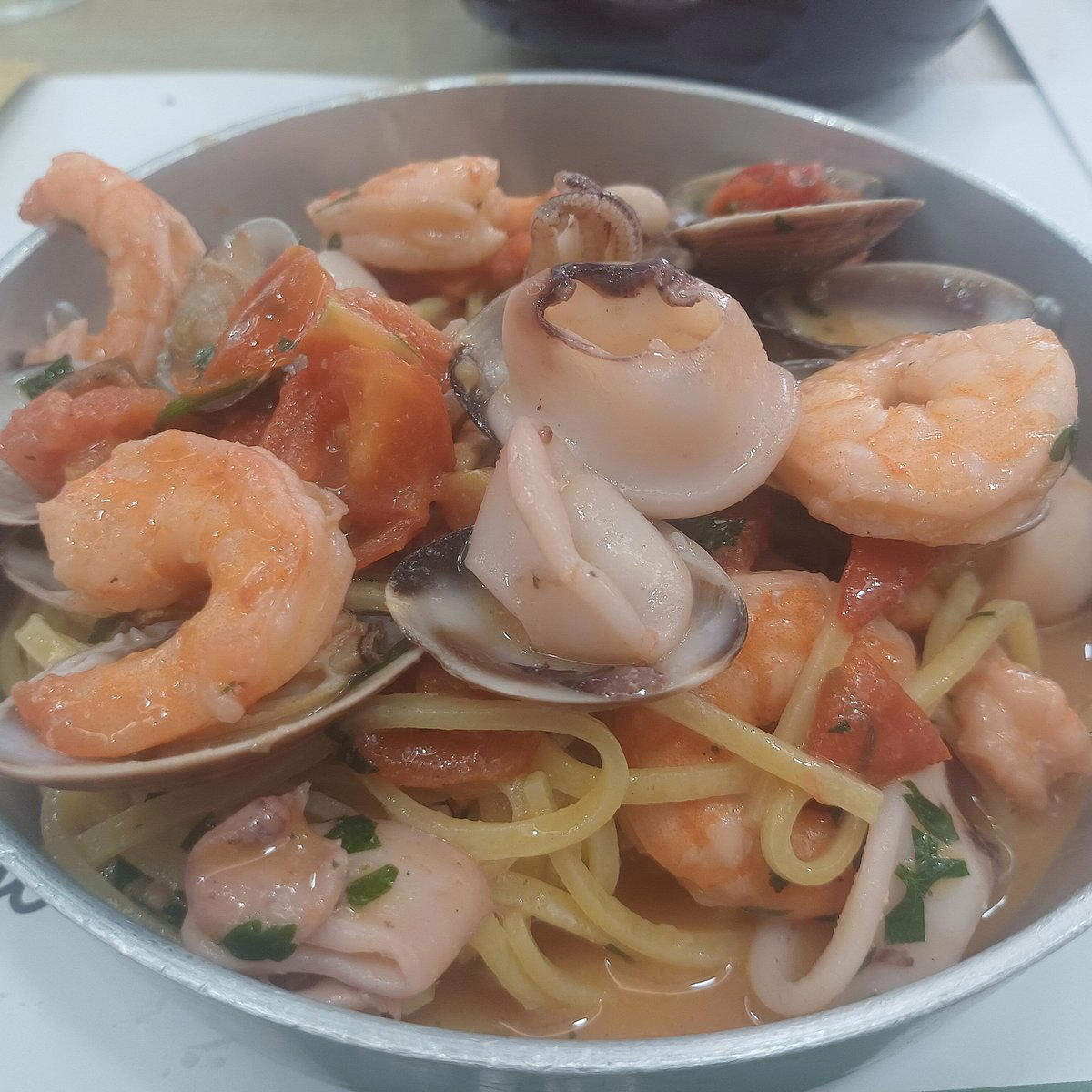
Where Taranto's Ionian Larder Meets Considered Cooking
Approach Via Medaglie d'Oro in Taranto's residential grid and you are already in a different register from the tourist-facing waterfront. The street is quiet, practical, and emphatically local, which tells you something about who GastroBoutique is cooking for and what kind of experience it is built around. This is not a restaurant performing Southern Italian identity for outside audiences. It is operating within it, drawing on a coastline that produces particularly consequential raw ingredients in the country.
Taranto's Mar Piccolo, the enclosed inner sea that defines the city's geography, has sustained mussel and oyster cultivation for centuries. The cozze tarantine, Taranto mussels, carry a protected designation and a flavour profile shaped by the specific salinity and temperature of that enclosed basin. Any serious kitchen in this city works with that ingredient, and the quality of the sourcing relationship matters more than any preparation technique. In this sense, GastroBoutique operates in a city where the provenance question is not a marketing exercise but a culinary baseline.
The Sourcing Geography of Southern Puglia
Southern Puglia's food identity is rooted in an unusual convergence: one of Italy's longest coastlines meeting one of its most fertile agricultural interiors. The Ionian and Adriatic coasts supply the fish and shellfish; the Murgia plateau and the Itria Valley supply the wheat, the olive oil, the legumes, and the vegetables. Kitchens that take both halves seriously are cooking within a genuinely complete larder, and the discipline lies in restraint, knowing which element to foreground and which to let recede.
The wider Italian dining circuit has spent the last decade consolidating around a handful of heavily recognized addresses. Osteria Francescana in Modena, Le Calandre in Rubano, and Piazza Duomo in Alba sit at the stratospheric end of that recognition structure, where the price, the press attention, and the booking competition all reflect a global audience. Taranto does not operate in that tier, which means its better restaurants are feeding a clientele that judges them against lived experience of the local ingredient calendar rather than against an international benchmark. That is a different kind of pressure, and it produces a different kind of cooking.
The Adriatic and Ionian seafood traditions diverge in meaningful ways. Kitchens working in the Marche tradition, like Uliassi in Senigallia, operate with the leaner, more varied catch of the northern Adriatic. Southern Ionian cooking tends toward richer shellfish, sea urchin, and larger pelagic fish, a pantry that rewards simplicity and penalises over-complication. The leading Tarantine kitchens understand this.
The Restaurant in Context
GastroBoutique holds the Via Medaglie d'Oro address at 149, positioning it away from the city's more trafficked dining strips. That address detail matters practically: visitors arriving from Taranto's main train station or from the old city peninsula will need to plan the route rather than stumble across it. The neighbourhood context is residential Taranto, the city's working fabric rather than its showcase face, and that setting aligns with a restaurant format that prioritises the food over the theatre of location.
Among the city's more ingredient-conscious addresses, Gatto Rosso represents a useful point of comparison for anyone mapping the Taranto dining scene before a visit. Taken together, these addresses suggest a city whose serious restaurants share a commitment to Ionian sourcing even when their formats and price registers differ.
Italy's most awarded kitchens, Dal Pescatore in Runate, Reale in Castel di Sangro, Quattro Passi in Marina del Cantone, operate with reservation windows of three to six months and price points that reflect that demand. Taranto's boutique dining tier operates with considerably more accessibility. Atelier Moessmer Norbert Niederkofler in Brunico demonstrated how a regionally rooted sourcing philosophy can sustain serious critical attention over time,
What the Boutique Format Signals
The term boutique in a restaurant name is often imprecise, but in the context of a mid-sized Southern Italian city it typically signals a smaller room, a tighter menu, and a kitchen working with more editorial control over what appears on the plate. It is the opposite of the trattoria model of abundance, where generosity is measured in volume. A boutique format implies selection, fewer covers, more considered sourcing, a kitchen making decisions about what not to serve as much as what to serve.
That format sits within a broader Italian dining conversation about scale and authenticity. The large, celebrated Italian rooms, Enoteca Pinchiorri in Florence, La Pergola in Rome, Enrico Bartolini in Milan, operate with the infrastructure of grand dining: deep cellars, large brigades, formal service architecture. Boutique restaurants in provincial cities operate with none of that, which focuses attention entirely on the ingredient and the cook's relationship with it. For comparison, Villa Crespi in Orta San Giulio and Da Vittorio in Brusaporto show how northern Italian kitchens have built serious reputations from regional specificity, a model that Southern Italian cities are increasingly following.
Planning a Visit
Taranto is accessible by rail from Bari (approximately 90 minutes on regional services), and Via Medaglie d'Oro is reachable by taxi from the central station. GastroBoutique is recommended for reservations and priced at about $25 per person. That is standard practice for boutique-format restaurants in smaller Italian cities, where seasonal adjustments and limited covers mean availability can shift without broad online notice. Visitors combining Taranto with broader Puglia itineraries will find the city's dining scene most active from spring through early autumn, when the Mar Piccolo's shellfish harvest is at its seasonal peak.
Comparison Snapshot
Comparable venues nearby, for context on price, style, and recognition.
| Venue | Cuisine | Price | Awards | Notes |
|---|---|---|---|---|
| GastroBoutiqueThis venue — the venue you are viewing | Modern Italian Pasta | $$ | Not listed | Not listed |
| Gatto Rosso | Traditional Italian Seafood | $$ | Michelin Plate | Centro |
| Venchi Cioccogelateria | Italian Chocolate Gelateria | $$ | Not listed | San Marco |
| Dal Moro's Fresh Pasta To Go | Fresh Pasta To Go | $$ | Not listed | Castello |
| Le Macare Ristorante | Modern Salentino Trattoria | $$ | Not listed | Alezio |
| Gelatoteca Suso | Artisanal Gelato | $ | Not listed | San Marco |
Continue exploring
More in Taranto
Restaurants in Taranto
Browse all →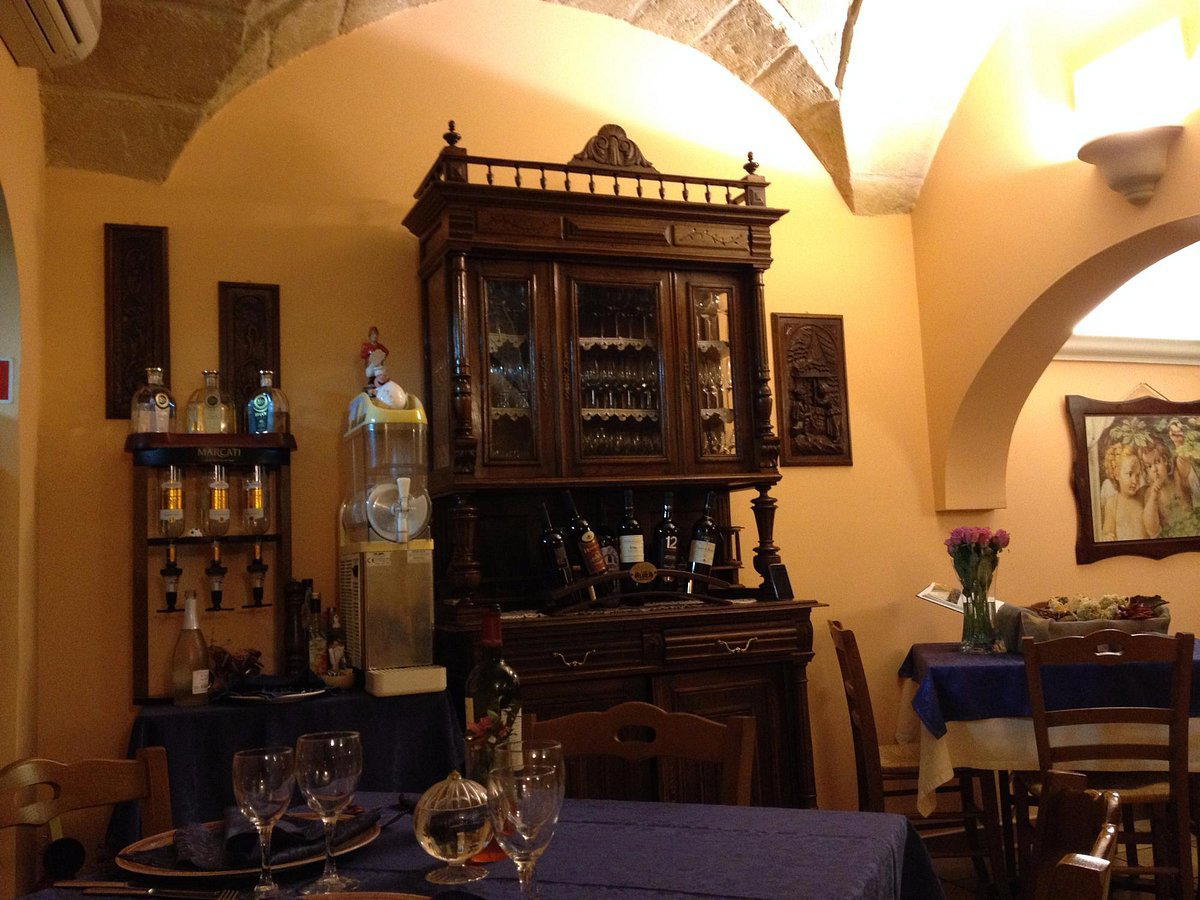
Bars in Taranto
Browse all →
Hotels in Taranto
Browse all →
Wineries in Taranto
Browse all →
At a Glance
- Cozy
- Intimate
- Casual Hangout
- Open Kitchen
- Local Sourcing
Current opening hours
- Monday
- 9 AM–3 PM, 6–9 PM
- Tuesday
- 9 AM–3 PM, 6–9 PM
- Wednesday
- 9 AM–3 PM, 6–9 PM
- Thursday
- 9 AM–3 PM, 6–9 PM
- Friday
- 9 AM–3 PM, 6–9 PM
- Saturday
- 9 AM–3 PM
- Sunday
- 9 AM–3:30 PM
Hours can change for holidays and private events. Last verified .
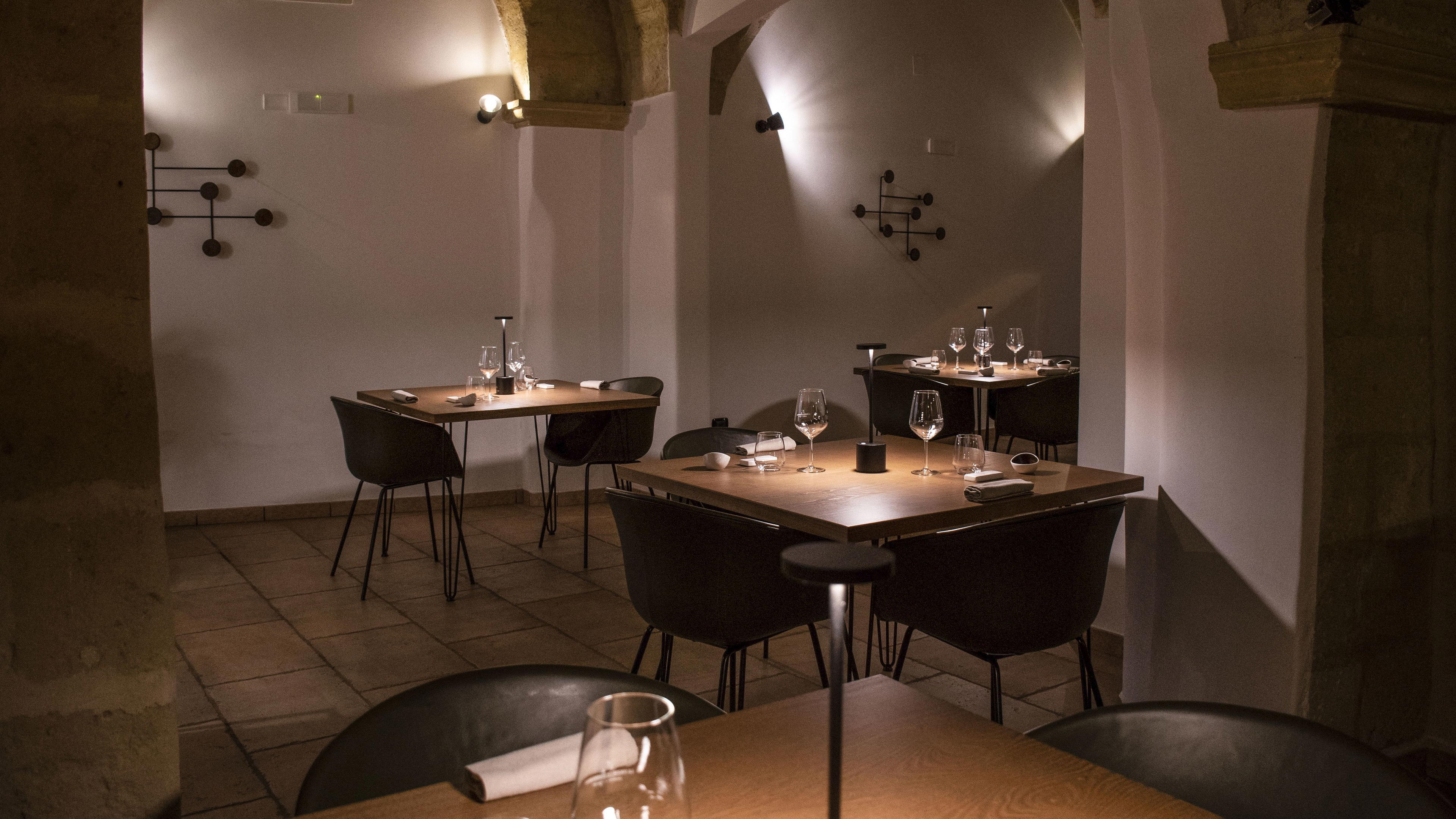
Casual atmosphere with an open kitchen and personal chef interaction, cozy for relaxed lunches.