Antica Masseria le Monache

Michelin Selected
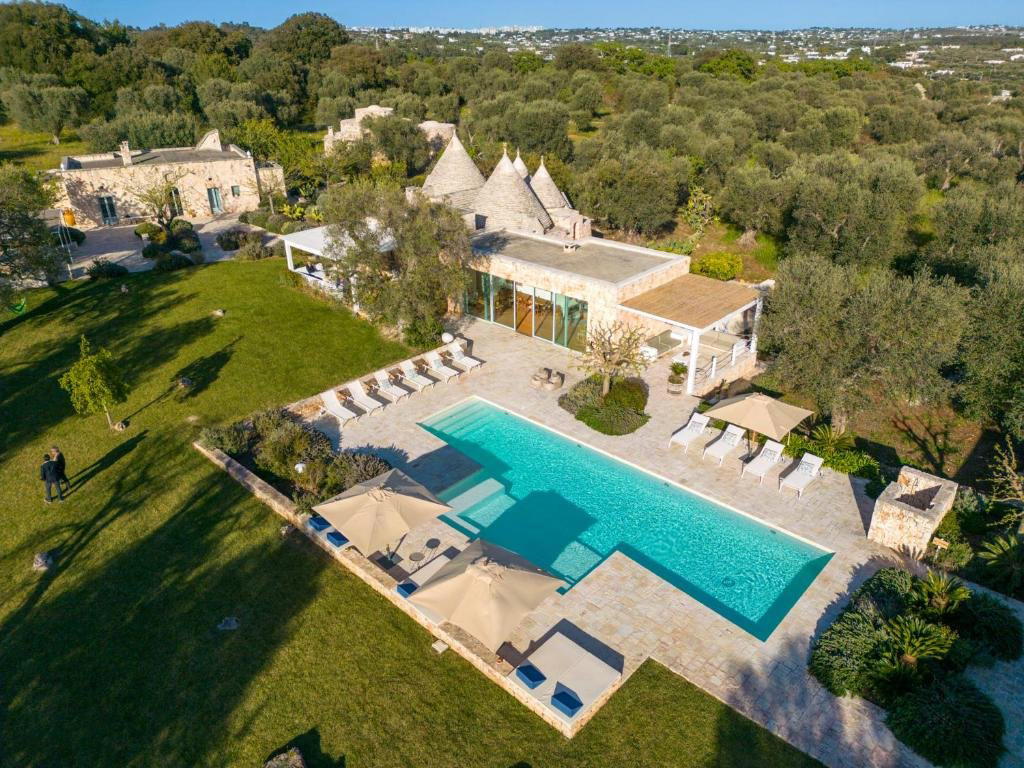
A Michelin Selected masseria on the outskirts of Grottaglie, Antica Masseria le Monache occupies a restored farmstead in the Apulian countryside where the architecture of the trullo tradition meets the agricultural rhythms of the Taranto hinterland. The property sits within reach of Grottaglie's ceramics quarter, placing it at the intersection of craft heritage and rural hospitality.

Pearl is the En Primeur Club membership app, where members save venues, book tables and use the concierge.
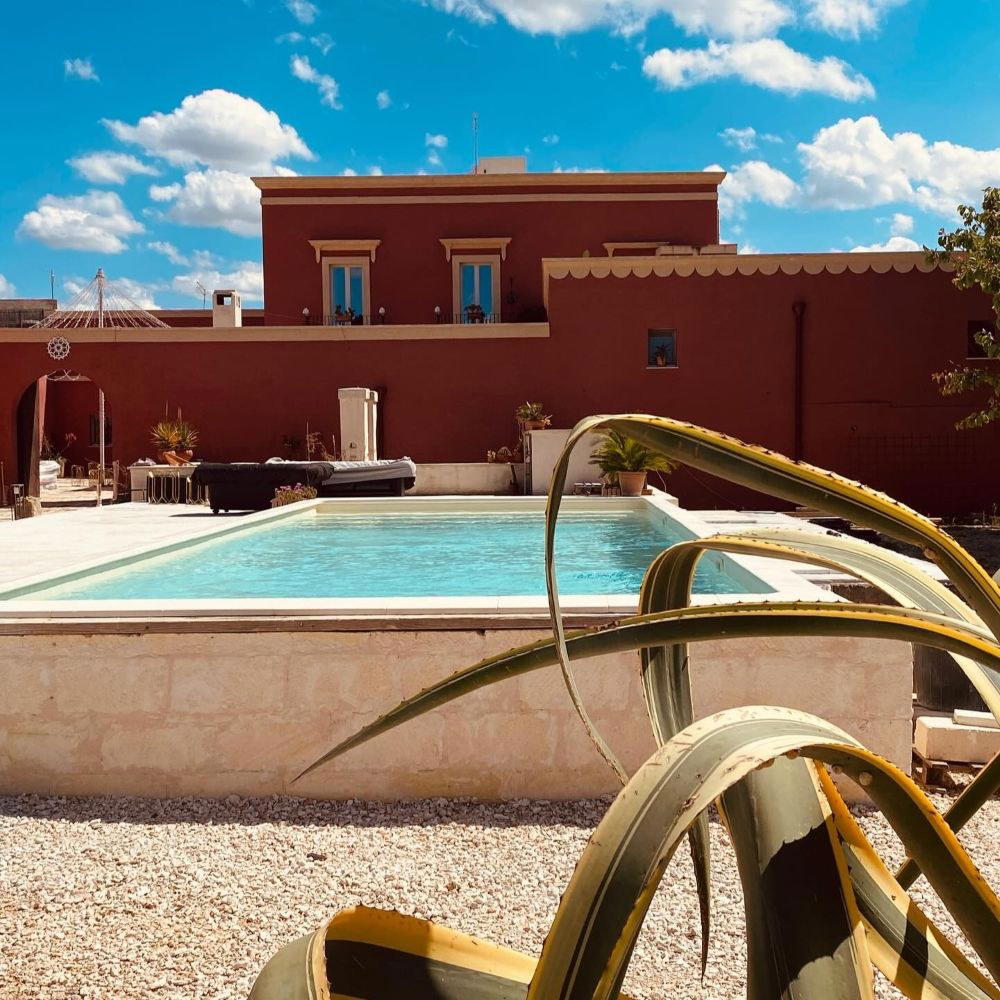
Stone, Silence, and the Apulian Countryside
The approach to a traditional Apulian masseria tells you everything before you reach the door. The road narrows, the olive groves thicken, and the whitewashed walls of the farmstead appear against a sky that, in this corner of Puglia, tends toward an almost theatrical blue. Antica Masseria le Monache follows this pattern with fidelity: the property sits along Contrada Padula Monache on the SP85, outside Grottaglie, in a landscape defined by centuries of agricultural use rather than tourist infrastructure. The building's presence is the product of its context, not an imposition on it.
Masseria hotels across Puglia occupy a spectrum that runs from working-farm conversions with modest amenities to resort-scale operations that have largely severed their connection to the land. Antica Masseria le Monache, holding a Michelin Selected designation in the 2025 guide, sits within the curated upper tier of that spectrum without tipping into the resort category. The distinction matters: Michelin's hotel selection process evaluates character, quality of welcome, and physical coherence, not just thread count.
Architecture as the Primary Experience
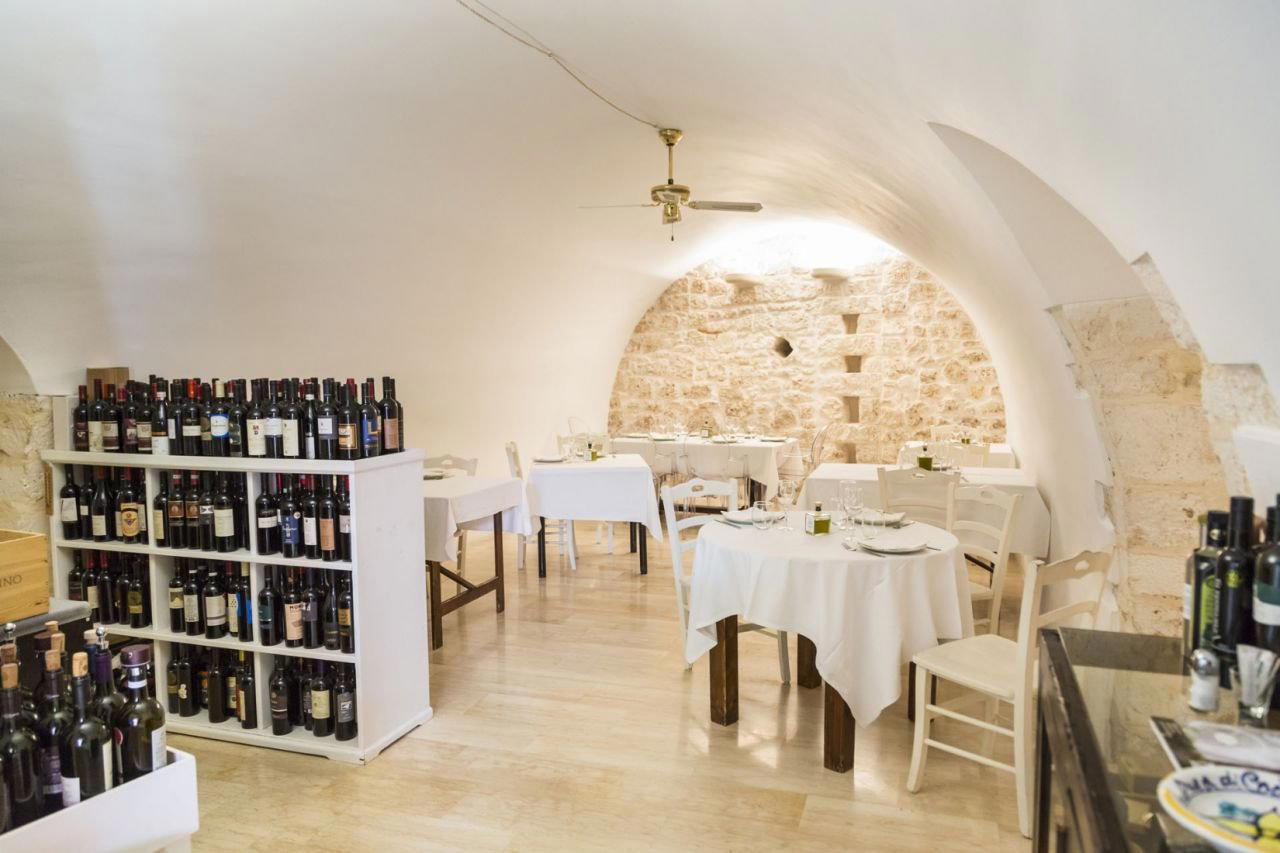
The masseria form is itself an architectural argument. These fortified farmhouses, developed across the Apulian interior from the sixteenth century onward, were designed around function: thick limestone walls to regulate temperature, a central courtyard to organise agricultural life, and a self-sufficient layout that could sustain a household through the growing season. The aesthetic that contemporary guests find appealing was originally a response to climate and necessity rather than an aesthetic programme.
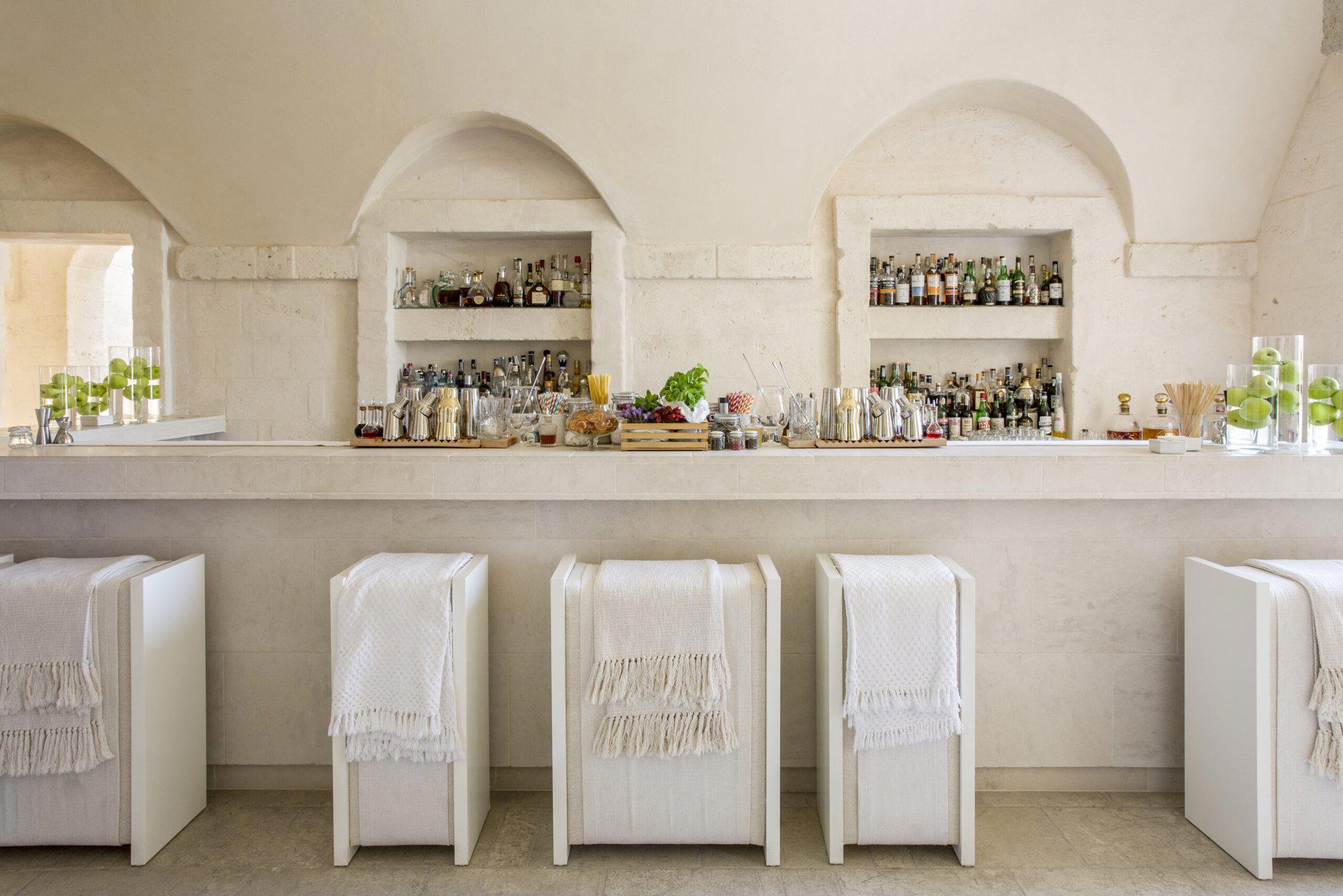
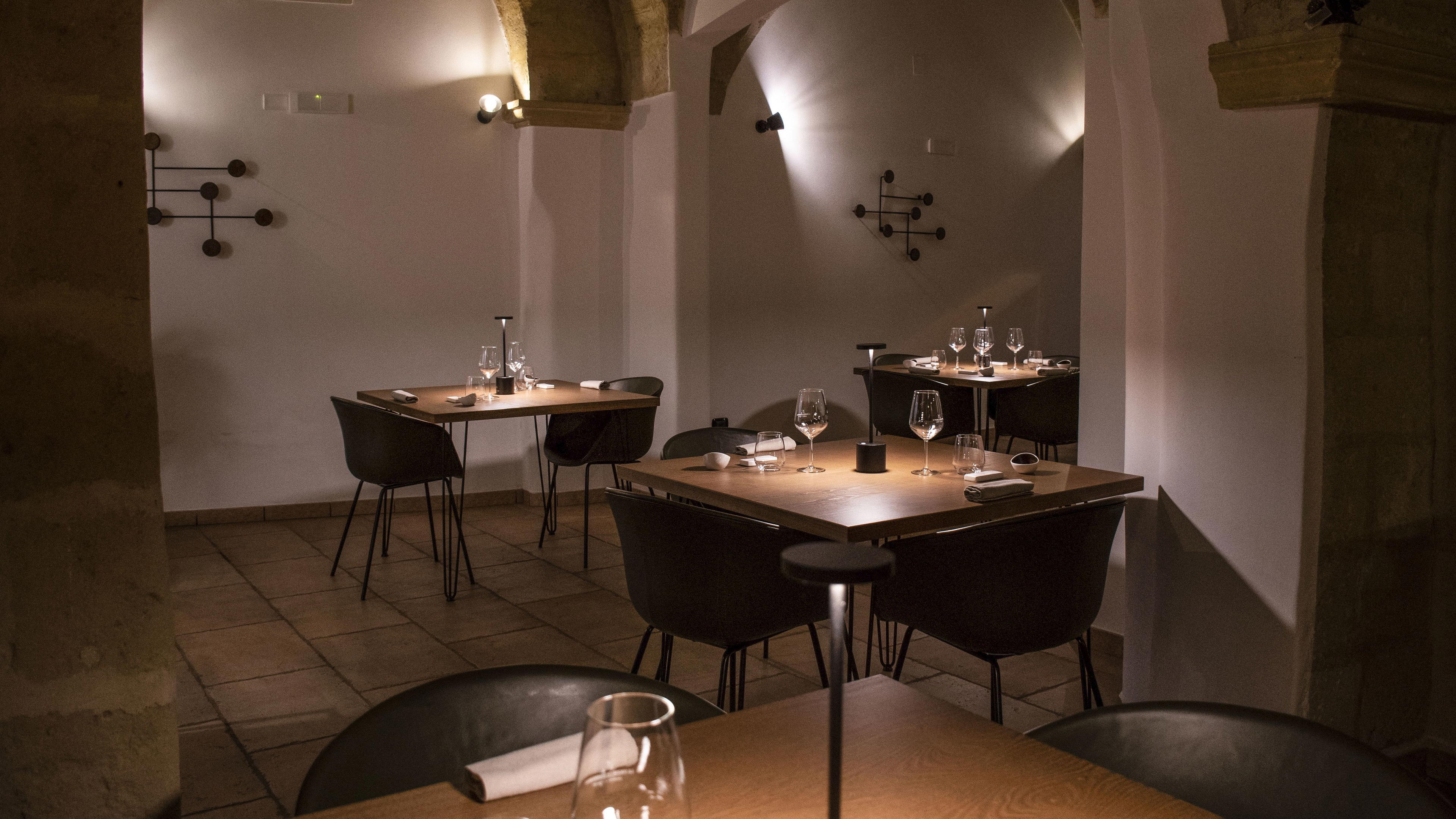
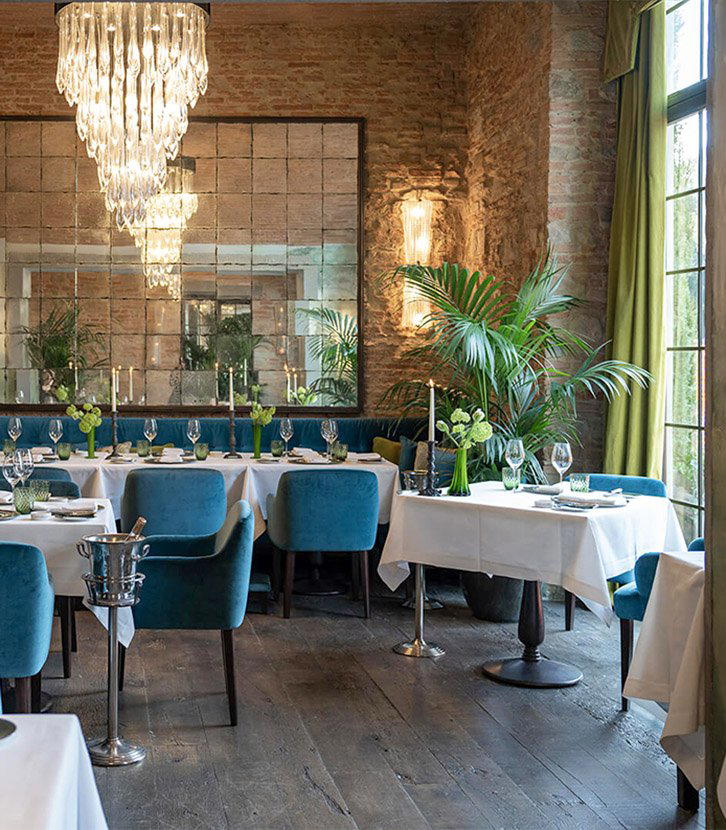
At properties like Antica Masseria le Monache, the design challenge is preservation without museification. The raw material, stone walls, arched thresholds, and the particular quality of light that comes through small apertures cut into thick masonry, is already there. The editorial question is what has been added and what has been left alone. The Michelin designation signals that the balance has been managed with enough coherence to merit recognition in a guide that, in its hotel section, privileges atmosphere and distinctiveness over amenity accumulation.
For comparison, the Puglia masseria category includes properties operating at very different scales. Borgo Egnazia in Savelletri di Fasano represents the resort end of the spectrum, a large-footprint property with a full spa, multiple restaurants, and an internationally recognised events programme. Antica Masseria le Monache occupies a quieter position in the same regional tradition, one where the architecture is the experience rather than the backdrop to a schedule of organised activities.
Grottaglie and Its Context
Grottaglie itself is an argument for the region's depth. The town is Taranto province's most coherent craft destination, its ceramics quarter, the Quartiere delle Ceramiche, occupying a ravine in the historic centre where workshops have operated continuously for centuries. The production here is not decorative tourism-facing craft but a live trade with its own market, its own families, and its own hierarchy of techniques. Grottaglie pottery, particularly the characteristic orci storage vessels and the decorative tiles that appear across Apulian domestic architecture, has a documented provenance that gives the town a cultural specificity rare in small Italian centres.
Staying outside the town, as a masseria guest does, situates you in the agricultural ring that has always supplied Grottaglie and the wider Taranto hinterland. The SP85 corridor connects to Taranto to the west and the Ionian coast to the south, making the property workable as a base for both inland exploration and coastal access. The Ionian coast south of Taranto, less developed than the Adriatic side of the heel, offers beaches with a different character: wider, quieter, and set against a flatter coastline that has fewer natural harbours and therefore fewer of the resort towns that cluster around them.
For travellers already familiar with the Italian hotel register at its northern end, the shift to this part of the south requires recalibration. Aman Venice, Four Seasons Hotel Firenze, and Bulgari Hotel Roma operate within urban frameworks where the city's own cultural infrastructure does much of the hospitality work. A masseria in Puglia asks for a different engagement: slower, more self-directed, and more dependent on the property itself for rhythm. That is either an attraction or a deterrent, depending on what you are looking for.
The Southern Masseria in a Wider Italian Register
Italy's premium rural accommodation has consolidated around a recognisable set of types. Tuscany's converted borghi, such as Rosewood Castiglion Del Bosco in Montalcino and Borgo San Felice Resort in Castelnuovo Berardenga, offer the Chianti hill aesthetic with wine-estate credentials. The Umbrian category includes properties like Castello di Reschio in Lisciano Niccone, where the restoration project itself has become part of the hospitality narrative. The Apulian masseria sits in a separate tradition: flatter terrain, harder stone, a different agricultural history, and a climate that runs hotter and drier through the summer months.
Within that Apulian frame, the masseria category has attracted serious investment over the past two decades, and the field is now crowded enough that Michelin selection carries weight as a differentiator. Properties without external recognition are harder to evaluate from a distance; the Selected designation at Antica Masseria le Monache provides at least one anchored data point for comparison when placing it against peer properties.
Travellers approaching from the Amalfi Coast or the Campanian circuit, perhaps having stayed at Borgo Santandrea or Il San Pietro di Positano, will find the shift to Puglia a genuine change of register: from vertical, cliff-hung architecture to horizontal stone farmsteads; from the drama of the Tyrrhenian coast to the quieter scale of the Ionian interior.
Planning a Stay
Grottaglie is served by Taranto's road network, with Brindisi airport approximately 50 kilometres to the northeast providing the most practical air access for international arrivals. The SP85 approach to the property is typical of rural Puglia: navigable with a rental car and considerably less practical without one. The masseria's position along this road means that exploring the region, from Grottaglie's ceramics quarter to the Ionian coast and the Baroque architecture of Lecce to the south, requires independent transport. For the broader Puglia context and further recommendations in the area, see our full Grottaglie restaurants guide.
Across the wider Italian hotel register, Michelin Selected properties tend to book ahead during the peak summer window, roughly late June through August, when Puglia draws visitors seeking Adriatic and Ionian coast access. The shoulder months of May, June, and September offer the agricultural landscape at its most photogenic and the temperatures at their most workable for exploring on foot or by road.
Comparable Venues
Comparable venues nearby, for context on price, style, and recognition.
| Venue | Cuisine | Price | Awards | Notes |
|---|---|---|---|---|
| Antica Masseria le MonacheThis venue (the venue you are viewing) | Restored historic masseria blending tradition and contemporary chic | Not listed | Michelin Selected | Not listed |
| Residenza B | Boutique affittacamere in historic palazzo | Not listed | Michelin Selected | Trevi |
| Tenuta Negroamaro | Traditional manor farmhouse with modern boho-chic interiors preserving original vaulted ceilings and tiled floors. | Not listed | Michelin Selected | Sannicola |
| Baccarat Hotel Rome | Ultra-luxury urban hotel positioned as a glamorous social and cultural hub on Rome’s Via Veneto. | Not listed | Not listed | Via Veneto |
| Masseriola Antiche Fogge | Historic masseria farmhouse | Not listed | Not listed | Fasano |
| Iuta Farm | Sustainable farmstay with glamping lodges and restored masseria suites | $100–200 | Michelin Selected | Contrada Bochini |
Recognition history
Dated appearances from independent guides and award organizations, with the underlying list record or original source where available.
Michelin Selected
Michelin
Continue exploring
More in Grottaglie
Hotels in Grottaglie
All hotels in Grottaglie →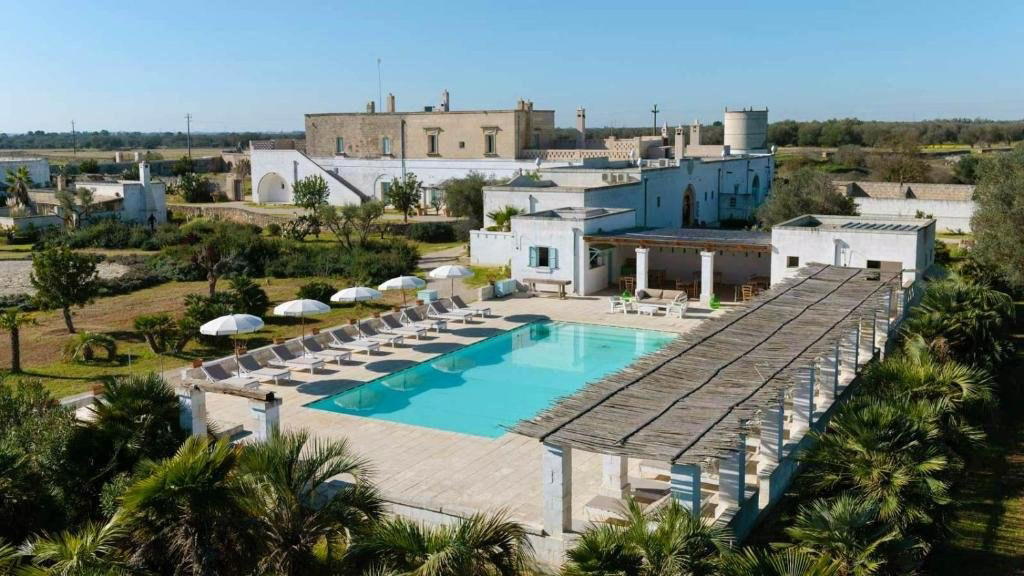
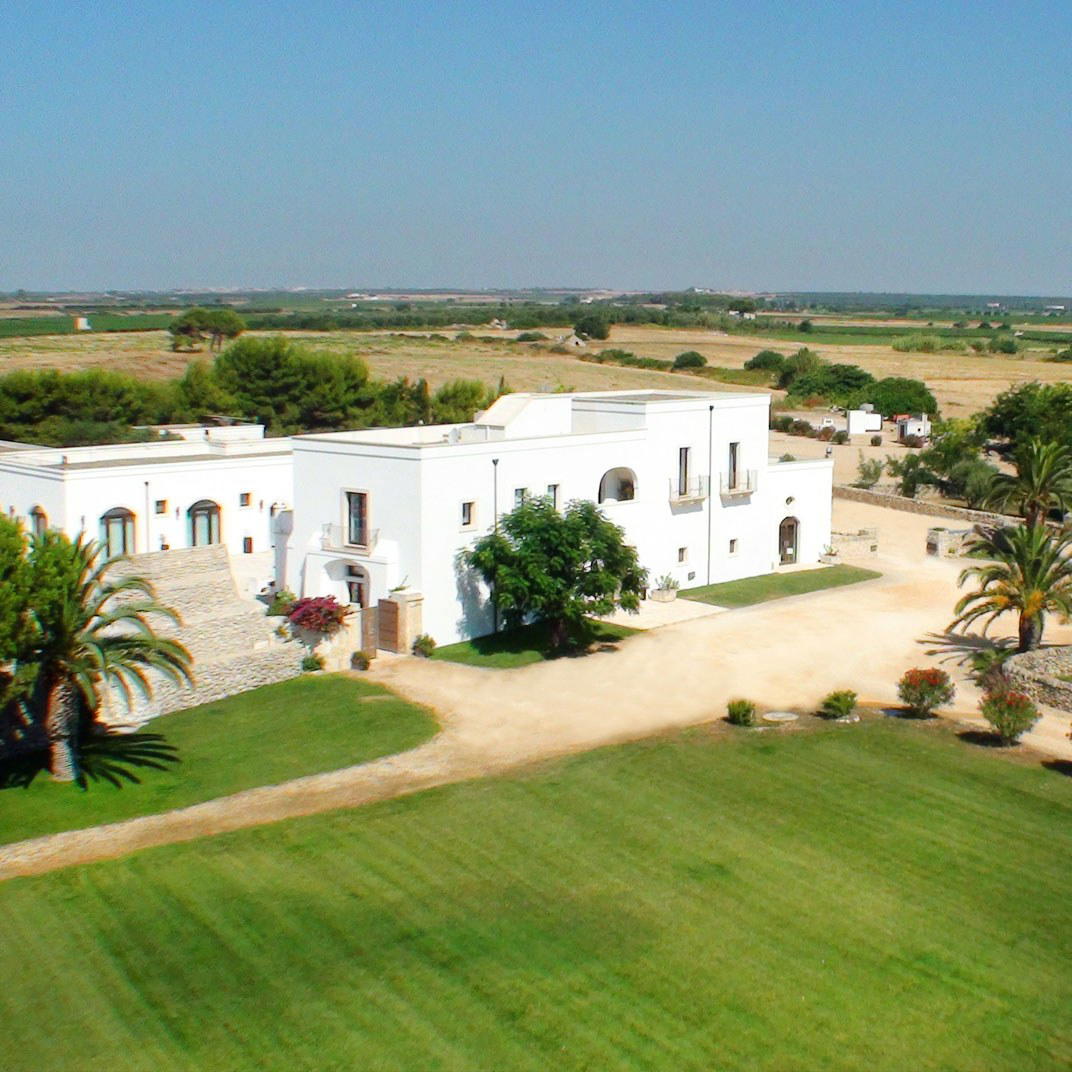
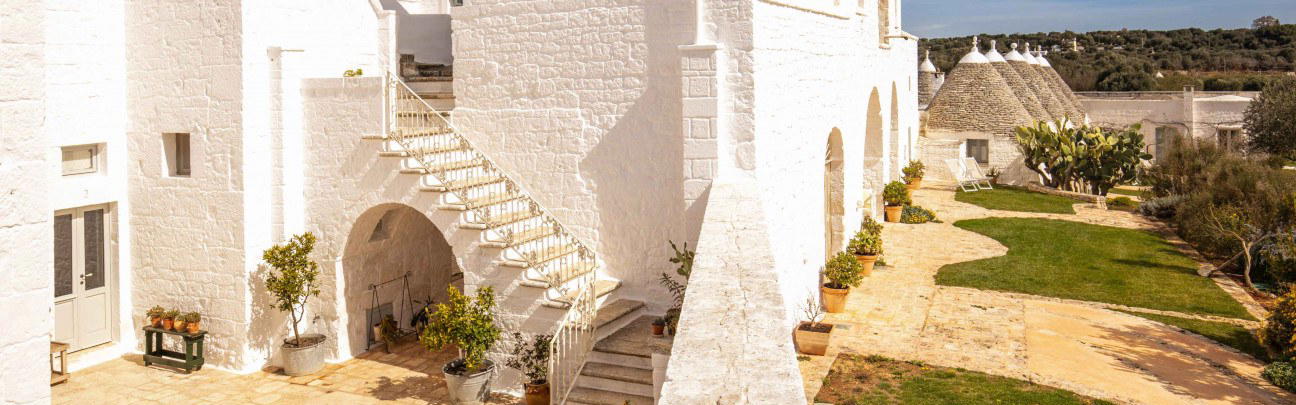
Bars in Grottaglie
Browse all →

Details
- Rustic
- Quiet
- Romantic
- Elegant
- Cozy
- Romantic Getaway
- Weekend Escape
- Honeymoon
- Historic Building
- Garden
- Terrace
- Wi Fi
- Pool
- Restaurant
- Massage
- Meeting Rooms
- Garden
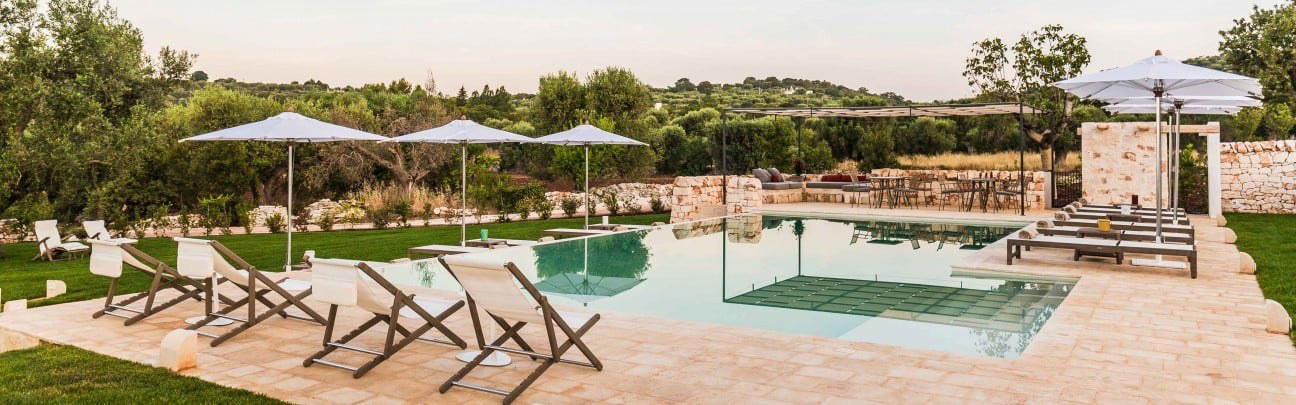
Tranquil rural oasis with terracotta courtyards, shaded gardens, and warm lighting from outdoor fireplaces.