In the quiet Salentine town of Alezio, Le Macare Ristorante operates in a region where the agricultural and coastal pantry is among the more expressive in southern Italy. Puglia's deep-rooted cucina povera tradition, built on fava beans, wild chicory, burrata, and Adriatic catch, gives kitchens like this one a sourcing foundation that more northerly restaurants often have to construct artificially. For visitors moving through Lecce province, it represents a local address worth factoring into any serious itinerary.
Pearl is the En Primeur Club membership app — saves, bookings, and concierge access live there. Same editors, same standards.
- Address
- Via Mariana Albina, 140, 73011 Alezio LE, Italy
- Phone
- +39 329 617 6084
- Website
- lemacare.it
- Directions
- Get directions
 Saves & bookings on Pearl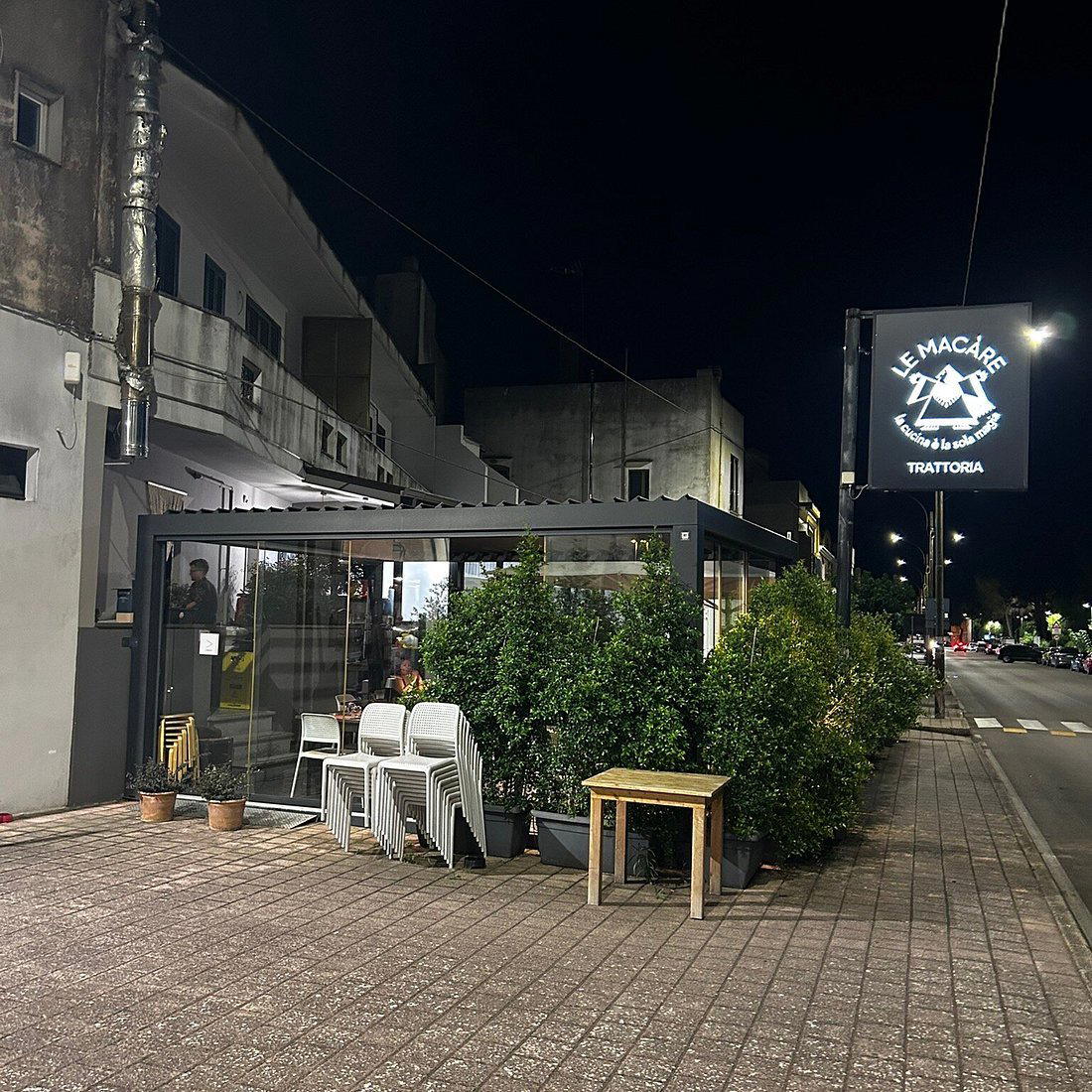
Alezio and the Salentine Table
The town of Alezio sits a few kilometres inland from the Ionian coast, in a part of Lecce province where olive groves, dry-stone walls, and low-slung masserie have defined the food supply for centuries. This is the deep Salento, the southernmost heel of Italy's boot, and the local pantry here operates on different logic from the tourist-facing trulli country further north. Ingredients don't need to travel far: the Adriatic and Ionian coastlines run parallel within cycling distance, and the flat agricultural plain between them produces the legumes, bitter greens, and stone-fruit varieties that anchor the region's cooking. It draws on that geography directly, which is especially relevant fact about what you'll eat here before you've seen a single dish.
Salentine cuisine is sometimes described as Italy's most austere and sometimes as its most generous, depending on whether the observer is looking at the simplicity of its base ingredients or the abundance of what those ingredients yield at the table. The truth is that both readings are accurate. A dish of fave e cicoria, the region's foundational pairing of pureed fava beans and wild chicory, requires almost nothing in the way of imported technique or luxury product, yet it carries a flavour complexity that convinces experienced eaters that something sophisticated is happening. The sourcing is the sophistication. For kitchens in this part of Puglia, working within that tradition is not a constraint but a structural advantage.
What the Ingredient Map Looks Like from Here
Alezio's position gives any serious kitchen access to three distinct sourcing zones within a short radius. The Ionian coast to the west and the Adriatic to the east both contribute seafood, with the catch profiles varying enough that a chef can play with regional contrast on a single menu. Inland, the olive oil produced around the Salento is particularly characterful in Italy, dominated by Ogliarola Salentina and Cellina di Nardò varieties, which bring a bitterness and pepper weight that changes how everything else on the plate reads. The soil here also produces particular legume varieties, including the small Salentine broad bean, that have different starch and flavour characteristics from commodity alternatives.
The broader context for understanding why sourcing from this latitude matters is that southern Italian ingredients have historically been underrepresented in the fine-dining conversation dominated by kitchens in Lombardy, Piedmont, and Emilia-Romagna. Places like Osteria Francescana in Modena, Le Calandre in Rubano, or Piazza Duomo in Alba operate within northern ingredient traditions that have received decades of critical attention and infrastructure. The south's equivalent traditions, including the Salento's specifically, are only now receiving the same systematic treatment. Restaurants working in Lecce province in the current period sit at an interesting moment in that recalibration.
For reference, the distinction between southern and northern Italian fine dining is visible across a range of serious Italian addresses reviewed by EP Club. Quattro Passi in Marina del Cantone works the Campanian Mediterranean pantry; Uliassi in Senigallia has built its reputation on the Adriatic catch from Marche. In Puglia specifically, the sourcing base is distinct from both: drier climate, harder wheat, different olive oils, and a coastal character that splits between two seas rather than running along one. Le Macare Ristorante operates within that specific geography, not as a generic Italian restaurant that happens to be located south of Naples.
The Alezio Setting
Approaching a restaurant in a small Salentine town like Alezio requires adjusting expectations formed by urban dining. There are no doormen, no valet queues, and no ambient noise from adjacent bars at the same price point. The address on Via Mariana Albina places the restaurant within the residential fabric of a town of fewer than six thousand people, which means the physical approach is likely through streets of whitewashed tufa buildings rather than a commercial dining district. That context shapes the atmosphere before you enter: this is a kitchen operating within a community, not a dining destination constructed for outside visitors.
The Italian south has produced a number of serious restaurants in settings that would seem improbable to visitors used to metropolitan fine dining. Reale in Castel di Sangro and Dal Pescatore in Runate both built long-standing reputations in towns smaller than Alezio. The pattern suggests that in Italy, the gravitational pull of a serious kitchen can exist entirely independent of urban infrastructure. What those addresses share is a sense that the cooking is rooted in the place rather than performing a version of it.
Planning a Visit
Alezio is accessible from Lecce, the province's capital, which is the natural base for visitors spending time in the Salento. The drive between Lecce and Alezio runs approximately twenty-five kilometres through flat agricultural countryside, making the restaurant workable as a half-day excursion combined with time in the surrounding olive-country villages. The town is also within reasonable distance of Gallipoli on the Ionian coast, so combining a morning at the old town fish market with an evening meal in Alezio follows a logical sequence. For travellers working through a broader Italian itinerary that includes heavily awarded addresses like Enoteca Pinchiorri in Florence, La Pergola in Rome, or Enrico Bartolini in Milan, adding a Salentine address provides a southern counterweight that those menus don't replicate. Contact details, current hours, and reservation method are best confirmed directly, as the restaurant does not maintain a public website at the time of writing. Our full Alezio restaurants guide covers the broader dining scene in the area for additional context.
Salento in the Wider Italian Dining Conversation
The southern Italian fine-dining bracket is smaller and less internationally documented than its northern equivalent, but the gap is narrowing. Gambero Rosso in Marina di Gioiosa Ionica has held recognition in Calabria; Atelier Moessmer Norbert Niederkofler in Brunico has demonstrated that Alpine ingredient sourcing can anchor a three-star program. The common thread across geographically specific kitchens is that the ingredient map precedes the technique conversation, not the other way around. In the Salento, that map is particularly legible: two coastlines, one agricultural plain, centuries of olive cultivation, and a legume and grain tradition that has fed the region since before the Roman period. A kitchen that reads that map correctly doesn't need to import its identity from elsewhere in Italy or from the international fine-dining vocabulary. For context on how other formats approach the sourcing question from completely different geographies, Le Bernardin in New York City and Lazy Bear in San Francisco offer instructive comparisons in how seriously-regarded kitchens build their identity around a specific ingredient philosophy. The Salentine version of that approach is quieter, less theorised, and considerably older.
At-a-Glance Comparison
Comparable venues nearby, for context on price, style, and recognition.
| Venue | Cuisine | Price | Notes |
|---|---|---|---|
| Le Macare RistoranteThis venue — the venue you are viewing | Modern Salentino Trattoria | $$ | Not listed |
| La Succursale | Pizza & Cucina | Neapolitan Pizza & Italian Trattoria | $$ | Near Lecce University |
| Ristorante L'Aratro | Traditional Puglian Trattoria | $$ | Rione Monti |
| Antica Trattoria Belletti | Traditional Emilian Trattoria | $$$ | Montepastore |
| Dal Moro's Fresh Pasta To Go | Fresh Pasta To Go | $$ | Castello |
| Trattoria Ca' D'Oro - Cucina Tipica Veneziana | Traditional Venetian Trattoria | $$ | Cannaregio |
Continue exploring
More in Alezio
Restaurants in Alezio
Browse all →
Bars in Alezio
Browse all →
Hotels in Alezio
Browse all →

At a Glance
- Cozy
- Elegant
- Rustic
- Intimate
- Date Night
- Family
- Celebration
- Open Kitchen
- Extensive Wine List
- Local Sourcing
Current opening hours
- Monday
- 8–11 PM
- Tuesday
- Closed
- Wednesday
- 8–11 PM
- Thursday
- 8–11 PM
- Friday
- 8–11 PM
- Saturday
- 8–11 PM
- Sunday
- 1–3 PM
Hours can change for holidays and private events. Last verified .
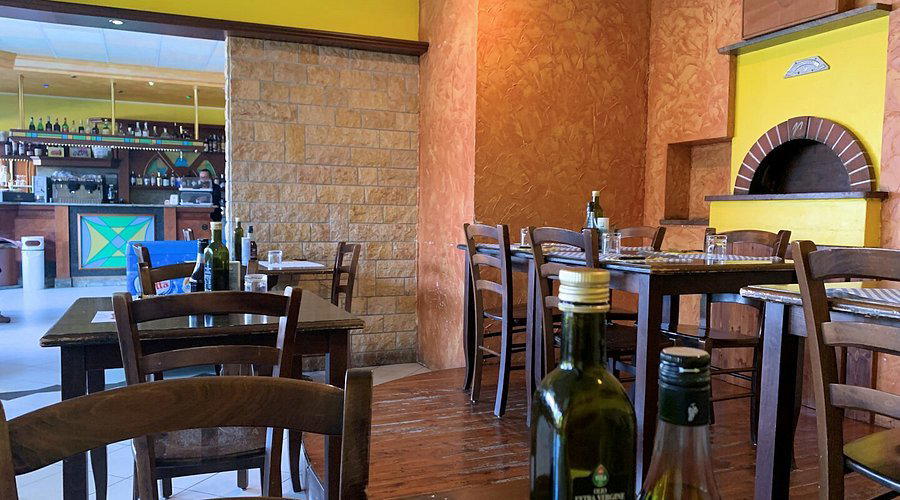
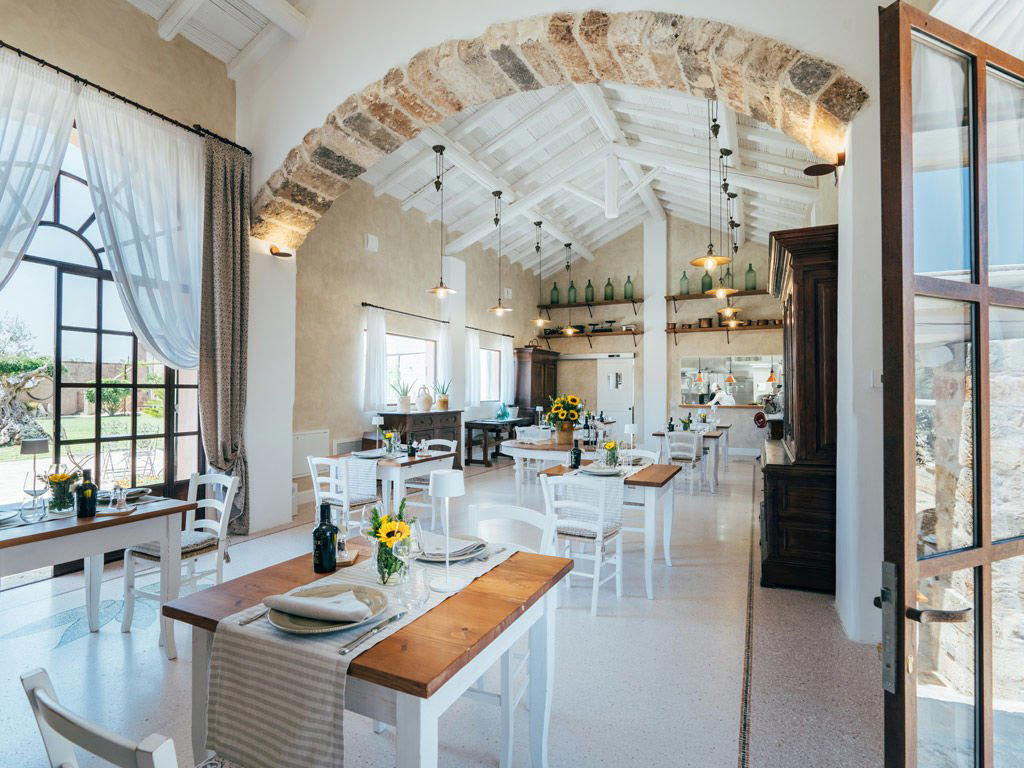
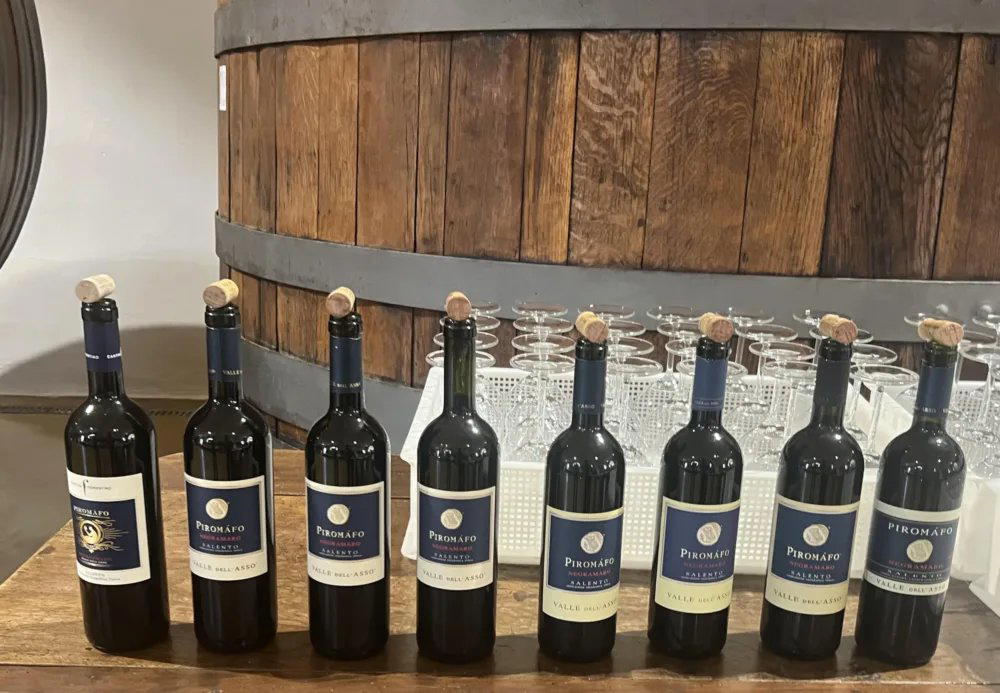
Welcoming and modern atmosphere with attentive service and background music creating a suggestive dining experience.