

Michelin Selected · Small Luxury Hotels of the World Member
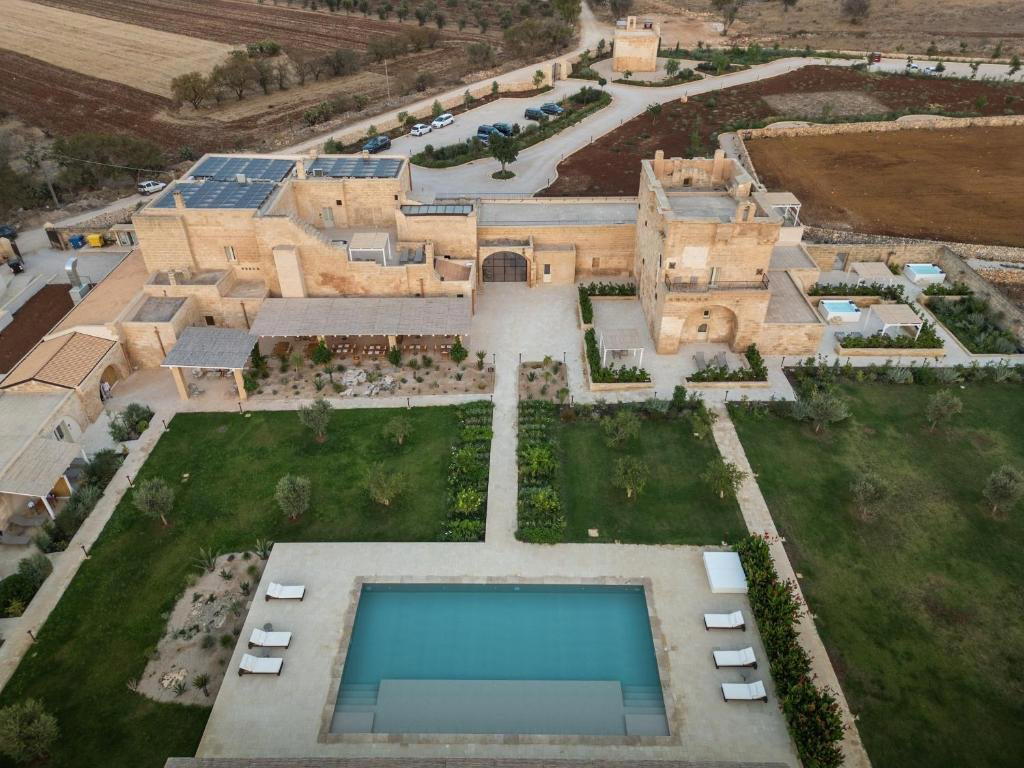
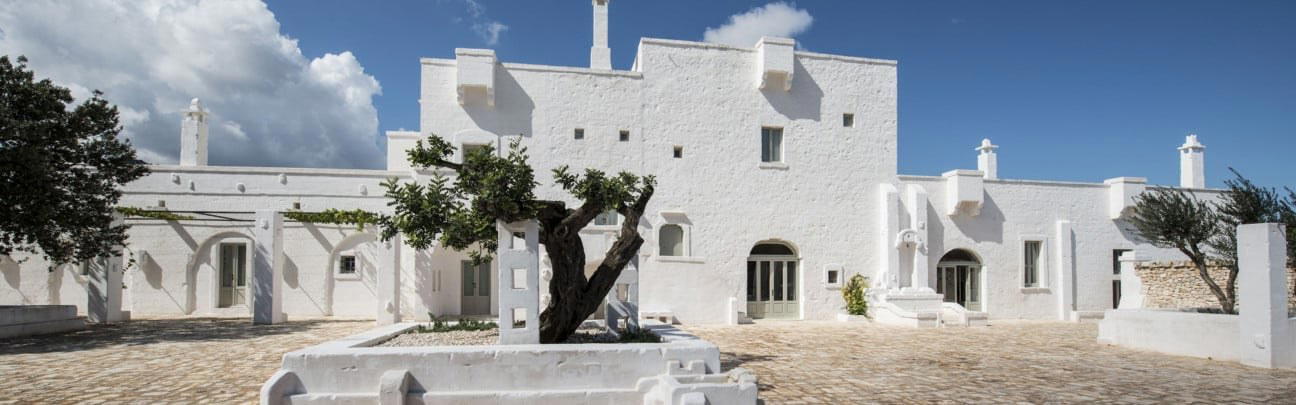
A restored masseria on the Puglia-Basilicata border, Masseria Palombara Relais & Spa converts centuries-old farm buildings into an eco-conscious retreat where the architecture does the heavy lifting. The ancient granary now houses the spa, the stone courtyard frames a pool, and the surrounding olive groves enforce a pace the Salento interior has always demanded. This is deliberate, unhurried Puglia.

Pearl is the En Primeur Club membership app, where members save venues, book tables and use the concierge.
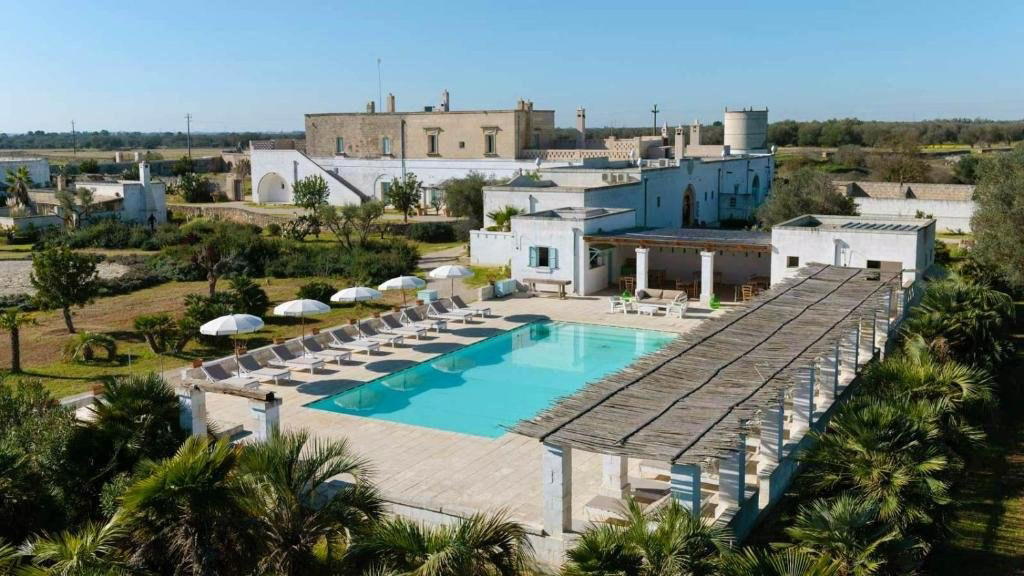
Stone, Sun, and the Salento Interior
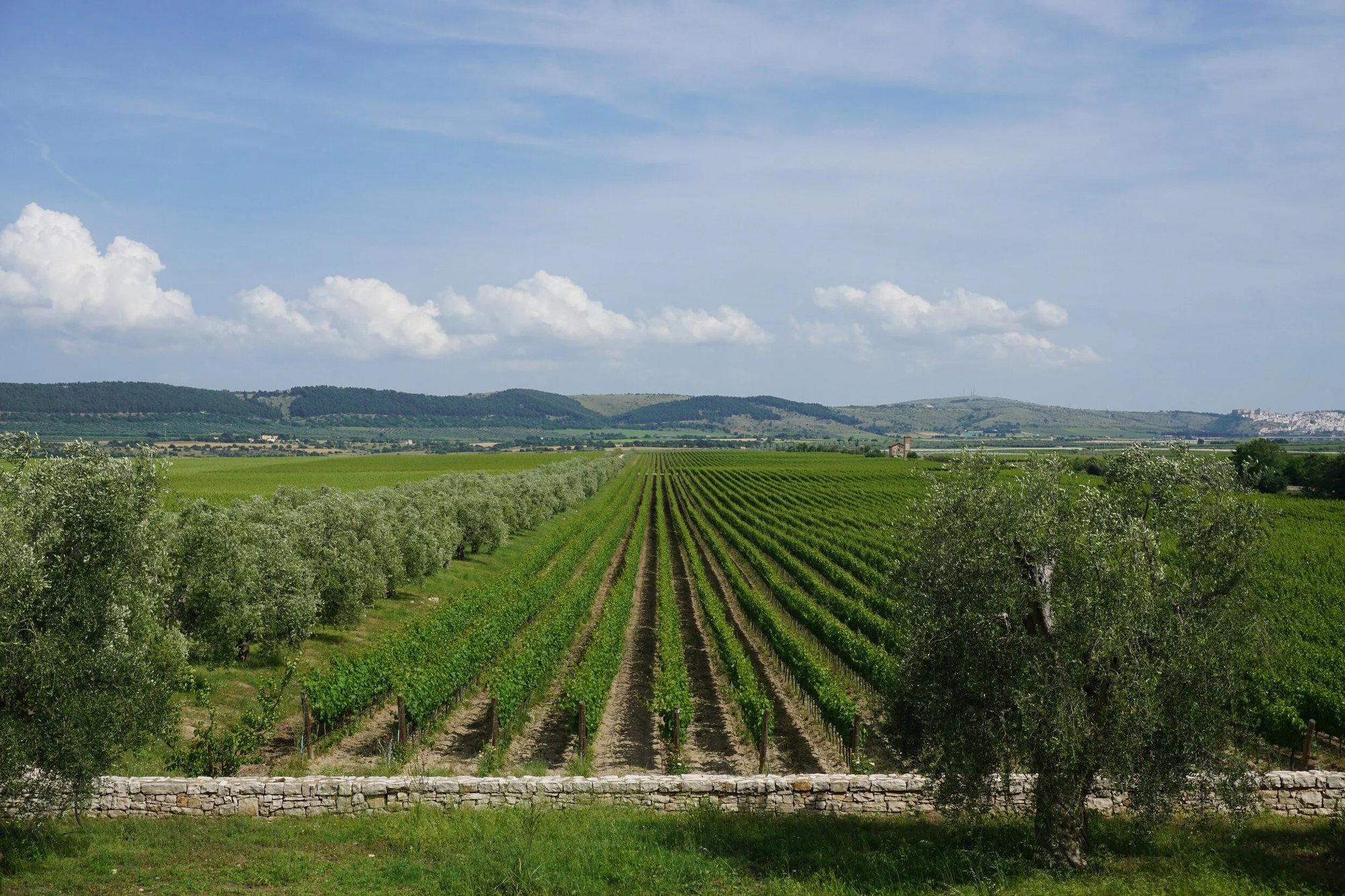
The road into Oria from the SP57 provincial route tells you something before you arrive. This is not coastal Puglia, with its aperitivo crowds and boat-laden harbours. The Salento interior moves at a different register: ochre fields, low dry-stone walls, ancient olive groves whose trunks have grown too thick and twisted to be accurately dated. Masseria Palombara Relais & Spa sits inside this landscape about 2.5 kilometres from Oria along the road toward Manduria, and its position is not incidental. The masseria tradition in southern Italy was always agricultural, fortified farmhouses that processed olive oil, grain, and livestock across centuries of Baroque, Byzantine, and Norman occupation. Restoring one for contemporary hospitality means working within constraints that new-build resorts never face, and those constraints are precisely what gives this category of property its character.
For broader Puglia context, the regional luxury market has divided fairly clearly between large resort complexes on the Adriatic coast, such as Borgo Egnazia in Savelletri di Fasano, and a smaller cohort of inland agricultural estates that trade scale for authenticity of place. Masseria Palombara belongs to the latter group. Where coastal competitors offer proximity to the sea and structured entertainment programmes, the inland masseria offers structural quiet and an architecture that carries its own historical argument.
What the Buildings Say
The architectural logic of a restored masseria is worth understanding before you arrive, because it shapes what you do with your days. These complexes were never designed around the guest experience; they were designed around production. Granaries, animal quarters, oil-pressing rooms, and storage vaults were arranged for efficiency and security, not comfort or view. When a restoration project takes these buildings seriously rather than gutting them for generic luxury interiors, the result is a sequence of spaces that feel genuinely weighted by time.
At Masseria Palombara, the spa occupies the ancient granary, which is an architectural decision that matters. Granaries were typically the most robustly built structures within a masseria complex, with thick walls designed to regulate temperature and preserve grain. Those same thermal properties translate directly into a contemporary wellness context. The spa's setting is not decorative history; it is structural performance. The walls that once kept grain cool and dry now do the same for treatment rooms and rest spaces.
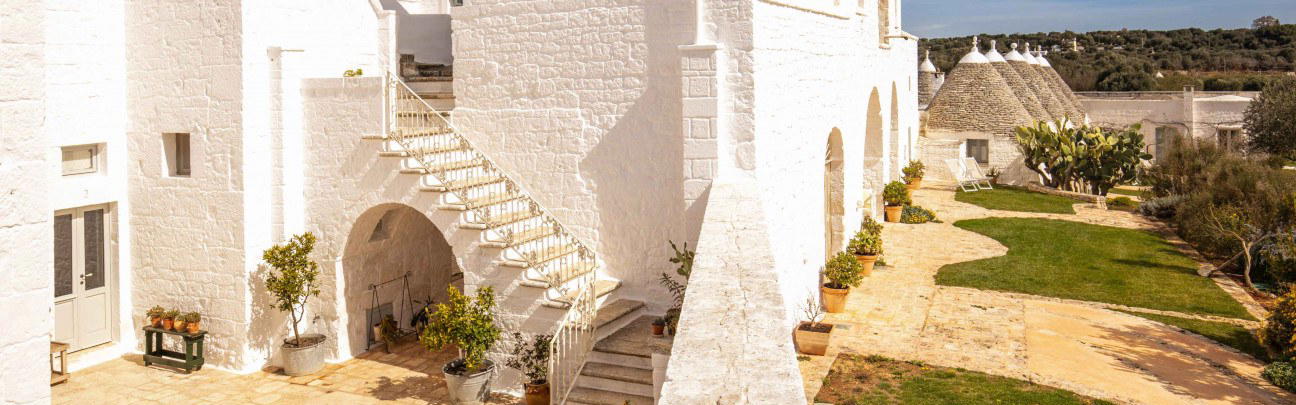
The honeyed stone of the courtyard, a material consistent with the local calcarenite tradition found across the Valle d'Itria and Salento, organises the property's social geography. The pool sits within this courtyard, an azure counterpoint to the warm limestone surrounds that mirrors a pattern seen across the better-restored masserie of the region. This design approach, in which the pool is framed by original architecture rather than carved out of a separate constructed wellness zone, keeps the property's spatial logic intact. You do not move between a historic building and a modern extension; you move between rooms within a coherent historical envelope.
Comparable design discipline in the Italian agrarian restoration category can be found at Castello di Reschio in Lisciano Niccone and Borgo San Felice Resort in Castelnuovo Berardenga, both of which demonstrate how Italian agricultural heritage properties can achieve contemporary luxury standards without abandoning the architectural logic of the original buildings. Masseria Palombara operates in this same tradition, applied to a Pugliese context rather than a Tuscan one.
The Eco-Conscious Framing
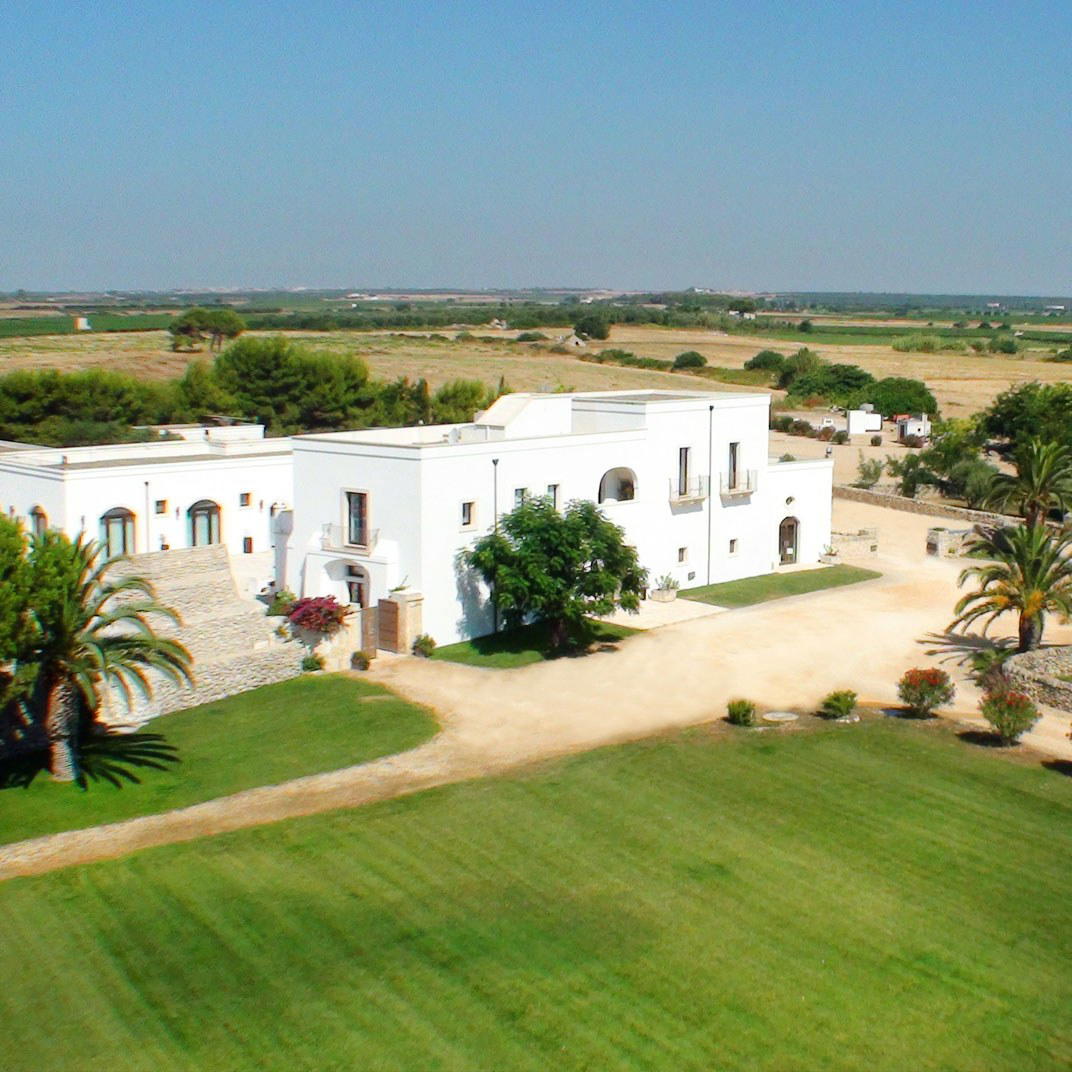
The property positions itself as eco-conscious, a term that carries varying weight depending on where you encounter it in luxury hospitality. In the masseria context, ecological responsibility and historical preservation overlap more naturally than in purpose-built resorts. The thick stone construction requires less mechanical climate control. The agricultural land surrounding the property supports a working relationship with the local terrain rather than requiring it to be managed purely as ornament. Verdant fields surrounding the buildings are not landscape design in the conventional resort sense; they are the original purpose of the land, maintained.
This ecological framing also connects Masseria Palombara to a broader shift in Italian agriturismo and luxury rural hospitality, where the distinction between a working estate and a leisure property has blurred considerably over the past decade. Properties such as Casa Maria Luigia in Modena and Rosewood Castiglion Del Bosco in Montalcino have demonstrated that the working estate model, when properly maintained, becomes a distinguishing asset rather than an operational complication. In Puglia, where olive oil production carries genuine commercial and cultural significance, an estate setting reinforces rather than complicates the hospitality proposition.
Oria and the Provincial Setting
Oria itself is a Baroque hill town with a Norman castle, medieval walls, and a biennial historical pageant that draws significant regional attention. It sits in the Province of Brindisi, roughly equidistant between Brindisi city and Taranto, making it accessible from both airports without requiring a long drive. For guests who want to explore the broader Salento interior, Oria provides proximity to Ostuni, Martina Franca, and the trulli concentrations around Alberobello without the premium that properties directly within those destinations now command.
The Manduria direction along the SP57, which the property address references, leads toward one of Puglia's most significant wine zones: Primitivo di Manduria, a DOC producing concentrated, warm-climate reds from the Primitivo grape that have built considerable international recognition over the past fifteen years. Guests interested in regional wine have a natural day-trip already built into the geography.
For those comparing Italian rural retreat options across the peninsula, our guides to properties such as Corte della Maestà in Civita di Bagnoregio, Castelfalfi in Montaione, and Forestis Dolomites in Plose cover the range from central Italian heritage estates to northern alpine retreats. See also our full Oria restaurants guide for the wider local dining context.
Planning a Stay
Puglia's peak season runs from late June through August, when temperatures in the interior regularly exceed 35°C and coastal properties command their highest rates. For a property whose appeal rests on slow-paced immersion rather than beach access, the shoulder months of May, June, and September offer more comfortable conditions for exploring the estate and surrounding countryside. Spring in particular brings the olive groves into full leaf and maintains the warm-stone palette of the buildings without the thermal intensity of summer.
Given the property's position on a provincial road outside a smaller Pugliese town, advance planning for arrival logistics matters. Brindisi Airport (BDS) is the most practical entry point, with connections from major European hubs that increase significantly from April onwards. A hire car is advisable for guests who want flexibility around Oria and the broader Salento interior. Booking well ahead of peak summer dates is sensible, as masseria properties of this scale and character do not hold large room inventories, and the smaller the property, the more directly high demand affects availability.
For context on how other Italian rural properties manage similar positioning, the editorial assessments of Il Pellicano in Porto Ercole, Passalacqua in Moltrasio, and Castel Fragsburg in Merano each offer useful reference points for the expectations this category of property sets and how well different examples meet them.
In Context: Similar Options
Comparable venues nearby, for context on price, style, and recognition.
| Venue | Cuisine | Price | Awards | Notes |
|---|---|---|---|---|
| Masseria Palombara Relais & SpaThis venue (the venue you are viewing) | Restored 16th-century rural masseria blending historical Puglian architecture with modern luxury comforts. | Not listed | Michelin Selected · Small Luxury Hotels of the World Member | Not listed |
| Hammerack Hotel Restaurant & SPA | Modern luxury mountain retreat in a historic 15th-century building | $200–300 | Michelin Selected | Malborghetto Valbruna |
| Tenuta di Canonica | Historic country estate with medieval tower and Roman foundations | $200–300 | Michelin Selected | Località Canonica |
| Schgaguler Hotel | Contemporary Alpine luxury boutique hotel with minimalist design philosophy and Scandinavian-Japanese influences | Not listed | Michelin Selected · Design Hotels Member | Castelrotto historical centre |
| QC Terme Bagni di Bormio Bagni Nuovi | Historic Art Nouveau luxury spa resort | $300–500 | Michelin Selected | Molina |
| Therasia Resort Sea & Spa | Aeolian resort with modern luxury and natural integration | $300–500 | 2 Michelin Keys · Leading Hotels of World Member | Vulcano |
Recognition history
Dated appearances from independent guides and award organizations, with the underlying list record or original source where available.
Michelin Selected
Michelin
Small Luxury Hotels of the World Member
Small Luxury Hotels of the World
Continue exploring
More in Oria
Hotels in Oria
All hotels in Oria →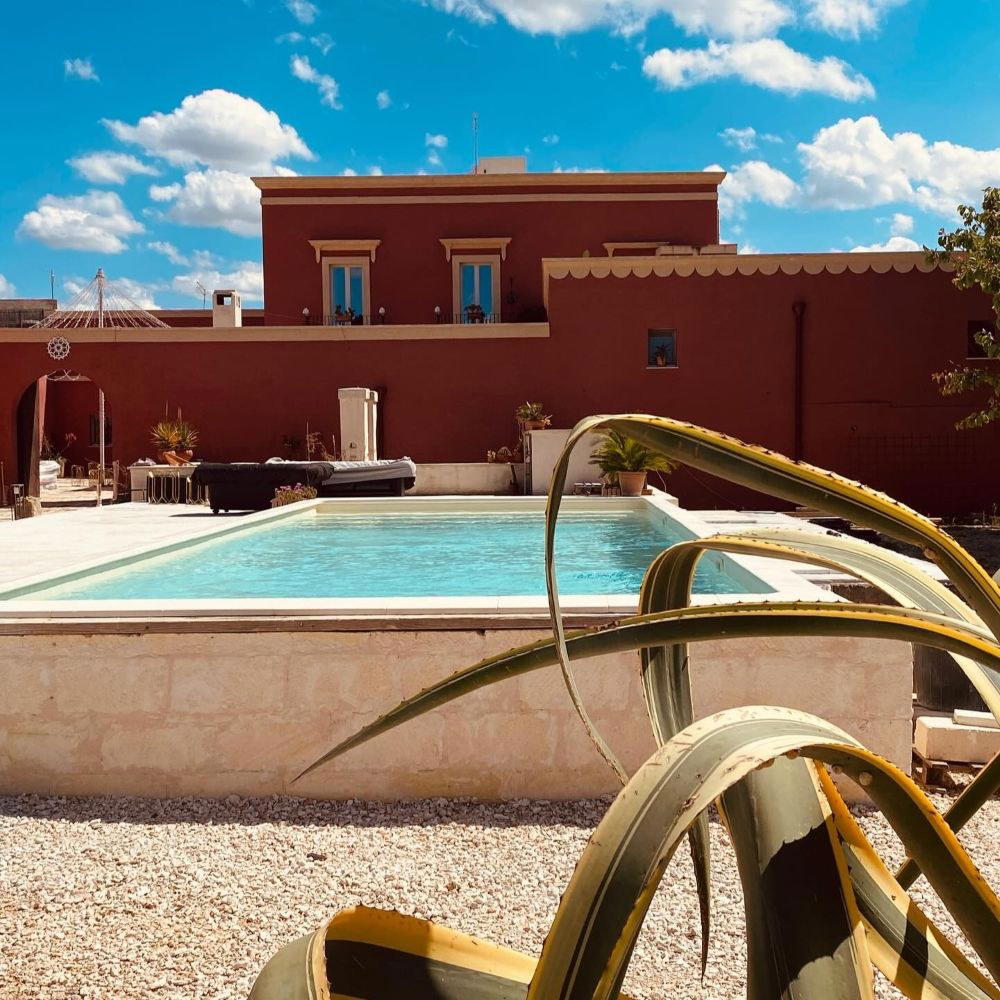
Bars in Oria
Browse all →

Details
- Romantic
- Quiet
- Elegant
- Rustic
- Scenic
- Intimate
- Sophisticated
- Honeymoon
- Romantic Getaway
- Wellness Retreat
- Anniversary
- Weekend Escape
- Garden
- Terrace
- Historic Building
- Wi Fi
- Pool
- Spa
- Fitness Center
- Room Service
- Concierge
- Restaurant
- Sauna
- Garden
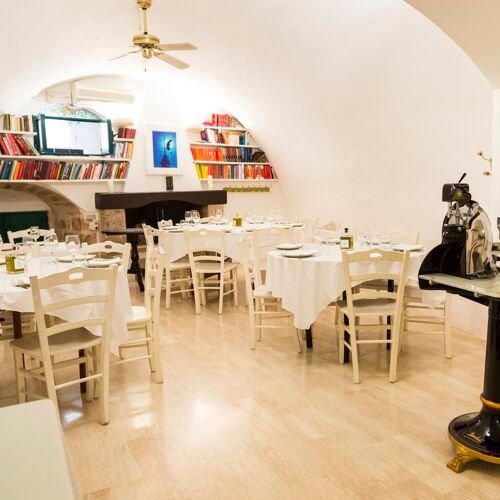
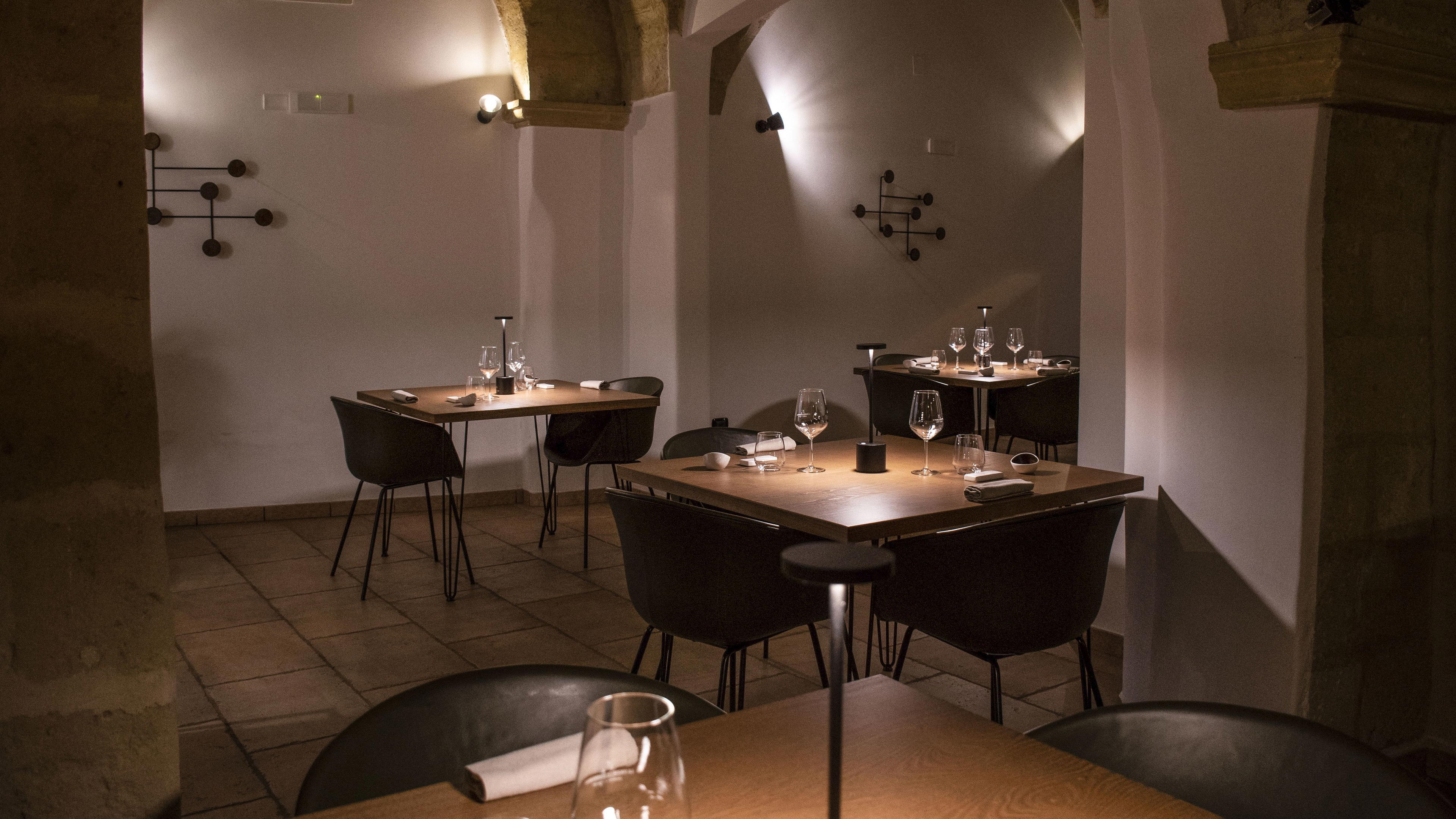
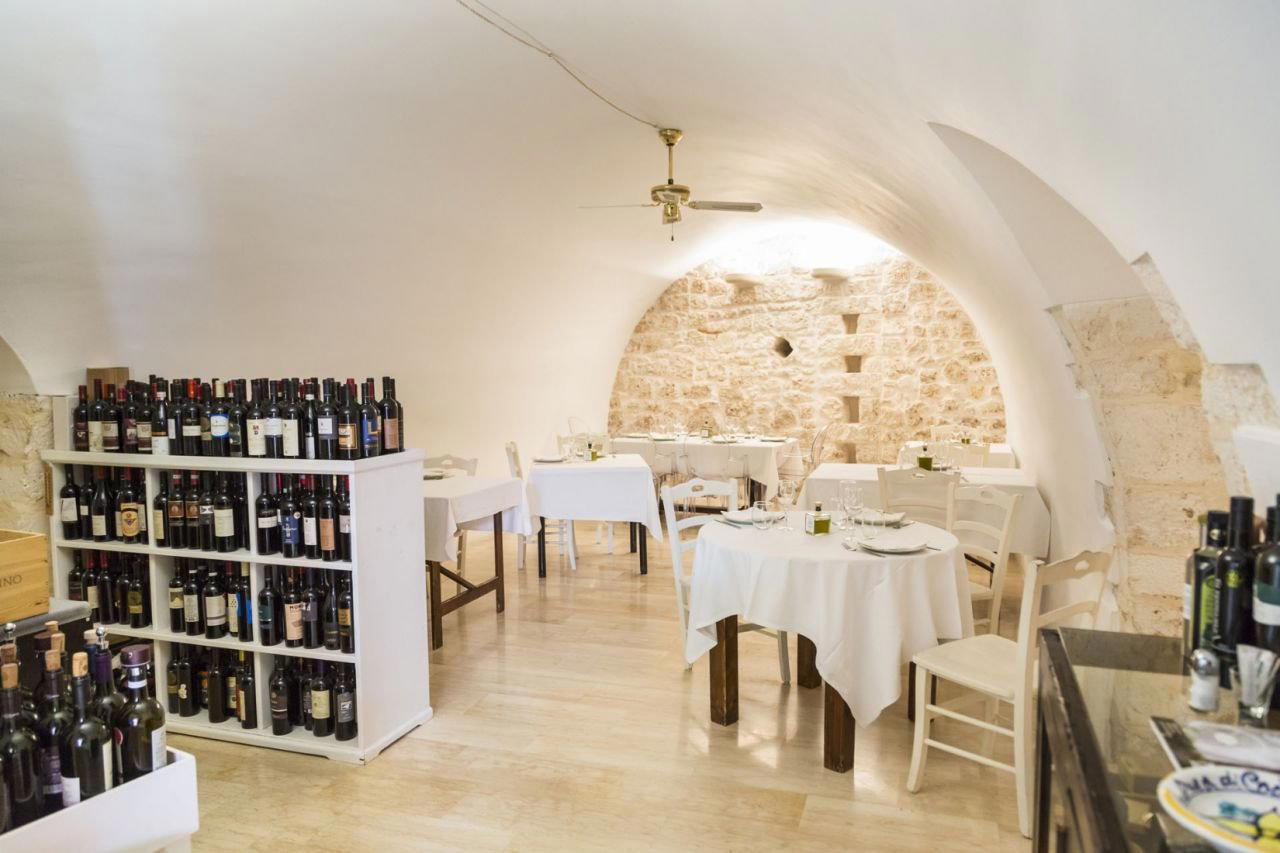
Serene and relaxing with natural light in lush gardens, cozy rustic-chic interiors using local materials, and a peaceful atmosphere praised for comprehensive well-being.