Bros' Trattoria

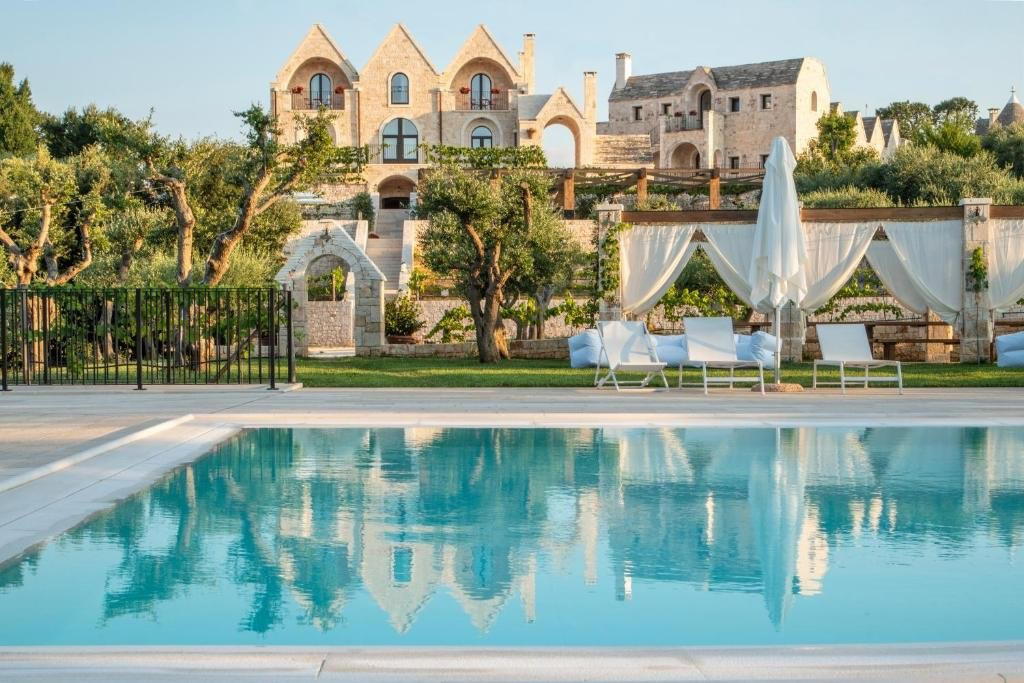
Bros' Trattoria sits within the Relais Villa San Martino estate on the SS172 outside Martina Franca, where trulli, a small vineyard, and a wood-fired oven set the tone before you reach the door. The kitchen, overseen by the team behind a nearby gourmet restaurant, commits to the deep Pugliese trattoria tradition: local cured meats, sagne 'ncannulate with ragù, eggplant parmigiana, and grilled meats cooked over fire.
Pearl is the En Primeur Club membership app — saves, bookings, and concierge access live there. Same editors, same standards.
- Address
- SS172, 59G, 74015 Martina Franca TA, Italy
- Phone
- +39 351 661 5513
- Website
- brosworld.it
- Directions
- Get directions
 Saves & bookings on Pearl
Where the Valle d'Itria Trattoria Tradition Still Holds
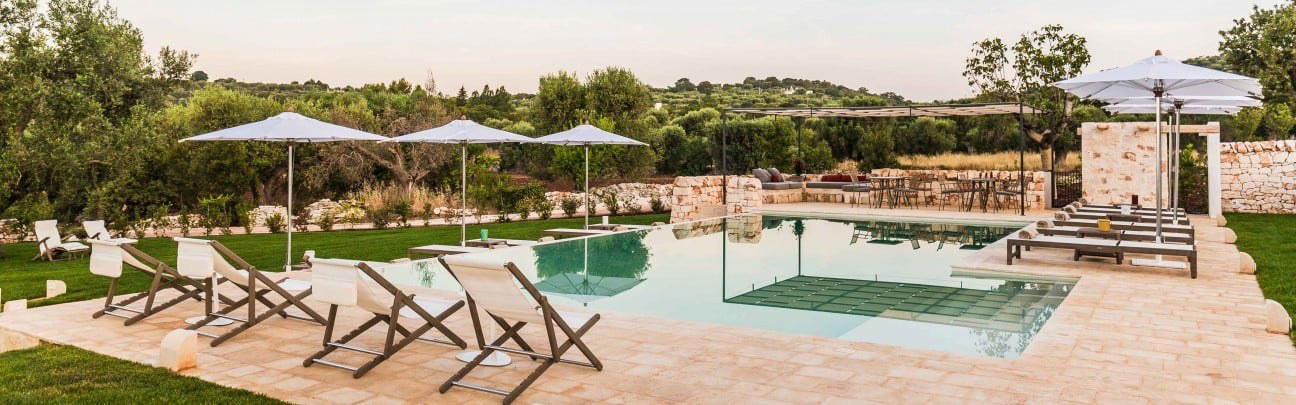
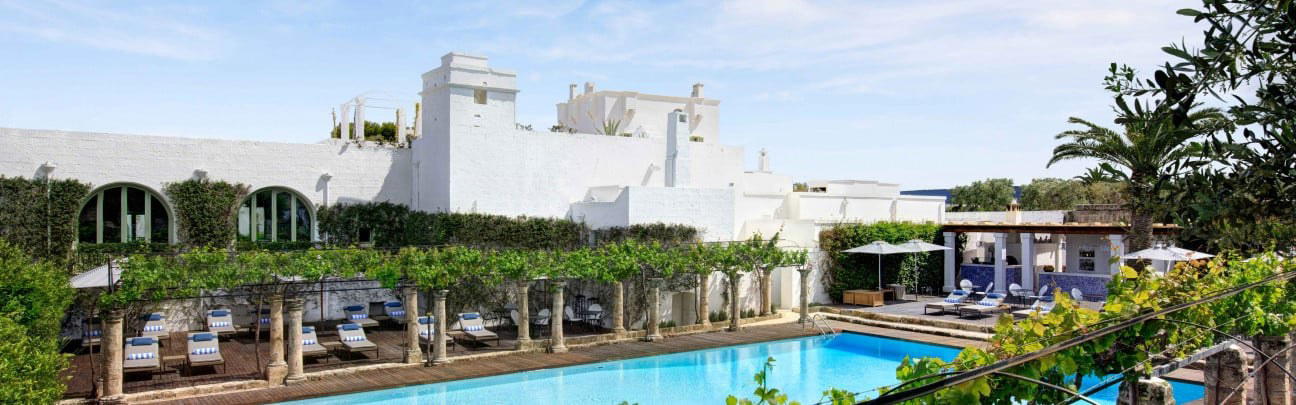
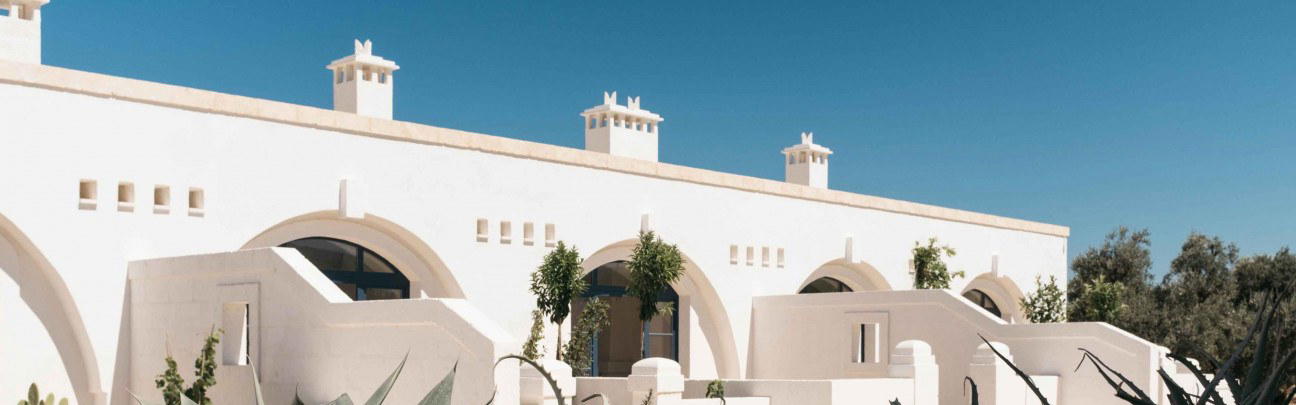
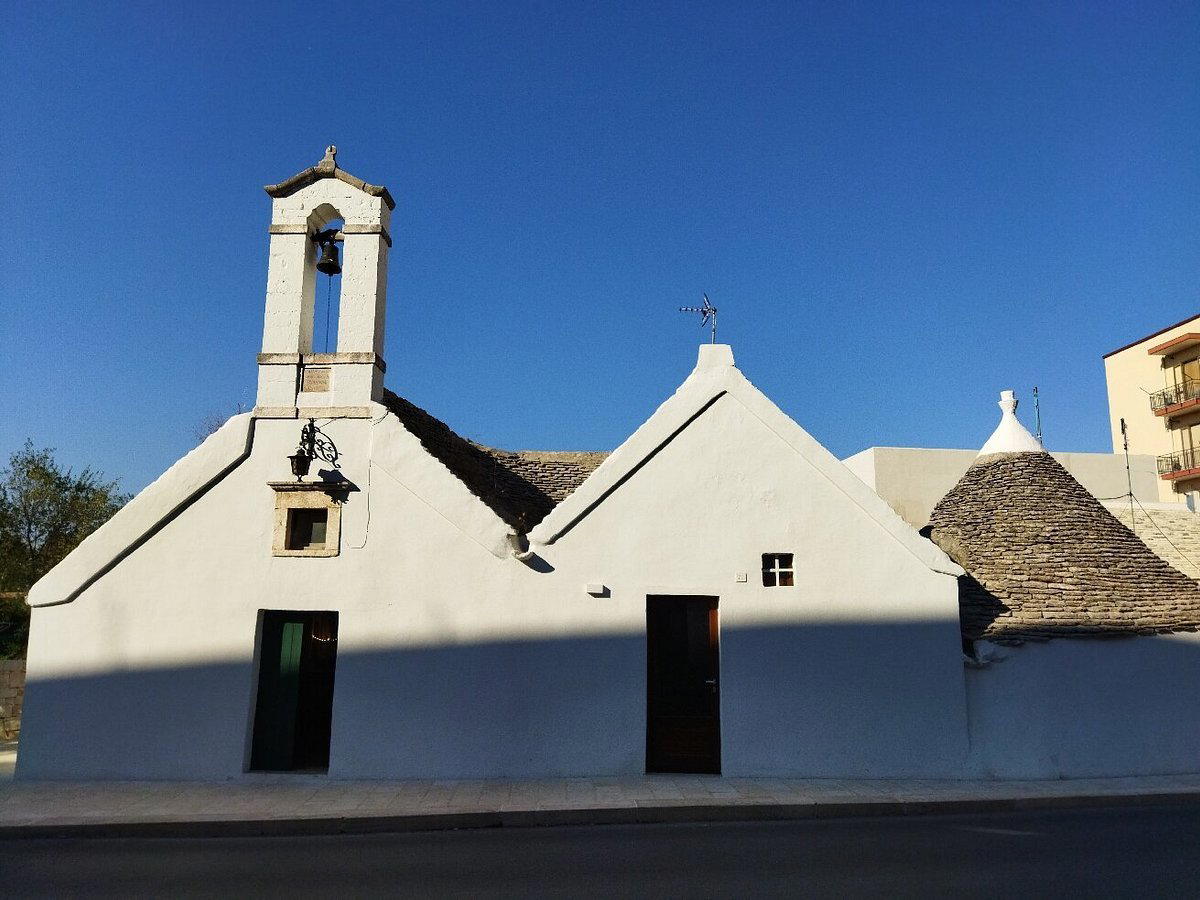
The road from Martina Franca toward Locorotondo runs through particularly quietly agricultural terrain in Puglia, past dry-stone walls, ancient olive groves, and the whitewashed cones of trulli that have punctuated the Valle d'Itria for centuries. Along the SS172, the entrance to Relais Villa San Martino is shared with Bros' Trattoria, and the approach itself conditions expectations: a parking area gives way to a path toward stone trulli surrounded by a small vineyard, the kind of setting where the architecture is doing more than providing shelter. It is signalling a particular relationship with place. Before a dish arrives, you understand that this is a kitchen working within a tradition rather than against it.
That tradition, the Pugliese trattoria, operates on different terms from the fine-dining formats associated with, say, Osteria Francescana in Modena or Le Calandre in Rubano. At those tables, the kitchen's ambition is to interrogate or reframe Italian culinary memory. At a well-executed trattoria in the Valle d'Itria, the ambition is fidelity, cooking the region's repertoire with enough skill and sourcing discipline that the dish tastes the way it is supposed to taste. This is harder than it sounds. The further a region moves from its agricultural base, the easier it becomes for trattoria cooking to drift toward the generic. The wood-fired oven, the cured meats from local producers, the fresh pasta cut in the traditional format of the area: these are not decorative choices. They are the measure by which the kitchen is being judged.
The Kitchen and Its Lineage
The chefs behind Bros' Trattoria are better known for their work at a nearby gourmet restaurant, Bros', which operates in a register closer to the contemporary Italian fine-dining circuit that includes addresses like Piazza Duomo in Alba, Reale in Castel di Sangro, and Uliassi in Senigallia. The trattoria format represents a deliberate second mode: cooks with technical fluency choosing to apply that fluency to the popular tradition rather than the progressive one. This is not a retreat. Across Italy, a number of serious kitchens have moved in this direction, recognising that the trattoria, done well, demands as much from a cook as a tasting menu, just in a different direction. The standard here is not innovation; it is correctness. The ragù has to be right. The cured meats have to be sourced with the same care given to a tasting menu ingredient.
The approach finds parallels internationally. At Dal Pescatore in Runate and Enoteca Pinchiorri in Florence, the kitchens carry Italian culinary history with scholarly depth. Bros' Trattoria is working in a more vernacular register, but the underlying commitment to regional authenticity is recognisable across both tiers. The trattoria format is where Italian food culture reproduces itself; the fine-dining tier is where it gets examined. Both require knowing the material thoroughly.
What the Menu Reflects About the Region
Valle d'Itria and the broader Itria-Murgia area around Martina Franca have a distinct culinary grammar. Preserved meats, particularly the local capocollo and salumi produced from pigs raised in the area, are among the more regionally specific products in southern Italy. Cheese production in this part of Puglia, especially the stretched-curd formats of the cheese-making tradition, also carries significant local identity. Starting a meal here with a board of local cured meats and cheeses is not a generic aperitivo gesture; it is a tour through the specific agricultural character of the territory.
Sagne 'ncannulate, the long, twisted fresh pasta format associated with Puglia and Salento, is the kind of pasta shape that rarely survives an hour's drive from where it originates in any authentic form. Served here with ragù, it represents the convergence of a regional pasta tradition with one of Italy's most historically significant slow-cooked meat preparations. Eggplant parmigiana, common enough across southern Italy to have become a cliché elsewhere, is a dish where the quality of the local eggplant and the discipline of the layering and frying process determine whether you're eating the real thing or a simplified version of it. The wood-fired oven as the primary cooking instrument changes the heat profile of grilled meats in ways that translate directly to flavour. These are the details that separate a trattoria running the regional repertoire from one simply listing it.
Tripe, noted here as extraordinary, occupies a specific position in Italian popular food culture. Once considered the food of necessity, offal has experienced a serious revaluation in Italian trattoria cooking, particularly in cities and towns where the butchery tradition remained intact. In Puglia, tripe preparations have a long continuity, and a kitchen willing to cook it well signals confidence in its clientele and in the tradition itself. For context, addresses at the other end of the creative Italian spectrum, like Enrico Bartolini in Milan or Atelier Moessmer Norbert Niederkofler in Brunico, often reference the popular tradition precisely because its cultural weight is so substantial. Bros' Trattoria is working inside that tradition rather than referencing it from a distance.
Planning Your Visit
The restaurant sits on the SS172, accessed through the Relais Villa San Martino entrance, which means arrival by car is the practical option for most visitors. The estate setting and vineyard surroundings make it a logical choice for a long lunch rather than a rushed dinner, though the kitchen's wood-fired approach suits the evening too. For a broader orientation to eating and drinking in Martina Franca, our full Martina Franca restaurants guide covers the range of options across price points and formats. The town's position in the Valle d'Itria also makes it a natural base for exploring the wider area, and our full Martina Franca hotels guide covers accommodation suited to an extended stay. For those wanting to understand how the region's wines intersect with the food at a table like this, our full Martina Franca wineries guide provides context on local production. Further reading on bars and evening options is available through our full Martina Franca bars guide, and for structured visits to the area's cultural and agricultural sites, our full Martina Franca experiences guide is the reference. Given the estate context and the kitchen's credentials, booking in advance is advisable.
Cost Snapshot
Comparable venues nearby, for context on price, style, and recognition.
| Venue | Cuisine | Price | Awards | Notes |
|---|---|---|---|---|
| Bros' TrattoriaThis venue — the venue you are viewing | zona G, Modern Puglian Creative | $$$$ | Bib Gourmand | Not listed |
| Restaurant 700 | Not listed | $$$$ | Michelin Plate | historic centre, Contemporary Puglian Fine Dining |
| Antichi Sapori | Montegrosso, Traditional Apulian | $$ | Bib Gourmand | Not listed |
| ME Restaurant | Not listed | $$$$ | Michelin Plate | Pizzo, Modern Italian Seafood Fine Dining |
| La Cuccagna - Giro di Vite | Crispiano, Traditional Southern Italian | $$ | Bib Gourmand | Not listed |
| Il Fagiano | Not listed | $$$$ | Michelin 1 Star | Gardone Riviera, Modern Italian Fine Dining |
Recognition history
Dated appearances from independent guides and award organizations, with the underlying list record or original source where available.
Michelin Plate
Michelin
Michelin Bib Gourmand
Michelin
Continue exploring
More in Martina Franca
Restaurants in Martina Franca
Browse all →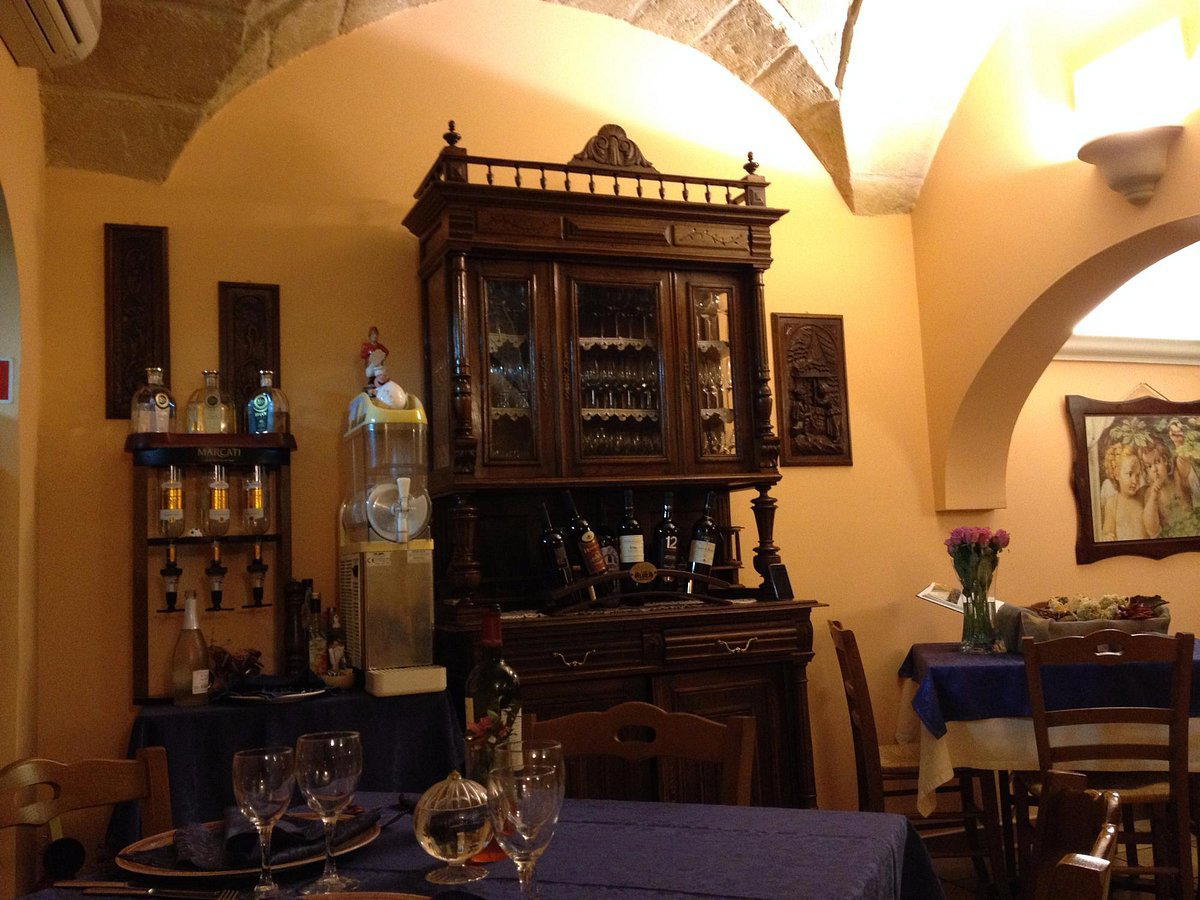
Bars in Martina Franca
Browse all →
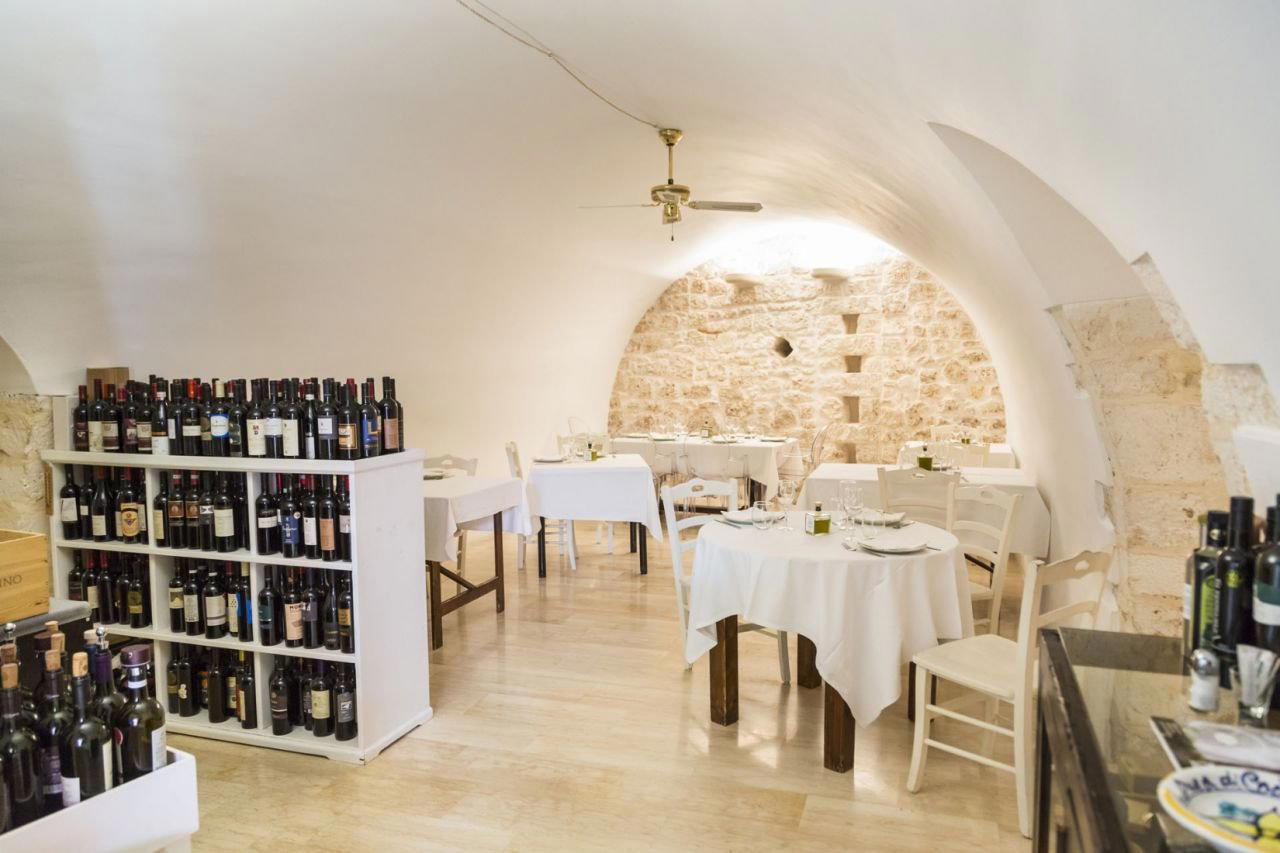
Hotels in Martina Franca
Browse all →

At a Glance
- Intimate
- Elegant
- Rustic
- Date Night
- Special Occasion
- Celebration
- Open Kitchen
- Extensive Wine List
- Vineyard
Current opening hours
- Monday
- Closed
- Tuesday
- Closed
- Wednesday
- 8–9 p.m.
- Thursday
- 12–1 p.m., 8–9 p.m.
- Friday
- 12–1 p.m., 8–9 p.m.
- Saturday
- 12–1 p.m., 8–9 p.m.
- Sunday
- 12–1 p.m., 8–9 p.m.
Hours can change for holidays and private events. Last verified .
Minimalist and intimate setting with sensory-focused atmosphere, polished service, and chef interactions creating a memorable gastronomic journey.