Located on Schwarzenbergstraße in Vienna's first district, In-Dish occupies a position among the Austrian capital's serious dining addresses. The first district has long concentrated the city's most ambitious restaurant programs, placing In-Dish within a comparable set defined by culinary precision and architectural intention. Reservations and current details are best confirmed directly with the venue.
Pearl is the En Primeur Club membership app — saves, bookings, and concierge access live there. Same editors, same standards.
- Address
- Schwarzenbergstraße 8, 1010 Wien, Austria
- Phone
- +434319412801
- Website
- in-dish.at
- Directions
- Get directions
 Saves & bookings on Pearl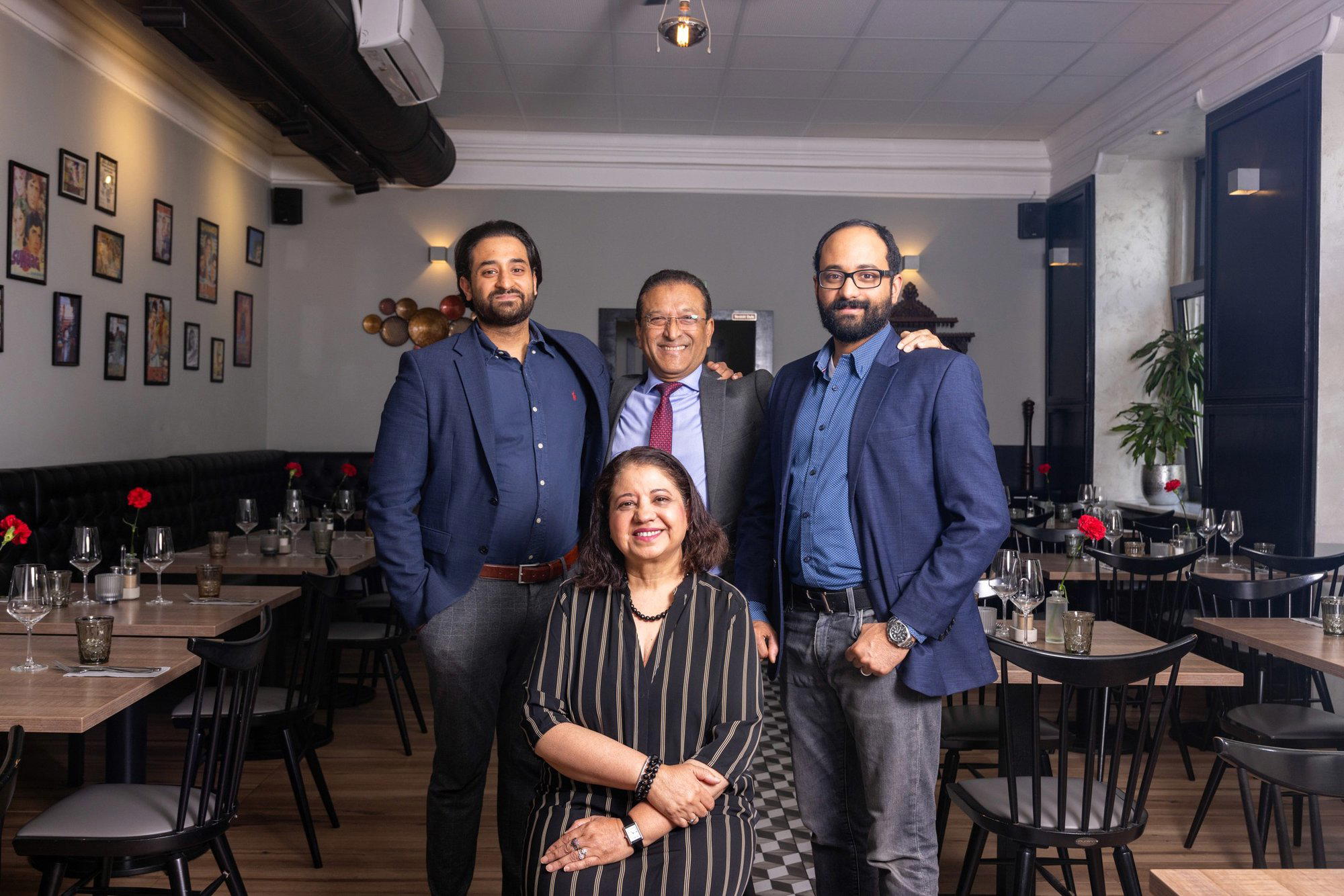
Schwarzenbergstraße and the Architecture of Serious Dining
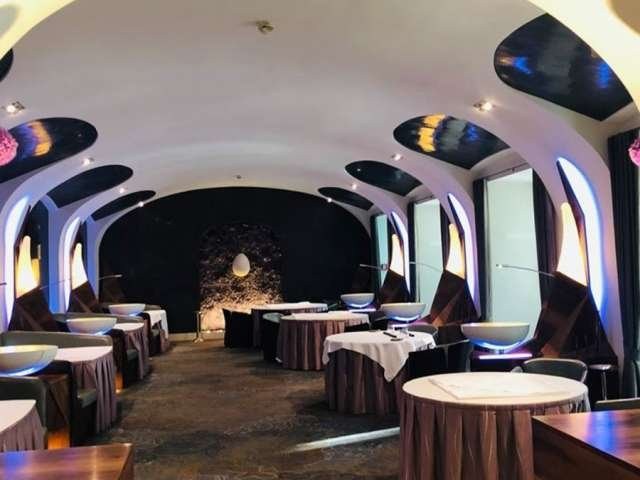
Vienna's first district has a particular grammar when it comes to restaurant spaces. The buildings along Schwarzenbergstraße carry the weight of late Habsburg construction: high ceilings, deep-set windows, facades that speak to permanence rather than novelty. Restaurants that occupy these addresses inherit a physical context that either works with them or against them. The better ones understand that the room shapes the meal before a single plate arrives. In-Dish, at Schwarzenbergstraße 8, sits inside this tradition, in a part of the city where the built environment is itself an argument about quality.
Vienna's dining tier has historically clustered in and around the first district, with a secondary concentration around the third. Steirereck im Stadtpark operates from the Stadtpark a short distance away, and addresses like Konstantin Filippou on Dominikanerbastei and Amador reinforce how tightly this competitive set is geographically concentrated. What defines this neighbourhood's dining character is not just ambition but expectation: guests arriving in the first district for dinner bring a frame of reference shaped by decades of Austrian gastronomy.
Interior Design as Editorial Position
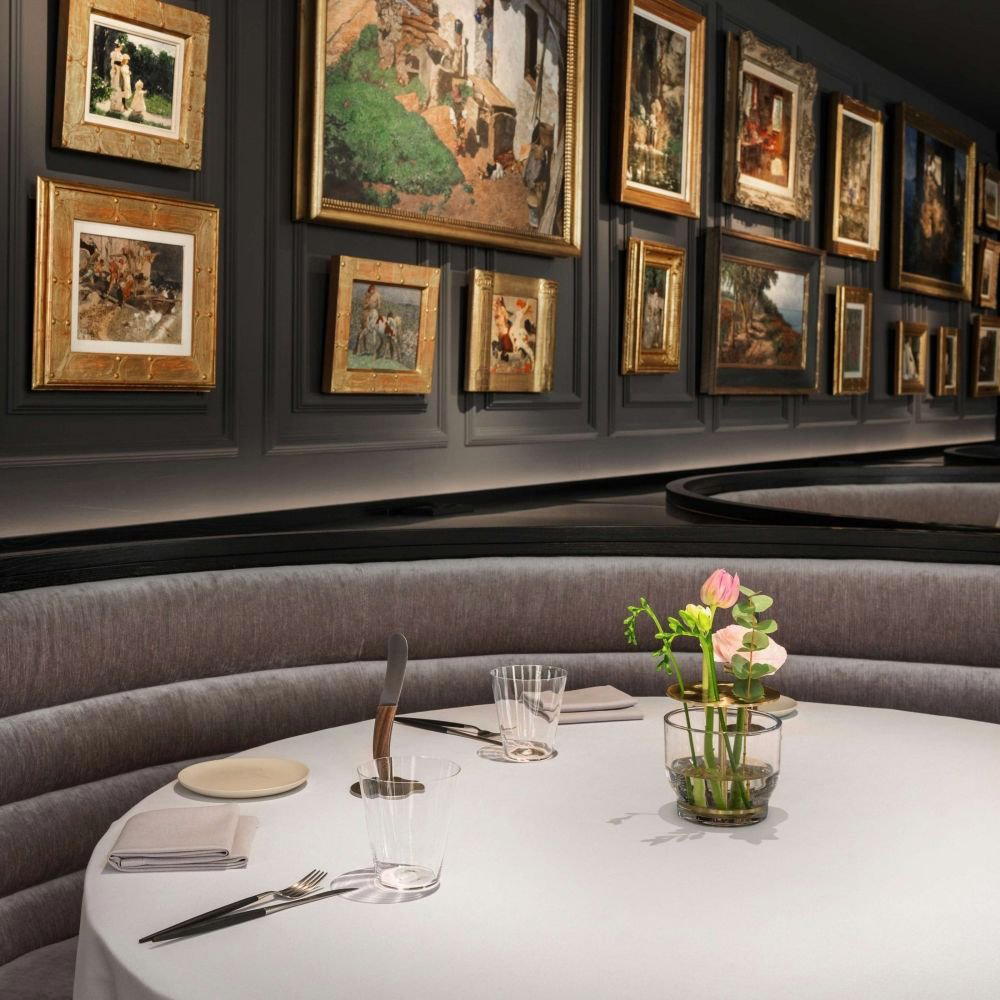
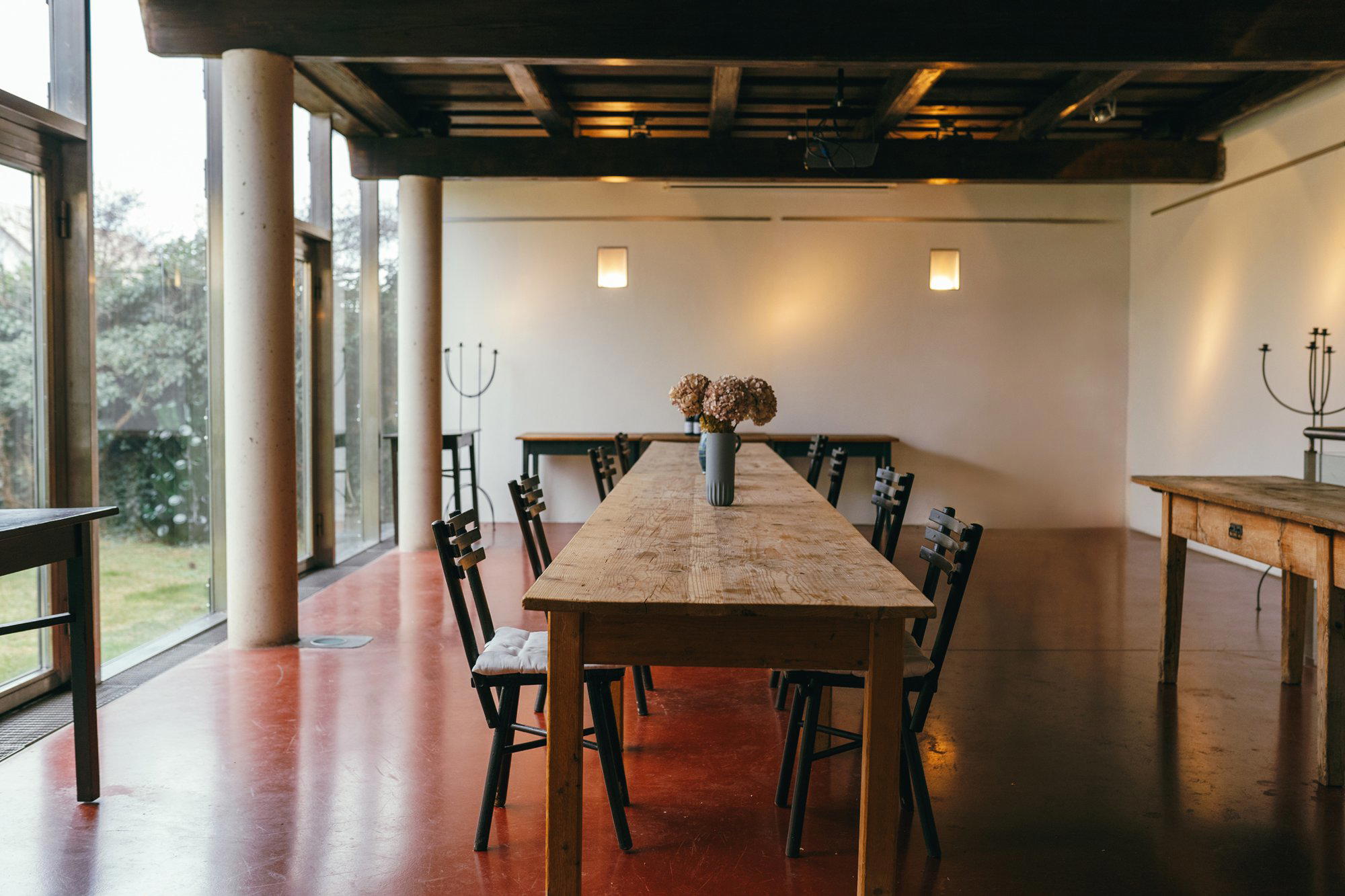
Among Vienna's upper-tier dining addresses, the interior architecture communicates something about the kitchen's priorities before the menu arrives. The city's most considered restaurant rooms tend to fall into two camps: those that amplify the Viennese coffeehouse tradition, with banquettes, mirrors, and warm wood, and those that push against it with spare, material-led interiors that signal a more contemporary culinary orientation. Mraz and Sohn in the twentieth district, for instance, occupies a converted space whose industrial character matches its technically progressive kitchen. Doubek takes a different register entirely.
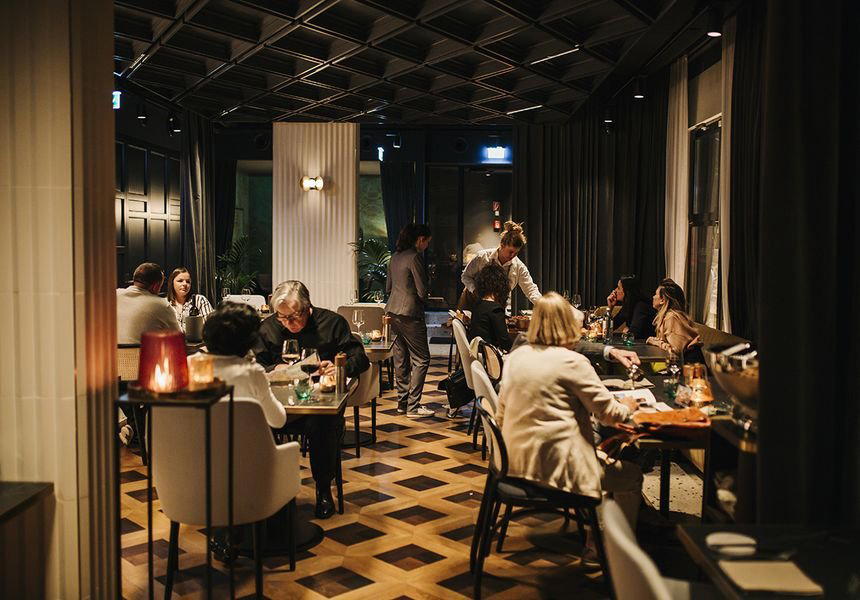
The relationship between seating arrangement and the dining experience is a detail that Vienna's leading rooms manage with intention. Counter seating creates one kind of relationship between guest and kitchen; widely spaced tables create another. The geometry of a room, the acoustics, the quality of light at different times of evening, all of these factors shape pacing and mood as much as the food itself. At an address like Schwarzenbergstraße 8, the physical container carries expectations that any serious operator would need to consider and respond to deliberately.
Vienna's First District Dining in Context
The concentration of ambitious restaurants in Vienna's inner districts reflects something specific about how the city's dining culture developed. Unlike Paris, where arrondissement geography loosely tracks culinary tier, or Tokyo, where neighbourhood specialisation is more granular, Vienna's first district functions as a prestige envelope that cuts across styles. Modern Austrian, creative European, and internationally inflected menus all operate within a few blocks of one another, competing for a guest base that includes both committed Viennese regulars and a high proportion of cultural tourists drawn by the opera, the Kunsthistorisches Museum, and the city's dense heritage offer.
That mix of local and international guests shapes what particularly successful first-district addresses offer. The room needs to function for a business dinner on a Tuesday and for a special-occasion table on a Saturday. The service register has to translate across languages and dining cultures without losing its own character. These are not trivial design challenges, and the restaurants in this tier that handle them well, among them Konstantin Filippou and the Silvio Nickol Gourmet Restaurant at the Palais Coburg, do so partly through space: rooms that feel considered rather than generic, that give guests a sense of having arrived somewhere specific.
Austrian Fine Dining Beyond Vienna
Vienna's concentration of serious restaurants is one visible part of Austria's broader fine dining geography, but the country's culinary ambition extends well beyond the capital. Döllerer in Golling an der Salzach has built a reputation around alpine produce and technique that positions it firmly within the country's top tier. Ikarus in Salzburg runs a guest chef format that brings international perspectives into an Austrian context. Further west, Griggeler Stuba in Lech, Gourmetrestaurant Tannenhof in Sankt Anton am Arlberg, and Schwarzer Adler in Hall in Tirol demonstrate how deeply the alpine dining tradition runs across the country's western provinces.
Regional producers have become central to how Austrian fine dining articulates its identity, with addresses like Kräuterreich by Vitus Winkler in Sankt Veit im Pongau and Landhaus Bacher in Mautern an der Donau building programs around proximity to specific ingredients. Obauer in Werfen and Ois in Neufelden represent different registers of this regional commitment. Restaurant 141 by Joachim Jaud in Mieming extends this map into Tyrol. The breadth of the Austrian scene matters when assessing a Vienna address: guests who have eaten across this geography arrive with a calibrated sense of what Austrian produce and technique can deliver.
For international comparison, the precision counter format that defines some of Vienna's tightest dining rooms finds analogues in cities with more established fine dining infrastructures. Le Bernardin in New York City represents one version of how a room's physical discipline reinforces a kitchen's priorities; Atomix in New York City demonstrates how a tasting counter format can carry a high degree of narrative and spatial intention. Both offer useful reference points for how space and program reinforce one another in a serious dining context.
Planning Your Visit
In-Dish is located at Schwarzenbergstraße 8 in Vienna's first district, a central address within walking distance of the Ringstraße and the main cultural institutions of the inner city. The first district is well served by U-Bahn lines U1, U2, U3, and U4, and taxis and ride-share services operate readily throughout the area. Given the address is within Vienna's dining zone, visitors planning a broader evening in the neighbourhood will find the surrounding area convenient for pre- or post-dinner plans. For any address in this tier and this neighbourhood, early contact is advisable: the first district's most serious tables operate with limited availability and benefit from advance planning.
Where It Fits
Comparable venues nearby, for context on price, style, and recognition.
| Venue | Cuisine | Price | Notes |
|---|---|---|---|
| In-DishThis venue — the venue you are viewing | Progressive Indian Fusion | $$$ | Not listed |
| Indus | Authentic Indian Curry House | $$ | Wien-Mitte |
| Ganesha | North Indian Cuisine | $$ | Hofburg |
| Boxwood | The Art of Steak - International Fine Dining | $$$ | Innere Stadt |
| Livingstone | Steakhouse Grill | $$$ | Inner City |
| Pisqu | Nikkei Peruvian-Japanese Fusion | $$$ | Praterstern Wien Nord |
Continue exploring
More in Vienna
Restaurants in Vienna
Browse all →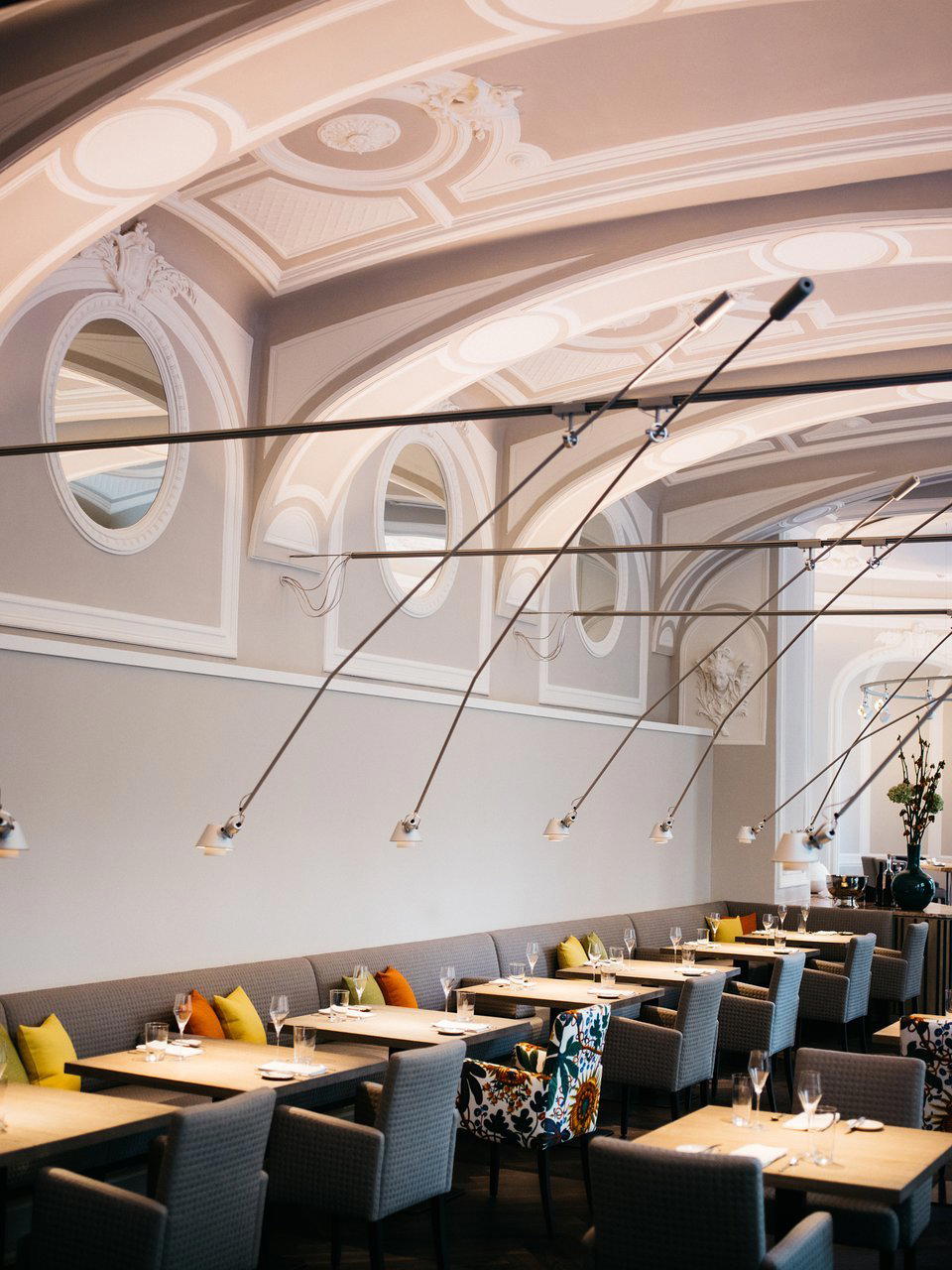
Bars in Vienna
Browse all →
Hotels in Vienna
Browse all →
At a Glance
- Modern
- Trendy
- Elegant
- Date Night
- Casual Hangout
- Open Kitchen
- Craft Cocktails
Current opening hours
- Monday
- 11:30 AM–10 PM
- Tuesday
- 11:30 AM–10 PM
- Wednesday
- 11:30 AM–10 PM
- Thursday
- 11:30 AM–10 PM
- Friday
- 11:30 AM–10 PM
- Saturday
- 11:30 AM–10 PM
- Sunday
- 11:30 AM–10 PM
Hours can change for holidays and private events. Last verified .
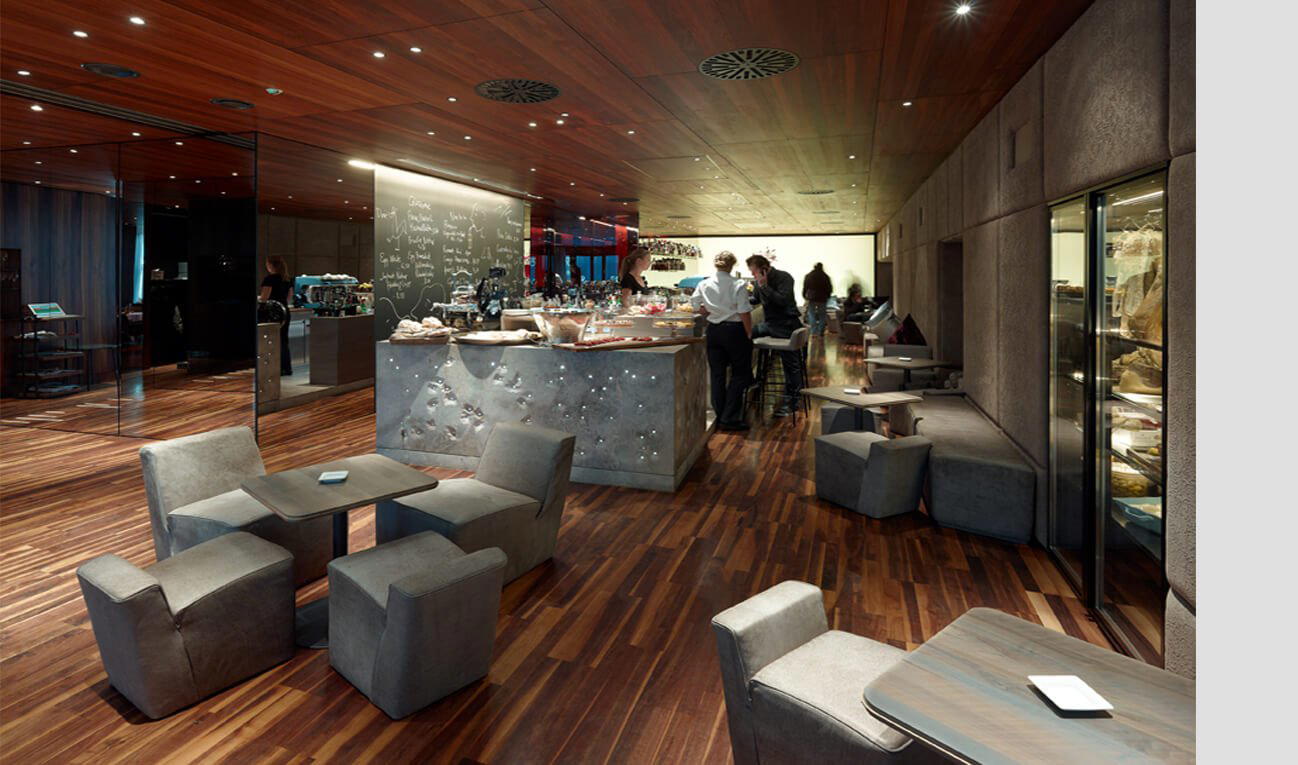
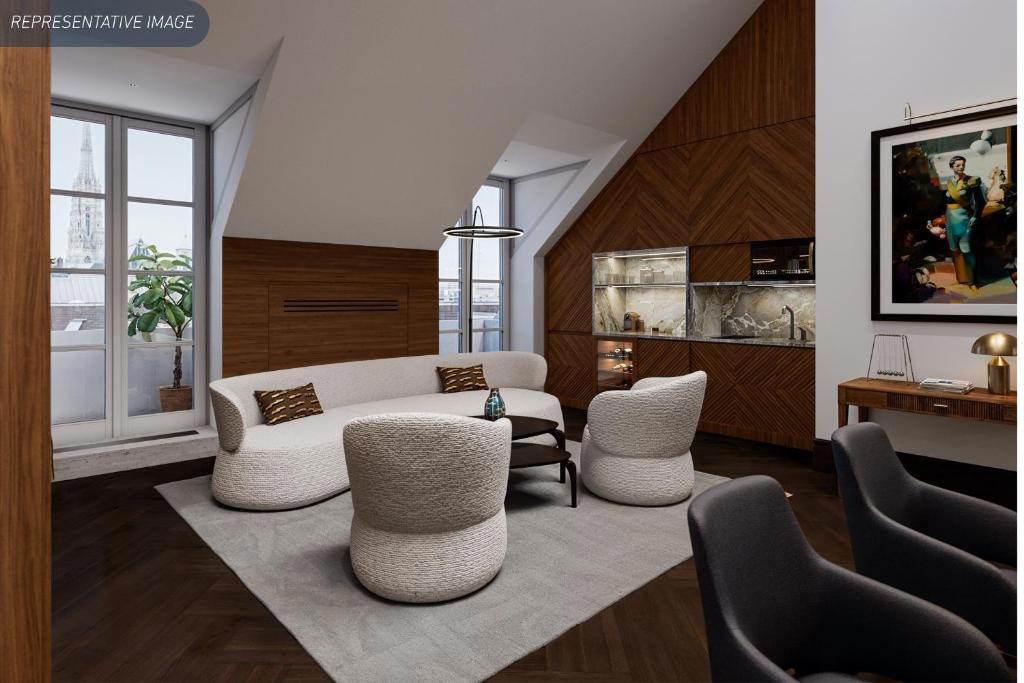
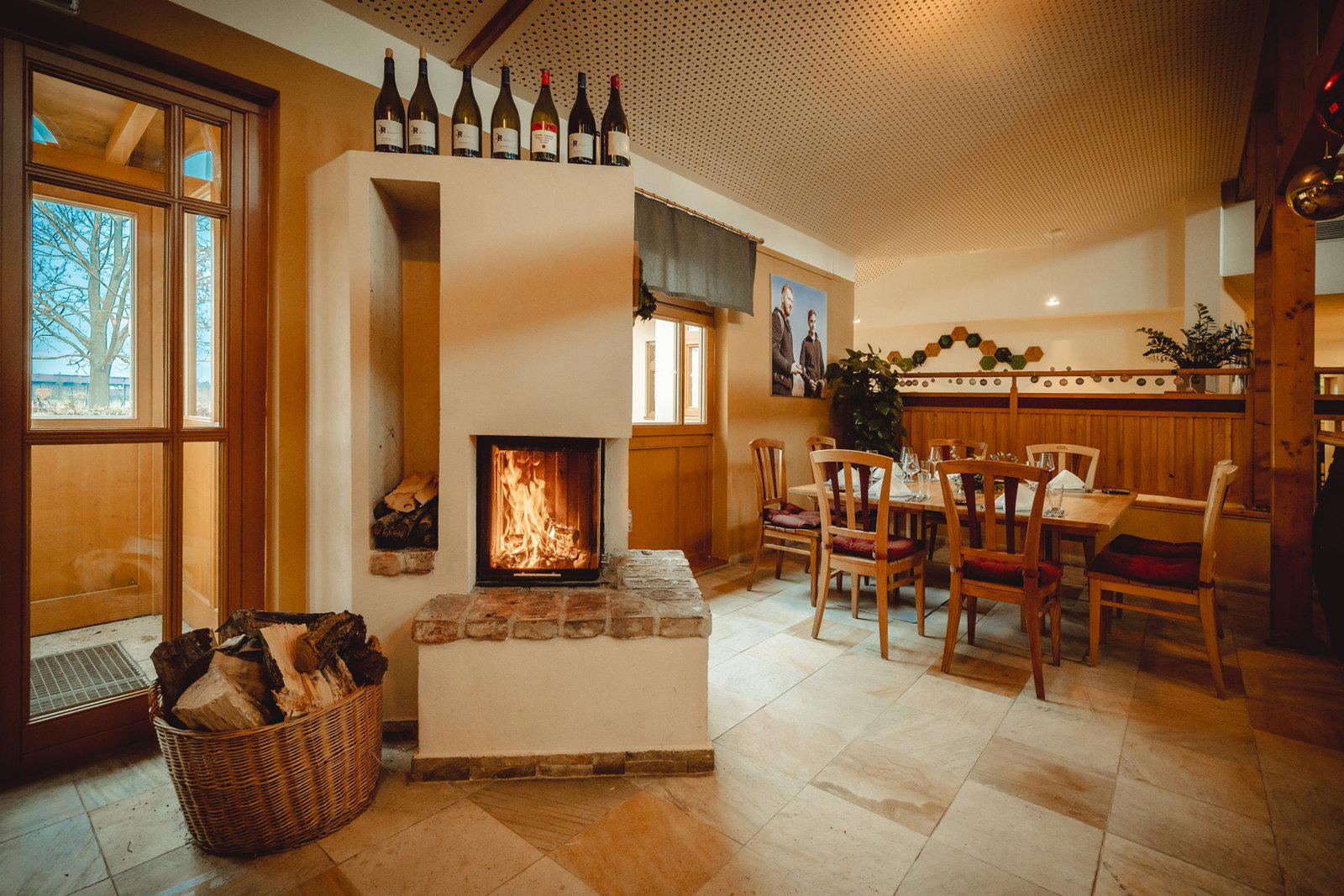
Modern and stylish interior resembling an interiors magazine with a sophisticated fusion atmosphere.