
50 Top Pizza Italy #62
Our verdict
Frumento Pizzeria has occupied Piazza Mazzini in Acireale since 2015, building a reputation on slow-fermented, well-leavened dough and toppings sourced as close to the volcanic soil of eastern Sicily as possible. Founded by Emanuele Serpa and Federica Lazzaro, it represents the more considered end of Sicilian pizza-making, where fermentation time and local sourcing carry as much weight as the final bake.

Pearl is the En Primeur Club membership app, where members save venues, book tables and use the concierge.
Pizza, Place, and the Weight of Slow Fermentation in Eastern Sicily
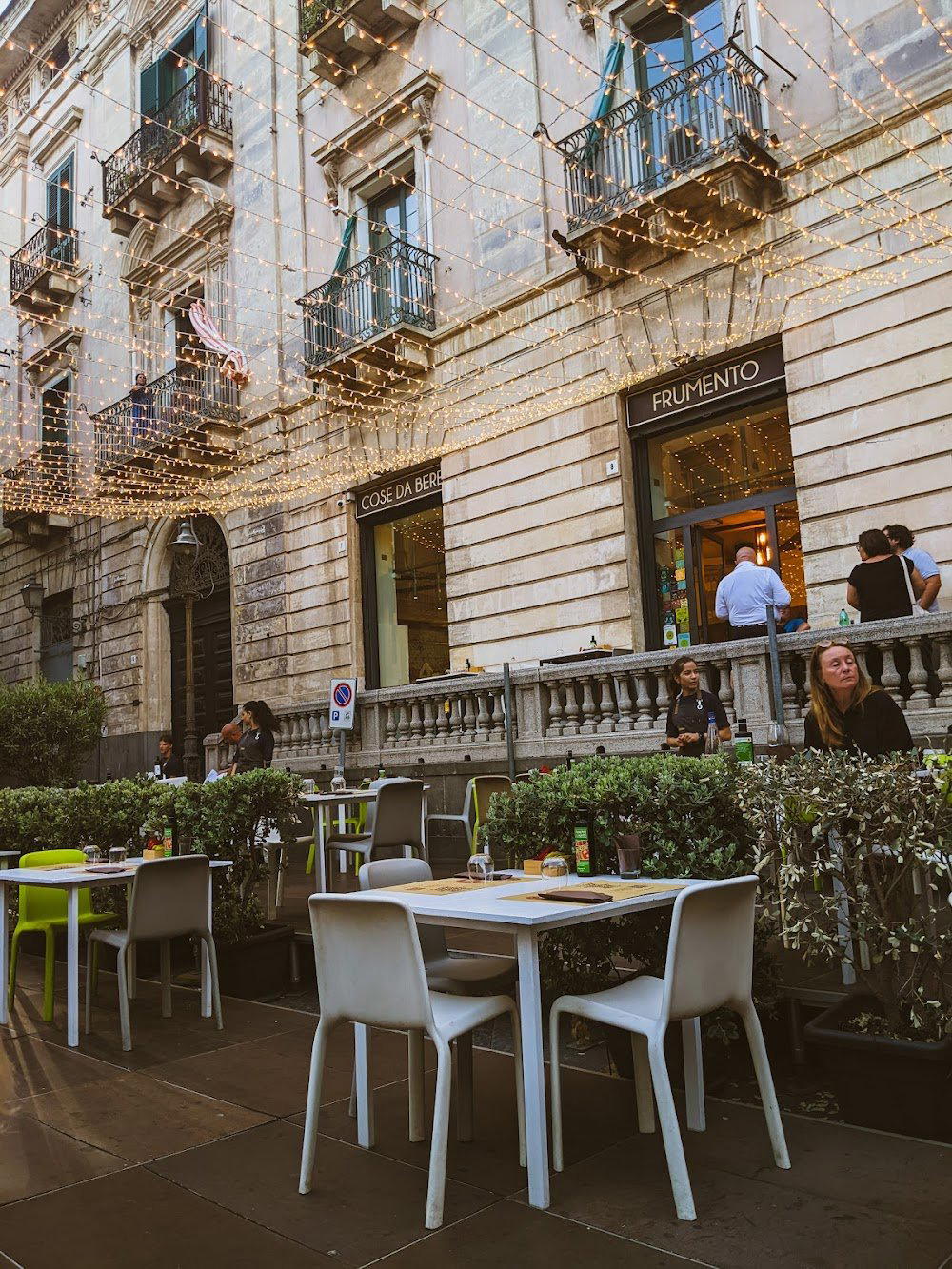
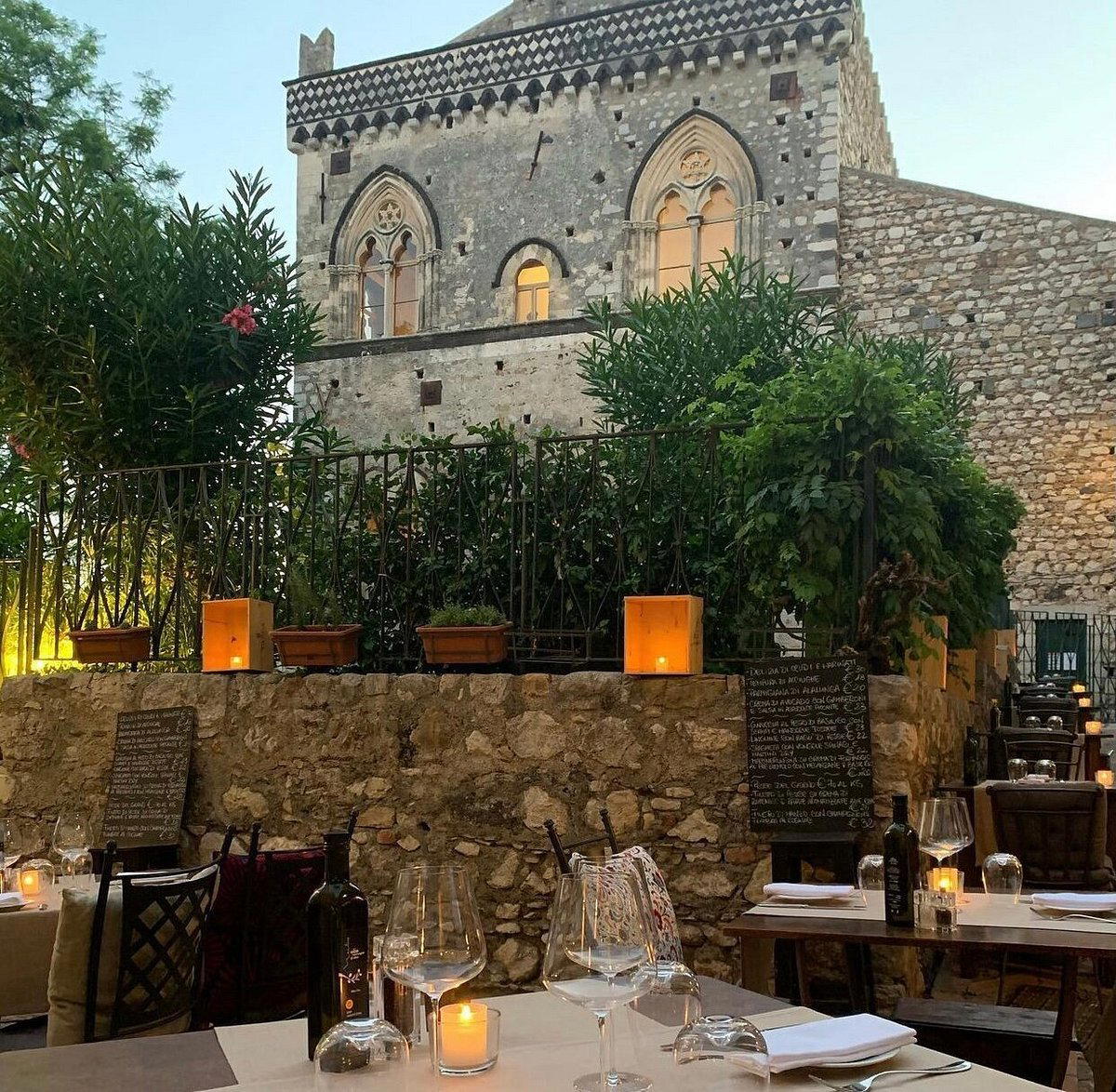
Piazza Mazzini is one of Acireale's more deliberate public spaces: wide, stone-paved, and framed by the Baroque architecture that defines this city on the eastern flank of Mount Etna. Arriving at Frumento in the evening, with the square settling into the particular rhythm of a Sicilian town that takes its time, prepares you for what the kitchen is trying to say. The name itself, meaning wheat or grain in Italian, signals where the priorities lie, not in theatrical toppings or branding, but in the base material of the craft.
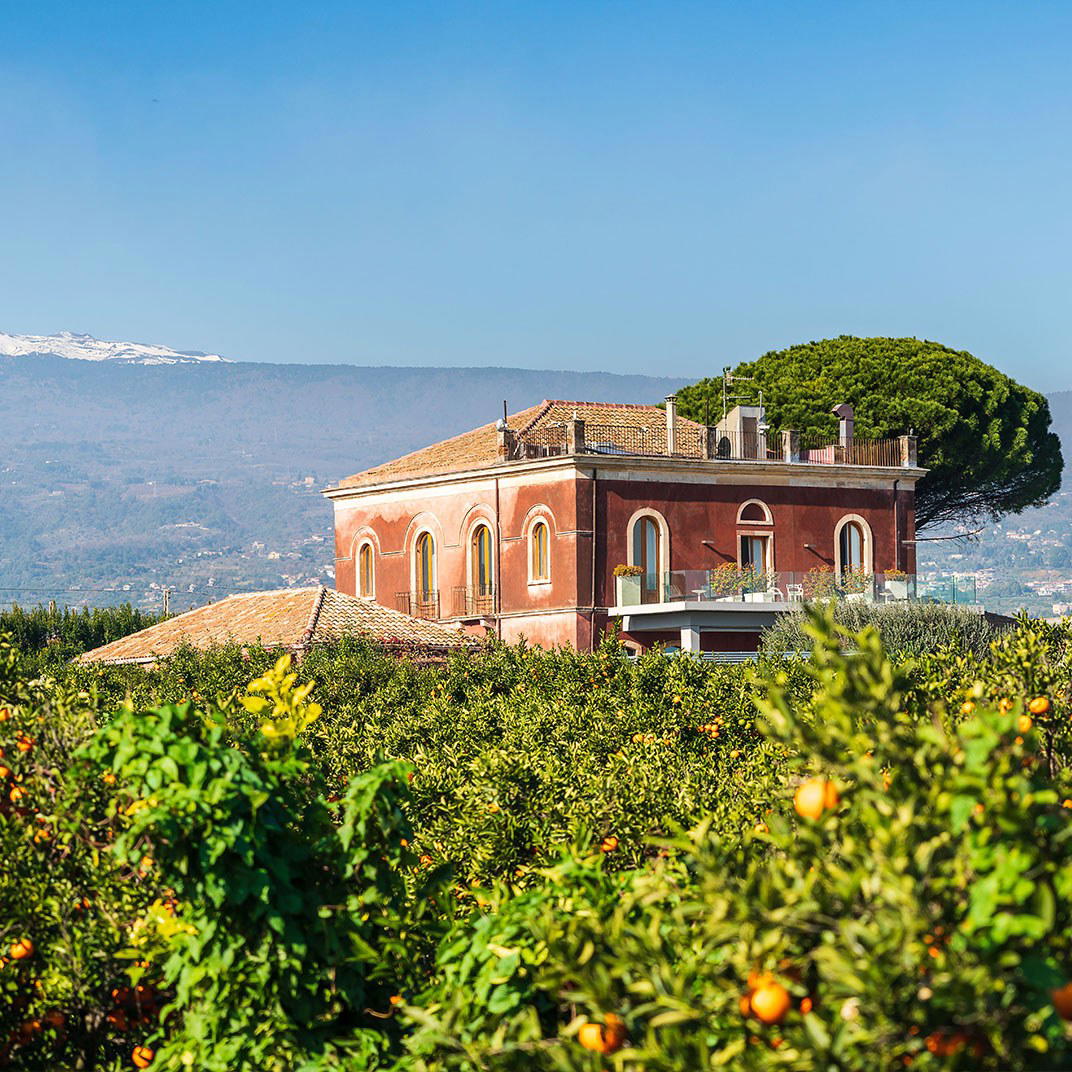
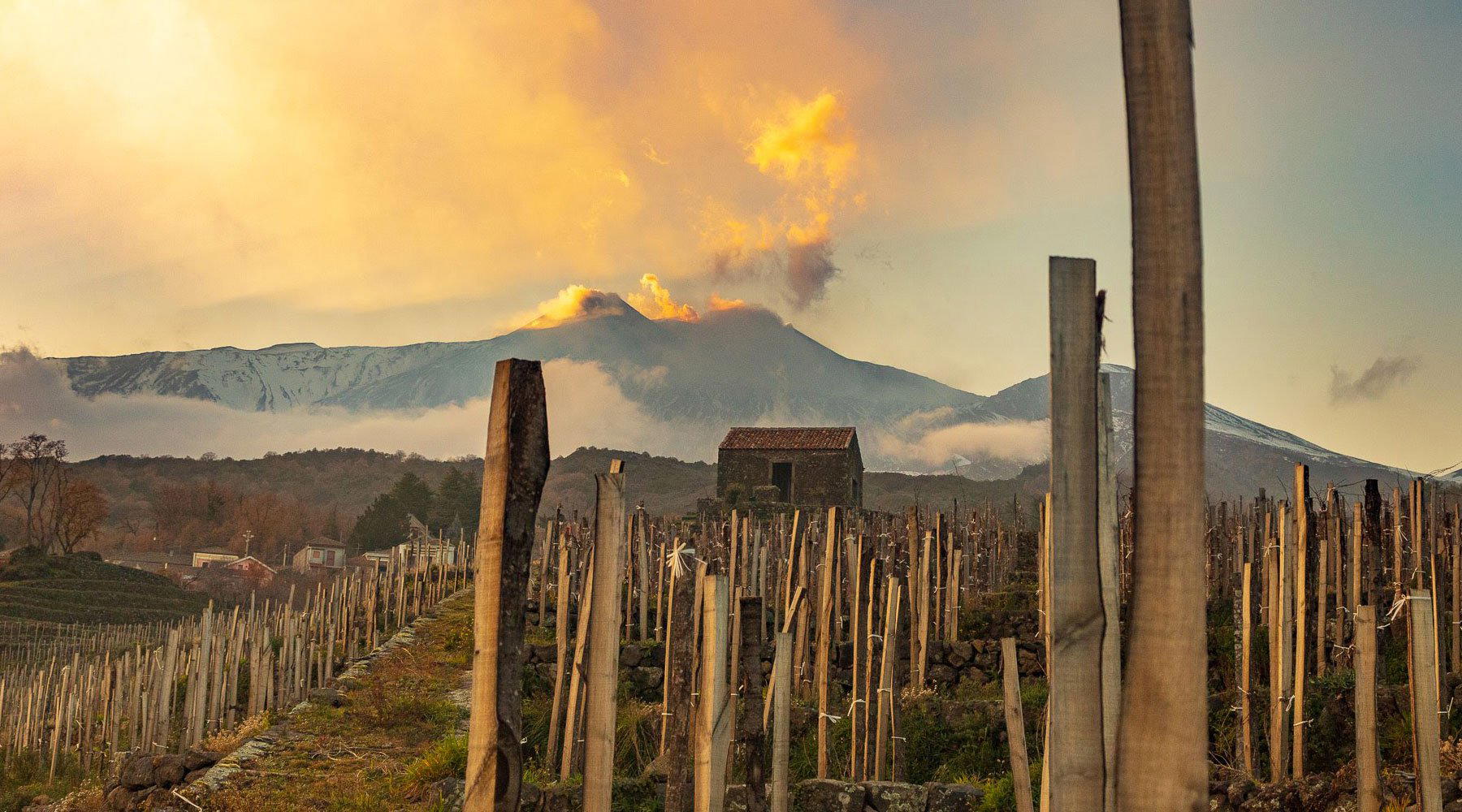
Acireale sits in the shadow of Etna, roughly 15 kilometres north of Catania, and the surrounding territory has shaped its food culture in specific ways. Volcanic soil produces ingredients with unusual intensity, from the Pachino-adjacent tomatoes grown further south to the capers, herbs, and citrus that define the Sicilian larder across the island's eastern provinces. Frumento's stated commitment to zero-kilometer and high-quality toppings is not a marketing position so much as a reflection of what the region can actually supply.
The Fermentation Argument
Italian pizza in its contemporary serious form has fractured into distinct schools. The Neapolitan tradition, with its high-hydration dough, short leopard-spotted crust, and VPN certification framework, remains the dominant reference point. But in the decade since Frumento opened in 2015, a second wave of pizza-makers across southern Italy has prioritised extended fermentation, lower yeast quantities, and slower proofing times over adherence to any single regional canon. The result, when executed correctly, is a crust that digests differently: lighter on the stomach, more complex in flavour, with the slight tang that comes from proper lactic development.
Frumento's founding philosophy, described as living without haste, maps directly onto this technical approach. Extended fermentation cannot be rushed without sacrificing the structural and flavour properties that make the method worthwhile. It positions the pizzeria within a peer group of Sicilian and southern Italian practitioners who treat dough as a multi-day project rather than a same-day process. This is the context in which phrases like light, well-leavened, and digestible carry operational meaning rather than serving as vague selling points.
Sicily and the Pizza Question
Sicily has its own pizza traditions that predate the mainland's influence. Sfincione, the thick, spongy Palermitan sheet pizza topped with onion, anchovies, and breadcrumbs, is arguably the island's most culturally rooted format. Eastern Sicily, closer to Naples geographically and historically connected through the Kingdom of the Two Sicilies, has generally been more receptive to round, wood-fired formats. Catania and its surrounding towns have developed a pizza culture that draws on Neapolitan technique while incorporating the specific ingredients of the Etna corridor.
Frumento sits within this eastern Sicilian tradition but operates at the more refined end of it. The combination of slow fermentation, local sourcing, and a historic piazza address places it in a different bracket from the city's everyday pizza offer. For visitors exploring the broader Acireale dining scene, the pizzeria represents a distinct stop: focused in scope, deliberate in method, and grounded in the agricultural specifics of the area. The full Acireale restaurants guide maps the wider picture, from trattorias to more contemporary formats.
Zero-Kilometer Sourcing on the Etna Slope
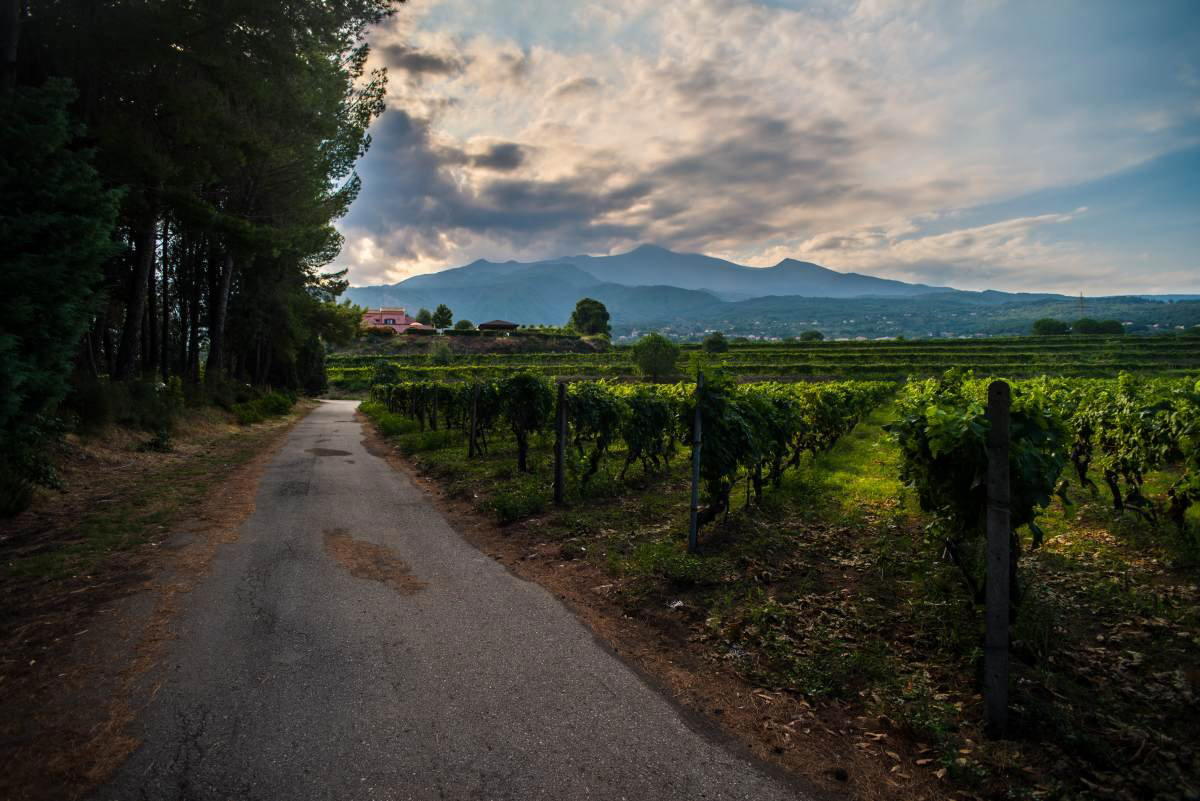
The term zero-kilometer has become something of a cliché in European food writing, but in the context of Etna's eastern flank, it carries real geographic specificity. The volcano's mineral-rich basaltic soil produces ingredients that have attracted serious culinary attention over the past two decades, from the Etna DOC wines now sought by sommeliers across Europe to the cherry tomatoes, pistachios from Bronte, and wild fennel that appear consistently in Catanese cooking. A pizzeria that builds its topping programme around proximity to this agricultural zone is working with source material that competes with any in Italy.
This is worth noting in comparison to the country's most decorated restaurant formats. Venues like Osteria Francescana in Modena, Dal Pescatore in Runate, or Piazza Duomo in Alba operate in a register of multi-course Italian fine dining that requires a completely different infrastructure of booking, price, and occasion. Frumento operates at the other end of the formality scale, but the underlying logic of sourcing from a defined and exceptional territory connects both tiers. The same attention to provenance that drives the tasting menus at Reale in Castel di Sangro or Atelier Moessmer Norbert Niederkofler in Brunico shows up in a very different format at a piazza pizzeria in Acireale.
Planning a Visit
Frumento is located at Piazza Giuseppe Mazzini in Acireale, easily reached from Catania by car or the coastal SS114 road. Acireale is a working Baroque city with a cathedral, thermal baths, and a reputation for one of Sicily's most elaborate carnival traditions each February. The square itself is a natural gathering point, and arriving for an early evening sitting aligns with the local rhythm rather than fighting it. Given the pizzeria's reputation and the limited capacity typical of this style of operation, booking ahead is advisable, particularly in peak summer months from June through August and again in autumn when Etna harvest activity draws visitors to the region. Those exploring the broader area will find complementary stops in the Acireale bars guide and the Acireale wineries guide, where the Etna DOC producers represent one of Italy's most compelling wine stories of the past decade. Overnight options are covered in the Acireale hotels guide, and the experiences guide covers the city's Baroque architecture and surrounding volcanic landscape. For those building a wider Sicilian itinerary around serious food, Alloro offers a contemporary counterpoint within Acireale itself.
Frequently asked questions
Is Frumento Pizzeria award-winning?
Frumento Pizzeria has received recognition including: Frumento, founded by Emanuele Serpa and Federica Lazzaro in 2015, is located in the historic Piazza Mazzini in Acireale. It is renowned for its light, well-leavened, and digestible dough, which is enhanced by high-quality, often zero-kilome….
Where is Frumento Pizzeria in Acireale?
Frumento Pizzeria is located at Piazza Giuseppe Mazzini, 95024 Acireale CT, Italy, Acireale.
What should I order at Frumento Pizzeria?
The dough is the central argument at Frumento: slow-fermented, lightly structured, and designed to be significantly more digestible than standard pizza formats. Co-founders Emanuele Serpa and Federica Lazzaro built the menu around high-quality, predominantly zero-kilometer toppings sourced from the Etna region, so what sits on the base reflects the season and the slope. Order whatever carries the most local produce that day.
Should I book Frumento Pizzeria in advance?
Frumento has operated from Piazza Mazzini in Acireale since 2015 and carries a reputation that travels beyond the local market. Walk-in tables are possible on quieter weekday evenings, but during summer months and weekends, the piazza-facing position draws consistent demand. Reserving ahead is the more reliable approach.
What's the signature at Frumento Pizzeria?
The signature is the dough itself rather than any single topping combination. Since opening in 2015, Serpa and Lazzaro have centred their philosophy on slow fermentation, producing a well-leavened base that is light, airy, and easier to digest than most contemporaries. The zero-kilometer sourcing ethic shapes what goes on top, but the dough is the point of difference.
Pricing, Compared
| Venue | Cuisine | Price | Awards | Notes |
|---|---|---|---|---|
| Frumento PizzeriaThis venue (the venue you are viewing) | Neapolitan-Style Pizza with Sicilian Flours | $20–30 | 50 Top Pizza Italy #62 | Not listed |
| Atelier Moessmer Norbert Niederkofler | Modern Alpine Fine Dining | $300–500 | 3 Michelin Stars · World's 50 Best #20 | Italian, Creative |
| Dal Pescatore | Classic Italian Fine Dining | $200–300 | 3 Michelin Stars · World's 50 Best #38 | Italian, Italian Contemporary |
| Enoteca Pinchiorri | Contemporary Italian Fine Dining | $200–300 | 3 Michelin Stars · World's 50 Best #32 | Italian - French, Italian Contemporary |
| Enrico Bartolini | Modern Italian Fine Dining | $300–500 | 3 Michelin Stars · World's 50 Best #85 | Creative |
| Osteria Francescana | Avant-Garde Italian Contemporary | $300–500 | 3 Michelin Stars · World's 50 Best #1 | Progressive Italian, Creative |
Recognition history
Dated appearances from independent guides and award organizations, with the underlying list record or original source where available.
50 Top Pizza Italy #62
50 Top Pizza
Continue exploring
More in Acireale
Restaurants in Acireale
All restaurants in Acireale →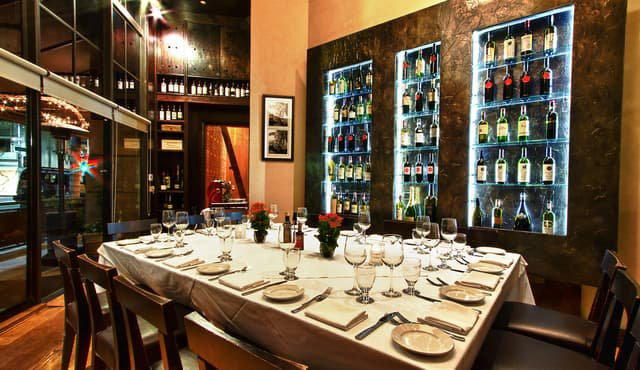
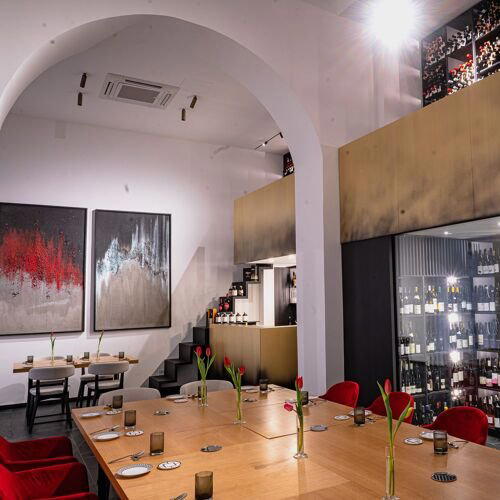
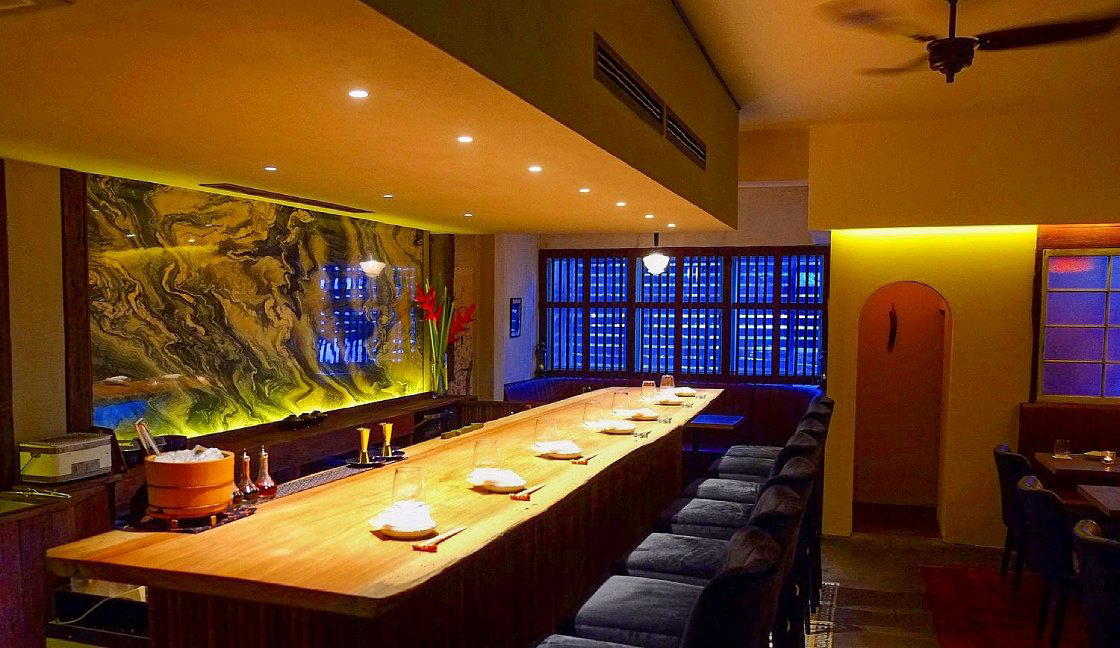
Bars in Acireale
Browse all →

Details
- Modern
- Cozy
- Rustic
- Date Night
- Casual Hangout
- Family
- Open Kitchen
- Terrace
- Extensive Wine List
- Beer Program
- Local Sourcing
- A La Carte
- Vegetarian Friendly
- Vegan Options
- Gluten Free Options
Current opening hours
- Monday
- 6 PM–12 AM
- Tuesday
- 6 PM–12 AM
- Wednesday
- 6 PM–12 AM
- Thursday
- 6 PM–12 AM
- Friday
- 6 PM–12 AM
- Saturday
- 12 PM–12 AM
- Sunday
- 12 PM–12 AM
Hours can change for holidays and private events. Hours as of .
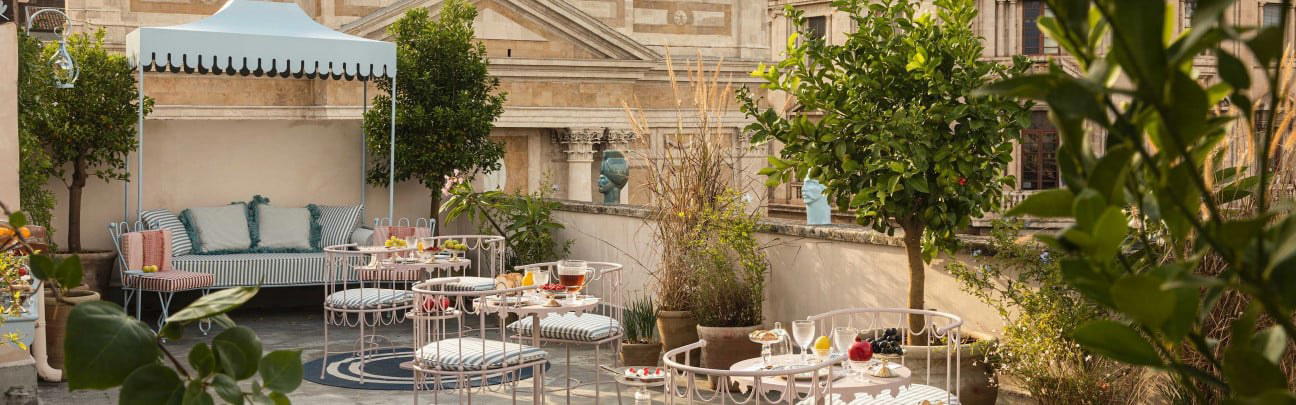
Modern but warm welcoming atmosphere with terrace seating.