
In L'Aquila's quietly residential historic centre, FØRMA operates at the intersection of Abruzzo's larder and contemporary creative technique. Chef Simone Ciuffetelli holds a Michelin Plate for 2024 and 2025, applying international kitchen experience to hyper-local ingredients through a disciplined, three-ingredient compositional approach. At a mid-range price point, it occupies a distinct tier in a city still rebuilding its fine dining identity.
Pearl is the En Primeur Club membership app — saves, bookings, and concierge access live there. Same editors, same standards.
- Address
- Via Fortebraccio, 53, 67100 L'Aquila AQ, Italy
- Phone
- +39 331 688 0236
- Website
- formarestaurant.it
- Directions
- Get directions
 Saves & bookings on Pearl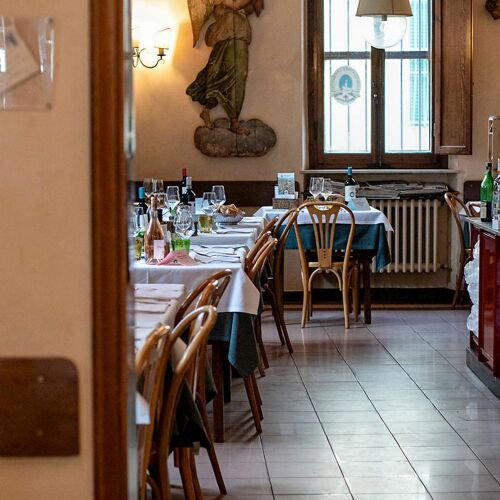
Where L'Aquila's Larder Meets a Restrained Creative Hand
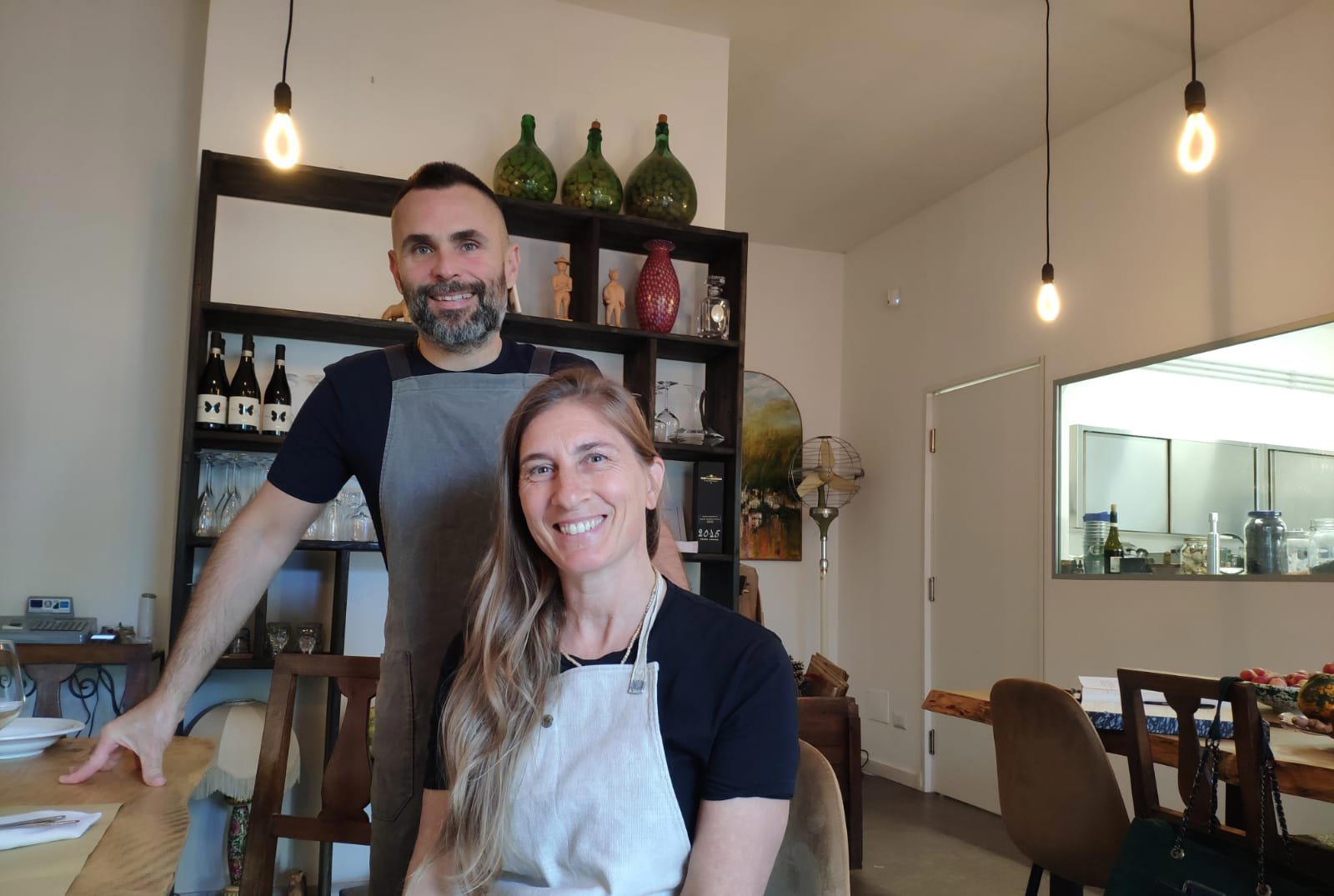
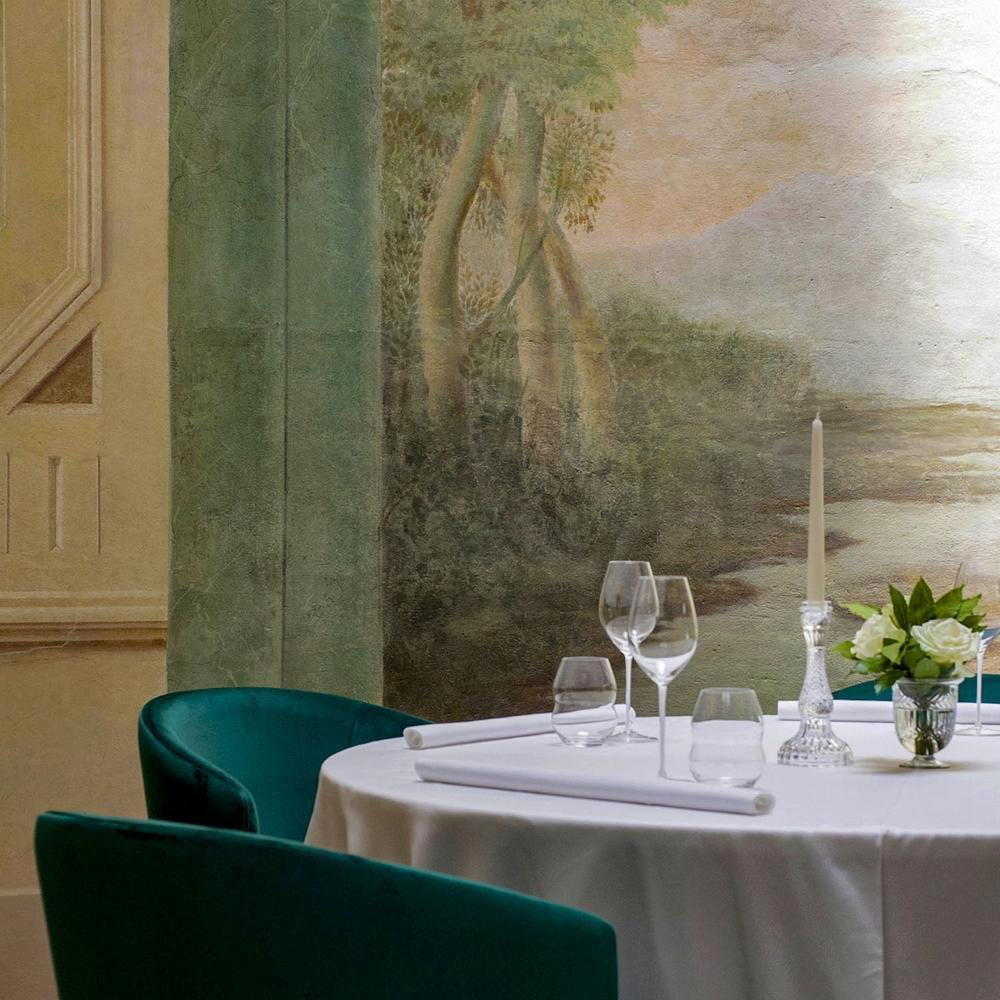
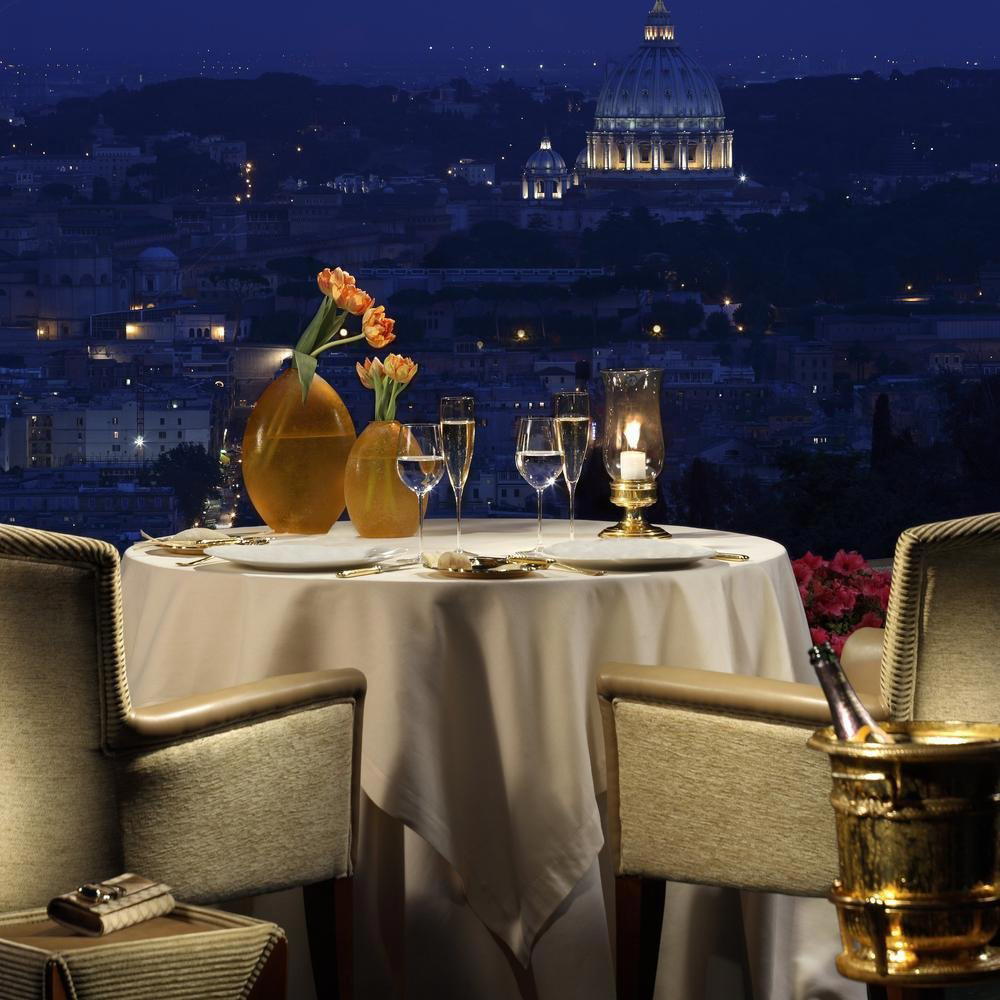
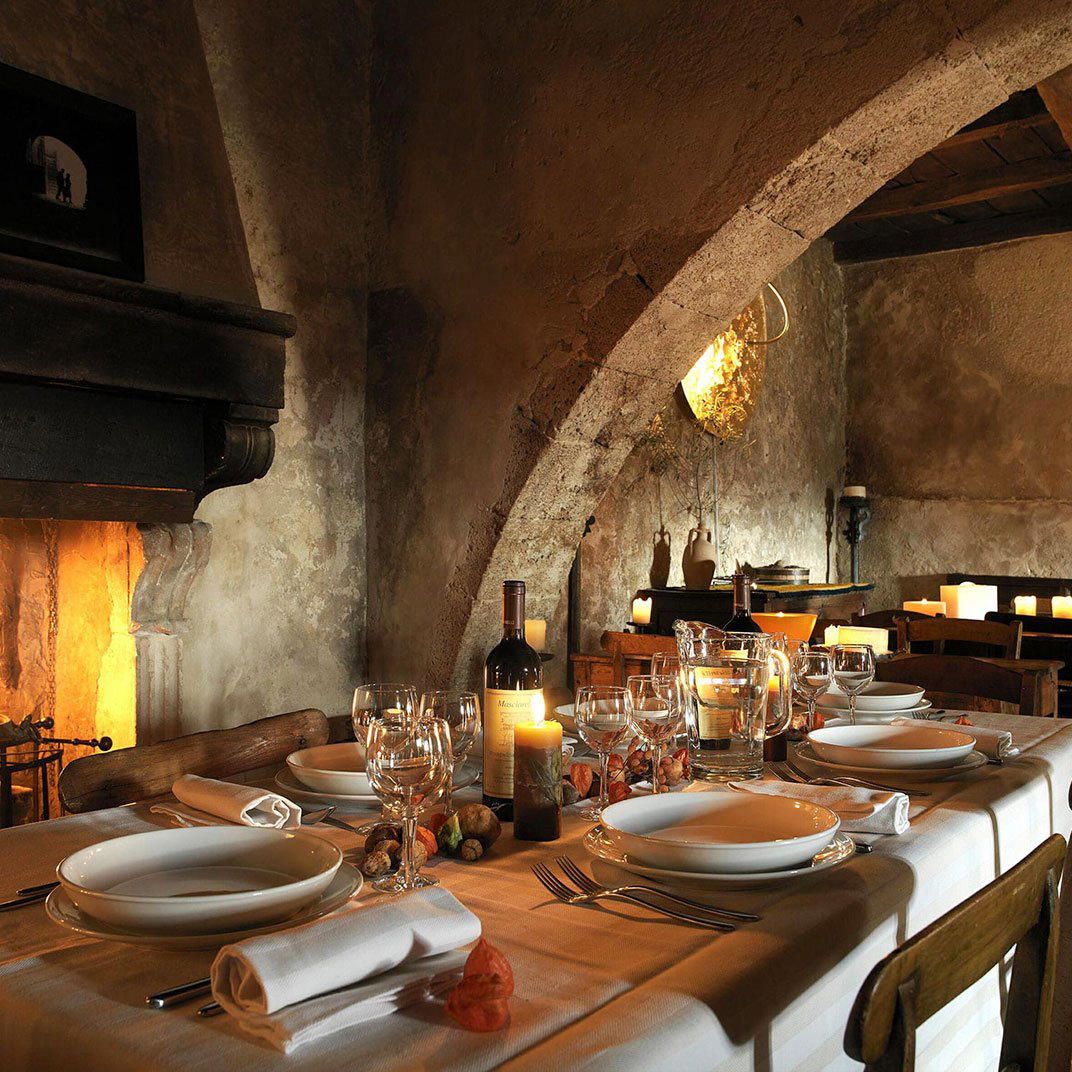
FØRMA contemporary restaurant is in L'Aquila, Italy, at Via Fortebraccio, 53, and is known for its Creative Contemporary Italian cooking. Arriving at FØRMA, the shift is immediate: the room reads as deliberately spare, walls and surfaces stripped to their essentials, the minimalism functioning as a frame rather than a statement. In a city whose post-earthquake reconstruction has produced a complicated relationship between preservation and modernity, that kind of considered restraint carries a particular weight. The dining room communicates intention before a single dish arrives.
This is the kind of small restaurant that operates in the productive tension between a demanding local ingredient culture and a chef trained partly outside it. Abruzzo's larder is not a modest one: saffron from the Navelli plateau, lamb from the Gran Sasso highlands, lentils from Santo Stefano di Sessanio, and chestnuts that have fed mountain communities for centuries. At FØRMA, those materials are not displayed, they are worked. The question the kitchen keeps asking is how few components a dish needs before it starts to lose coherence, and the answer, repeated across the menu, tends to be three.
The Three-Ingredient Discipline and What It Reveals About Abruzzo's Produce
There is a growing cohort of Italian creative restaurants where restraint in composition has become a signature method rather than a constraint. Places like Reale in Castel di Sangro, Niko Romito's three-Michelin-star house, less than an hour south in the Abruzzo highlands, have made a philosophical argument for reduction as clarity. FØRMA operates in a different tier, holding a Michelin Plate in 2024 and 2025, but the compositional logic is recognisably regional: trust the ingredient, subtract rather than add, let sourcing do the argumentative work.
When a kitchen limits itself to three primary components per dish, sourcing stops being a background consideration and becomes the central creative act. Ingredient provenance, seasonal timing, and producer relationships carry more weight because there is nothing layered on leading to compensate for a weaker input. FØRMA's use of fermented products adds another dimension to this: fermentation is not decoration here but a technique for deepening or transforming what is already good, extending the shelf-life of seasonal produce in a form that retains character rather than flattening it.
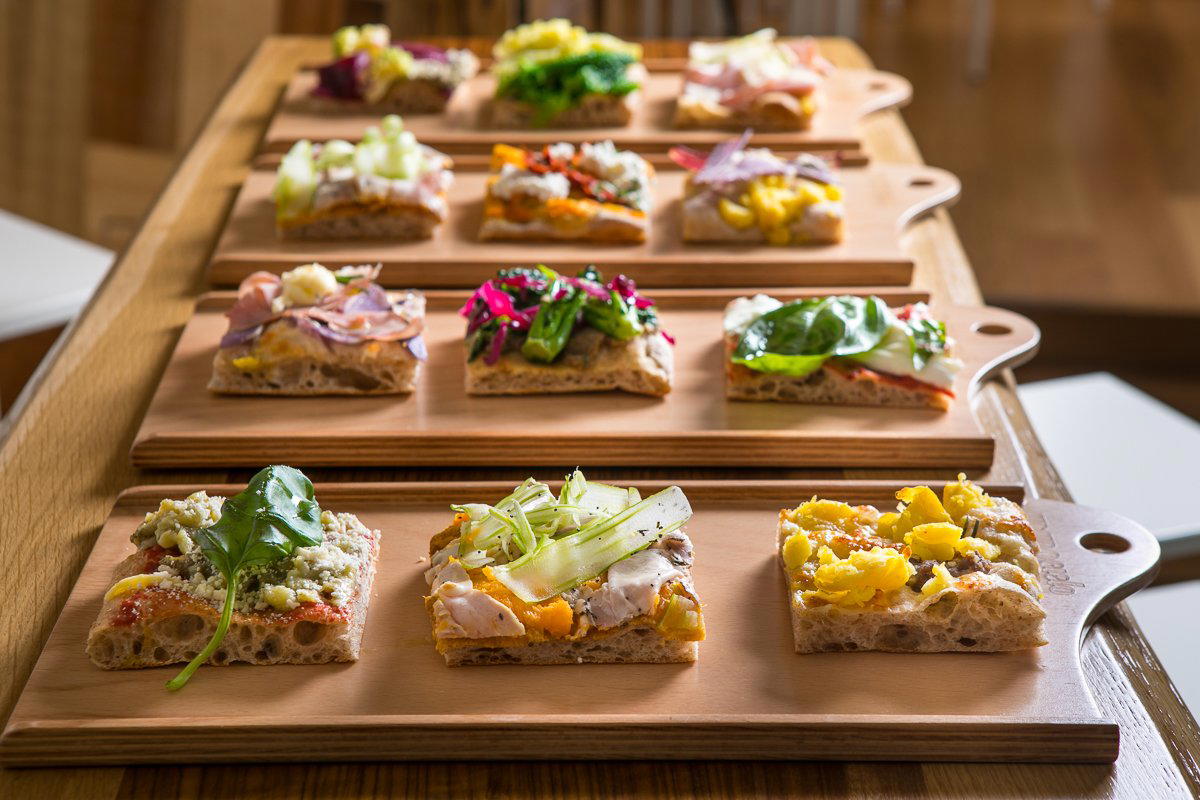
The dessert the Michelin inspectors chose to describe, cream and crunchy toasted hazelnuts coated in a white-chocolate mousse, finished with liquorice powder to produce the visual effect of Italian-style meringue, illustrates the method precisely. Hazelnuts appear through Abruzzo's inland hill zones; the disguise of meringue through liquorice is a technique that requires understanding how texture and colour can mislead without deceiving the palate. That kind of knowing playfulness, grounded in local material, positions the kitchen within Italy's broader creative restaurant conversation without mimicking it.
L'Aquila's Dining Scene and Where FØRMA Sits Within It
L'Aquila is not a city that has historically generated international dining attention. The 2009 earthquake accelerated a dispersal of population that had already been gradual, and the following decade of reconstruction left the city's hospitality sector in a state of interrupted development. What has emerged more recently is a smaller, more concentrated group of restaurants operating with genuine creative ambition, partly because the city's reduced but loyal local audience demands substance over spectacle.
FØRMA's mid-range price point (€€) places it accessibly within that scene, below the expense-account tier occupied by three-star destinations like Atelier Moessmer Norbert Niederkofler in Brunico, Dal Pescatore in Runate, Enoteca Pinchiorri in Florence, Enrico Bartolini in Milan, and Le Calandre in Rubano. It shares more of its operating logic with an emerging type of Italian creative restaurant: intimately scaled, chef-led, working from a specific regional identity rather than a generic fine-dining vocabulary.
For visitors building a picture of Italy's creative restaurant spectrum, FØRMA operates as a useful counterpoint to the northern-Italian creative establishments that dominate coverage. The Abruzzo highlands produce different materials than the Po Valley or the Langhe, and the region's culinary tradition sits at a different register, more austere, more mountain-facing, than the coastal or lowland kitchens that attract more consistent international press. Restaurants like Osteria Francescana in Modena, Piazza Duomo in Alba, and Casa Perbellini 12 Apostoli in Verona anchor creative Italian dining in the minds of most international visitors; FØRMA makes the argument for a less-trafficked southern-central corridor. Other creative restaurants worth mapping against it internationally include Quattro Passi in Marina del Cantone, Uliassi in Senigallia, and further afield, the hyper-local ingredient philosophies at Alléno Paris au Pavillon Ledoyen and Arpège in Paris.
Planning Your Visit
FØRMA sits at Via Fortebraccio, 53 in L'Aquila's historic centre, within a residential section that requires a short walk from the more touristed areas around Piazza del Duomo. The intimate format of the room, characteristic of owner-chef restaurants at this price tier, means table availability is limited, and reservations are advisable, particularly on weekends and during the summer months when Abruzzo attracts more regional visitors. The €€ price range positions it as an accessible evening out for a table of two with wine, without the advance-planning burden of a tasting-menu-only restaurant.
Fast Comparison
Comparable venues nearby, for context on price, style, and recognition.
| Venue | Cuisine | Price | Awards | Notes |
|---|---|---|---|---|
| FØRMA contemporary restaurantThis venue — the venue you are viewing | Creative Contemporary Italian | $$$ | Michelin Plate | Not listed |
| Donevandro | Modern Abruzzese Italian | $$$ | Michelin Plate | Popoli |
| Materia Prima | Modern Italian Creative | $$$ | Michelin Plate | Castel di Sangro |
| Aprudia | Modern Italian Farm-to-Table | $$$ | Michelin Plate | historic centre |
| Locanda San Michele | Modern Italian Abruzzese | $$$ | Michelin Plate | Montorio al Vomano |
| Diana's Place | Modern Italian Bistrot | $$$ | Michelin Plate | Castro Pretorio |
Recognition history
Dated appearances from independent guides and award organizations, with the underlying list record or original source where available.
Michelin Plate
Michelin
Michelin Plate
Michelin
Michelin Plate
Michelin

At a Glance
- Modern
- Minimalist
- Elegant
- Intimate
- Sophisticated
- Date Night
- Special Occasion
- Open Kitchen
- Extensive Wine List
- Local Sourcing
Current opening hours
- Monday
- Closed
- Tuesday
- 7:30–10 PM
- Wednesday
- 7:30–10 PM
- Thursday
- 7:30–10 PM
- Friday
- 7:30–10 PM
- Saturday
- 7:30–10 PM
- Sunday
- Closed
Hours can change for holidays and private events. Last verified .
Elegantly minimalist ambience with cozy and warm intimacy.