
Michelin Plate
Our verdict
No fish, no imported flourishes: just cured meats, chitarra spaghetti, grilled porcini, and a wine cellar hidden behind a door marked 'sacristy'. A €€ price point makes it one of the more accessible entries in serious Abruzzese cooking.

Pearl is the En Primeur Club membership app, where members save venues, book tables and use the concierge.
The menu
What to order
- Chitarra spaghetti
- Grilled porcini mushrooms
- Braised meats
- Navelli saffron crème caramel
- Grilled lamb
That argument has been made continuously by the Centofanti family since the restaurant opened, and for two consecutive years, 2024 and 2025, the Michelin Guide has recognised it with a Plate, the guide's signal that the cooking is technically sound and worth a detour.enprimeurclub.com/restaurants/dal-pescatore-runate-restaurant">Dal Pescatore in Runate, Enoteca Pinchiorri in Florence, or Le Calandre in Rubano.
The Logic of No Fish
Abruzzo is a landlocked region in its mountain interior, even though the Adriatic coast lies within reach. The decision to serve no fish at L'Angolo d'Abruzzo is not a limitation; it is a positional statement about which half of Abruzzo's food culture the kitchen is committed to. The Apennine interior has its own distinct pantry: cured meats from mountain pigs, lamb and mutton raised on high-altitude pasture, wild porcini that appear in season, and the wheat grown across the region's valleys that underpins its pasta tradition. By refusing to import coastal references onto the menu, the kitchen forces itself to work with complete integrity within that inland brief.
This sourcing discipline is relatively unusual even within Italian regional cooking, where the pressure to offer crowd-pleasing variety can dilute a restaurant's geographic specificity. At L'Angolo d'Abruzzo, the menu's coherence comes directly from that discipline. Cured meats and local ham lead the antipasti; bruschetta uses the kitchen's own judgement about what the bread should carry on a given day. These are not novelties but a deliberate articulation of what the Abruzzese table looked like before restaurants started curating menus for tourists. Those interested in how the region's cooking is interpreted elsewhere in Abruzzo can also consult Bacucco d'Oro in Mutignano and Borgo Spoltino in Mosciano Sant'Angelo, both of which work within the same regional tradition from different vantage points.
Pasta, Mushrooms, and a Door Marked Sacristy
The pasta course at L'Angolo d'Abruzzo centres on chitarra spaghetti, named for the guitar-string wire frame through which the dough is pressed to produce a square-section strand with more surface area than round-cut pasta. This is the defining pasta format of Abruzzo's interior, and the fact that it is made fresh in-house rather than purchased dried is one of the kitchen's clearest signals about its priorities. Fresh chitarra is labour-intensive and time-sensitive; restaurants that skip the effort produce a different dish in everything but name.
Main courses follow a seasonal logic tied to the land. Porcini mushrooms appear when they appear, not year-round. Grilled beef and veal are available across the seasons, as are stews built on mutton, a cut that has largely disappeared from urban Italian menus but remains central to the mountain pastoral tradition that defines this part of Abruzzo.
The wine cellar is accessed through a door labelled "sagrestia" (sacristy), a detail that reads as a private joke about the seriousness with which the family approaches its wine selection. The list draws on Abruzzo's own production, a region with a significant Montepulciano d'Abruzzo tradition, as well as broader Italian sourcing. Restaurants like Osteria Francescana in Modena, Reale in Castel di Sangro (the latter being the most prominent Michelin-starred address within Abruzzo itself) operate at price points and with formats that target a different visitor. L'Angolo d'Abruzzo's case is not about technique at that level; it is about fidelity maintained across nearly four decades, and the Michelin Plate recognition reflects that the cooking meets a standard rather than transforming one.
Within Italian regional cooking, the trattoria format that sustains itself on local ingredients and family continuity is increasingly harder to find at this level of consistency. Many osterie of this generation have either upgraded toward the starred tier, simplified their menus to reduce kitchen labour, or closed as family succession became uncertain. L'Angolo d'Abruzzo's position after forty years makes it a data point in a broader argument about what Abruzzese hospitality has managed to preserve, which is a more interesting frame than simply calling it a good restaurant in a small town.enprimeurclub.enprimeurclub.com/restaurants/atelier-moessmer-norbert-niederkofler-brunico-restaurant">Atelier Moessmer Norbert Niederkofler in Brunico to Enrico Bartolini in Milan, Quattro Passi in Marina del Cantone, Uliassi in Senigallia, and Casa Perbellini 12 Apostoli in Verona, operates in a register where ambition and transformation drive the offer. L'Angolo d'Abruzzo's register is different and intentionally so: the ambition here is to hold a position, not to advance one. At €€ pricing with a Michelin Plate, it occupies a position that rewards planning a meal around rather than treating as a secondary stop. Booking ahead is advisable given the combination of limited-capacity dining and a local regular base that does not free up tables unpredictably. The menu's seasonal elements, particularly porcini mushrooms in autumn, are worth factoring into timing.
Frequently asked questions
What is the atmosphere like at L'Angolo d'Abruzzo?
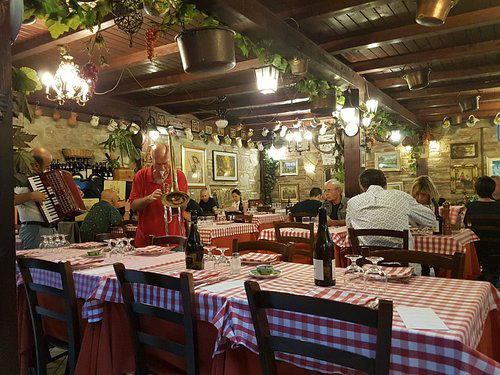
If you arrive expecting the kind of theatrical staging that accompanies Michelin-starred dining at restaurants like Enoteca Pinchiorri, you will need to recalibrate.
What should I eat at L'Angolo d'Abruzzo?
Start with the cured meats and local ham, and order the fresh chitarra spaghetti as a first course. The Michelin Plate kitchen makes its case on Abruzzese regional cuisine, so follow the season: porcini when available, mutton stew when it is not. End with the crème caramel made with Navelli saffron, which is the menu's most regionally specific dessert and worth the order on that basis alone.
Comparison Snapshot
| Venue | Cuisine | Price | Awards | Notes |
|---|---|---|---|---|
| L'Angolo d'AbruzzoThis venue (the venue you are viewing) | Traditional Abruzzese Cuisine | $50–100 | Michelin Plate | Not listed |
| Atelier Moessmer Norbert Niederkofler | Modern Alpine Fine Dining | $300–500 | 3 Michelin Stars · World's 50 Best #38 | Italian, Creative |
| Dal Pescatore | Classic Italian Fine Dining | $200–300 | 3 Michelin Stars · World's 50 Best #38 | Italian, Italian Contemporary |
| Enoteca Pinchiorri | Contemporary Italian Fine Dining | $200–300 | 3 Michelin Stars · World's 50 Best #32 | Italian - French, Italian Contemporary |
| Enrico Bartolini | Modern Italian Fine Dining | $300–500 | 3 Michelin Stars · World's 50 Best #85 | Creative |
| Osteria Francescana | Avant-Garde Italian Contemporary | $300–500 | 3 Michelin Stars · World's 50 Best #1 | Progressive Italian, Creative |
Recognition history
Dated appearances from independent guides and award organizations, with the underlying list record or original source where available.
Michelin Plate
Michelin
Full recognition history (3 entries)
Michelin Plate
Michelin
Michelin Plate
Michelin
Continue exploring
More in Carsoli
Restaurants in Carsoli
All restaurants in Carsoli →
Bars in Carsoli
Browse all →
Hotels in Carsoli
Browse all →

L'Angolo d'Abruzzo
The wine
- Wine program
- Deep wine list
- Extensive wine list
- Sommelier-led
Details
- Elegant
- Sophisticated
- Rustic
- Intimate
- Date Night
- Family
- Business Dinner
- Celebration
- Special Occasion
- Open Kitchen
- Private Dining
- Historic Building
- Standalone
- Extensive Wine List
- Sommelier Led
- Local Sourcing
- Farm To Table
- A La Carte
- Family Style
- Montepulciano
- Regional Wines
- Truffle Menu
- Gluten Free Options
- Vegetarian Friendly
- Allergy Accommodating
Current opening hours
- Monday
- 10 AM–3:30 PM, 7–11 PM
- Tuesday
- 10 AM–3:30 PM
- Wednesday
- 10 AM–3:30 PM, 7–11 PM
- Thursday
- 10 AM–3:30 PM, 7–11 PM
- Friday
- 10 AM–3:30 PM, 7–11 PM
- Saturday
- 10 AM–3:30 PM, 7–11 PM
- Sunday
- 10 AM–5 PM
Hours can change for holidays and private events. Hours as of .
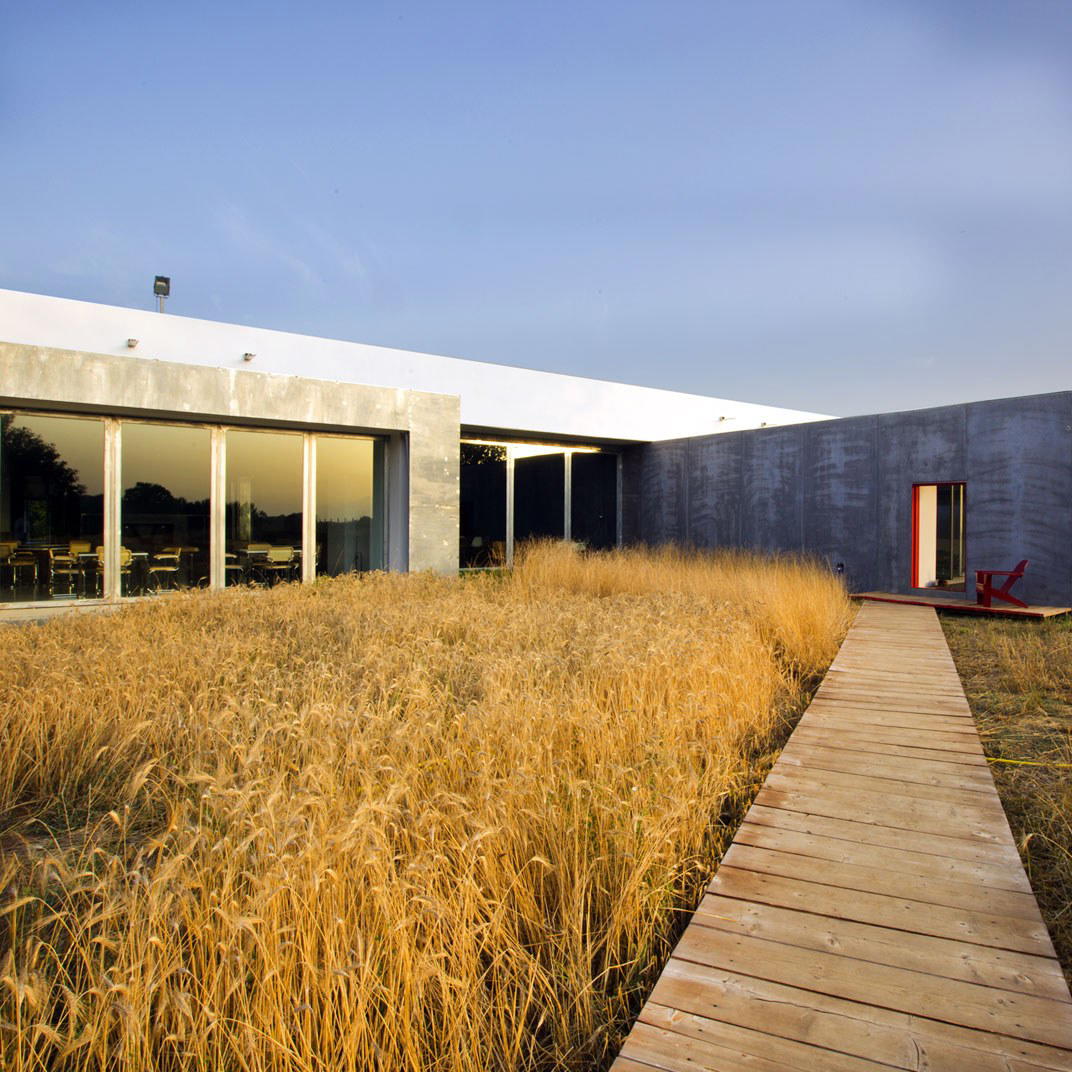
Sophisticated yet warm atmosphere blending starry elegance (uniformed waiters, fine place settings, artwork) with rustic trattoria charm (fireplace with grill, display of cured meats), creating an inviting contrast between refined and traditional.