Mom

In the Gran Sasso foothills of Abruzzo, Mom operates as a fully plant-based bistrot drawing entirely from the local agricultural calendar. Chef Gina Di Benedetto works with cereals, pulses, edible flowers, and fresh herbs sourced from the surrounding mountain territory, earning recognition from the We're Smart Green Guide for the rigour of that approach. It is a rare format in rural central Italy.
Pearl is the En Primeur Club membership app — saves, bookings, and concierge access live there. Same editors, same standards.
- Address
- Via della Cannalecchia, 10, 64044 Fano Adriano TE, Italy
- Phone
- +39 0861 968015
- Website
- momcucinavegetale.it
- Directions
- Get directions
 Saves & bookings on Pearl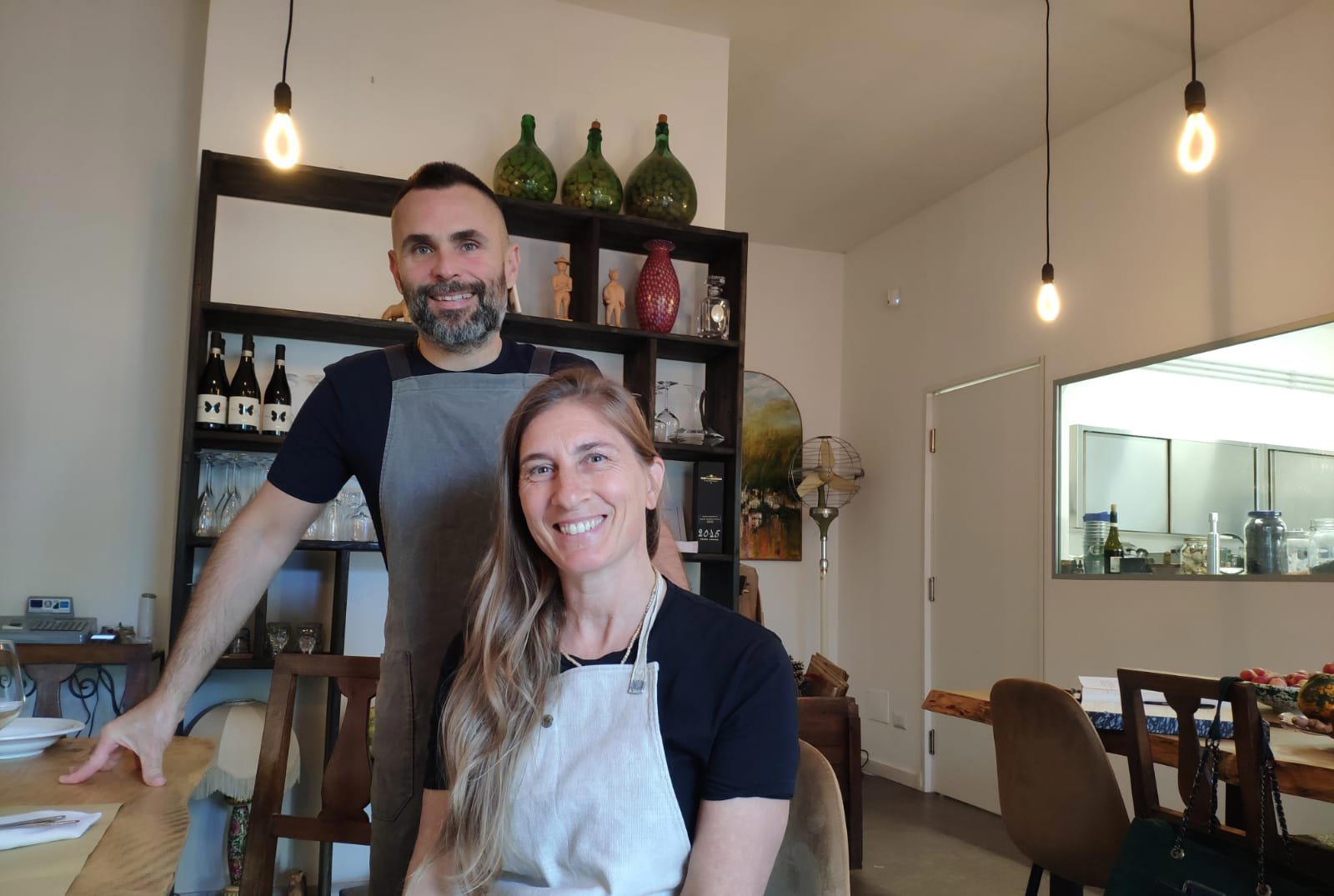
Where the Apennine Larder Sets the Agenda
The road into Fano Adriano climbs through the Gran Sasso e Monti della Laga National Park, a territory where the altitude and the seasons have always dictated what ends up on the table. This is not a region that accommodated ambitious restaurants easily, and the dining options in the villages along the Vomano valley have historically reflected the pastoral, self-sufficient economy of the hills. Against that context, Mom represents something genuinely out of step with its surroundings, though not in spite of them. The kitchen at Via della Cannalecchia is organised entirely around plant-based cooking, drawing from the same mountain agricultural tradition that shaped the broader Abruzzo table, while rejecting the meat and cheese conventions that usually define it.
That kind of positioning, a 100% plant kitchen in a deeply carnivorous regional food culture, requires a clear sourcing logic to hold together. At Mom, that logic runs through the immediate territory: cereals grown at altitude, pulses from the legume-farming traditions of the central Apennines, fresh herbs and edible flowers gathered or cultivated locally, aromatics that change as the calendar turns. The kitchen's plant-focused approach has earned it recognition in the We're Smart Green Guide.
The We're Smart Framework and What It Signals
Inclusion in the We're Smart Green Guide places a restaurant inside a specific critical conversation about how a kitchen relates to its agricultural environment. The guide does not simply reward the absence of meat. It evaluates the depth of a kitchen's engagement with vegetables as a primary creative medium, the sourcing geography, and the consistency of the approach across seasons. For a restaurant in a small Teramo village to earn that recognition speaks to the seriousness with which Mom operates.
Across Italy, the country's most-discussed tables tend to sit in a different register. Restaurants like Osteria Francescana in Modena, Piazza Duomo in Alba, or Le Calandre in Rubano operate at the apex of fine dining, with tasting menus priced to reflect their Michelin standing and national profile. Reale in Castel di Sangro, which is the closest of those reference points geographically, shows that Abruzzo can sustain serious fine dining ambition in a rural setting, but it does so within a different culinary framework and price tier. Mom occupies a bistrot format, a word that carries specific meaning here: the implied register is accessible, seasonal, and without ceremony, even as the sourcing standards are serious.
Ingredients as the Architecture of the Menu
The editorial logic of a plant-based kitchen in the Apennines runs through what the mountains actually produce. Farro, the emmer wheat that has been cultivated in central Italy since antiquity, is endemic to this territory and appears in various forms across Abruzzo and the neighbouring regions of Lazio and Marche. Lentils from the plateau at Castelluccio, just across the border in Umbria, belong to the same agricultural band. Borlotti and cicerchie, the grass pea, have been staples of the peasant table in these hills for centuries. A kitchen that works seriously with these ingredients is not importing a philosophy from somewhere else; it is reconnecting with what the land has always grown.
Chef Gina Di Benedetto's approach, as documented in the We're Smart recognition, frames the kitchen's work around the interaction of tradition, seasonality, creativity, and colour. Those are not decorative terms in this context. A menu structured around the plant calendar of the Gran Sasso territory will shift significantly between the tight greens of spring, the abundance of summer herbs and flowers, the root-and-legume depth of autumn, and the preserved and fermented stores of winter. The visual dimension, edible flowers and varied pigments from natural sources, functions as a readout of where in the seasonal cycle the kitchen is working.
Placing Mom in the Central Apennine Context
Fano Adriano sits at roughly 700 metres in the Teramo province, in a part of Abruzzo that draws visitors primarily for the national park rather than for dining. The village is small, the infrastructure spare. Travelling here with the specific purpose of eating at Mom requires a commitment that most restaurant visits do not, and that commitment is part of the value proposition. The restaurant is not competing with the urban plant-based bistrot scene in Pescara or Teramo; it is operating in a different register entirely, where the surrounding landscape and agricultural calendar are the context rather than the backdrop.
The Adriatic coast is within reasonable driving distance, where Uliassi in Senigallia is a notable dining address on the central Adriatic. Further afield, Dal Pescatore in Runate and Enoteca Pinchiorri in Florence sit at a different fine dining register. Internationally, the plant-focused commitment that defines Mom's identity places it in conversation with kitchens like Atelier Moessmer Norbert Niederkofler in Brunico, which applies its own rigorous sourcing philosophy to a similarly remote Alpine context, albeit at a different price and formality level. Other Italian reference points include Enrico Bartolini in Milan, Quattro Passi in Marina del Cantone, and Casa Perbellini 12 Apostoli in Verona, and internationally Le Bernardin in New York City and Emeril's in New Orleans each demonstrate how a distinctive sourcing philosophy can define a kitchen's identity across different culinary traditions.
Planning Your Visit
Reservations are essential. Fano Adriano is accessible by car from Teramo in roughly 40 minutes, and the village has limited but functional accommodation options; see our full Fano Adriano hotels guide for current listings. Given the small scale of both the village and the bistrot format, visiting outside the peak summer and autumn foliage season may mean a quieter experience, though seasonal availability of the local produce that defines the menu will also shift accordingly. For broader context on eating, drinking, and exploring in the area, see our full Fano Adriano restaurants guide, our full Fano Adriano bars guide, our full Fano Adriano wineries guide, and our full Fano Adriano experiences guide.
Quick Comparison
Comparable venues nearby, for context on price, style, and recognition.
| Venue | Cuisine | Price | Notes |
|---|---|---|---|
| MomThis venue — the venue you are viewing | Creative Vegan Italian Fusion | $$ | Not listed |
| Trattoria Ca' D'Oro - Cucina Tipica Veneziana | Traditional Venetian Trattoria | $$ | Cannaregio |
| The Lido | Italian Lakeside Pizzeria & Beach Club | $$ | Cernobbio |
| Gelateria La Romana | Artisanal Italian Gelato | $$ | Sallustiano |
| L'Elementare | Roman-Style Pizza | $$ | Trastevere |
| Ristorante da Cherubino | Traditional Venetian Trattoria | $$ | San Marco |
Recognition history
Dated appearances from independent guides and award organizations, with the underlying list record or original source where available.
We're Smart World 3 Radishes
We're Smart World
Continue exploring
More in Fano Adriano TE
Restaurants in Fano Adriano TE
Browse all →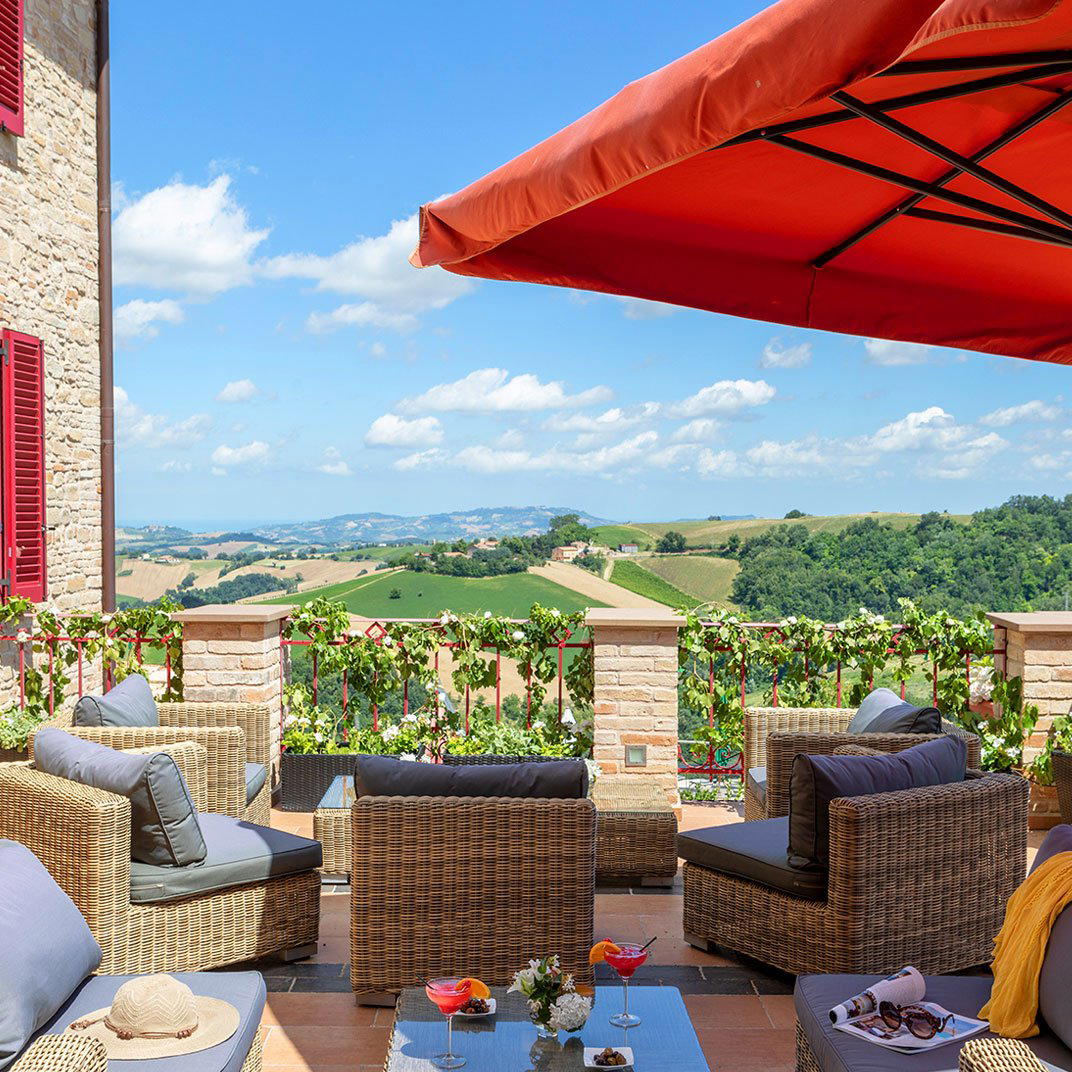
Bars in Fano Adriano TE
Browse all →
Hotels in Fano Adriano TE
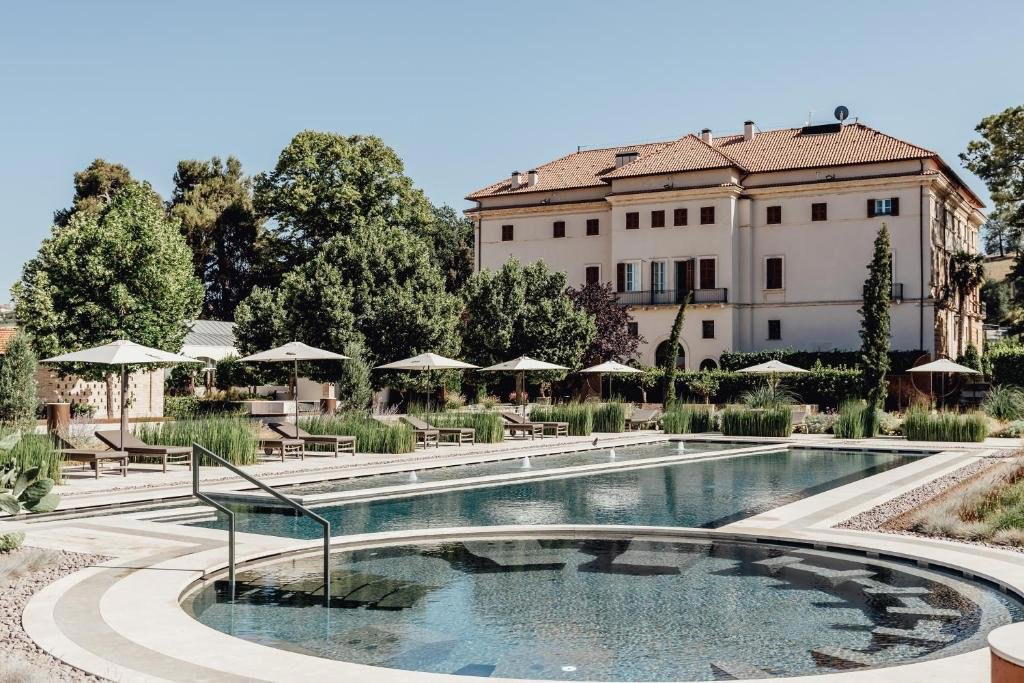
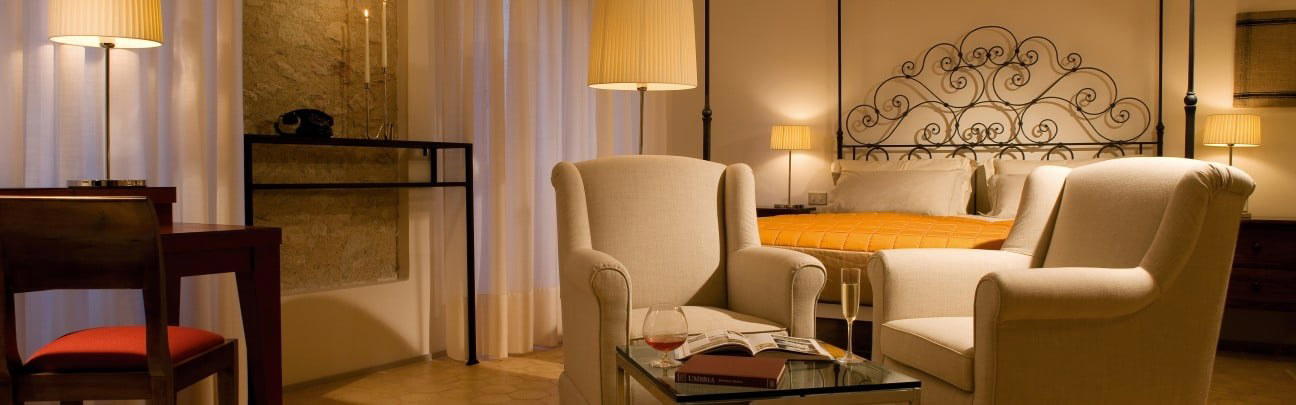
Browse all →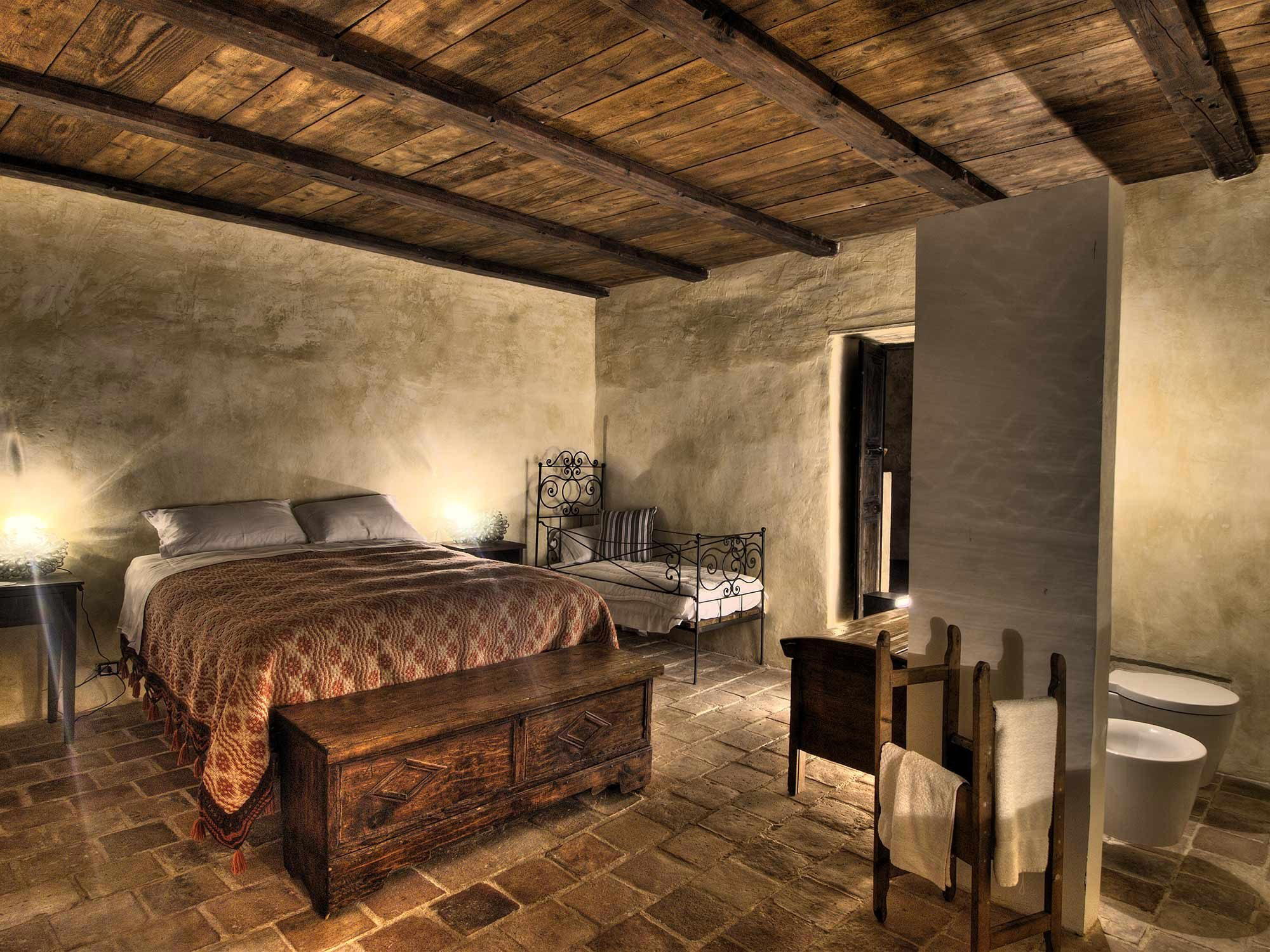

At a Glance
- Cozy
- Intimate
- Rustic
- Special Occasion
- Local Sourcing
- Mountain
Current opening hours
- Monday
- Closed
- Tuesday
- Closed
- Wednesday
- Closed
- Thursday
- Closed
- Friday
- Closed
- Saturday
- 12:30–2:30 PM, 7–9:30 PM
- Sunday
- 12:45–3:30 PM
Hours can change for holidays and private events. Last verified .
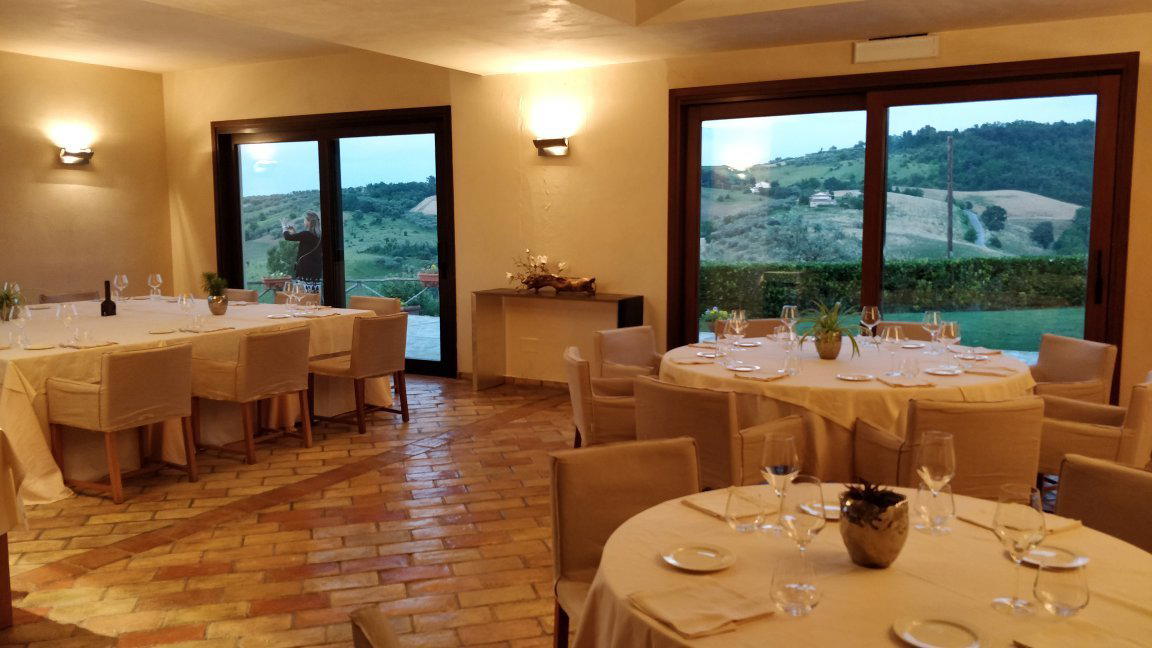
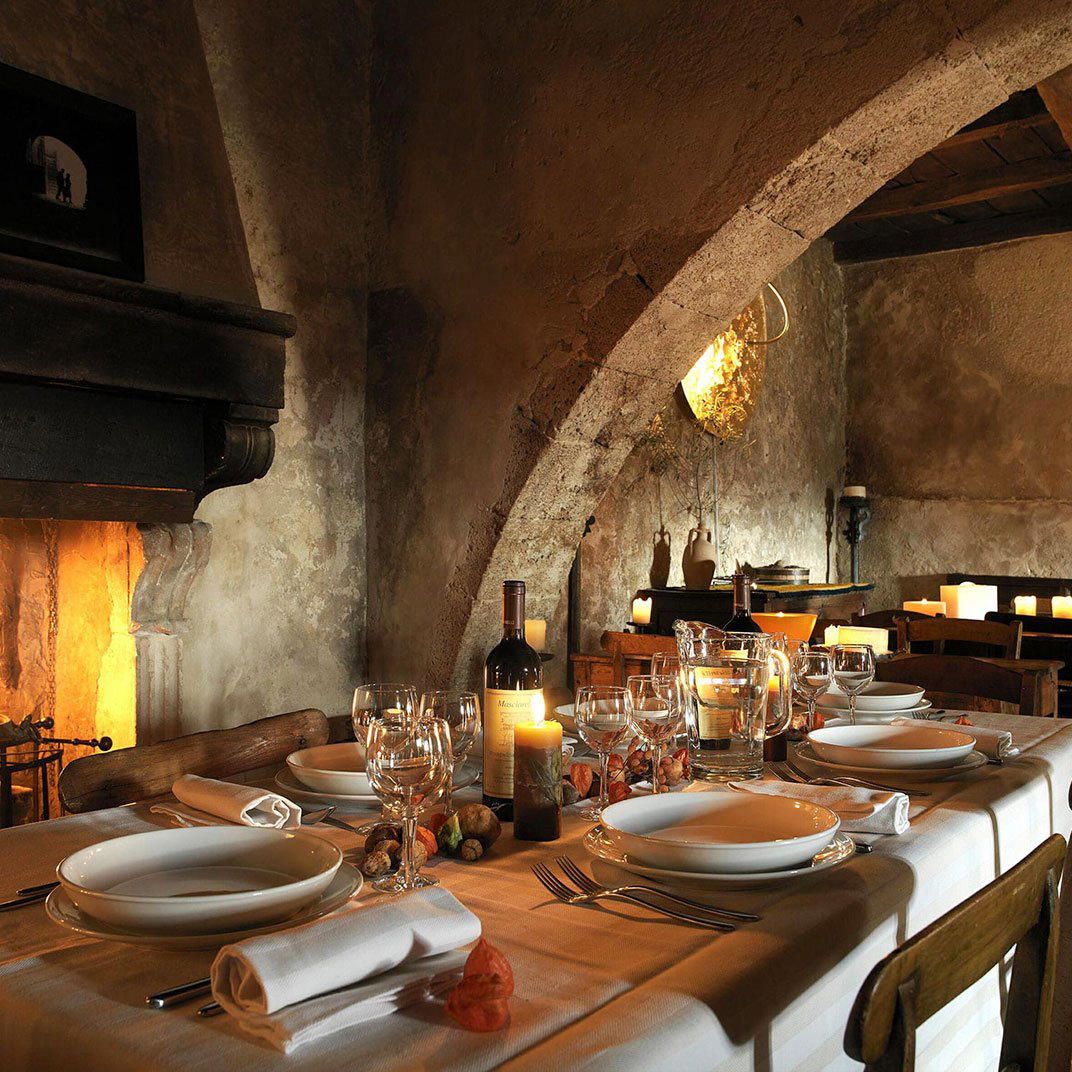
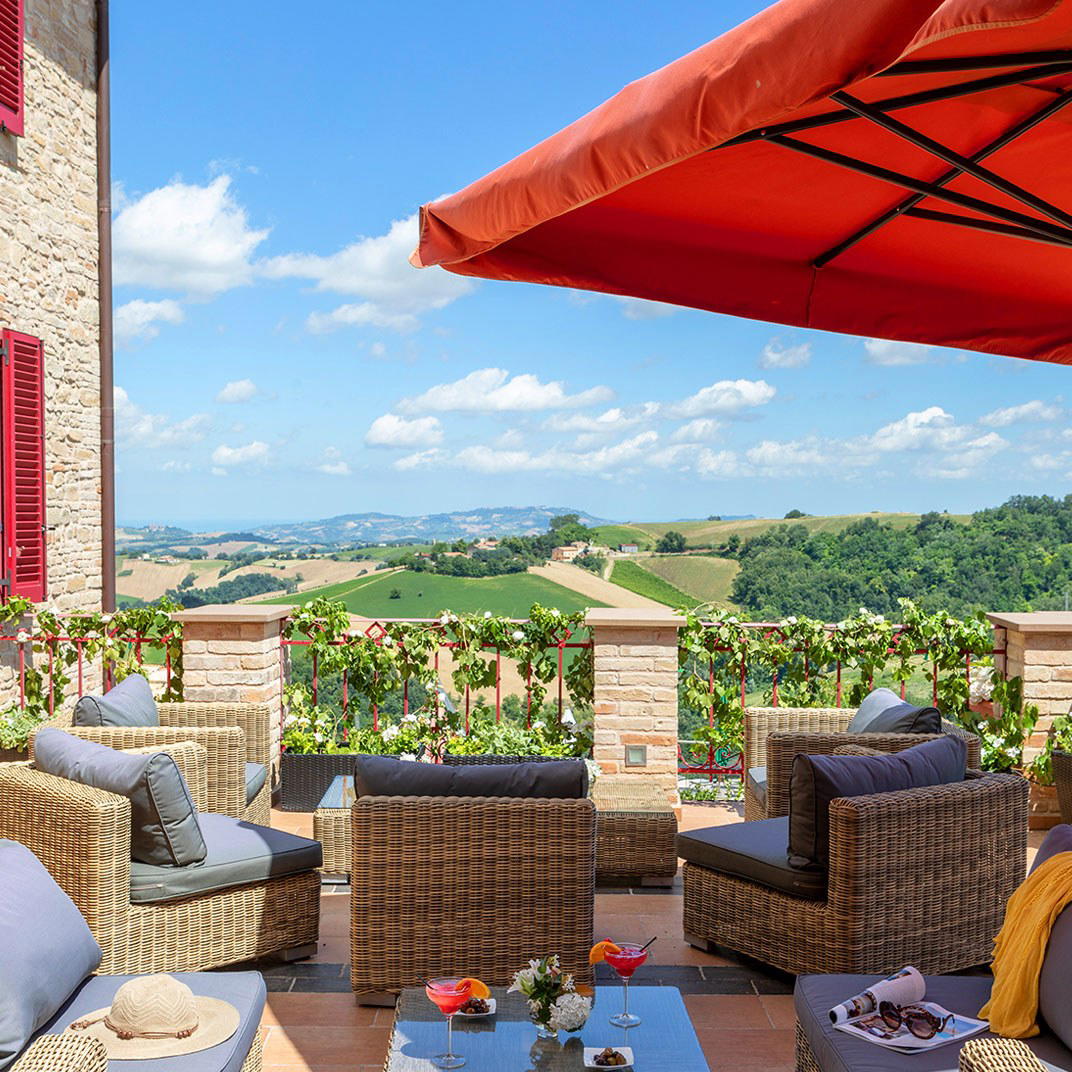
Pleasant, welcoming, cozy, and comfortable with indoor and outdoor seating options