
Michelin Plate
Our verdict
Mammaròssa sits on Via Garibaldi in Avezzano with a kitchen-garden ethos that puts Abruzzo's raw ingredients at the centre of every plate. Owner-chef Franco Franciosi draws on solina wheat bread, home-grown vegetables, and a wine list curated around the region's producers, earning consecutive Michelin Plate recognition in 2024 and 2025. The result is a restaurant that reads as a serious document of central Apennine cooking.

Pearl is the En Primeur Club membership app — saves, bookings, and concierge access live there. Same editors, same standards.
- Address
- Via Garibaldi, 388, 67051 Avezzano AQ, Italy
- Phone
- +39 0863 33250
- Hours
- Mon–Tue ClosedWed–Sat 8–10:30 PMSun 12:30–2 PM
- Website
- mammarossa.it
- Directions
- Get directions
- Booking
- Book on the venue's website
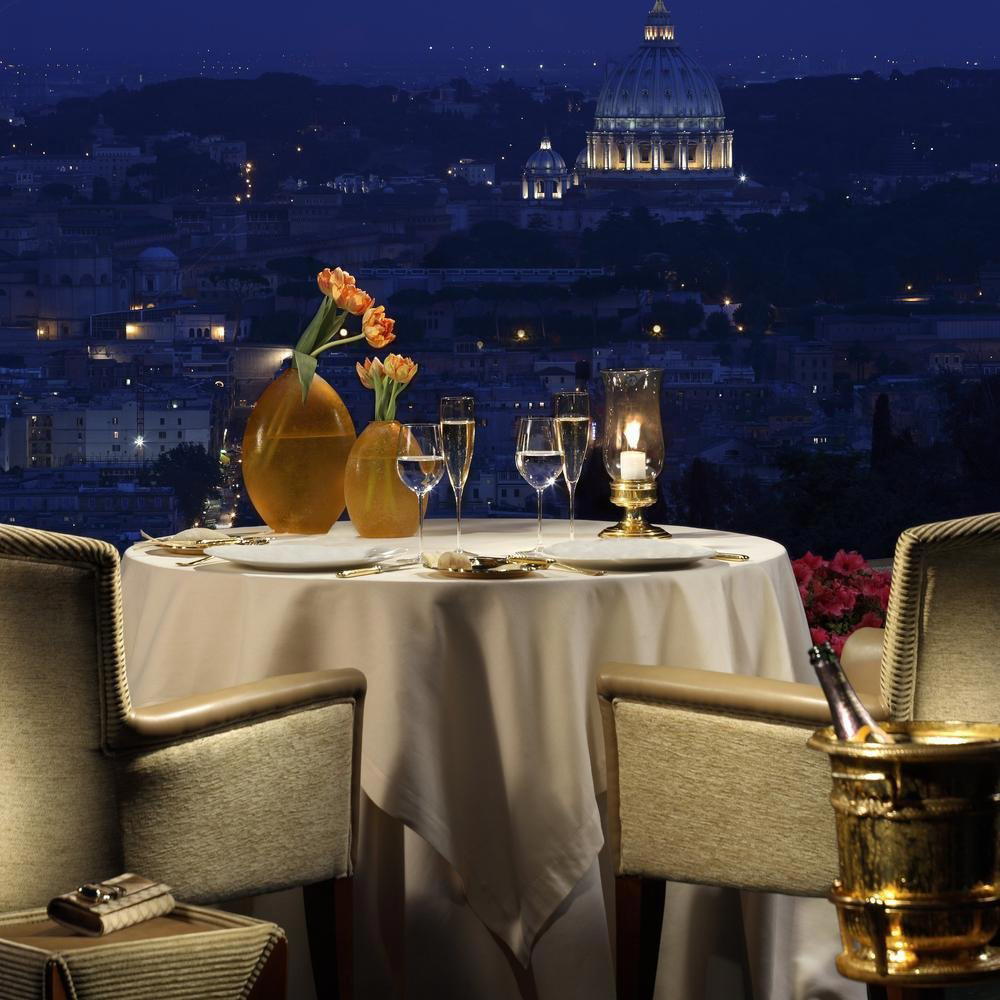
The menu
What to order
- Pasta with lamb ragù
- Spaghetti with wild garlic
Abruzzo on the Plate: What Mammaròssa Is Really About
In the inland towns of central Italy, a certain kind of restaurant has been quietly doing the work that the more photographed coastal kitchens get credit for: sourcing from the immediate land, cooking with the grain varieties that predate commodity agriculture, and resisting the pressure to modernise for its own sake. Mammaròssa, on Via Garibaldi in Avezzano, belongs to that tradition. It sits in the Marsica valley, a few kilometres from the drained basin of Lago Fucino, in territory that has fed communities through altitude farming, sheep herding, and orchard cultivation for centuries. The cooking here is a direct consequence of that geography.
The restaurant's commitment to sourcing from its own kitchen garden is not a marketing position — it is the structural logic of the menu. At this price tier (€€€ in a market where most comparable regional kitchens sit at €€), the choice to grow rather than buy signals something about priorities. Ingredients like home-grown vegetables arrive at the table with a specificity of flavour that supplier-dependent kitchens rarely replicate, because provenance is controllable only when it is proximate. The broader culinary tradition in Abruzzo has long placed primary producers at the top of the food chain; Mammaròssa's kitchen garden is an extension of that principle into the restaurant format itself.
Solina Wheat and the Logic of Local Grain
One of the more instructive details in the Mammaròssa record is the use of solina wheat for the bread programme. Solina is an ancient soft wheat variety cultivated in the central Apennines, particularly at elevations above 700 metres, and it fell out of commercial favour during the twentieth century in favour of higher-yield modern cultivars. Its survival is due largely to small-scale farmers in provinces like L'Aquila, where Avezzano sits. The flour produces a bread with a lower gluten structure than industrially milled alternatives, and a depth of flavour that reflects both the grain's age and the altitude at which it is grown.
For a restaurant framing itself around Abruzzo's identity, choosing solina over a generic bread programme is a statement of intent. It also connects Mammaròssa to a wider movement among serious Italian regional kitchens — from Reale in Castel di Sangro to Bacucco d'Oro in Mutignano, where grain sovereignty, not just ingredient freshness, has become part of the editorial position of the kitchen. The difference from, say, a sourdough programme at a capital-city restaurant is that here the grain is Apennine by origin, not just by aspiration.
Traditional and Modern: Where the Balance Sits
The Michelin Plate recognition, held consecutively across 2024 and 2025, places Mammaròssa in the tier of restaurants that Michelin's inspectors consider worth a detour for food quality without yet elevating to starred status. That bracket in Italy currently includes a large number of serious regional kitchens that prioritise depth of tradition over technical spectacle. Mammaròssa's described approach, dishes that are both traditional and modern, is the operating mode of that cohort: the structure and ingredients of Abruzzo cooking remain intact, while preparation may apply contemporary technique or plating.
This is a different project from the kind of progressive Italian cooking practised at starred houses like Osteria Francescana in Modena or Enrico Bartolini in Milan, where the relationship to tradition is interrogative. At Mammaròssa, tradition appears to be the point of departure and the destination, with modernity operating at the level of execution rather than concept. That is not a lesser ambition, it is a different one, and in a region like Abruzzo, where the culinary vocabulary is deep but underrepresented on the national stage, maintaining that vocabulary with precision is its own form of rigour.
The contrast between an inland kitchen rooted in mountain grain and pastoralism and a coastal Abruzzo restaurant drawing on Adriatic produce illustrates how internally diverse the region's culinary identity remains.
The Room, the Wine List, and the Front of House
The sustainability focus in the decor positions Mammaròssa within a design tendency that has become common in considered regional Italian restaurants over the last decade: materials and aesthetics that reflect the environment the kitchen draws from, rather than importing a generic contemporary restaurant grammar. Without specific detail on the room's configuration, what is clear from the record is that the dining experience is shaped partly by Daniela's front-of-house presence, including wine list guidance.
The wine list is described as short but carefully chosen. In the context of an Abruzzo-focused kitchen, that shortness likely reflects a curatorial decision to stay close to regional and central Italian producers rather than operate a broad cellar. Montepulciano d'Abruzzo, in its many expressions from the coastal hills to the inland valleys, is the obvious backbone; Trebbiano d'Abruzzo, particularly from producers in the Chieti and Pescara provinces who have refined the variety beyond its commodity reputation, would be the logical white counterpart. Daniela's recommendations from a focused list are worth taking seriously, a short list in a regional kitchen of this calibre is a position, not a limitation.
Planning a Visit to Mammaròssa
Avezzano is approximately 90 kilometres east of Rome, accessible by train from Roma Tiburtina on the regional line through the Fucino basin, making it a viable day trip from the capital for those willing to extend their definition of the Roman food orbit. The restaurant's address at Via Garibaldi, 388 places it on one of Avezzano's central arteries. At the €€€ price point for this city and region, Mammaròssa sits at the top of the local market; visitors from larger Italian cities may find the absolute spend lower than equivalent quality in Rome or Milan, but the positioning is premium for its context.
For those building a broader Abruzzo itinerary, the region has enough serious cooking to justify several days. Reale in Castel di Sangro sits roughly 80 kilometres south and operates at a different altitude of ambition (three Michelin stars), making the combination of Mammaròssa and Reale a useful cross-section of what serious Abruzzo cooking looks like at different scales. See also our full Avezzano restaurants guide for further context, and our Avezzano hotels guide if you are staying overnight. Avezzano's bar scene, local wineries, and regional experiences round out the picture for a longer stay in the Marsica area.
For comparison with other serious Italian regional kitchens operating at different price points and geographies, it is worth knowing the range: from Dal Pescatore in Runate and Enoteca Pinchiorri in Florence at the starred end of the Italian tradition, to Piazza Duomo in Alba, Le Calandre in Rubano, Quattro Passi in Marina del Cantone, Uliassi in Senigallia, Atelier Moessmer Norbert Niederkofler in Brunico, and Casa Perbellini 12 Apostoli in Verona. Mammaròssa occupies a different position in that map: not competing for stars, but representing a specific and serious regional identity at a price and in a location that the starred houses do not touch.
Frequently asked questions
What should I budget for a meal at Mammaròssa?
Pricing at Mammaròssa is listed as €€€.
How It Stacks Up
| Venue | Cuisine | Price | Awards | Notes |
|---|---|---|---|---|
| MammaròssaThis venue — the venue you are viewing | Modern Abruzzo Italian | Not listed | Michelin Plate | Not listed |
| Atelier Moessmer Norbert Niederkofler | Italian, Creative | Not listed | Michelin 3 Star | Not listed |
| Dal Pescatore | Italian, Italian Contemporary | Not listed | Michelin 3 Star | Not listed |
| Enoteca Pinchiorri | Contemporary Italian Fine Dining | $200–300 | 3 Michelin Stars · World's 50 Best #32 | Italian - French, Italian Contemporary |
| Enrico Bartolini | Creative | Not listed | Michelin 3 Star | Not listed |
| Osteria Francescana | Avant-Garde Italian Contemporary | $300–500 | 3 Michelin Stars · World's 50 Best #1 | Progressive Italian, Creative |
Recognition history
Dated appearances from independent guides and award organizations, with the underlying list record or original source where available.
Michelin Plate
Michelin
Full recognition history (3 entries)
Michelin Plate
Michelin
Michelin Plate
Michelin
Continue exploring
More in Avezzano
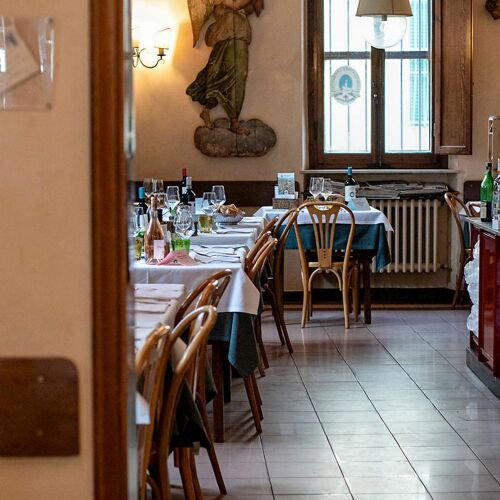
Restaurants in Avezzano
Browse all →
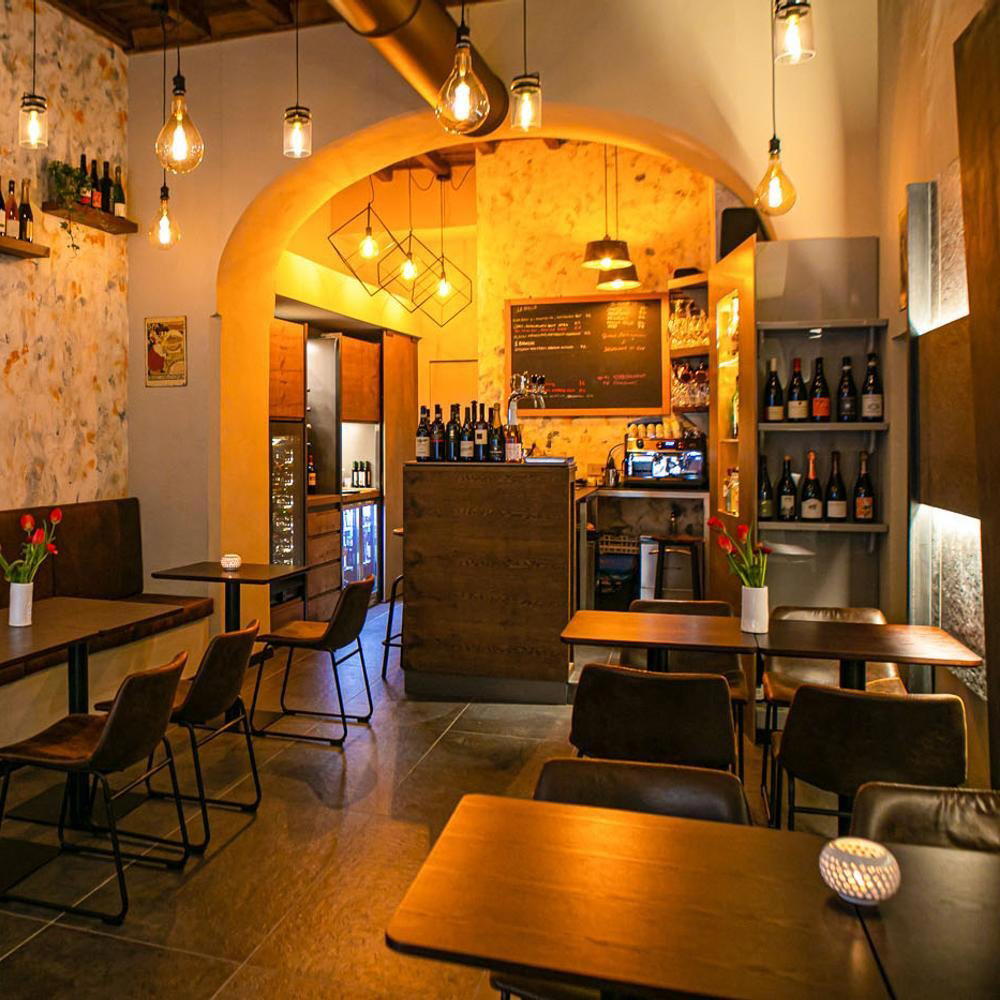
Bars in Avezzano
Browse all →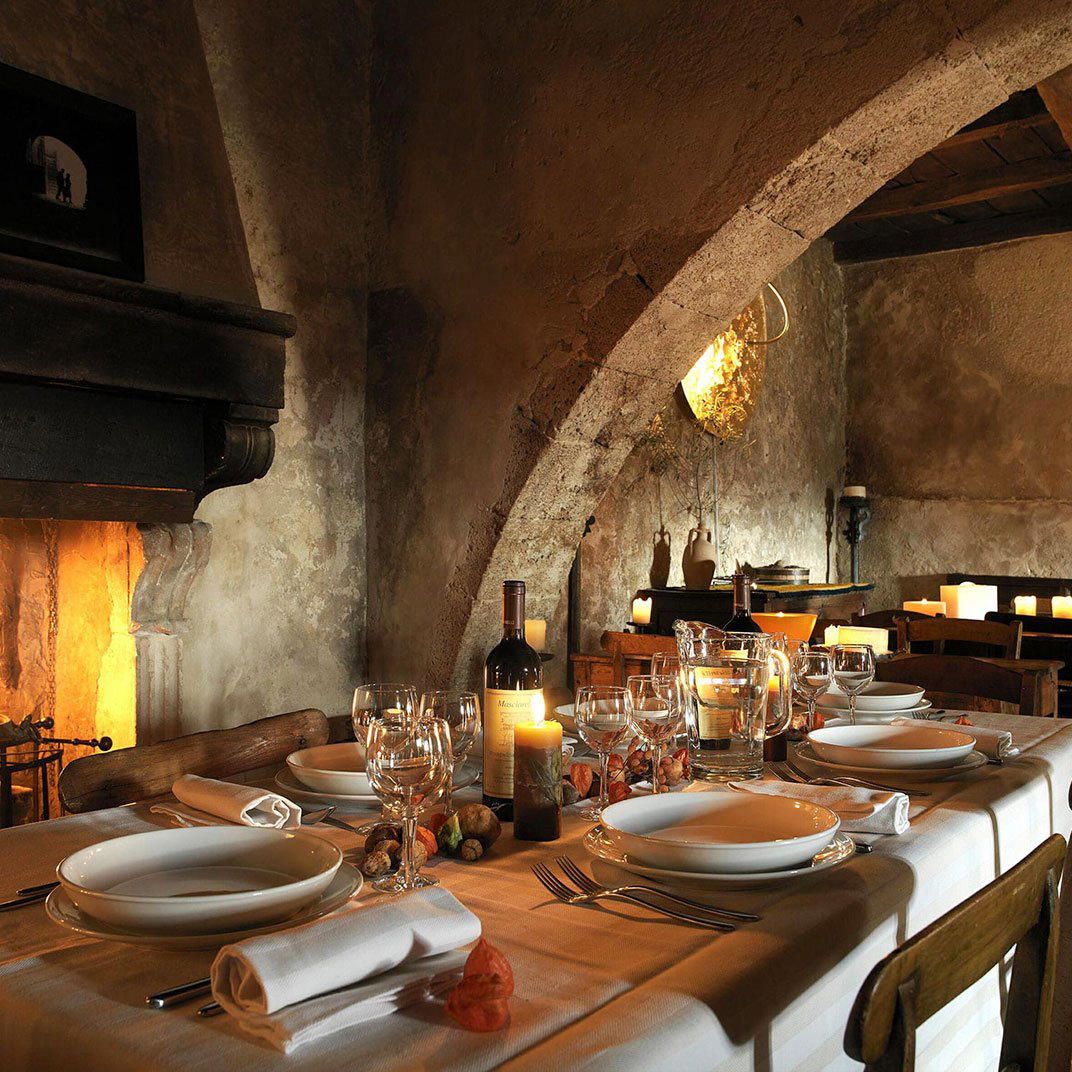
Hotels in Avezzano
Browse all →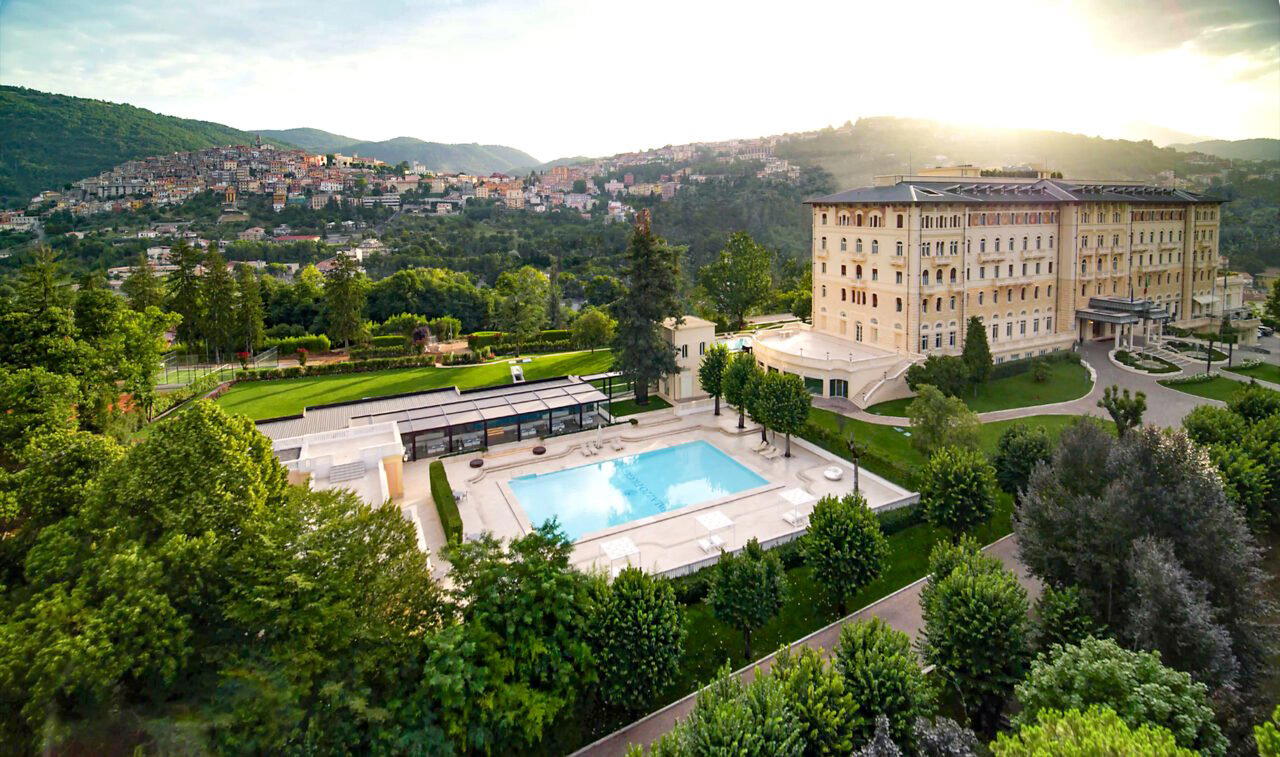

Details
- Cozy
- Elegant
- Intimate
- Rustic
- Date Night
- Family
- Special Occasion
- Open Kitchen
- Natural Wine
- Local Sourcing
- Farm To Table
- A La Carte
- Vegetarian Friendly
- Vegan Options
- Gluten Free Options
Current opening hours
- Monday
- Closed
- Tuesday
- Closed
- Wednesday
- 8–10:30 PM
- Thursday
- 8–10:30 PM
- Friday
- 8–10:30 PM
- Saturday
- 8–10:30 PM
- Sunday
- 12:30–2 PM
Hours can change for holidays and private events. Last verified .
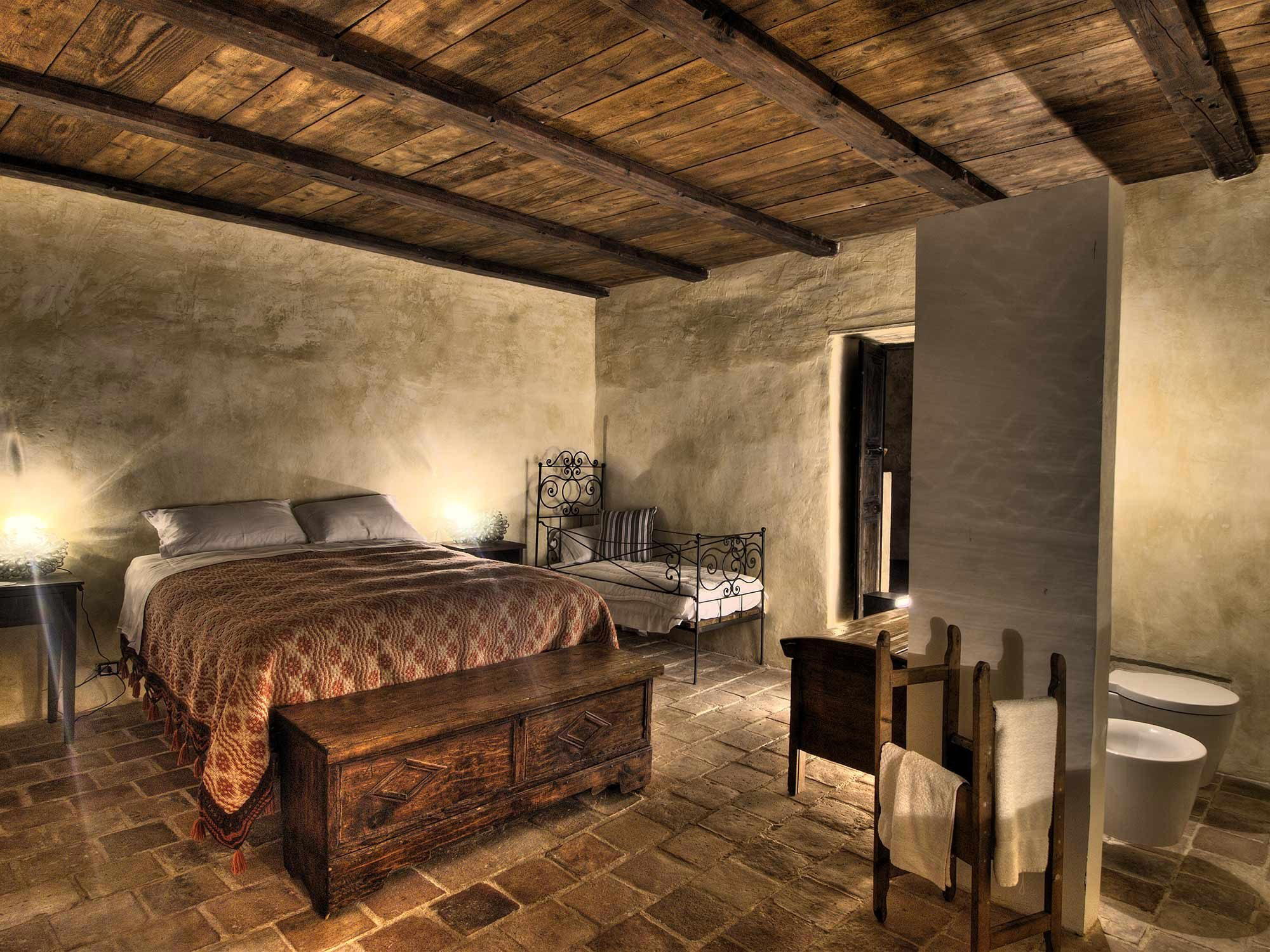
Warm, welcoming, and intimate atmosphere with modern decor recalling Italian tradition, creating a relaxing environment.