On Via Camillo Corradini in central Avezzano, Granocielo represents the kind of address that rewards attention in a city better known as a transit point than a dining destination. Abruzzo's interior has spent decades producing ingredients of serious quality, saffron, lamb, lentils, cured meats, and Granocielo draws on that regional larder in a setting that reads more considered than its surroundings might suggest.
Pearl is the En Primeur Club membership app — saves, bookings, and concierge access live there. Same editors, same standards.
- Address
- Via Camillo Corradini, 78, 67051 Avezzano AQ, Italy
- Phone
- +39863411436
- Website
- granocielo.it
- Directions
- Get directions
 Saves & bookings on Pearl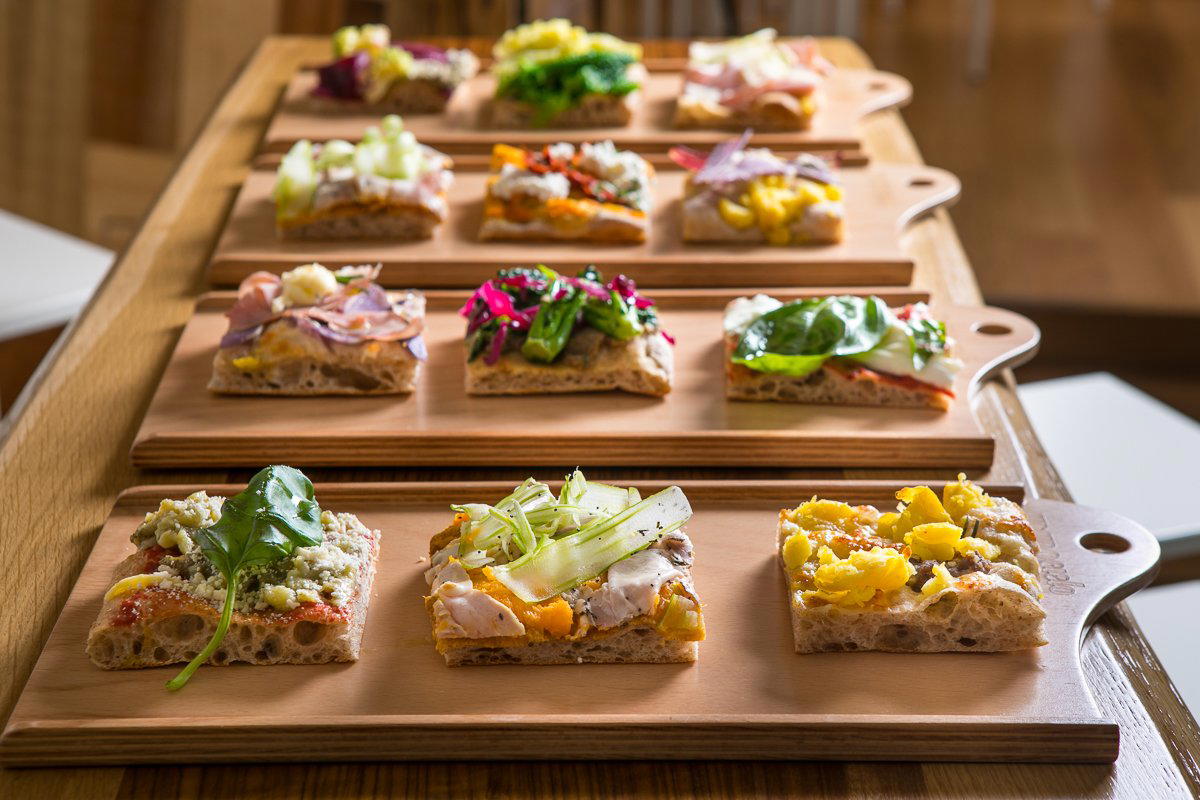
Abruzzo's Interior, at the Table
Avezzano sits in the Fucino plain, a former lake bed drained in the nineteenth century that became one of central Italy's most productive agricultural zones. The soil is dense and fertile, and the altitude, roughly 700 metres above sea level, produces ingredients with a concentration rarely found in coastal equivalents. Saffron from nearby Navelli, lentils from Santo Stefano di Sessanio, lamb raised on Apennine pasture, and cured meats from the inland valleys have long defined the cooking of this part of Abruzzo. Granocielo, at Via Camillo Corradini 78, is positioned to work with that larder directly.
The city itself doesn't draw the dining attention that L'Aquila or the coastal strip around Pescara does. That's partly geography and partly the fact that serious regional cooking in Abruzzo has tended to cluster further east. Granocielo fits this context as an address that makes the case for the inland table, grounded in ingredient provenance.
What the Fucino Plain Puts on the Plate
The argument for ingredient-led cooking in central Abruzzo is easier to make than it is to execute consistently. The region produces a notable range of raw materials, from the deep-flavored Aquila saffron that has held DOP status for years, to the Apennine lamb that appears in both roasted and slow-braised formats across the province's trattorie and more considered restaurants alike. The challenge for any kitchen in this territory is avoiding the trap of treating those ingredients as mere decoration for technique, or alternatively, letting provenance pride replace editorial judgement about what actually works on the plate.
In much of inland Abruzzo, the more compelling kitchens have learned to sit between those poles. They reference tradition without being enslaved to it, and they let the quality of local sourcing carry the argument rather than constructing elaborate preparations around it. That approach positions them differently from Italy's headline fine-dining addresses, venues like Osteria Francescana in Modena, Le Calandre in Rubano, or Enoteca Pinchiorri in Florence, which operate in a register defined by formal technique and international recognition. The inland Abruzzo kitchen trades on something different: a directness that comes from working close to the source.
Granocielo's address on Corradini places it within walking distance of the city centre. For visitors routing through the region, Avezzano sits on the A24 corridor between Rome and the Adriatic.
Abruzzo's Place in the Italian Fine-Dining Map
Italy's most decorated kitchens tend to cluster in specific geographic bands: Lombardy and Piedmont in the north, Emilia-Romagna through the centre, and pockets of the south that have drawn international attention over the past decade. Abruzzo occupies an interesting middle position. The region has produced serious Michelin-recognised cooking, Reale in Castel di Sangro is one cited example, with Niko Romito's kitchen representing among the more sustained arguments for an inland-Italian cooking identity, and that recognition has gradually shifted external attention toward the region's culinary possibilities.
The broader pattern in Italian regional cooking over the past fifteen years has been a move toward ingredient transparency and local sourcing as primary values, rather than French-influenced classical technique. Venues like Dal Pescatore in Runate, Uliassi in Senigallia, and Piazza Duomo in Alba each define their identity through a specific regional product story, whether that's Po Valley produce, Adriatic seafood, or Piedmontese truffles and Barolo. Abruzzo's inland kitchens are beginning to articulate a comparable identity around their own materials, and restaurants operating in smaller cities like Avezzano sit at the front edge of that articulation, often without the institutional support of major tourism infrastructure.
That context matters when placing a restaurant like Granocielo. It's not competing in the same tier as Atelier Moessmer Norbert Niederkofler in Brunico or Enrico Bartolini in Milan. It operates in a city where the dining infrastructure is modest, which means expectations around formal service, wine program depth, and tasting menu architecture should be calibrated accordingly. What Avezzano offers instead is proximity to the source, and in ingredient-led cooking, that proximity is a form of advantage that no city-centre fine-dining address in Milan or Rome can replicate.
Planning a Visit
Avezzano is reachable by train from Rome's Tiburtina station in roughly ninety minutes, making a day-trip or overnight stop viable for travellers building an itinerary through central Italy. The city has a compact centre, and Via Camillo Corradini sits within it. Visitors combining Granocielo with other Avezzano addresses should consult our full Avezzano restaurants guide for context on the broader dining scene. Those specifically interested in Abruzzo's regional cooking tradition would also find value in Mammaròssa, which operates in the same city and draws explicitly on the region's culinary identity.
Granocielo's current hours, booking policy, and price tier are best confirmed before visiting. The address is confirmed at Via Camillo Corradini 78, 67051 Avezzano. Seasonal availability of key Abruzzo ingredients is worth factoring into timing decisions.
In Context: Similar Options
Comparable venues nearby, for context on price, style, and recognition.
| Venue | Cuisine | Price | Awards | Notes |
|---|---|---|---|---|
| GranocieloThis venue — the venue you are viewing | Pizza al Taglio al Naturale | $$ | Not listed | Not listed |
| Mammaròssa | Modern Abruzzo Italian | $$$ | Michelin Plate | Avezzano |
| SantiNumi | Traditional Roman Trattoria | $$ | Not listed | Esquilino |
| Trattoria Morgana | Traditional Roman Trattoria | $$ | Not listed | Monti |
| Hostaria Romana | Traditional Roman Trattoria | $$ | Not listed | Colonna |
| Trecca | Traditional Roman Trattoria | $$ | Not listed | Ostiense |
Continue exploring
More in Avezzano
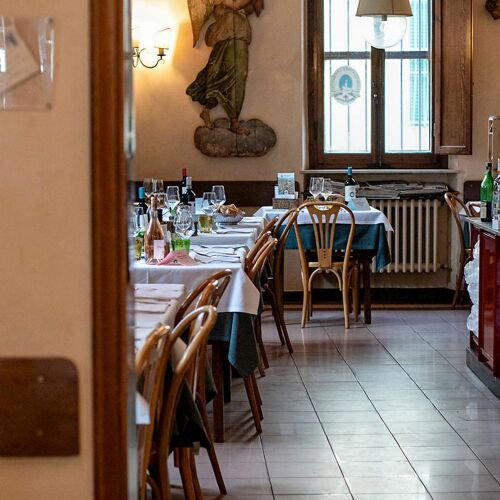
Restaurants in Avezzano
Browse all →
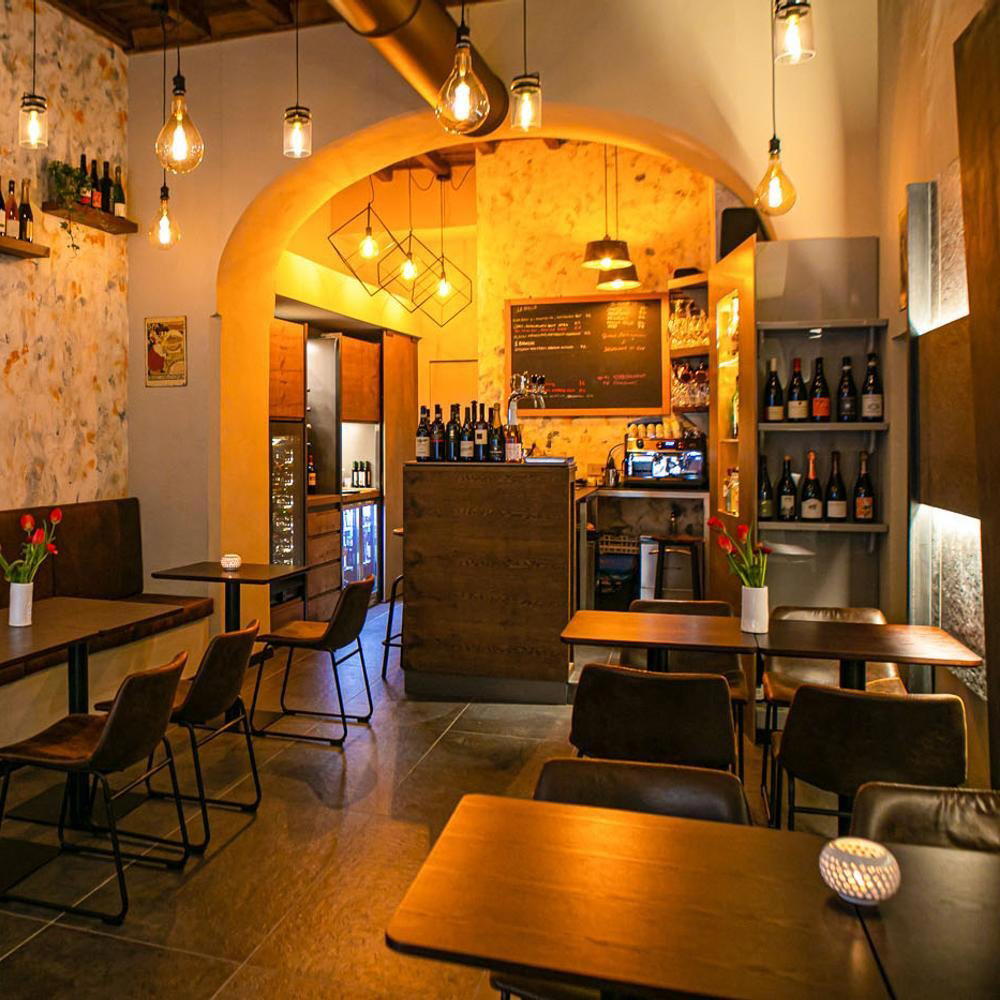
Bars in Avezzano
Browse all →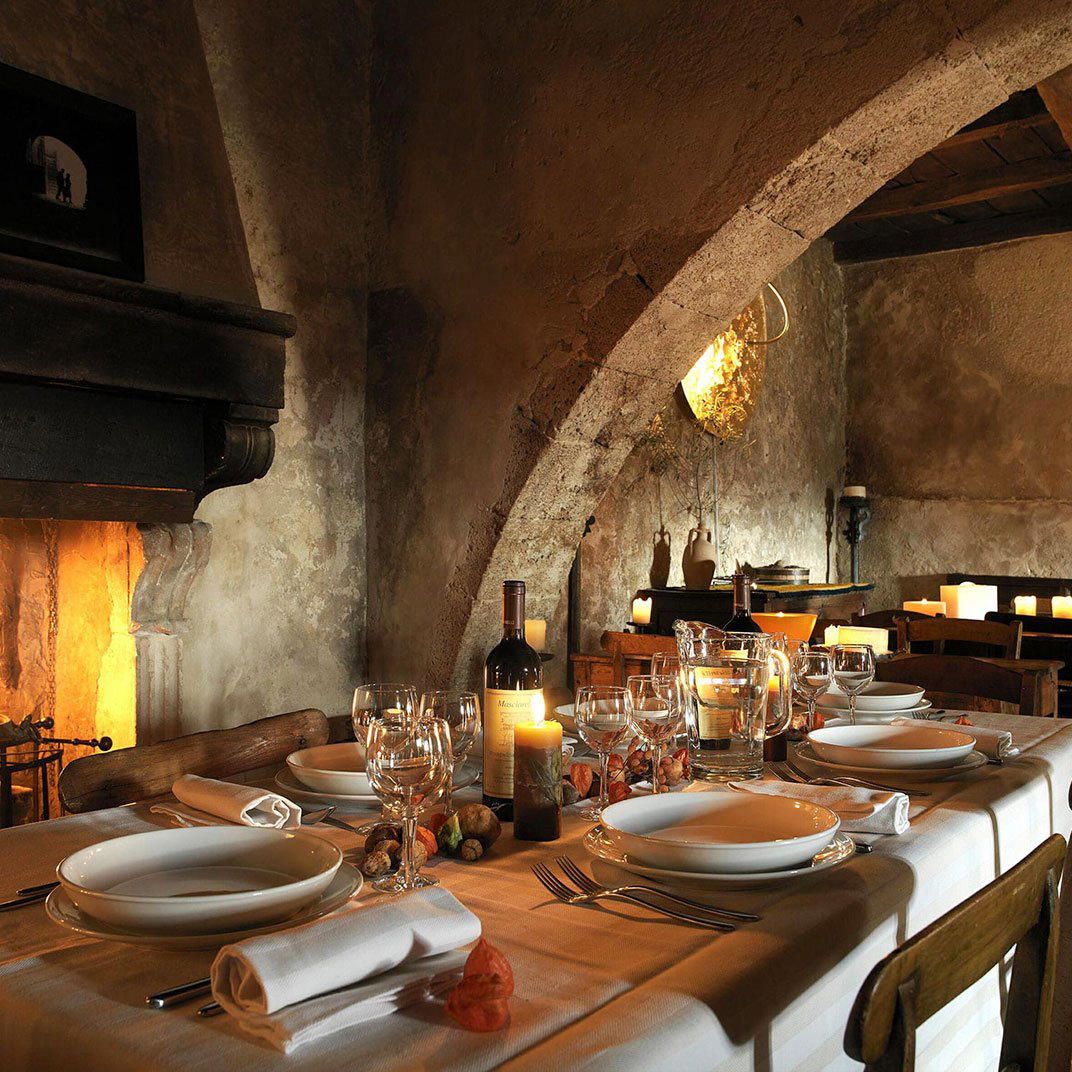
Hotels in Avezzano
Browse all →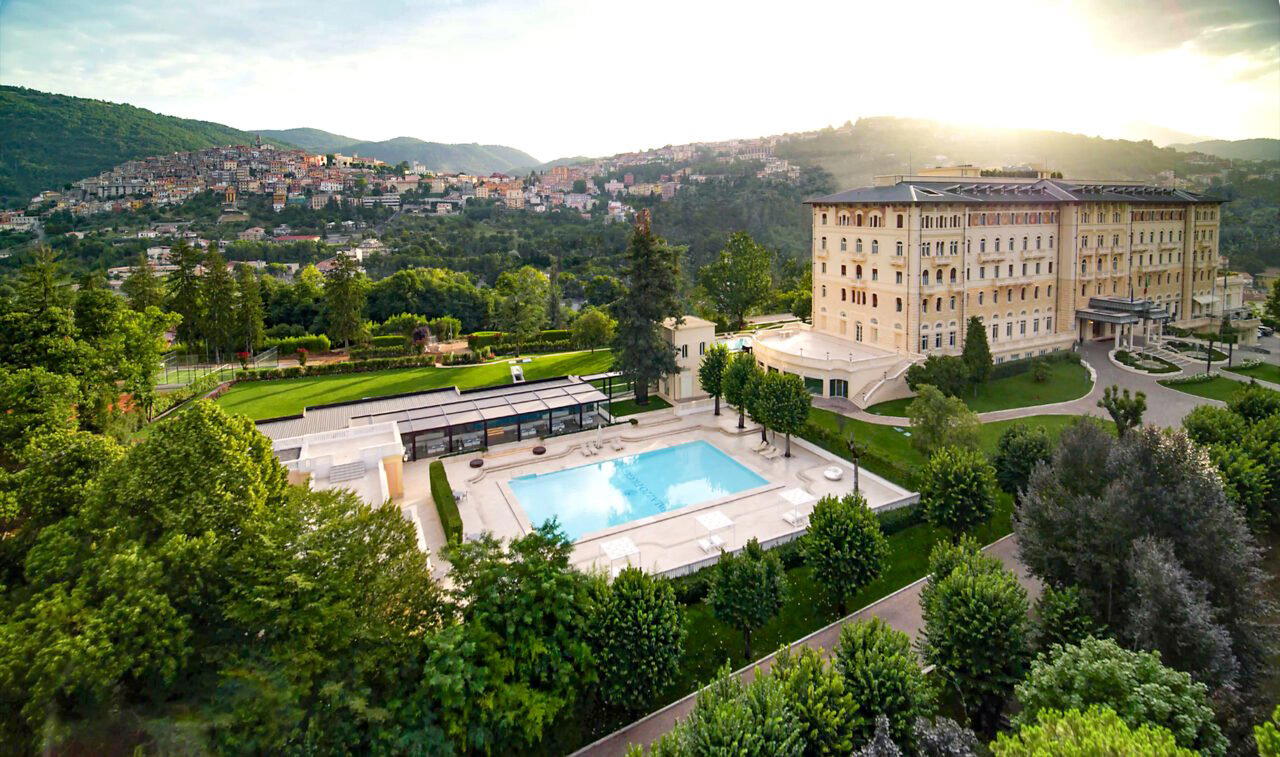

At a Glance
- Cozy
- Modern
- Rustic
- Casual Hangout
- Open Kitchen
- Organic
- Local Sourcing
Current opening hours
- Monday
- 12–3 PM, 5–11 PM
- Tuesday
- 12–3 PM, 5–11 PM
- Wednesday
- 12–3 PM, 5–11 PM
- Thursday
- 12–3 PM, 5–11 PM
- Friday
- 12–3 PM, 5–11 PM
- Saturday
- 12–3 PM, 5–11 PM
- Sunday
- 5–11 PM
Hours can change for holidays and private events. Last verified .
Casual counter-service spot with colorful display of fresh pizzas and natural, welcoming atmosphere.