Kai Zan

Our verdict
A neighborhood sushi counter on Chicago's West Side, Kai Zan has earned recognition from Opinionated About Dining's North America rankings while operating well outside the downtown premium corridor. For Chicago diners thinking seriously about sushi value, this is one of the addresses worth understanding.

Pearl is the En Primeur Club membership app, where members save venues, book tables and use the concierge.

The menu
What to order
- Spicy Toro Maki
- Omakase (10-course)
- Uni Shooter
- Grilled Scallop
- A5 Wagyu
Sushi Beyond the Loop: What the West Side Counter Tells You About Chicago's Value Equation
Chicago's serious sushi scene clusters predictably. The high-spend omakase counters occupy River North and the Gold Coast, where real estate costs and a captive expense-account crowd push tasting menus toward the $200-and-above tier. What makes West Town and the Ukrainian Village corridor interesting is precisely that it sits outside that gravity well. On West Chicago Avenue, the economics of the neighborhood allow a different kind of ambition, one where the kitchen's reach isn't subsidized by a hotel partnership or a proximity premium.
The OAD Signal and What It Actually Means
Opinionated About Dining's North America list operates on a surveyed-critic model rather than an anonymous inspector system, which makes its rankings a measure of sustained professional attention rather than a single visit. Holding a position at #550 in 2025 on that list, across a continent with no shortage of serious Japanese restaurants in major metros, puts Kai Zan in a different peer conversation than its zip code would suggest. For context, many OAD-ranked sushi counters in Chicago, New York, or Los Angeles occupy spaces where the room alone costs what a full tasting menu at Kai Zan might. The ranking functions as an argument that the cooking here justifies comparison with recognized programs rather than merely with local neighborhood options.
You are looking at a consistent operational pattern, not a lucky run of good nights. Compare that to the review footprint of destination-tier Chicago restaurants like Kasama, which earned its Michelin star partly on a similar combination of critical recognition and civilian enthusiasm, and the pattern holds. Sustained scores at high volume reflect kitchen discipline and front-of-house reliability, two qualities that matter as much as a single transcendent dish.
Brothers Vizconde and the Filipino-Japanese Sushi Tradition
The Filipino-American presence in Chicago's restaurant scene has produced some of its more interesting cross-cultural cooking, and Melvin and Carlo Vizconde's work at Kai Zan fits that broader story. Japanese technique filtered through a different culinary inheritance tends to produce approaches to flavor, texture, and acid that diverge from the Tokyo omakase orthodoxy. That divergence is not a compromise, it is an editorial position. In a city where Kyōten represents the Edomae end of the Chicago sushi spectrum, Kai Zan occupies a different register, one where the cooking reflects a specific cultural positioning rather than a pure emulation exercise.
This matters when thinking about value. What you pay for at a counter like this is not a reproduction of a Tokyo experience, it is something with its own logic. That distinction is worth holding onto when assessing whether the price-to-quality equation makes sense for your priorities.
Reading the Room: What the Neighborhood Tells You
West Chicago Avenue runs through a stretch of Chicago that is genuinely mixed in character, not yet fully gentrified, not purely residential, still commercially active in ways that the heavily touristed Near North Side is not. A sushi counter operating at OAD-recognized quality in this context is both an anomaly and a reflection of how the city's serious eating has dispersed. The same pattern showed up years earlier in other cities: the restaurants doing the most interesting work migrated to neighborhoods where rent allowed the food budget to stay high and the price to the customer to stay proportionate. Chicago's west-side dining expansion is a decade-long trend, and Kai Zan is part of its more ambitious chapter.
For visitors who default to the restaurant row around Randolph Street or the hotel-adjacent options in River North, the address will require a deliberate decision. That decision is worth making. The city's more considered options, including Alinea, Smyth, and Oriole, have trained Chicago's dining audience to treat cross-town travel as a given, and Kai Zan sits in that same logic: you go because the cooking warrants it, not because the location is convenient.
Kai Zan in the Broader Sushi Spectrum
Chicago does not have Tokyo's density of sushi counters, but it has a more varied sushi scene than its reputation sometimes suggests. At the leading end, Kyōten positions itself against counters like Harutaka in Tokyo or Sushi Shikon in Hong Kong in terms of formality and price architecture. Kai Zan does not compete in that tier, and it does not try to. It is operating in the space where the cooking is serious but the format remains accessible, a position that is arguably harder to sustain than pure luxury, because the margin for error is smaller when you cannot use price as a signal of intent.
For comparison: many of the OAD-adjacent sushi counters in North America, whether in New York, Los Angeles, or San Francisco, have moved to fixed omakase formats at premium price points, a format that removes most of the negotiation between kitchen and guest. Kai Zan's approach, to the extent the record reflects it, sits in a different place on that spectrum. The OAD recognition without a Michelin star (Chicago's Michelin guide does not cover this address in its starred tier) suggests a counter that the professional eating community has identified but that the formal institutional apparatus has not fully caught up with, a gap that exists in every city and tends to close eventually.
Planning a Visit
Chicago's broader dining context rewards advance planning regardless of where you're eating. For the city's full scope of options, from the progressive American programs that have defined its national reputation to its growing roster of serious ethnic and neighborhood restaurants, see our full Chicago restaurants guide. For accommodation and bar recommendations, our Chicago hotels guide and bars guide cover the planning fundamentals. The experiences guide and wineries guide round out the picture for multi-day itineraries.
Comparable sushi value conversations are happening in other North American cities too. On the West Coast, Lazy Bear in San Francisco and Providence in Los Angeles anchor fine dining scenes where the sushi tier has also become increasingly stratified. Le Bernardin in New York City and Emeril's in New Orleans illustrate how long-established culinary reputations create price floors in their respective markets, a dynamic that makes Chicago's West Side sushi anomalies like Kai Zan particularly interesting for value-oriented travelers. Single Thread Farm in Healdsburg and The French Laundry in Napa define the upper register of California's tasting-menu economy for further reference on what top-tier recognition looks like across formats.
Know Before You Go
- Address: 2557 W Chicago Ave, Chicago, IL 60622
- Cuisine: Sushi
- Chefs: Melvin & Carlo Vizconde
- Recognition: Opinionated About Dining Leading Restaurants in North America, #550 (2025)
- Neighborhood: Ukrainian Village / West Town, Chicago West Side
- Booking, hours, and pricing:
Frequently asked questions
What should I order at Kai Zan?
What the OAD North America ranking signals, though, is that the counter has earned serious critic attention, the kind of recognition that typically follows a tight, focused menu rather than a sprawling one. The brothers Vizconde built their reputation on sushi that draws from both Japanese technique and Filipino-American sensibility, so expect that cross-cultural thread to run through the most compelling options. Ask the staff directly about the omakase or chef-driven format when booking.
Where exactly is Kai Zan?
Kai Zan is located at 2557 W Chicago Ave, Chicago, IL 60622, Chicago.
Does Kai Zan have a Michelin star or similar recognition?
Kai Zan has received recognition including: Opinionated About Dining Top Restaurants in North America Ranked #550 (2025).
Recognition Snapshot
Comparable venues nearby, for context on price, style, and recognition.
| Venue | Cuisine | Price | Notes |
|---|---|---|---|
| Kai ZanThis venue (the venue you are viewing) | Modern Japanese Omakase | $50–100 | Not listed |
| Ramen Wasabi | Authentic Japanese Ramen | $20–30 | Logan Square |
| CoCoRo | Authentic Japanese Sushi and Noodles | Not listed | River North |
| Sushi Taku | All-You-Can-Eat Japanese Sushi | $20–30 | Wicker Park |
| Komorebi | Japanese Sushi Fusion | $30–50 | Wicker Park |
| Ramen Wasabi - West Loop | Japanese Ramen | $20–30 | West Loop |
Recognition history
Dated appearances from independent guides and award organizations, with the underlying list record or original source where available.
Opinionated About Dining Top Restaurants in North America Recommended
Opinionated About Dining
Full recognition history (2 entries)
Opinionated About Dining Top Restaurants in North America Ranked #550
Opinionated About Dining
Continue exploring
More in Chicago
Restaurants in Chicago
All restaurants in Chicago →
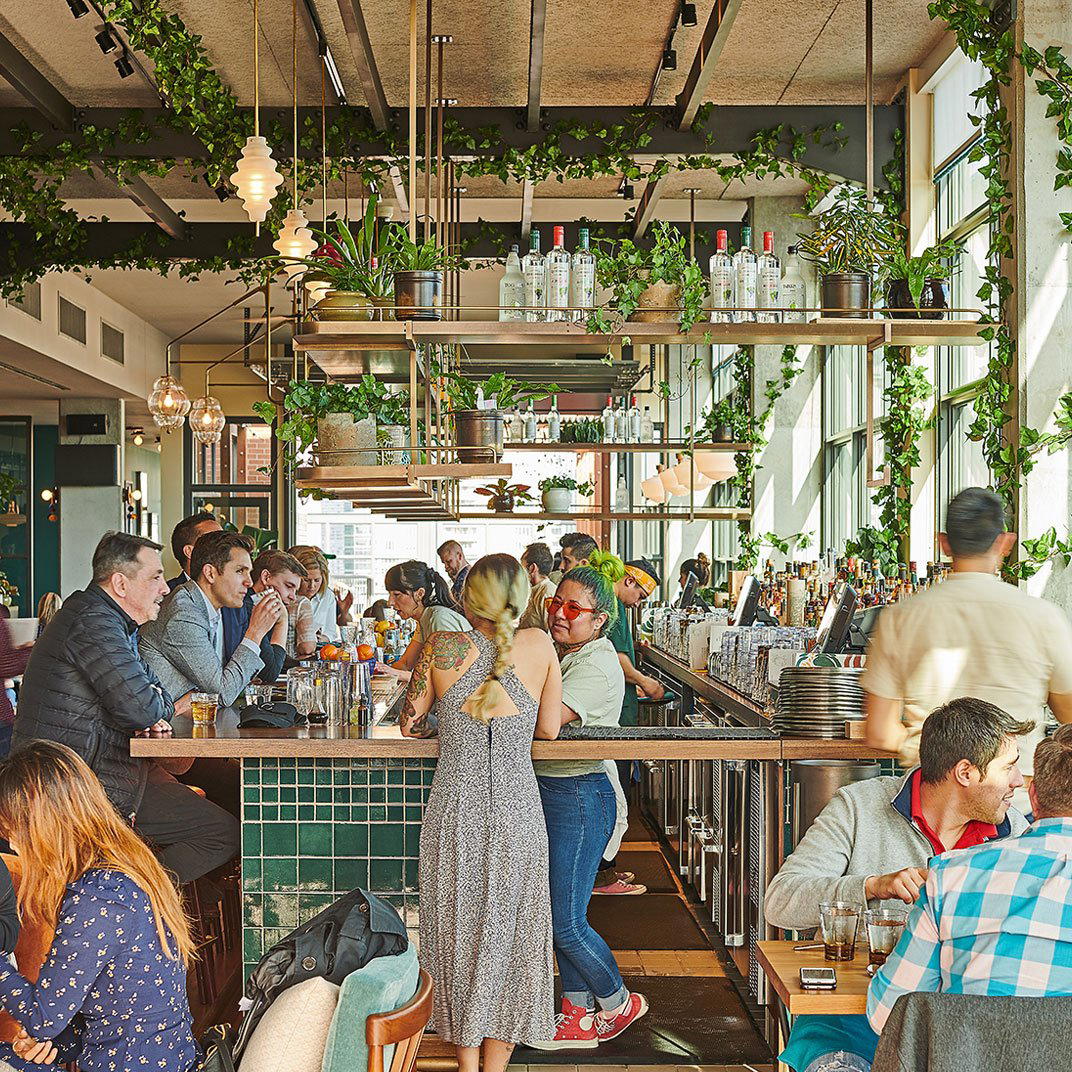
Bars in Chicago
All bars in Chicago →
Details
- Intimate
- Elegant
- Romantic
- Date Night
- Special Occasion
- Celebration
- Open Kitchen
- Chefs Counter
- Sake Program
- Byob
- Corkage Allowed
- Sustainable Seafood
- Omakase
- A La Carte
- Counter Dining
- Sake
- Beer
- Wine
- Gluten Free Options
- Allergy Accommodating
Current opening hours
- Monday
- Closed
- Tuesday
- Closed
- Wednesday
- 5–10 PM
- Thursday
- 5–10 PM
- Friday
- 4:30–11 PM
- Saturday
- 4:30–11 PM
- Sunday
- Closed
Hours can change for holidays and private events. Hours as of .
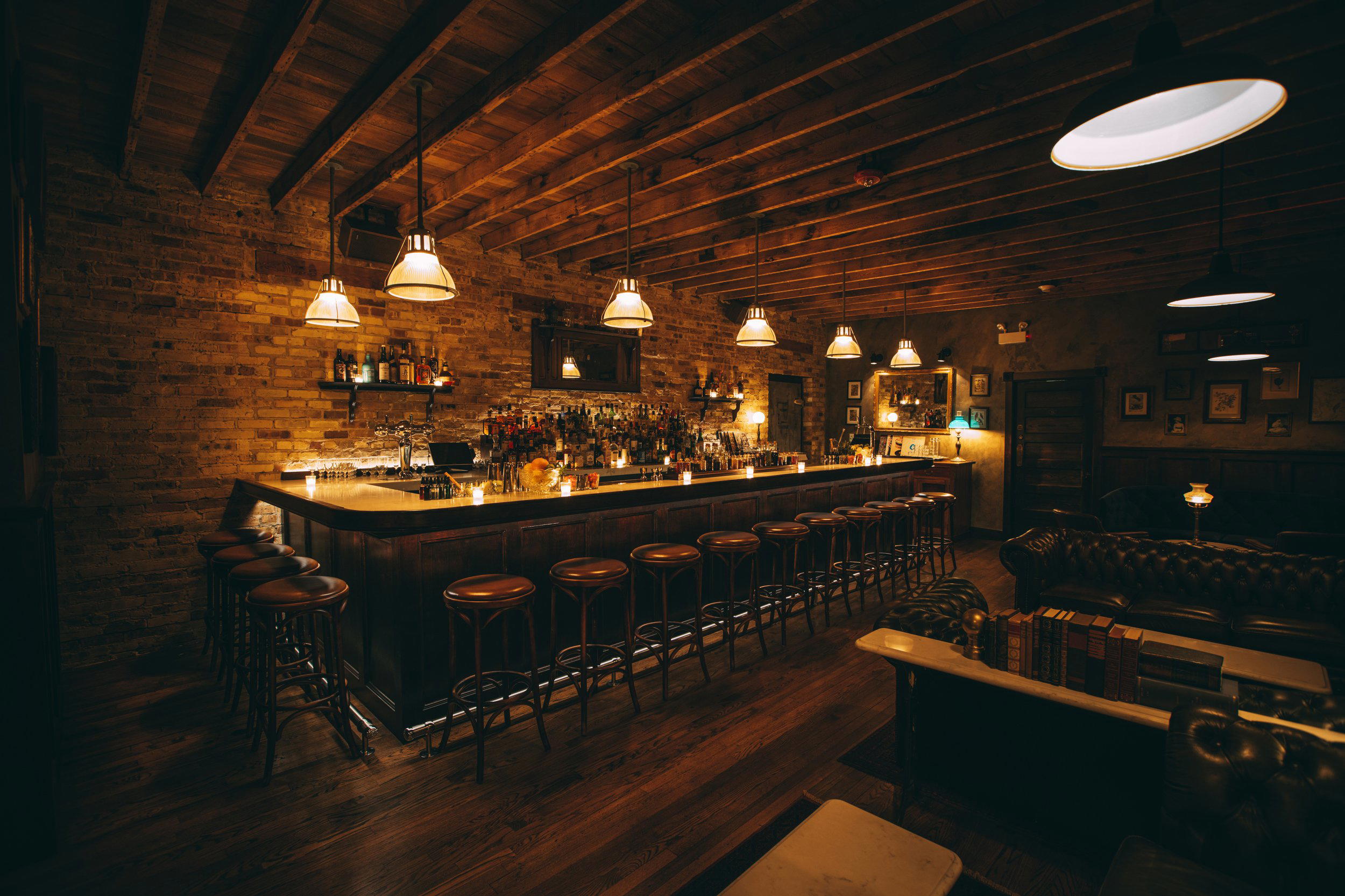
Laid-back yet refined atmosphere with quiet conversations, fresh seafood aromas, and an open kitchen concept where diners can watch chefs work; described as a cozy hole-in-the-wall gem that feels far removed from its West Town location.