Franklins
Franklins has held its ground on Lordship Lane in East Dulwich for over two decades, operating as a neighbourhood anchor in a part of south London that rewards the curious. The kitchen draws on seasonal British produce with a directness that suits both a leisurely lunch and a more considered evening sitting. It occupies a tier that London's destination-dining circuit rarely discusses, which is precisely its advantage.
Pearl is the En Primeur Club membership app — saves, bookings, and concierge access live there. Same editors, same standards.
- Address
- 157 Lordship Ln, London SE22 8HX, United Kingdom
- Phone
- +442082999598
- Website
- franklinsrestaurant.com
- Directions
- Get directions
 Saves & bookings on Pearl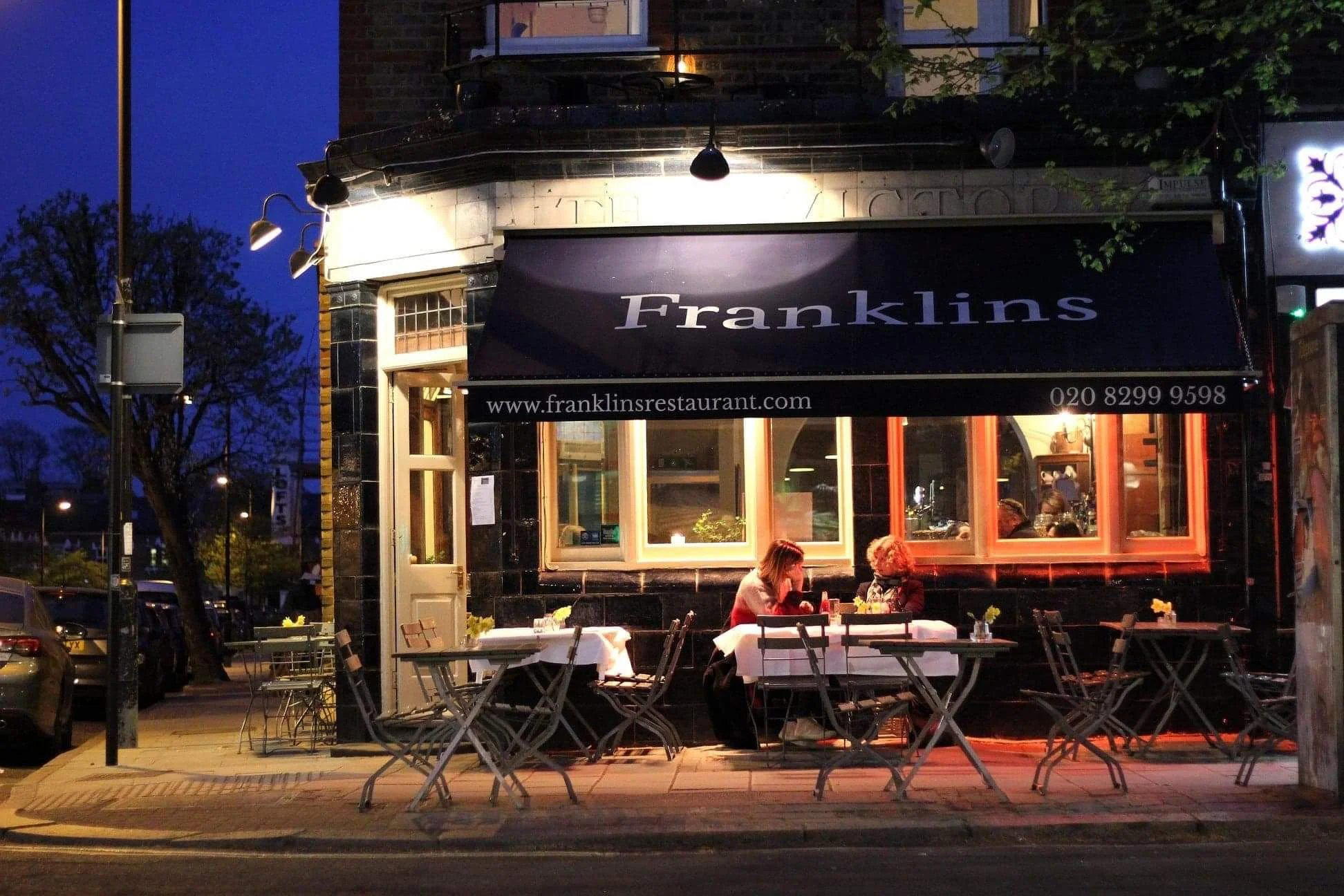
East Dulwich and the Quietly Serious Neighbourhood Restaurant
London's premium dining conversation tends to orbit a familiar set of postcodes: Mayfair, Chelsea, Notting Hill. The restaurants that attract particularly column inches, CORE by Clare Smyth, Restaurant Gordon Ramsay, Sketch's Lecture Room and Library, compete against each other in a rarefied tier where tasting menus and formal service are the baseline. But south of the river, in the stretch of SE22 that runs along Lordship Lane, a different kind of restaurant seriousness operates. Franklins at 157 Lordship Lane sits in this tradition: the neighbourhood restaurant that earns loyalty not through spectacle but through consistency and produce discipline. It is the kind of place that regulars treat as an extension of a well-stocked kitchen, while visitors make a deliberate trip south on the Overground.
East Dulwich has a particular dining character. The neighbourhood has enough residential density and income to support serious cooking without the footfall pressure that warps central London menus toward crowd-pleasing. That context matters when assessing what Franklins is doing: it operates in an environment where the diner base expects something genuine rather than impressive, and where a kitchen's relationship with seasonal British produce tends to show more honestly than in postcodes performing for critics and tourists simultaneously.
The Lunch and Dinner Divide
Few distinctions reveal a restaurant's true character more clearly than the gap between its lunch and dinner service. At the formal end of the British dining spectrum, The Ledbury, Dinner by Heston Blumenthal, lunch is typically a compressed version of the evening format, with set menus functioning as an access point rather than a distinct experience. The room mood, the pacing, and the formality remain essentially continuous across service periods. Neighbourhood restaurants at Franklins' level tend to handle this division differently, and more interestingly.
Lunch on Lordship Lane carries a particular energy: lighter foot traffic, a higher proportion of locals, and a kitchen that can pace dishes without the pressure of full covers. In this format, the seasonal British produce approach that defines the kitchen's identity tends to read most clearly. A plate of well-sourced vegetables or a simply prepared cut of British meat is better appreciated in afternoon light, with time to order a second glass rather than work through a fixed sequence. The value ratio at lunch typically shifts in the diner's favour, and for a kitchen built around seasonal produce rather than luxury ingredients, that shift can be meaningful.
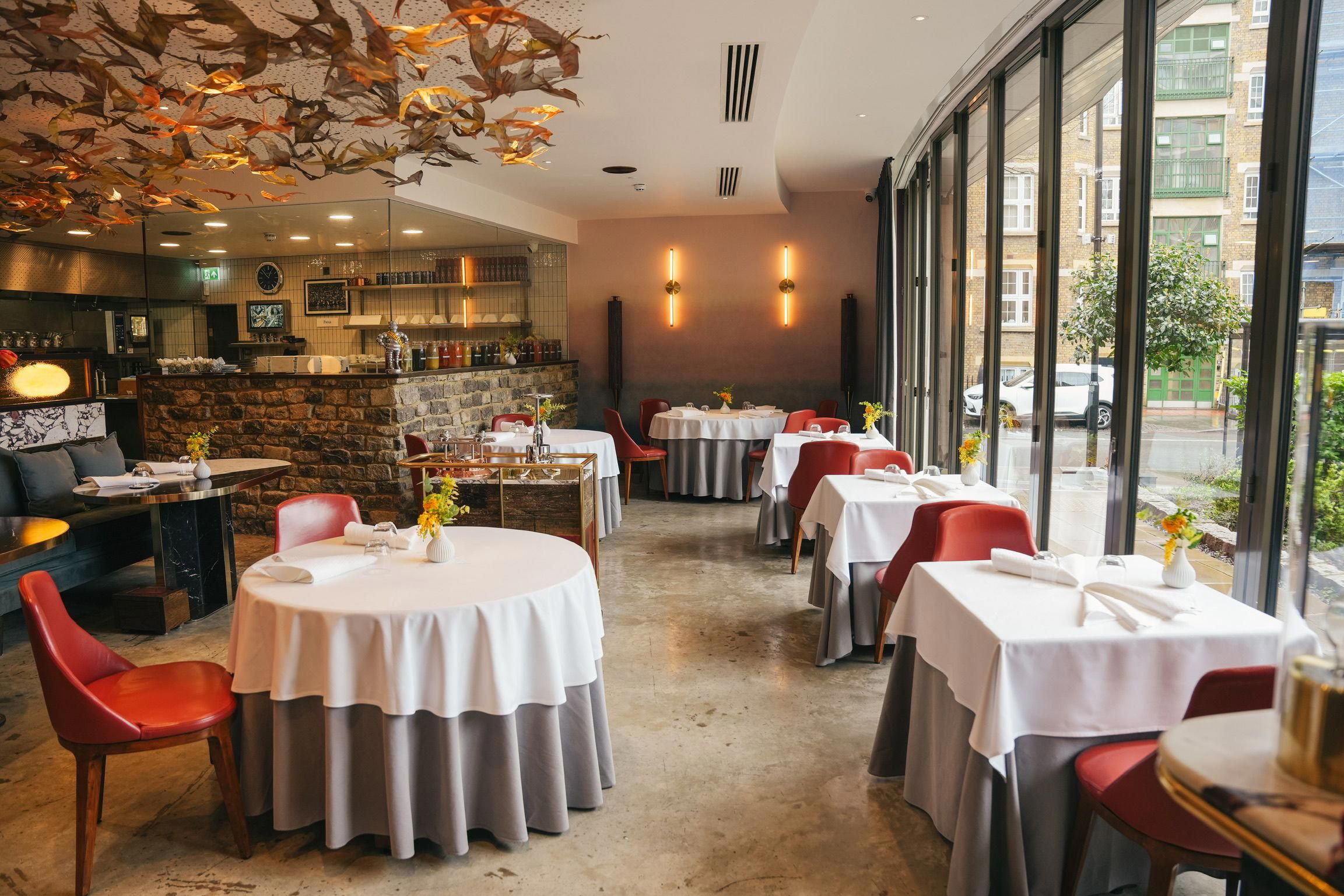
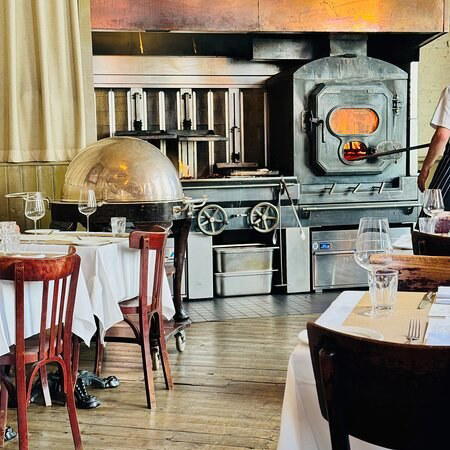
Evening service operates differently. Lordship Lane in the early evening draws a mixed crowd: couples, small groups, the kind of local professionals who have graduated from the area's wine bars to something with a sharper kitchen focus. The room at Franklins, a converted pub space with the proportions and natural light that define the better end of SE London's dining rooms, shifts register when it fills. This is not a transformation, but a recalibration: the same menu reads as more of an occasion when the room is at capacity and the kitchen is running at full pace. For visitors making a single trip south, evening gives the fuller sense of what the place is. For those who know it well, lunch is frequently the more rewarding session.
This lunch-dinner asymmetry is one of the more instructive things the British neighbourhood restaurant format produces. Destination restaurants in central London rarely allow this kind of read because their evening pressure is constant and their lunch service is typically engineered for a different demographic. The gap at venues like Franklins is more organic, and the differences tell you something real about how the kitchen prioritises.
Where Franklins Sits in the British Dining Context
The broader British restaurant scene has produced a cohort of serious seasonal-produce kitchens operating well outside London's postcode hierarchy. L'Enclume in Cartmel, Moor Hall in Aughton, Waterside Inn in Bray, and Gidleigh Park in Chagford all occupy the destination end of that spectrum, where the journey is part of the proposition. Further along the register, places like Hand and Flowers in Marlow, hide and fox in Saltwood, and Midsummer House in Cambridge demonstrate that serious cooking outside London's centre can still command significant attention. Even further afield, Opheem in Birmingham, Ynyshir Hall in Machynlleth, and Restaurant Andrew Fairlie in Auchterarder sit at the formal, destination end of the non-London British spectrum.
Franklins occupies none of these positions. Its comparable set is the neighbourhood restaurant that earns its place through accumulated trust rather than formal recognition, and that serves a local constituency first while remaining worth the journey for those prepared to cross the river. Within London, this cohort is less discussed than it deserves: the critical infrastructure of the city tends to direct attention toward the formal, the new, and the expensive. Venues that have been doing honest seasonal cooking in residential postcodes for two decades rarely generate the same column inches as a new Mayfair opening.
Internationally, the model has close equivalents. The neighbourhood restaurant that anchors itself in produce and consistency rather than format or spectacle appears in comparable form at places like Le Bernardin in New York City and Lazy Bear in San Francisco, though both operate in a different price bracket and with a different relationship to formal recognition. The underlying principle is comparable: a kitchen with a clear point of view on ingredients that remains legible across multiple visits and service formats.
Planning a Visit
Franklins is at 157 Lordship Lane, SE22 8HX. East Dulwich rail station (London Overground) puts the restaurant within comfortable walking distance, and the Lordship Lane stretch is leading approached as part of a longer afternoon in the neighbourhood rather than a quick in-and-out. For a first visit, the lunch service on a weekday offers the clearest read on the kitchen without the evening crowd; for those who want the fuller sense of the room, Friday or Saturday evening gives it.
Quick reference: 157 Lordship Lane, London SE22 8HX. Nearest station: East Dulwich (Overground).
Category Peers
Comparable venues nearby, for context on price, style, and recognition.
| Venue | Cuisine | Price | Notes |
|---|---|---|---|
| FranklinsThis venue — the venue you are viewing | Seasonal British Gastropub | $$$ | Not listed |
| The Yellow Bittern | Irish-influenced British set-menu lunch | $$$ | King's Cross |
| Darby's | Modern British Steakhouse & Seafood | $$$ | Nine Elms |
| Lyle's | Modern British Fine Dining | $$$ | Shoreditch |
| Farm Shop Mayfair | Farm-to-Table British Small Plates | $$$ | Mayfair |
| The Abingdon | Modern British Gastropub | $$$ | South Kensington |



At a Glance
- Cozy
- Classic
- Intimate
- Casual Hangout
- Brunch
- Special Occasion
- Open Kitchen
- Craft Cocktails
- Local Sourcing
Current opening hours
- Monday
- 12 PM–12 AM
- Tuesday
- 12 PM–12 AM
- Wednesday
- 12 PM–12 AM
- Thursday
- 12 PM–12 AM
- Friday
- 12 PM–12 AM
- Saturday
- 11 AM–12 AM
- Sunday
- 12–10:30 PM
Hours can change for holidays and private events. Last verified .
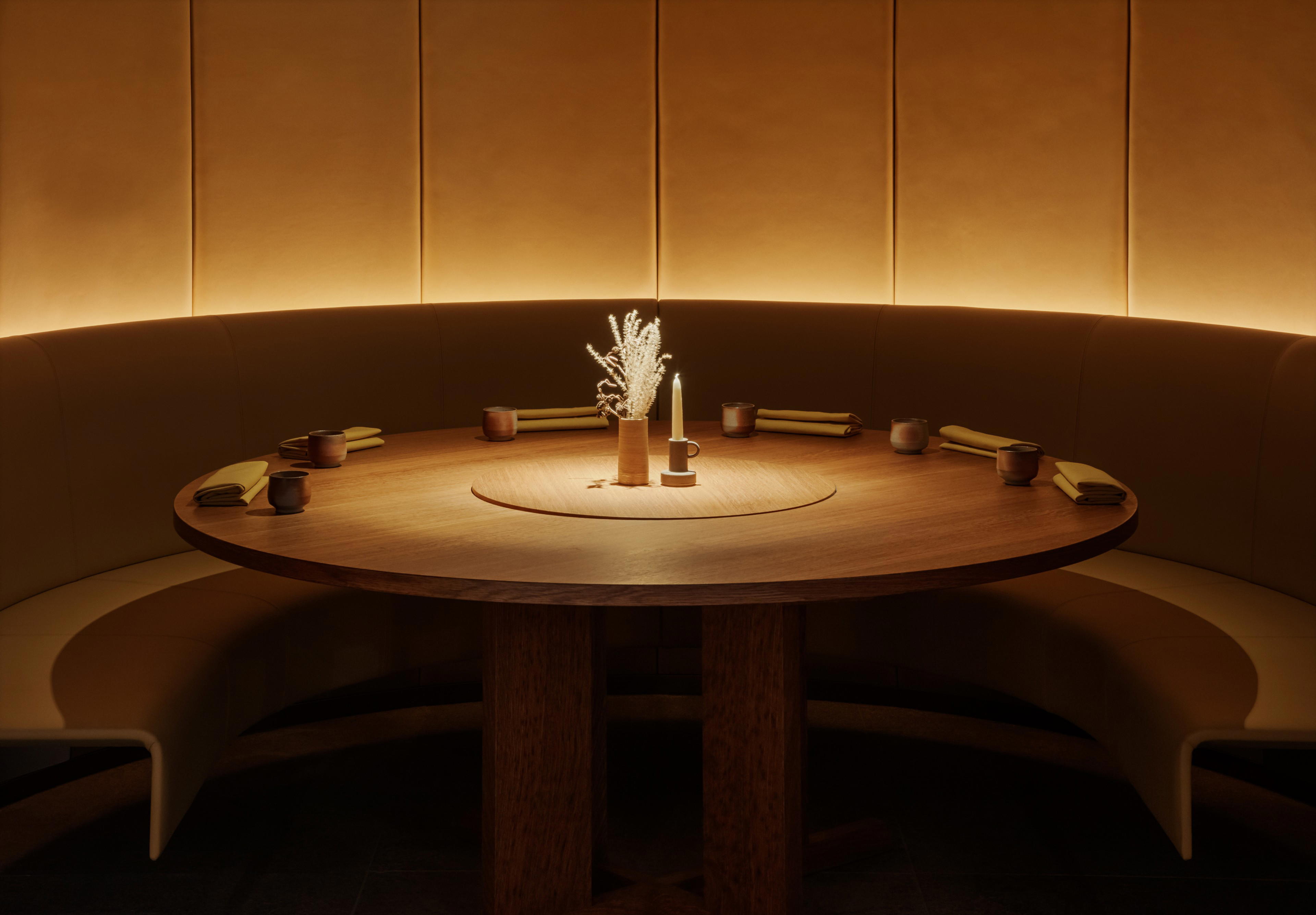
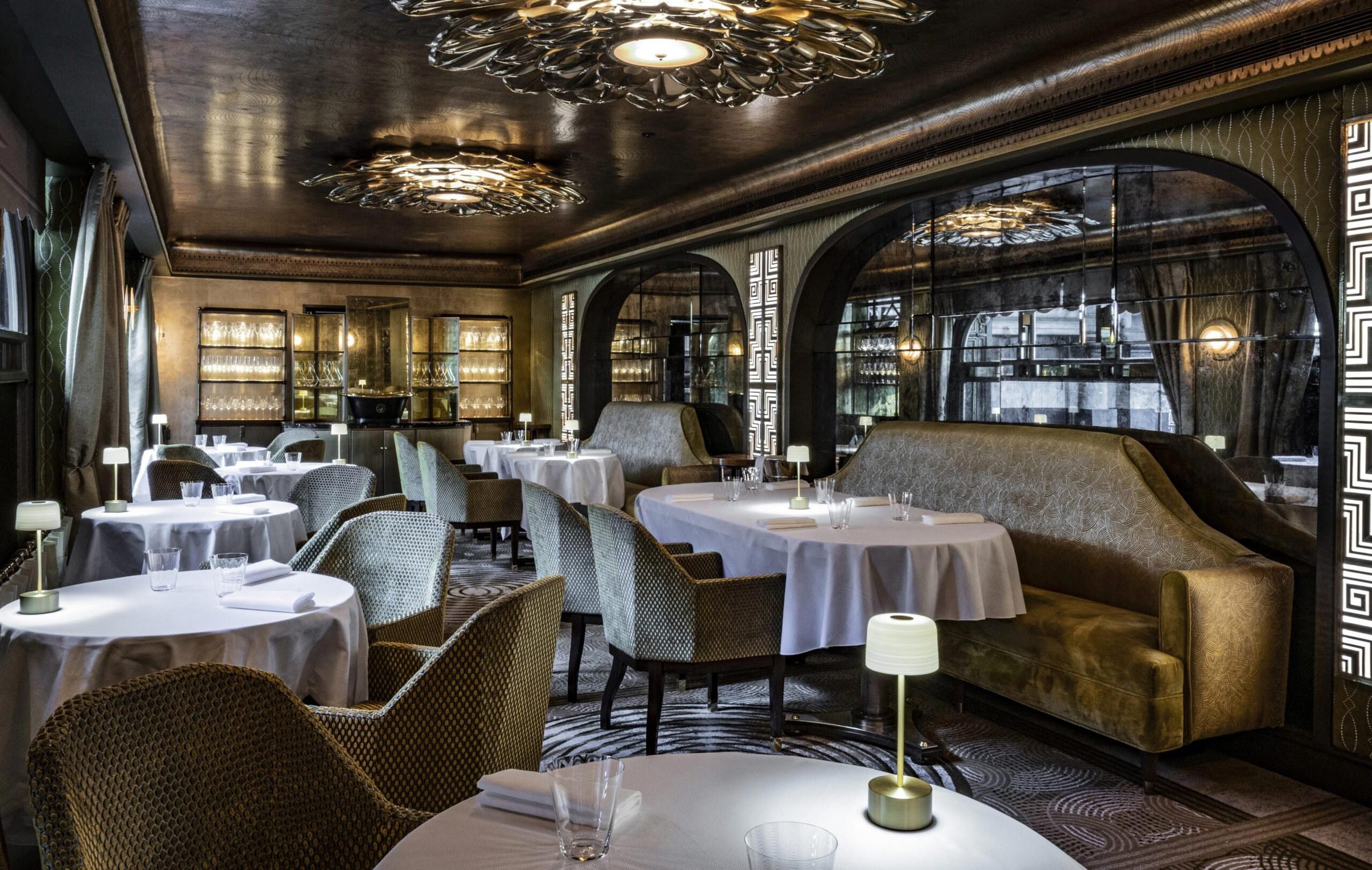
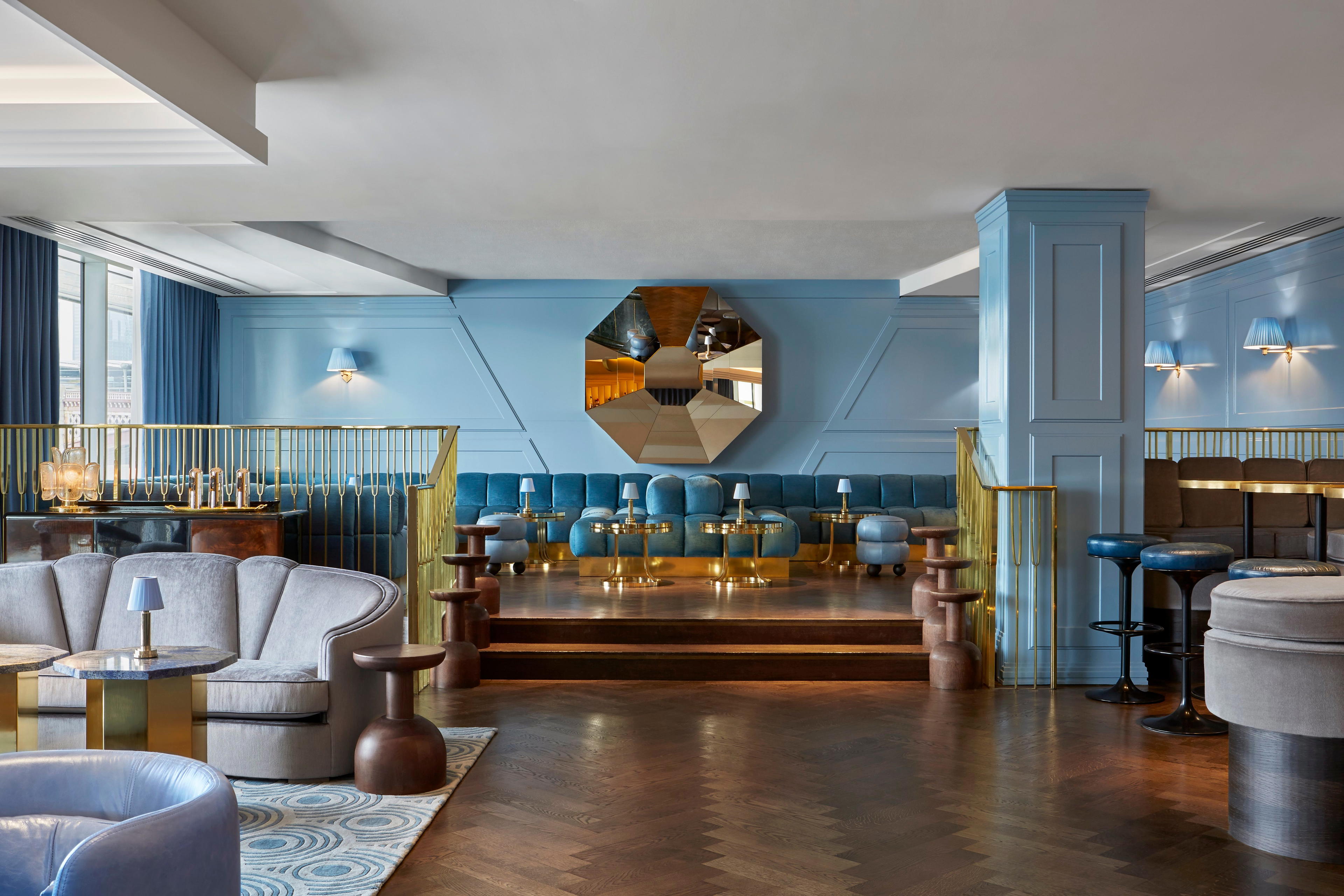
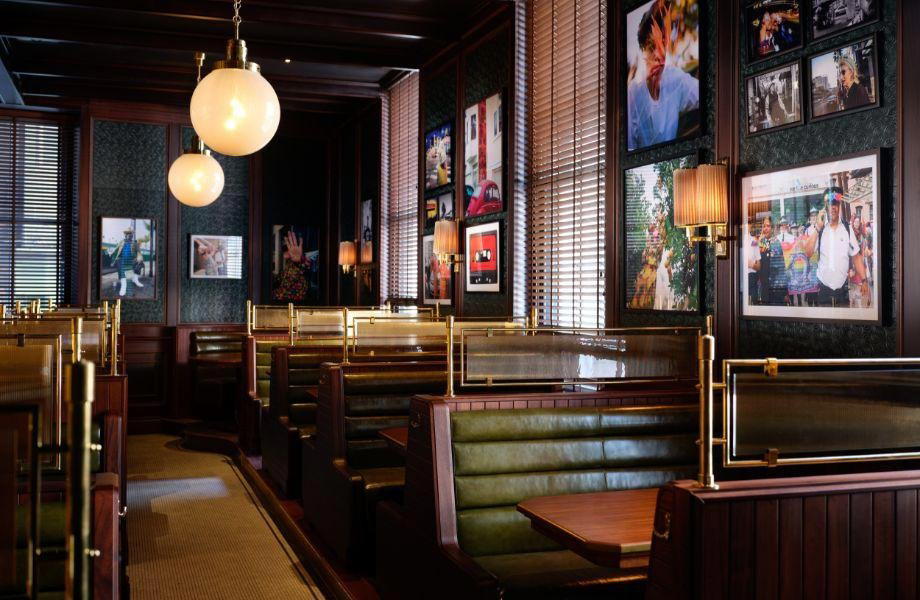
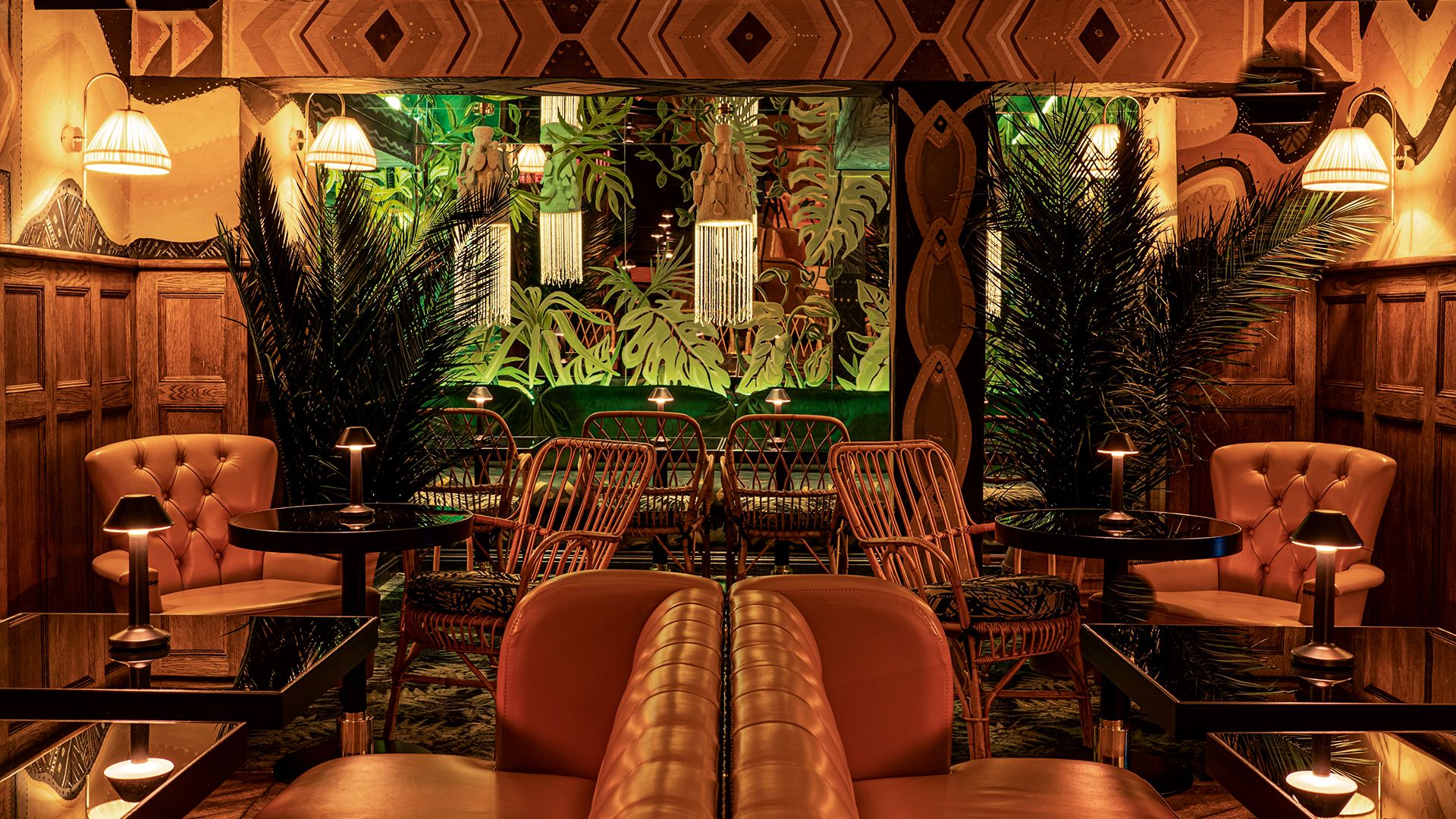
Relaxed and cozy atmosphere with a lively bar area upfront and a more mellow light-filled dining room featuring an open kitchen.