Darby's
Darby's occupies a considered position in Nine Elms, a neighbourhood still defining its post-regeneration dining identity. The restaurant operates within a broader London shift toward sourcing transparency and lower-waste kitchen practice, placing it in a cohort that treats sustainability as structural rather than decorative. For travellers mapping ethical dining across the capital, it warrants a close look alongside the city's more established names.
Pearl is the En Primeur Club membership app — saves, bookings, and concierge access live there. Same editors, same standards.
- Address
- 3 Viaduct Gdns, Nine Elms, London SW11 7AY, United Kingdom
- Phone
- +44 20 7537 3111
- Website
- darbys-london.com
- Directions
- Get directions
 Saves & bookings on Pearl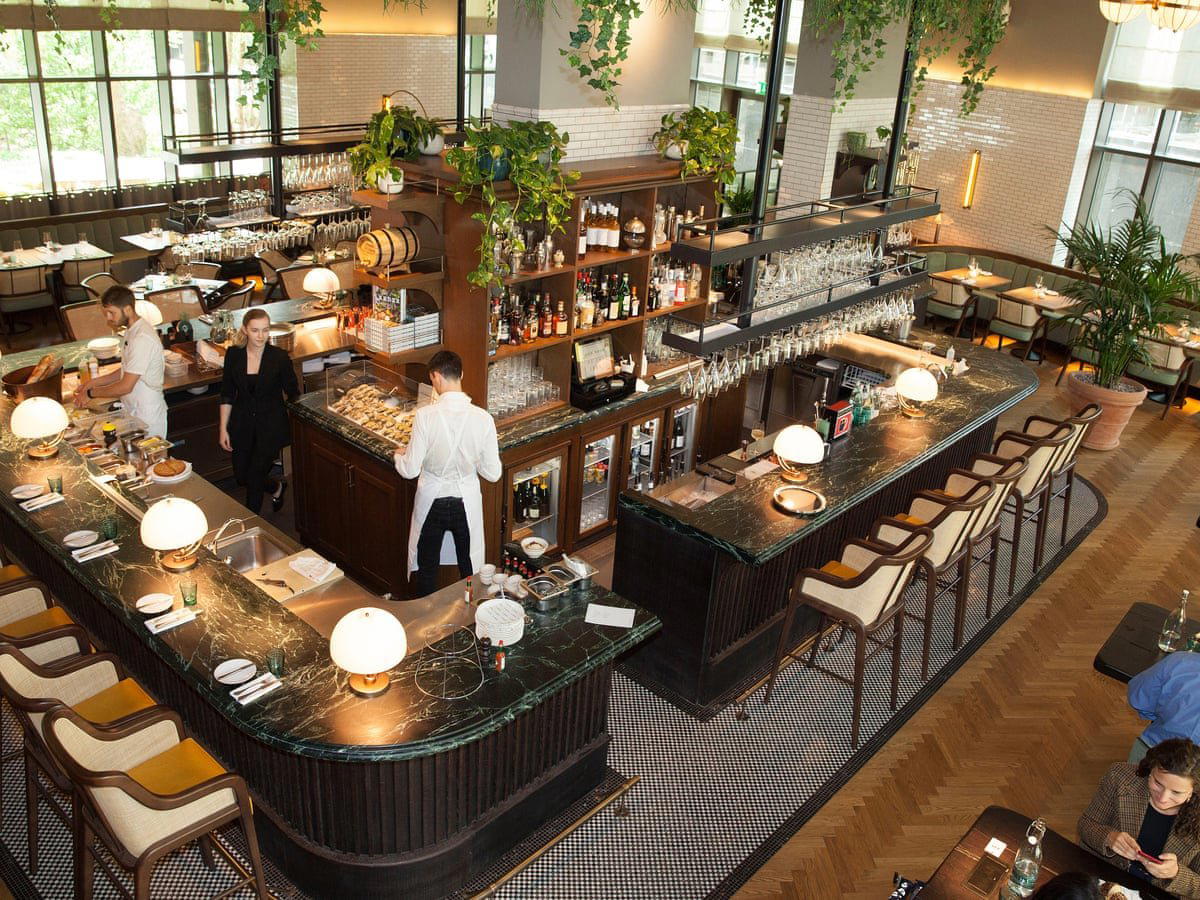
Nine Elms and the Ethics of the New London Table
Darby's is a restaurant in Nine Elms, London. For decades, serious dining clustered in Mayfair, Chelsea, and Notting Hill, with outliers in the City and Southwark. Nine Elms, the post-industrial corridor stretching between Vauxhall and Battersea, entered the conversation later, carried in part by the American Embassy relocation and the residential development wave that followed. The neighbourhood now hosts a younger, less formulaic dining culture than its older counterparts, and Darby's at 3 Viaduct Gardens sits within that emerging cohort.
What distinguishes the Nine Elms dining scene from, say, the Mayfair tier occupied by Restaurant Gordon Ramsay or Sketch, The Lecture Room and Library is precisely the absence of inherited prestige. Venues here have had to build credibility from the ground up, which has created space for approaches that older, more award-dependent addresses cannot easily adopt. Sustainability-led practice is one such approach, and in Nine Elms it functions less as a marketing posture and more as an operational baseline.
Sustainability as Structure, Not Decoration
Across London's serious restaurant tier, environmental responsibility has moved through several phases. The early phase involved token gestures: a compost bin, a note about British provenance on the menu header. The current phase, visible in a growing number of mid-to-upper-bracket rooms, treats waste reduction and ethical sourcing as load-bearing elements of the kitchen's design, not afterthoughts.
Darby's fits within this latter cohort. The broader pattern in this category involves close supplier relationships that reduce cold-chain distance, whole-animal or whole-vegetable butchery that minimises trim waste, and beverage programmes built around low-intervention producers whose vineyard practices align with the kitchen's stated values. These are not aesthetic choices. They affect cost structure, menu seasonality, and the kinds of dishes that are even possible to serve on a given week.
This places the restaurant in a different competitive frame from the three-Michelin-star houses that anchor London's international reputation. CORE by Clare Smyth and The Ledbury operate at a price point and institutional weight that sustainability-conscious newcomers rarely match on recognition, but the newer cohort often moves faster on supply chain ethics precisely because it has fewer legacy commitments. The comparison matters for readers deciding where their dinner spend leading reflects their values.
The British Context: Farm-to-Table With Actual Farms
British food culture has a complicated relationship with the provenance narrative. The farm-to-table language arrived from California and Scandinavia and was absorbed by London restaurants that sometimes had more interest in the phrase than in the supply chain it implies. The more credible version of this story involves named farms, seasonal constraints that actually change the menu, and a willingness to serve less glamorous cuts when those are what ethical sourcing produces.
The regional British dining scene has been more honest about this than London for some time. L'Enclume in Cartmel operates its own farm. Moor Hall in Aughton sources from a similarly tight geographic radius. Hand and Flowers in Marlow has built a two-Michelin-star identity around sourcing discipline that predates the current sustainability conversation by years. London venues that want credibility in this space are measured against those regional benchmarks, not just against each other.
The restaurant sits in that London group that is actively working toward the regional standard: closer supplier networks, menus that respond to seasonal availability rather than just seasonal marketing, and a kitchen philosophy oriented around reducing waste at source rather than managing it afterward. Whether that philosophy is fully realised in execution is the question that repeat visits and close observation answer over time.
Where Nine Elms Fits the Wider London Map
For visitors building a London dining itinerary, geography matters more than it once did. The concentration of serious addresses in West London, the Strand corridor, and the older City pockets remains strong. Dinner by Heston Blumenthal anchors the Knightsbridge end of the Modern British tradition, drawing on historical British recipes and the kind of institutional support a Mandarin Oriental address provides. Nine Elms operates without that infrastructure and is better for it in certain respects: the room is less reverential, the format less fixed.
Vauxhall station provides direct Victoria line access, and Battersea Power Station's new Northern line stop has reduced the area's long-standing transport friction considerably. For travellers staying in central London and looking to move beyond the expected postcode, Nine Elms is now genuinely accessible rather than aspirationally so.
Placing Darby's in the International Frame
London operates in a competitive set that includes Paris, New York, and Tokyo for serious dining tourism. Within the sustainability-led category, the comparison points are instructive. Le Bernardin in New York City represents a different tier: three Michelin stars and a sourcing programme built around seafood sustainability certifications that took years to construct. Atomix in New York City takes a different path, with Korean fine dining that treats seasonal Korean produce with the same rigour the Nordic movement applied to Scandinavian ingredients. Both represent what sustainability-as-structure looks like at the highest recognition tier.
The restaurant is not yet in that recognition bracket, and honest assessment requires saying so. What it represents is the earlier, more interesting phase of a venue building toward that standard in a neighbourhood that gives it room to move. The British venues that have made particularly convincing sustainability arguments over the longest period, including Gidleigh Park in Chagford and hide and fox in Saltwood, did so by operating with genuine geographic rootedness over time. That is the model that London's emerging ethical dining tier is working toward, and the restaurant is part of that conversation.
For travellers interested in tracking this development across the UK, The Fat Duck in Bray remains the reference point for what sustained innovation from a British base can produce over decades, which is a useful frame for assessing what the newer Nine Elms cohort is aiming at.
- beef and bone marrow pie
- shin and bone marrow pie
- dry-aged steaks
- oysters
- beef nuggets
- roast dinner
In Context: Similar Options
Comparable venues nearby, for context on price, style, and recognition.
| Venue | Cuisine | Price | Notes |
|---|---|---|---|
| Darby'sThis venue — the venue you are viewing | Modern British Steakhouse & Seafood | $$$ | Not listed |
| Blue Boar | British Gastropub | $$$ | Westminster |
| Lyle's | Modern British Fine Dining | $$$ | Shoreditch |
| Browns Grill Room | Classic British Grill | $$$ | Mayfair |
| Old Compton Brasserie | Modern British Brasserie | $$$ | Soho |
| Franklins | Seasonal British Gastropub | $$$ | East Dulwich |
Continue exploring
More in London
Restaurants in London
Browse all →
Bars in London
Browse all →
Hotels in London
Browse all →



At a Glance
- Sophisticated
- Lively
- Modern
- Elegant
- Date Night
- Business Dinner
- Group Dining
- Celebration
- Family
- Special Occasion
- Open Kitchen
- Live Music
- Standalone
- Extensive Wine List
- Craft Cocktails
- Sommelier Led
- Local Sourcing
Current opening hours
- Monday
- Closed
- Tuesday
- 12–10 PM
- Wednesday
- 12–10 PM
- Thursday
- 12–10 PM
- Friday
- 12–10 PM
- Saturday
- 12–10 PM
- Sunday
- 12–5 PM
Hours can change for holidays and private events. Last verified .
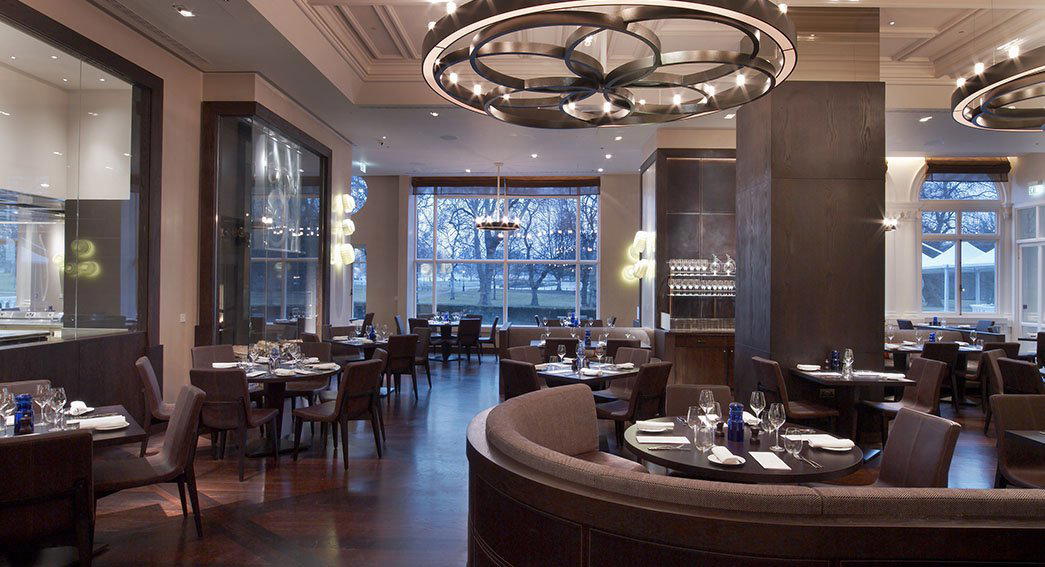
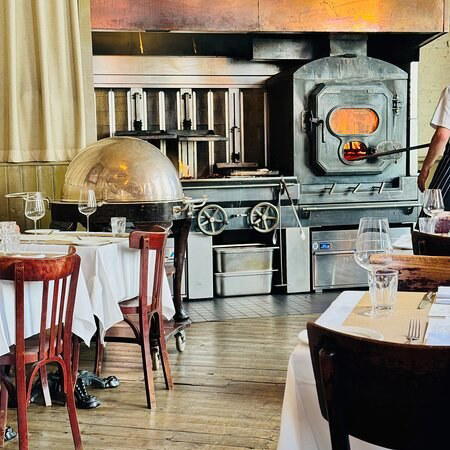
Modern industrial-chic dining room with open plan kitchen views, well-spaced tables, and live music on Sunday afternoons; sophisticated yet fun atmosphere with good lighting and contemporary design.