The Yellow Bittern

The Yellow Bittern belongs to the London dining conversation shaped by small rooms, tightly edited menus, and a renewed interest in produce-led cooking rather than spectacle. Its Caledonian Road address places it in the King’s Cross orbit, where independent restaurants now sit beside transport-hub density, office traffic, and destination dining.
Pearl is the En Primeur Club membership app — saves, bookings, and concierge access live there. Same editors, same standards.
- Address
- 20 Caledonian Road, London, N1 9DU, United Kingdom
- Phone
- 020 3342 2162
- Website
- theyellowbittern.com
- Directions
- Get directions
 Saves & bookings on Pearl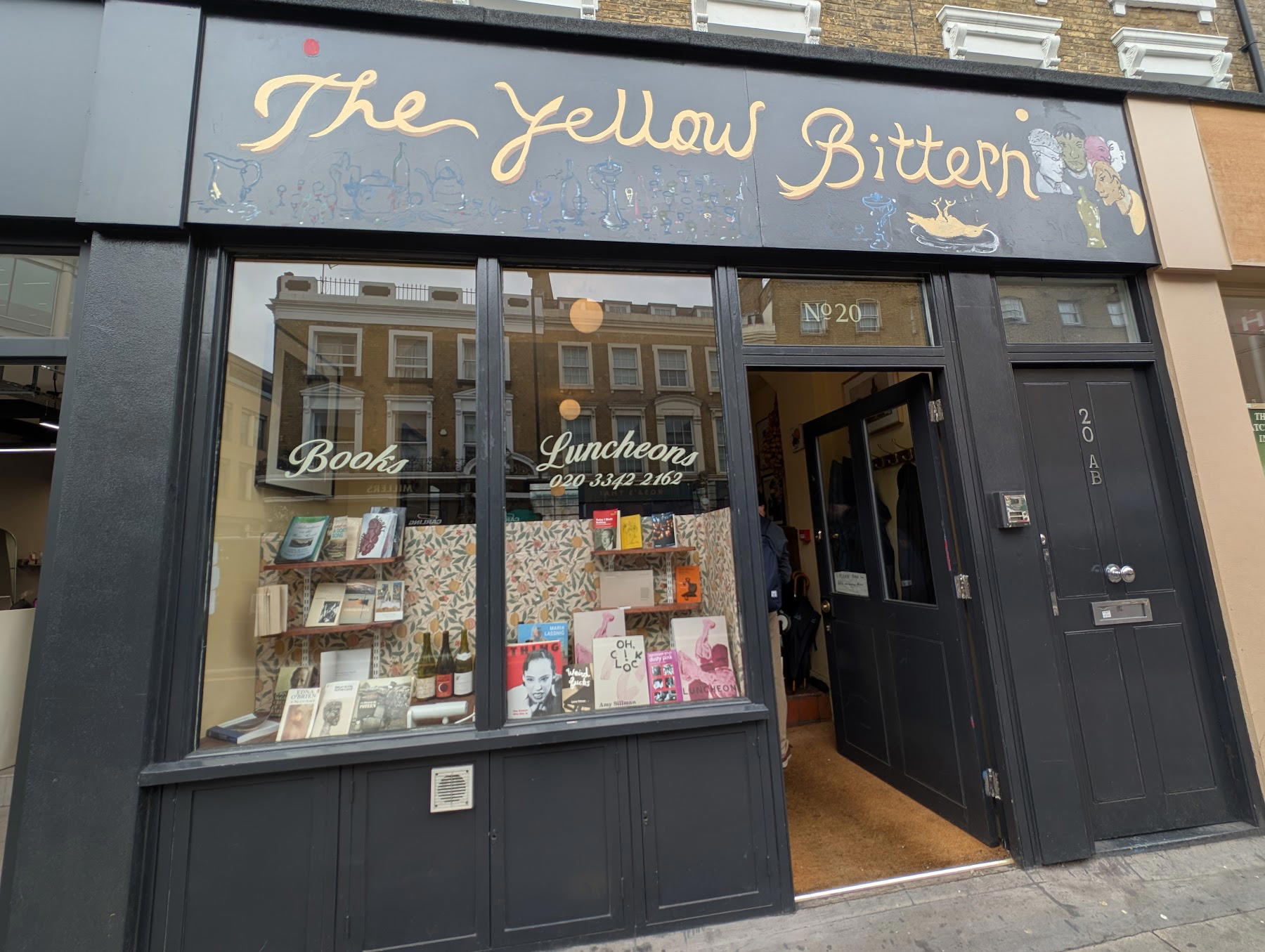
Caledonian Road gives restaurants a particular test: it is too practical to flatter a room by default, and too close to King’s Cross to hide from comparison with the city’s better-funded openings. The Yellow Bittern enters that setting as part of a London strain that prizes restraint, sourcing, and scale over theatrical dining-room machinery. In this part of the city, the sharper question is not how loudly a restaurant announces itself, but whether the cooking can justify attention in a neighbourhood where travellers, office diners, and local regulars all move through the same streets.
Produce-led London cooking without the tasting-menu machinery
London’s modern restaurant culture has split into two clear camps. One side builds around long-format menus, heavy staffing, and high ceremony. The other works with shorter runs, seasonal buying, and a room small enough for the menu to feel responsive rather than fixed months in advance. The Yellow Bittern sits closer to the second camp. With no public award trail or chef biography needed to prop up the case, the restaurant’s interest comes from format and location: a small independent address in a city increasingly defined by expensive fit-outs and reservation-led hype.
Ingredient sourcing matters more in this category than in almost any other. A short menu exposes weak buying fast; there is less room for garnish, luxury signalling, or elaborate technique to conceal ordinary produce. London has become more confident with this kind of cooking, drawing on British vegetables, fish, game, dairy, and bakery culture while keeping enough European discipline to avoid nostalgia. The stronger versions do not try to reproduce a country-house ideal in the city. They treat seasonality as an editing principle: fewer components, cleaner decisions, and a plate that tells the diner what the kitchen valued that day.
That is the useful lens for reading The Yellow Bittern. It belongs to the same wider London conversation as compact modern-European rooms and ingredient-first neighbourhood restaurants, but the appeal is not a single named dish or a public trophy cabinet. It is the possibility of a meal where buying, portioning, and timing carry the argument. For a broader scan of the city’s dining range, see the London restaurants guide, with nearby category reference points across the capital including 10 Greek Street, 104, 101 Pimlico Road, 116 at The Athenaeum, and 081 Pizzeria Peckham.
Why the Caledonian Road setting matters
King’s Cross has changed the economics around this address. The station district can absorb polished hotel restaurants, corporate entertaining rooms, and casual concepts designed for volume. Caledonian Road runs differently. Its dining rooms have to feel useful to Londoners as well as legible to visitors, which makes overproduction risky. A restaurant here benefits from proximity to one of the city’s major transport nodes, but it also faces a diner who may be eating before a train, after work, or as part of a planned evening rather than a leisurely destination crawl.
That tension gives the restaurant its editorial relevance. It is not being judged as a resort restaurant, a grand hotel dining room, or a special-occasion temple. It is being judged against the London expectation that a small restaurant should know what it is for. In a city where rent pressure often pushes independents toward either luxury pricing or high turnover, a produce-led room has to be precise: the menu needs enough focus to feel seasonal, enough generosity to avoid preciousness, and enough confidence not to explain every choice.
Readers mapping a fuller London trip can pair the restaurant search with the city’s adjacent hospitality guides: London hotels, London bars, London wineries, and London experiences. For a wider UK lens beyond the capital, compare regional coverage through ‘Seasgair’ by Michel Roux Jr in Fort William, “8” By Andrew Sheridan in Liverpool, 1 York Place in Bristol, 10 Tib Lane in Manchester, 11th and Social in Norwich, and 1215 in Egham. Internationally, the contrast with tighter Japanese-leaning formats such as Jōdo Saké Bar in Los Angeles and Onigiri Time in Pasadena shows how small-format dining can read differently when the organising principle is drink, rice, or produce.
Who should put it on the London list
The restaurant makes sense for diners interested in the current London shift away from maximalist restaurant language and toward shorter, sharper meals built around buying decisions. It is a stronger fit for adults who follow ingredient seasonality and independent dining than for anyone seeking a heavily signposted occasion restaurant. Here, the signal is address, format, and the broader city movement toward small restaurants that let sourcing carry the weight.
Comparable Venues Nearby
Comparable venues nearby, for context on price, style, and recognition.
| Venue | Cuisine | Price | Notes |
|---|---|---|---|
| The Yellow BitternThis venue — the venue you are viewing | Irish-influenced British set-menu lunch | $$$ | Not listed |
| The Refinery Citypoint | Modern British Gastropub | $$$ | Barbican |
| The Ladbroke Arms | Modern British Gastropub | $$$ | Notting Hill |
| Cafe Royal Ten Room Brasserie | Classic British Brasserie | $$$ | Piccadilly Circus |
| Old Compton Brasserie | Modern British Brasserie | $$$ | Soho |
| Caravel | Seasonal British Bistro | $$$ | Islington |
Recognition history
Dated appearances from independent guides and award organizations, with the underlying list record or original source where available.
Opinionated About Dining Newly Added European Restaurants
Opinionated About Dining
Opinionated About Dining Casual in Europe Recommended
Opinionated About Dining
Continue exploring
More in London
Restaurants in London
Browse all →
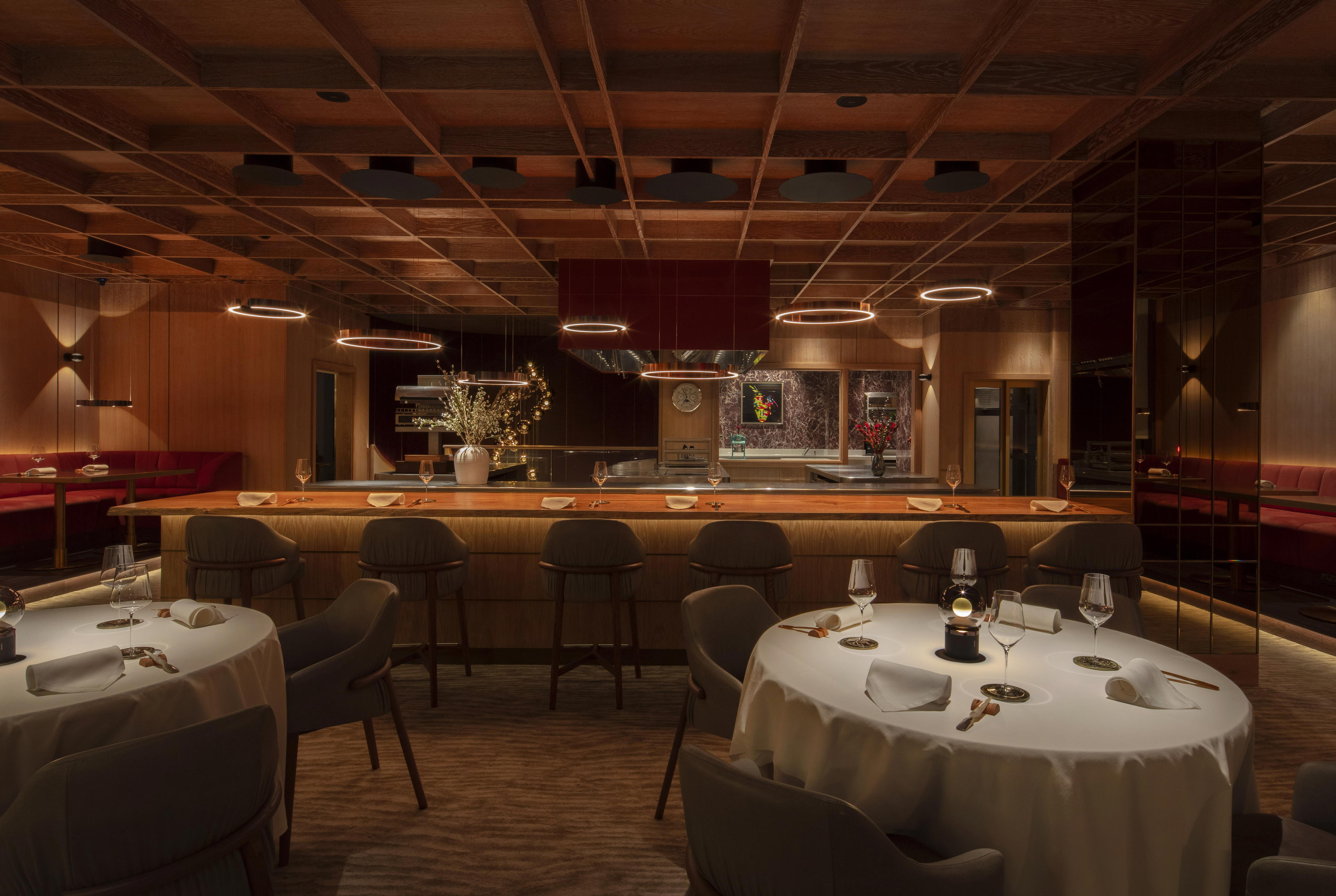
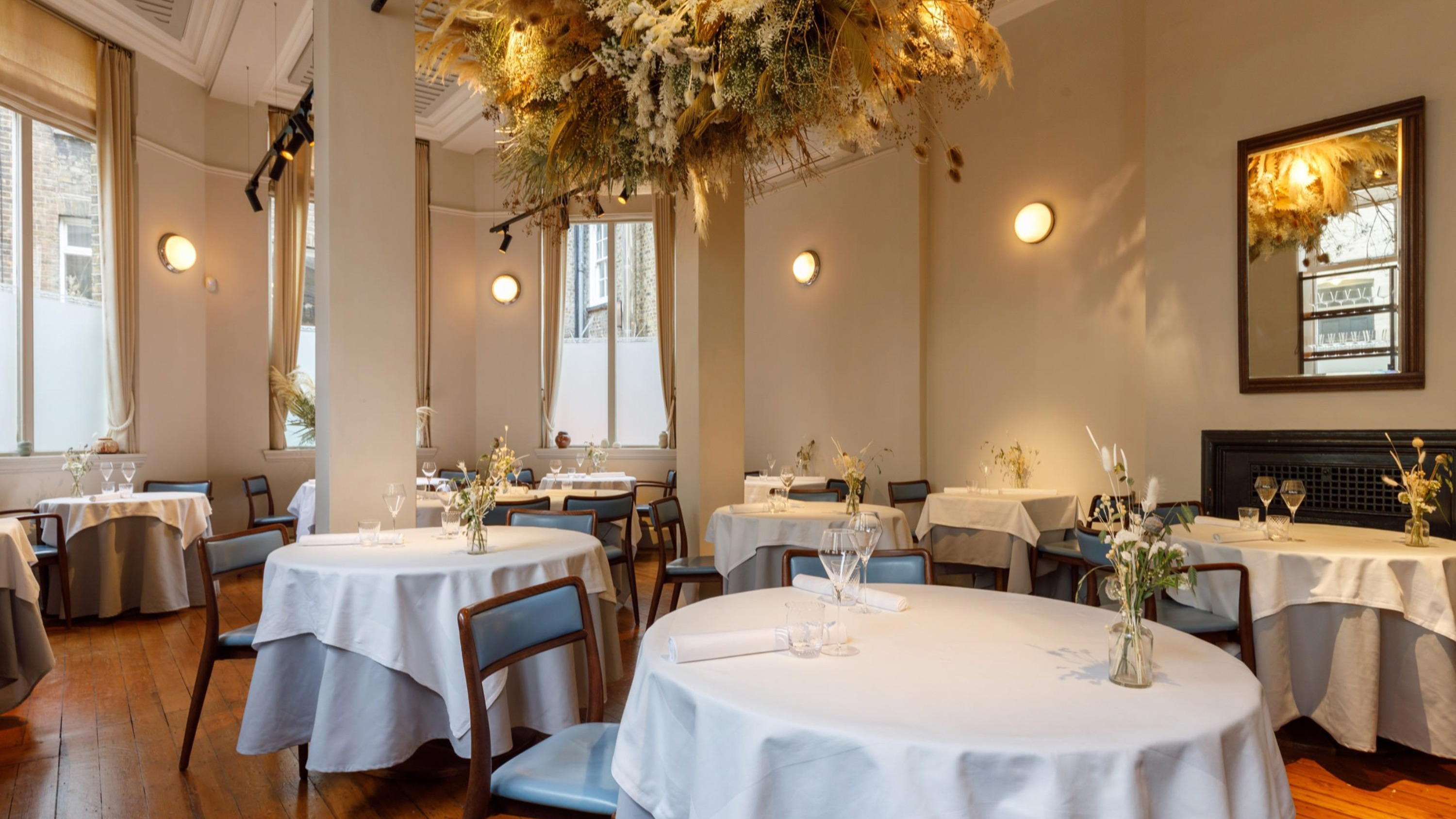
Bars in London
Browse all →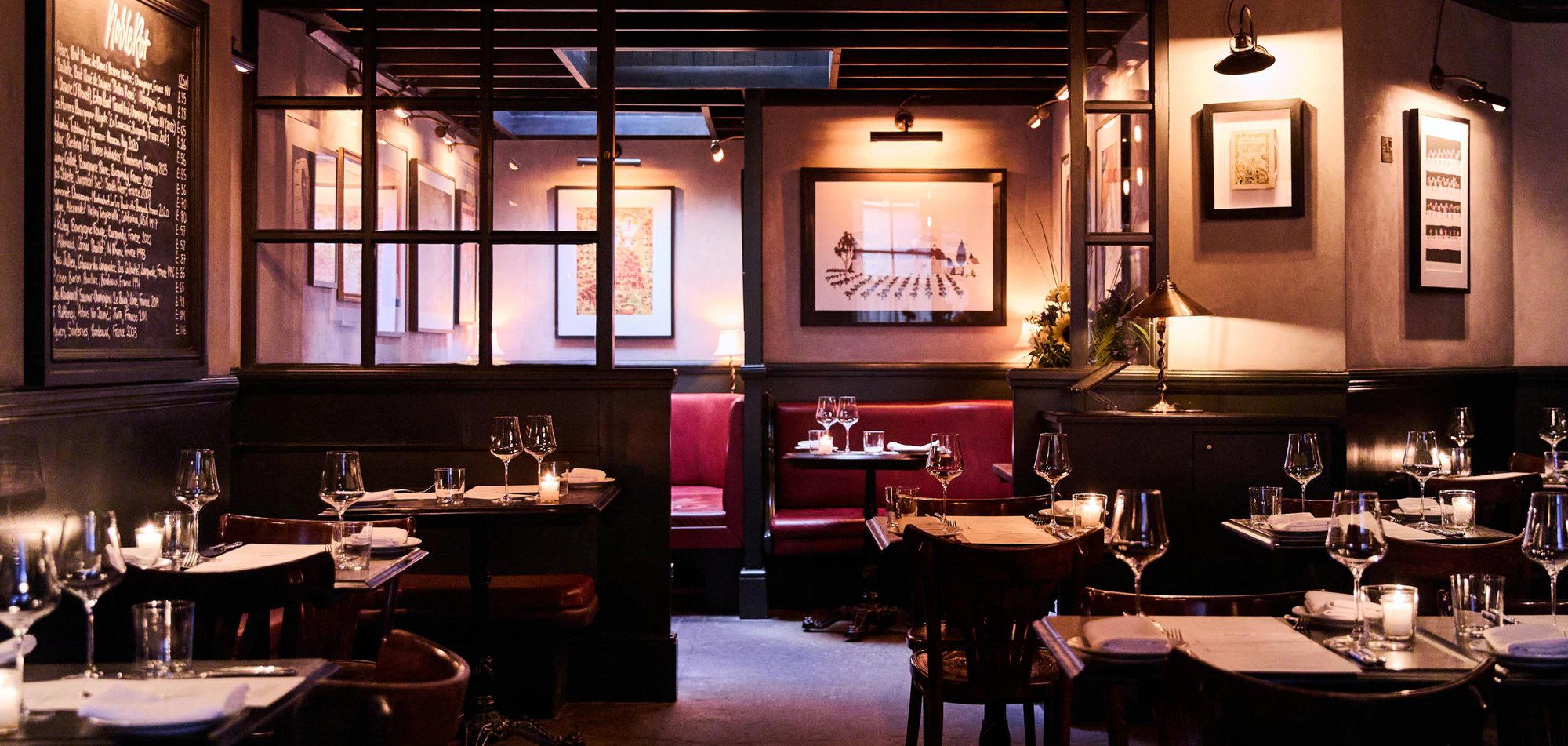
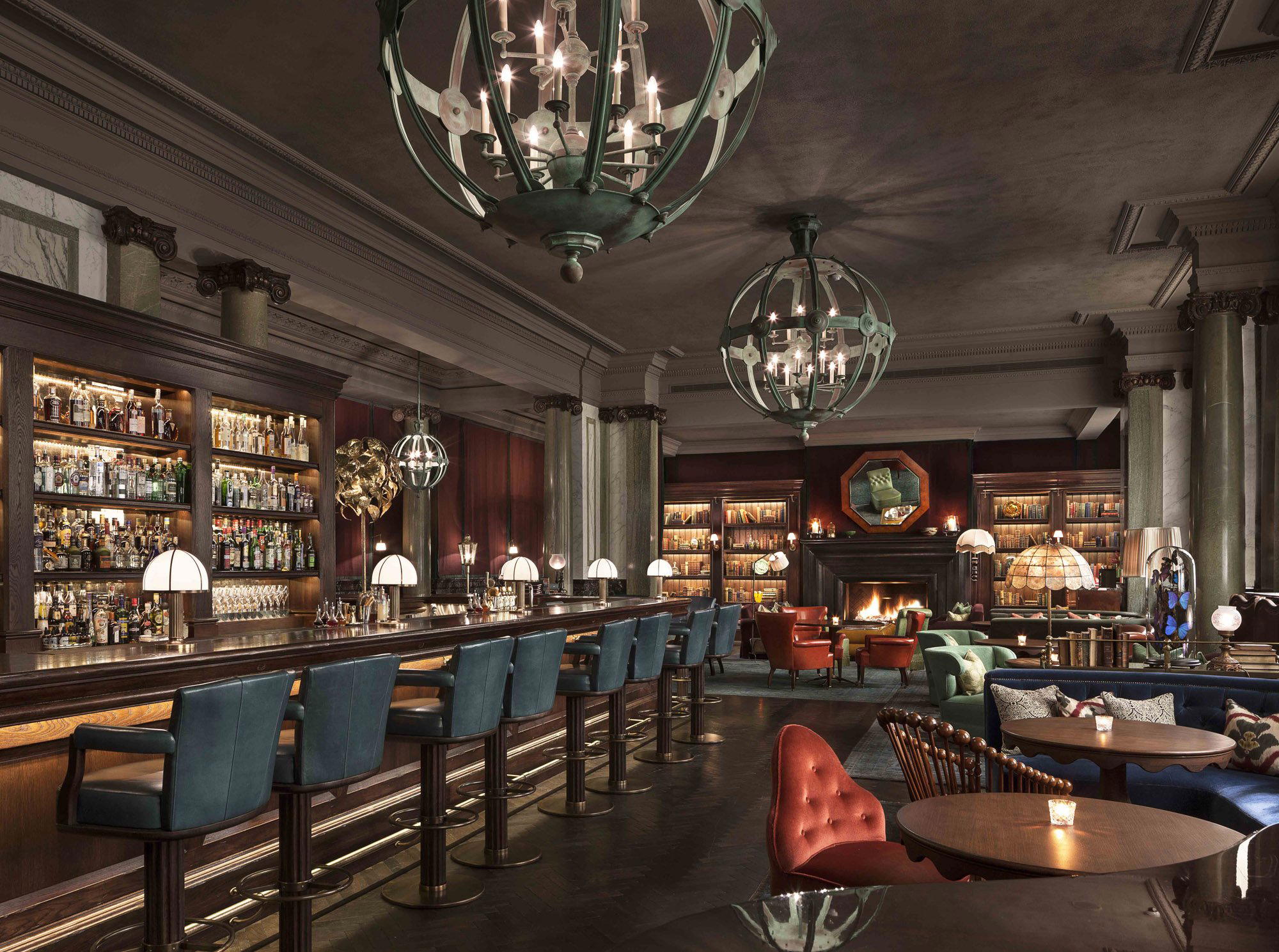
Hotels in London
Browse all →


At a Glance
- Cozy
- Classic
- Intimate
- Special Occasion
- Date Night
- After Work
- Solo
- Wine Cellar
- Design Destination
- Standalone
- Extensive Wine List
- Sommelier Led
- Local Sourcing
The dining room is small and warmly appointed, evoking an old-fashioned, bookish London lunch spot with steamed-up windows, closely spaced tables, and an unhurried, wine-soaked atmosphere that encourages lingering into the afternoon.