Farm Shop Mayfair
Farm Shop Mayfair on South Audley Street sits within one of London's most concentrated pockets of high-end food retail, where the format of farm-to-counter provenance has taken on a distinctly metropolitan character. The address places it alongside Mayfair's broader shift toward sourcing transparency as a premium signal. Useful for understanding how the neighbourhood's food retail tier operates.
Pearl is the En Primeur Club membership app — saves, bookings, and concierge access live there. Same editors, same standards.
- Address
- 64 S Audley St, London W1K 2QT, United Kingdom
- Phone
- +442039543640
- Website
- dursladefarmshop.co.uk
- Directions
- Get directions
 Saves & bookings on Pearl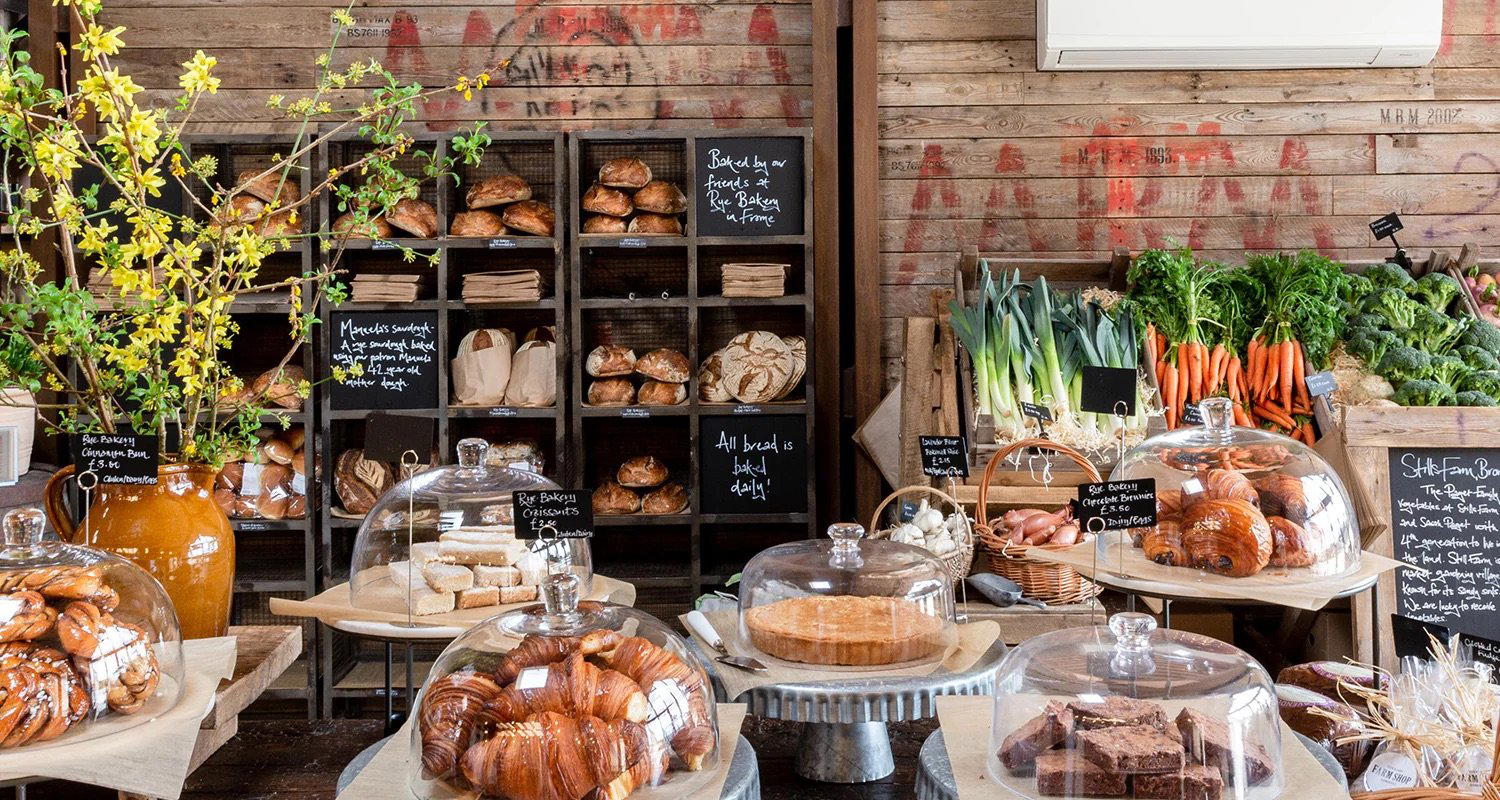
Where Mayfair's Appetite for Provenance Became a Retail Format
South Audley Street has spent decades occupying an unusual position in London's food geography: too residential in character for the tourist circuits of Bond Street, too affluent in its resident base to tolerate the ordinary. The stretch running south from Grosvenor Square carries a mix of specialist food merchants, private members' infrastructure, and the kind of discreet retail that assumes its clientele already knows what it wants. Farm Shop Mayfair at number 64 fits that pattern precisely. It is part of a broader shift across central London, and particularly across W1, in which provenance-led food retail moved from niche interest to mainstream expectation among higher-income urban consumers.
The British farm shop tradition developed largely outside cities: estate-attached outlets, post-farm-gate sales, and rural delis that gave direct-supply rhetoric a physical form. Translating that model into a Mayfair postcode required stripping the format of its rusticity while retaining its central promise, that the supply chain between land and counter is shorter, and more legible, than in a conventional supermarket. London has seen this translation happen across several neighbourhoods in the past decade, but Mayfair's version carries a specific premium register that aligns it with a comparable set of high-specification food retailers rather than with casual farm-gate operators.
The Ritual of Buying Well: How Provenance Retail Shapes the Visit
One of the things that distinguishes sourcing-focused food retail from general grocery is the particular kind of attention it asks of the customer. The interaction is closer to the customs of a good fishmonger or a wine merchant than to a supermarket run: you are expected to ask questions, to have preferences, to treat the transaction as a small act of deliberate choice. That rhythm, unhurried, information-forward, reliant on the counter staff knowing more than the customer about the specifics of the product, is the dining ritual equivalent of a tasting menu in which the kitchen does the thinking and the guest brings the curiosity.
In Mayfair's food retail context, this ritual has a particular social texture. The neighbourhood's permanent resident base includes a high proportion of buyers who already have relationships with specialist suppliers: private chefs sourcing for household accounts, food-literate residents returning from time abroad, and a younger professional cohort for whom provenance literacy has become a baseline expectation rather than a distinguishing preference. Farm Shop Mayfair addresses that customer without having to explain itself at length. The address does part of the work, but the format has to deliver on the implied contract.
Across the broader London dining conversation, this kind of deliberate sourcing has filtered upward into the tasting-menu tier. Restaurants like CORE by Clare Smyth and The Ledbury have made British agricultural supply chains a structural feature of their menus, not simply a marketing note. Dinner by Heston Blumenthal and Sketch, The Lecture Room and Library approach provenance differently but share the underlying assumption that where ingredients come from is a legitimate subject of table conversation. The retail tier feeds that culture in a literal sense: customers who buy at this level tend to eat at that level, and the two reinforce each other's expectations.
Mayfair's Food Retail Tier in Context
London's premium food retail has consolidated around a handful of geographical clusters. Marylebone's high street carries a density of specialist operators. Chelsea's King's Road still anchors a food-literate residential catchment. But Mayfair operates differently from both: its retail food offer is sparser, more selective, and priced against a resident base whose discretionary food spend sits at a different threshold. Farm Shop Mayfair occupies a specific gap in that structure, the gap between the general-luxury grocery model (Harrods Food Hall, Selfridges Food Hall) and the single-category specialist (the cheesemonger, the wine merchant, the butcher).
The farm shop format, when executed at this address and this tier, asks to be judged against both alternatives. Against the general luxury grocer, it offers specificity of sourcing and a less overwhelming edit. Against the single-category specialist, it offers range. Neither comparison is straightforwardly flattering, but neither is it a disadvantage, the format occupies genuinely different territory, and Mayfair has room for it.
For context on how the broader British fine-dining conversation about sourcing has developed beyond London, it is useful to look at operators who have made British provenance central to their identity at the highest level: L'Enclume in Cartmel, Moor Hall in Aughton, and Gidleigh Park in Chagford have each built programmes around regional agricultural identity. Waterside Inn in Bray and Hand and Flowers in Marlow anchor Thames Valley sourcing in different registers. Further afield, Ynyshir Hall in Machynlleth, Restaurant Andrew Fairlie in Auchterarder, Opheem in Birmingham, Midsummer House in Cambridge, and hide and fox in Saltwood each demonstrate how regional sourcing identity functions across different cuisines and formats. The retail tier in Mayfair exists in conversation with this broader movement, even if the direct relationship is not always made explicit.
Internationally, the sourcing-forward model has taken distinct forms: Le Bernardin in New York City built its identity around supply-chain precision for seafood, while Lazy Bear in San Francisco constructed a communal dining format around seasonal California produce. The British farm shop, at its most developed, shares the underlying premise, that knowing the origin of what you eat changes both the experience and the obligation.
Planning Your Visit
The restaurant is located at 64 South Audley Street, London W1K 2QT, a five-minute walk from the Bond Street and Marble Arch Underground stations. The Mayfair address places it within easy reach of the neighbourhood's broader food and dining circuit. It is recommended to reserve ahead, and the restaurant is open Monday to Saturday from 8 AM to 8 PM and Sunday from 10 AM to 4 PM.
Address: 64 South Audley Street, London W1K 2QT
Cuisine-First Comparison
Comparable venues nearby, for context on price, style, and recognition.
| Venue | Cuisine | Price | Notes |
|---|---|---|---|
| Farm Shop MayfairThis venue — the venue you are viewing | Farm-to-Table British Small Plates | $$$ | Not listed |
| St John. Marylebone | Modern British Nose-to-Tail | $$$ | Marylebone |
| The Clink Restaurant Brixton | Modern British Fine Dining | $$$ | Clapham |
| Browns Grill Room | Classic British Grill | $$$ | Mayfair |
| Harvey Nichols | British Cafe | $$$ | Belgravia |
| Old Compton Brasserie | Modern British Brasserie | $$$ | Soho |
Continue exploring
More in London
Restaurants in London
Browse all →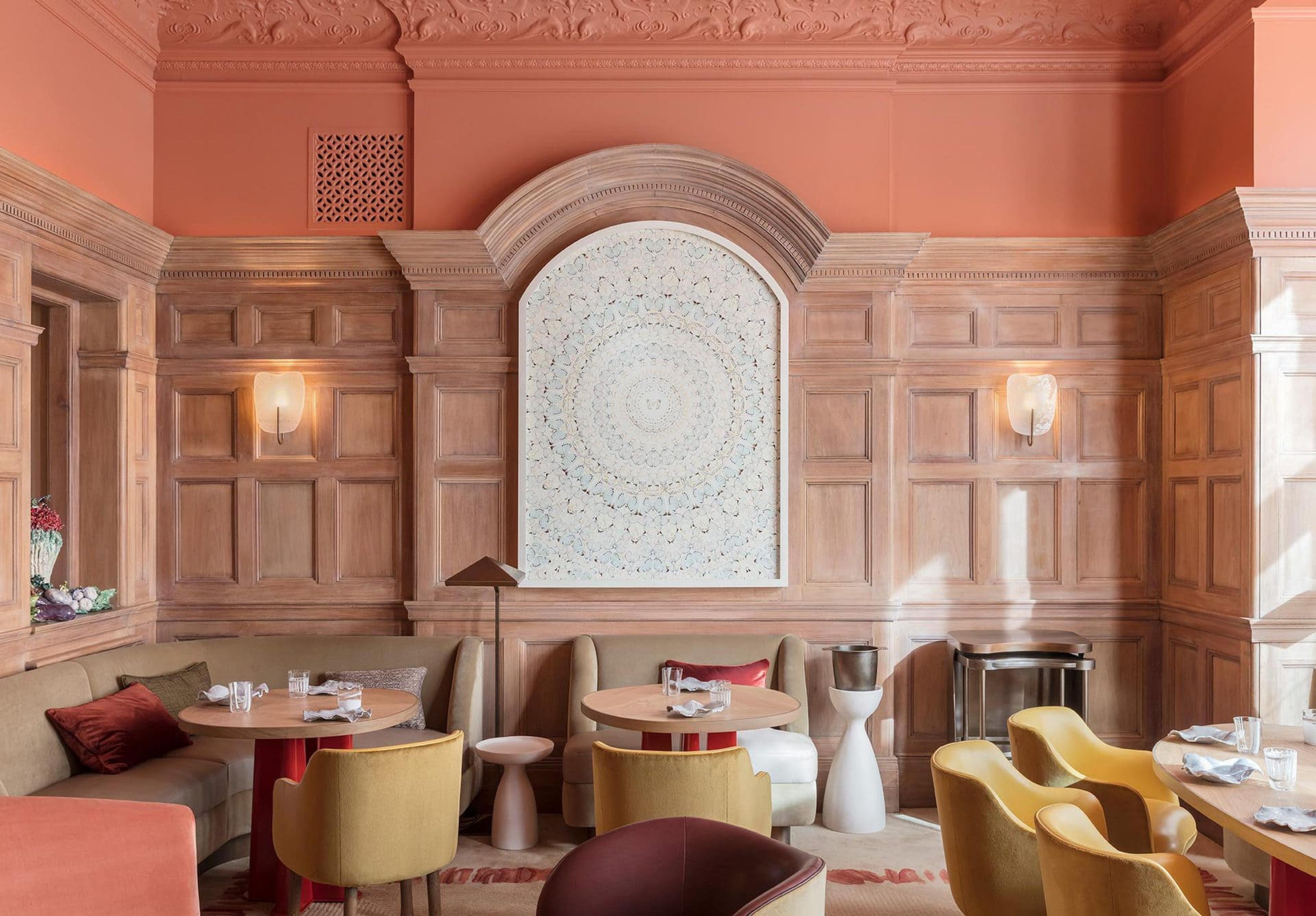
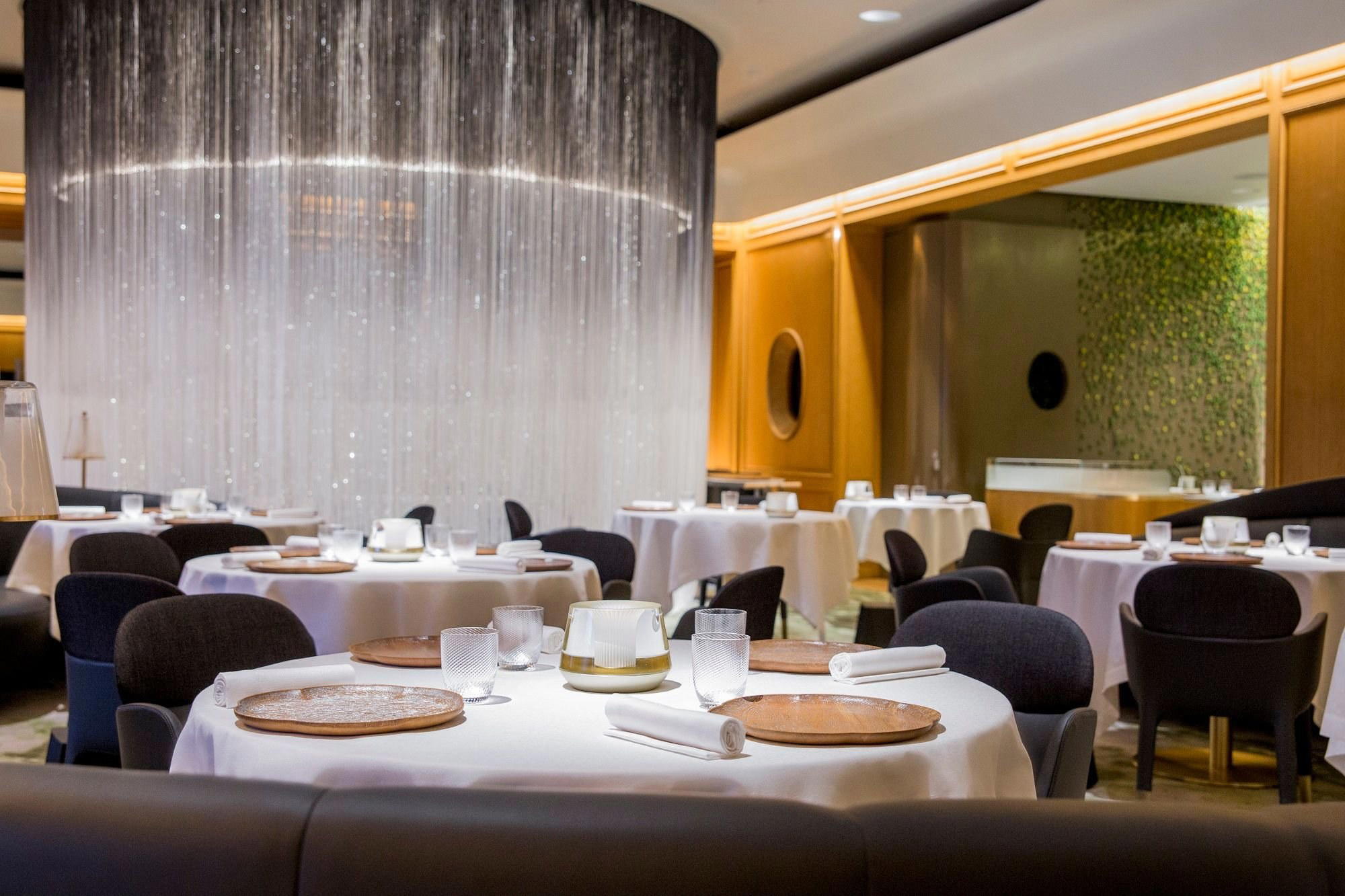
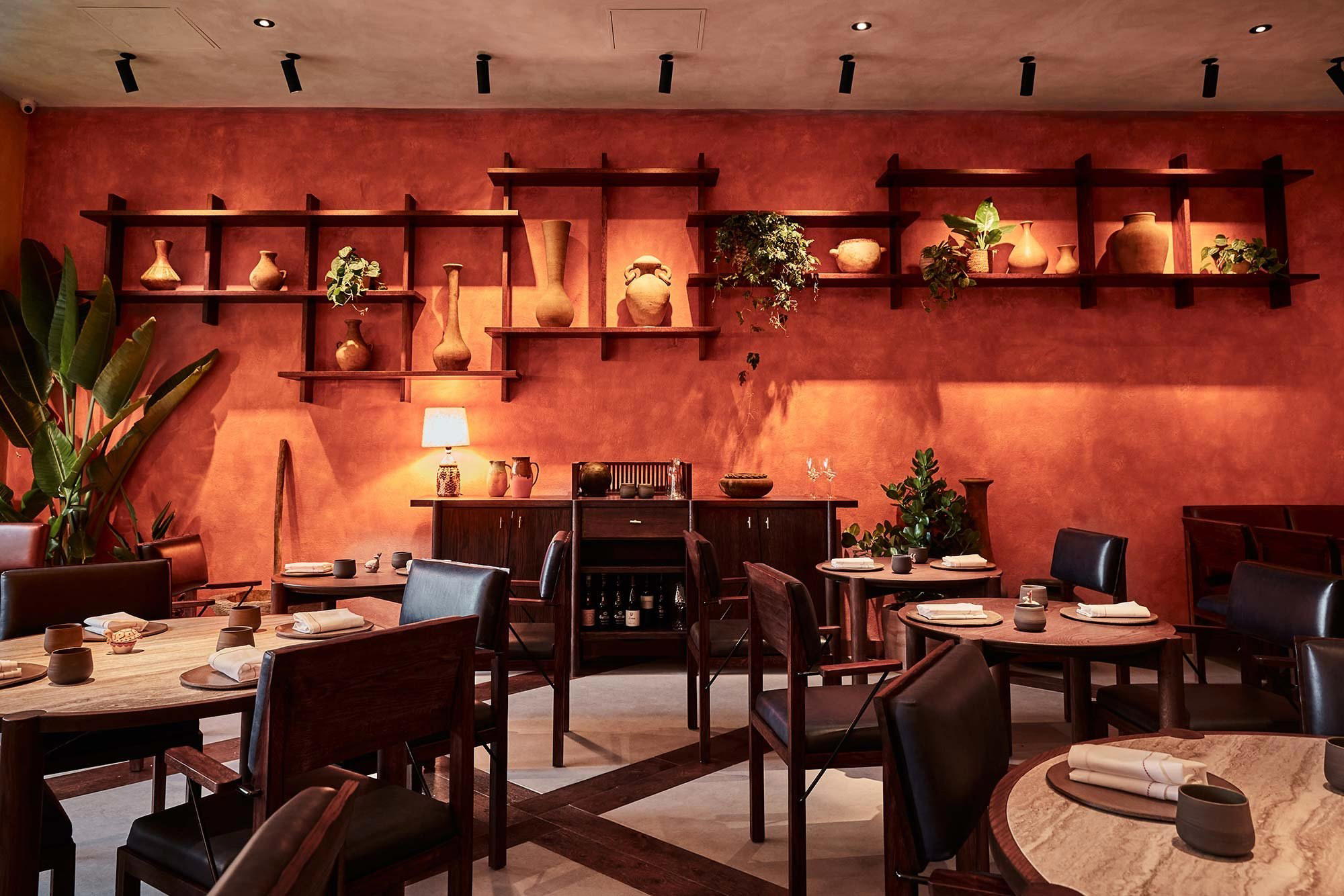
Bars in London
Browse all →
Hotels in London
Browse all →

At a Glance
- Rustic
- Cozy
- Elegant
- Casual Hangout
- Date Night
- Extensive Wine List
- Farm To Table
- Local Sourcing
Current opening hours
- Monday
- 8 AM–8 PM
- Tuesday
- 8 AM–8 PM
- Wednesday
- 8 AM–8 PM
- Thursday
- 8 AM–8 PM
- Friday
- 8 AM–8 PM
- Saturday
- 8 AM–8 PM
- Sunday
- 10 AM–4 PM
Hours can change for holidays and private events. Last verified .
Chilled, cosy, and relaxed with candlelit lighting creating an intimate oasis in Mayfair.