Fra&Kat
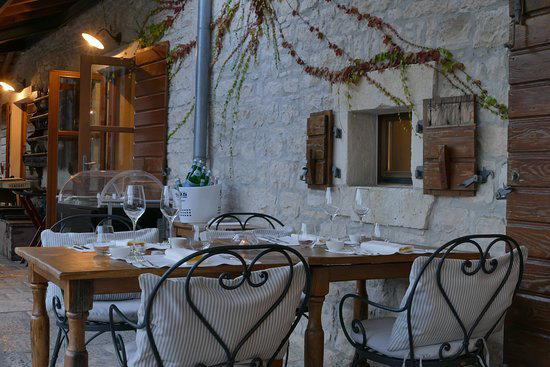
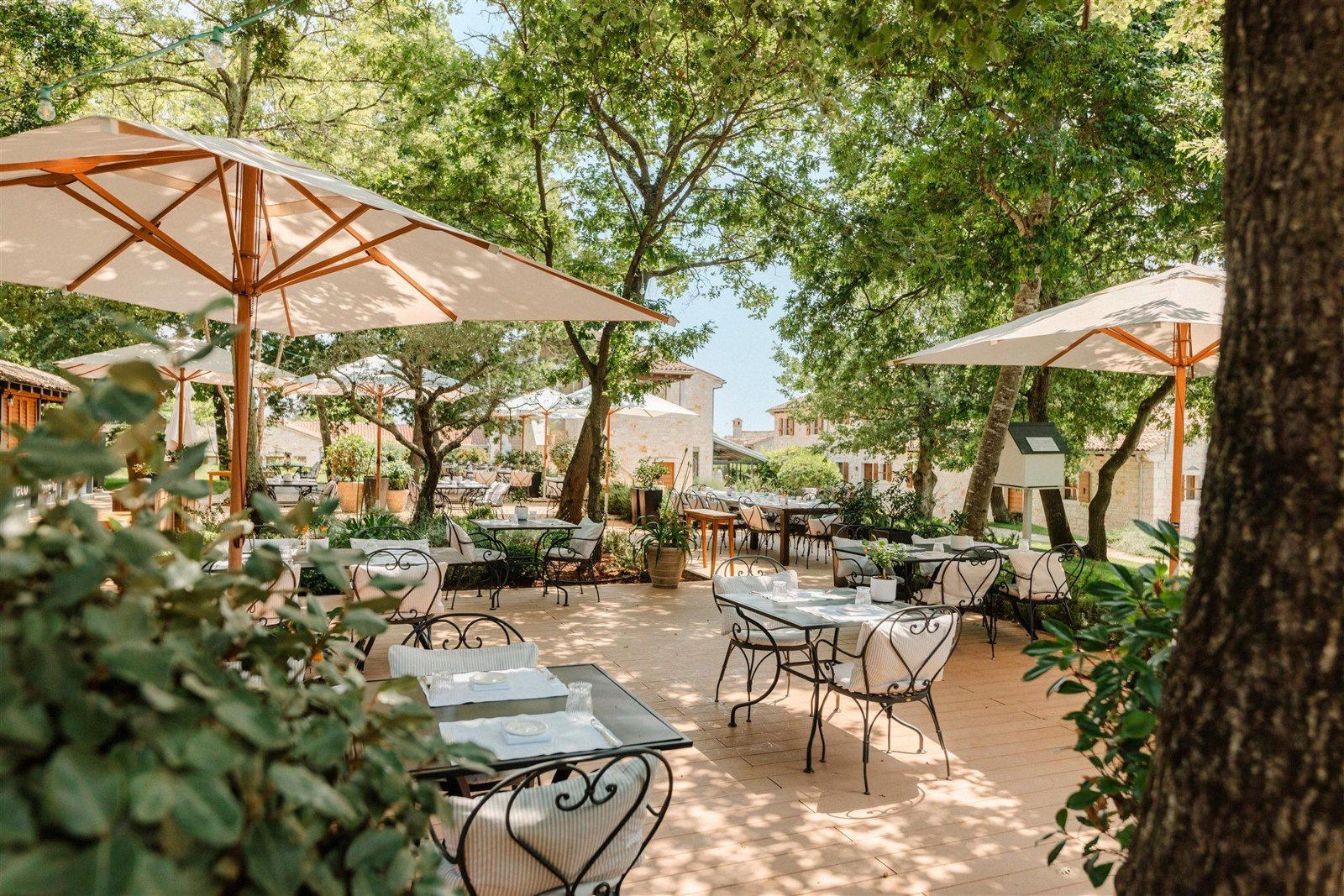
Fra&Kat sits at the southern tip of Istria in Premantura, a village where the Kamenjak peninsula's limestone scrubland meets the Adriatic. The kitchen draws on the deep larder of Istrian ingredients, wild herbs, local catch, and the peninsula's seasonal produce, in a setting that rewards the kind of traveller who drives past the obvious stops. For those tracing serious regional cooking beyond Rovinj and Pula, it belongs on the itinerary.
Pearl is the En Primeur Club membership app — saves, bookings, and concierge access live there. Same editors, same standards.
- Address
- Selo-Varoš 42, 52100, Premantura, Croatia
- Phone
- +38552575373
- Website
- epula.info
- Directions
- Get directions
 Saves & bookings on Pearl
At the End of the Peninsula
Premantura occupies the last few kilometres of the Istrian peninsula before the land gives way to the protected capes of Kamenjak. Arriving here feels deliberate: the village sits beyond the main tourist circuits of Pula and Rovinj, accessed by a road that narrows as the karst scrubland closes in on either side. Fra&Kat, at Selo-Varoš 42, is positioned within that geography. That context matters when assessing what kind of restaurant it is, and what kind of cooking it practises.
The southern Istrian coastline has produced a distinct culinary character shaped by the same forces that shaped its geology: limestone soil, Adriatic exposure, and centuries of Venetian and Austro-Hungarian layering. Villages like Premantura represent the unconstructed version of that tradition, where the supply chain is short by necessity rather than by marketing strategy. The distance from urban distribution networks means that kitchens here tend to work with what the sea, the land, and the season actually provide, a constraint that, in the right hands, produces cooking of considerable specificity.
What the Istrian Larder Provides
Understanding Fra&Kat; requires understanding the ingredient geography of southern Istria. The peninsula's waters yield fish and shellfish that reach fewer middlemen than in coastal resorts further north. The land behind Premantura, particularly the Kamenjak protected area (see our feature on Kamenjak), contains wild aromatic herbs, sage, rosemary, and thyme growing in the limestone rock, that have defined Istrian flavour profiles for generations. Inland, the broader Istrian county produces truffles, olive oil from Istrian autochthonous varieties, and wines from Malvazija and Teran grapes that provide a regional frame for any serious table.
This ingredient base positions Premantura's better kitchens within a particular Croatian coastal tradition: not the Mediterranean-inflected modernism that characterises Michelin-tracked restaurants like Agli Amici Rovinj in Rovinj or the architectural precision of Pelegrini in Sibenik, but something closer to the ground, regional cooking that derives authority from proximity to source rather than from technique display. Fra&Kat; operates in that register, in a village where the supply relationships between kitchen and sea or kitchen and farm are measured in minutes and kilometres rather than wholesale catalogues.
Restaurant 360 in Dubrovnik and Nebo by Deni Srdoč in Rijeka operate with the infrastructure, visibility, and price architecture of major coastal cities. A restaurant in Premantura plays a different game entirely: lower fixed costs, tighter seasonal rhythms, and a clientele that skews toward summer visitors drawn to Kamenjak's beaches and naturist capes, supplemented by a smaller contingent of food-directed travellers who make the drive from Pula specifically for the table.
The Logic of Eating Here
Southern Istria's dining scene rewards a particular kind of patience. The leading meals in villages at this scale tend to come from kitchens that have built relationships with local fishermen over seasons rather than sourcing from Pula's wholesale market, and from cooks who understand that the Adriatic small-catch rotation (sardines, anchovies, cuttlefish, sea bass, bream) requires different handling depending on the week and the weather. Kitchens operating within this supply structure rarely run fixed menus in the conventional sense; the available catch and the season set the terms.
For visitors accustomed to booking-heavy, structured tasting menus at addresses like Alfred Keller in Mali Lošinj or Boskinac in Novalja, the format at a Premantura village restaurant calls for a different approach. The practical advice is direct: arrive with flexibility, ask what came in that day, and treat the absence of a printed menu as a feature rather than a gap. Across Istria's less-toured southern end, particularly satisfying meals tend to be negotiated at the table rather than chosen from a laminated card.
Broader Istrian regional cooking here sits at an accessible price point. For comparison, the fixed menus at LD Restaurant in Korčula or Dubravkin Put in Zagreb reflect the cost structures of larger, award-tracked operations. A village table in Premantura operates in a different tier, which affects both the accessible price point and the expectation around format and service architecture.
Getting There and When to Go
Premantura sits roughly 10 kilometres south of Pula, reachable by car in around fifteen minutes from the city centre. Pula's airport handles connections from several European hubs during the summer season, making the broader peninsula accessible without onward transfers. The Kamenjak road continues south from Premantura into the protected area, which means Fra&Kat; sits at a natural transition point, a place to eat before or after a day on the limestone capes rather than a destination that requires its own separate journey.
The village operates most fully from late spring through early autumn, when the combination of summer visitors and peak Adriatic catch aligns. Outside high season, hours and availability across Premantura's restaurant offer contract significantly, which is consistent with the pattern across southern Istrian coastal villages. Visitors planning a late September or October visit, when tourist pressure drops but the sea remains warm and late-season catch (particularly oily fish) is at its leading, will find a quieter version of the same scene, often more conducive to the kind of unhurried meal the setting is built for.
Other Istrian addresses worth connecting into the same itinerary: San Rocco in Brtonigla in the north of the peninsula for an agriturismo-format comparison, EatIstria in Pluj for a producer-focused perspective, and Humska Konoba in Hum for the interior Istrian counterpoint to the coastal approach. Those seeking continental Croatian benchmarks can cross-reference Korak in Jastrebarsko, while Dalmatian comparison points include Krug in Split and Restaurant Filippi in Curzola. The sourcing philosophy here reflects a kitchen that stays closely tied to local fishers and growers.
Side-by-Side Snapshot
Comparable venues nearby, for context on price, style, and recognition.
| Venue | Cuisine | Price | Notes |
|---|---|---|---|
| Fra&KatThis venue — the venue you are viewing | Croatian Seafood Mediterranean | $$ | Not listed |
| Kamenjak | Italian Pizza and Seafood | $$ | Premantura |
| Konoba Fiume | Traditional Croatian Seafood | $$ | Rijeka market |
| Corrado | Croatian Seafood | $$ | Mali Losinj |
| Segutra | Mediterranean Seafood | $$ | Old Town |
| Orlandin | Seafood Grill | $$ | Montraker |
Continue exploring
More in Premantura
Restaurants in Premantura
Browse all →
Bars in Premantura
Browse all →
Hotels in Premantura
Browse all →

At a Glance
- Cozy
- Rustic
- Family
- Casual Hangout
- Date Night
- Standalone
- Natural Wine
- Local Sourcing
Current opening hours
- Monday
- Closed
- Tuesday
- 1–10 PM
- Wednesday
- 1–10 PM
- Thursday
- 1–10 PM
- Friday
- 1–10 PM
- Saturday
- 1–10 PM
- Sunday
- 1–10 PM
Hours can change for holidays and private events. Last verified .
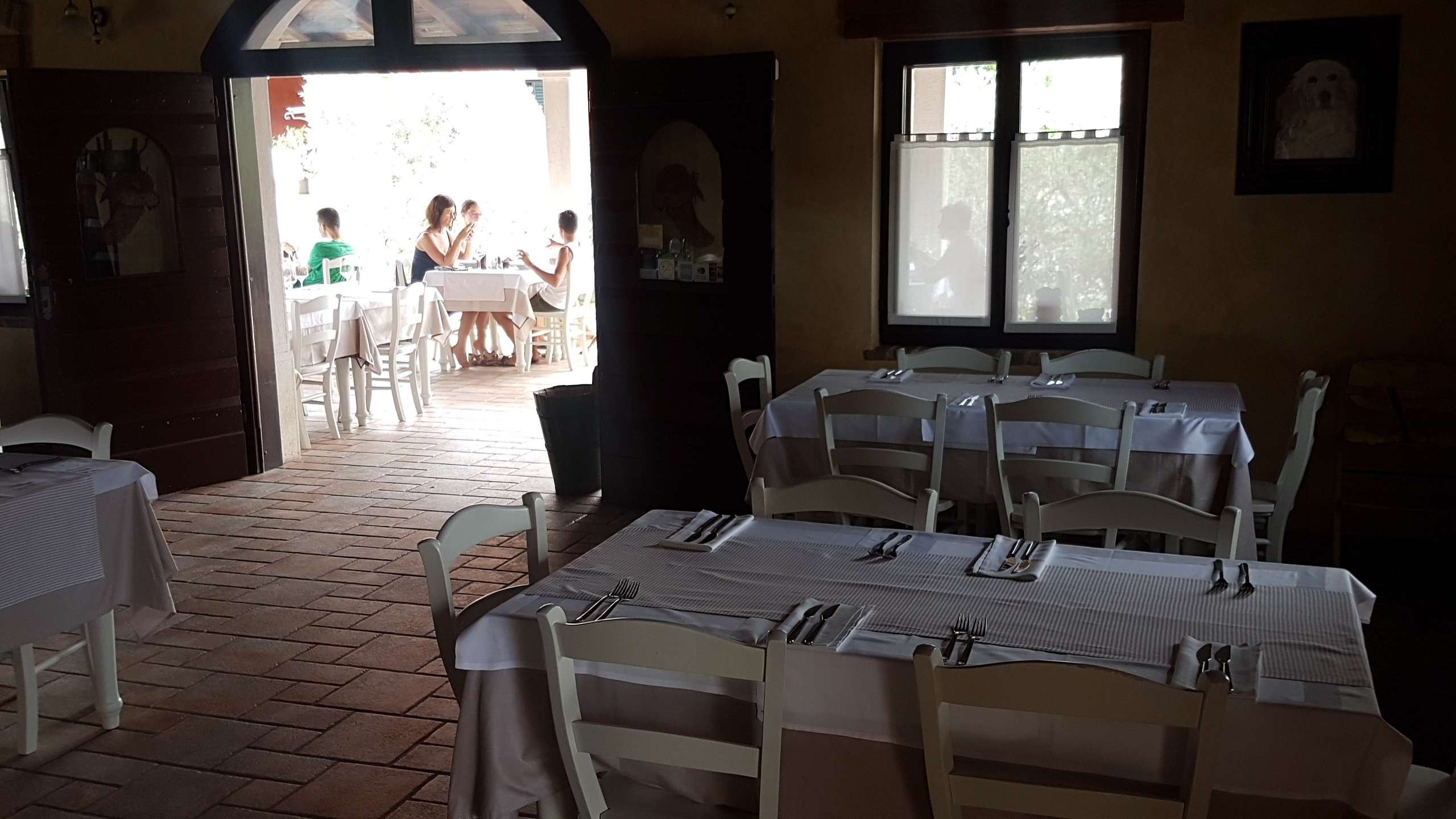
Cozy and homely atmosphere with friendly family service in the heart of Premantura.