Konoba Fiume occupies a specific register in Rijeka's dining scene: the neighbourhood konoba format that connects the city's Kvarner Bay identity to the Adriatic table traditions shared across the Croatian coast. Located on Ul. Vatroslava Lisinskog, it sits away from the tourist-facing waterfront, drawing a local crowd for whom the konoba format still means something earned rather than performed.
Pearl is the En Primeur Club membership app — saves, bookings, and concierge access live there. Same editors, same standards.
- Address
- Ul. Vatroslava Lisinskog 12, 51000, Rijeka, Croatia
- Phone
- +38551312108
- Website
- m.facebook.com
- Directions
- Get directions
 Saves & bookings on Pearl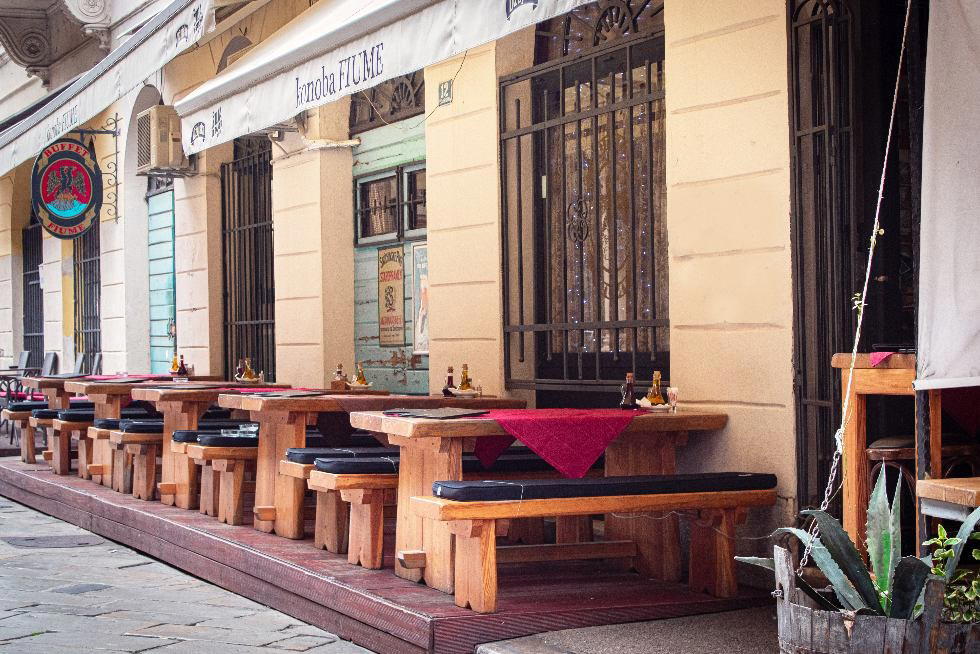
Where Rijeka Eats Like Itself
Konoba Fiume is a restaurant in Rijeka, Croatia, serving traditional Croatian seafood. Approach Konoba Fiume from the direction of Rijeka's older residential quarters and the shift in register is immediate. The konoba format, at its most coherent, sits closer to the domestic table than to the restaurant in any formal sense: a room shaped by habit and repetition rather than by interior design briefs. Ul. Vatroslava Lisinskog 12 places Konoba Fiume within the city's lived residential fabric, and that address alone carries editorial weight in a place where location continues to signal intent.
The Konoba Tradition on the Kvarner Coast
To understand where the restaurant sits, it helps to understand what a konoba actually is, and what it has historically been on the Kvarner coast. The word itself refers to a cellar or storeroom, and the earliest konobas were literally that: spaces beneath houses where wine was kept, food was preserved, and neighbours gathered. Over generations, the form evolved into a recognisable dining category across Dalmatia and the Kvarner region, defined by its proximity to local supply chains, its preference for grilled and slow-cooked preparations, and its resistance to the kind of menu elaboration that defines tasting-counter restaurants.
Rijeka's position makes the konoba tradition here somewhat distinct from its Dalmatian equivalent. The city sits at the northern tip of the Adriatic, where the culinary logic of the coast meets Central European influences carried through decades as a major port and industrial centre. The result, across the better konobas in the area, is a table that draws from both directions: seafood from the Kvarner Gulf, which is among the more productive fishing grounds on the eastern Adriatic, alongside meat preparations and preserved ingredients that reflect the city's inland connections.
Rijeka's Dining Tiers and Where the Konoba Fits
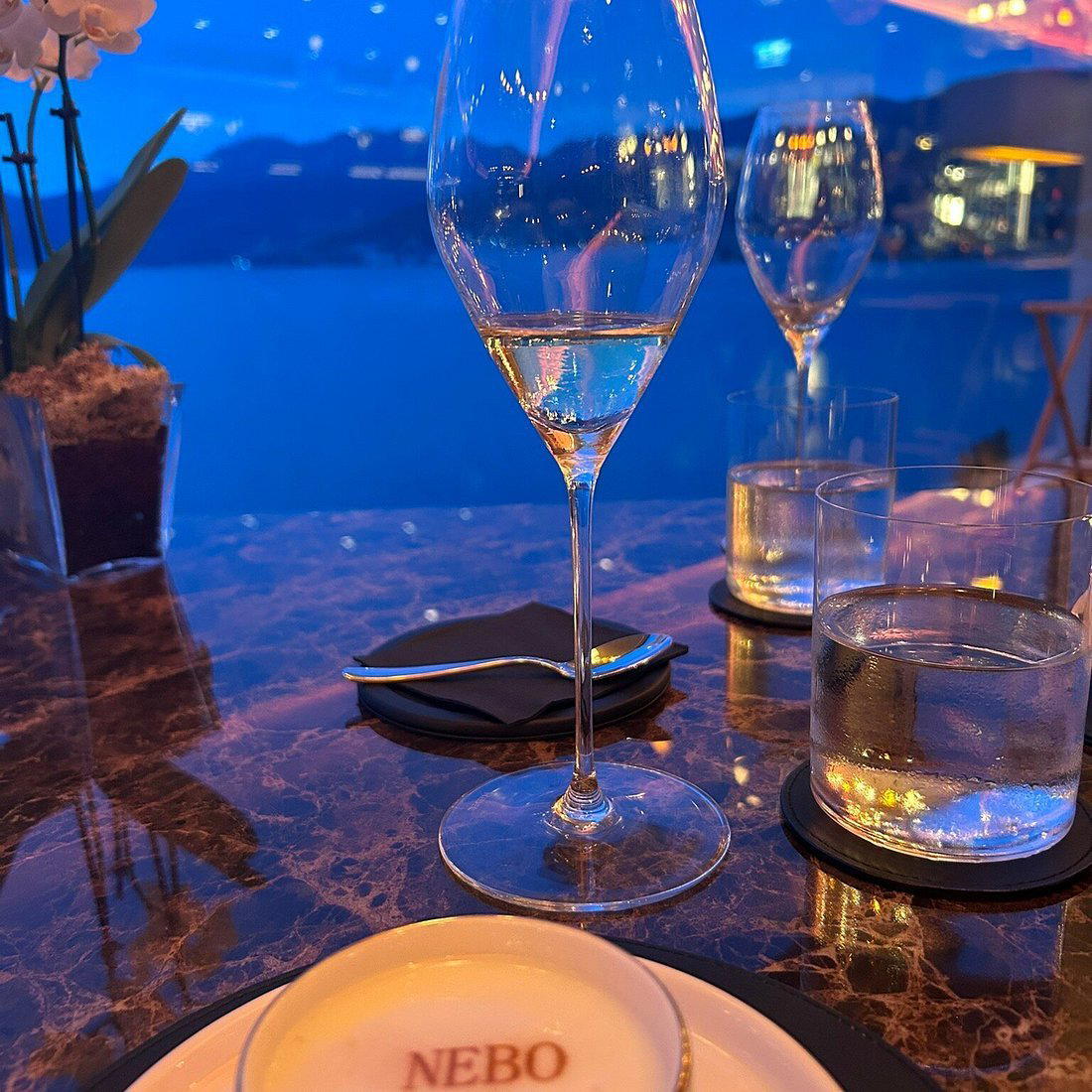
Rijeka's restaurant offering has developed in measurable ways since 2020, when the city served as European Capital of Culture, a designation that accelerated investment in cultural infrastructure and, consequently, in hospitality. The upper tier of the city's dining scene is now anchored by Nebo by Deni Srdoč, which operates at the modern cuisine, premium-price register. Below that, the mid-market contemporary bracket includes places like Bistro Grad, Cacao, and Capote y Olé, each of which serves a city audience comfortable with contemporary format dining. Conca d'oro occupies its own corner of the local scene with different reference points.
The konoba sits outside these tiers in a useful sense. It is not competing with tasting-menu ambition or with the casual-contemporary format. It competes, if that is the right word, on authenticity of supply and consistency of preparation, measured against a local clientele that has its own comparative baseline. In a city of roughly 120,000 people with a strong resident dining culture, that baseline is demanding in ways that tourist-season restaurant markets rarely are.
The Kvarner Gulf as Kitchen
The seafood geography around Rijeka gives any serious konoba in the area a significant natural advantage. The Kvarner Gulf produces scampi (Nephrops norvegicus) considered among the leading on the Adriatic, alongside mullet, sea bass, bream, and a range of shellfish that changes with season and catch. The traditional preparations associated with this region include brodetto, a tomato-and-wine fish stew with roots across the northern Adriatic littoral, and grilled whole fish served simply with olive oil and lemon, a preparation that functions as both litmus test and default expression of quality in the konoba format. Alongside the seafood, Kvarner lamb, particularly from the islands of Cres and Lošinj, has a strong regional identity built on the distinctive flavour profile that comes from animals grazed on aromatic coastal vegetation.
For comparison across the broader Croatian coast, the approach at Agli Amici Rovinj in Rovinj and Pelegrini in Sibenik represents what happens when this regional ingredient tradition is pushed toward fine-dining elaboration. The konoba format makes the opposite choice, treating simplicity of preparation as the primary editorial statement rather than a starting point to move beyond. Other Croatian coastal addresses worth knowing include LD Restaurant in Korčula and Restaurant 360 in Dubrovnik, both of which operate at the formal end of the Adriatic dining spectrum. Alfred Keller in Mali Lošinj, just a ferry connection from the Kvarner coast, occupies a mid-point between those registers.
Planning a Visit
Rijeka operates on a different tourism rhythm from Dubrovnik or Split. The restaurant, as a neighbourhood address rather than a destination restaurant, draws primarily from the local residential and working population, which makes midweek visits at lunch less pressured than weekend evenings when local demand concentrates. Visitors arriving by rail from Zagreb or by ferry from the Kvarner islands should note that the address on Ul. Vatroslava Lisinskog sits within walking distance of the city's central grid. The restaurant is recommended for reservations and typically operates Monday to Friday from 7am to 10pm, Saturday from 7am to 4pm, and is closed on Sunday.
A Lean Comparison
Comparable venues nearby, for context on price, style, and recognition.
| Venue | Cuisine | Price | Notes |
|---|---|---|---|
| Konoba FiumeThis venue — the venue you are viewing | Not listed | $$ | Not listed |
| Na Kantunu Tavern | Not listed | $$ | :null, Croatian Seafood Tavern |
| Capote y Olé | Luka, Authentic Spanish Tapas & Paella | $$ | Not listed |
| Cacao | Not listed | $$ | City Center, Dessert Patisserie with Vegan Options |
| Mornar | Not listed | $$ | Riva Boduli, Fresh Croatian Seafood Bistro |
| Hidden Wine Bistro | Not listed | $$$$ | City Center (Ulica Korzo area), Mediterranean Farm-to-Table Wine Bistro |
Continue exploring
More in Rijeka
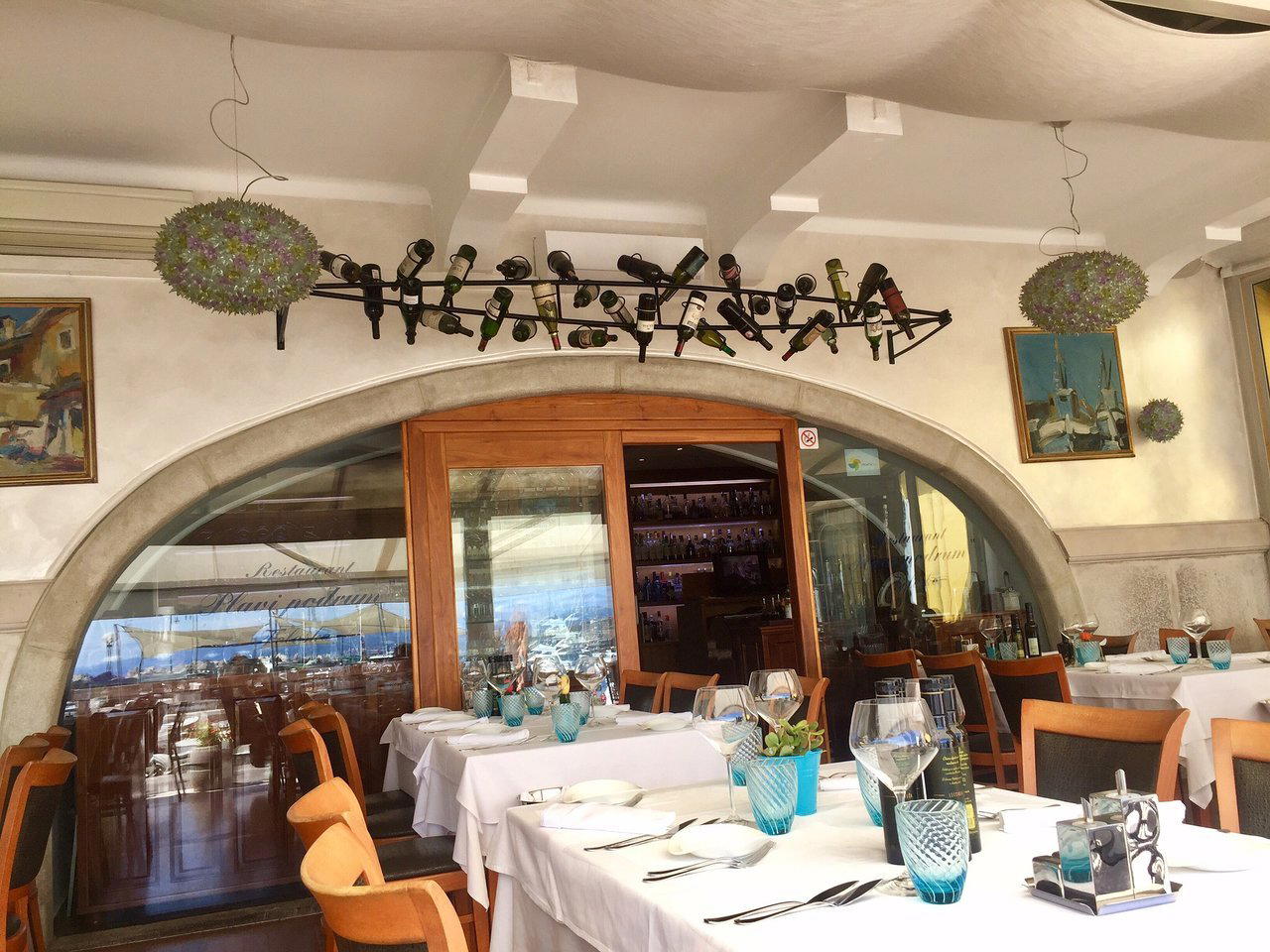
Restaurants in Rijeka
Browse all →
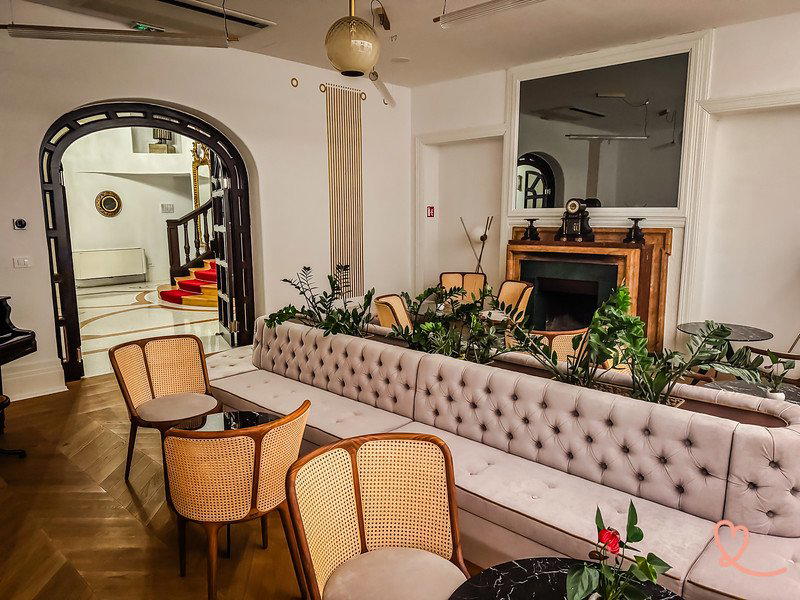
Bars in Rijeka
Browse all →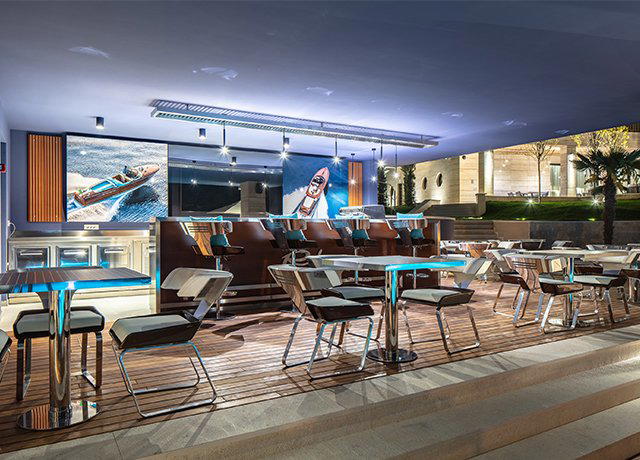
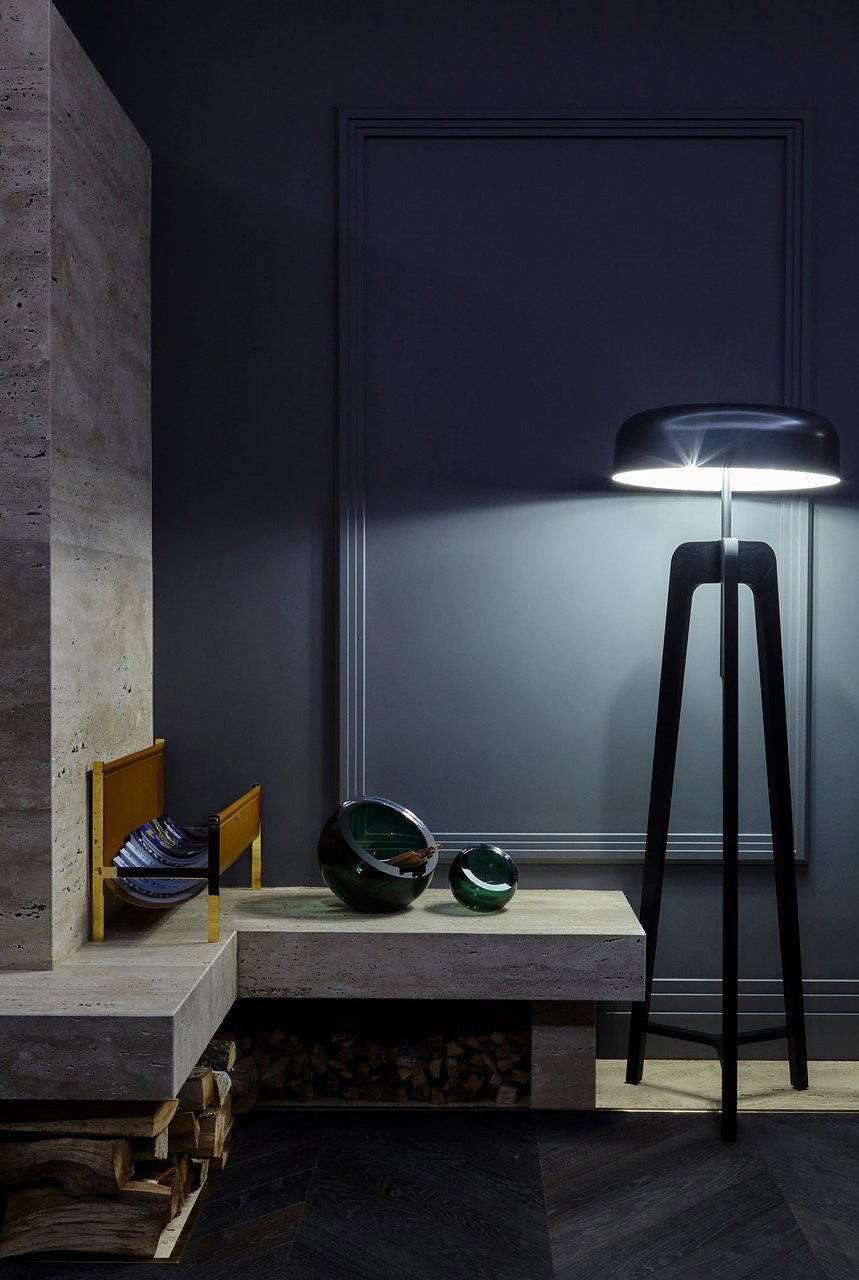

Hotels in Rijeka
Browse all →

At a Glance
- Rustic
- Cozy
- Casual Hangout
- Standalone
- Local Sourcing
Current opening hours
- Monday
- 7 AM–10 PM
- Tuesday
- 7 AM–10 PM
- Wednesday
- 7 AM–10 PM
- Thursday
- 7 AM–10 PM
- Friday
- 7 AM–10 PM
- Saturday
- 7 AM–4 PM
- Sunday
- Closed
Hours can change for holidays and private events. Last verified .
Neat but unpretentious homely atmosphere with stone walls and brick arches in the bustling market setting.