Corrado
Our verdict
Corrado occupies a quiet address at Sveti Martin 1 in Mali Lošinj, positioning it away from the busier harbour promenades that define much of the island's dining scene. The restaurant sits within a town where Adriatic seafood traditions and Kvarner Bay ingredients set the baseline for what serious cooking looks like. For visitors already familiar with Croatia's better-regarded coastal tables, Corrado represents the island's more considered, residential dining tier.

Pearl is the En Primeur Club membership app, where members save venues, book tables and use the concierge.
The menu
What to order
- Carpaccio Boškarin
- Carpaccio Kirnia
- Carpaccio Zubatac
- Tagliatelle with crab meat
Where Mali Lošinj Turns Quiet
The walk to Sveti Martin 1 takes you past the point where Mali Lošinj's tourist-facing waterfront gives way to its residential streets. This is not where the tour-group restaurants cluster. The address situates Corrado in the part of town that locals actually inhabit, which in a small Adriatic island context says something specific about the kind of dining it likely represents. Islands like Lošinj operate on a different register than Croatia's more heavily trafficked coastal cities: the restaurants that survive here season after season do so because they hold the confidence of the community, not just the passing attention of summer arrivals.
Mali Lošinj is the largest settlement on the island of Lošinj in the Kvarner Gulf, roughly midway down the Croatian coast between Rijeka and Zadar. The island's culinary identity draws from Kvarner Bay's exceptional seafood, the same waters that supply the scampi and sea bass that appear on serious menus across the region, from Nebo by Deni Srdoč in Rijeka to Agli Amici Rovinj in Rovinj. In that geographic context, a table in Mali Lošinj has access to primary-source ingredients that restaurants further inland or in larger cities work considerably harder to source.
The Island Dining Tier Corrado Sits Within
Croatia's dining conversation tends to concentrate on a handful of reference points: Pelegrini in Sibenik, Restaurant 360 in Dubrovnik, LD Restaurant in Korčula. These are the tables that attract international critical attention and benchmark the country's upper tier. Island restaurants outside that circuit, including those on Lošinj, occupy a more grounded category: places where the ambition is local coherence rather than national recognition, where the measure of quality is whether the fish arrived that morning and whether the kitchen knows what to do with it.
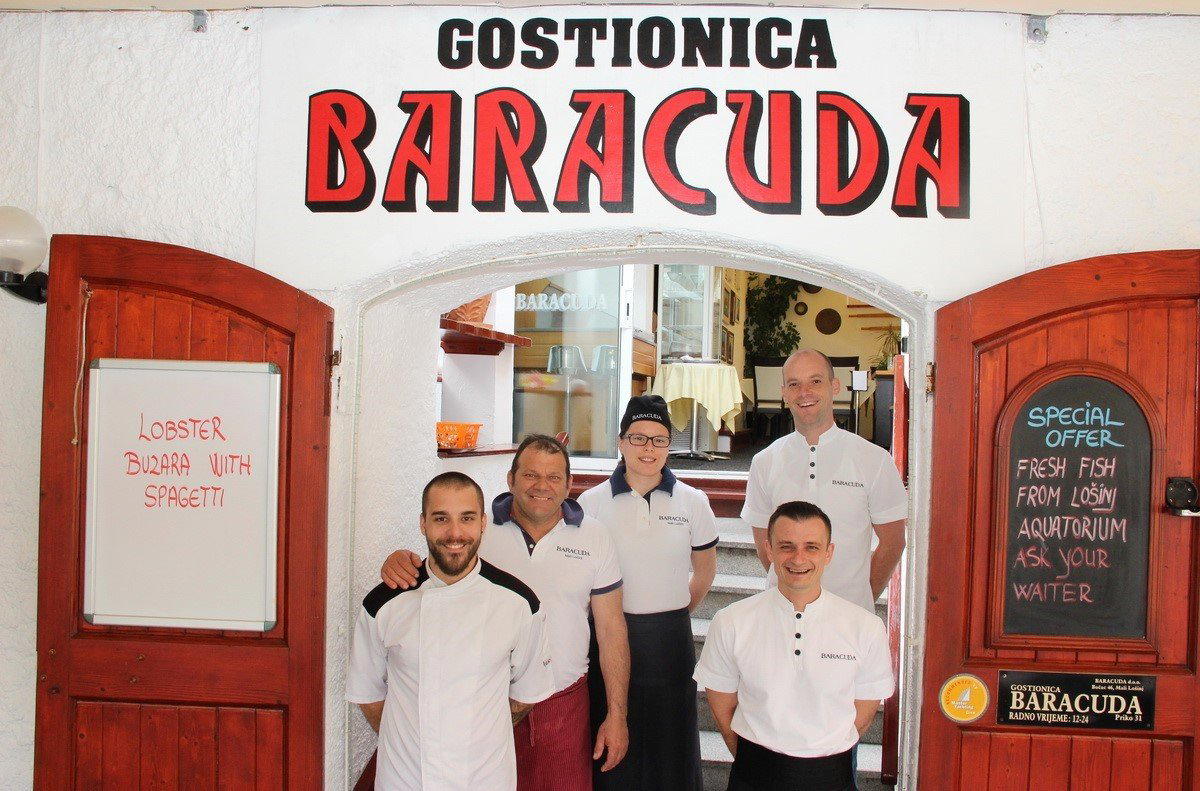
Within Mali Lošinj itself, the restaurant offer ranges from harbour-adjacent seafood grills like Baracuda and Diana, to the more traditional konoba format represented by Konoba Cigale, to the quietly ambitious tables such as Artatore and BoccaVera. Corrado's address at Sveti Martin 1, away from the waterfront concentration, places it in the tier that rewards deliberate visitors rather than those who simply follow foot traffic to the nearest open terrace.
For context on what the island's higher-end hospitality looks like, Alfred Keller in Mali Lošinj represents the hotel-dining end of the market. Corrado's independent address marks it as a different kind of proposition, one rooted in the restaurant itself rather than a wider resort offer.
Kvarner Bay as Culinary Foundation
The Kvarner Gulf is among the most productive fishing zones in the Adriatic. Lošinj sits at the southern end of the gulf, where the water temperature and depth support scampi, dentex, sea bream, octopus, and several species of shellfish that rarely appear on menus farther inland. The regional cooking tradition applies relatively minimal intervention to this material: grilling over wood, dressing with local olive oil, pairing with seasonal vegetables and legumes that reflect the Mediterranean-continental climate the island enjoys. This is not the place for elaborate tasting menus built around technique for its own sake. The Kvarner tradition asks the kitchen to demonstrate judgment about what to do with excellent primary ingredients, not to transform them beyond recognition.
Croatian island cooking at this level shares certain reference points with the broader Adriatic seafood tradition. Comparisons to Le Bernardin in New York City, with its discipline around not over-working fish, or to the communal-table philosophy of Lazy Bear in San Francisco, where the ethos of the room shapes the experience as much as the plate, illustrate how different approaches can serve the same underlying commitment to ingredient integrity. On Lošinj, that commitment is expressed through proximity and simplicity rather than through fine-dining formalism.
Getting to Mali Lošinj and Planning a Visit
Mali Lošinj is accessible by ferry from Rijeka, Zadar, and several smaller ports, with the crossing from Rijeka taking approximately four hours depending on the route. The island is also reachable via the bridges and causeway connecting Cres and Lošinj to the mainland, which makes it drivable from Rijeka in roughly two and a half hours. The summer season runs from June through September, when the island's population swells considerably and restaurant demand peaks. Visitors planning to eat at the quieter, residential-address tables during July and August should make contact well in advance; the island's limited accommodation stock and high repeat-visitor rate mean that local restaurants fill their sittings before the more visible waterfront options do.
For a broader overview of where to eat across the island, the full Mali Lošinj restaurants guide maps the range of options from casual konobas to the island's more considered tables. Visitors cross-referencing Lošinj against other Croatian island dining might also find Boskinac in Novalja on Pag useful for comparison, particularly for how island restaurants integrate local wine production with their food offer. On the mainland, Korak in Jastrebarsko and Dubravkin Put in Zagreb represent how Croatian cooking translates into a continental register, and Krug in Split shows the Dalmatian coastal approach at its more structured end.
Frequently asked questions
Is Corrado suitable for children?
Mali Lošinj operates at a pace that suits family visits, and Corrado's residential-street setting at Sveti Martin 1 is removed from the busy waterfront. The venue's specific policy on children is published details are limited, so contacting them directly before booking with young children is advisable. Check the venue's official channels for the latest details.
Is Corrado formal or casual?
Corrado sits on a quiet residential stretch of Mali Lošinj, well past the tourist-facing harbour, which signals a certain local character rather than ceremony. No dress code is formally documented for the venue, but the neighbourhood context points toward relaxed, considered dress rather than formal attire.
How does Corrado compare to other restaurants on Lošinj island?
Corrado's address at Sveti Martin 1 places it away from the concentrated tourist dining on Mali Lošinj's main quay, which tends to separate it from the higher-volume harbour restaurants. Within Croatia's broader island dining conversation, which includes reference points in Dubrovnik and Šibenik, Lošinj's restaurant scene remains less documented, giving Corrado room to operate for a more locally oriented clientele.
What's the best thing to order at Corrado?
Corrado is positioned within the Kvarner Bay dining circuit, a region whose fishing grounds supply some of the Adriatic's most consistent seafood, scampi, sea bass, and bream sourced from the gulf are the category of dish this geography does best.
Where exactly is Corrado?
Corrado is located at Sveti Martin 1, 51550, Mali Lošinj, Croatia, Mali Losinj.
A Lean Comparison
Comparable venues nearby, for context on price, style, and recognition.
| Venue | Cuisine | Price | Notes |
|---|---|---|---|
| CorradoThis venue (the venue you are viewing) | Croatian Seafood | $20–30 | Not listed |
| Artatore | Croatian Seafood | $30–50 | Artatore, Croatian Seafood |
| Baracuda | Fresh Croatian Seafood | $20–30 | Mali Losinj, Fresh Croatian Seafood |
| Diana | Mediterranean Steakhouse | $30–50 | Cikat Bay, Mediterranean Steakhouse |
| Konoba Lanterna | Croatian Grill & Seafood | $50–100 | Mali Losinj, Croatian Grill & Seafood |
| BoccaVera | Mediterranean Seafood | $50–100 | Mali Losinj, Mediterranean Seafood |
Continue exploring
More in Mali Losinj
Restaurants in Mali Losinj
All restaurants in Mali Losinj →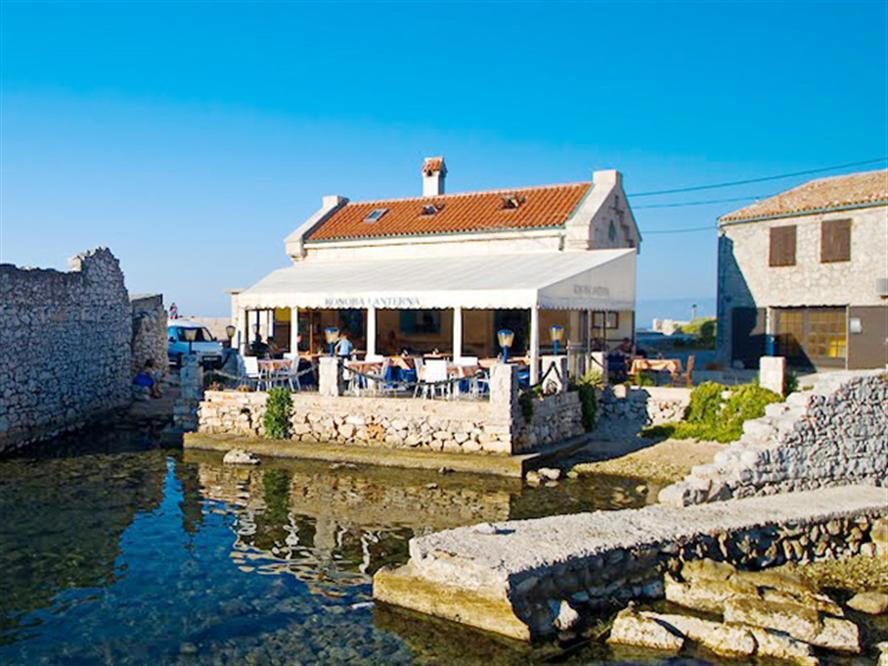
Bars in Mali Losinj
All bars in Mali Losinj →
Hotels in Mali Losinj
All hotels in Mali Losinj →
Wineries in Mali Losinj
Browse all →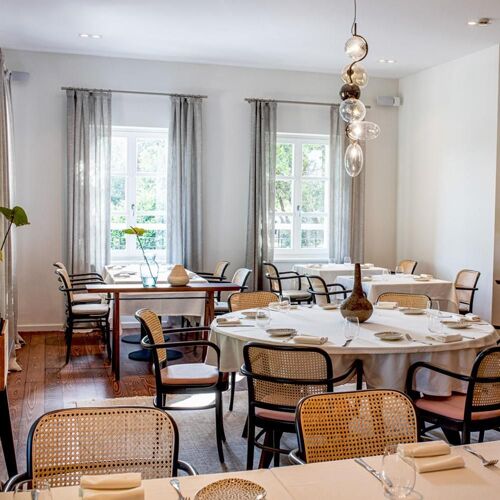
Details
- Rustic
- Cozy
- Casual Hangout
- Terrace
- Local Sourcing
- A La Carte
- Vegetarian Friendly
- Gluten Free Options
Current opening hours
- Monday
- 5–10 PM
- Tuesday
- 5–10 PM
- Wednesday
- 5–10 PM
- Thursday
- 5–10 PM
- Friday
- 5–10 PM
- Saturday
- 5–10 PM
- Sunday
- 5–10 PM
Hours can change for holidays and private events. Hours as of .
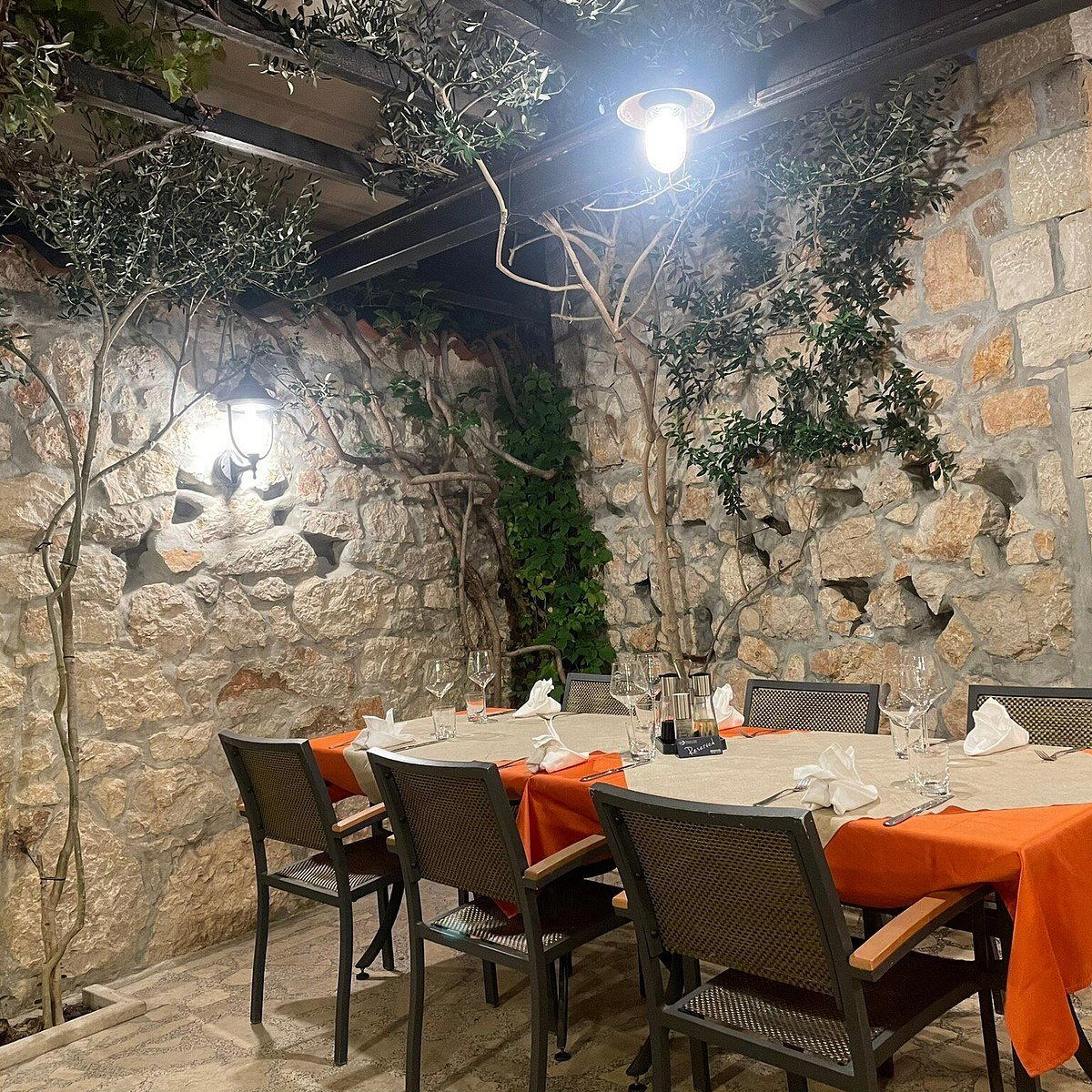
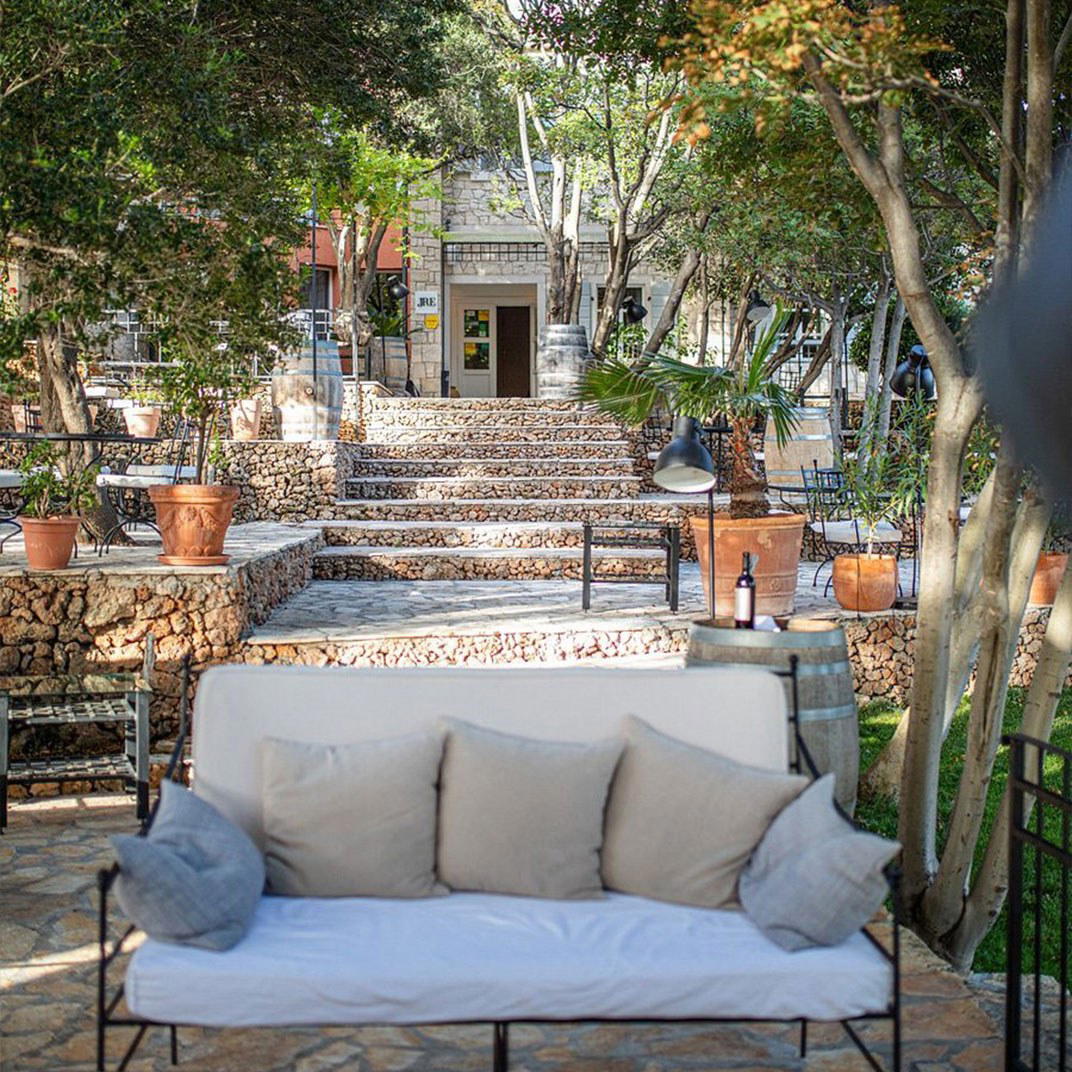
Warm and inviting atmosphere with a lush plant-filled terrace oasis.