Kamenjak
At the southern tip of Istria, Kamenjak sits where the peninsula's limestone coast meets the Adriatic, and the dining in Premantura reflects that geography directly. The food here draws from the same waters and fields that define the broader Istrian table, placing it in the company of a small cluster of restaurants where provenance and place are the point. For visitors exploring Croatia's Adriatic dining circuit, Premantura offers a quieter entry point than Rovinj or Dubrovnik.
Pearl is the En Primeur Club membership app — saves, bookings, and concierge access live there. Same editors, same standards.
- Address
- 52100, Premantura, Croatia
- Directions
- Get directions
 Saves & bookings on Pearl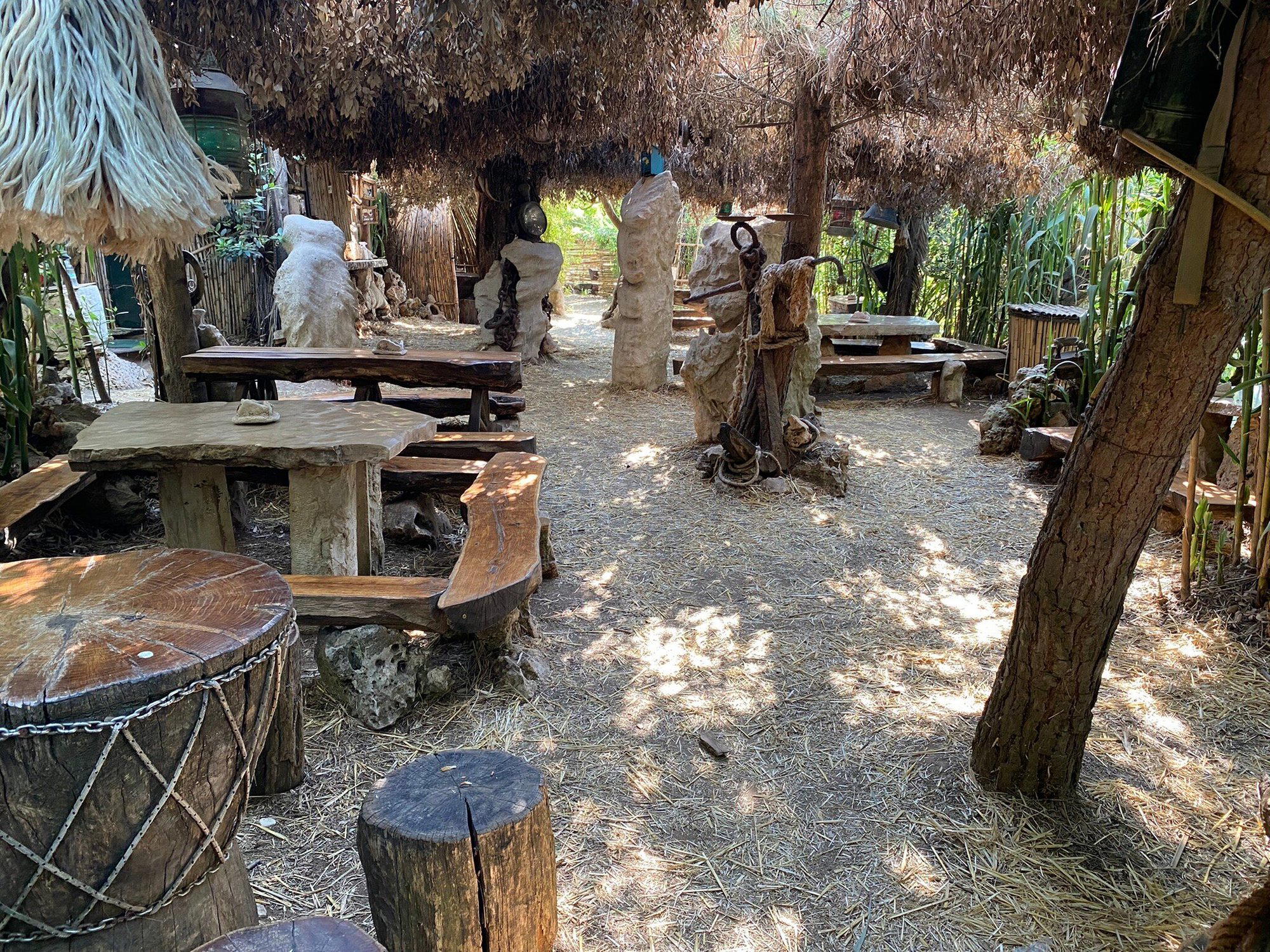
Where Land Ends and the Table Begins
The drive south from Pula to Premantura follows a road that narrows as the Istrian peninsula tapers to its lowest point. By the time you reach the village, the mainland has effectively run out. The Cape Kamenjak nature reserve occupies the final stretch, a protected headland of low karst scrub, wild figs, and water that shifts from turquoise to dark blue depending on depth. Dining in this context is not incidental to the landscape, it is continuous with it. The restaurants that operate around Premantura do so within a geography that dictates what arrives on the table as much as any kitchen decision does.
This is the logic that defines ingredient-led cooking along Croatia's Adriatic coast, and it applies here with particular force. The further you get from a major port or supply chain hub, the more directly a kitchen depends on what is immediately available: the catch landed that morning, the olive oil pressed from groves a few kilometres inland, the herbs that grow in the limestone cracks without any encouragement. In Premantura, that dependency is a feature rather than a constraint.
The Istrian Table in Its Purest Form
Istrian cuisine sits at a confluence of influences that the region's history made inevitable. Centuries of Venetian administration left a preference for olive oil over lard, for grilled fish over braised meat, for a kind of restraint in seasoning that lets primary ingredients carry the weight. The Habsburg period added central European structure to certain preparations. And the peninsula's own terroir contributed white truffles from the Motovun forest interior, a dense local olive oil with a peppery finish, and seafood from waters that remain among the cleaner stretches of the northern Adriatic.
That context matters when eating in a small coastal village like Premantura. The sourcing here is not a marketing decision in the way it might be at a destination restaurant in a larger city. At a venue like Agli Amici Rovinj in Rovinj, Italian contemporary technique frames Istrian ingredients within a more elaborate tasting structure. At the other end of the formality register, places like Kamenjak operate where the ingredient itself is the statement, and the kitchen's job is largely not to interfere.
The broader Adriatic dining circuit has developed a clear hierarchy over the past decade. At the upper tier, you have Michelin-recognised addresses like Pelegrini in Sibenik and Restaurant 360 in Dubrovnik, where modern technique and wine programs push prices toward the €€€€ bracket. Below that sits a wider, less-mapped layer of coastal restaurants where the cooking is simpler, the prices more moderate, and the connection to local supply chains is often more direct. Premantura belongs to this second tier, which is not a shortcoming. It is a different relationship to the table.
Kamenjak and Its Immediate Context
Kamenjak in Premantura sits within a small cluster of options that serve the village and the visitors who come to the cape. The nearest comparable address is Fra&Kat;, which operates in the same neighbourhood and draws from the same coastal supply. Both places function within the logic of their geography: the menu follows what is available, the fish comes from close by, and the olive oil is Istrian.
That proximity to source is what distinguishes dining at this end of the peninsula from the more polished addresses in Pula or Rovinj. The trade-off is one of format and ambition. You will not find the tasting menus or sommelier-led wine pairings that define places like Nebo by Deni Srdoč in Rijeka or Boskinac in Novalja. What you find instead is a directness that is harder to engineer: a plate of fish that was swimming a few hours ago, dressed with oil from a grove you could walk to.
For visitors who approach Croatian coastal dining through the lens of provenance, this distinction is meaningful. The Adriatic ingredient story is the same whether you are sitting at a Michelin table in Dubrovnik or at a terrace table in Premantura. The difference is in how much apparatus surrounds it.
Eating at the Edge of Istria
The seasonal rhythm of dining in Premantura follows the logic of the cape itself. The summer months bring the bulk of visitors to Cape Kamenjak, and the restaurants in the village operate at their fullest capacity from June through September. Arriving outside peak season means a quieter experience and, often, more direct interaction with how the kitchen sources and prepares what it serves. Spring and early autumn are the periods when Istrian ingredients are at their most concentrated: the new olive oil arrives in November, white truffles peak through autumn, and the seafood calendar runs through the colder months with species that do not appear on summer menus.
Logistics for reaching Premantura from Pula are direct: the village sits roughly ten kilometres south of the city, and a car is the practical means of getting there for most visitors. The cape itself requires an entry fee during the summer season, a condition worth noting if you are combining a meal with time on the water.
Croatia's wider dining circuit, from Dubravkin Put in Zagreb and Korak in Jastrebarsko inland, to Krug in Split, LD Restaurant in Korčula, BioMania Bistro Bol in Bol, Bodulo in Pag, Burin in Crikvenica, and Cantilly Garden Restaurant in Samobor, covers considerable range in format and ambition. Against that backdrop, Premantura represents the quieter, more literal end of the spectrum: a place where the ingredient argument is made by geography rather than by a chef's stated philosophy.
For travellers who have worked through the marquee addresses and want to understand what Adriatic cooking looks like when stripped of its showcase context, the southern Istrian tip offers an honest answer. The table here follows the cape's own terms.
Planning Your Visit
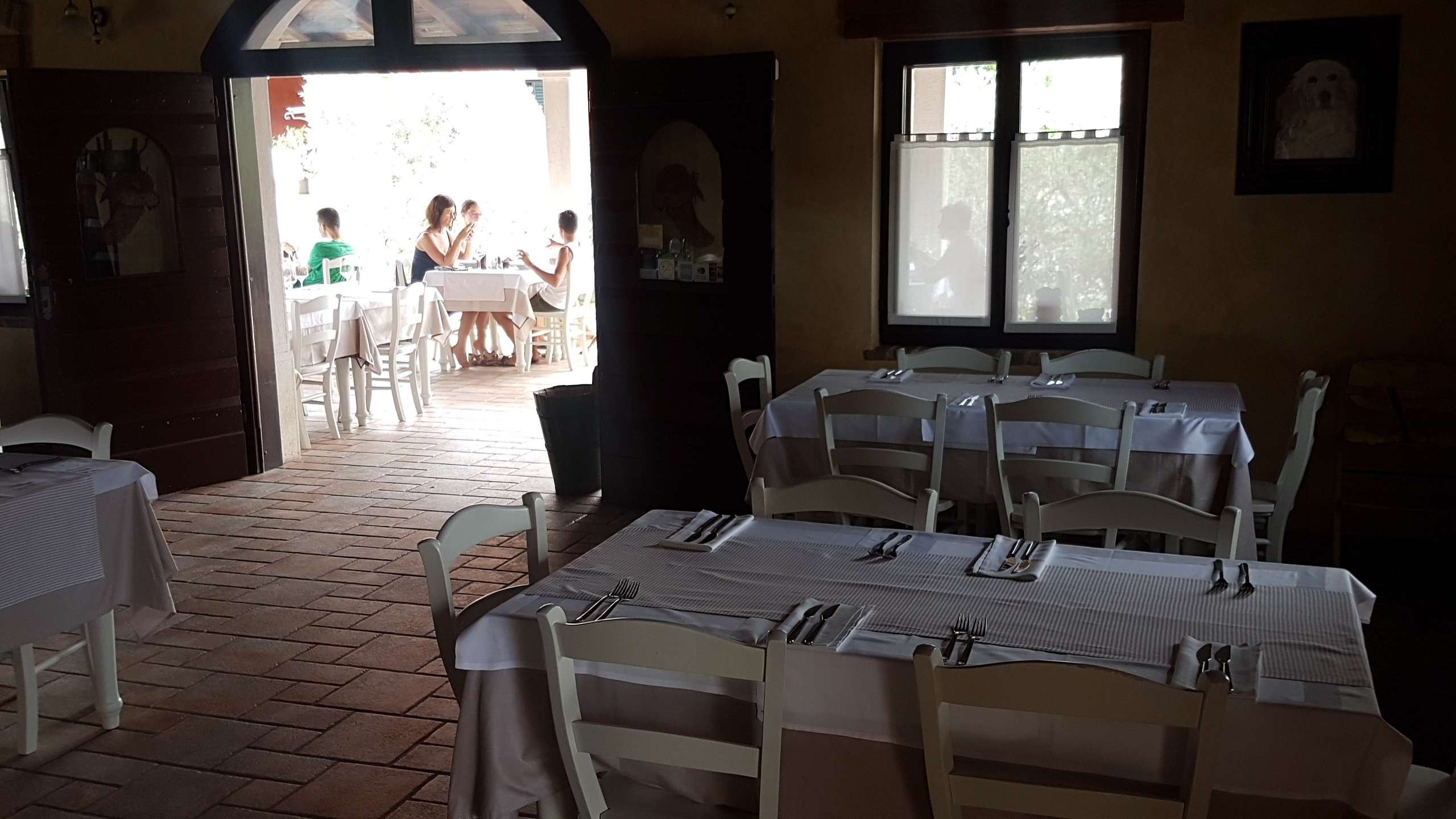
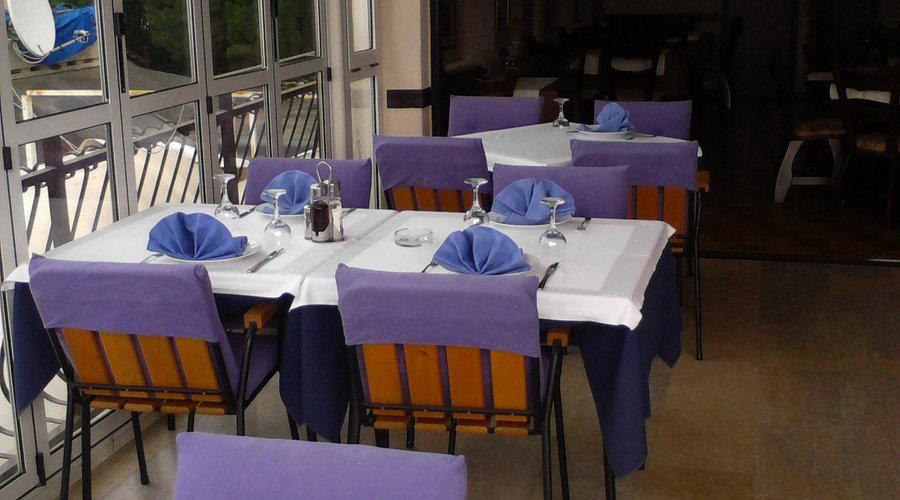
Premantura is a small village without the hotel infrastructure of Rovinj or Dubrovnik, so most visitors arrive from Pula as a day trip or as part of a broader Istrian drive. Booking ahead during July and August is advisable, as capacity at village restaurants is limited and demand from cape visitors peaks in those months. Outside of summer, the pace slows considerably and walk-in dining is generally feasible. A reservation is recommended, and the venue's casual setting suits a relaxed visit.
Comparable Spots, Quickly
Comparable venues nearby, for context on price, style, and recognition.
| Venue | Cuisine | Price | Notes |
|---|---|---|---|
| KamenjakThis venue — the venue you are viewing | Italian Pizza and Seafood | $$ | Not listed |
| Fra&Kat | Croatian Seafood Mediterranean | $$ | Premantura |
| Trattoria Mandrać | Traditional Italian Trattoria with Seafood | $$ | Volosko |
| Mamma Mia | Italian Pizza & Pasta with Croatian Influences | $$ | Borik |
| Špadiči | Italian Pizza and Seafood | $$ | Spadici |
| Pizzeria Park | Neapolitan Pizza | $$ | Design District |
Continue exploring
More in Premantura
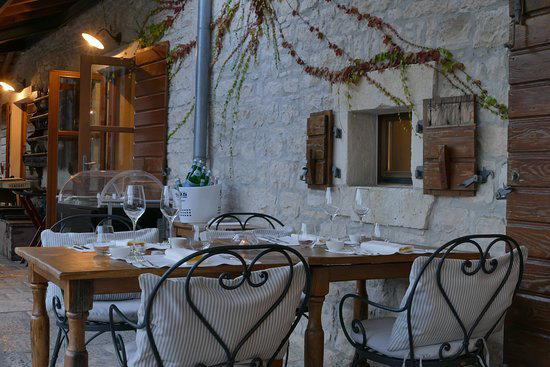
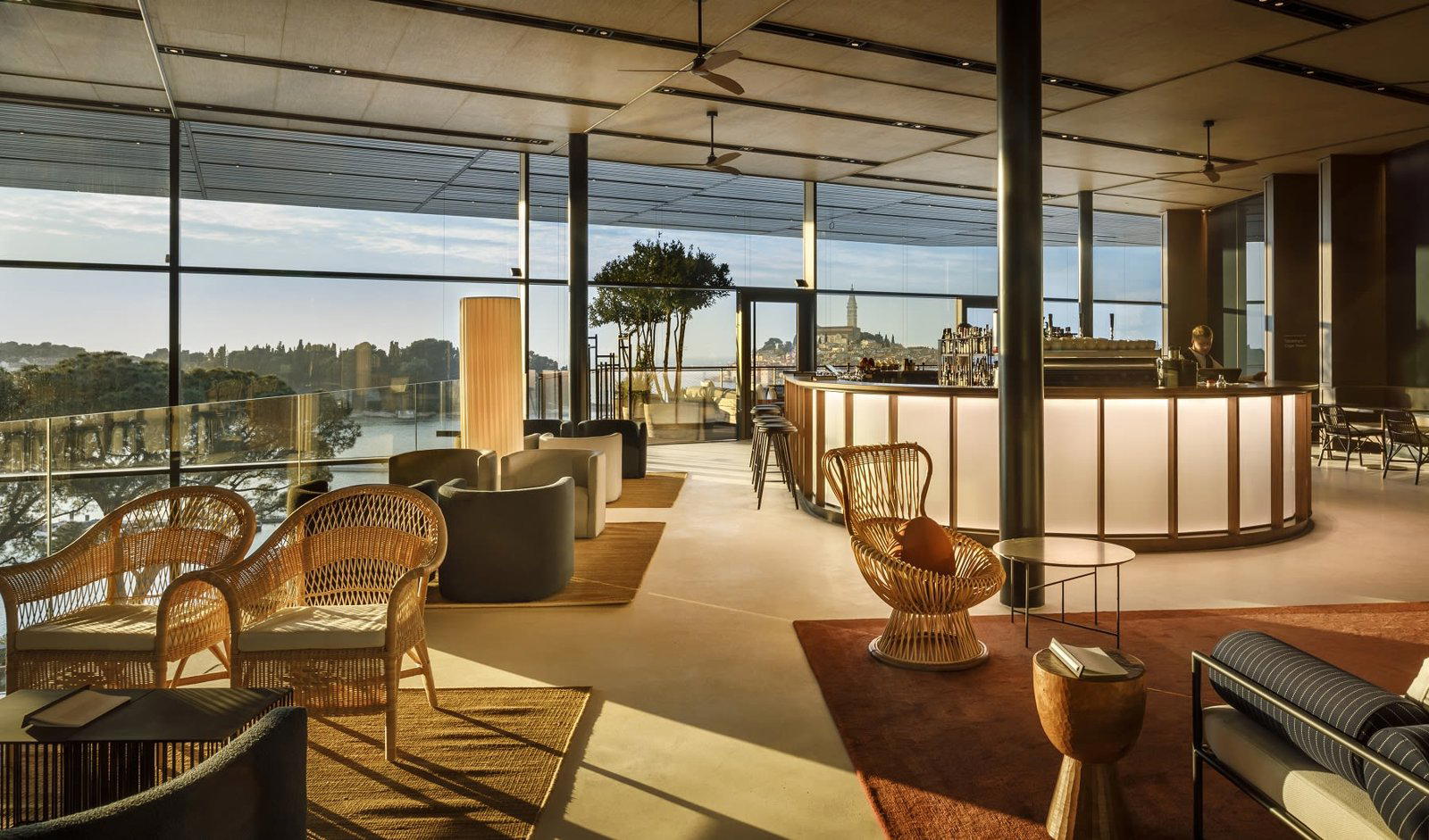
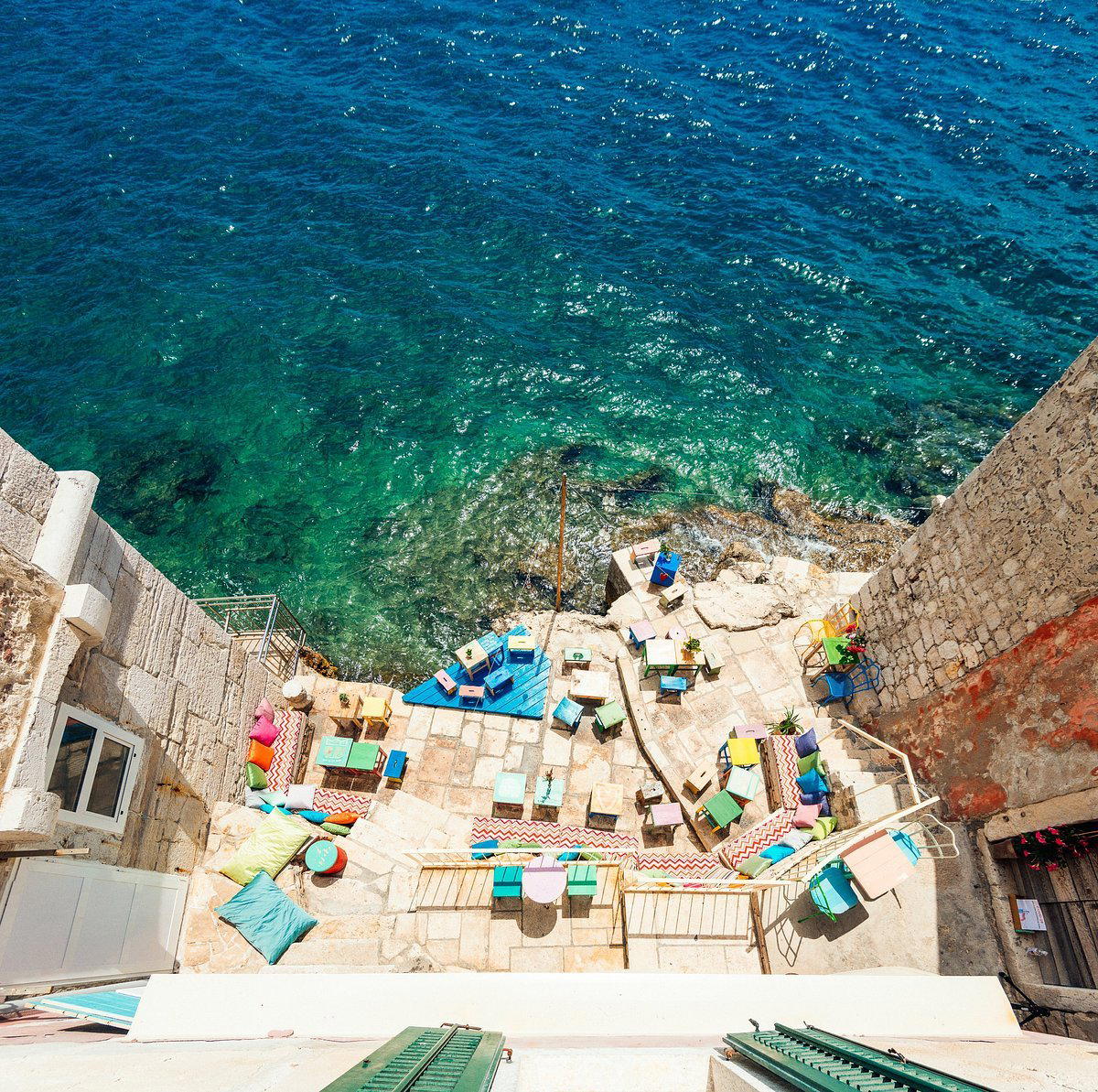
Restaurants in Premantura
Browse all →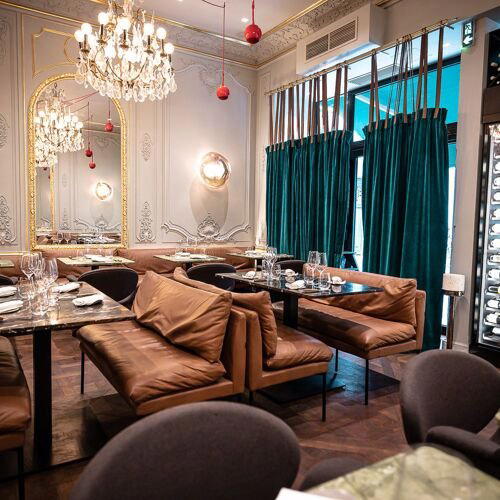
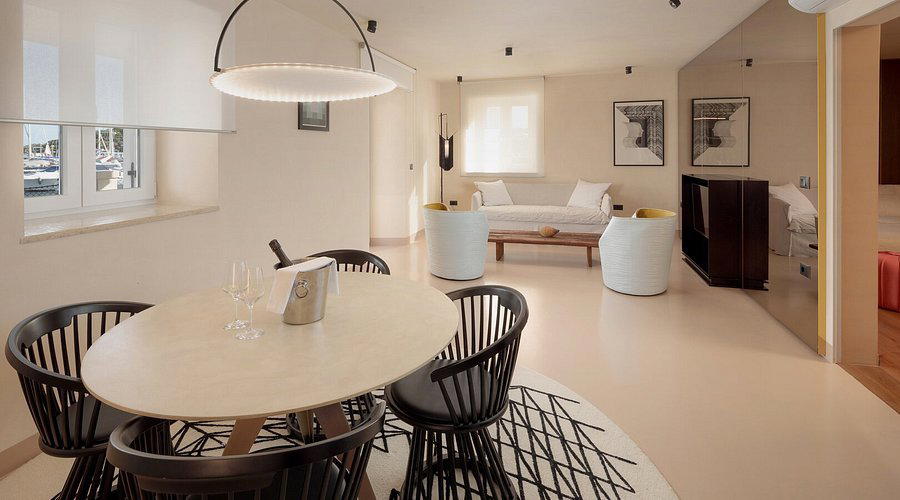
Bars in Premantura
Browse all →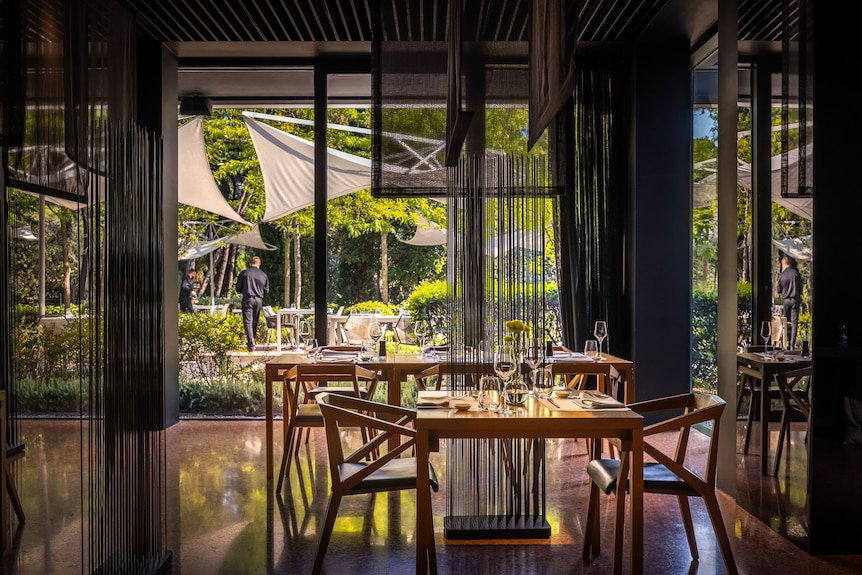
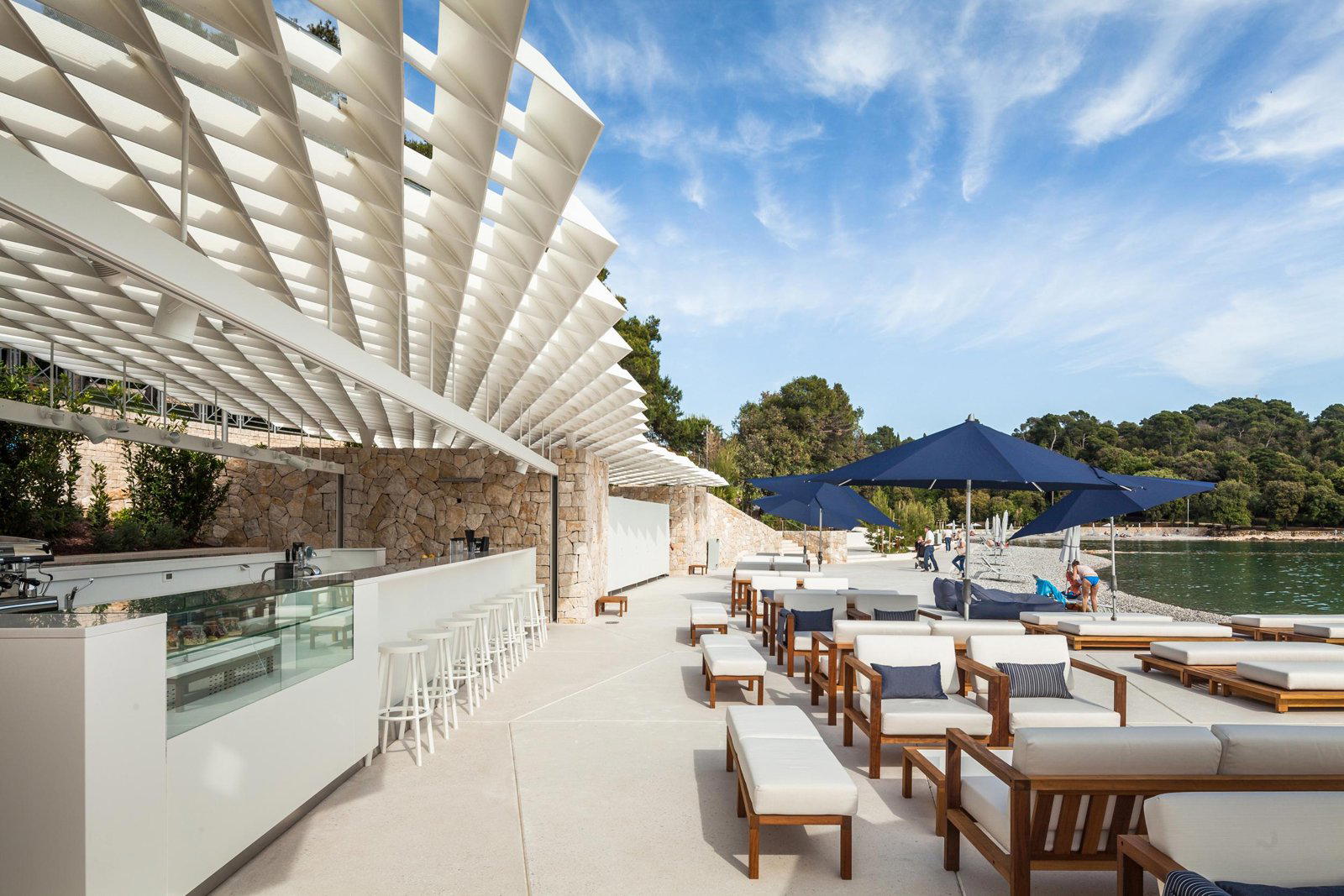
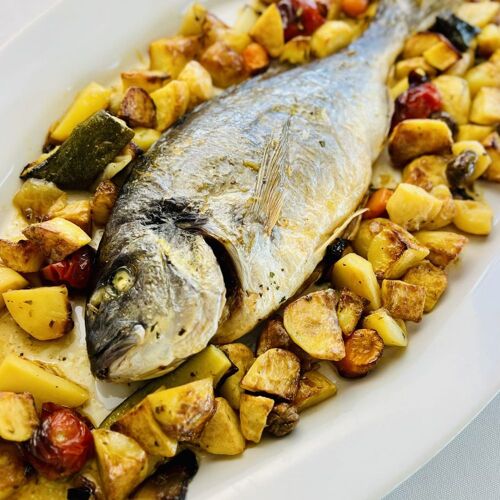
Hotels in Premantura
Browse all →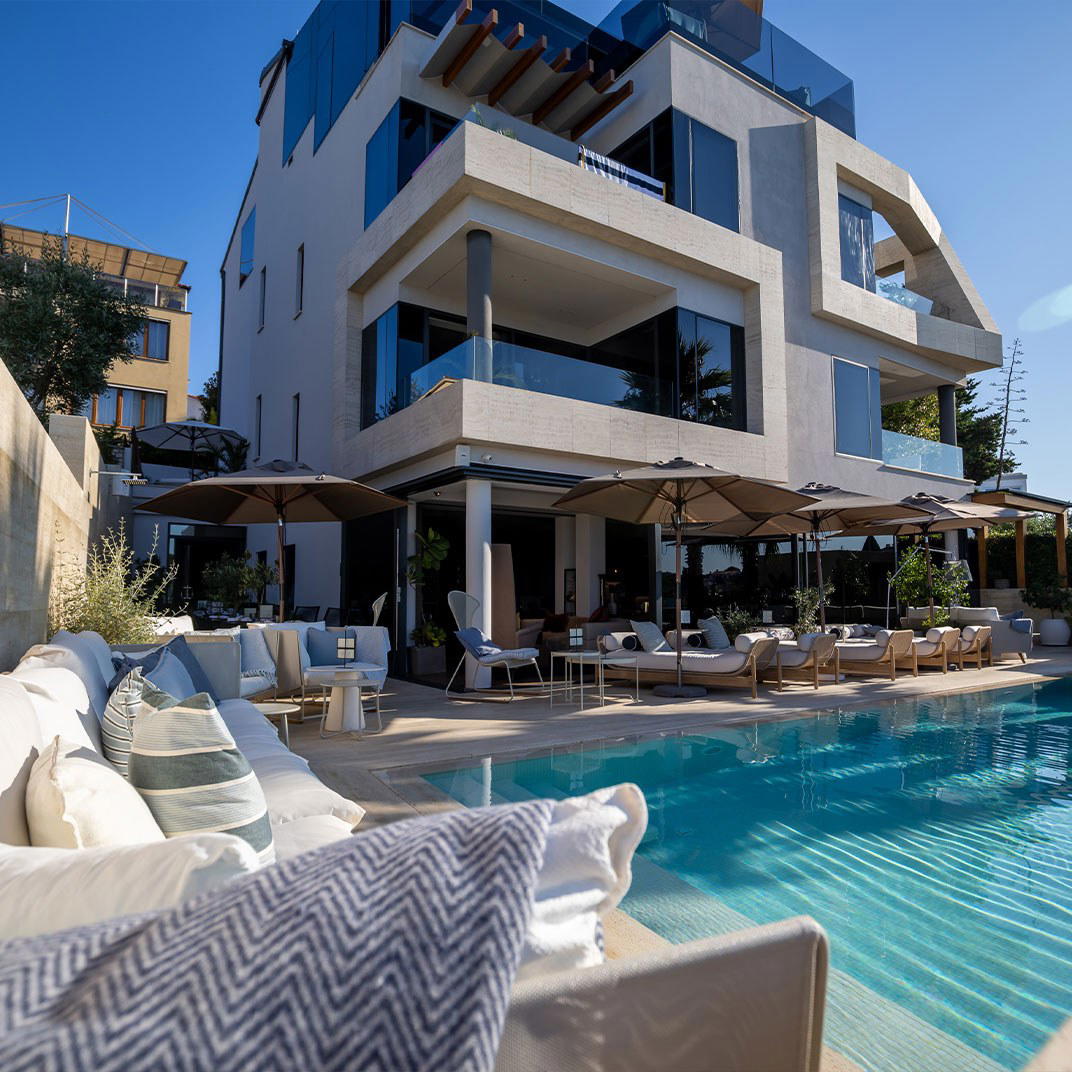

At a Glance
- Rustic
- Cozy
- Casual Hangout
- Family
- Standalone
Current opening hours
- Monday
- 11 AM–11 PM
- Tuesday
- 11 AM–11 PM
- Wednesday
- 11 AM–11 PM
- Thursday
- 11 AM–11 PM
- Friday
- 11 AM–11 PM
- Saturday
- 11 AM–11 PM
- Sunday
- 11 AM–11 PM
Hours can change for holidays and private events. Last verified .
Cozy family-run pizzeria with a charming village atmosphere.