
A Michelin Plate-recognised address on Pula's Verudela peninsula, Ribarska Koliba works within the Mediterranean tradition that defines Istrian coastal cooking. The setting and cooking sit comfortably in the more accessible tier of Pula's dining scene, making it a practical reference point for the city's everyday restaurant culture.
Pearl is the En Primeur Club membership app — saves, bookings, and concierge access live there. Same editors, same standards.
- Address
- Verudela 3, 52100, Pula, Croatia
- Phone
- +385 99 499 1306
- Website
- ribarskakoliba.com
- Directions
- Get directions
 Saves & bookings on Pearl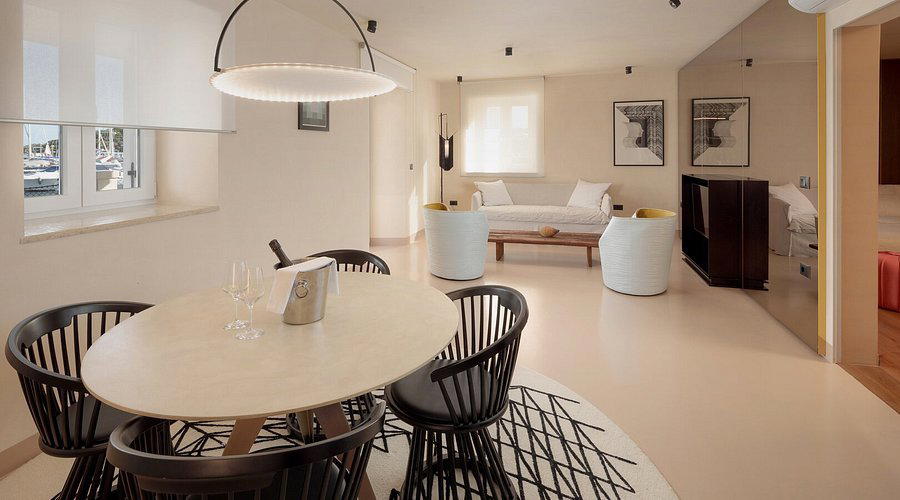
Where Istrian Olive Oil Meets the Adriatic Table
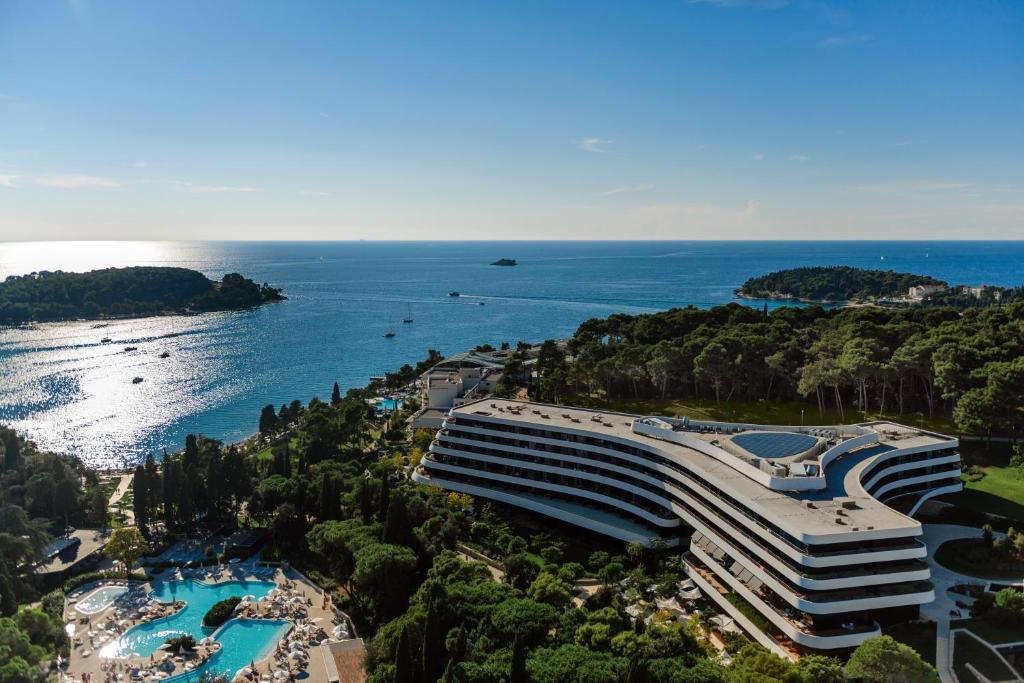
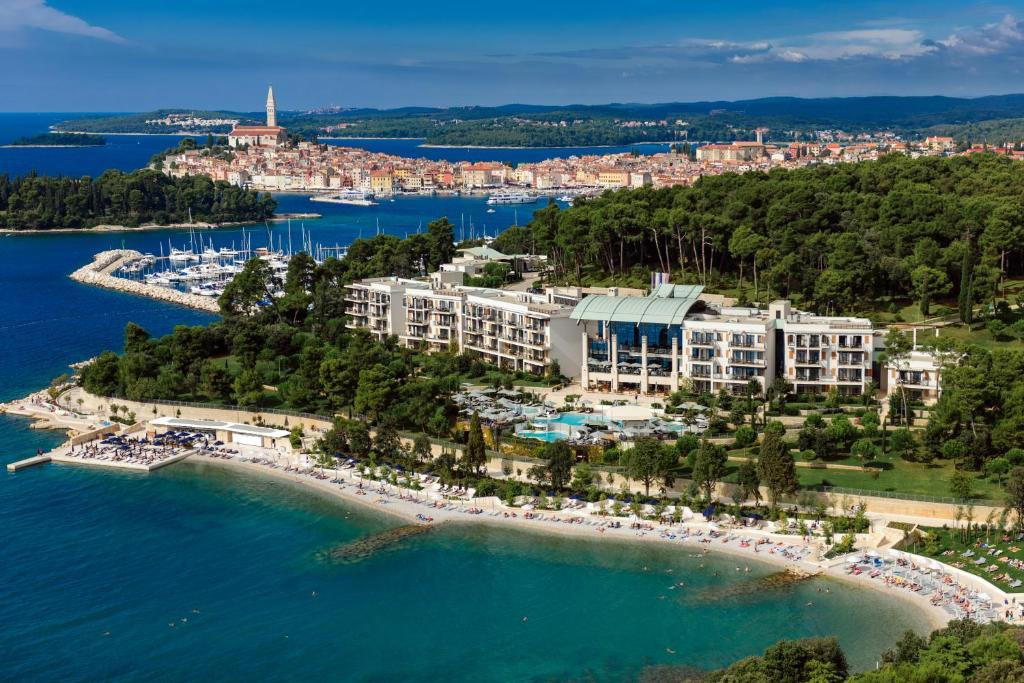
Verudela, the pine-covered peninsula that curls south of Pula's Roman centre, has a different rhythm from the amphitheatre district. The streets narrow, the tourist density drops, and the restaurants that line the waterfront edges tend to draw a more local crowd. Ribarska Koliba sits at Verudela 3, close enough to the water that the air carries salt, and the cooking makes no attempt to disguise that geography. This is Mediterranean cuisine in the Istrian register: olive oil as structural element, seafood as the primary protein, and a directness of flavour that comes from working with ingredients that don't need much help.
That olive oil foundation is worth pausing on, because it explains a great deal about what distinguishes Istrian coastal cooking from Mediterranean traditions further south or west. Istria's oil is predominantly produced from the Istarska Bjelica variety, a cultivar adapted to the peninsula's terra rossa soils and continental-influenced microclimate. Oils from this region regularly appear in international competitions at the premium end, with early-harvest pressings producing high-polyphenol oils that read as peppery and grassy rather than buttery. A kitchen working with quality local oil is using a fundamentally different flavour tool from one pouring in commodity-grade product, and that distinction runs through grilled fish, vegetables, and even bread service in a way that visitors from outside the region sometimes find unexpectedly assertive.
The Michelin Plate in Context
Ribarska Koliba has held a Michelin Plate in both 2024 and 2025, a designation that signals consistent quality without claiming star-level distinction. For calibration: Pelegrini in Sibenik and Restaurant 360 in Dubrovnik operate at the €€€€ tier with Michelin stars; Agli Amici Rovinj in nearby Rovinj brings Italian contemporary technique at similar refined pricing. Ribarska Koliba sits two price tiers below that bracket, at €€, which means the Michelin recognition here is not about architectural tasting menus or extended fine-dining formats. It is about reliable, honest cooking executed with enough consistency to earn inspector attention in a region where the mid-range field is crowded.
4 across 437 reviews is a meaningful data point in that context. At this price point and volume, ratings tend to regress toward the mean more quickly than at small-capacity fine-dining rooms. Holding 4.4 over 400-plus interactions suggests the kitchen delivers against expectations reliably, not just on its leading nights.
The Istrian Coastal Tradition This Kitchen Works Within
Mediterranean cuisine on the Croatian coast carries a specific inheritance. The region spent centuries under Venetian administration, and that influence shows in the kitchen logic: the preference for olive oil over lard, the use of polenta alongside bread, the integration of dried pasta shapes that have no parallel in the Dalmatian south. Istria in particular sits at the intersection of Italian, Slavic, and Central European food cultures, which produces combinations that can seem incongruous until you understand the geography. Truffles from the Motovun forest, thirty kilometres north, appear regularly on Istrian menus alongside Adriatic seafood. The same kitchen might serve brodetto, the Adriatic fish stew with deep Venetian-Dalmatian roots, and a pasta dish that would read comfortably in Friuli.
The restaurant's cuisine type is filed as Mediterranean, which in this location means that coastal Istrian synthesis rather than any single national tradition. The fish is local; the technique owes more to the Adriatic than to anywhere further afield; the olive oil that runs through the cooking comes from a region that takes its oil seriously enough to protect it with geographical designation.
Other Croatian restaurants working in adjacent traditions include Alfred Keller in Mali Lošinj, Boskinac in Novalja, and LD Restaurant in Korčula, each representing a different island or coastal register of the same broad tradition. For the inland Croatian counterpoint, Dubravkin Put in Zagreb and Korak in Jastrebarsko show how the same Croatian kitchen sensibility plays without the Adriatic ingredient base. Nebo by Deni Srdoč in Rijeka offers a more technically ambitious version of northern Adriatic cooking, and Krug in Split anchors the Dalmatian end of the spectrum.
For Mediterranean cooking outside Croatia, La Brezza in Ascona and Arnaud Donckele and Maxime Frédéric at Louis Vuitton in Saint-Tropez represent how the same Mediterranean foundation operates at different price registers and in different national contexts. Closer geographically, Alla Beccaccia in Valbandon offers a direct Istrian point of comparison, working within the same regional ingredient set from a similar Pula-area address.
Planning Your Visit
The restaurant is at Verudela 3, 52100 Pula, on the south side of the Verudela peninsula. The €€ price band places it in the accessible mid-range, where a full dinner with wine should sit well below what the starred rooms on the Croatian coast charge for a comparable number of courses. Summer is high season on the Istrian coast, and Pula draws significant tourist volume from June through August, so arriving without a reservation during those months carries risk even at mid-range addresses. The shoulder season, particularly May and September, gives better access and often better ingredients: the sea is still warm, the crowds thin, and the local produce that supports this kind of cooking is at its most consistent.
How It Stacks Up
Comparable venues nearby, for context on price, style, and recognition.
| Venue | Cuisine | Price | Awards | Notes |
|---|---|---|---|---|
| Ribarska KolibaThis venue — the venue you are viewing | Mediterranean Seafood | $$$ | Michelin Plate | Not listed |
| San Rocco | Contemporary Istrian Mediterranean | $$$ | Michelin Plate | Brtonigla |
| Badi | Traditional Istrian Seafood | $$$ | Michelin Plate | Lovrečica |
| Konoba Buščina | Traditional Istrian Mediterranean | $$ | Michelin Plate | Buščina |
| Morgan | Traditional Istrian Seasonal Cuisine | $$$ | Michelin Plate | Brtonigla |
| Male Madlene | Istrian Tapas & Fine Finger Food | $$$ | Not listed | Santa Croce |
Recognition history
Dated appearances from independent guides and award organizations, with the underlying list record or original source where available.
Michelin Plate
Michelin
Michelin Plate
Michelin
Michelin Plate
Michelin
Continue exploring
More in Grad Pula
Restaurants in Grad Pula
Browse all →
Bars in Grad Pula
Browse all →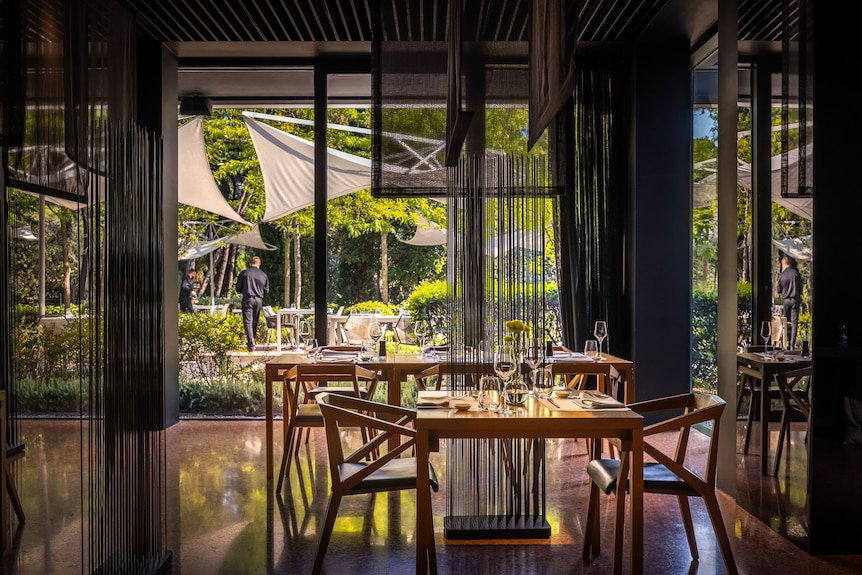
Hotels in Grad Pula
Browse all →

At a Glance
- Scenic
- Elegant
- Romantic
- Date Night
- Special Occasion
- Celebration
- Waterfront
- Terrace
- Panoramic View
- Hotel Restaurant
- Extensive Wine List
- Local Sourcing
- Sustainable Seafood
- Waterfront
Current opening hours
- Monday
- Closed
- Tuesday
- 1–8 PM
- Wednesday
- 1–8 PM
- Thursday
- 1–8 PM
- Friday
- 1–9 PM
- Saturday
- 1–9 PM
- Sunday
- 1–8 PM
Hours can change for holidays and private events. Last verified .
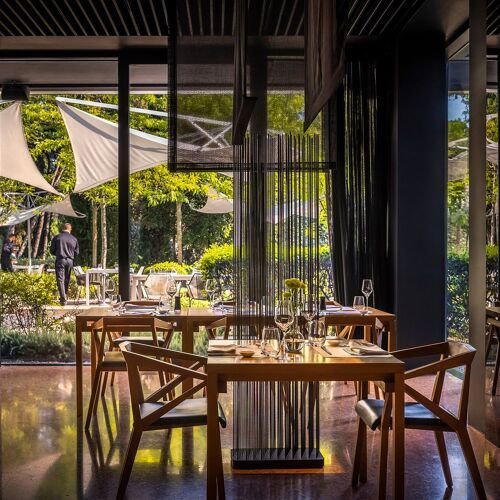
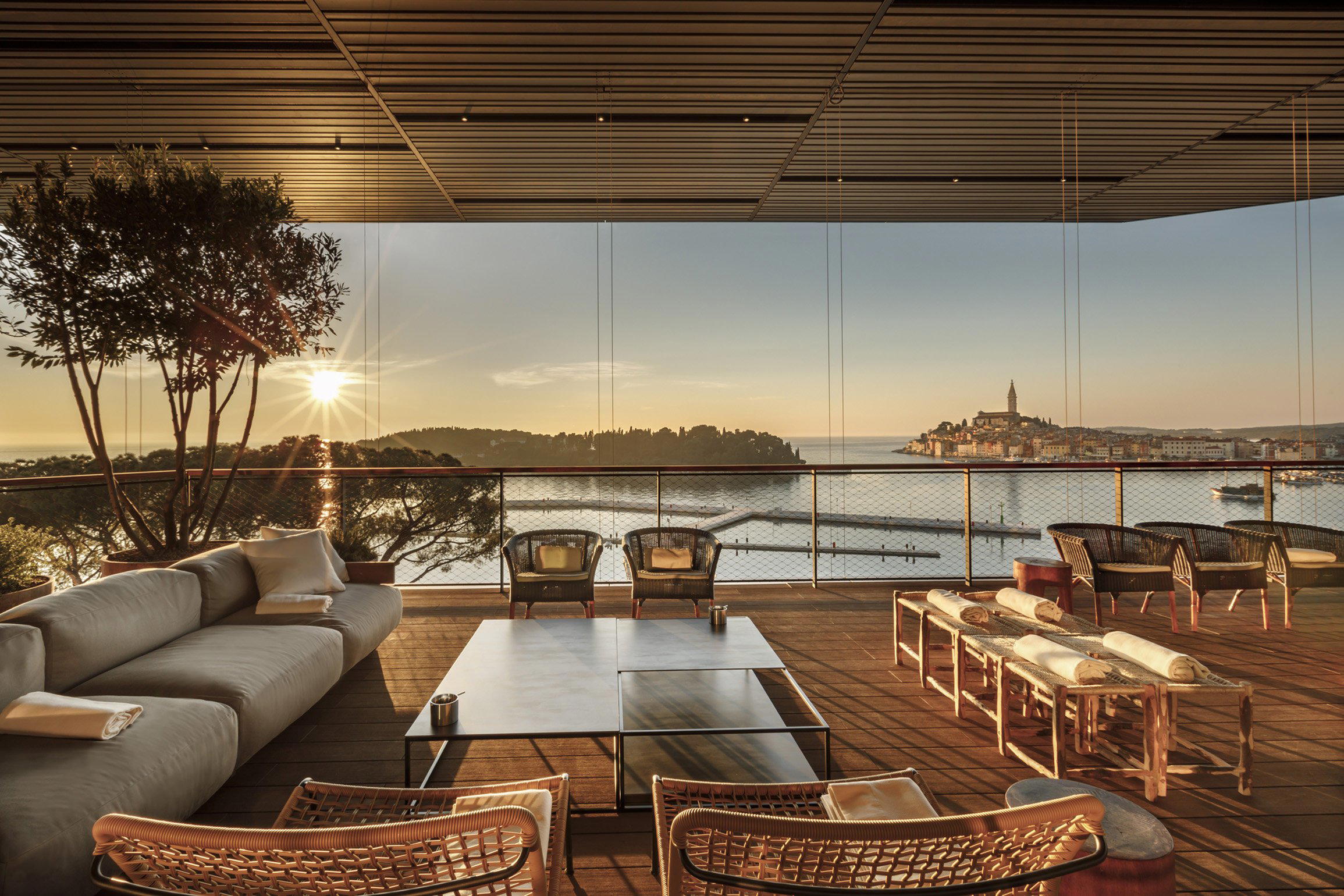
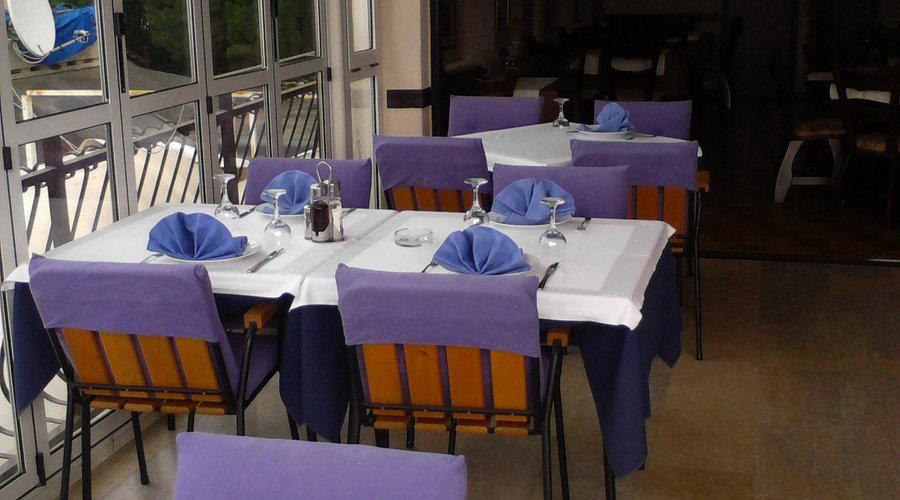
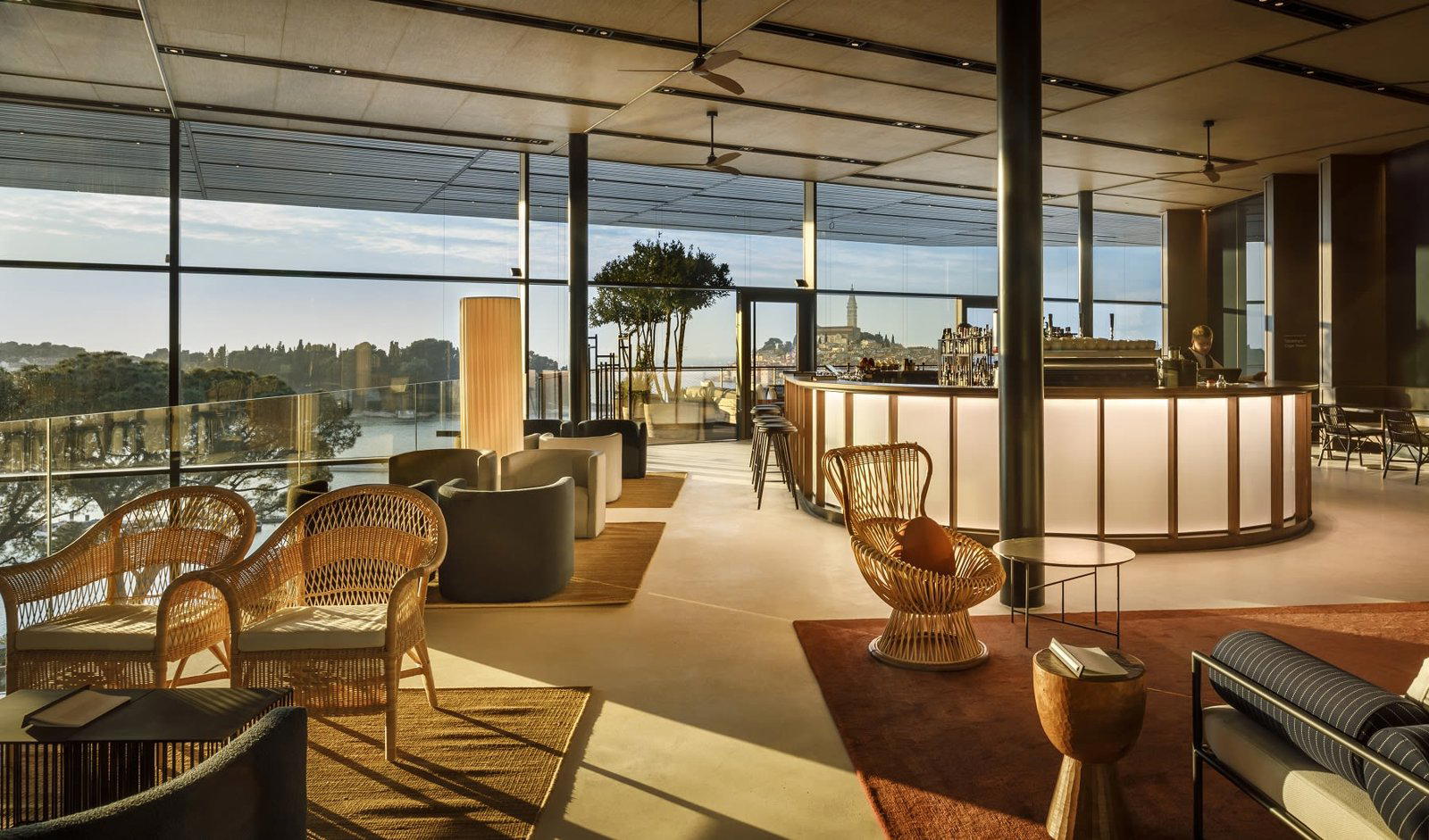
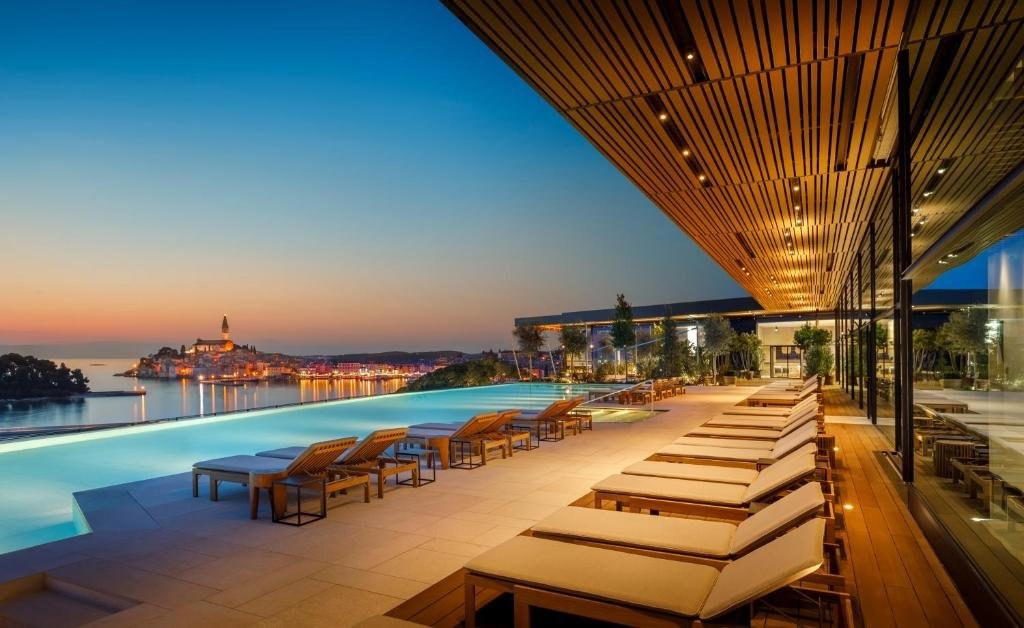
Elegant and peaceful with natural light from marina views, modern interior design, and a sophisticated yet welcoming atmosphere enhanced by attentive service.