
A Michelin Bib Gourmand and 2025 Michelin Plate holder on Istria's southern coast, Batelina in Banjole operates at the intersection of working fishing village and serious seafood kitchen. The kitchen runs on what local boats bring in daily, and the menu reflects that discipline.
Pearl is the En Primeur Club membership app — saves, bookings, and concierge access live there. Same editors, same standards.
- Address
- Čimulje 25, 52100, Banjole, Croatia
- Phone
- +385 52 573 767
- Directions
- Get directions
 Saves & bookings on Pearl
Where the Boats Dictate the Menu
The road into Banjole is the kind that slows you down before the village does. This is a small fishing settlement on the southern edge of the Istrian peninsula, a few kilometres below Pula, where the Adriatic has been the economic and culinary logic for generations. Batelina sits within that context, not as an outlier but as its most distilled expression. The physical setting is modest by design: the harbour is close, the space is unpretentious, and the atmosphere carries the low-key assurance of somewhere that has never needed to perform for attention.
What that translates to on the plate is seafood with a port-to-plate chain short enough to be genuinely meaningful. The Adriatic off the Istrian coast is among the cleaner, more biodiverse stretches of the northern Mediterranean, and what arrives from local fishermen to this kitchen does so without the multi-day cold-chain transit that flattens flavour in most city seafood restaurants. This is not a selling point manufactured for menus. It is a structural reality of cooking in a working fishing village, and it shapes every decision the kitchen makes.
Istria's Seafood Tier and Where Batelina Sits
Croatia's Adriatic coastline has produced a small but increasingly recognised tier of serious seafood restaurants, and the Michelin Guide has been mapping that tier with increasing precision. Among the Istrian and Dalmatian properties that have drawn attention, most cluster toward the upper price brackets: Agli Amici Rovinj in Rovinj holds two Michelin Stars at the €€€€ level, while further south, Pelegrini in Sibenik and Restaurant 360 in Dubrovnik operate one-star programs at comparable price points.
Batelina's position is different. The kitchen holds a Michelin Bib Gourmand from 2024, and at €€ pricing it sits below the starred Istrian competition while remaining accessible for most budgets. At €€ pricing, it sits two tiers below the starred Istrian competition, which places it in a specific niche: Michelin-recognised seafood that does not require a special-occasion budget.
Chef David Skoko leads the kitchen, and his name has become synonymous with this style of direct, ingredient-led Istrian seafood. The broader scene at this level, across the Adriatic, places sourcing discipline above technique showmanship, and Batelina fits squarely in that tendency. The comparison points are less the starred coastal restaurants and more a handful of similar addresses: Alla Beccaccia in Valbandon occupies a comparable register in the northern Istrian context, while at the broader Mediterranean scale, addresses like Gambero Rosso in Marina di Gioiosa Ionica and Alici on the Amalfi Coast demonstrate how this port-first approach plays out elsewhere in the region.
The Catch as the Kitchen's Organising Principle
In restaurants that depend on daily catch, the menu is less a document than a live negotiation between sea conditions, seasonal fish populations, and what the boats brought back that morning. The Adriatic's northern and central reaches yield a specific roster of species across the year: oily, flavourful fish that reward simple preparation, shellfish with a minerality tied to the local salinity levels, and occasional rarer catches that make their way to tables before any distribution chain would otherwise see them.
This catch-driven structure means the kitchen's job is essentially to stay out of the way of good material. The Istrian culinary tradition supports that restraint, with an emphasis on olive oil from the peninsula's groves, local wine for cooking and serving, and technique that amplifies rather than obscures what the sea provides. It is a different proposition from the more intervention-heavy modern seafood tasting menus further along the coast, and one that a specific kind of diner values highly enough to plan a visit around.
Croatia's recognition within the Michelin ecosystem has grown in recent years, with the Guide expanding its Croatian coverage as the country's dining scene has matured beyond the tourist-track grills and into more considered, product-driven cooking. Batelina's dual recognition across two consecutive Michelin cycles is a signal of consistency rather than a one-year spike, which in the context of a small fishing-village operation is a more demanding achievement than it might appear at starred restaurants with larger brigades.
Planning a Visit
Banjole is a short drive south of Pula, the largest city on the Istrian peninsula and one practical arrival point for the area. Pula has an international airport with seasonal connections across Europe that peak through the summer months, and the drive to Banjole is a matter of minutes. For those arriving from elsewhere on the Istrian coast, the peninsula's road network is compact enough that Batelina is reachable as a day trip from Rovinj, Poreč, or the northern reaches of the coast.
Given the review volume, booking ahead is advisable, particularly through the summer high season when southern Istria sees concentrated visitor numbers. The price range makes this accessible for most budgets, and the direct, unfussy format means there is no dress code expectation attached to the experience.
For readers building a longer Croatian itinerary around serious seafood, the country's recognised kitchen tier extends well beyond Istria. Nebo by Deni Srdoč in Rijeka, LD Restaurant in Korčula, and Krug in Split each represent different points on the Croatian dining spectrum, while Boskinac in Novalja, Alfred Keller in Mali Lošinj, Dubravkin Put in Zagreb, and Korak in Jastrebarsko extend the map into the islands, Kvarner, and the continental interior.
How It Stacks Up
Comparable venues nearby, for context on price, style, and recognition.
| Venue | Cuisine | Price | Awards | Notes |
|---|---|---|---|---|
| BatelinaThis venue — the venue you are viewing | Istrian Seafood from Daily Catch | $$$ | Bib Gourmand | Not listed |
| Restaurant Mare | Modern Seafood Fine Dining | $$$ | Michelin Plate | Trogir |
| Morgan | Traditional Istrian Seasonal Cuisine | $$$ | Michelin Plate | Brtonigla |
| Restoran Bruno | Traditional Adriatic Seafood | $$$ | Not listed | Bašanija |
| Lanterna | Traditional Croatian Seafood | $$$ | Not listed | Pjescana Uvala |
| Meneghetti | Modern Mediterranean Istrian | $$$$ | Michelin Plate | Bale |
Recognition history
Dated appearances from independent guides and award organizations, with the underlying list record or original source where available.
Michelin Plate
Michelin · 2026 Michelin Plate
Michelin Plate
Michelin
Michelin Bib Gourmand
Michelin
Continue exploring
More in Banjole
Restaurants in Banjole
Browse all →
Bars in Banjole
Browse all →
Hotels in Banjole
Browse all →

At a Glance
- Rustic
- Cozy
- Intimate
- Special Occasion
- Date Night
- Waterfront
- Open Kitchen
- Terrace
- Extensive Wine List
- Local Sourcing
- Sustainable Seafood
- Waterfront
- Garden
Current opening hours
- Monday
- 5–11 PM
- Tuesday
- 5–11 PM
- Wednesday
- 5–11 PM
- Thursday
- 5–11 PM
- Friday
- 5–11 PM
- Saturday
- 5–11 PM
- Sunday
- Closed
Hours can change for holidays and private events. Last verified .
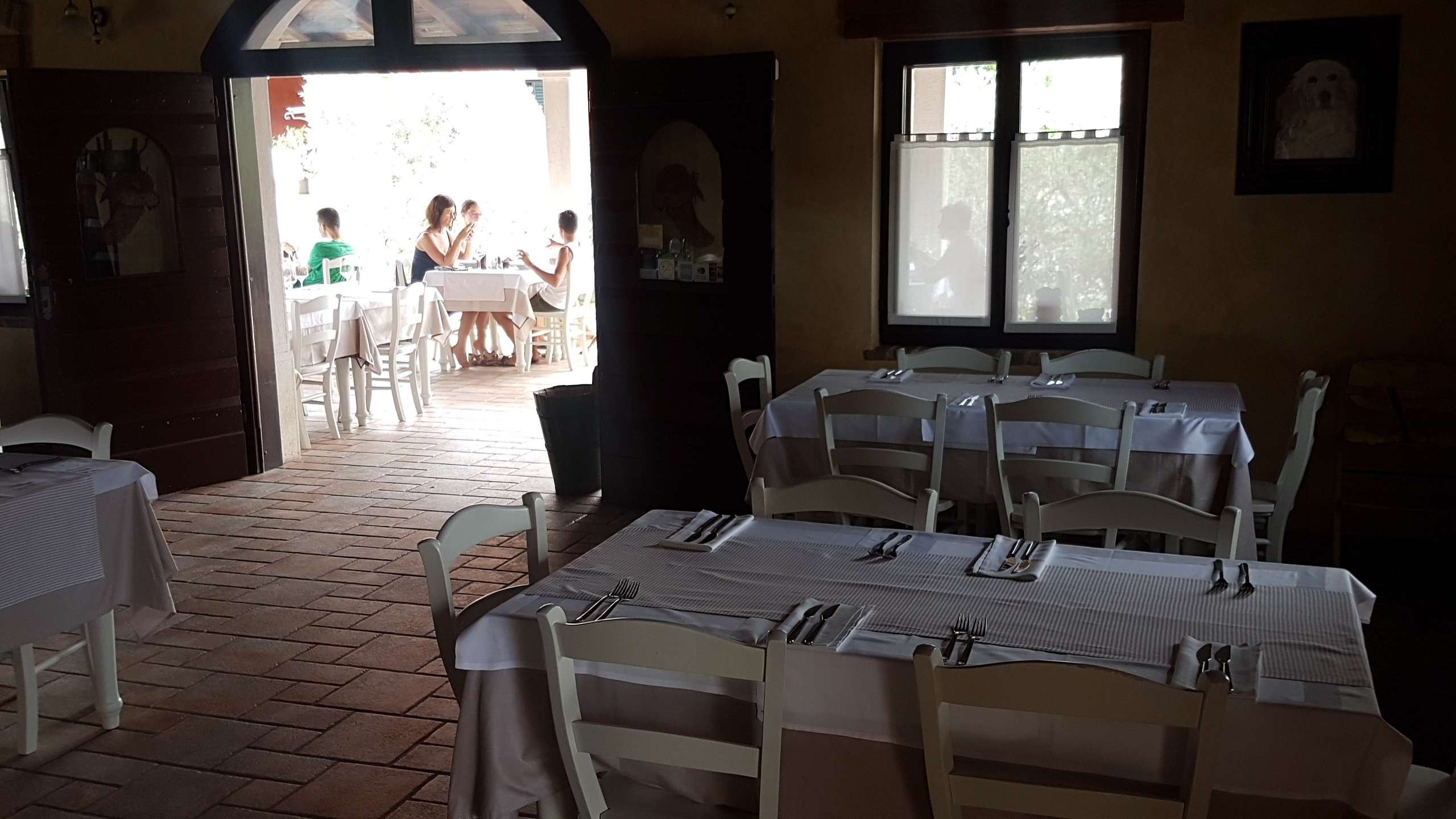
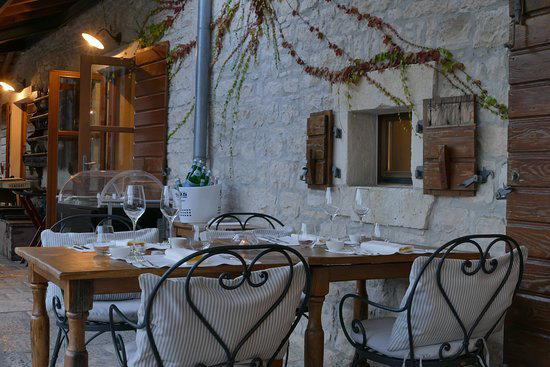
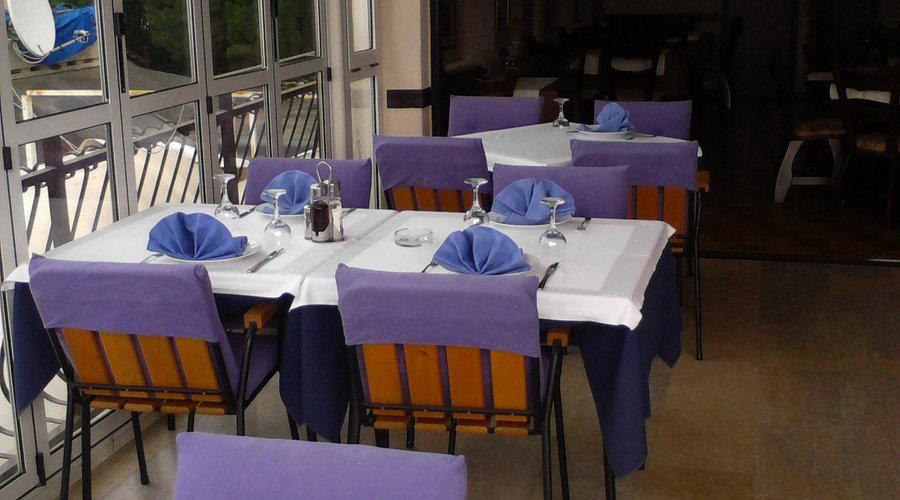
Rustic and welcoming family atmosphere with cozy indoor seating and covered outdoor terrace in a quiet seaside cove.