
Tabelog 100 #15
Our verdict
Floraison fits Kagurazaka’s grown-up occasion-dining rhythm: French cooking, wine focus, and a compact room in a neighbourhood where old Tokyo alleys meet serious restaurants. Its selection for Tabelog French TOKYO “Tabelog 100” 2025 and 2023 gives it a clear credential, while the counter-and-table format keeps the experience intimate rather than ceremonial.

Pearl is the En Primeur Club membership app, where members save venues, book tables and use the concierge.
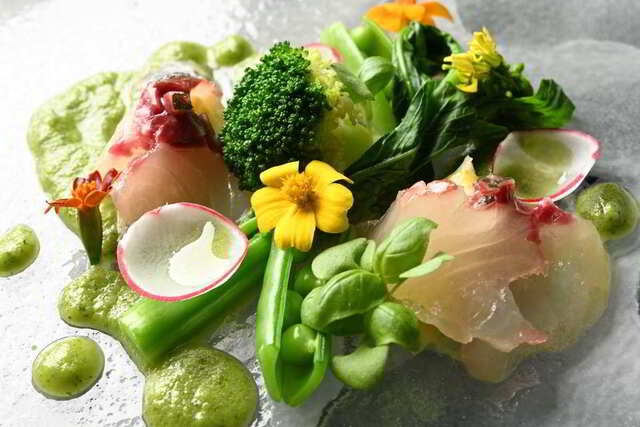
After dark, Tokyo changes register quickly: discreet entrances, low traffic murmur, then dining rooms where celebrations can feel private rather than performative. Here, French restaurants often work differently from the grand hotel model: less about chandeliers than scale, pacing, and a sense of occasion suited to anniversaries, birthdays, and business dinners where the table needs to carry weight.
Floraison fits that Tokyo category: French dining with enough recognition to matter in the city’s crowded French field. Selection for Tabelog French TOKYO “Tabelog 100” in 2025 places it in a competitive group defined less by spectacle than consistency. In Tokyo, where French cooking is absorbed into the city’s fine-dining grammar, from sauce work and seasonal produce to precision, restraint, and attentive hospitality, that distinction matters.
Tokyo French, built for milestone dinners rather than grand theatre
Tokyo has several versions of French dining: formal luxury-hotel, chef-counter, wine-bar-adjacent, and neighbourhood restaurants where technique is serious but the room stays human in scale. The city gives that last category natural cover. Its layered restaurant geography creates an occasion-dining setting that can feel adult without becoming stiff.
Floraison’s appeal sits in that middle tension. The restaurant reads as a focused setting for diners marking a date on the calendar. A French restaurant in this category is not only about the plate; pacing, drink choices, and the feel of the room shape its place in the city. Tokyo’s French dining culture often rewards balance as much as culinary technique, especially where meals are treated as a planned evening rather than casual grazing.
For celebrations, that matters more than novelty. Strong Tokyo French rooms understand that a milestone meal needs control: service that does not rush the table, drinks that support the food, and a room that makes the evening feel chosen. The restaurant’s Tabelog score of 3.87 and 2025 “Tabelog 100” French selection show clear local attention. In a city where diners grade sharply and move on quickly, that recognition is meaningful.
The decision point: French technique in a city with sharper contrasts
Tokyo is not a single-cuisine dining city, so French dining here reads differently than it would in a mono-luxury quarter. Citywide options range from soba at Kyorakutei and Ishiusuhiki Teuchi Kyorakutei to beef-led dining at Kagurazaka Teppanyaki Himawari, while L'ÉTERRE occupies a French and contemporary lane in the same city conversation. That mix gives diners a real choice: Japanese tradition, a more theatrical grill format, or French cooking with a quieter sense of occasion.
That comparison clarifies Floraison’s role. It is not for a casual refuel between neighbourhood stops, and it is not trying to compete with dining built purely around scarcity. It works well when the evening itself is the point. The French focus and composed setting make it stronger for a deliberate dinner than for diners trying to cover multiple venues in one night.
Price movement also defines the category. Floraison is listed at Dinner: JPY 15,000 - JPY 19,999; Lunch: JPY 6,000 - JPY 7,999. For diners, the conclusion is simple: Tokyo French meals in this bracket should be judged against ingredient cost, ambition, and service structure, not casual neighbourhood dining.
The restaurant’s public identity is category-led rather than chef-celebrity-led, which is not a weakness. Tokyo has many restaurants where biography becomes the headline; here, the better reading is through genre and setting. French cooking in Tokyo must earn attention from diners who could as easily choose soba, teppanyaki, or another style of dining nearby. Placement on a Tokyo French list suggests Floraison has done that within its lane.
How to place it within a Tokyo dining itinerary
Floraison makes sense when dinner anchors the night, not when the restaurant is one stop in a scattered crawl. Tokyo suits travellers who want a city with texture before and after dinner. For broader planning, Our full Tokyo restaurants guide gives the wider dining map, while Our full Tokyo hotels guide, Our full Tokyo bars guide, Our full Tokyo wineries guide, and Our full Tokyo experiences guide help set the rest of the trip around it.
The surrounding Tokyo shortlist can tilt the itinerary in several directions. For casual contrast, consider unnamed curry counters, cafés, and other easygoing dining rooms. For a more local restaurant crawl, other Tokyo spots show how quickly the city shifts from French occasion dining to charcoal, casual, and late-evening formats. Beyond that, a Japan itinerary can broaden into other cities and regional styles, while overseas comparisons sit in a different dining culture but speak to the same growing interest in Japanese formats abroad.
The editorial call is clear: choose Floraison when the occasion asks for French technique, Tokyo recognition, and the city’s quieter ceremony. It suits a composed evening better than diners chasing volume, novelty, or a loud room. In Tokyo, that restraint is often the point.
Peers Worth Knowing
Comparable venues to place this listing in its category.
| Venue | Cuisine | Price | Awards | Notes |
|---|---|---|---|---|
| FloraisonThis venue (the venue you are viewing) | Modern French with wine pairing | $50–100 | Tabelog 100 #15 | Not listed |
| Esaki | Modern Japanese Kaiseki | $50–100 | Not listed | Not listed |
| Kyorakutei | Handmade Soba & Tempura | $20–30 | Michelin Bib Gourmand · Tabelog 100 #32 | Soba |
| Ishiusuhiki Teuchi Kyorakutei | Not listed | Not listed | Not listed | JPY 4,000 - JPY 4,999 JPY 1,000 - JPY 1,999 |
| Kagurazaka Teppanyaki Himawari | Japanese Teppanyaki | $150–200 | Tabelog 100 #12 | JPY 10,000 - JPY 14,999 JPY 8,000 - JPY 9,999 |
| L'ÉTERRE | Classic French Fine Dining | $200–300 | 1 Michelin Star · Tabelog Bronze #226 | French, Contemporary |
Recognition history
Dated appearances from independent guides and award organizations, with the underlying list record or original source where available.
Tabelog 100 #15 · No. 15
Tabelog · Tabelog 100 - French - TOKYO - 2025
Continue exploring
More in Tokyo
Restaurants in Tokyo
All restaurants in Tokyo →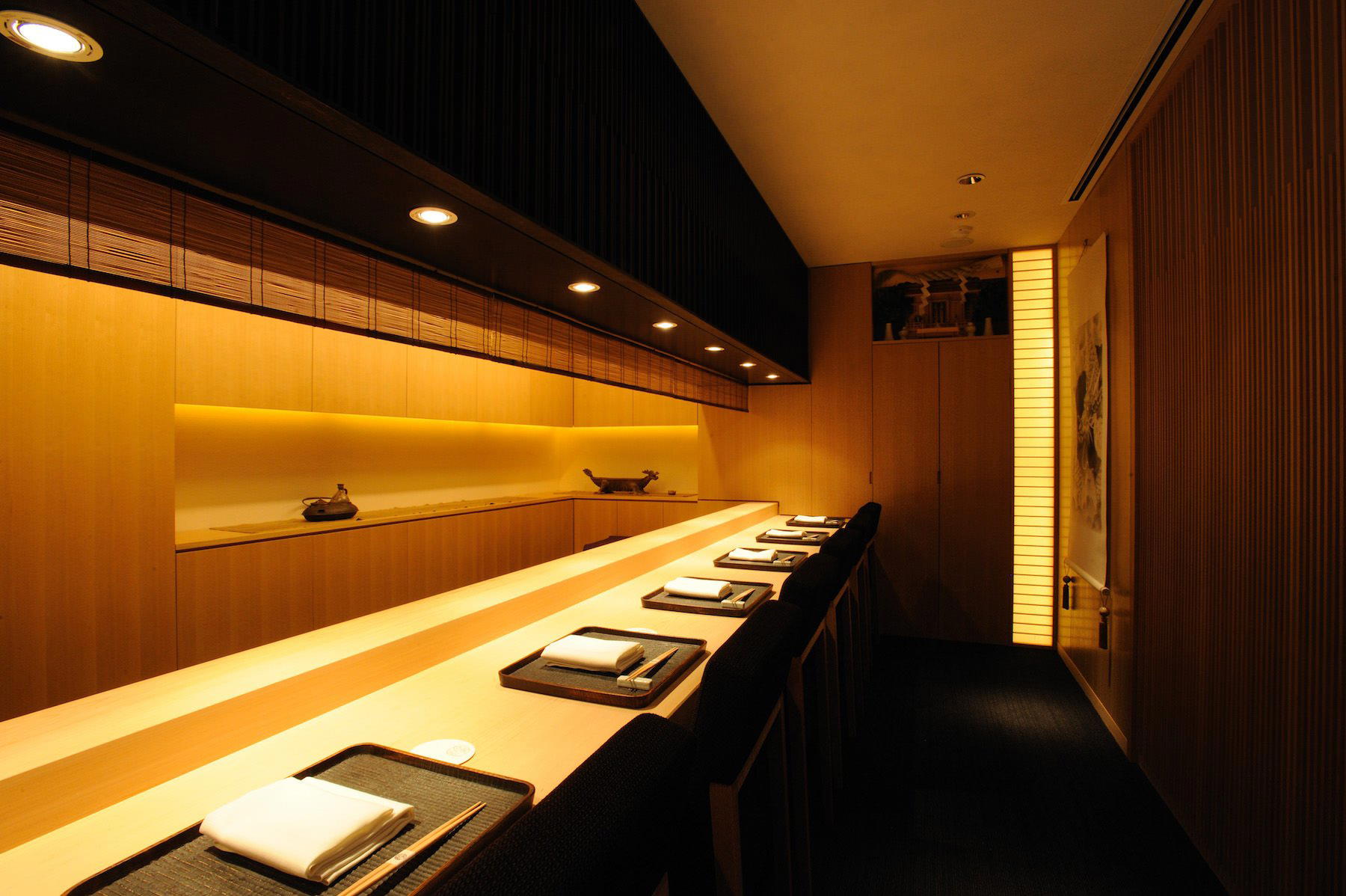

Bars in Tokyo
All bars in Tokyo →



Floraison
The wine
- Wine program
- Deep wine list
- Extensive wine list
- Sommelier-led
Details
- Cozy
- Elegant
- Intimate
- Modern
- Date Night
- Business Dinner
- Celebration
- Special Occasion
- Group Dining
- Standalone
- Wine Cellar
- Extensive Wine List
- Sommelier Led
- Tasting Menu
- Set Menu
- Counter Dining
- Wine
Current opening hours
- Monday
- 6–11 PM
- Tuesday
- 6–11 PM
- Wednesday
- 6–11 PM
- Thursday
- 6–11 PM
- Friday
- 12–3 PM, 6–11 PM
- Saturday
- 12–3 PM, 6–11 PM
- Sunday
- Closed
Hours can change for holidays and private events. Last verified .
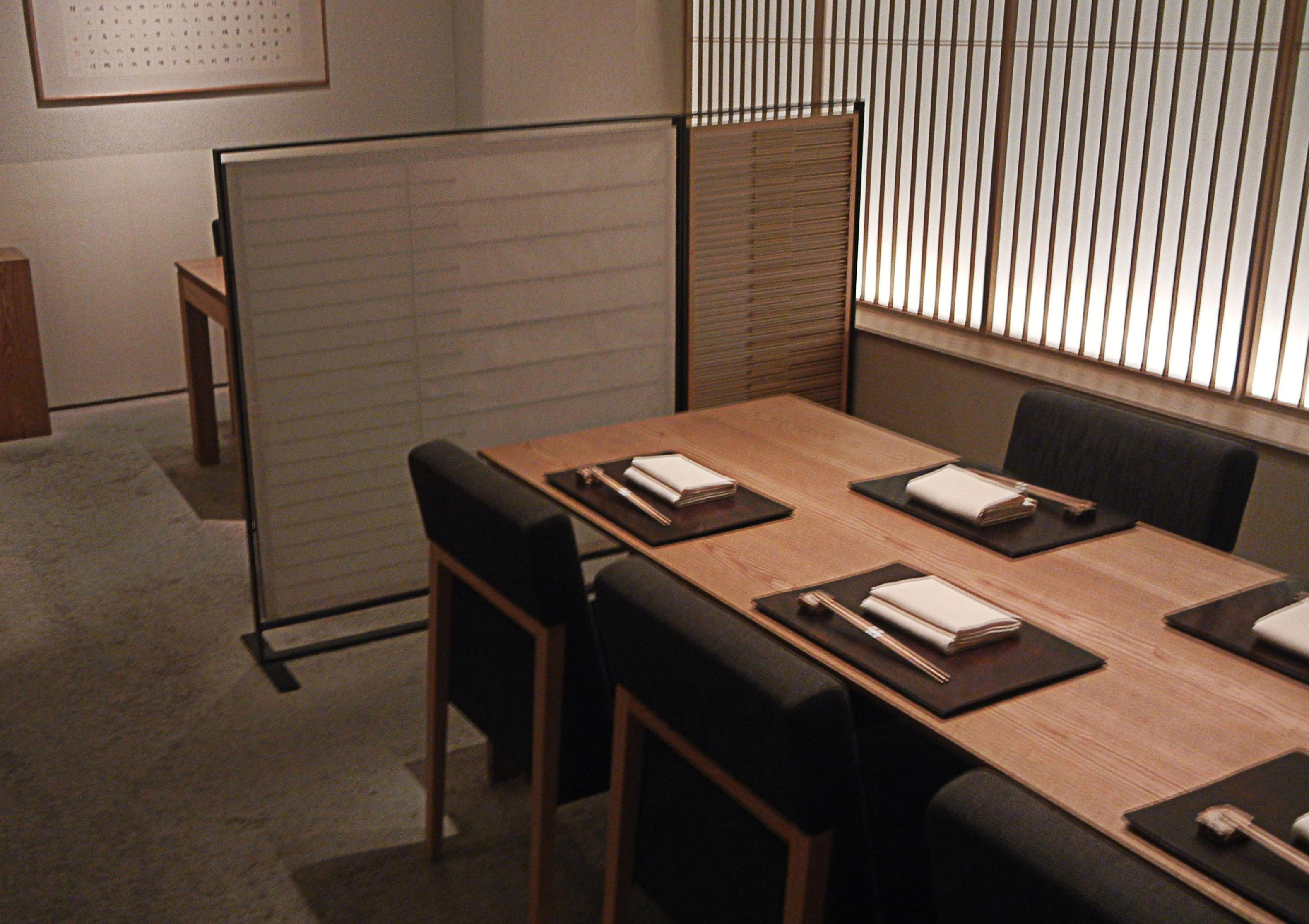
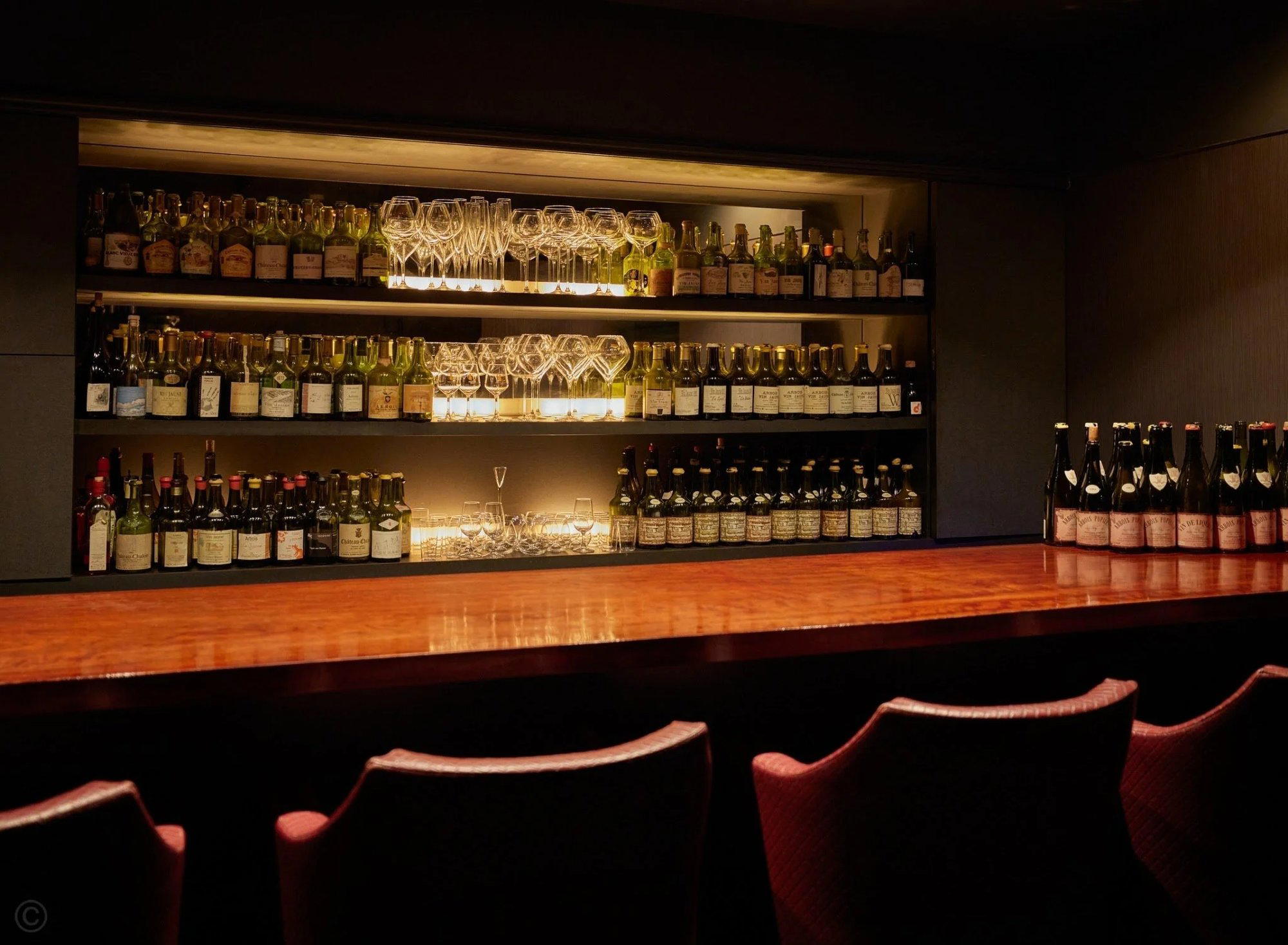
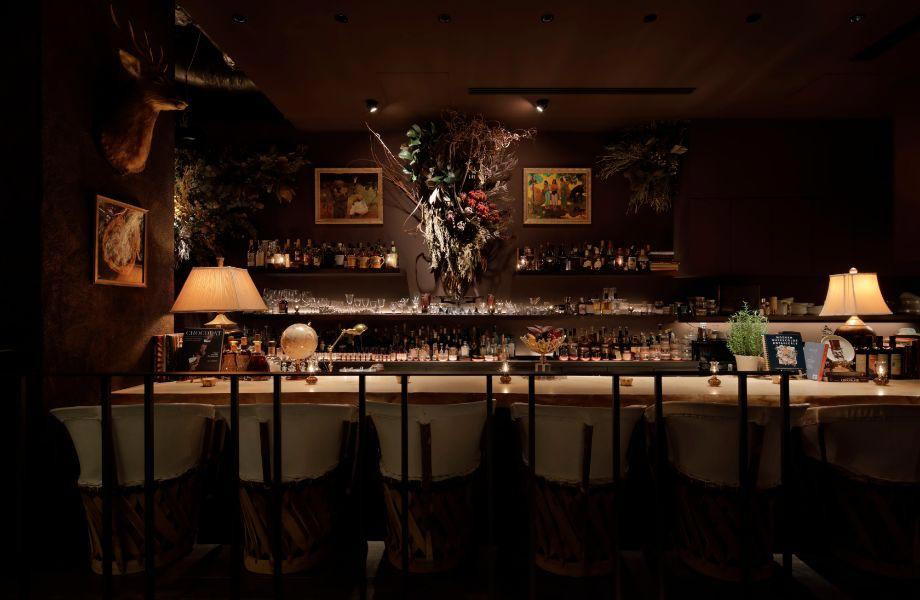
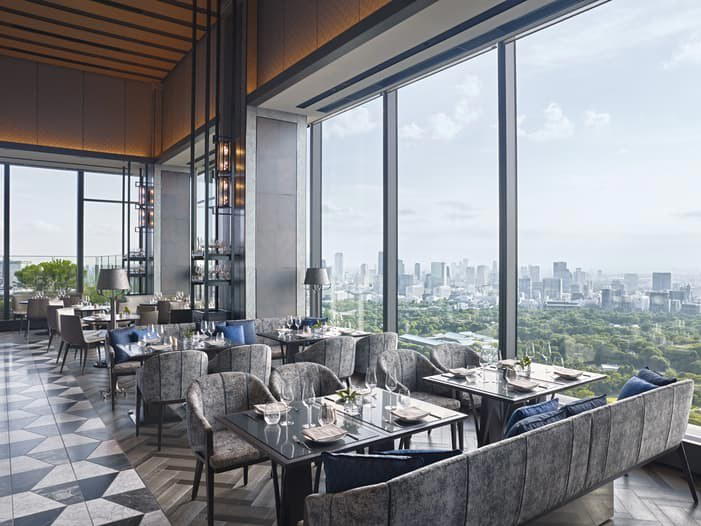
A small second-floor French restaurant with a stylish yet relaxed interior, counter and table seating, subdued lighting, and a calm, intimate atmosphere suited to quiet conversations and wine-focused dining.