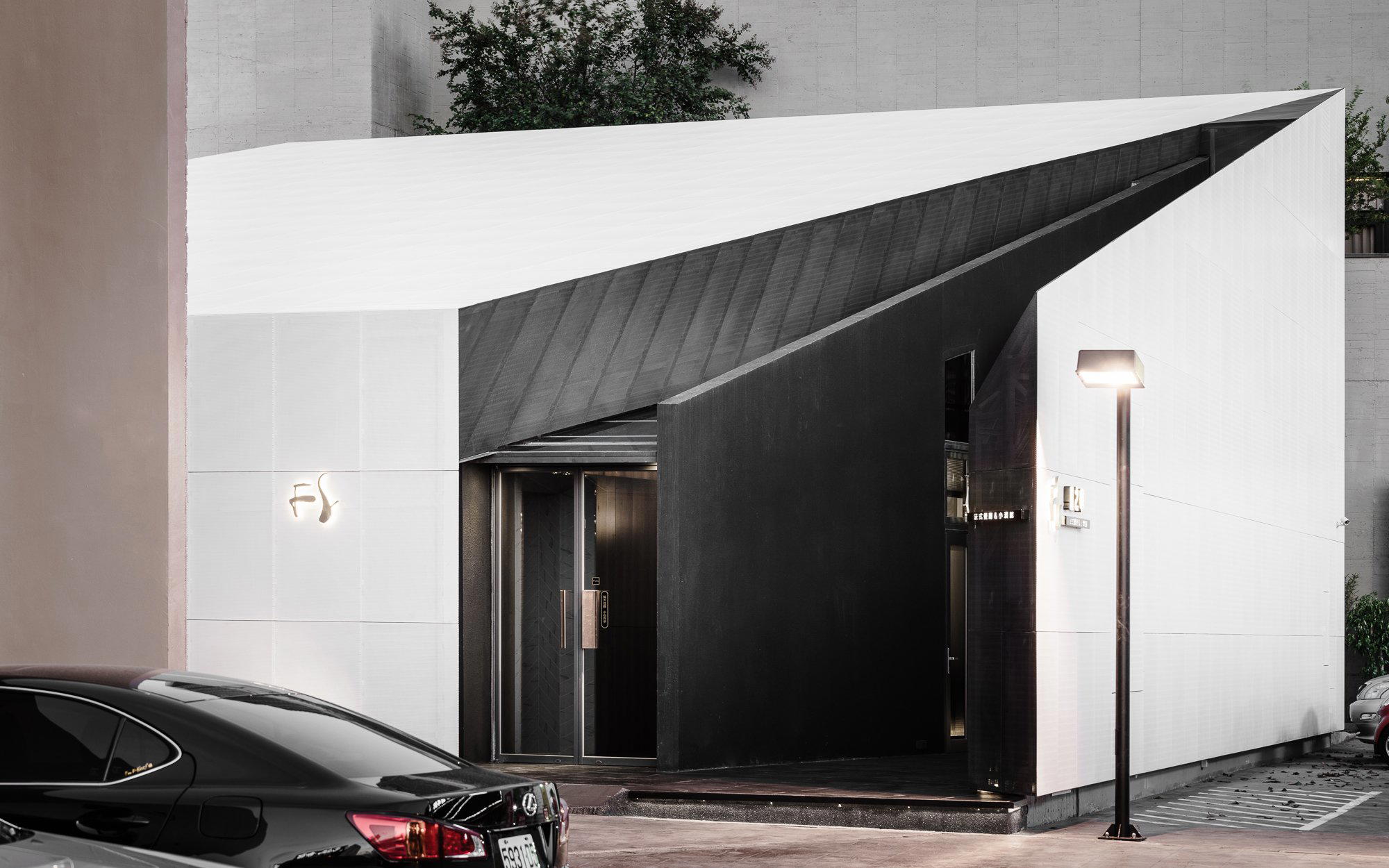
Figarden sits in Taichung's Xitun District, a part of the city where casual neighbourhood dining and more considered sit-down formats share the same streets.
Pearl is the En Primeur Club membership app — saves, bookings, and concierge access live there. Same editors, same standards.
- Address
- No. 197號, Dadun 18th St, Xitun District, Taichung City, Taiwan 407
- Phone
- +886423101886
- Website
- fifigarden.com.tw
- Directions
- Get directions
 Saves & bookings on Pearl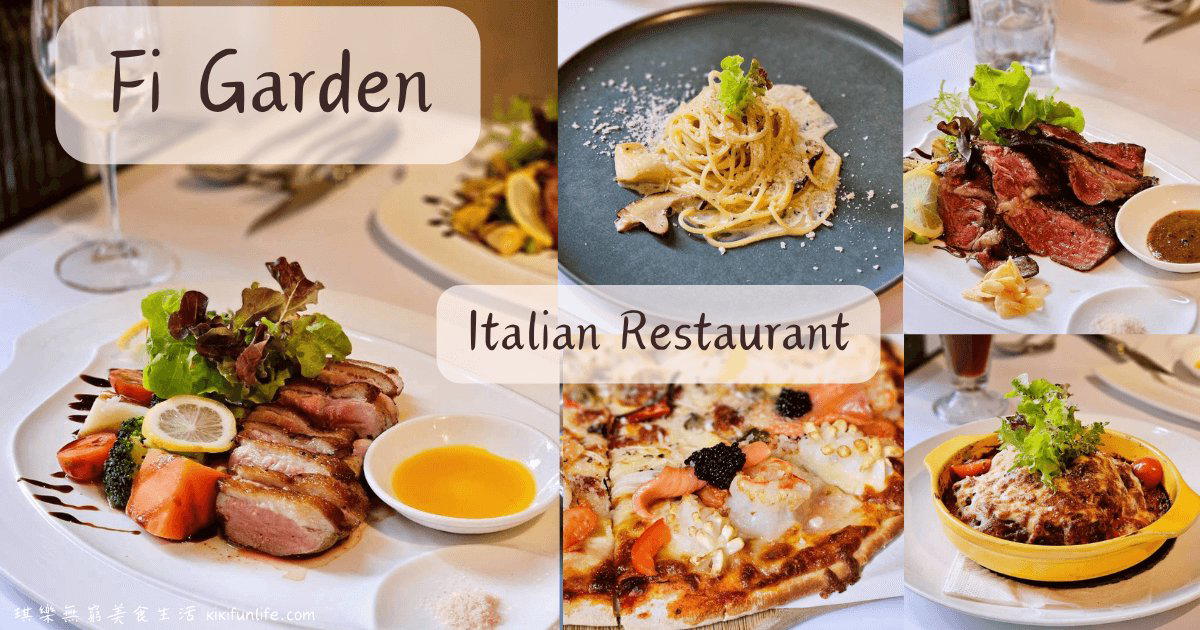
Xitun's Quiet Dining Tier
Taichung has spent the better part of the last decade building a dining reputation that extends well beyond its night markets and beef noodle shops. Figarden occupies an address on Dadun 18th Street, sits at the western edge of this evolution. This is not the dense, restaurant-per-square-metre corridor of Zhongming South Road, nor the more self-consciously designed precinct near Calligraphy Greenway. Xitun's dining character is quieter: residential blocks interspersed with venues that rely on neighbourhood regulars rather than tourist foot traffic. In a city where JL Studio in Taichung occupies the formally credentialed upper tier, Figarden represents a different kind of draw, the sort of address that circulates through local recommendation before it ever appears in a guide.
The Lunch and Dinner Question in Taichung
Across Taiwan's mid-sized cities, the gap between daytime and evening dining culture is wider than it appears. Lunch in Taichung tends toward speed and value: set meals, noodle counters, rice box formats designed for office workers and nearby residents. Evening service opens up in tone, with kitchens more willing to extend a menu and guests more inclined to sit through multiple courses. This rhythm is visible across the city's spectrum, from the efficient bowl formats at A Kun Mian to the grilled formats at Abura Yakiniku.
That positioning matters. Venues that serve both lunch and dinner without specialising in either tend to accumulate a loyal mixed clientele: weekday lunch regulars who return on weekend evenings, and evening visitors who discover the daytime menu is worth a separate trip. In Taichung's Xitun corridor, this dual-function format is common enough that it has its own character, less transactional than a pure lunch counter, less formal than a dedicated evening restaurant. The Burger Joint nearby represents one end of this casual daytime-into-evening spectrum; DIN YUE RESTAURANT illustrates how some Taichung venues build a more structured proposition around the same neighbourhood base.
Taichung in the Broader Taiwan Dining Map
Understanding Figarden requires some sense of where Taichung sits relative to Taiwan's other dining cities. Taipei concentrates the island's formally credentialed restaurants, with venues like logy in Taipei representing the kind of precision-driven tasting menu format that attracts international attention. Kaohsiung has developed its own identity through venues such as GEN in Kaohsiung, while Tainan's deep street-food heritage, visible at addresses like Amei in Tainan, sets a different kind of benchmark. Taichung's contribution to this map is less about fine dining density and more about a particular quality of everyday restaurant culture: venues that take their food seriously without necessarily seeking awards or press coverage.
This is the tier where Figarden operates. The absence of formal accolades or documented press recognition does not indicate a gap in quality; in Taiwan's mid-city dining scene, it often indicates a venue that has not yet been reached by the credentialing machinery rather than one that has been passed over for cause. Across Taiwan, several now-recognised addresses spent years building local followings before attracting wider attention. The trajectory of venues in smaller cities like Hsinchu, where Bebu in Hsinchu County and Dongmen Rice Noodle Soup in Hsinchu City have built followings on local merit, mirrors this pattern. Yilan's Shen Yen and New Taipei's Chi Yuan follow similar arcs, as does the more remote Akame in Wutai Township, which built its reputation on indigenous ingredients and a specific location before any formal recognition arrived.
What Draws Visitors to This Part of Xitun
Dadun 18th Street sits within a residential and commercial mix that characterises much of western Xitun. The area lacks the concentrated cultural infrastructure of Taichung's more photographed districts, but it functions well as a neighbourhood in the practical sense: accessible by the city's bus network, with parking available at nearby surface lots, and close enough to the Taichung Metropolitan Park to draw weekend foot traffic. For visitors staying in the Xitun or Nantun hotel corridor, the address is reachable without crossing the city. For those based further east, near the train station or the older central districts, the journey is worth framing as part of a broader westward sweep rather than a standalone destination trip.
The surrounding dining context gives Figarden useful cover. In a district with multiple neighbourhood restaurants serving similar daytime crowds, the venues that hold their position tend to have something specific in their kitchen or service approach that keeps regulars returning. Its elegant Italian fine dining profile and expected spend of about US$60 per person give it that specificity here. What the address signals, a street-level presence in a residential Xitun block, is consistent with the kind of all-day neighbourhood restaurant that forms the backbone of everyday dining culture in Taiwan's second-tier cities.
Planning a Visit
Approaching Figarden works best with a reservation, since booking is recommended and the restaurant keeps regular lunch and dinner hours throughout the week. Arriving at a mid-morning or early-afternoon window generally covers the overlap between brunch formats and lunch service in this part of Xitun. For visitors who prefer a venue with a fully documented profile before committing to the journey, The café-adjacent format visible at cafe crotchet nearby offers an alternative daytime option in the same district if Figarden's service window does not align.
For context on Taiwan's hospitality scene, Volando Urai Spring Spa and Resort in Wulai District represents a different register entirely. Elsewhere, the kind of editorial attention applied to venues like Le Bernardin in New York City or Lazy Bear in San Francisco rarely reaches neighbourhood restaurants in Taichung's western districts, which is, in part, what makes finding one that resonates feel like a genuinely useful piece of local knowledge.
Cuisine-First Comparison
Comparable venues nearby, for context on price, style, and recognition.
| Venue | Cuisine | Price | Awards | Notes |
|---|---|---|---|---|
| FigardenThis venue — the venue you are viewing | Elegant Italian Fine Dining | $$$$ | Not listed | Not listed |
| 滬舍餘味 | Modern Taiwanese Fine Dining | $$$ | Not listed | Sanhe |
| DIN YUE RESTAURANT | Top Cantonese Cuisine | $$$$ | Not listed | Chaoyang |
| FIRNS | Modern French-Asian Fine Dining | $$$$ | Michelin Plate | Gongping |
| UNA-VERSE | Modern Taiwanese-French Dessert Tasting | $$$ | Not listed | Wenxin |
| Yu Yue Lou | Modern Cantonese Fine Dining | $$$$ | Michelin Plate | Xinsheng |
At a Glance
- Elegant
- Romantic
- Sophisticated
- Date Night
- Special Occasion
- Standalone
- Extensive Wine List
Current opening hours
- Monday
- 11:30 AM–2:30 PM, 5:30–9:30 PM
- Tuesday
- 11:30 AM–2:30 PM, 5:30–9:30 PM
- Wednesday
- 11:30 AM–2:30 PM, 5:30–9:30 PM
- Thursday
- 11:30 AM–2:30 PM, 5:30–9:30 PM
- Friday
- 11:30 AM–2:30 PM, 5:30–9:30 PM
- Saturday
- 11:10 AM–3 PM, 5:10–9:30 PM
- Sunday
- 11:10 AM–2:30 PM, 5:10–9:30 PM
Hours can change for holidays and private events. Last verified .
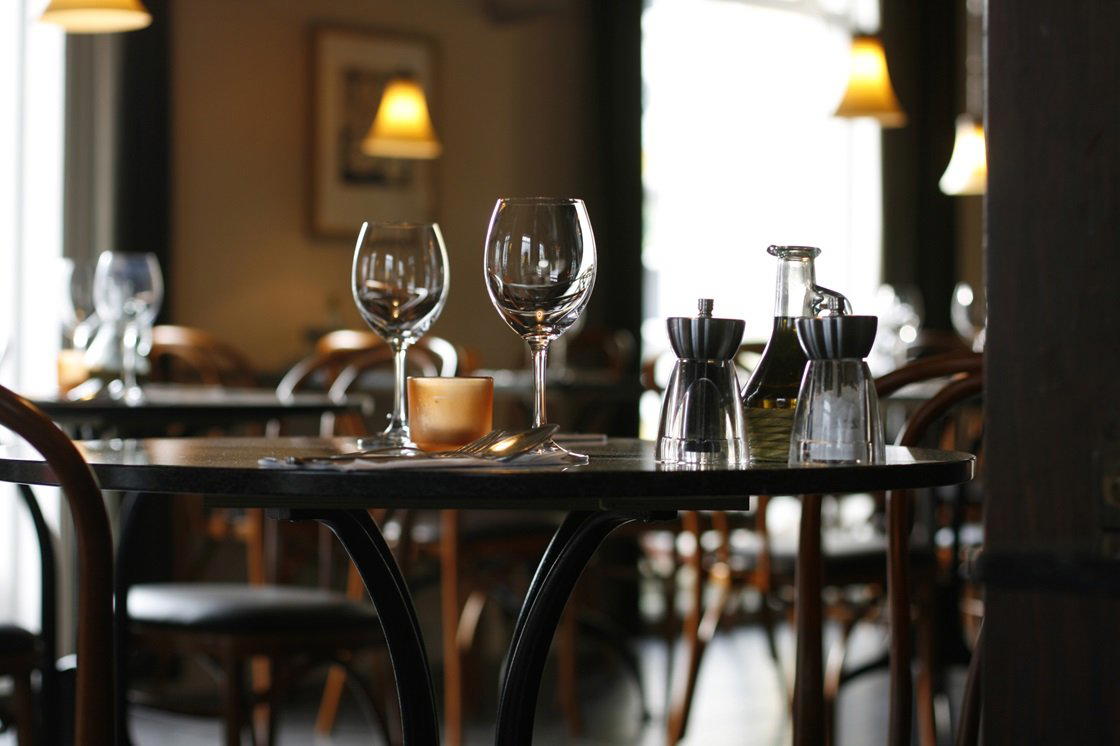
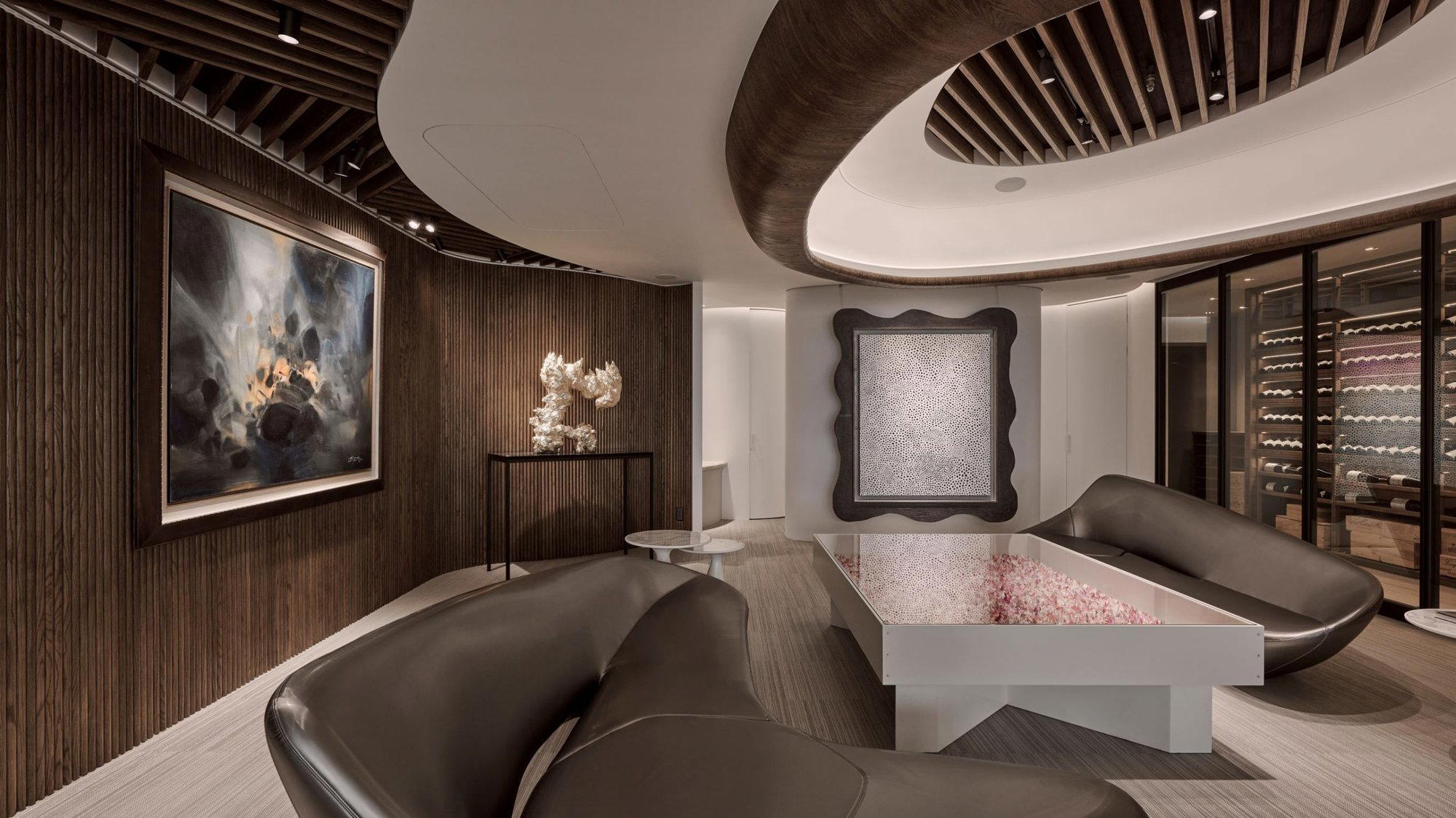
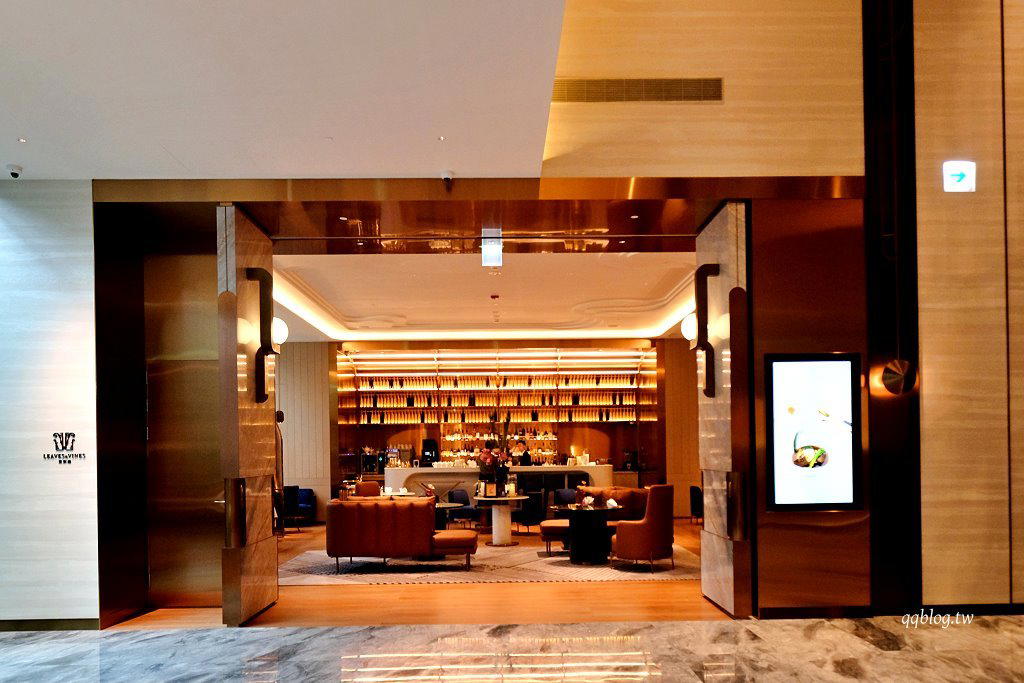
Romantic European-style atmosphere with refined white-tablecloth setting, soft lighting, and sophisticated dining experience.