日日宴 粵菜私廚 sits in Taichung's Beitun District, operating as a private-kitchen format within the city's growing Cantonese dining scene. Travellers exploring Taichung's broader restaurant range will find it worth investigating alongside the city's other specialist Chinese dining rooms.
Pearl is the En Primeur Club membership app — saves, bookings, and concierge access live there. Same editors, same standards.
- Address
- No. 133號, Section 3, Shanxi Rd, Beitun District, Taichung City, Taiwan 406
- Phone
- +886424225555
- Website
- tablecheck.com
- Directions
- Get directions
 Saves & bookings on Pearl
Cantonese Private Kitchens and Where Taichung Fits
The private-kitchen format has deep roots in Hong Kong dining culture, where regulations once made unlicensed restaurant operation a practical necessity and scarcity became a feature rather than a flaw. That model moved across the Taiwan Strait and into cities like Taipei and Taichung not as a copy but as an adaptation: the intimate setting, the fixed or semi-fixed menu, and the sense of eating in a space not quite public. In Taichung, a city whose restaurant scene has grown considerably over the past decade, this format occupies a particular niche. It sits between the large Cantonese banquet halls that handle wedding tables and business dinners, and the newer wave of tasting-menu restaurants that have brought international attention to Taiwan's dining scene through venues like JL Studio in Taichung.
春日宴 粵菜喜宴, located at No. 133號, Section 3, Shanxi Rd, Beitun District, Taichung City, Taiwan 406, occupies this middle ground. The address itself signals something about its positioning: Beitun sits north of Taichung's central commercial districts, away from the restaurant clusters around Zhongqing Road and the West District that draw editorial attention. Operating from a residential-adjacent lane rather than a high-street address is characteristic of the private-kitchen model, where discovery relies on word of mouth and repeat clientele rather than foot traffic.
Cantonese Cooking in a Non-Cantonese City
Cantonese cuisine in Taiwan operates in a specific cultural register. Unlike in Hong Kong or Guangzhou, where Cantonese cooking is the default culinary language, in Taiwan it arrives as a distinct choice against a background of Hokkien-influenced Taiwanese cooking, beef noodle soups, and the night-market culture that defines so much of the country's public food identity. Restaurants that commit seriously to Cantonese technique, slow-braised meats, precise steaming, wok hei-dependent stir-fries, and the broader philosophy of allowing quality ingredients to speak with minimal intervention, are making an argument about value that differs from the local competition.
This is the tradition that 粵菜 (Yuècài, Cantonese cuisine) represents, and a private kitchen format sharpens that argument further. The 私廚 (sīchú) model implies a closer relationship between kitchen and table: menus may shift based on seasonal market availability, portions are calibrated for the group rather than the anonymous diner, and the cooking often reflects a level of care that larger operations find difficult to maintain. For context on how this kind of specialist approach plays out elsewhere in Taiwan, it is worth looking at how venues across the island have built reputations through format discipline: Amei in Tainan and Akame in Wutai Township both demonstrate what happens when a specific culinary identity is held consistently over time.
Beitun District and the Logic of Its Location
Beitun is not where most food guides send visitors first. The district is primarily residential, its main roads lined with local shops, traditional markets, and the kind of neighbourhood restaurants that serve the people who actually live there rather than those who have flown in. This is not a weakness for a private-kitchen operation; it may be the point. The clientele for a venue like 日日宴 粵菜私廚 is likely to be local regulars, business diners seeking a room away from the noise of central Taichung, and the kind of traveller who has already worked through the obvious addresses and is looking for something operating on a different frequency.
For those building a broader Taichung itinerary, the city's dining range runs considerably wider than its fine-dining tier. A Kun Mian represents the noodle-shop tradition that anchors everyday eating in the city, while Burger Joint and cafe crotchet 加點咖啡 台中美村路巷弄咖啡廳 reflect the city's appetite for international formats reinterpreted through a local lens. DIN YUE RESTAURANT and Abura Yakiniku fill different positions in the Chinese and Japanese dining segments. Our full Taichung City restaurants guide maps out these options in more detail.
Taiwan's Broader Fine-Dining Trajectory
To understand where a specialist Cantonese private kitchen fits in Taiwan's dining picture, it helps to note how the island's restaurant scene has repositioned itself internationally over the past several years. Venues like logy in Taipei and GEN in Kaohsiung have attracted the kind of international critical attention that was once reserved for Tokyo or Hong Kong. Taiwan's Michelin coverage has expanded, and the Asia's 50 Best Restaurants list now regularly includes Taiwanese addresses. That visibility has concentrated on tasting-menu formats and fusion-leaning kitchens; it has done less to document the parallel tradition of Chinese regional cooking practiced at the private-kitchen level.
This is where venues like 日日宴 粵菜私廚 operate without much external documentation. They are not invisible, their clientele finds them, but they sit largely outside the reviewing infrastructure that drives international coverage. The same pattern plays out in other parts of Taiwan: Chi Yuan in New Taipei, Bebu in Hsinchu County, and Shen Yen in Yilan each occupy specialist positions that reward the traveller willing to research beyond headline lists. For a sense of how resort and wellness dining fits into a Taiwanese trip, Volando Urai Spring Spa & Resort in Wulai District and Dongmen Rice Noodle Soup in Hsinchu City show how different the range can be across the island.
Planning a Visit
Because 日日宴 粵菜私廚 operates as a private kitchen, the standard assumptions about walk-in availability, posted hours, and online booking systems may not apply. Private kitchens in Taiwan typically require advance contact, often through phone or messaging platforms, and may operate only on specific days or for groups meeting a minimum size. The Shanxi Road, Beitun address is accessible by car or taxi from central Taichung, and the lane format of the address suggests a building set back from the main road rather than a street-front shopfront. Visitors should confirm operational details directly before making the trip. The private-kitchen format in Taiwan also tends to reward guests who communicate dietary restrictions at the booking stage, when menus can still be adjusted, rather than on arrival.
Price Lens
Comparable venues nearby, for context on price, style, and recognition.
| Venue | Cuisine | Price | Awards | Notes |
|---|---|---|---|---|
| 春日宴 粵菜喜宴This venue — the venue you are viewing | Songzhu, Traditional Japanese Kaiseki | $$$ | Not listed | Not listed |
| Zonzen Yakiniku Taichung Dadun Branch | Daye, Japanese Yakiniku | $$$ | Not listed | Not listed |
| 嵐山熟成牛かつ專売-北屯昌平店 | Songzhu, Japanese Aged Beef Cutlet | $$ | Not listed | Not listed |
| UNA-VERSE | Not listed | $$$ | Not listed | Wenxin, Modern Taiwanese-French Dessert Tasting |
| Gubami | Not listed | $$$ | Not listed | West District, Gourmet Taiwanese Beef Noodle |
| Isagi | Not listed | $$$ | Michelin Plate | Shengping, Japanese Omakase with Fukuoka Flavors |

At a Glance
- Elegant
- Sophisticated
- Classic
- Business Dinner
- Group Dining
- Family
- Celebration
- Special Occasion
- Private Event
- Private Dining
- Design Destination
- Standalone
- Corkage Allowed
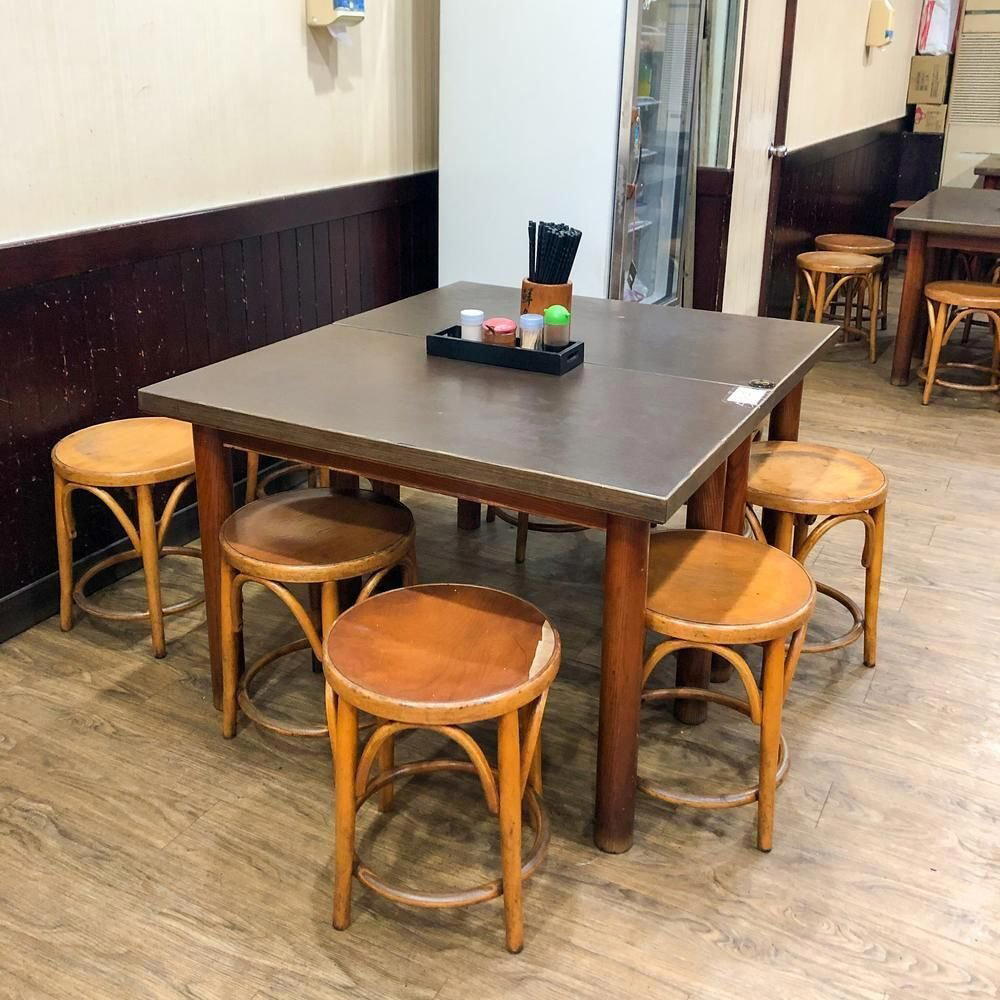
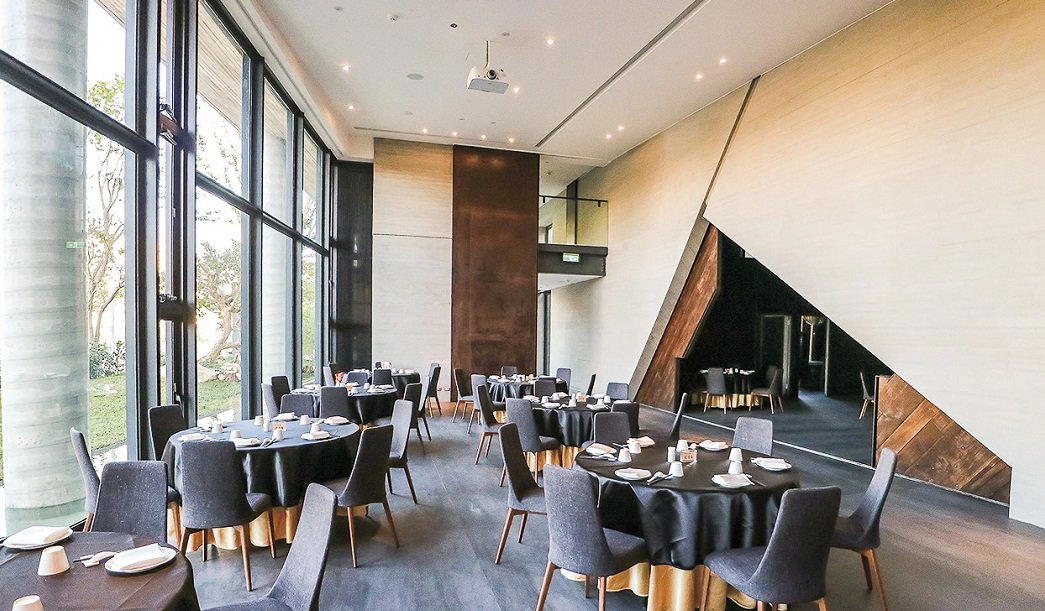
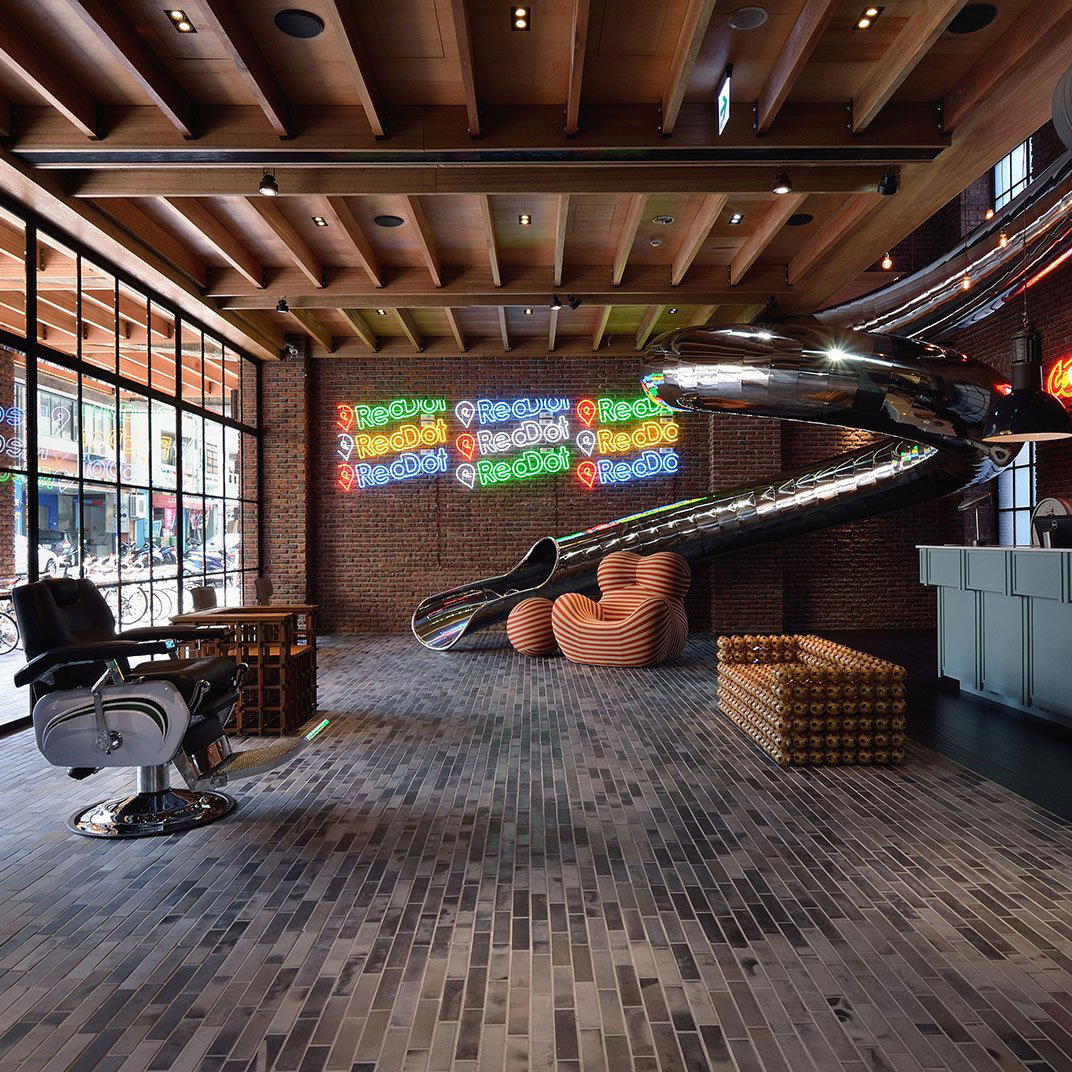
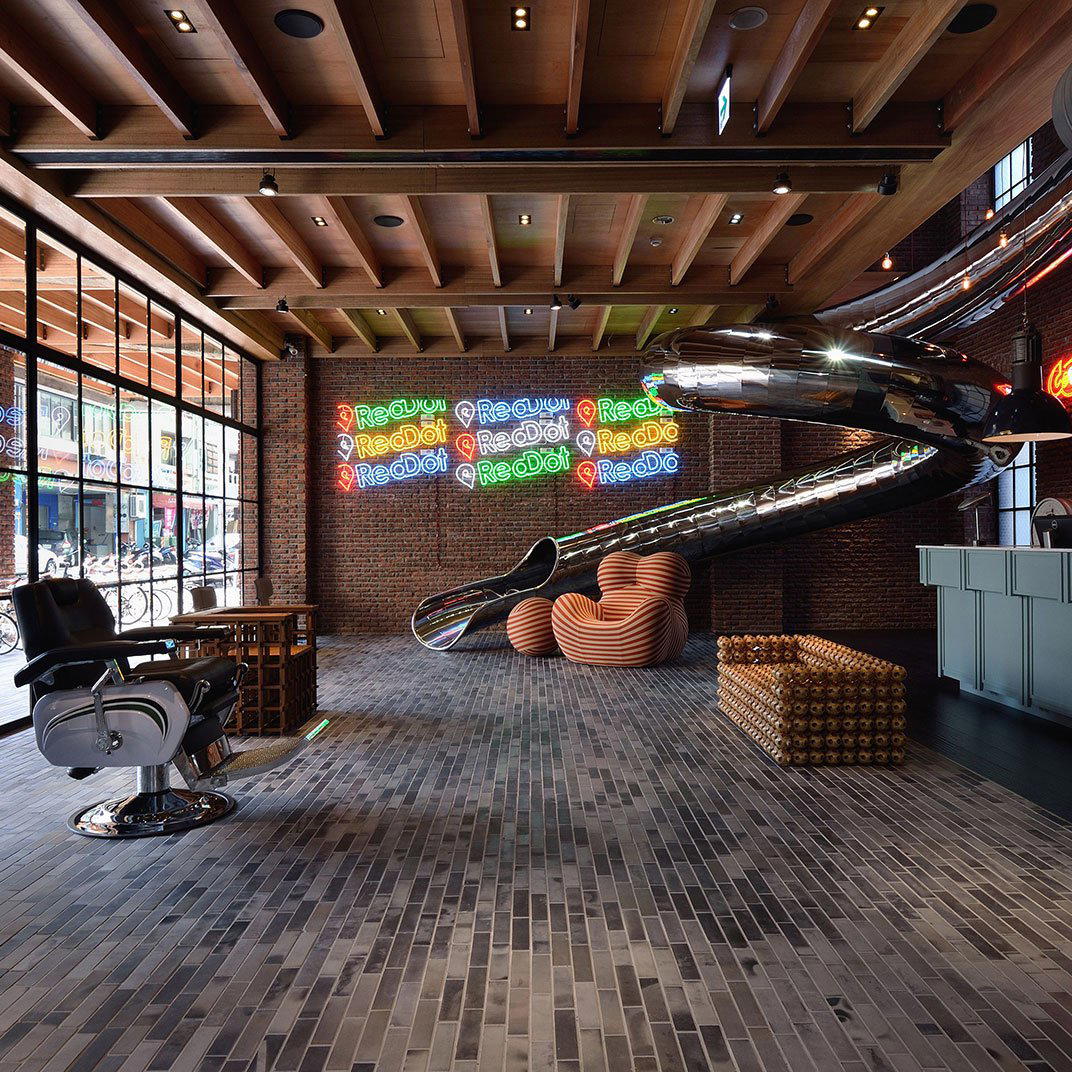
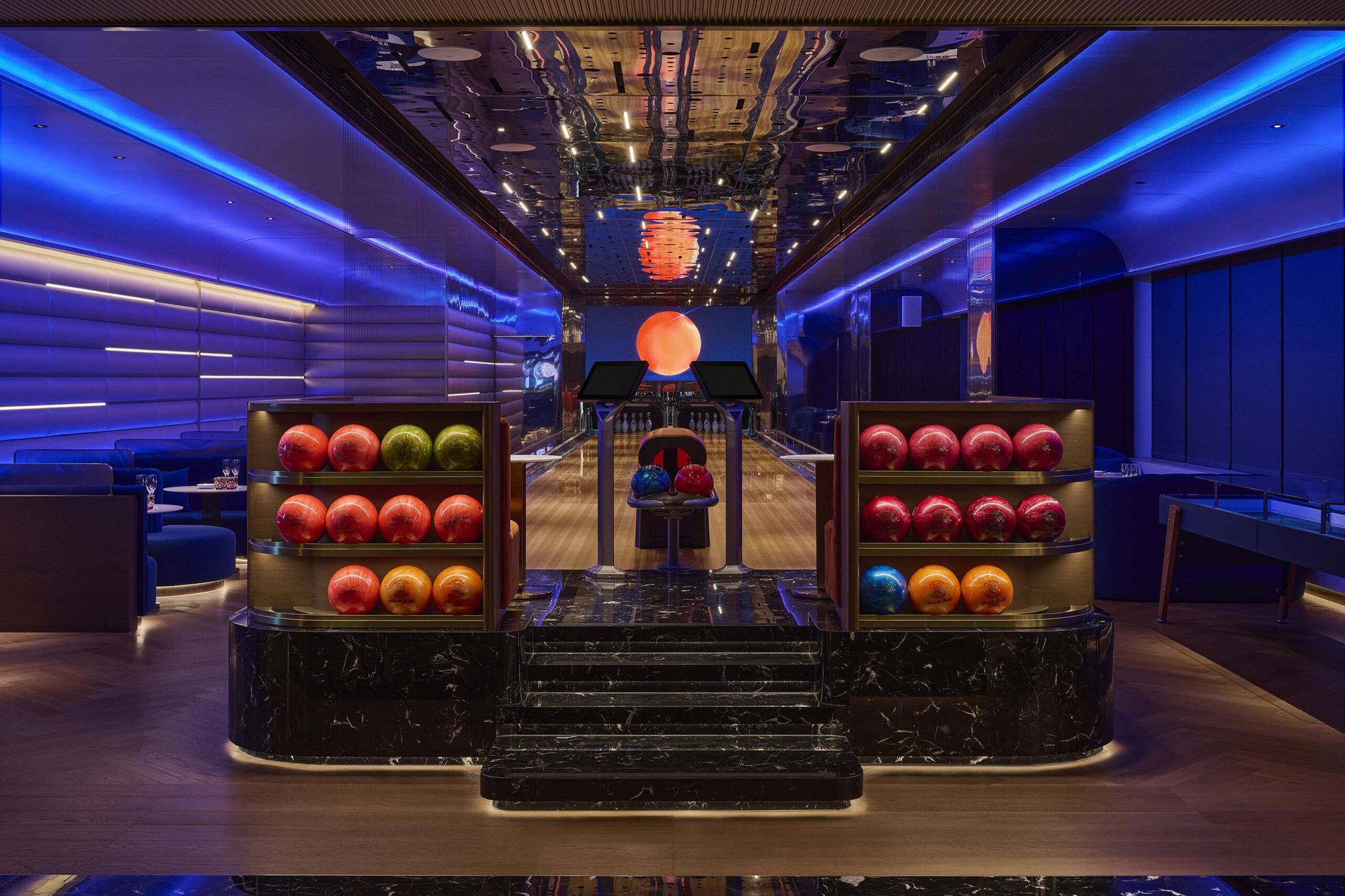
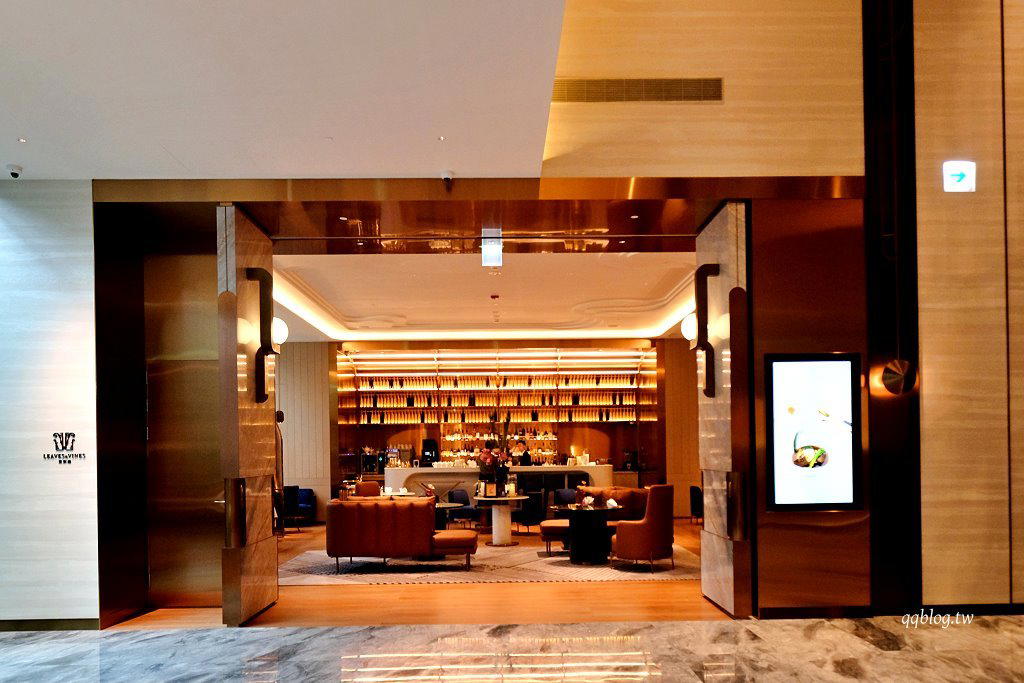
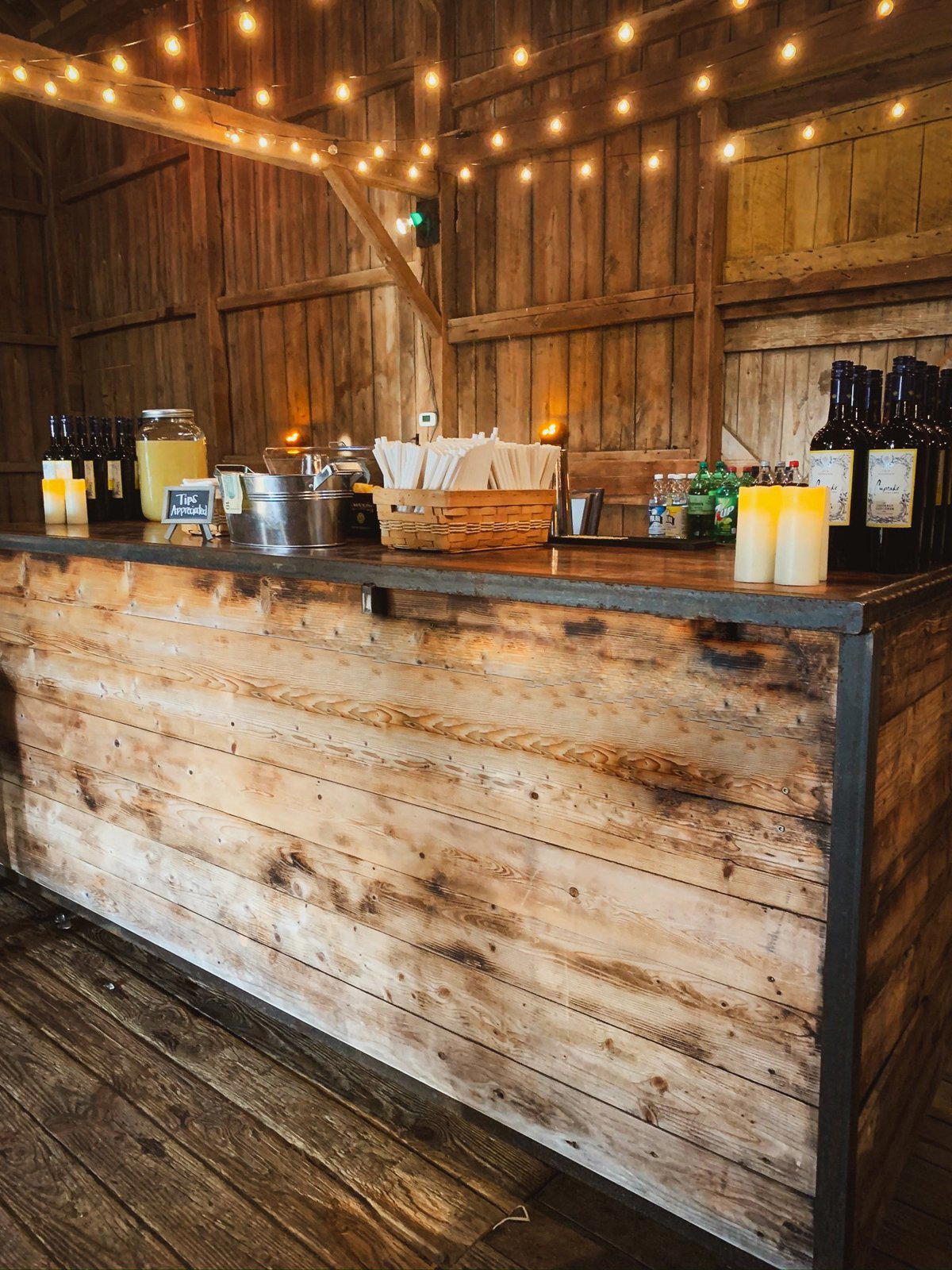
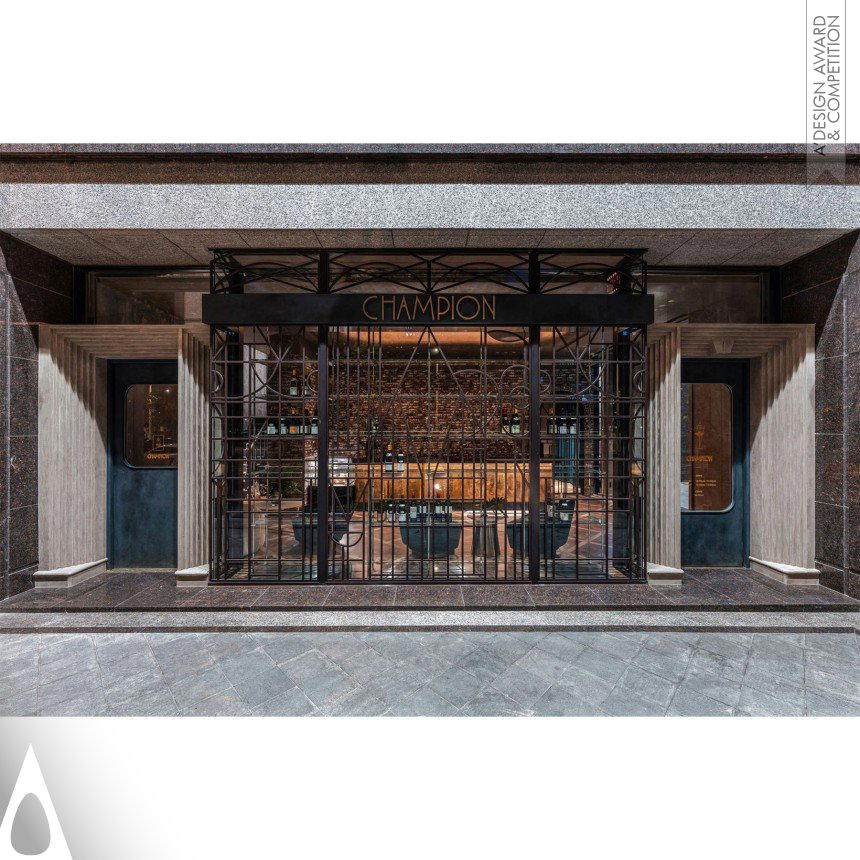
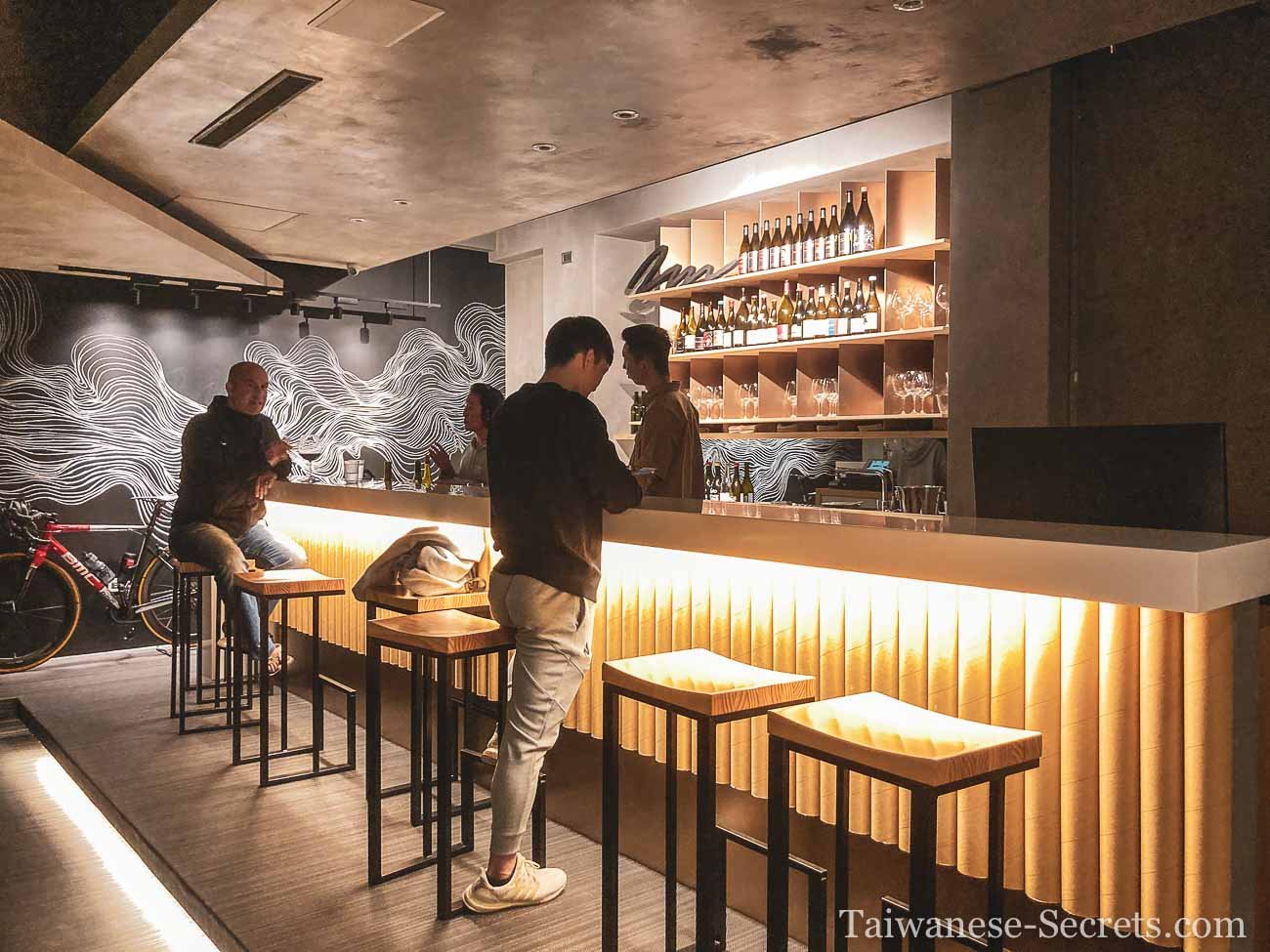
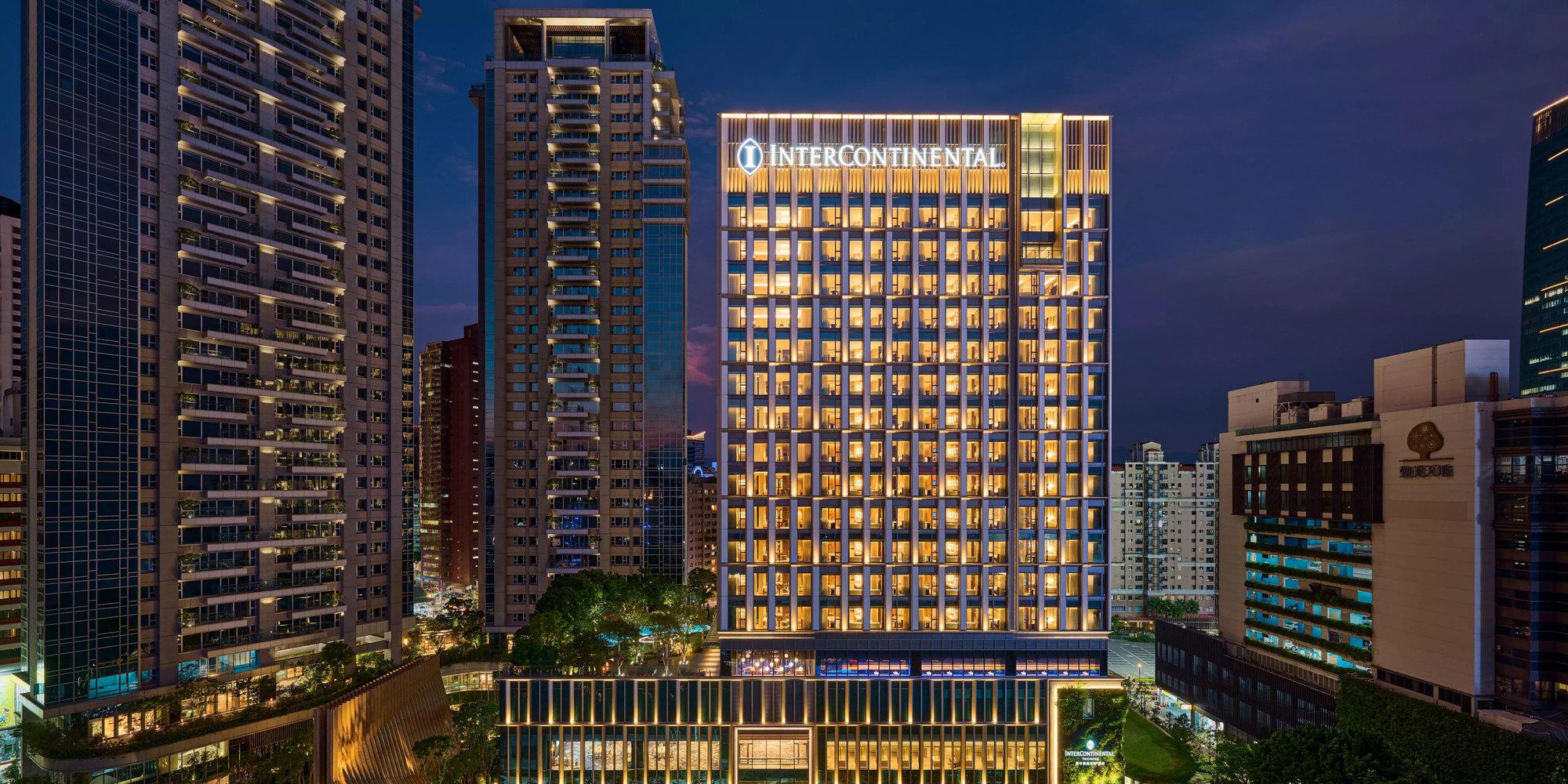
A grand, polished setting with a modern-meets-classic Chinese design that feels refined and celebratory.