Google: 4.6 · 1,028 reviews


Fiesta Lima brings four decades of northern Peruvian culinary mastery to Miraflores, where Chef Héctor Solís transforms Chiclayo traditions into refined dining experiences featuring signature Arroz con Pato, exceptional ceviche, and rare loche squash preparations unavailable elsewhere in the capital.
 Discover on Pearl
Pearl is the En Primeur Club membership app — saves, bookings, and concierge access live there. Same editors, same standards.
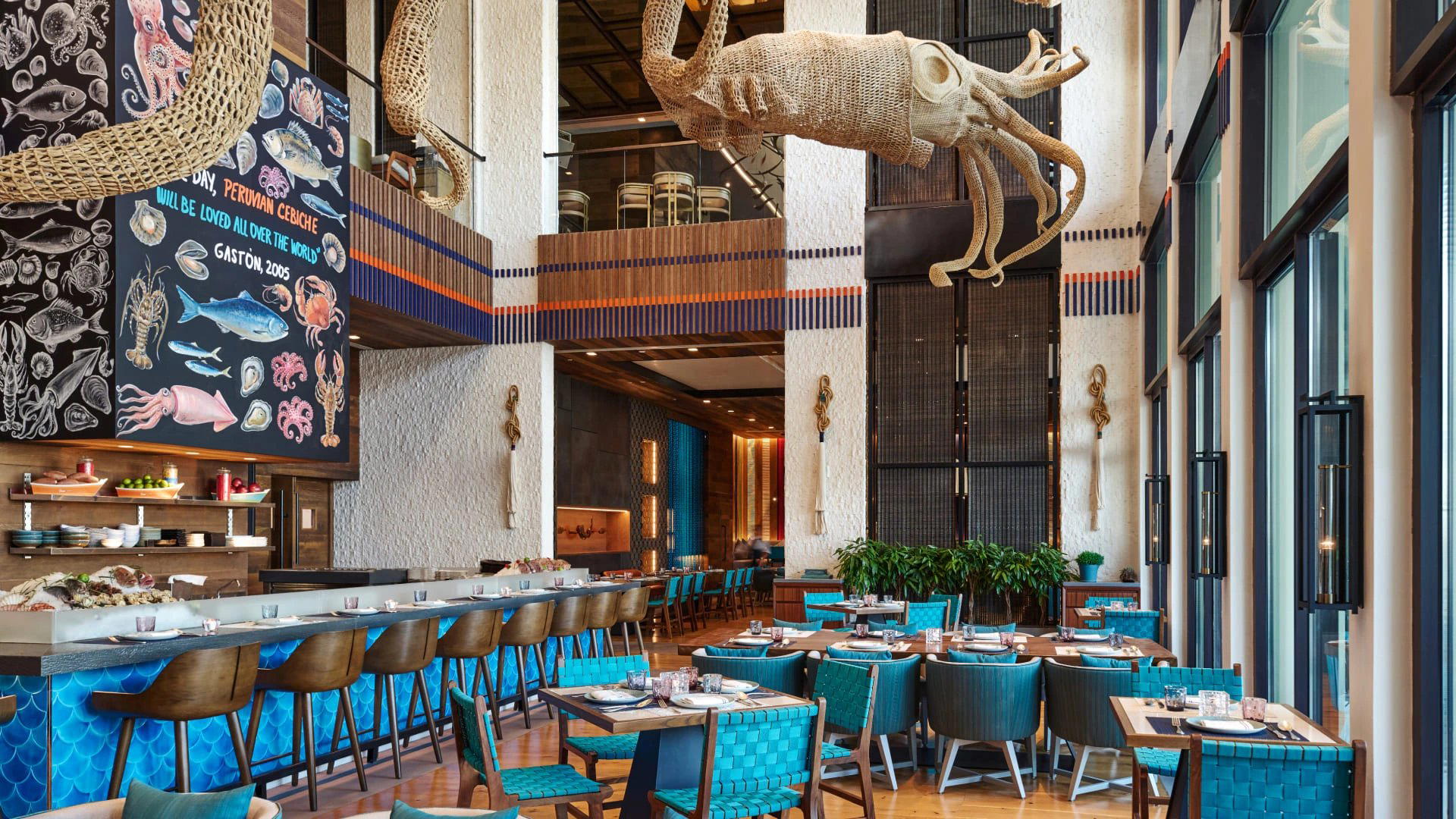
Miraflores in the Afternoon: Lima's Coastal Dining Hour
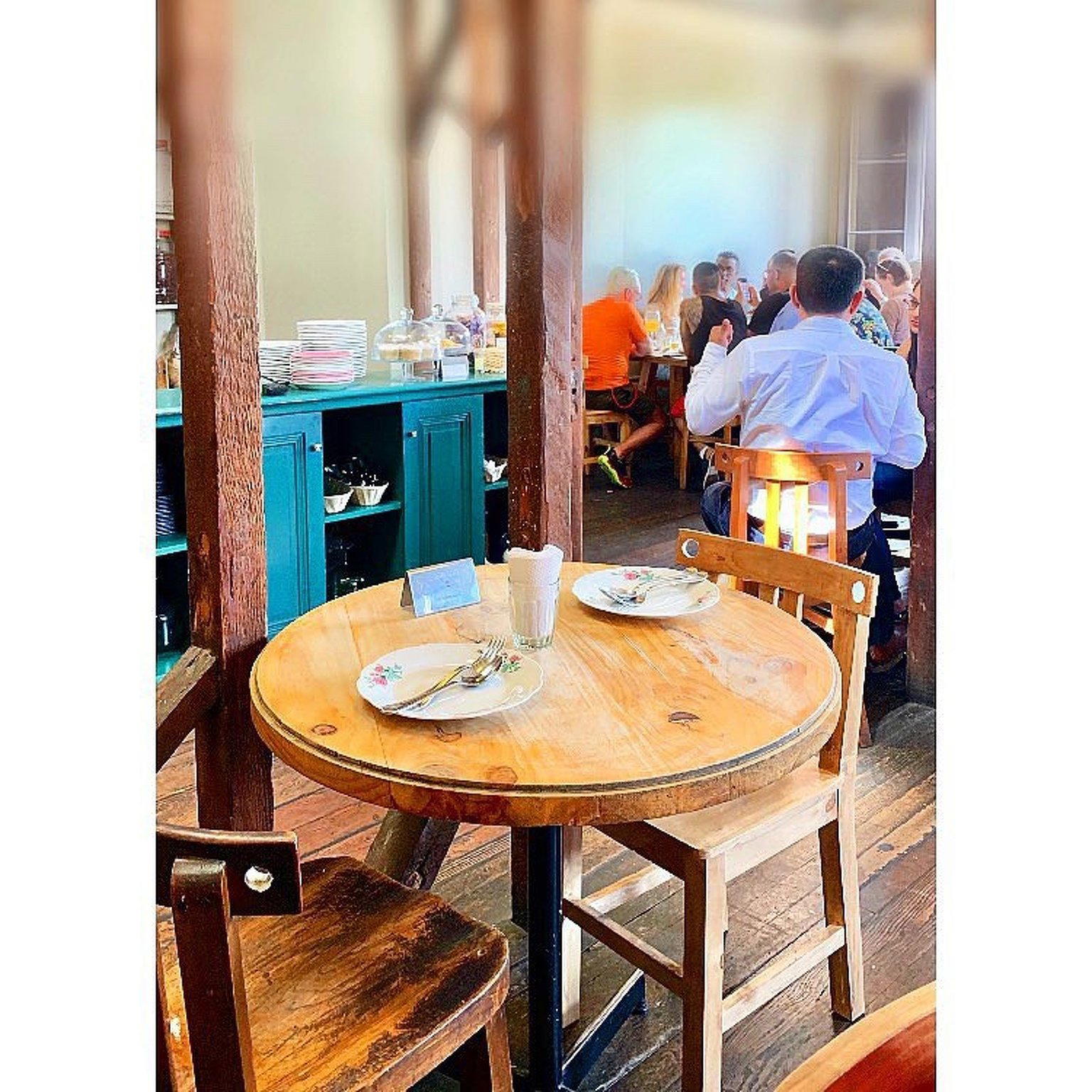
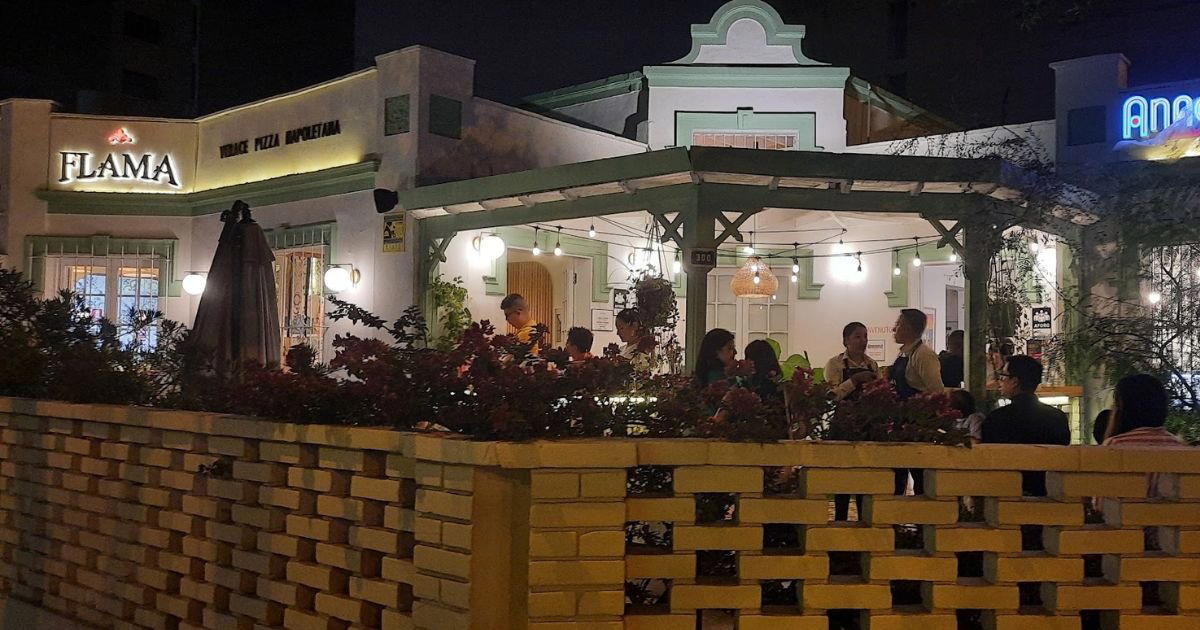
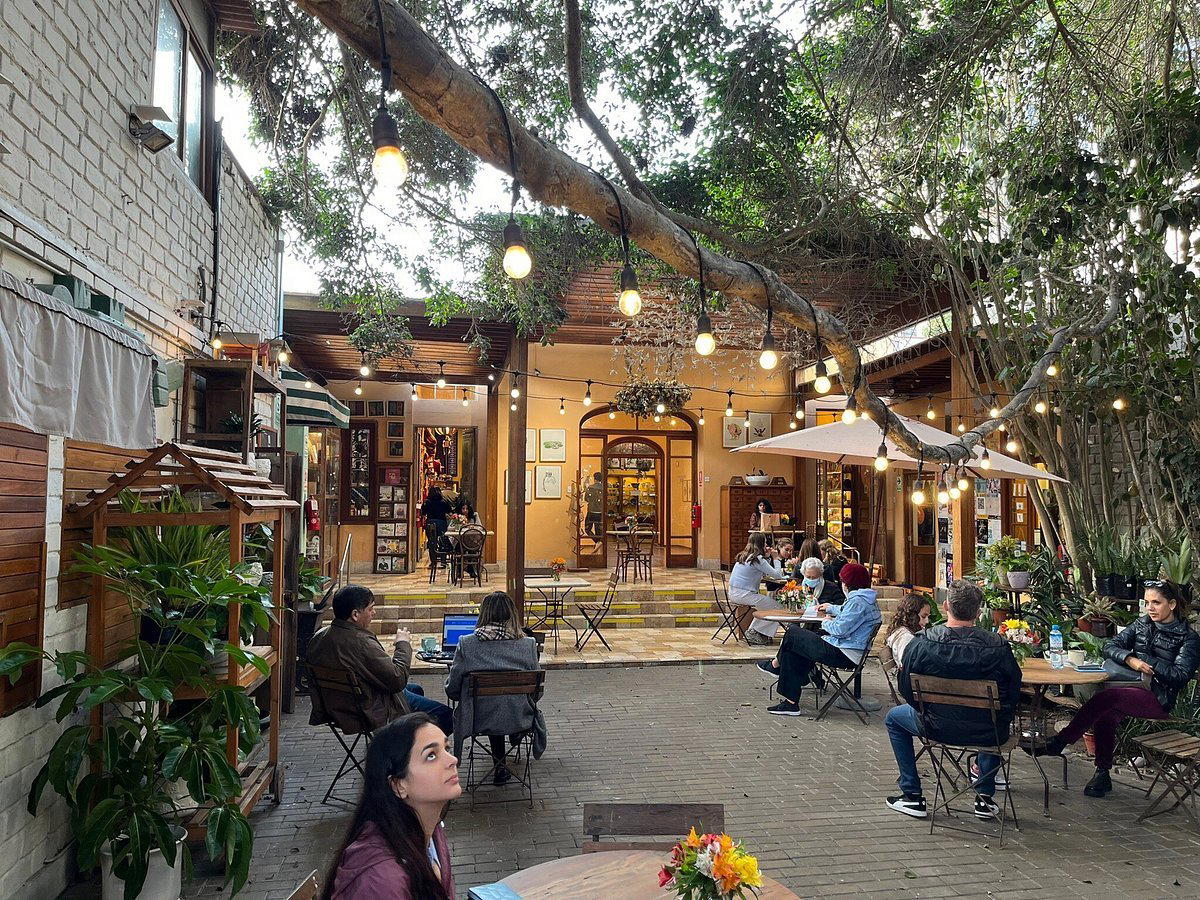
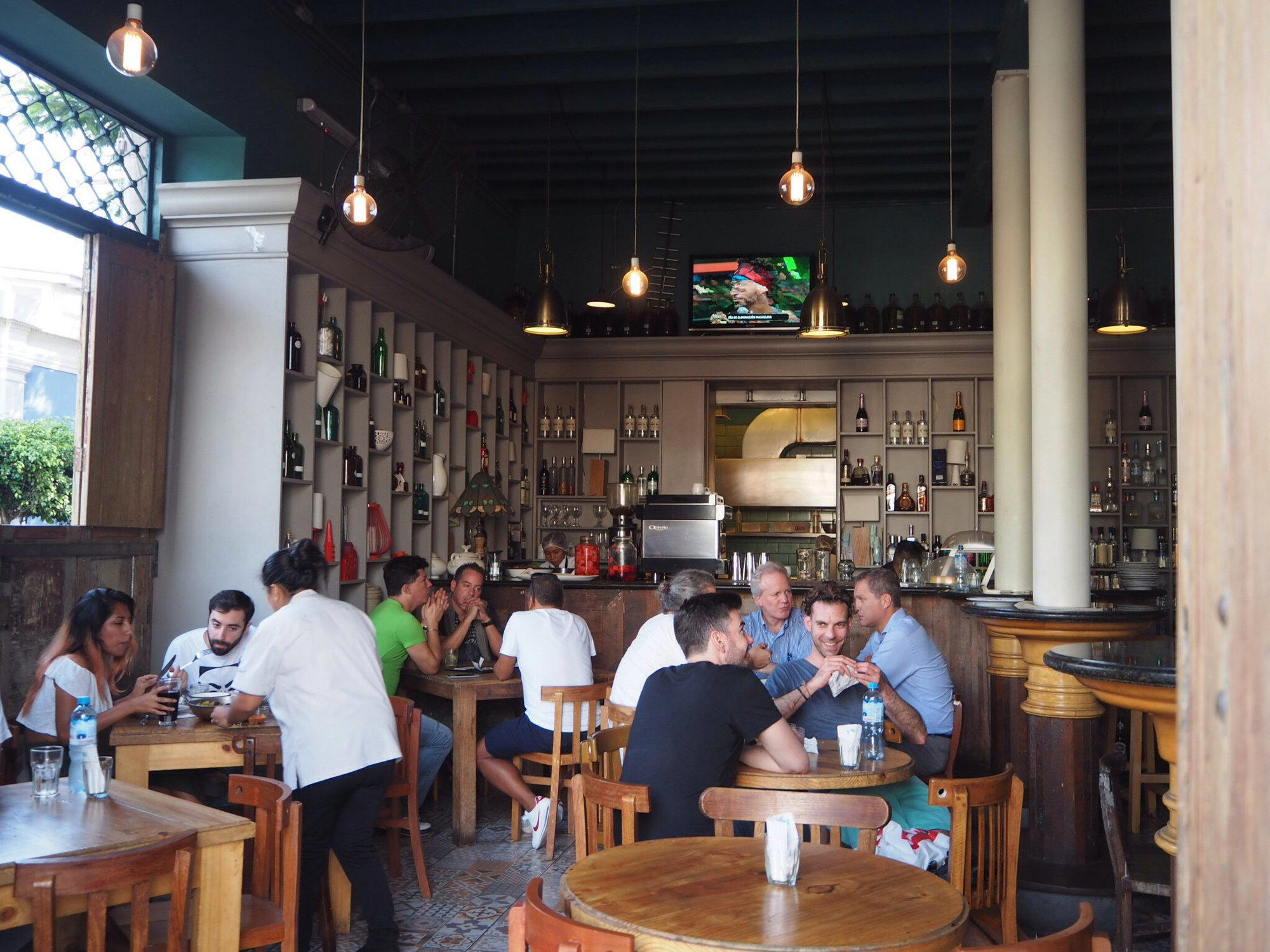
On Avenida Reducto in Miraflores, the lunch hour runs long and the tables fill early. This is the rhythm of coastal Lima, where the main meal arrives at midday and kitchens close well before dark. Fiesta operates on that schedule, opening Tuesday through Saturday from noon until 6 pm, and closed on Mondays entirely. Arriving at 12:30 on a weekday, you find the dining room already occupied by a mix of local professionals and visitors who have done their homework. The neighbourhood sits a few blocks from the Pacific-facing Malecón, and that geographic fact shapes everything about how food is conceived in this part of the city: proximity to the sea is not a selling point here, it is a baseline assumption.
Where Fiesta Sits in Lima's Competitive Field
Lima's restaurant scene has spent two decades building one of the most discussed dining cultures in the Americas. Central and Astrid & Gastón occupy the international-recognition tier, drawing a global audience and operating with the infrastructure of flagship institutions. Kjolle and Maido represent a generation of chefs who absorbed those foundations and pushed outward into Nikkei fusion and high-altitude ingredient research. Fiesta occupies a different position in that map: it is a regional Peruvian restaurant that has held serious critical attention for three consecutive years, ranked by Opinionated About Dining among the leading restaurants in South America at positions 24, 39, and 28 in 2023, 2024, and 2025 respectively. That kind of sustained presence in a ranked list, across multiple cycles, signals consistent execution rather than a single strong year. Among peers like Mayta, it competes on depth of regional identity rather than on tasting-menu theatrics.
The Coastal Tradition Behind the Menu
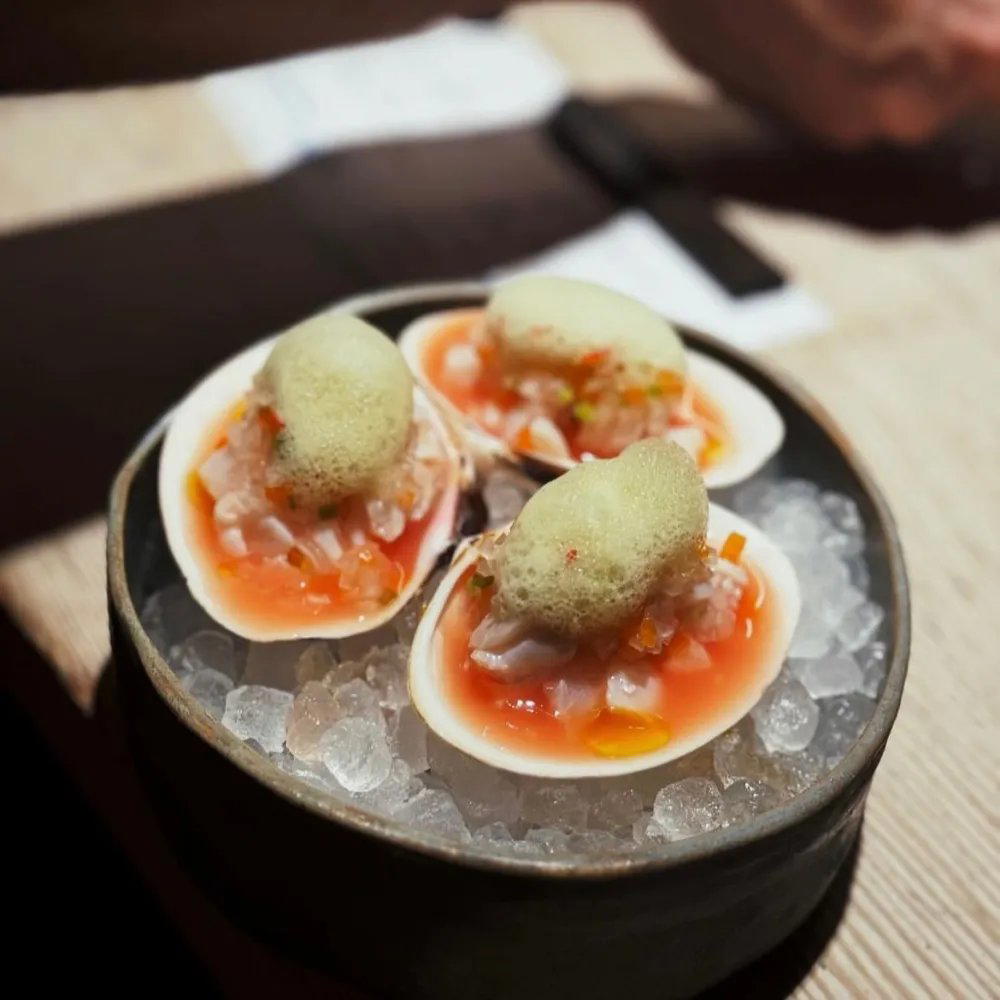
Peru's relationship with coastal cuisine runs deeper than ceviche, though ceviche is where most international visitors start. The broader category of cocina norteña, the regional cooking of Peru's northern coast, is the lens through which Fiesta operates under chef Héctor Solís. Northern Peruvian cooking is distinguished by its use of chicha de jora in braises, its particular treatment of chili pastes, and the prominence of fresh fish prepared with techniques that predate the Spanish arrival by centuries. This is not the same culinary vocabulary as the Limeño fusion approach; it draws on a different set of references entirely, closer in spirit to how coastal Mexican kitchens in Oaxaca or Veracruz preserve regional specificity against the pull of capital-city homogenization.
That parallel with coastal Latin traditions is worth holding. From Costanera 700 in Miraflores to the entirely different register of Delfin Amazon Cruises in Iquitos and the Delfin I dining room in Nauta, Peruvian kitchens increasingly foreground the specific geography that shapes an ingredient: altitude, river system, coastline. Fiesta's northern-coastal orientation is its own argument for why place-specific cooking remains the most durable form of regional cuisine. At the precision end of that international comparison, places like Le Bernardin in New York City demonstrate what happens when a single-minded focus on ocean-sourced ingredients reaches technical extremes; Fiesta operates from a different direction, building complexity through the accumulated knowledge of a regional tradition rather than through classical European technique.
Vegetables as the Current Argument
The more recent development at Fiesta is a shift toward vegetables that has attracted attention from outside the seafood-focused critical establishment. We're Smart, the Antwerp-based green gastronomy guide, reviewed Fiesta and described what they encountered as "real flavour bombs based on simplicity with local ingredients," noting that Solís is "exploring the vegetable world" in ways that the guide found significant enough to anticipate the restaurant's further evolution in that direction. This is not a pivot away from coastal cooking; it is an extension of the same regional-specificity argument into the produce that grows along Peru's coastal valleys and Andean foothills. The logic follows from the same premise as the seafood: the ingredient knows where it comes from, and the cook's job is to get out of the way just enough.
This trajectory places Fiesta in an interesting position relative to broader Latin American cooking trends. At Cosme in San Isidro, the conversation around Peruvian ingredients has its own regional dimension. Farther afield, Mil in Cusco has made altitude-specific agriculture the entire premise of its menu, and Cirqa in Arequipa works with the distinct produce culture of Peru's second city. The common thread is that serious Peruvian kitchens are moving toward specificity of origin rather than away from it. Fiesta's vegetable programme is part of that larger pattern rather than a departure from it.
Google's 4.6 and What It Actually Means
A 4.6 rating across 1,005 Google reviews is not a vanity metric at this level of dining. At restaurants operating in the Opinionated About Dining tier, where the critic audience is small and exacting, a broad public score that high suggests the kitchen is consistent enough to satisfy people who are not arriving with specialist expectations. The gap between critical recognition and popular accessibility is where many serious restaurants lose ground; a strong score on both axes is harder to maintain than either alone. For context within Lima's dining scene, this is the kind of consistency that allows a restaurant to hold a position across three years of competitive ranking rather than appearing once and sliding.
Planning a Visit
Fiesta is at Av. Reducto 1278 in Miraflores, a residential-commercial neighbourhood in Lima's southern district that is well-served by taxis and rideshare. The kitchen runs Tuesday through Sunday, noon to 6 pm, which means dinner service is not available; plan accordingly and arrive before 3 pm if you want the full experience of the room at pace. For anyone building a broader Lima itinerary, our full Lima restaurants guide covers the range from casual cevicherías to the tasting-menu tier. Accommodation context is in our Lima hotels guide, and for everything from pisco bars to cocktail programmes, our Lima bars guide covers the field. Those interested in Peruvian wine production will find relevant material in our Lima wineries guide, and cultural and experiential programming is catalogued in our Lima experiences guide. If your travel extends beyond Lima, Atomix in New York City offers a useful comparative reference point for what sustained critical recognition looks like at a different latitude and in a different culinary tradition.
At-a-Glance Comparison
A quick peer list to put this venue’s basics in context.
| Venue | Cuisine | Price | Awards | Notes |
|---|---|---|---|---|
| Fiesta | Contemporary Peruvian | Chef Héctor Solis is exploring the vegetable world and this makes us at We'… | This venue | |
| Astrid & Gastón | Modern Peruvian | World's 50 Best | Modern Peruvian | |
| Kjolle | Modern Peruvian | World's 50 Best | Modern Peruvian | |
| Mérito | Venezuelan/Fusion | World's 50 Best | Venezuelan/Fusion | |
| Mayta | Peruvian Modern | World's 50 Best | Peruvian Modern | |
| Isolina Taberna Peruana | Peruvian | Peruvian |
Continue exploring
More in Lima
More from Chef Héctor Solís
Browse all →
Restaurants in Lima
Browse all →
Hotels in Lima
Browse all →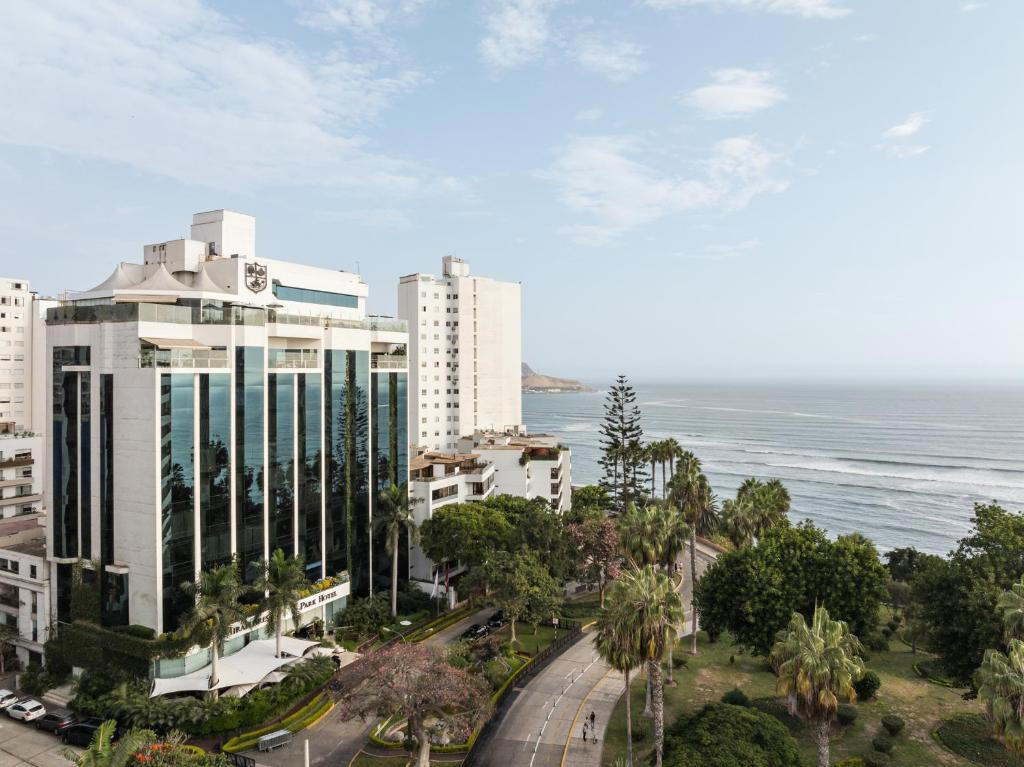
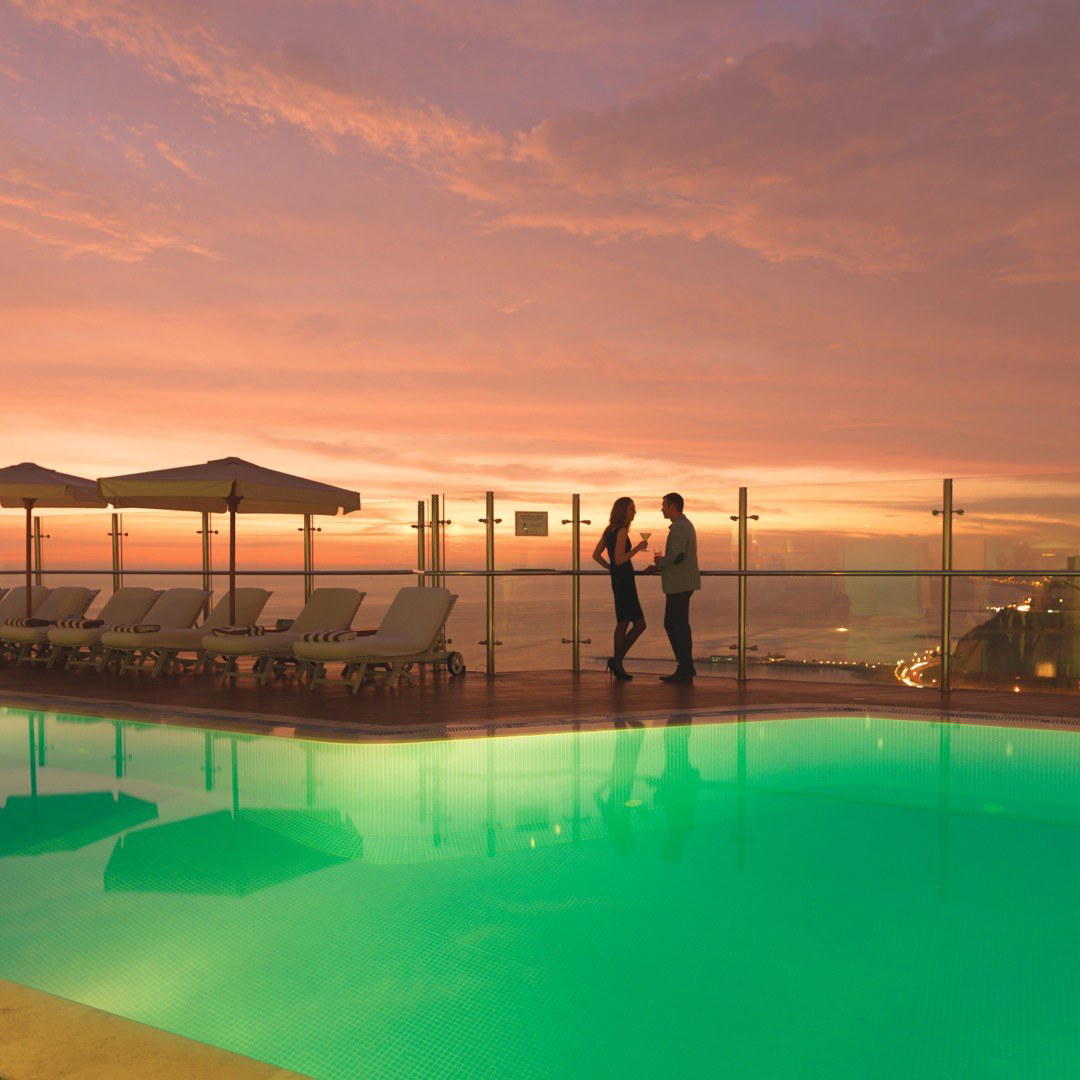

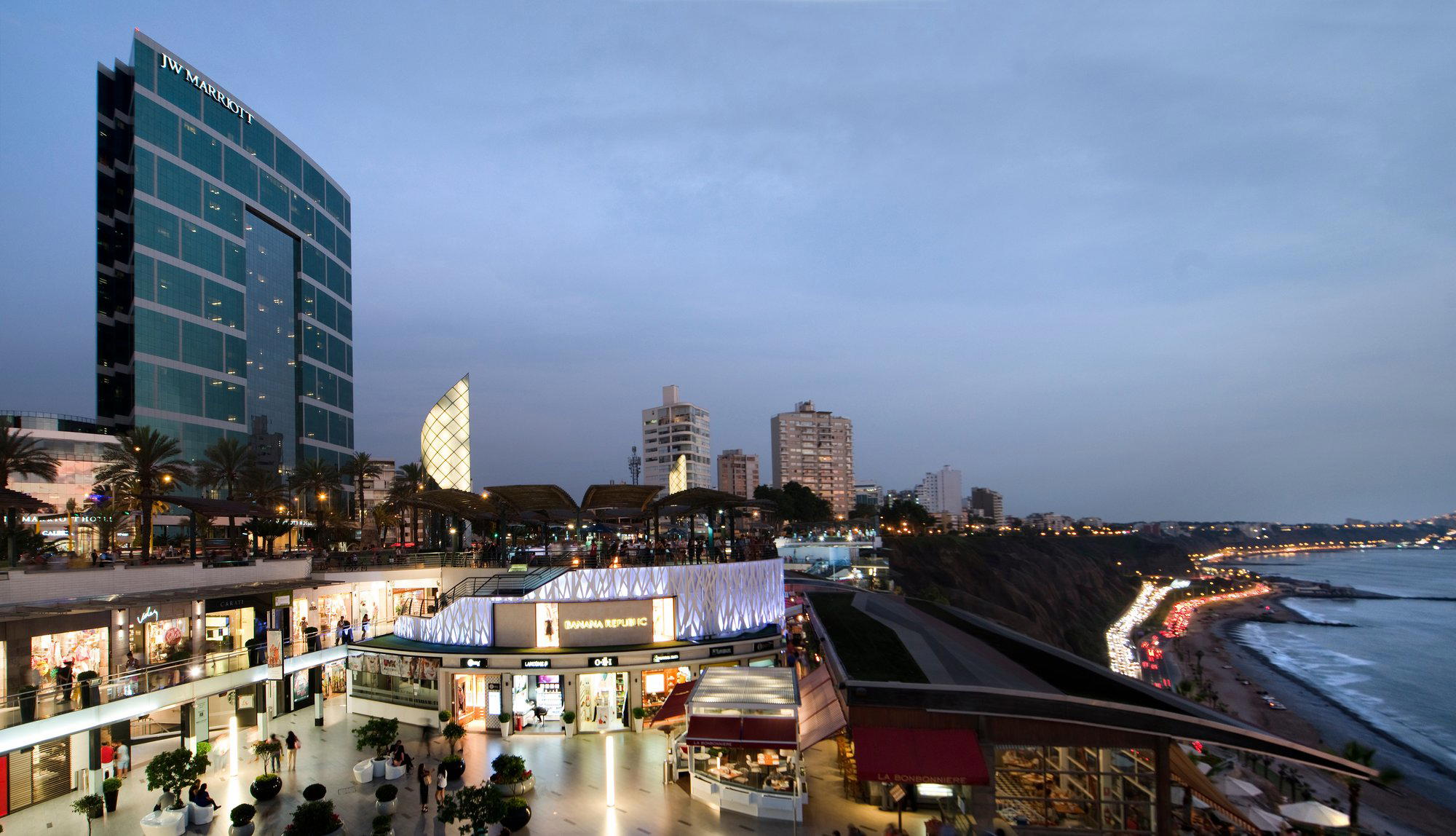
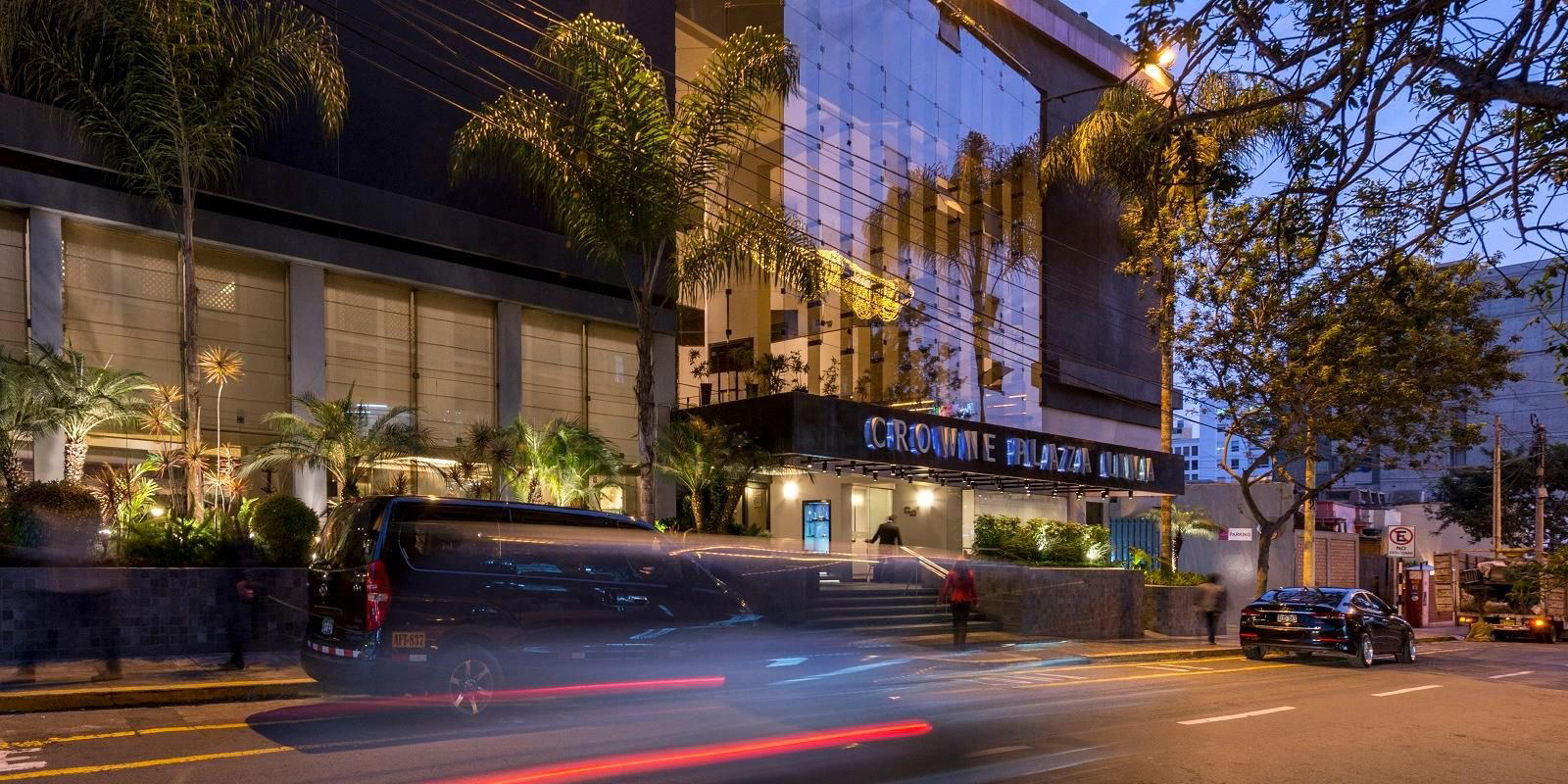
Wineries in Lima
Browse all →
At a Glance
- Lively
- Elegant
- Group Dining
- Special Occasion
- Business Dinner
- Open Kitchen
- Craft Cocktails
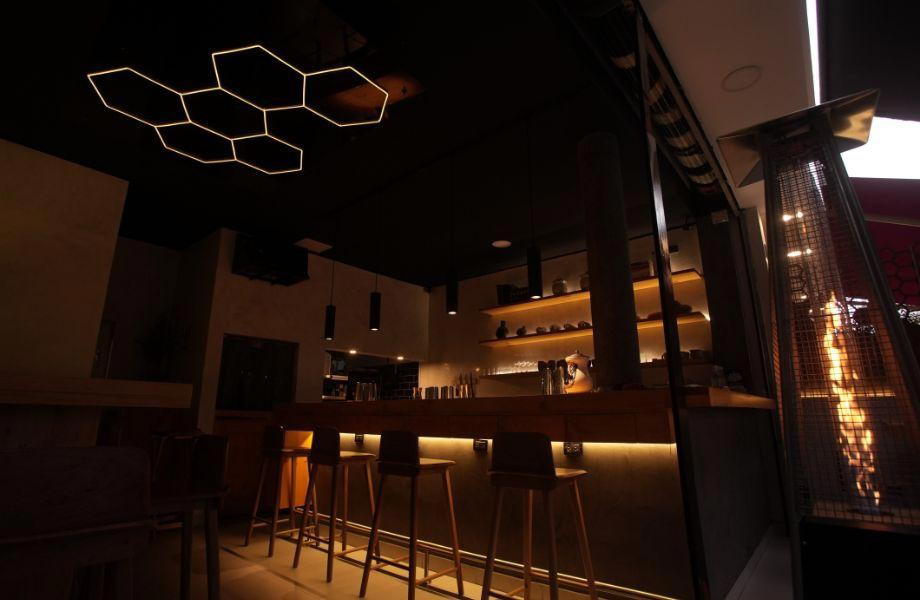
Professional and attentive service in a nice dining setting with a bar area, though some describe the decor as unappealing drywall.