Fidalgo occupies a quiet address on Outgaardenstraat in Tienen, a Flemish Brabant town better known for its sugar-beet industry than its restaurant scene. What draws attention here is the contrast: a considered dining room in a city where serious tables are few, positioned between the farm-to-table economy of places like De Refugie and the formal French register of Melchior.
Pearl is the En Primeur Club membership app — saves, bookings, and concierge access live there. Same editors, same standards.
- Address
- Outgaardenstraat 23, 3300 Tienen, Belgium
- Phone
- +32475612155
- Website
- fidalgo.be
- Directions
- Get directions
 Saves & bookings on Pearl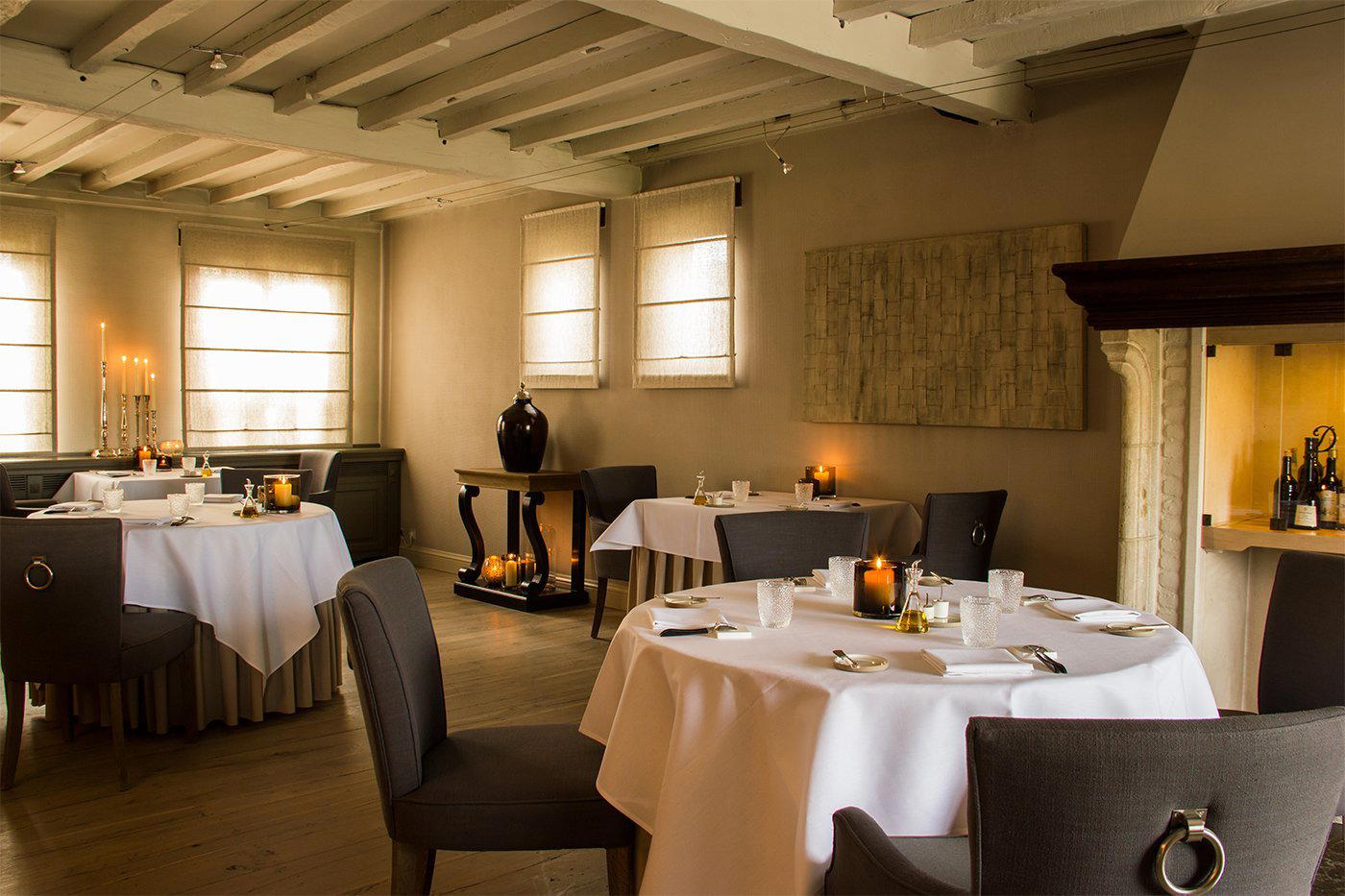
Tienen's Dining Room, in Context
Tienen sits in Flemish Brabant at the intersection of agricultural Belgium and the commuter belt that feeds Leuven and Brussels. It is not a city that generates dining destination traffic the way Ghent or Antwerp do, and that is precisely what makes a serious restaurant here worth examining. Belgian provincial dining has a distinct character: less driven by the international press cycle, more anchored in local relationships, seasonal produce from nearby farms, and a clientele that returns weekly rather than once for a special occasion. Fidalgo, on Outgaardenstraat 23, sits inside that tradition.
In cities of Tienen's scale across Belgium, the restaurant tier tends to compress. You have neighbourhood bistros, a handful of mid-range places, and occasionally one or two addresses that punch above the town's profile. The gap between those tiers is often where the most interesting cooking happens: less constrained by the expectations of a metropolitan food press, more responsive to what local producers are actually bringing in. That provincial freedom has produced some of Belgium's more considered tables, and Tienen's small but developing scene reflects the pattern.
What the Address Signals
Outgaardenstraat is not a restaurant row. It is a residential-commercial street in a market town, which places Fidalgo in the category of destination-by-intention rather than destination-by-foot-traffic. Diners arriving here have looked it up, made a choice, and come with some degree of expectation. That self-selecting audience tends to shape the atmosphere in a particular direction: quieter, more focused, less reliant on the ambient noise of a busy neighbourhood strip. The approach to the door, past the low-scale architecture of a working Flemish town, carries none of the visual drama of a Brussels grand café or an Antwerp harbour-front conversion, and that absence of theatre tends to concentrate attention on what happens at the table.
For context, Tienen's more established restaurant addresses include Melchior, operating in a Modern French register at the top of the local price range, and De Refugie, which anchors the farm-to-table end of the spectrum at a more accessible price point. Cotto rounds out the local options worth tracking.
Belgian Provincial Dining and What It Asks of a Restaurant
Belgium's culinary identity is often discussed through its starred addresses: operations like Hof van Cleve in Kruishoutem, Boury in Roeselare, or Zilte in Antwerp. These are reference points for what Belgian fine dining can achieve at the highest level, and they serve a national and international clientele drawn specifically by the recognition. Provincial tables operate on different terms. They serve the same community repeatedly, which means consistency matters more than novelty, and the relationship between kitchen and regular carries more weight than any single extraordinary meal.
That dynamic has cultural roots. Belgian dining culture, particularly in Flemish Brabant, is built around conviviality rather than spectacle. Meals are long. Wine pours are generous. The occasion of a meal is taken seriously without requiring formal ceremony. A restaurant that understands this can build a loyal following without awards or press coverage, which is one reason that genuinely strong provincial tables often fly below the radar of national food media. Addresses like Willem Hiele in Oudenburg, Vrijmoed in Gent, or La Durée in Izegem each found regional traction before wider recognition arrived. The same pattern appears elsewhere in Belgium: Ralf Berendsen in Neerharen, Cuchara in Lommel, and d'Eugénie à Emilie in Baudour each built followings in smaller cities before attracting broader attention.
For a visitor arriving from Brussels, the experience is meaningfully different from a city table at Bozar Restaurant or from a transatlantic reference point like Le Bernardin in New York City. The comparison is instructive not because the cooking occupies the same tier, but because it clarifies what provincial Belgian dining is actually doing: serving a place and its people rather than a category or a media moment.
Planning a Visit to Tienen
Tienen is accessible by train from Brussels in under an hour, which makes it a viable lunch destination for Brussels-based travellers with a half-day to spare. The town is compact enough that the station and the restaurant district are within comfortable walking distance of one another. For those driving, Flemish Brabant's road network connects Tienen directly to the E40 corridor, placing it roughly midway between Brussels and Liège.
Given that Tienen operates on a smaller scale than Leuven or Ghent, the dining options beyond Fidalgo reward some advance planning. Combining a meal here with a visit to one of the other addresses covered in our full Tienen restaurants guide makes the trip more substantive. The town's Saturday market, a fixture in the central square, provides additional context for the agricultural character of the region and the produce that defines cooking in this part of Brabant.
For reference, international travellers seeking a comparable sense of community-anchored dining in a destination city might look at Lazy Bear in San Francisco or closer to home at De Jonkman in Sint-Kruis and Le Chalet de la Forêt in Uccle, each of which operates with a similar sense of place-rootedness, albeit in very different formats and price brackets.
How Fidalgo Tienen compares with similar nearby venues.
| Venue | Cuisine | Price |
|---|---|---|
| Melchior | Modern French | €€€€ |
| De Refugie | Farm to table | €€ |
| Aux petits oignons | Modern French | €€€ |
Continue exploring
More in Tienen
Restaurants in Tienen
Browse all →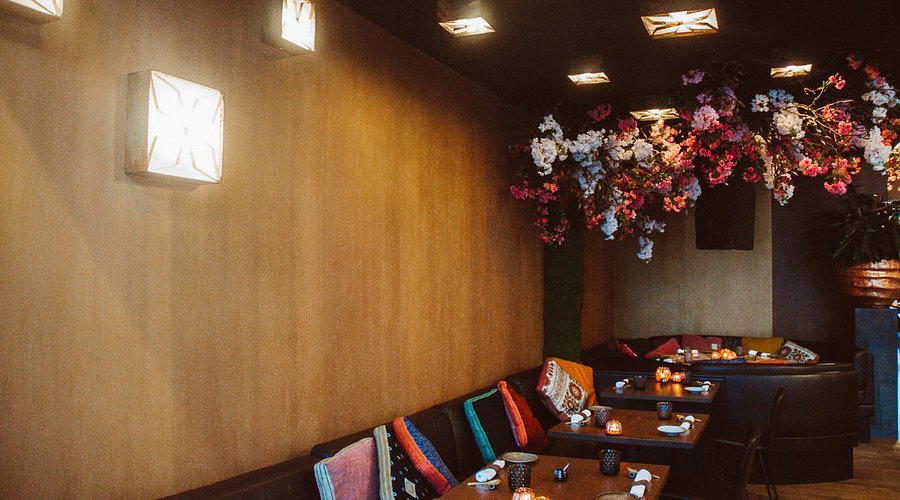

Bars in Tienen
Browse all →
Hotels in Tienen
Browse all →
Wineries in Tienen
Browse all →
At a Glance
- Cozy
- Elegant
- Intimate
- Date Night
- Special Occasion
- Family
- Celebration
- Terrace
- Garden
- Extensive Wine List
- Garden
Current opening hours
- Monday
- 12–5 PM, 6:30 PM–1 AM
- Tuesday
- Closed
- Wednesday
- Closed
- Thursday
- 12–5 PM, 7 PM–1 AM
- Friday
- 12–5 PM, 7 PM–1 AM
- Saturday
- 7 PM–1 AM
- Sunday
- 12–5 PM
Hours can change for holidays and private events. Last verified .
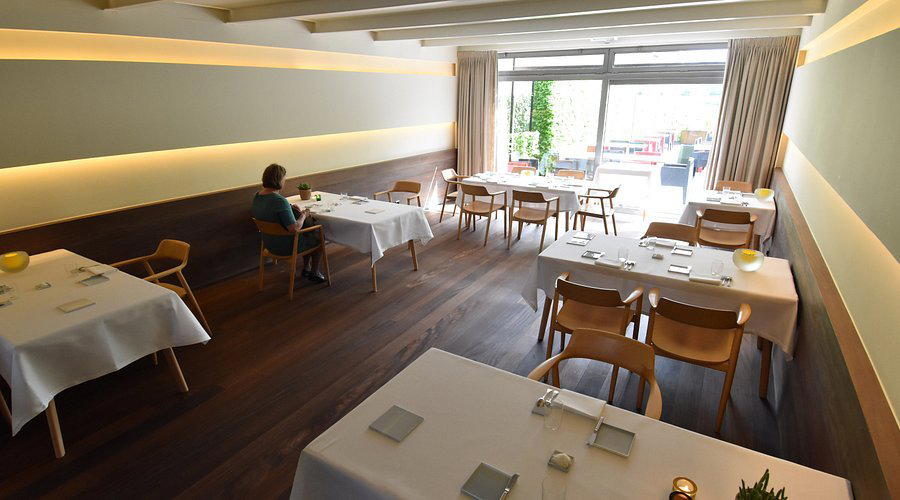
Cozy, warm, and refined atmosphere with inviting interior suitable for romantic evenings or family celebrations.
Know Before You Go
- Getting there
- Outgaardenstraat 23, 3300 Tienen, Belgium