Het Hooghuys
Set along Wilderenlaan in Sint-Truiden, Het Hooghuys sits within a region where Flemish cooking has long drawn on Haspengouw's fruit-growing plains and market gardens. With the town's dining scene quietly attracting attention beyond Limburg, this address warrants serious consideration for anyone tracing Belgian provincial cuisine at its more considered end.
Pearl is the En Primeur Club membership app — saves, bookings, and concierge access live there. Same editors, same standards.
- Address
- Wilderenlaan 82, 3803 Sint-Truiden, Belgium
- Phone
- +3211685674
- Website
- hethooghuyswilderen.be
- Directions
- Get directions
 Saves & bookings on Pearl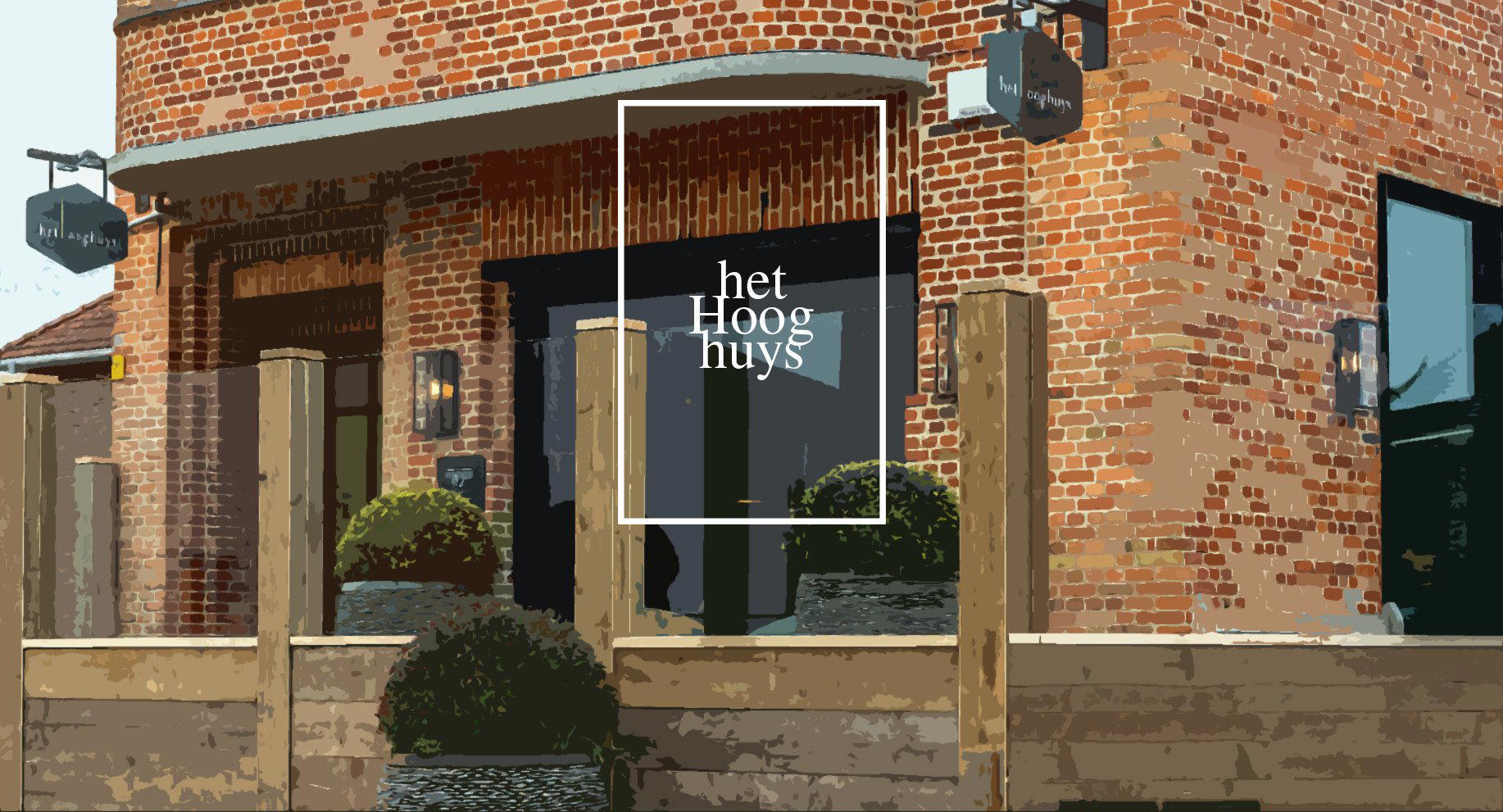
Where Haspengouw's Harvest Meets the Table
Sint-Truiden occupies a particular position in the Belgian culinary conversation that larger cities tend to overlook. The town sits at the centre of Haspengouw, a low plateau in Limburg province whose clay-loam soils and continental microclimate have produced cherries, pears, and apples for centuries. That agricultural identity is not merely decorative for the restaurants here: it shapes what arrives on the plate, when it arrives, and what the kitchen has to work with. Het Hooghuys, at Wilderenlaan 82, sits within this context, and any honest reading of the address has to start there rather than with the menu itself.
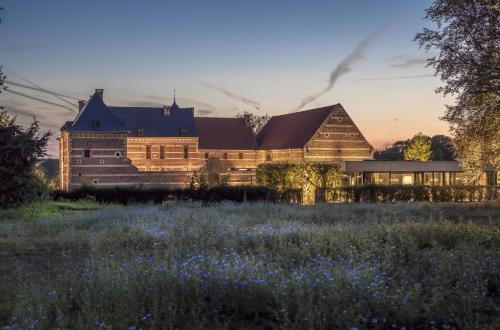
The approach along Wilderenlaan signals a shift from the market square energy of Sint-Truiden's centre toward something quieter and more residential. Properties along this stretch tend toward the established and unhurried, and the built environment carries the kind of weight that comes from Flemish domestic architecture rather than purpose-built hospitality. Arriving here, the expectation is set before a dish is ordered: this is not a venue designed around spectacle, and the sourcing logic that governs a kitchen in this part of Belgium tends toward the seasonal and local by geography as much as by philosophy.
Ingredient Sourcing in the Haspengouw Tradition
The broader pattern of ingredient sourcing among Limburg's more serious kitchens reflects what the land around them produces. Haspengouw is one of Belgium's most concentrated fruit-growing regions, and the seasonal rhythm of its orchards, from blossom in April through cherry harvest in June and pear and apple picking into autumn, provides a calendar that kitchens can either follow or ignore. The ones that follow it tend to produce cooking that reads as genuinely regional rather than generically European. That distinction matters when comparing Sint-Truiden's dining options: places like De Fakkels (Farm to table) have built their identity explicitly around this farm-to-table logic at a €€€ price point, while Bistro Zutt operates at a more accessible register.
Sint-Truiden's restaurant scene is small enough that each address occupies a distinct niche. Chez Prospère and Coco Pazzo represent different registers entirely, while 3Sense operates at the more technically ambitious end of the local offer. Het Hooghuys's position on Wilderenlaan places it outside the immediate town centre cluster, which typically signals either a destination-focused kitchen or a loyal neighbourhood clientele, and often both.
Belgian Provincial Dining and What It Demands of a Kitchen
Provincial Belgian cooking at its more serious tier has been undergoing a quiet reassessment over the past decade. While the national conversation about fine dining gravitates toward Brussels addresses like Bozar Restaurant or Flemish flagships such as Hof van Cleve in Kruishoutem and Boury in Roeselare, the provincial tier in regions like Limburg and Hainaut has been developing with less fanfare. Kitchens in smaller Flemish towns operate under different pressures than their counterparts in Antwerp, where Zilte commands a self-evidently urban audience, or at coastal addresses like Bartholomeus in Heist, where the seafood supply chain is the defining context.
In Haspengouw, the defining context is terrestrial and agricultural. The kitchens that handle this well tend to show restraint with technique, letting the quality of the ingredient carry the plate rather than obscuring it with elaboration. This is a distinct approach from what you encounter at, say, Willem Hiele in Oudenburg, where the coastal foraging tradition shapes everything, or at Castor in Beveren, where the Waasland's market garden produce provides its own sourcing logic. Each Belgian microregion produces a distinct version of ingredient-led cooking, and Haspengouw's version is inseparable from its orchards and open farmland.
For context on what Belgian provincial kitchens are achieving at a Walloon register, d'Eugénie à Emilie in Baudour and L'air du temps in Liernu illustrate how Wallonia's rural kitchens are interpreting similar terroir-first principles. The comparison is instructive: Belgium's non-metropolitan dining, taken as a whole, is more coherent and more interesting than its international profile suggests. Internationally, the standard of cooking-from-place at addresses like Le Bernardin in New York or Atomix in New York City operates from a fundamentally different supply-chain logic, but the underlying discipline of sourcing with precision applies across all of them.
Sint-Truiden as a Dining Destination
For readers weighing a trip to Limburg specifically around food, Sint-Truiden makes a more credible case than it did five years ago. The town's proximity to Hasselt, roughly twenty kilometres to the northeast, means it draws comparisons with a larger city that has a longer-established restaurant culture, but Sint-Truiden's smaller scale also means its better kitchens are not competing for the same saturated pool of food-media attention. Visiting outside the peak cherry blossom season in April, which brings significant tourism to the wider region, gives a more accurate picture of what the dining scene looks like at its ordinary register. The full Sint-Truiden restaurants guide covers the wider picture for visitors planning across multiple meals. De Jonkman in Sint-Kruis represents the kind of Flemish address that draws travellers willing to route a trip through less obvious geography, and Sint-Truiden occupies a comparable position for Limburg.
Reaching Wilderenlaan 82 by public transport from Sint-Truiden's train station involves a short journey; the town is connected to the national rail network and sits on lines running between Hasselt and Landen, making it accessible without a car for visitors already in Limburg. For those arriving from Brussels, the journey is under ninety minutes by train via Landen.
Planning a Visit
The address at Wilderenlaan 82 is confirmed, and the venue operates within Sint-Truiden's established dining circuit. Visitors to the town with serious interest in regional Flemish cooking should cross-reference with the full Sint-Truiden restaurant guide to build an itinerary that reflects the range of what the town currently offers across different price points and styles.
How Het Hooghuys Sint-Truiden compares with similar nearby venues.
| Venue | Cuisine | Price |
|---|---|---|
| L'air des Sens | Farm to table | €€€ |
Continue exploring
More in Sint-Truiden
Restaurants in Sint-Truiden
Browse all →
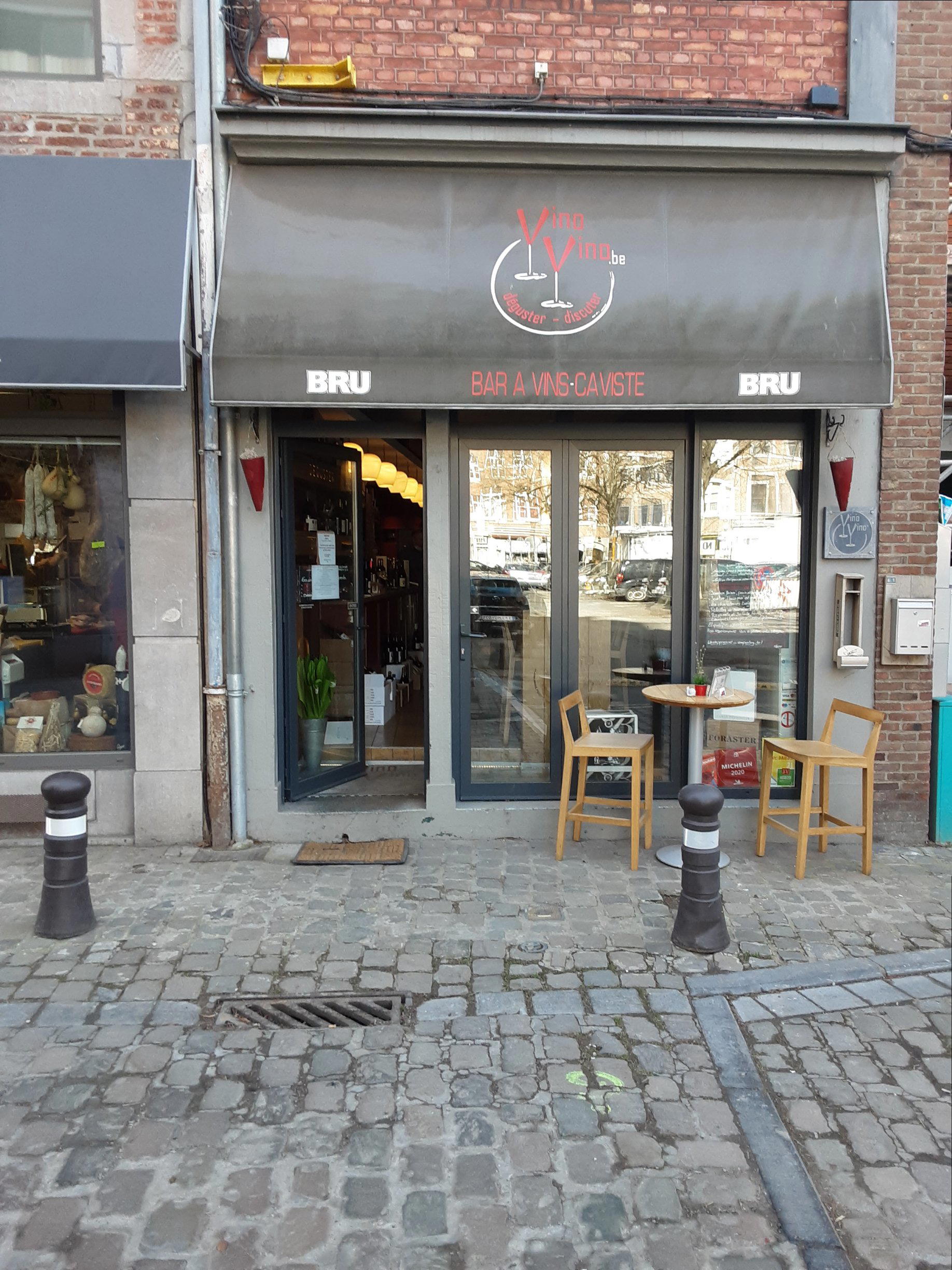
Bars in Sint-Truiden
Browse all →
Hotels in Sint-Truiden
Browse all →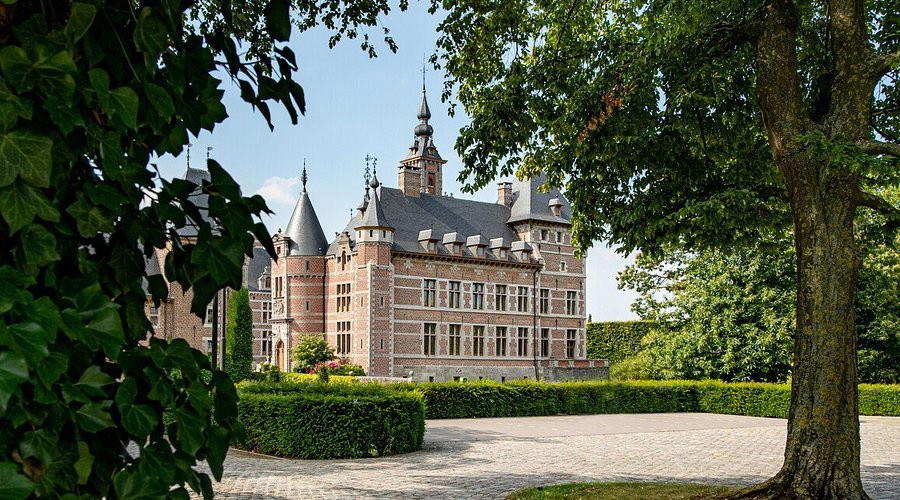
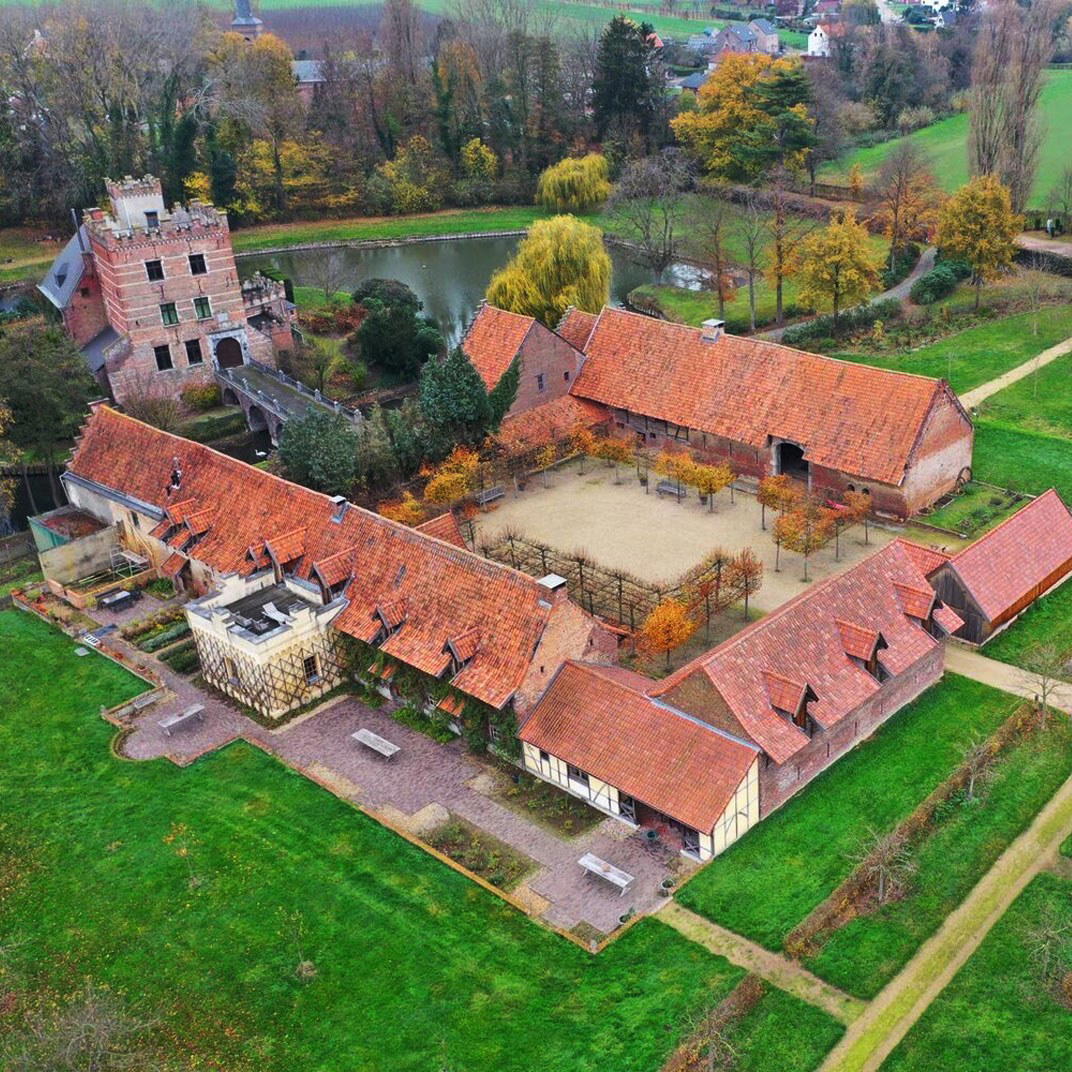
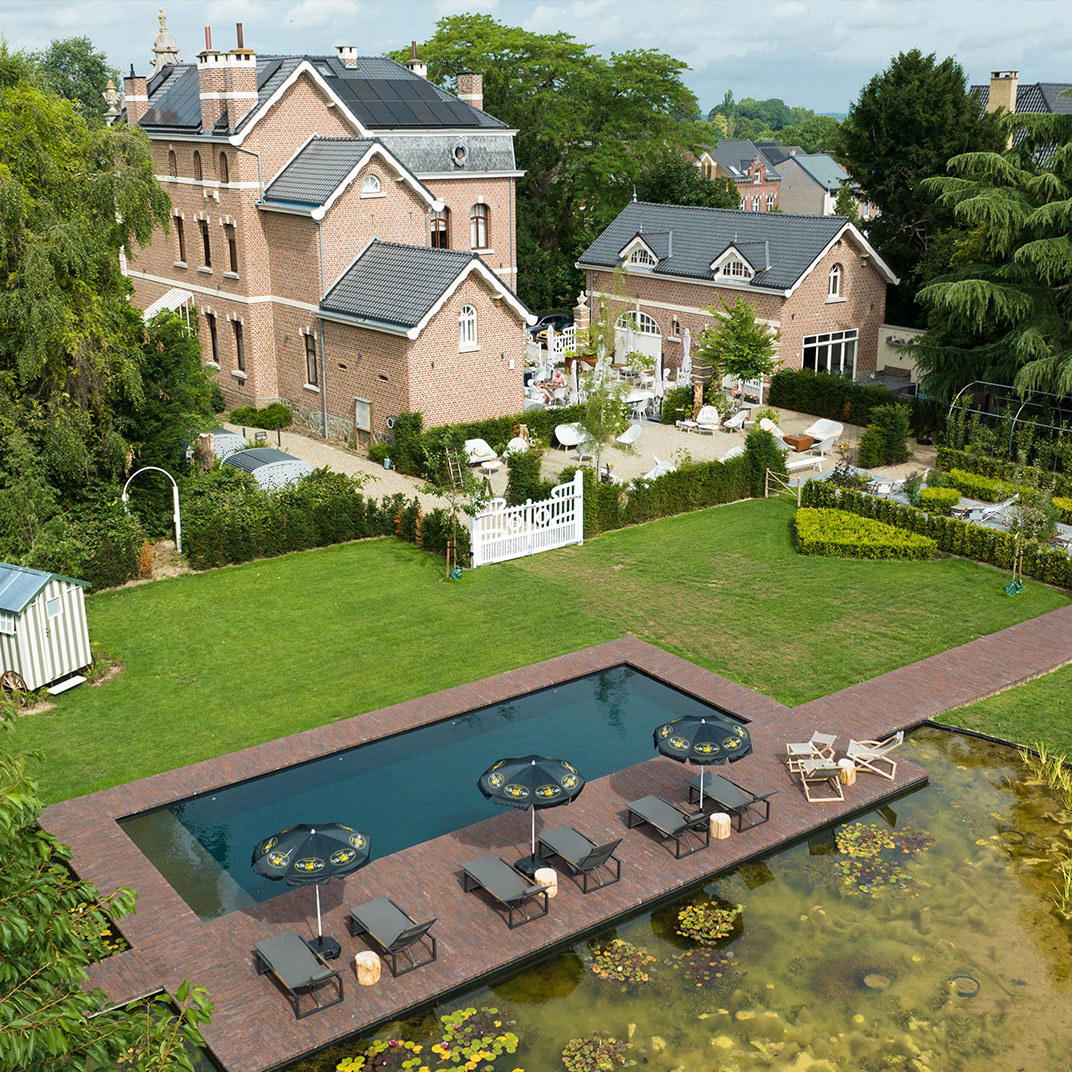
Wineries in Sint-Truiden
Browse all →
At a Glance
- Cozy
- Elegant
- Classic
- Date Night
- Special Occasion
- Historic Building
- Extensive Wine List
Current opening hours
- Monday
- 12–2 PM, 6–10 PM
- Tuesday
- Closed
- Wednesday
- Closed
- Thursday
- 6–10 PM
- Friday
- 12–2 PM, 6–10 PM
- Saturday
- 12–2 PM, 6–10 PM
- Sunday
- 12–2 PM, 6–10 PM
Hours can change for holidays and private events. Last verified .
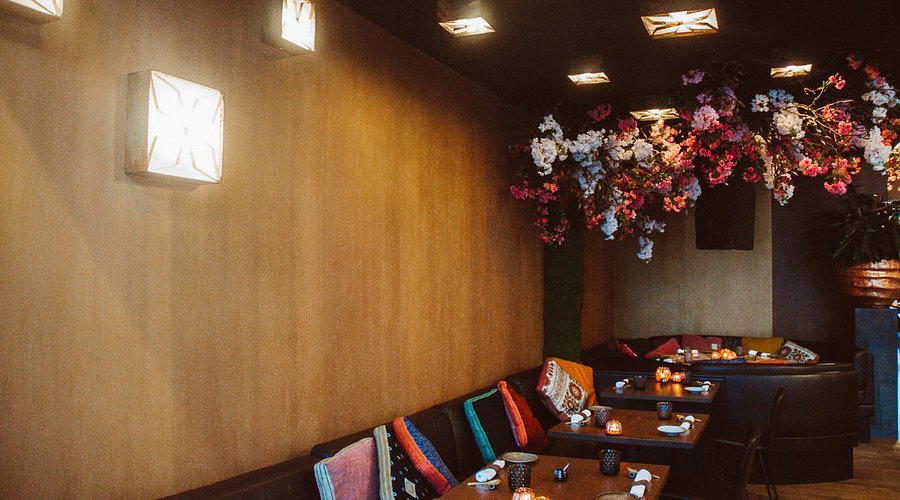
Pleasant, quiet, and friendly atmosphere in a modern, warmly decorated setting without kitsch.
Know Before You Go
- Getting there
- Wilderenlaan 82, 3803 Sint-Truiden, Belgium