葉家藥燉排骨

Michelin Bib Gourmand
Our verdict
A Banqiao District address focused on pork rib and braised meat traditions, 袁家藥燉排骨 sits on Section 2 of Zhongshan Road in New Taipei City. The kitchen works within a medicinal-herb braise format that defines a specific lane of Taiwanese comfort cooking, where the sourcing of dried herbs and the quality of the pork determines everything about the bowl.

Pearl is the En Primeur Club membership app, where members save venues, book tables and use the concierge.
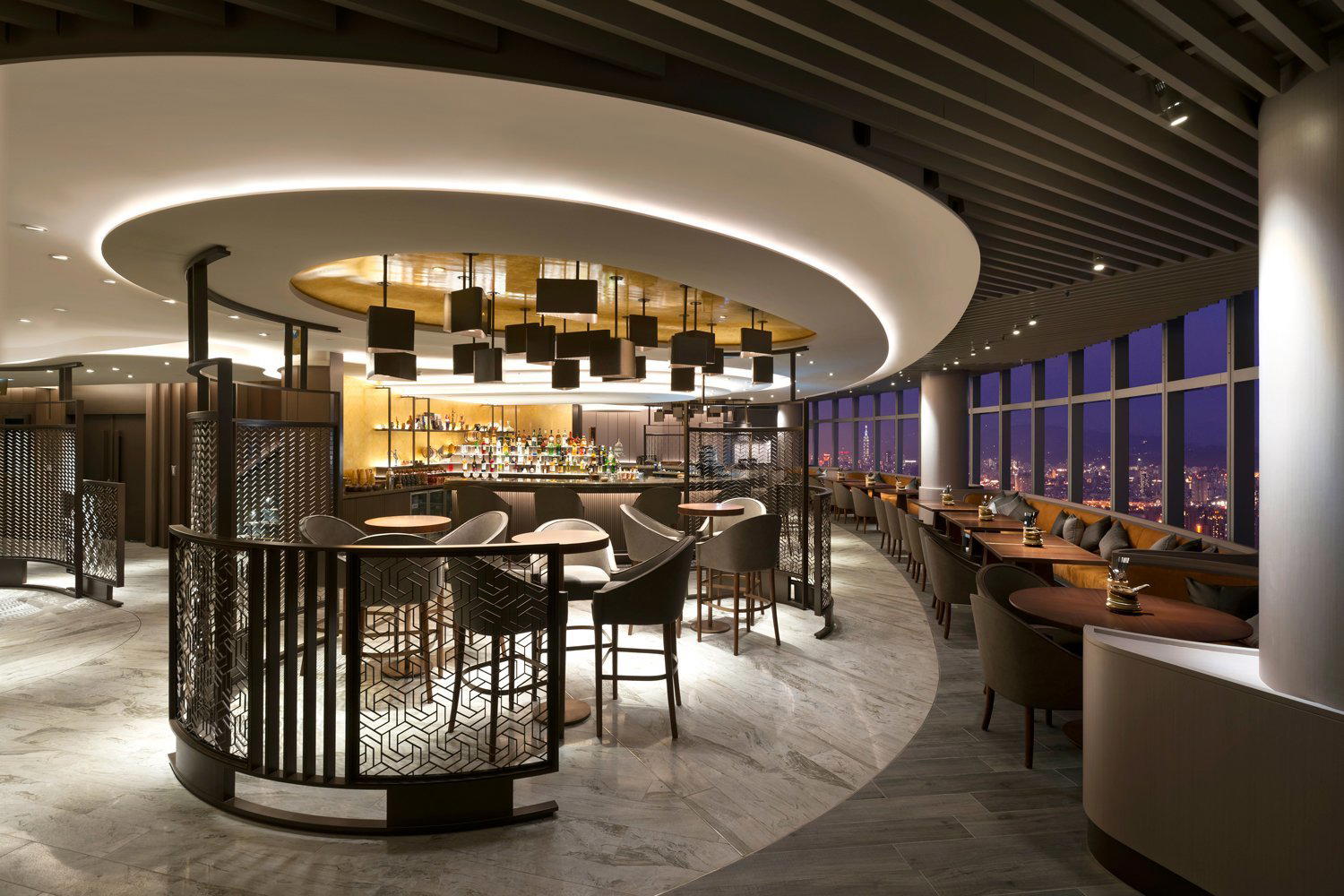
Medicinal Broth and the Banqiao Tradition
In Taiwanese cooking, the line between kitchen and apothecary has always been porous. Medicinal herb braises, known locally as 藥燉排骨, represent one of the clearest expressions of that overlap: pork ribs slow-cooked in a broth built from dried Chinese herbs, the formula varying by family and district, the depth of flavour entirely dependent on the quality and sourcing of those ingredients. This format is not a restaurant trend or a chef-driven revival. It is a decades-old street-food and night-market staple that has persisted precisely because the cooking logic is honest and the sourcing of raw materials is everything.
Banqiao District, the administrative and commercial core of New Taipei City, sits immediately southwest of Taipei proper and carries a food culture that runs parallel to but distinct from the capital's more photographed dining scene. While Taipei absorbs international attention through addresses like logy, Banqiao sustains a denser network of neighbourhood specialists. The audience here is local and repeat, which creates a different kind of accountability: a medicinal braise kitchen lives or dies on consistency and on the sourcing decisions made long before service begins. For a broader view of what this district produces, the full Banqiao District restaurants guide maps the range.
The Herb Sourcing Argument
What separates one 藥燉排骨 from another is almost never the technique. The method is well-established: ribs go in, herbs go in, time does the work. The variable is which herbs, sourced from where, and combined in what proportion. A broth built from dried angelica root, wolfberries, red dates, and various aromatic barks will read completely differently depending on whether those ingredients come from a trusted dried-goods wholesaler with consistent supply chains or from whatever is cheapest that week. Regulars at any serious 藥燉排骨 kitchen can detect the difference across visits without articulating why. The broth either has depth and a slight medicinal bitterness that rounds into sweetness, or it does not.
This sourcing-first logic connects 袁家藥燉排骨 to a wider category of Taiwanese cooking where the kitchen's buying decisions define the ceiling of what the dish can become. The same argument applies to the braised meat specialists further along New Taipei's food map. Chi Yuan in New Taipei operates in an adjacent register, where ingredient sourcing and long-cook technique carry the same weight. Contrast this with the coastal-ingredient logic at the seafood specialist in Gongliao District, where what comes off the boat that morning is the entire point.
Where This Fits in Taiwan's Broader Dining Map
Taiwan's fine-dining tier has drawn international attention in recent years, with Taichung's JL Studio and the indigenous-ingredient focus at Akame in Wutai Township representing the country's ambitions at a global level. Tainan's Amei and Kaohsiung's GEN operate in similarly self-conscious registers. But this visibility has a tendency to crowd out the middle register of Taiwanese cooking: the neighbourhood specialists who have no press agent, no tasting menu, and no international award recognition, but whose product is the actual daily food of the people who live here.
袁家藥燉排骨 sits in that middle register, which in Taiwanese food culture carries its own credibility signals. A 藥燉排骨 kitchen on a residential commercial strip like Section 2 of Zhongshan Road survives on repeat custom from the surrounding neighbourhood. There is no tourist buffer. The same faces return because the broth is right, the pork is trimmed properly, and the sourcing has not drifted. That is a different kind of accountability than a Michelin-star restaurant, but it is accountability nonetheless.
Hsinchu's own neighbourhood food map, including places like Dongmen Rice Noodle Soup, shows how northern Taiwan's traditional comfort formats sustain themselves through the same logic: consistent ingredients, consistent execution, a local audience with no patience for drift. The model holds across the region.
Placing the Pork Rib Format in Its Category
The 藥燉排骨 format is worth understanding on its own terms before visiting. This is not barbecue, not a light broth noodle, and not the heavy red-braised pork that dominates Shanghainese cooking. The Taiwanese version leans into the medicinal herb blend as a structural element rather than a background note. The pork ribs are typically blanched before going into the braise, which clears the broth and allows the herb flavours to read more cleanly. The result is something between a soup and a stew: substantial enough to constitute a meal, herbal enough to feel restorative rather than merely filling.
For visitors moving through Taiwan's more remote food addresses, the contrast is instructive. Bebu in Hsinchu County and Shen Yen in Yilan work with local agricultural produce in ways that share the same sourcing-first logic but apply it to entirely different formats. The underlying principle, that what the kitchen buys determines what it can cook, is consistent across Taiwan's most credible neighbourhood operations regardless of price tier or register.
For context on how Taiwanese beef noodle formats compare within the Banqiao neighbourhood specifically, Kuangbiao Beef Noodle Restaurant and 大碗公綠竹歸鄉 represent adjacent comfort-food categories within the same district.
Planning a Visit
袁家藥燉排骨 is located at No. 441之, Section 2, Zhongshan Road, Banqiao District, New Taipei City. The address places it on one of the main arterial roads running through the district, accessible from Banqiao Station on both the MRT and Taiwan Railway networks. Given the walk-in nature of most traditional braise kitchens, booking is unlikely to be required, though peak hours on evenings and weekend lunches can create queues at well-regarded spots in this format.
Visitors already tracking Taiwan's higher-end dining across the country, from Volando Urai Spring Spa and Resort in Wulai District through to Abura Yakiniku in Taichung City, will find the medicinal braise format a useful corrective: a reminder that Taiwanese cooking's credibility runs as deep at street level as it does in any tasting menu room. The same sourcing rigour that drives kitchens like Le Bernardin in New York or Lazy Bear in San Francisco applies here, scaled down to a single-format neighbourhood kitchen where the herb supplier's quality is the only variable that matters.
Frequently asked questions
Can I bring kids to 袁家藥燉排骨?
The 藥燉排骨 format is inherently family-oriented in Taiwanese dining culture, and a straightforward bowl of medicinal pork rib broth presents no barrier for children. The Zhongshan Road location in Banqiao is a neighbourhood spot rather than a formal dining room, so the setting is relaxed. That said, the herbal broth carries a pronounced medicinal flavour that younger palates may find unfamiliar.
What's è家è¥çæ骨's location?
è家è¥çæ骨 is located at No. 441è, Section 2, Zhongshan Rd, Banqiao District, New Taipei City, Taiwan 220, Banqiao District.
How far ahead should I plan for è家è¥çæ骨?
Reservations are recommended for è家è¥çæ骨 in Banqiao District. Confirm current policy via the venue's official channels.
What's the overall feel of 袁家藥燉排骨?
This is a working neighbourhood eatery on one of Banqiao District's main arterial roads, not a destination restaurant. The format is utilitarian: the focus is on the broth and the ribs, not the room. Expect the no-frills atmosphere common to serious single-dish specialists across northern Taiwan.
Comparable Spots, Quickly
| Venue | Cuisine | Price | Awards | Notes |
|---|---|---|---|---|
| è家è¥çæ骨This venue (the venue you are viewing) | Hakka Mutton Hotpot | $20–30 | Michelin Bib Gourmand | Not listed |
| JL Studio | Modern Singaporean Cuisine | $100–150 | 3 Michelin Stars · World's 50 Best #50 | Modern Singaporean, Singaporean |
| logy | Modern Japanese-Taiwanese Fusion Omakase | $100–150 | 2 Michelin Stars · World's 50 Best #22 | Modern European, Asian Contemporary |
| Le Palais | Fine Dining Cantonese | $150–200 | 3 Michelin Stars · La Liste Top Restaurants | Cantonese |
| Taïrroir | Taiwanese-French Fusion Fine Dining | $150–200 | 3 Michelin Stars · La Liste Top Restaurants | Taiwanese/French, Taiwanese contemporary |
| Mudan Tempura | Michelin-Starred Tempura | Not listed | 2 Michelin Stars · La Liste Top Restaurants | Tempura |
Recognition history
Dated appearances from independent guides and award organizations, with the underlying list record or original source where available.
Michelin Bib Gourmand
Michelin
Continue exploring
More in Banqiao District
Restaurants in Banqiao District
All restaurants in Banqiao District →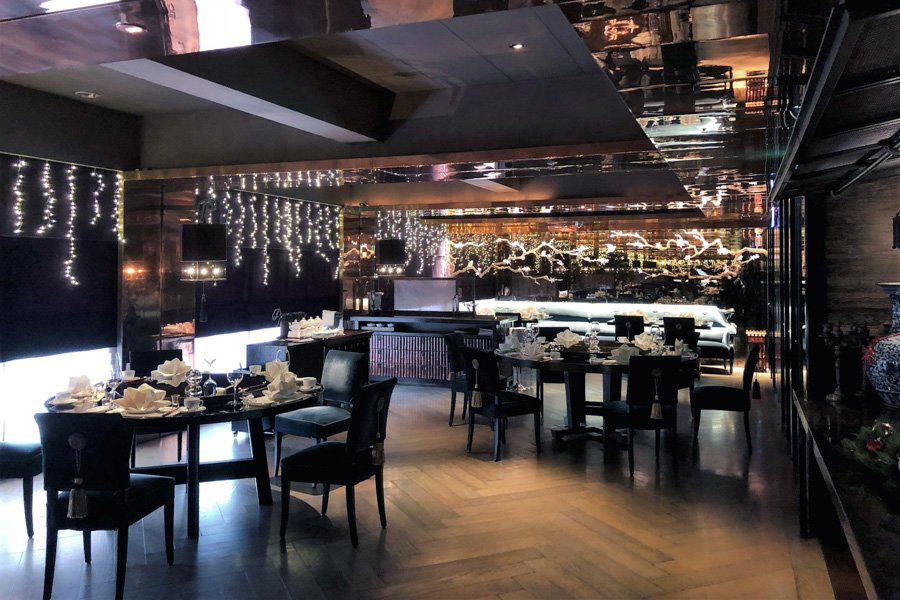
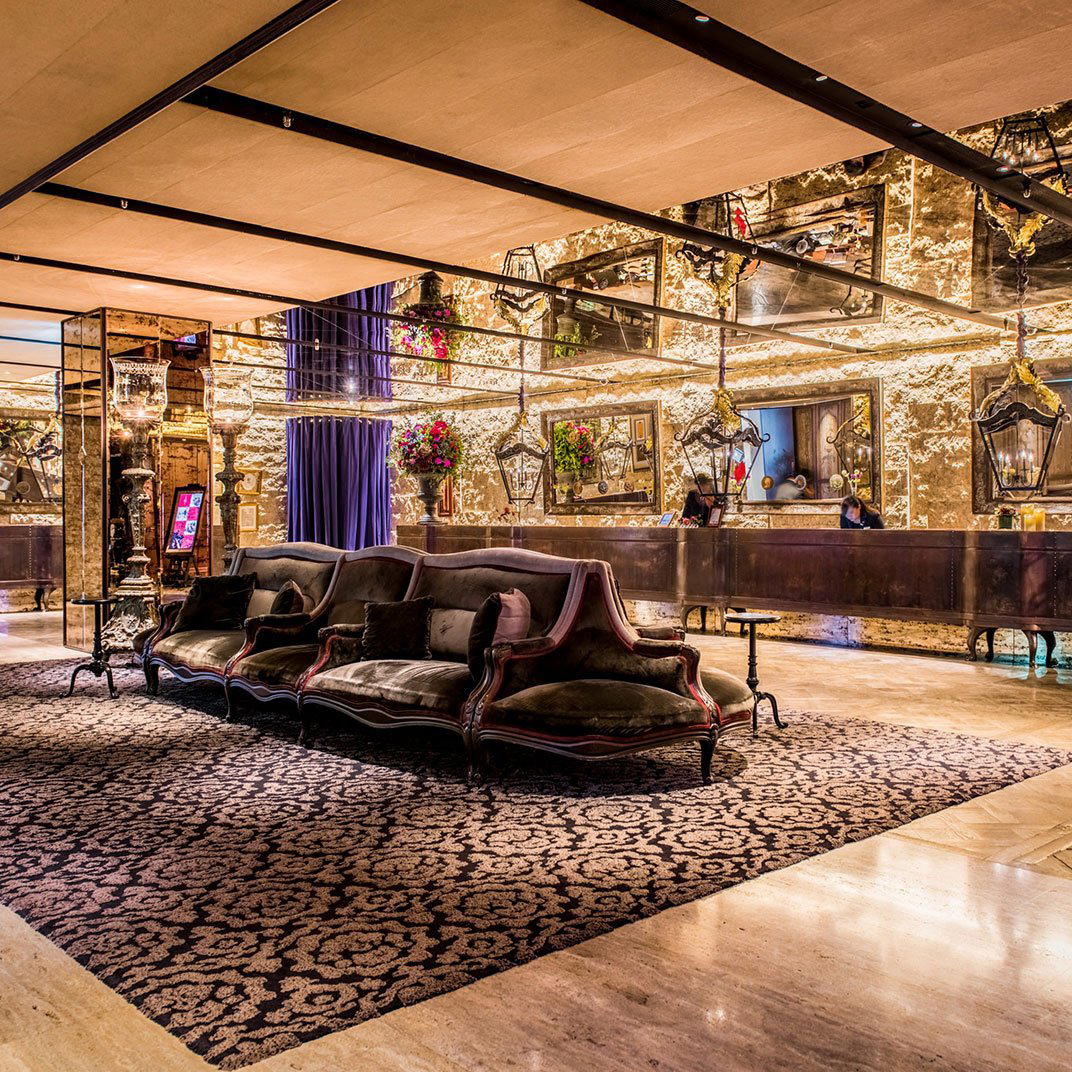
Bars in Banqiao District
Browse all →
Hotels in Banqiao District
Browse all →


Wineries in Banqiao District
Browse all →
Details
- Cozy
- Intimate
- Family
- Group Dining
- Casual Hangout
- Beer Program
- A La Carte
- Vegetarian Friendly
Current opening hours
- Monday
- 4:30 PM–1 AM
- Tuesday
- 4:30 PM–1 AM
- Wednesday
- 4:30 PM–1 AM
- Thursday
- Closed
- Friday
- 4:30 PM–1 AM
- Saturday
- 4:30 PM–1 AM
- Sunday
- Closed
Hours can change for holidays and private events. Hours as of .
Warm and inviting with traditional decor, soft lighting, and the comforting aroma of simmering hotpots.