Falstaff sits at Platz der Wiener Symphoniker in Bregenz, a city better known for its lakeside opera festival than its restaurant scene. The address alone places it in the cultural heart of Vorarlberg's capital, where serious dining and serious music have long kept close company. For visitors arriving for the Bregenzer Festspiele or passing through the western Austrian corridor, it represents one of the more considered dining options in the immediate festival precinct.
Pearl is the En Primeur Club membership app — saves, bookings, and concierge access live there. Same editors, same standards.
- Address
- Platz d. Wr. Symphoniker 3, 6900 Bregenz, Austria
- Phone
- +43557445127500
- Website
- casinos.at
- Directions
- Get directions
 Saves & bookings on Pearl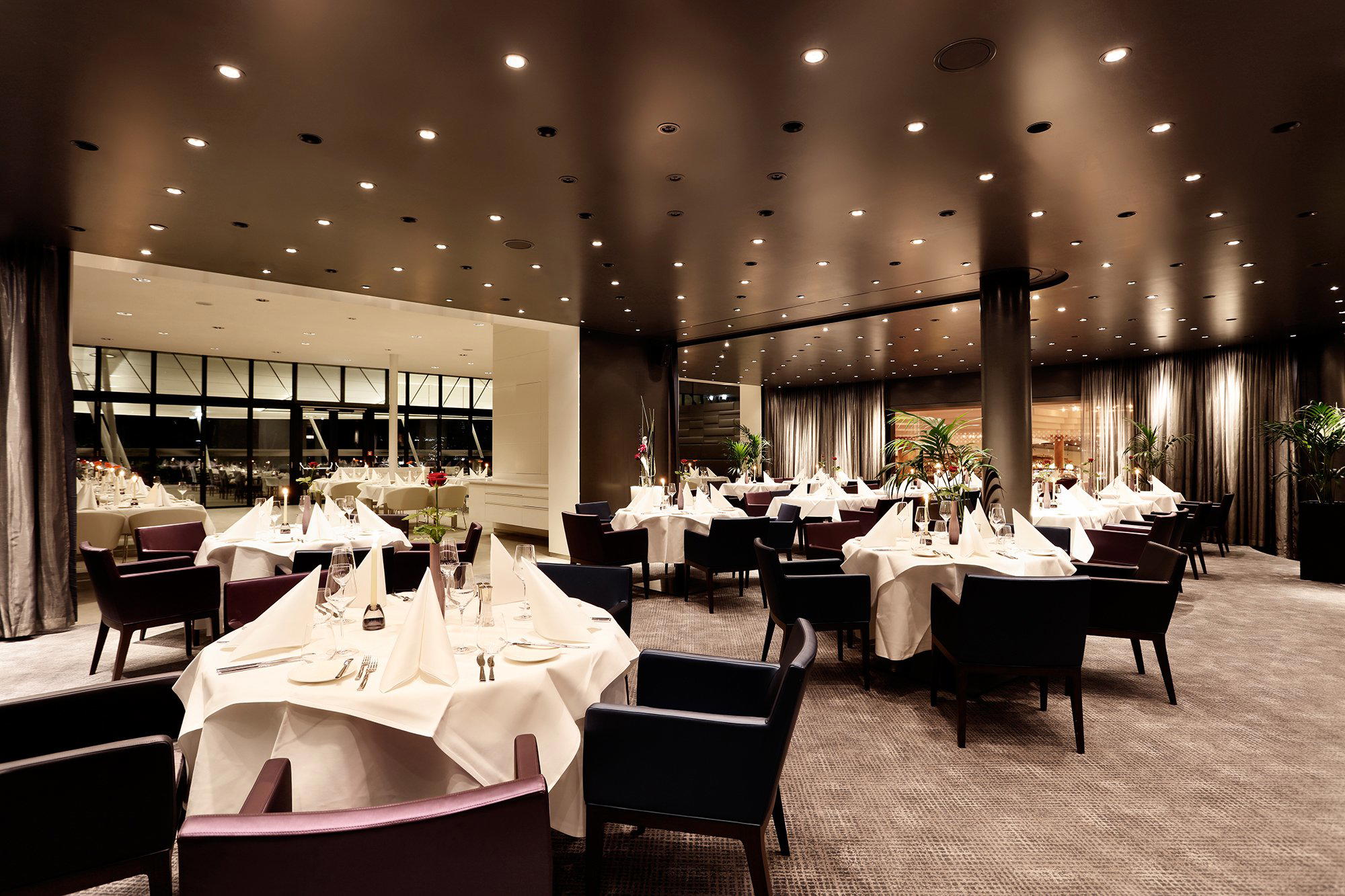
Dining at the Edge of Lake Constance
Bregenz occupies an unusual position in Austrian dining. The city is too small to sustain the density of serious restaurants you find in Vienna or Salzburg, yet its summer opera festival draws an international audience that expects more than casual lakeside eating. That tension between provincial scale and cosmopolitan appetite has shaped the dining options around Platz der Wiener Symphoniker, the festival square that gives Falstaff its address and, to a significant degree, its context.
The square itself is named after the Vienna Philharmonic, the orchestra that anchors the Bregenzer Festspiele each summer. Arriving from the lakefront promenade, the built environment shifts from tourist-facing cafes and ice cream kiosks to something more architecturally considered. The festival hall sits to one side; the address Platz d. Wr. Symphoniker 3 places Falstaff squarely within that orbit. For a dining room in Bregenz, proximity to the festival infrastructure matters, it determines who walks through the door and, consequently, what the kitchen needs to deliver.
What the Menu Architecture Reveals
In Austrian dining more broadly, the structure of a menu functions as a statement of intent. The contrast between a Viennese Beisl, with its long card of Schnitzel variants, Tafelspitz, and Mehlspeisen, and a Vorarlberg kitchen shaped by Alpine and Swiss-German influences is not cosmetic. Vorarlberg has historically occupied a culinary middle ground between Austrian tradition and the lighter, more technique-forward sensibilities of neighboring Switzerland and southern Germany. Restaurants in this region that take their food seriously tend to reflect that hybridity in how they build a menu: local dairy, freshwater fish from Lake Constance, game from the surrounding mountains, and a willingness to reference Central European fine dining without wholesale adopting the Viennese blueprint.
Falstaff's menu structure, in that context, carries weight as a signal. A restaurant positioned at a major festival venue cannot afford to read as purely local or purely tourist-facing. The menu has to hold up for the Viennese opera-goer who dines at Steirereck im Stadtpark in their home city, and for the international visitor who might otherwise compare the experience against a program at Le Bernardin in New York City or a collaborative dinner format like Lazy Bear in San Francisco.
Within Austria's western corridor, the benchmark restaurants tend to use menu architecture as a form of cultural argument. Döllerer in Golling an der Salzach built its reputation on a hyper-regional Alpine identity expressed through a precise tasting format. Obauer in Werfen has held its position for decades through a menu that refuses to separate tradition from refinement. Further into Tyrol, Gourmetrestaurant Tannenhof in Sankt Anton am Arlberg and Stüva in Ischgl serve affluent ski-season clientele with menus calibrated to a specific leisure context. Each of these examples shows how the composition of a menu, its length, its sourcing signals, its balance between à la carte flexibility and tasting progression, communicates the kitchen's self-positioning within a competitive regional set.
Bregenz's Dining Scene in Broader Perspective
Babenwohl im Hotel Schwärzler operates within the hotel dining format that anchors much of the city's more considered restaurant offer. Burgrestaurant Gebhardsberg draws on its refined position above the city, with the panoramic view over Lake Constance acting as a structural part of the experience. Buehnedrei sits in closer proximity to the festival stage, positioning itself at the intersection of performance and dining in a way that shapes its format and timing. More casual options like Der Speiseladen Werktags and Ilge serve a local, weekday-oriented clientele with a different set of expectations entirely.
Falstaff's position within this local set is defined by its address. Festival-adjacent dining in Bregenz operates on a different calendar from the rest of the city's restaurant year. The Bregenzer Festspiele runs through July and August, compressing international demand into a narrow summer window. Restaurants at this address work hardest during those eight weeks; outside the festival period, the dynamics shift toward a local and regional audience.
That seasonal rhythm is worth understanding before you plan a visit. Across Austria, serious destination dining in smaller cities often follows a similar pattern. Landhaus Bacher in Mautern an der Donau and Ois in Neufelden each operate in contexts where the surrounding environment, the Wachau wine region in one case, a rural Upper Austrian village in the other, defines the rhythm of demand. Kräuterreich by Vitus Winkler in Sankt Veit im Pongau and Restaurant 141 by Joachim Jaud in Mieming similarly draw on a combination of local regulars and visiting travelers whose timing is structured by Alpine leisure seasons. Understanding which rhythm governs a restaurant's kitchen and floor operation tells you more about what to expect than any single award or review.
Schwarzer Adler in Hall in Tirol offers a useful comparative reference point for western Austrian dining ambition at a similar regional scale.
Planning a Visit
The address at Platz d. Wr. Symphoniker 3 is walkable from the Bregenz lakefront and from the main festival infrastructure. During the opera season, festival audiences typically dine either before or after performances, which means the restaurant operates under time pressure familiar to any pre-theatre dining room. Booking ahead during July and August is advisable; the compressed festival calendar leaves little room for walk-in availability at the better addresses around the square. Outside the festival window, the city reverts to its quieter regional character, and the calculus around reservations shifts accordingly.
Accolades, Compared
Comparable venues nearby, for context on price, style, and recognition.
| Venue | Cuisine | Price | Notes |
|---|---|---|---|
| FalstaffThis venue — the venue you are viewing | Austrian Fine Dining | $$$$ | Not listed |
| Manga | Japanese & Thai Fusion | $$ | :null |
| Babenwohl im Hotel Schwärzler | Modern Austrian with International Classics | $$$ | Not listed |
| Ilge | Asian-Vorarlberg Fusion | $$ | city center |
| Der Speiseladen Werktags | Street Food Classics | $$ | city center |
| Burgrestaurant Gebhardsberg | Traditional Austrian Castle Cuisine | $$ | Gebhardsberg |
Continue exploring
More in Bregenz
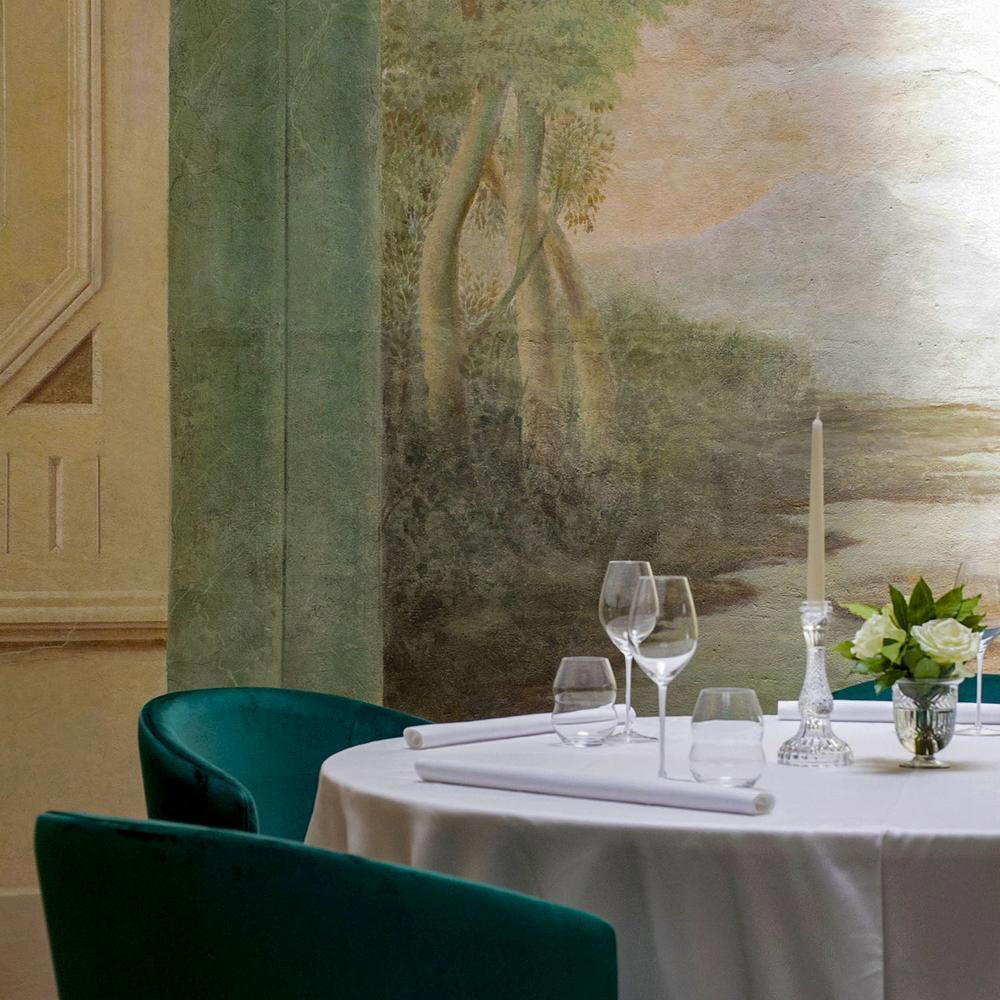
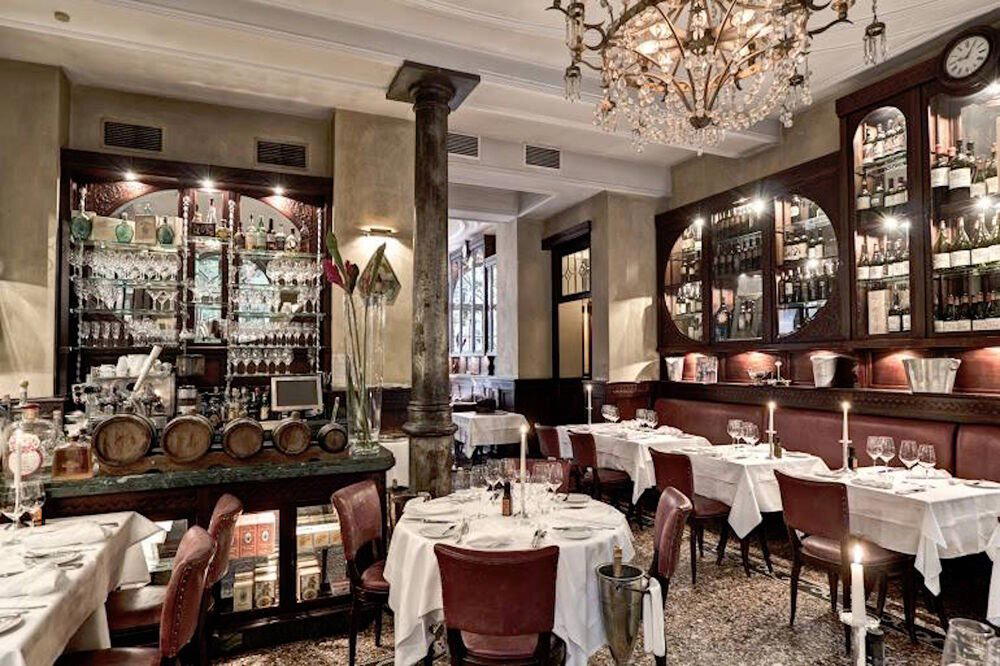
Restaurants in Bregenz
Browse all →
Bars in Bregenz
Browse all →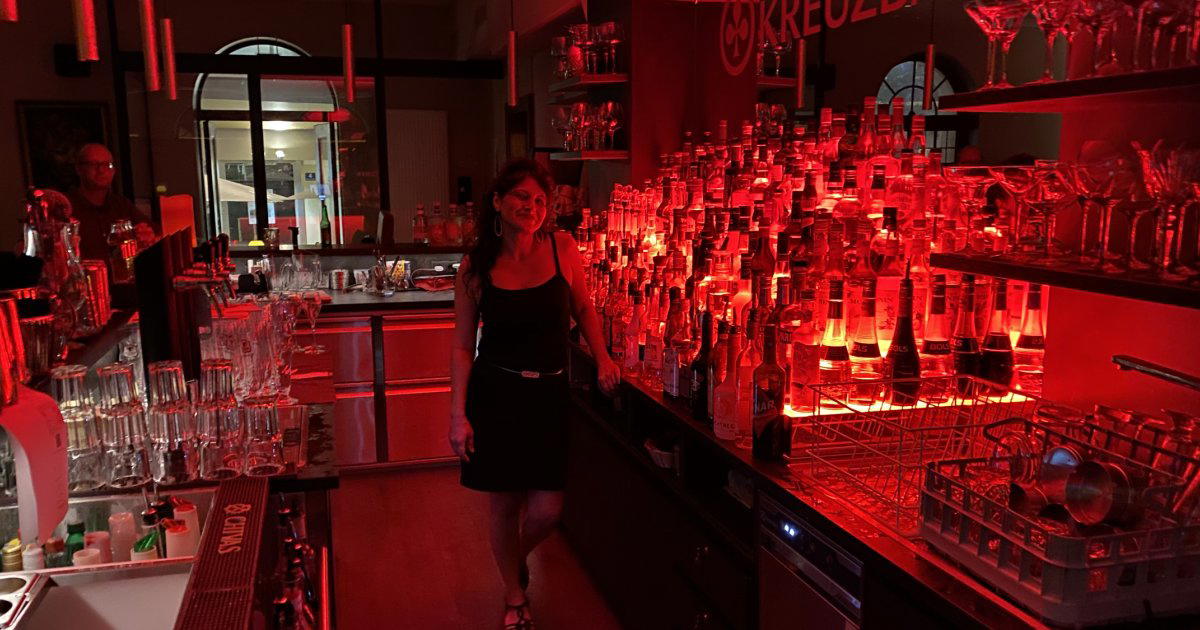
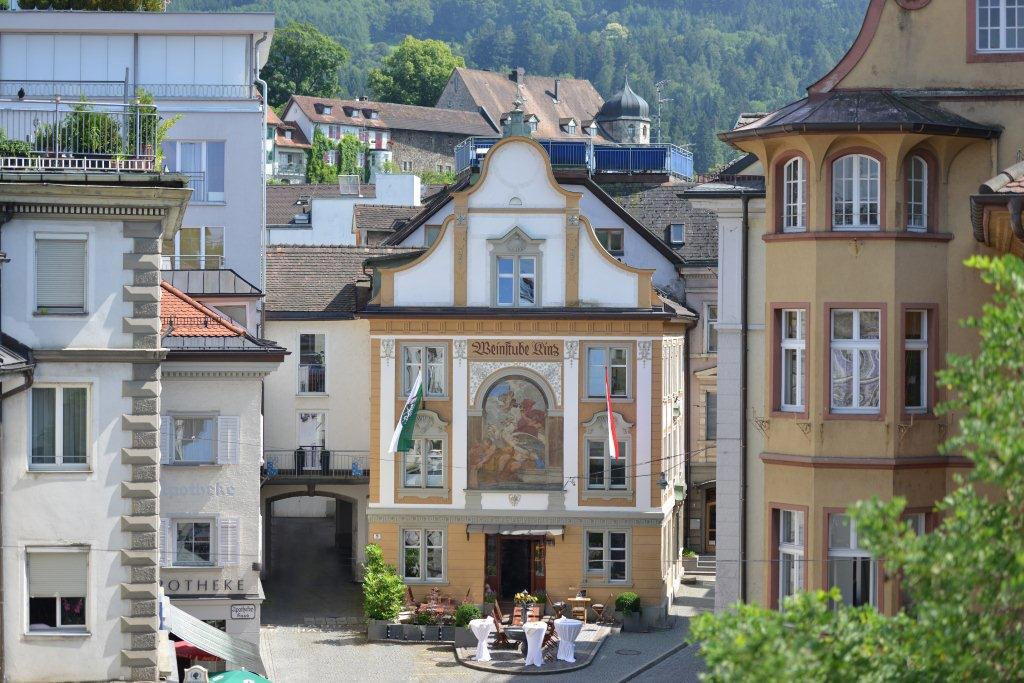

Hotels in Bregenz
Browse all →

At a Glance
- Elegant
- Sophisticated
- Classic
- Date Night
- Special Occasion
- Terrace
- Panoramic View
- Hotel Restaurant
- Extensive Wine List
- Waterfront
Current opening hours
- Monday
- 6 PM–12 AM
- Tuesday
- 6 PM–12 AM
- Wednesday
- 6 PM–12 AM
- Thursday
- 6 PM–12 AM
- Friday
- 6 PM–12 AM
- Saturday
- 6 PM–12 AM
- Sunday
- 6 PM–12 AM
Hours can change for holidays and private events. Last verified .
Sophisticated casino atmosphere with classy interior, old-school vibe, and terrace overlooking the lake.