Buehnedrei pairs Modern Austrian cooking with venison goulash and cordon bleu, plus terrace and open-kitchen seating for lunch or dinner in Bregenz.
Pearl is the En Primeur Club membership app — saves, bookings, and concierge access live there. Same editors, same standards.
- Address
- Platz d. Wr. Symphoniker 1, 6900 Bregenz, Austria
- Phone
- +435574413252
- Website
- buehnedrei.cc
- Directions
- Get directions
 Saves & bookings on Pearl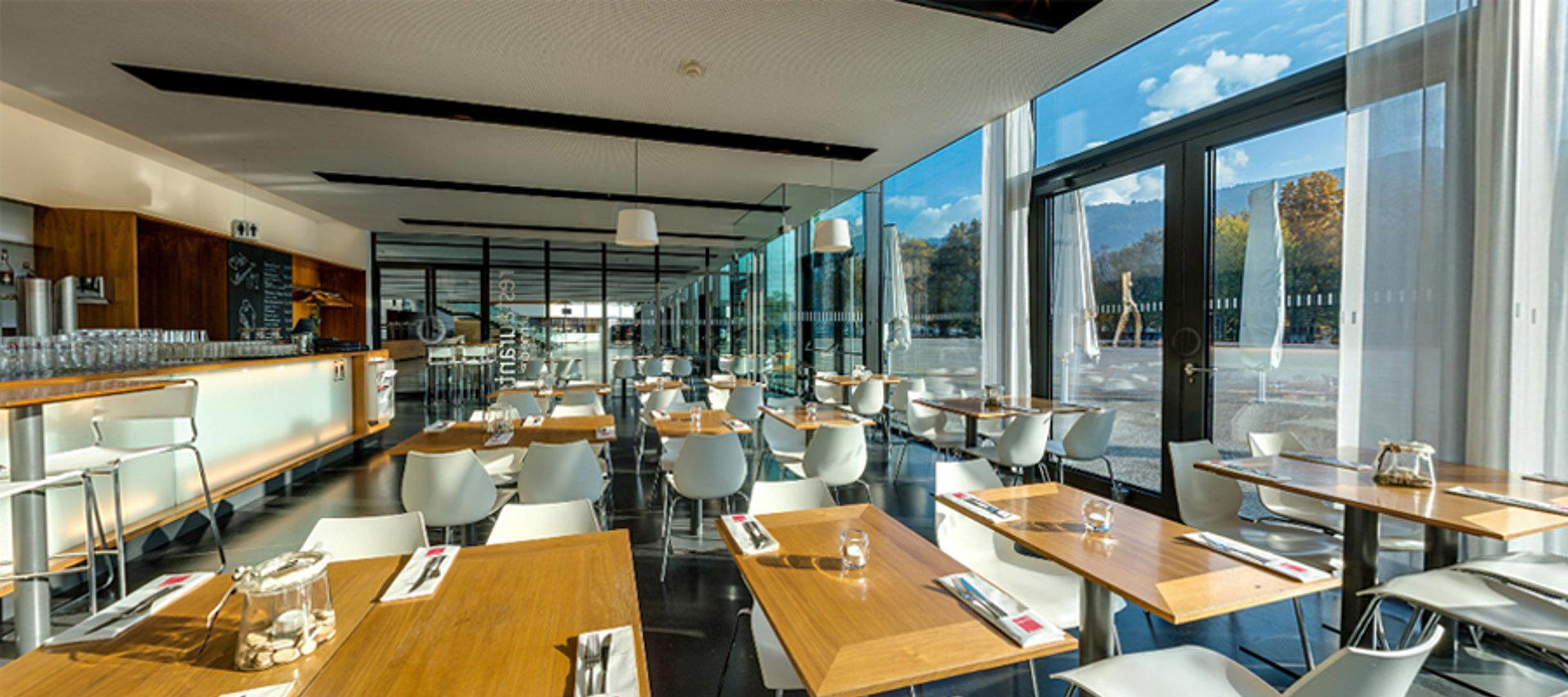
Where Bregenz Performs, On and Off the Stage
Bregenz has a particular relationship with spectacle. The city's floating stage on Lake Constance draws tens of thousands each summer for the Bregenzer Festspiele, one of Europe's largest open-air opera festivals. Around that gravitational event, the city's dining scene has organised itself in a way that few Austrian provincial capitals manage: a tight cluster of venues that must serve both the opera-going visitor and the year-round local, often in the same sitting. Buehnedrei is a Modern Austrian restaurant at Platz d. Wr. Symphoniker 1, 6900 Bregenz, Austria. The name itself signals the relationship: Bühne drei, stage three.
The Cultural Frame: Vorarlberg at the Table
Austria's westernmost province, Vorarlberg, sits at a culinary crossroads that is frequently underappreciated relative to Vienna or Salzburg. Its kitchen draws from German-speaking Alemannic tradition, Swiss influences across the Rhine, and the alpine larder that defines much of the country's regional cooking. Dairy is serious here: Vorarlberg produces some of Austria's most characterful cheeses, and the mountain pastures that supply them are close enough to the table that the supply chain is short and the quality traceable. Bread dumplings, lake fish from the Bodensee, and slow-cooked preparations rooted in farmhouse tradition sit alongside a newer generation of cooking that takes those ingredients and applies more contemporary technique.
That tension between deep regional tradition and contemporary ambition is exactly what defines the more ambitious end of Bregenz dining. Venues in this city do not operate in the shadow of a single dominant culinary identity the way, say, a Viennese restaurant must position itself relative to the Beisl tradition or the grand hotel dining room. Bregenz allows for a slightly more open interpretive frame, which is part of what makes it an interesting place to eat.
For broader context on where Austrian alpine cooking sits at its most refined, Döllerer in Golling an der Salzach and Obauer in Werfen represent the benchmark end of that tradition. In the Tirol, Schwarzer Adler in Hall in Tirol and Gourmetrestaurant Tannenhof in Sankt Anton am Arlberg show how mountain-region restaurants have built reputations without the capital-city audience. Bregenz, with its festival traffic, has a slightly different commercial logic.
The Festival Effect on Dining
Opera audiences are not a neutral crowd. The Bregenzer Festspiele, which runs through July and August, concentrates a significant volume of culturally engaged, internationally travelled visitors into a relatively compact city. That demographic shapes what a restaurant at the heart of the festival complex needs to be: capable of serving pre-curtain dinners at pace, but also worth returning to outside festival season when the audience is local and the margin for tourism-inflated mediocrity disappears.
This dynamic is familiar in other festival cities. Restaurants in Salzburg navigate a similar tension, as do venues around major cultural institutions in other European cities. The ones that survive it well are those that build a kitchen and service model that does not depend on the captive festival crowd for quality justification. The address at Platz d. Wr. Symphoniker puts Buehnedrei squarely inside that test.
Comparable pressures shape the dining rooms near major performance venues globally. Le Bernardin in New York City and Lazy Bear in San Francisco both operate in cities where cultural institution proximity is a double-edged credential, requiring a kitchen that earns its reputation independently of foot traffic.
Bregenz's Dining comparable set
Within Bregenz itself, the restaurant field is compact but varied. Babenwohl im Hotel Schwärzler operates within the hotel dining format that serves both resident guests and outside bookings. Burgrestaurant Gebhardsberg takes advantage of its refined position above the city to add a view dimension to the proposition. Der Speiseladen Werktags and Ilge represent the more everyday, neighbourhood-anchored end of the city's eating. Falstaff adds another reference point in the mid-range.
Buehnedrei's location within the festival complex positions it differently from all of these. It is not trading on a castle view or a hotel room block. Its identity is tied to the cultural institution it serves, which creates both an advantage in terms of built-in audience and a requirement to hold up under close scrutiny from visitors who have eaten well elsewhere. A full survey of where Bregenz dining stands can be found in our full Bregenz restaurants guide.
The Wider Austrian Context
Austria has produced a generation of serious regional restaurants that operate at high level without Michelin-starred positioning in Vienna. Steirereck im Stadtpark in Vienna remains the capital's dominant fine-dining reference, but the provinces have developed their own credible voices. Landhaus Bacher in Mautern an der Donau in Lower Austria and Kräuterreich by Vitus Winkler in Sankt Veit im Pongau illustrate how herb-forward, landscape-rooted cooking has become one of the defining signatures of Austrian regional gastronomy. Ois in Neufelden and Stüva in Ischgl push that into more remote alpine settings. Restaurant 141 by Joachim Jaud in Mieming represents how chef-driven ambition in smaller Tyrolean towns is reshaping expectations outside the major cities.
Bregenz sits in that broader shift: a city that benefits from its cultural prestige but is building a dining identity that does not entirely depend on it.
Planning Your Visit
Buehnedrei's address at Platz d. Wr. Symphoniker 1 places it within the Bregenzer Festspiele complex, making it straightforwardly accessible on foot from the lakefront and the festival stage areas. During the Festspiele season in July and August, the surrounding area is heavily trafficked and advance planning is advisable for any dining in the vicinity. Outside festival season, Bregenz is a compact city that rewards walking between venues.
Price and Positioning
Comparable venues nearby, for context on price, style, and recognition.
| Venue | Cuisine | Price | Notes |
|---|---|---|---|
| BuehnedreiThis venue — the venue you are viewing | Not listed | $$ | Not listed |
| Burgrestaurant Gebhardsberg | Not listed | $$ | Gebhardsberg, Traditional Austrian Castle Cuisine |
| Wirtshaus am See | Not listed | $$ | Seepromenade, Traditional Austrian Lakeside |
| Ilge | city center, Asian-Vorarlberg Fusion | $$ | Not listed |
| Babenwohl im Hotel Schwärzler | Not listed | $$$ | Modern Austrian with International Classics |
| Der Speiseladen Werktags | city center, Street Food Classics | $$ | Not listed |
Continue exploring
More in Bregenz
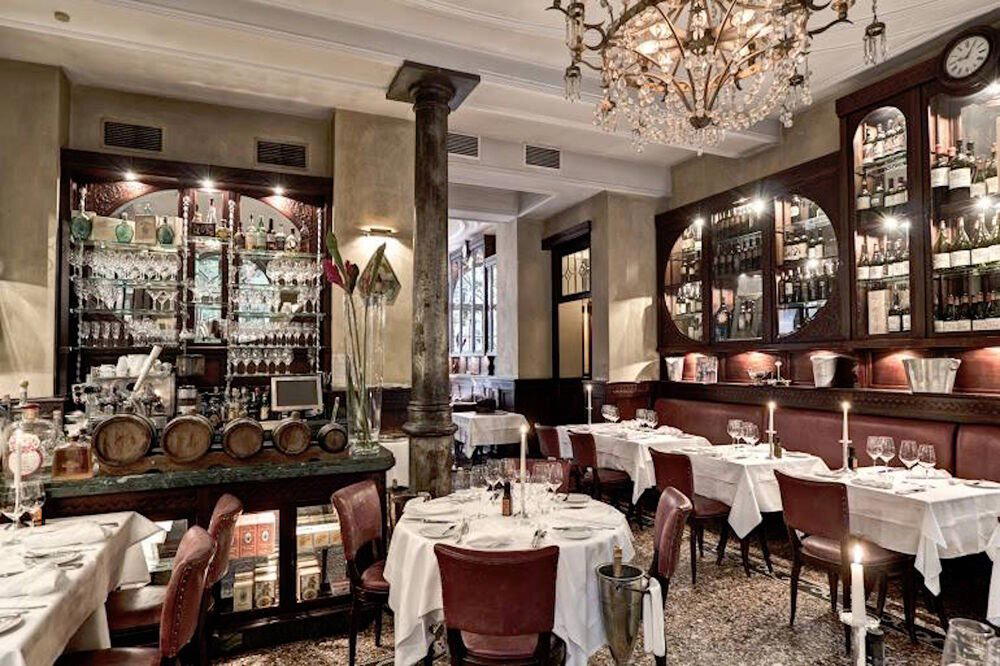
Restaurants in Bregenz
Browse all →
Bars in Bregenz
Browse all →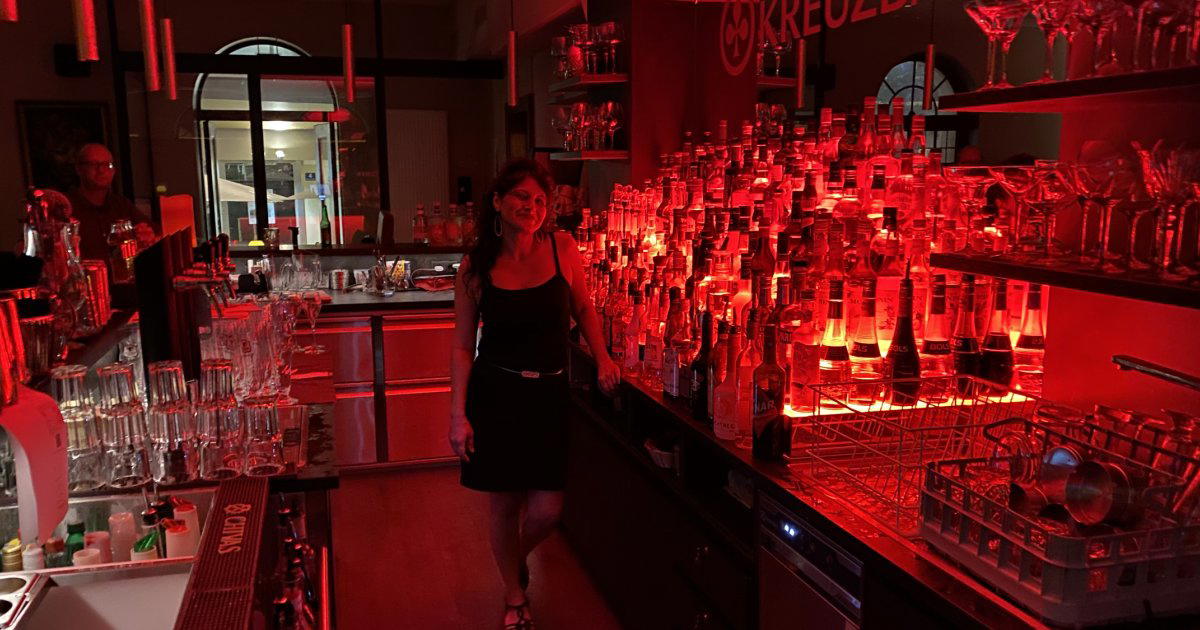
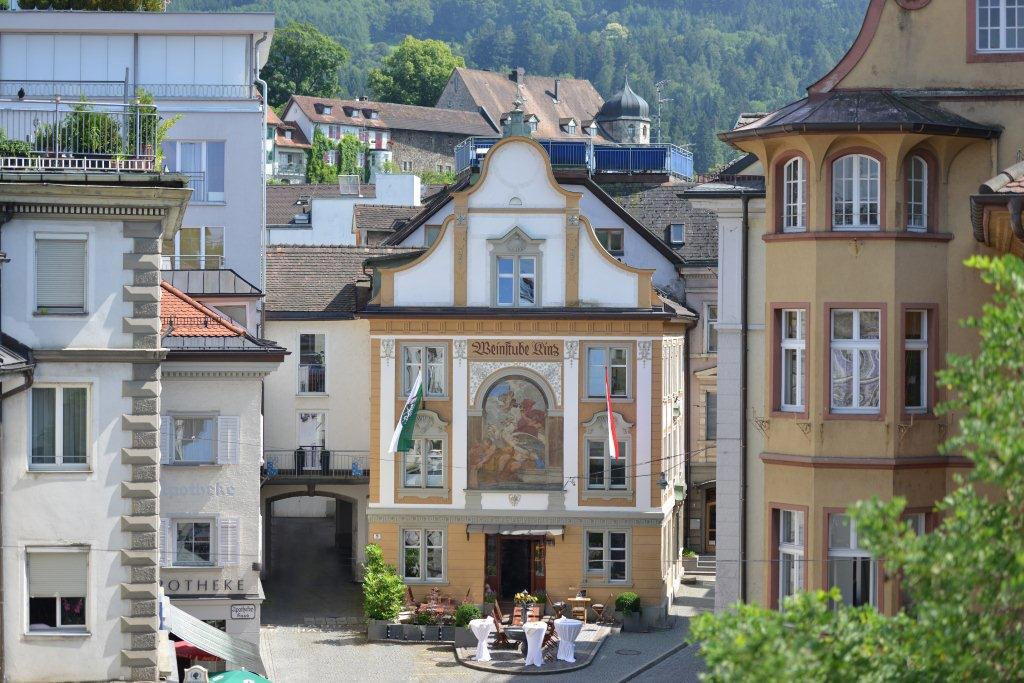

Hotels in Bregenz
Browse all →

At a Glance
- Modern
- Elegant
- Scenic
- Special Occasion
- Date Night
- Terrace
- Open Kitchen
- Local Sourcing
- Sustainable Seafood
- Street Scene
Current opening hours
- Monday
- 11 AM–6 PM
- Tuesday
- 11 AM–6 PM
- Wednesday
- 11 AM–6 PM
- Thursday
- 11 AM–6 PM
- Friday
- Closed
- Saturday
- 2–10 PM
- Sunday
- 12–9 PM
Hours can change for holidays and private events. Last verified .
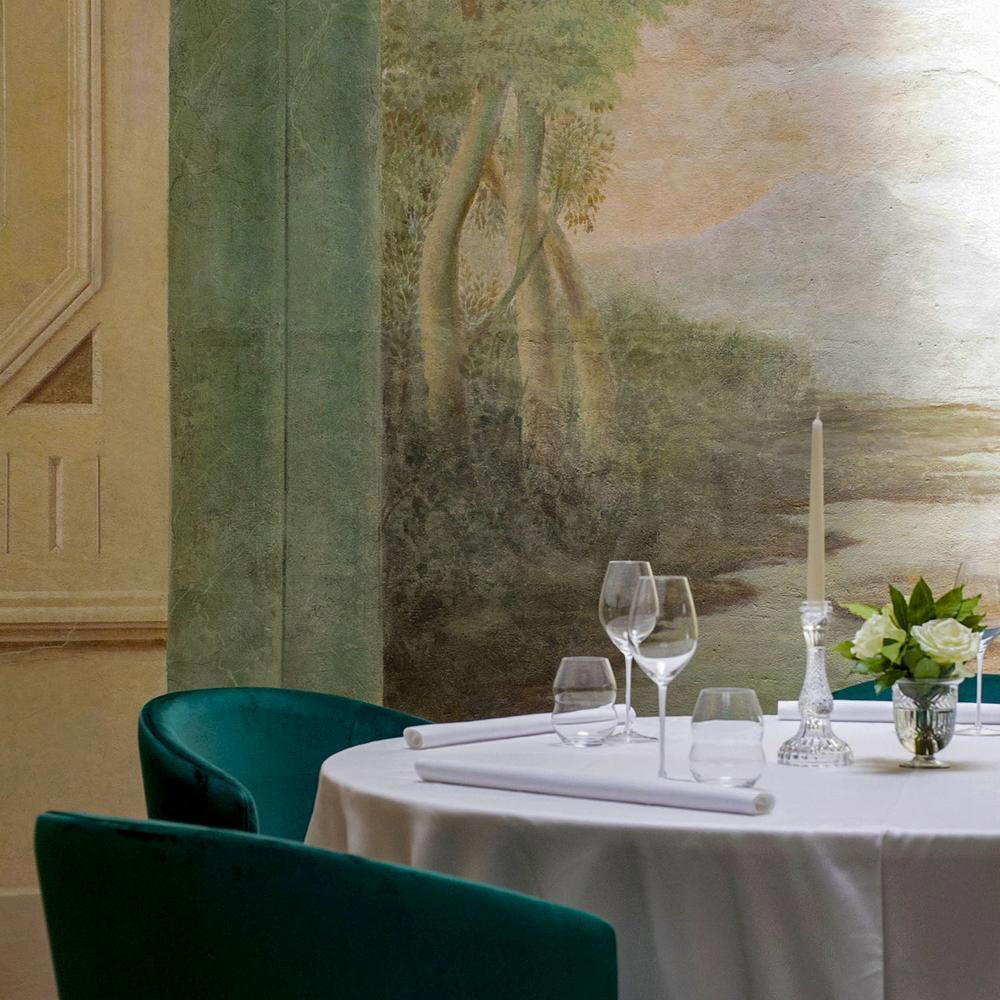
Light-flooded modern interior with stylish ambiance and feel-good atmosphere.