Ilge occupies a quiet address on Maurachgasse 6 in Bregenz, the Austrian lakeside city that hosts one of Europe's most demanding annual opera festivals. The restaurant sits within a dining scene shaped by proximity to Lake Constance, the Vorarlberg countryside, and the culinary ambitions of a city that punches well above its size.
Pearl is the En Primeur Club membership app — saves, bookings, and concierge access live there. Same editors, same standards.
- Address
- Maurachgasse 6, 6900 Bregenz, Austria
- Phone
- +436644173924
- Website
- xn--kchentanz-q9a.at
- Directions
- Get directions
 Saves & bookings on Pearl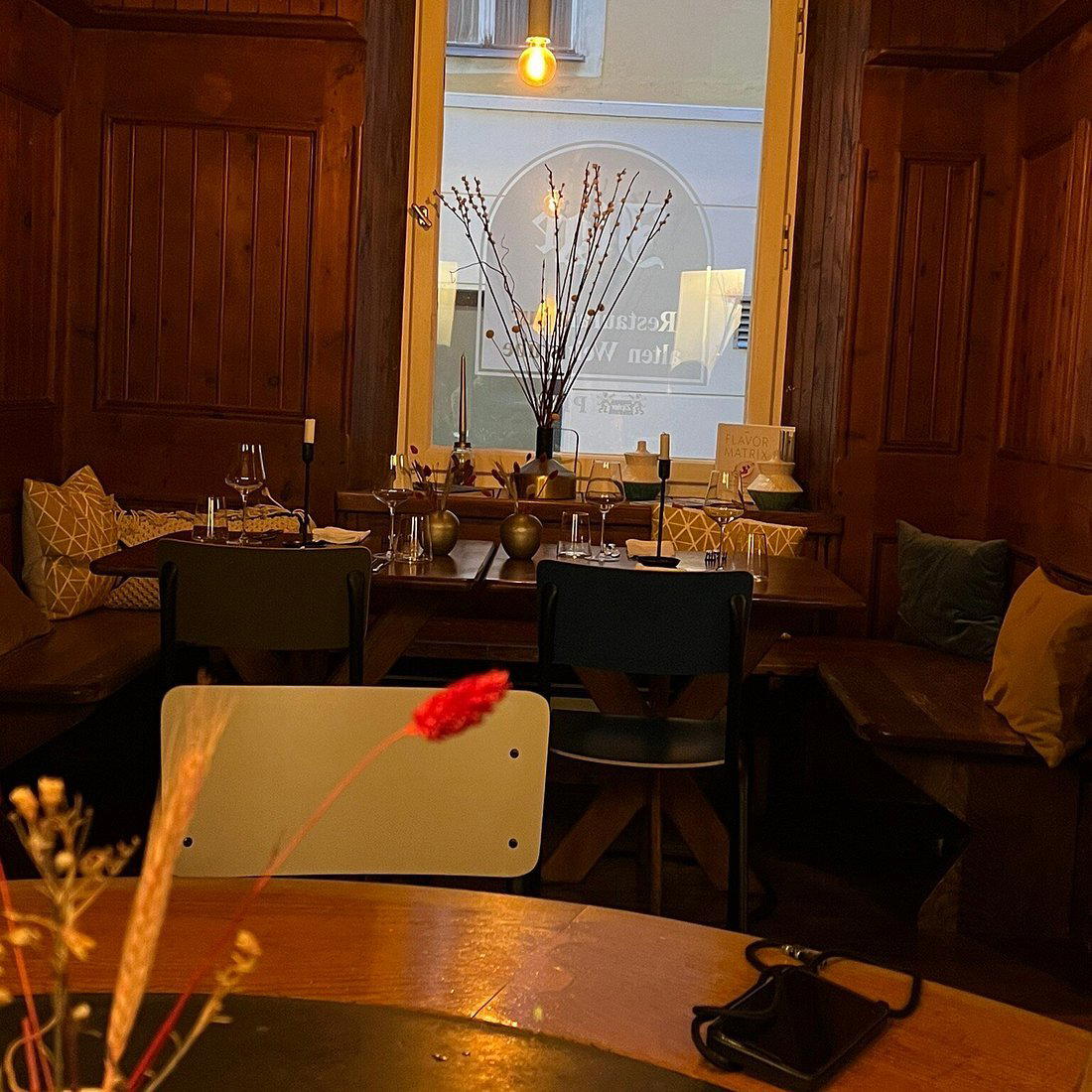
Where Vorarlberg Dining Finds Its Footing
Bregenz operates at an unusual frequency for a city of its scale. The annual Bregenzer Festspiele draws audiences from across Europe each summer, and the hospitality infrastructure has evolved to meet that expectation without losing the regional character that defines western Austrian cooking. Maurachgasse 6, the address where Ilge sits, is in Bregenz.
The dining culture in Vorarlberg draws from a different set of traditions than Vienna or Salzburg. The proximity to Germany, Switzerland, and Liechtenstein means the region absorbs influences from Swabian cooking, Swiss alpine technique, and French Alsatian discipline in equal measure, while anchoring everything in local produce from the Bregenzerwald and the lake. Restaurants that work within this frame tend to be quieter in their ambitions and more specific in their sourcing than their counterparts in the capital.
The Scene at Maurachgasse
The street-level approach to Ilge gives little away, which is consistent with how Bregenz conducts its better dining addresses. The city has never developed the kind of conspicuous restaurant culture that announces itself through design spectacle or exterior signage designed to be photographed. What you find instead is a cooking tradition that relies on the quality of ingredients and the coherence of a regional perspective, attributes that tend to build a following among guests who book deliberately rather than walk in on impulse.
That model, common across western Austria, produces a particular kind of room: one where the atmosphere is shaped by the regularity of familiar faces rather than the churn of festival tourists. Bregenz's restaurant scene during the Festspiele months (July and August) operates under a different pressure than the rest of the year, and establishments that hold their identity across both periods tend to be the ones worth tracking.
Cultural Roots: Vorarlberg's Culinary Identity
Austrian regional cooking is not a single tradition. The country spans alpine, Danubian, and Pannonian food cultures, and Vorarlberg sits furthest from the Viennese mainstream. What defines the western provinces is a preference for restrained preparation, dairy from alpine pastures, freshwater fish from the Bodensee, and a long-standing relationship with the kind of fermented, cured, and aged products that make sense in a mountain economy where preservation was historically practical rather than fashionable.
That foundation places Vorarlberg's serious restaurants in a different conversation than, say, the grand Viennese bourgeois tradition represented by Steirereck im Stadtpark in Vienna, or the destination-driven alpine refinement of Griggeler Stuba in Lech. The Bregenz version of this cooking is quieter, less trophy-driven, and more directly connected to what the immediate landscape produces across the seasons.
Across Austria's western corridor, the restaurants that have built lasting credibility tend to share a commitment to working within the regional ingredient base rather than importing prestige products to meet a different expectation. Döllerer in Golling an der Salzach and Obauer in Werfen represent the kind of deep regional engagement that defines this tier of Austrian cooking, and the Vorarlberg scene operates from a similar premise, even if it has produced fewer internationally profiled names.
Bregenz's Dining comparable set
Within Bregenz itself, the restaurant field divides between venues that operate primarily as festival infrastructure, those serving the working city year-round, and a smaller group that maintains cooking standards independent of the seasonal calendar. Babenwohl im Hotel Schwärzler represents the hotel-anchored segment of this market, while Buehnedrei and Burgrestaurant Gebhardsberg occupy distinct positions defined by their settings and formats. Der Speiseladen Werktags and Falstaff round out the options for visitors mapping the city's range.
Internationally, the move toward regionally grounded cooking with technical discipline has produced recognised addresses across Austria. Ikarus in Salzburg, Kräuterreich by Vitus Winkler in Sankt Veit im Pongau, Landhaus Bacher in Mautern an der Donau, Ois in Neufelden, and Gourmetrestaurant Tannenhof in Sankt Anton am Arlberg collectively define what serious Austrian regional cooking looks like outside the capital. Restaurant 141 by Joachim Jaud in Mieming adds another data point in western Austria's growing credibility within this conversation. For a sense of what technical ambition at the other end of the world looks like within a different regional tradition, Le Bernardin in New York City and Atomix in New York City illustrate how deeply rooted culinary identity translates into sustained international standing.
Planning a Visit
Bregenz is most easily reached by rail, with direct connections from Zurich, Munich, and Innsbruck placing it within two hours of three major hubs. The city is compact and walkable from the main station, and Maurachgasse 6 sits in the older residential quarter close to the lake. Visitors planning around the Festspiele (mid-July through mid-August) should factor in significantly compressed availability across all dining categories, and any reservation at a restaurant of Ilge's standing in the city merits early contact. Outside the festival window, autumn brings its own case for a visit: the light on the Bodensee and the transition to cool-season produce make September and October among the more considered times to eat around western Austria.
Pricing, Compared
Comparable venues nearby, for context on price, style, and recognition.
| Venue | Cuisine | Price | Notes |
|---|---|---|---|
| IlgeThis venue — the venue you are viewing | city center, Asian-Vorarlberg Fusion | $$ | Not listed |
| Milchpilz | Not listed | $ | Lake Constance promenade, Well-known Austrian Milk Kiosk |
| Wirtshaus am See | Not listed | $$ | Seepromenade, Traditional Austrian Lakeside |
| Buehnedrei | Not listed | $$ | Platz der Wiener Symphoniker, Modern Austrian |
| New York Bagel & Bowl | Bregenz, New York-Style Bagels & Bowls | $ | Not listed |
| Der Speiseladen Werktags | city center, Street Food Classics | $$ | Not listed |
Continue exploring
More in Bregenz
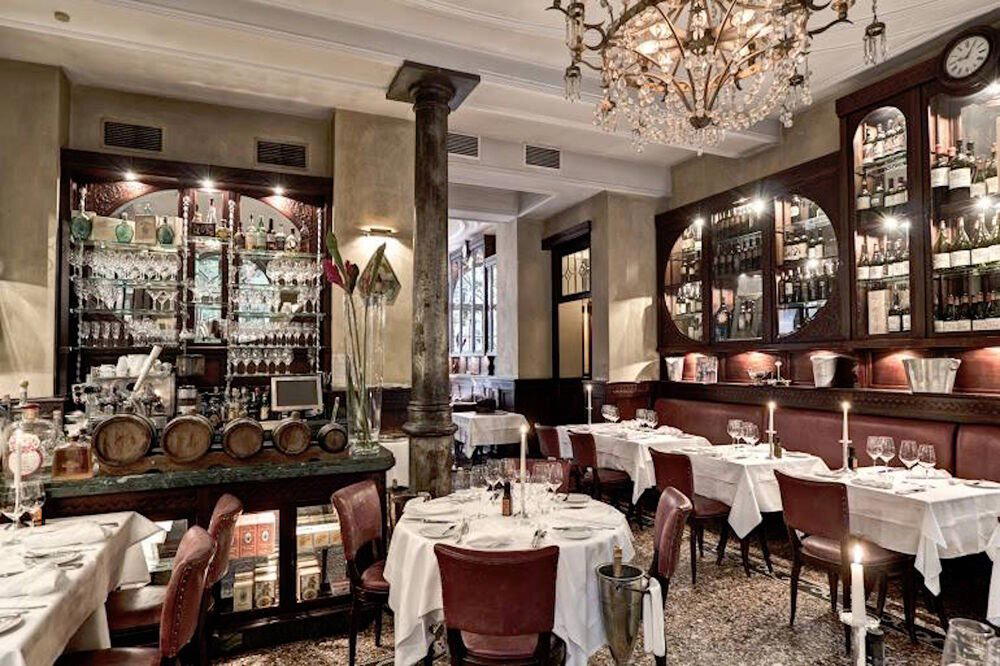
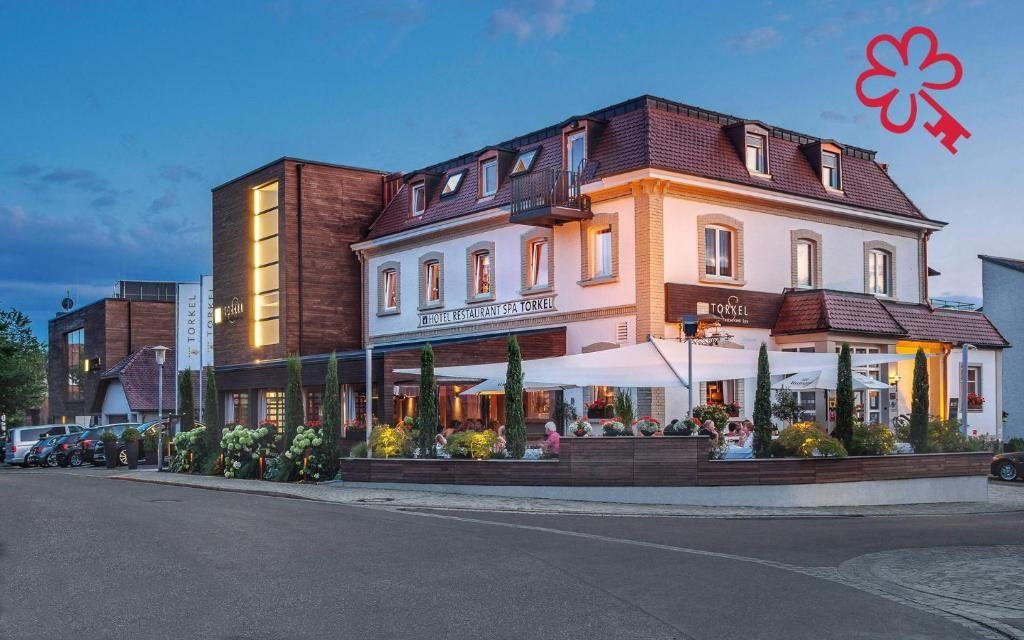
Restaurants in Bregenz
Browse all →
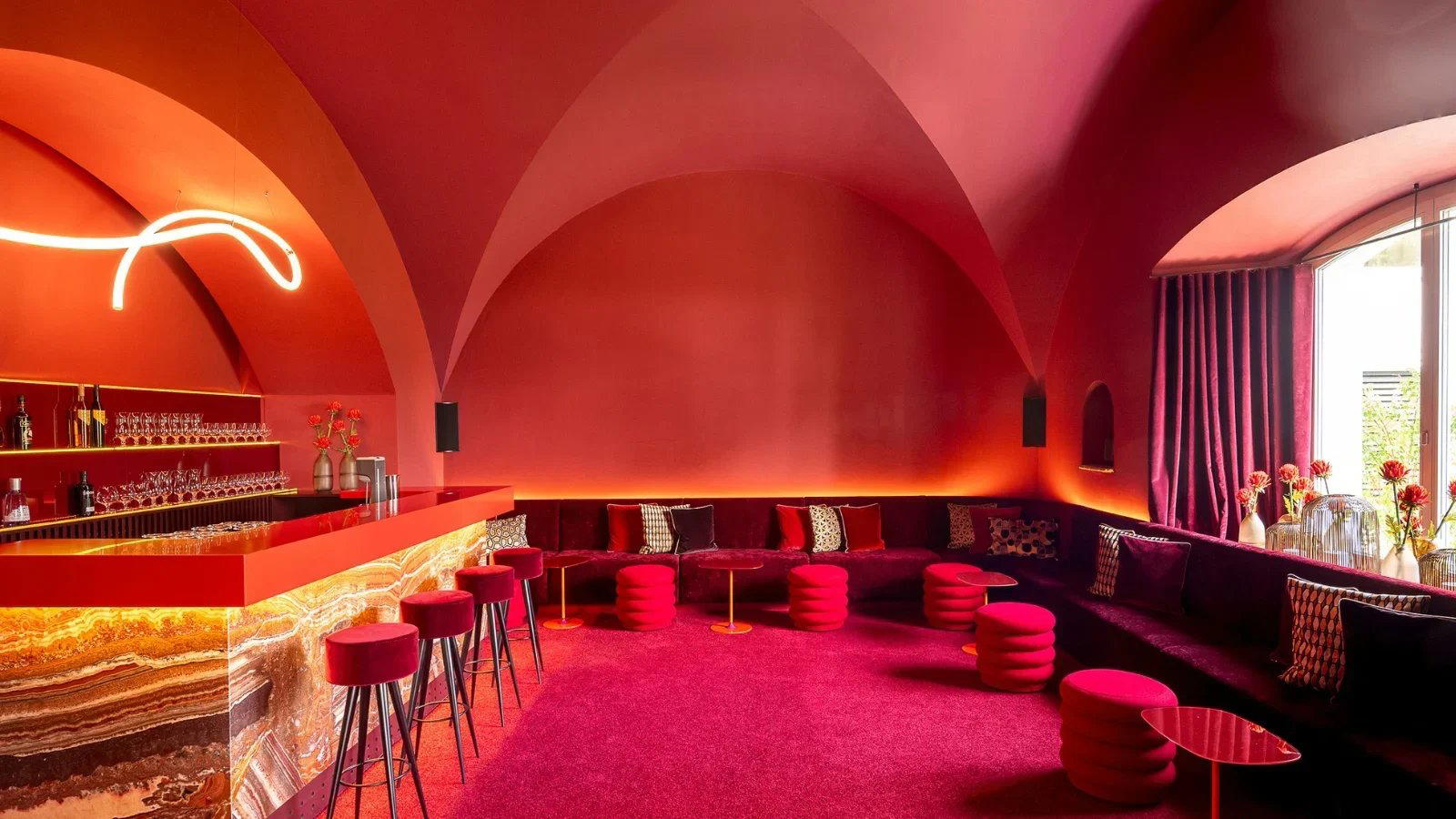
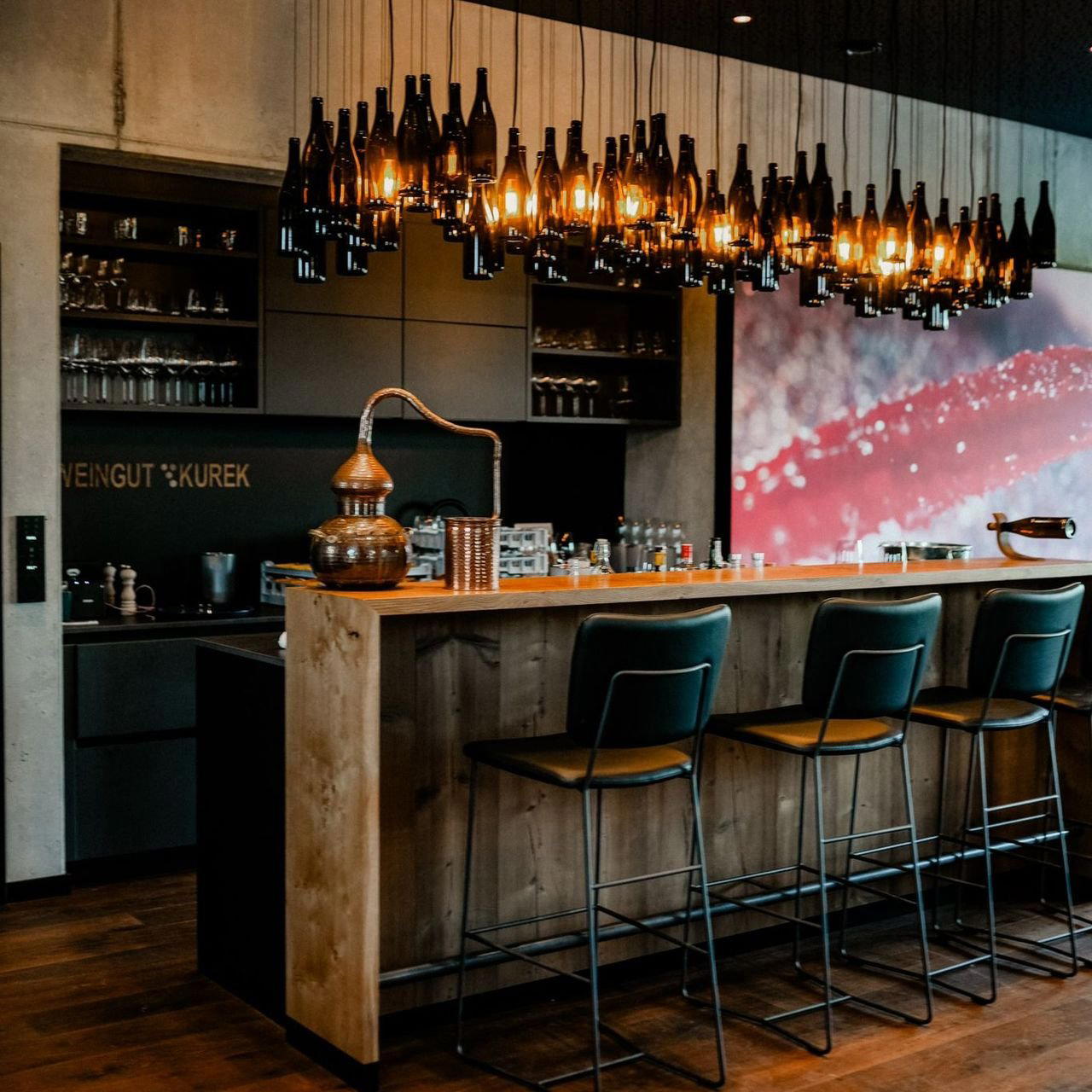
Bars in Bregenz
Browse all →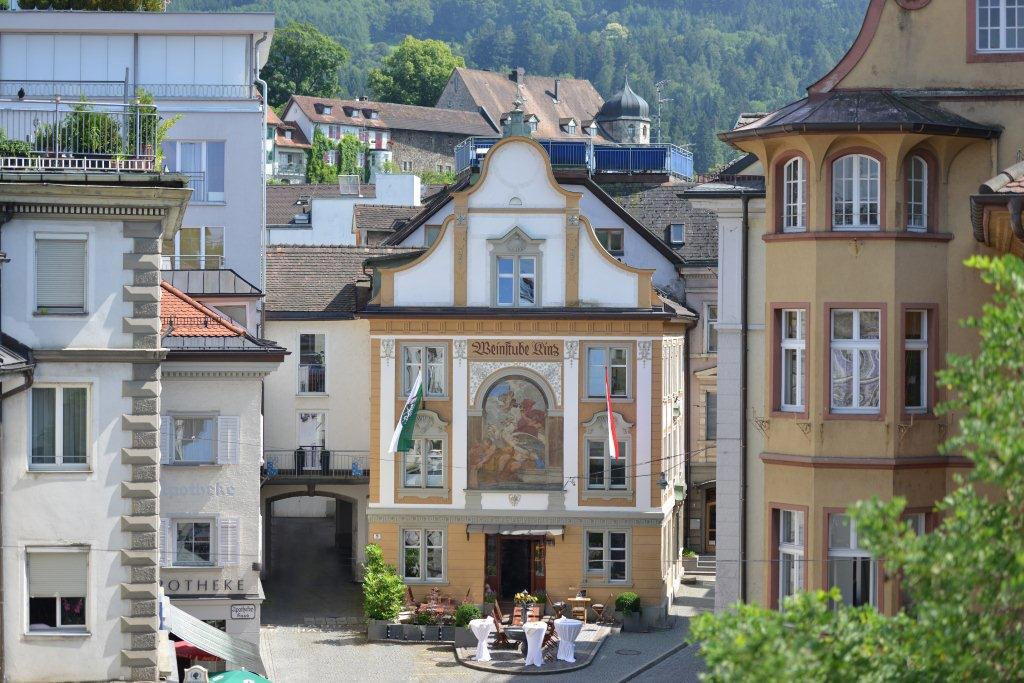
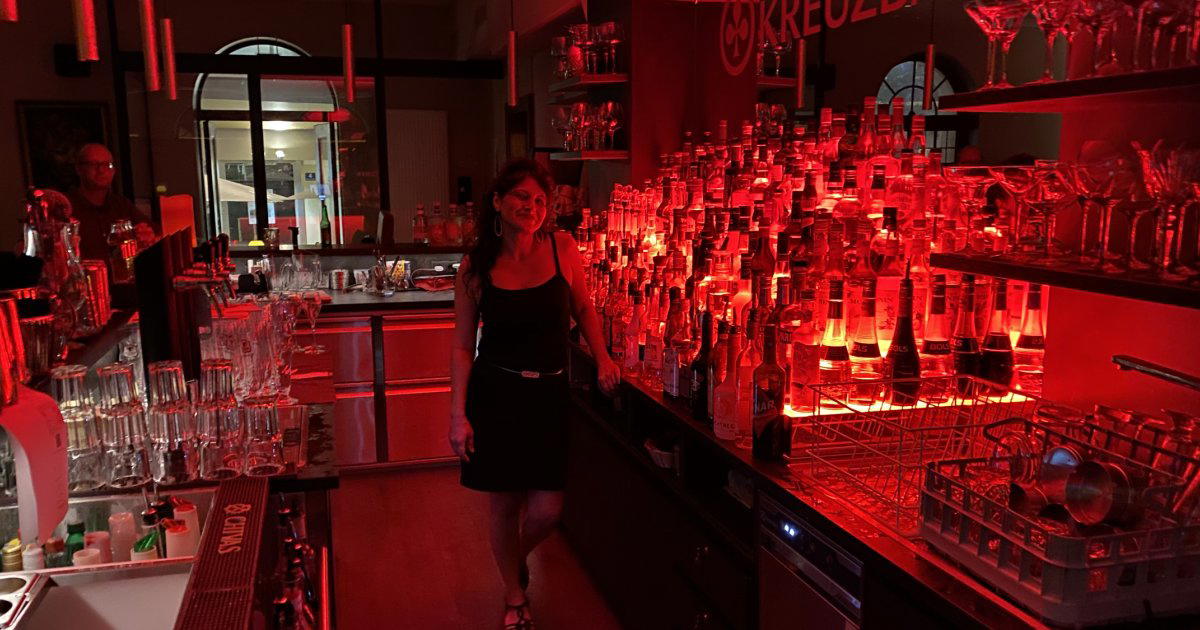

Hotels in Bregenz
Browse all →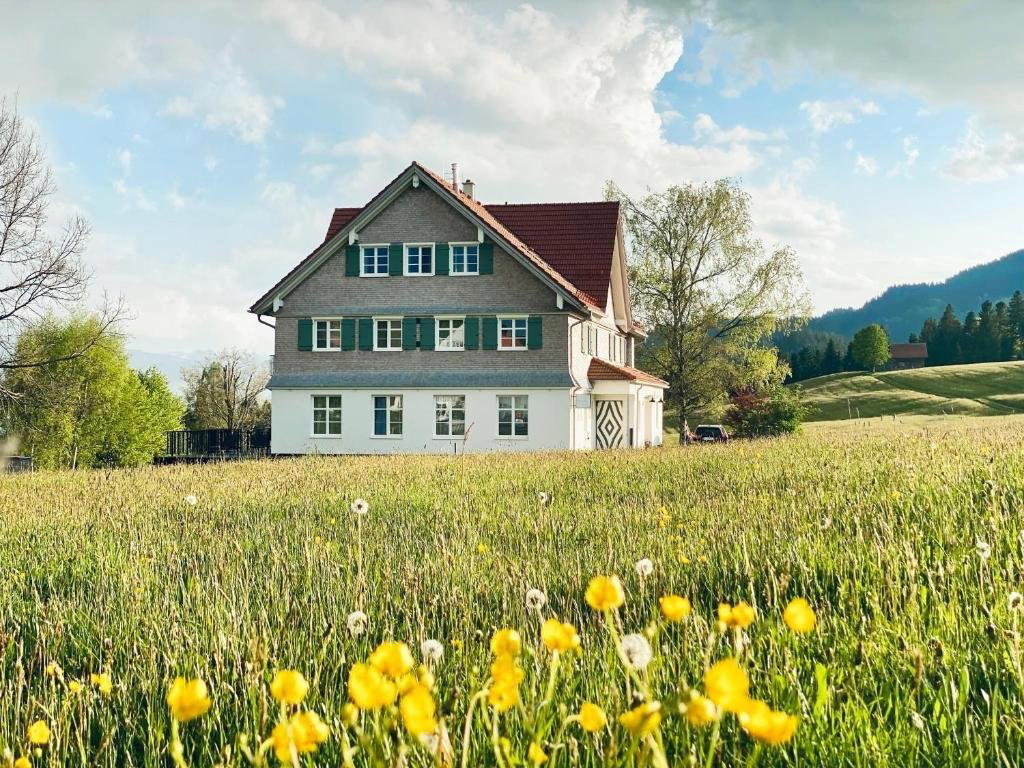

At a Glance
- Cozy
- Intimate
- Date Night
- Special Occasion
- Open Kitchen
- Local Sourcing
Current opening hours
- Monday
- Closed
- Tuesday
- 5:30–10 PM
- Wednesday
- 5:30–10 PM
- Thursday
- 5:30–10 PM
- Friday
- 5–10 PM
- Saturday
- 5–10 PM
- Sunday
- Closed
Hours can change for holidays and private events. Last verified .
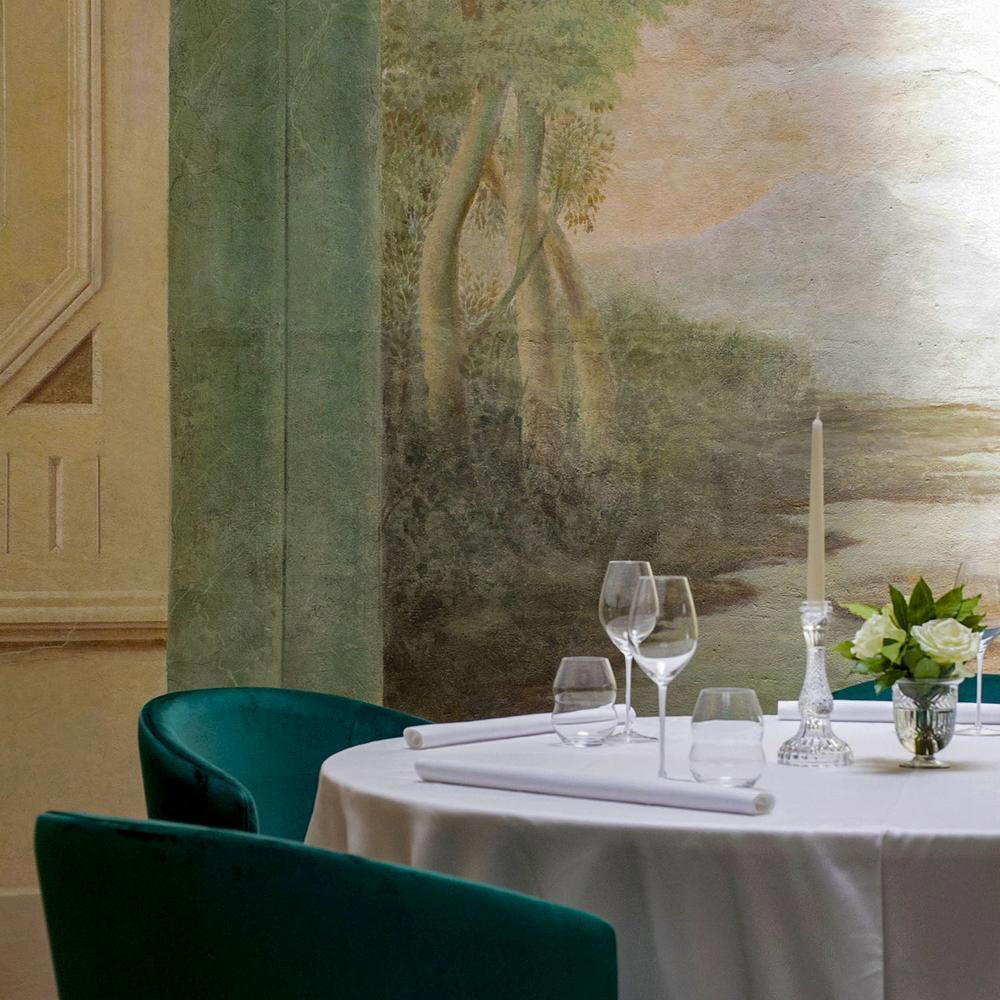
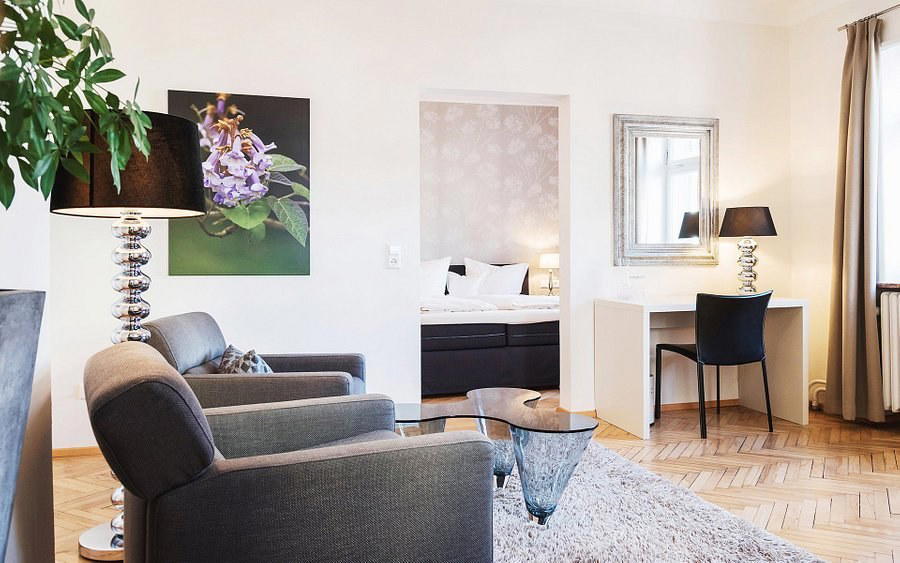
Cozy and inviting atmosphere with appealing decor.