Der Speiseladen Werktags operates from Hypopassage 1 in central Bregenz, sitting within the everyday commercial fabric of a city better known for its summer opera festival than its weekday dining culture. The name itself signals the format: a provisioner for working days, positioned between Bregenz's grander restaurant options and its casual café circuit. For visitors arriving outside festival season, it represents a grounded entry point into the city's local dining rhythm.
Pearl is the En Primeur Club membership app — saves, bookings, and concierge access live there. Same editors, same standards.
- Address
- Hypopassage 1, 6900 Bregenz, Austria
- Phone
- +436645008554
- Website
- speiseladen.at
- Directions
- Get directions
 Saves & bookings on Pearl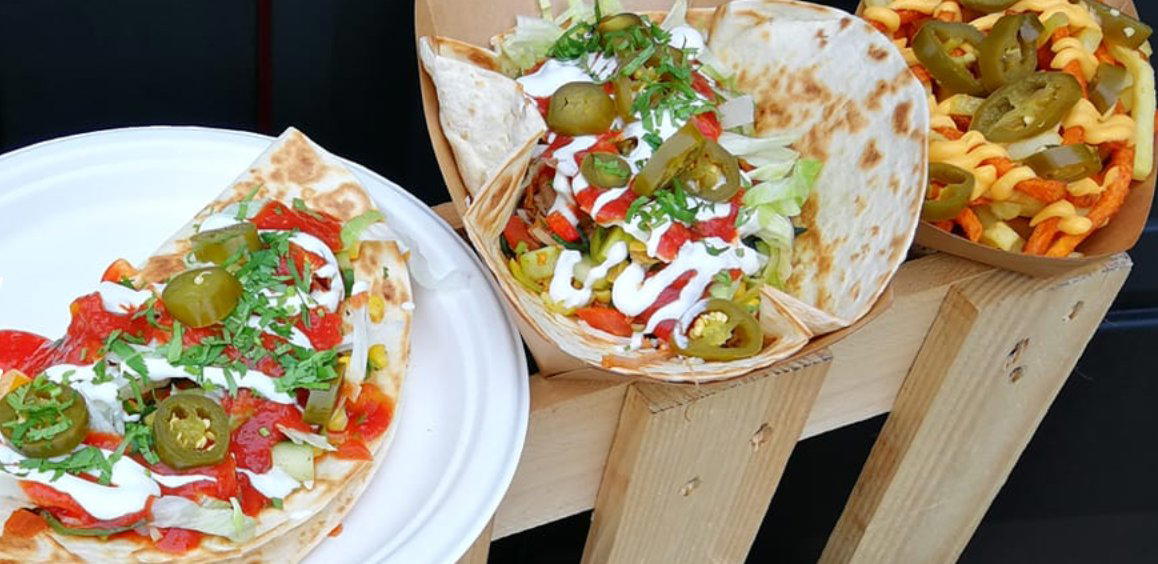
A Passageway Address in a Festival City
Bregenz carries two identities that rarely overlap. From July to August, the Bregenzer Festspiele transforms the lakefront into one of Europe's most photographed opera stages, pulling international audiences who book months ahead and eat accordingly. The rest of the year, the city reverts to something quieter: a compact Austrian border town of roughly 30,000 people, where the dining scene operates on a more practical register. Der Speiseladen Werktags sits firmly in that second Bregenz. Its address, Hypopassage 1, places it inside a covered commercial passage in the city centre, the kind of pedestrian artery that Austrian provincial towns built through their bank and retail blocks in the postwar decades. Walking in, you are not in festival Bregenz. You are in the town that exists before and after the spotlights.
That physical context matters more than it might first appear. Bregenz's restaurant tier has historically clustered toward the hotel dining room and the occasion restaurant, venues oriented around the festival crowd or the Bodensee tourist circuit. The gap between those options and the local café has, in many smaller Austrian cities, gone largely unfilled. A name like "Speiseladen" (roughly, a provisions shop or food store) and the qualifier "Werktags" (weekdays, or working days) together suggest a deliberate positioning: this is a place calibrated to the rhythm of people who live and work here, not to the weekend tourist or the opera visitor with an expense account.
Where It Sits in the Bregenz Dining Picture
Bregenz does not lack for reference points in Austrian western regional dining. Babenwohl im Hotel Schwärzler operates from within one of the city's established hotel properties, serving a format oriented toward hotel guests and occasion diners. Buehnedrei and Falstaff each occupy distinct positions in the local scene, while Burgrestaurant Gebhardsberg draws on its refined position above the city for a different kind of occasion entirely. Ilge rounds out the set of established names that constitute the city's more formal dining conversation.
Der Speiseladen Werktags reads as something structurally different from most of that group. Rather than positioning against the festival season or the Bodensee panorama, it appears to anchor itself to the city's working-week character. That is a meaningful distinction in a place where so much of the hospitality infrastructure is built around a two-month cultural peak. For the visitor arriving in October or March, the question of where Bregenz actually eats on a Tuesday is not a trivial one, and it is in that gap that this address finds its function.
Across the broader Austrian western dining scene, the pressure toward destination-style credentialing is significant. Vorarlberg and neighbouring Tyrol together house a concentration of awarded restaurants that is disproportionate to population size. Gourmetrestaurant Tannenhof in Sankt Anton am Arlberg and Stüva in Ischgl operate at the high end of that arc, drawing on ski-season clientele with strong spending power. Further afield, Döllerer in Golling an der Salzach and Obauer in Werfen represent the Salzburg province's version of the same destination model. Even at the apex of Austrian dining, Steirereck im Stadtpark in Vienna holds its position through a combination of sourcing discipline and long institutional standing. Der Speiseladen Werktags does not appear to compete in that register, and the distinction is not a criticism. Every functioning city dining ecosystem needs anchors at multiple points along the formality and price spectrum.
The Neighbourhood as Context
The Hypopassage address locates the restaurant in the commercial core of Bregenz, close to the main pedestrian zones and within reach of both the train station and the lakefront. Austrian city-centre passages of this type tend to concentrate lunch-oriented businesses: bakeries, quick-service options, small provisioners. A name built around weekday operation fits that built environment directly. The implication is a lunch or early-dinner culture rather than a late-occasion format, a reading reinforced by the "Werktags" framing.
For the independent traveller in Bregenz outside July and August, this kind of address has a specific value. The festival-season infrastructure, which temporarily inflates the city's hospitality capacity, contracts sharply in the off-months. What remains is the permanent local restaurant circuit, and finding the functional centre of that circuit is often more useful than hunting for the occasion-dining options whose logic depends on a crowd that is not present. The Hypopassage location, in the middle of the city's workaday geography, suggests a venue that operates within that permanent circuit rather than around it.
Comparable patterns appear elsewhere in Austria's smaller cities. Ois in Neufelden and Schwarzer Adler in Hall in Tirol both operate in provincial Austrian towns where the dining identity is built around local function rather than destination traffic, and where understanding the local rhythm matters more than chasing awards context. Landhaus Bacher in Mautern an der Donau and Kräuterreich by Vitus Winkler in Sankt Veit im Pongau sit at the more celebrated end of that provincial tradition, while Restaurant 141 by Joachim Jaud in Mieming demonstrates how smaller Tyrolean addresses have built distinct identities outside the major resort circuit. The underlying pattern in all of these cases is a dining culture that predates and outlasts tourism, rooted in regional ingredients and local service logic.
Planning a Visit
The restaurant is located at Hypopassage 1 in central Bregenz, accessible on foot from both the main train station and the Bodensee lakefront in a compact city centre where most distances are walkable. The "Werktags" designation in the name is one direct planning signal available: this address appears to operate on weekday hours rather than as a full seven-day operation, which makes confirming current hours before arrival a practical necessity. For visitors using Bregenz as a base,
The Essentials
Comparable venues nearby, for context on price, style, and recognition.
| Venue | Cuisine | Price | Notes |
|---|---|---|---|
| Der Speiseladen WerktagsThis venue — the venue you are viewing | city center, Street Food Classics | $$ | Not listed |
| Ilge | city center, Asian-Vorarlberg Fusion | $$ | Not listed |
| Milchpilz | Not listed | $ | Lake Constance promenade, Well-known Austrian Milk Kiosk |
| Wirtshaus am See | Not listed | $$ | Seepromenade, Traditional Austrian Lakeside |
| Buehnedrei | Not listed | $$ | Platz der Wiener Symphoniker, Modern Austrian |
| Falstaff | City Center, Austrian Fine Dining | $$$$ | Not listed |
Continue exploring
More in Bregenz
Restaurants in Bregenz
Browse all →
Bars in Bregenz
Browse all →

Hotels in Bregenz
Browse all →

At a Glance
- Cozy
- Casual Hangout
Current opening hours
- Monday
- 8:30 AM–2 PM
- Tuesday
- 8:30 AM–2 PM
- Wednesday
- 8:30 AM–2 PM
- Thursday
- 8:30 AM–2 PM
- Friday
- 8:30 AM–2 PM
- Saturday
- Closed
- Sunday
- Closed
Hours can change for holidays and private events. Last verified .
Gemütlich (cozy) atmosphere.