
Petrus Café Brasserie occupies a mid-range position in Bregenz's dining scene, holding a Michelin Plate in both 2024 and 2025 and earning. Its international menu sits at the accessible end of Vorarlberg's recognised restaurant tier, making it a practical anchor for visitors exploring the city around the Bodensee.
Pearl is the En Primeur Club membership app — saves, bookings, and concierge access live there. Same editors, same standards.
- Address
- Anton-Schneider-Straße 11, 6900 Bregenz, Austria
- Phone
- +43 664 4369457
- Website
- petrus-bregenz.at
- Directions
- Get directions
 Saves & bookings on Pearl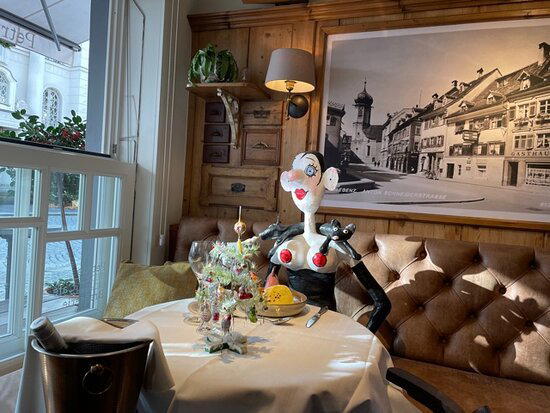
Anton-Schneider-Straße and the Bregenz Brasserie Tradition
Bregenz occupies a particular position in Austrian dining: close enough to the culinary ambition of the Vorarlberg and Arlberg mountains to absorb serious cooking culture, yet grounded by its role as a working lakeside city rather than a high-season resort. Anton-Schneider-Straße, where Petrus Café Brasserie sits, runs through the urban core of the city rather than along the festival waterfront, placing it in the everyday rhythm of Bregenz rather than the tourist circuit. That distinction matters. The brasserie format here answers a genuine local need: accessible, consistent cooking at a price point that works for both a quick weekday lunch and a relaxed dinner before an evening at the Festspielhaus.
The international menu classification at this price tier (€€ in Bregenz terms) positions Petrus alongside a cohort of mid-range establishments that draw on Central European produce without committing to either the formal Austrian classics or the experimental tasting-menu format that defines the upper end of the regional scene. For context, that upper tier in western Austria includes addresses like Griggeler Stuba in Lech and Stüva in Ischgl, both of which operate in an entirely different price and formality register.
What the Michelin Plate Signals in This Context
The Michelin Plate is a designation the guide introduced to mark restaurants that produce consistently good cooking without reaching the star tier. Petrus has held it for two consecutive years, in 2024 and 2025, which makes a statement about reliability rather than ambition. In a city the size of Bregenz, consecutive Plate recognition across two guide cycles is meaningful: Michelin inspectors returned, found the same standard, and committed to acknowledging it again. That consistency is harder to maintain than a single strong showing.
Among the broader Austrian Michelin landscape, the star addresses tend to cluster in Vienna, Salzburg, and the western Alpine resorts. Steirereck im Stadtpark in Vienna and Obauer in Werfen represent the upper tier of that recognition. Ikarus in Salzburg and Döllerer in Golling an der Salzach sit in the same high-end bracket. Petrus does not compete with those addresses on format or price, but its Plate signals that it clears a quality threshold the guide considers worth flagging to travellers, a different kind of usefulness for a different kind of visit.
Ingredients and the Vorarlberg Supply Chain
The editorial angle worth examining here is what an international menu at this price point actually draws on in Bregenz. Vorarlberg has a serious agricultural identity: alpine dairy, freshwater fish from the Bodensee, and proximity to both Swiss and German supply chains across the Rhine. A brasserie operating in this environment, even one framed as broadly international, sits within reach of produce that defines the region's cooking character.
The Bodensee itself is a significant factor. Whitefish (Felchen), perch, and pike-perch from the lake have fed this corner of Austria, Germany, and Switzerland for centuries, and they remain a reliable presence on menus across all price tiers in Bregenz. An international format does not necessarily override that local sourcing reality; it tends to frame it differently, placing regional ingredients inside a menu structure that doesn't foreground Austrian identity as the selling point. The comparison with more ingredient-focused Austrian addresses is instructive: Kräuterreich by Vitus Winkler in Sankt Veit im Pongau makes alpine herb sourcing the explicit conceptual core of its cooking. Petrus operates closer to the opposite end of that spectrum, where sourcing quality informs the plate without becoming the narrative.
For diners coming from other international brasserie contexts, the comparison to Loumi in Berlin or Haubentaucher in Rottach-Egern is worth drawing. Both represent international-framed menus in German-speaking lakeside or urban contexts. What distinguishes the Bregenz version is the Alpine supply infrastructure underpinning even a broadly framed menu: the cheese traditions, the dairy quality, and the proximity to lake protein make local sourcing the path of least resistance even when the menu doesn't announce it.
Where Petrus Sits in the Bregenz Eating Scene
Bregenz's restaurant scene operates on two distinct frequencies. During the Bregenzer Festspiele, which runs across July and August, the city fills with an international audience willing to spend at the upper end. Outside that window, the city reverts to its character as a mid-sized Vorarlberg capital where local regulars and regional visitors set the tone.
The 571-review volume at 4.4 is a trust signal worth reading carefully. In smaller Austrian cities, review counts of that scale typically reflect years of consistent operation and broad local usage rather than a viral moment. It suggests Petrus functions as a regular destination for Bregenz residents as much as a discovery for visitors. That dual utility is harder to achieve than it looks, particularly for a Michelin-acknowledged address that could easily pitch itself too high for casual use.
Visitors planning a broader Vorarlberg or western Austria trip can read Petrus as a complement to, rather than a substitute for, the region's more ambitious addresses. Gourmetrestaurant Tannenhof in Sankt Anton am Arlberg and Restaurant 141 by Joachim Jaud in Mieming represent the high-commitment, high-spend end of the western Austrian scene. Schwarzer Adler in Hall in Tirol and Ois in Neufelden each occupy specific niches. Petrus at €€ with a Plate sits in none of those niches but covers ground none of them attempt.
Planning a Visit
Petrus Café Brasserie is located at Anton-Schneider-Straße 11, 6900 Bregenz, a short walk from the city centre and well within reach of the Festspielhaus. The €€ pricing makes it one of the more accessible Michelin-recognised addresses in western Austria, and the 602-review base across Google suggests it operates reliably enough to visit. As with most Bregenz restaurants, bookings during the Festspiele window in July and August warrant earlier planning than the rest of the year.
At-a-Glance Comparison
Comparable venues nearby, for context on price, style, and recognition.
| Venue | Cuisine | Price | Awards | Notes |
|---|---|---|---|---|
| Petrus Café BrasserieThis venue — the venue you are viewing | French-Belgian Brasserie | $$$ | Michelin Plate | Not listed |
| Buehnedrei | Modern Austrian | $$ | Not listed | Platz der Wiener Symphoniker |
| New York Bagel & Bowl | New York-Style Bagels & Bowls | $ | Not listed | Bregenz |
| Der Speiseladen Werktags | Street Food Classics | $$ | Not listed | city center |
| Manga | Japanese & Thai Fusion | $$ | Not listed | :null |
| Milchpilz | Well-known Austrian Milk Kiosk | $ | Not listed | Lake Constance promenade |
Recognition history
Dated appearances from independent guides and award organizations, with the underlying list record or original source where available.
Michelin Plate
Michelin
Michelin Plate
Michelin
Michelin Plate
Michelin

At a Glance
- Cozy
- Elegant
- Classic
- Intimate
- Sophisticated
- Date Night
- Special Occasion
- Family
- Business Dinner
- Terrace
- Historic Building
- Extensive Wine List
- Street Scene
Current opening hours
- Monday
- Closed
- Tuesday
- 9 AM–12 AM
- Wednesday
- 9 AM–12 AM
- Thursday
- 9 AM–12 AM
- Friday
- 9 AM–12 AM
- Saturday
- 9 AM–12 AM
- Sunday
- Closed
Hours can change for holidays and private events. Last verified .
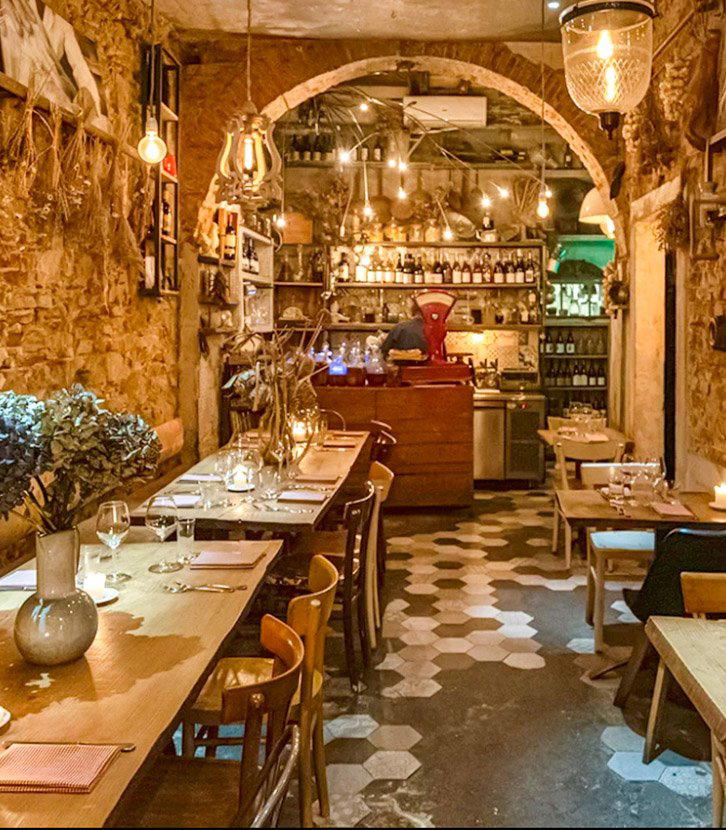
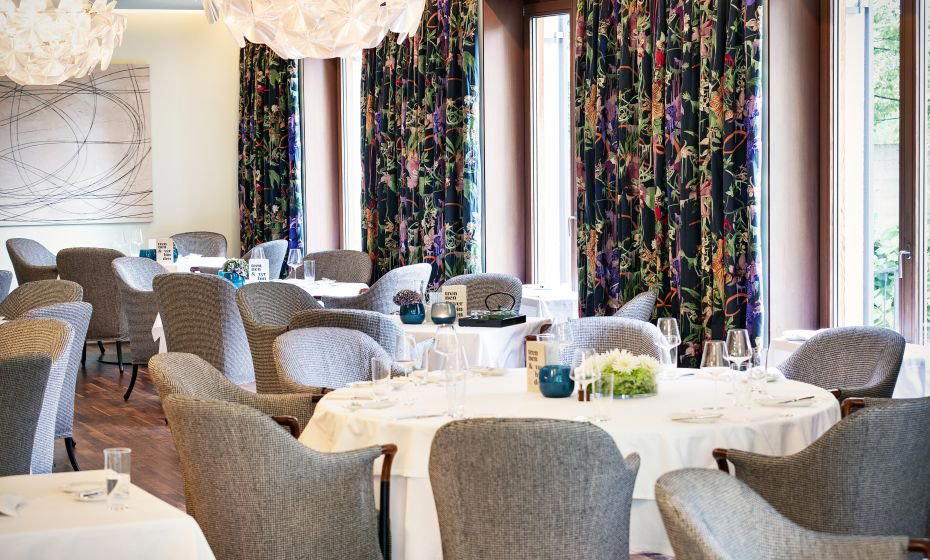
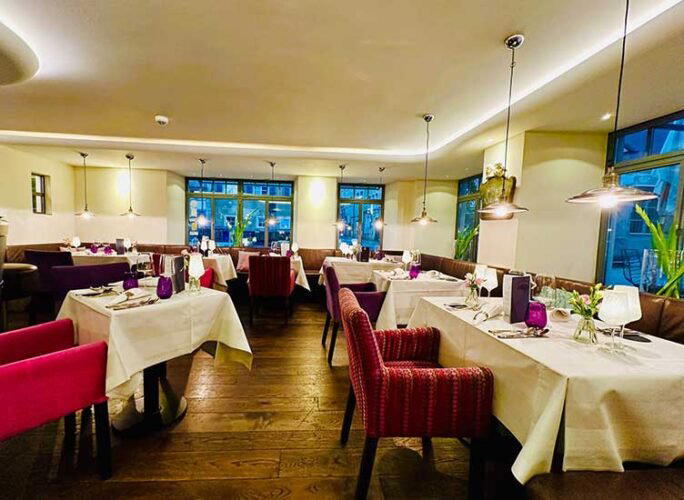
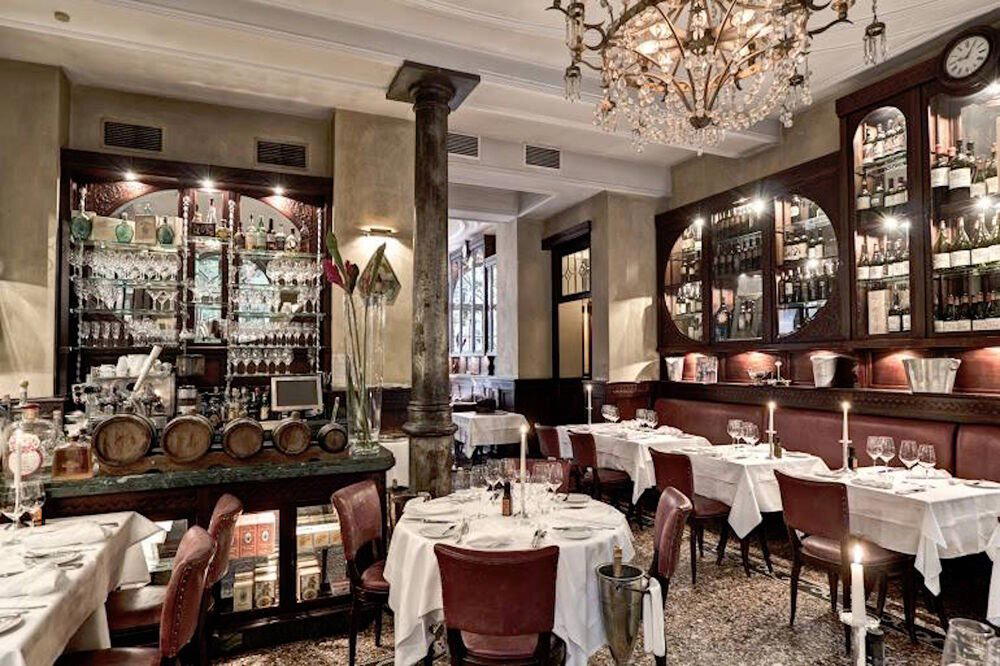
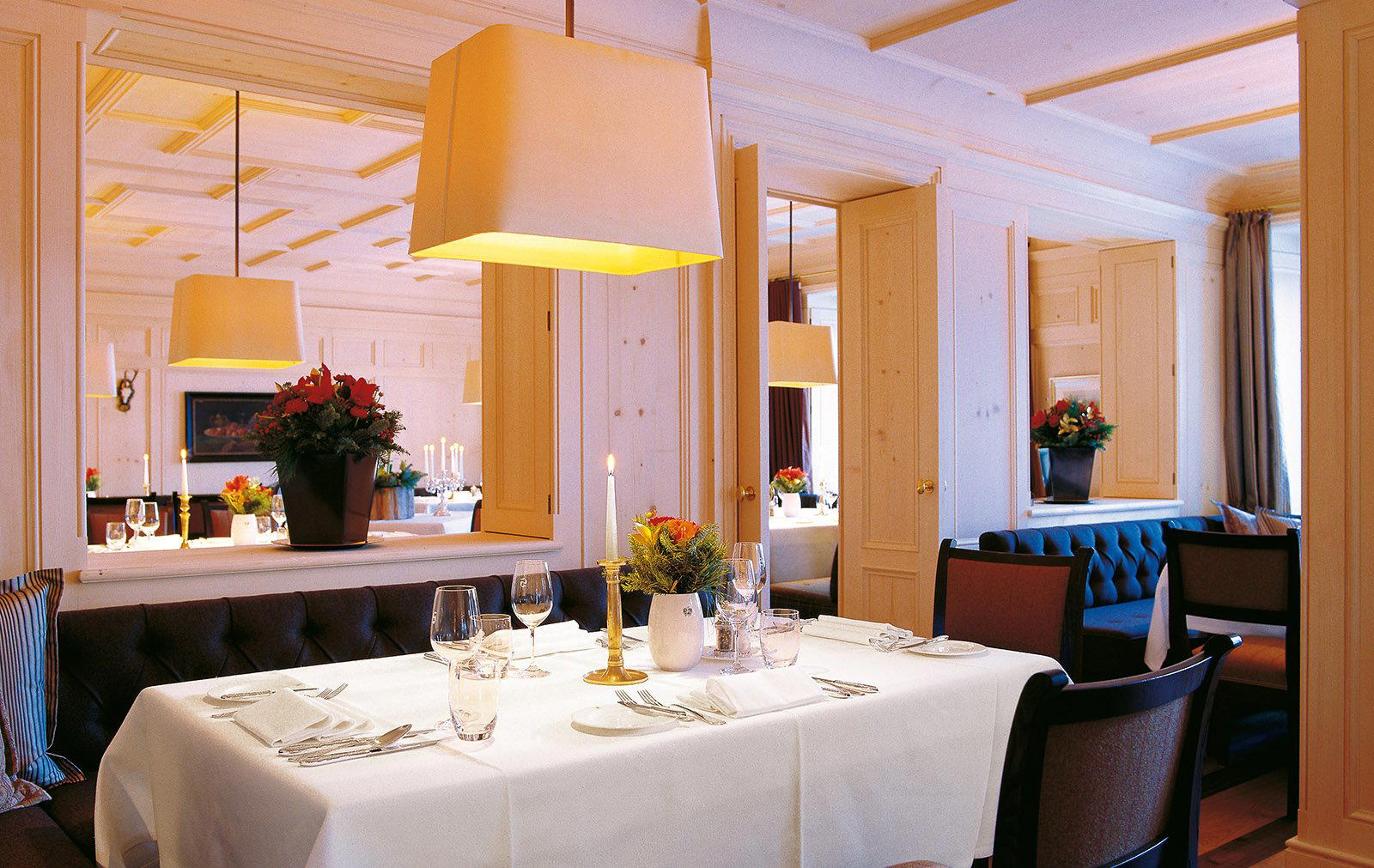
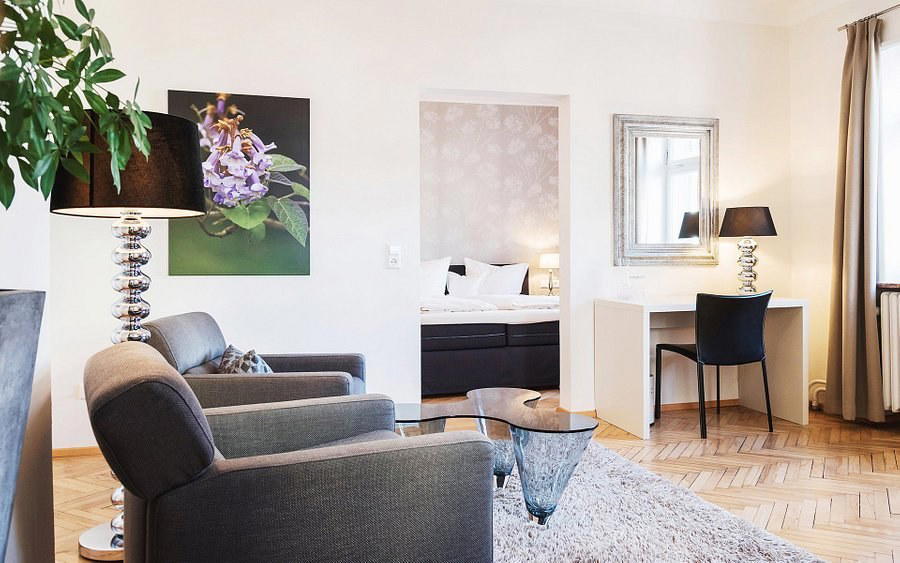
Charming understated decor with cozy intimate lighting creating a welcoming bistro atmosphere.