
Michelin Plate
Our verdict
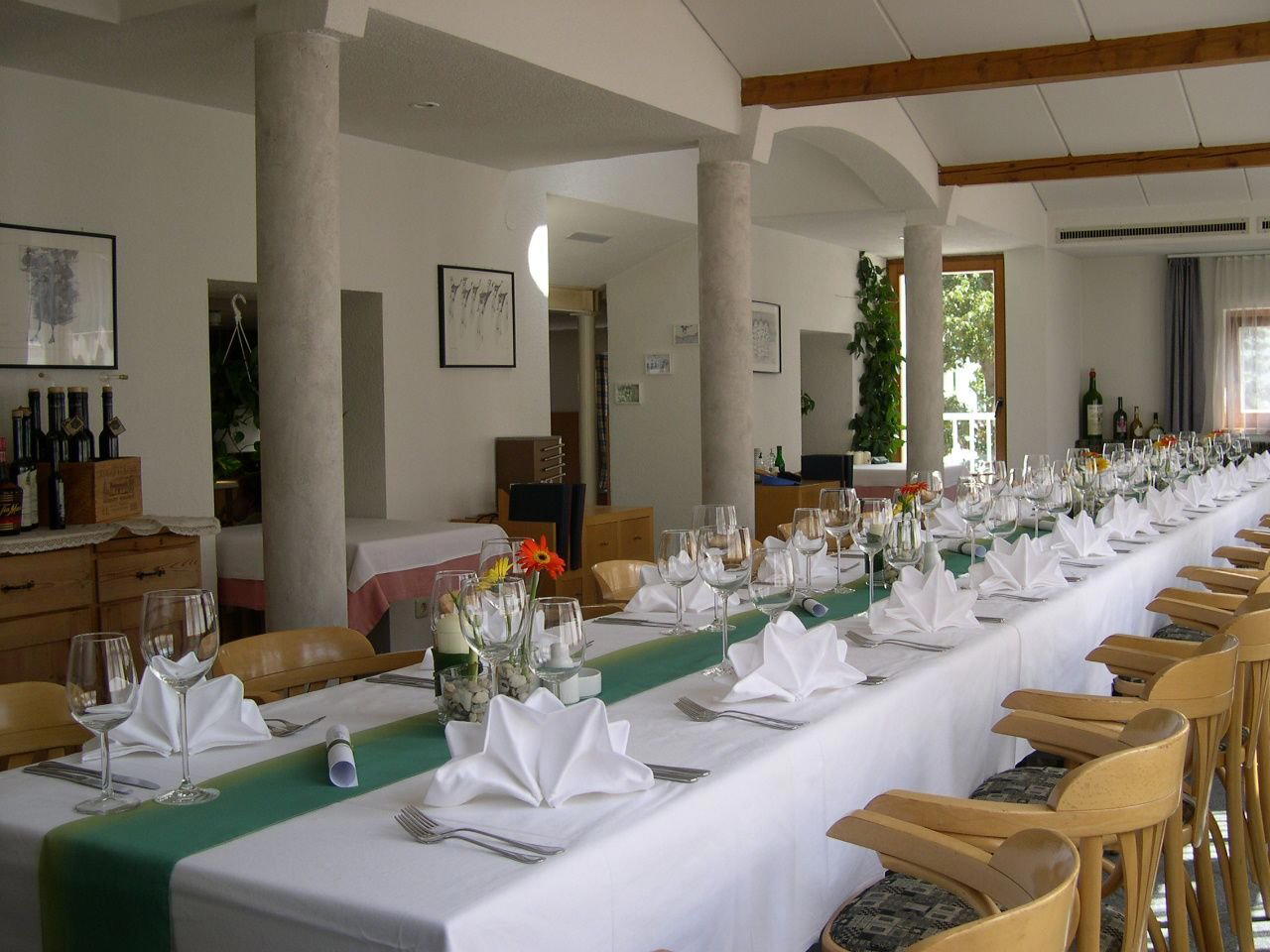
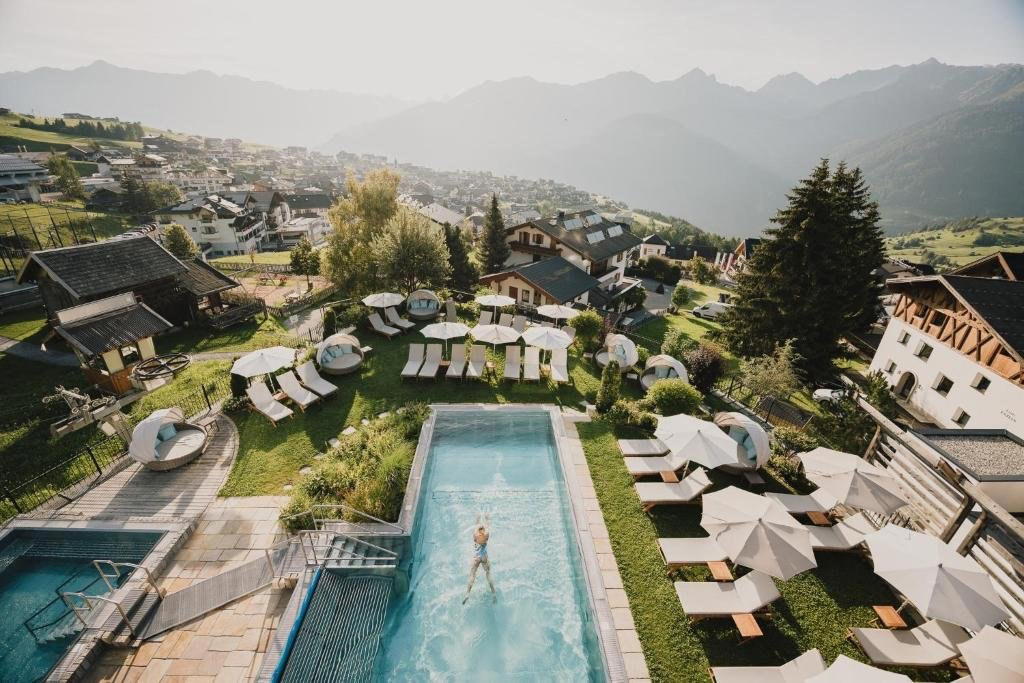
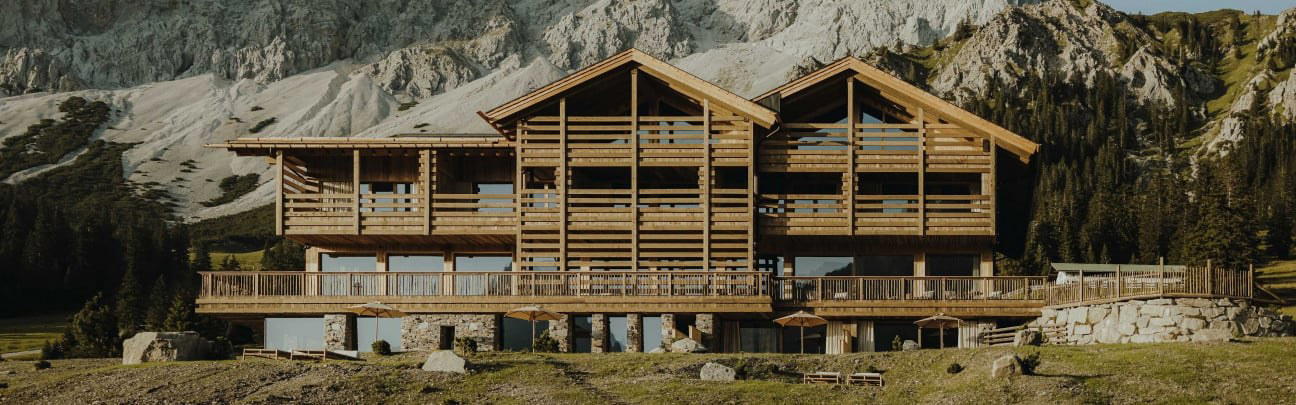
In the upper Inn Valley village of Kauns, Falkeis occupies a position that rewards the effort of getting there. The Tyrolean setting frames a dining approach rooted in the produce rhythms of the surrounding alpine region, placing it within a broader tradition of Austrian mountain restaurants that treat geography as a culinary argument rather than a backdrop.

Pearl is the En Primeur Club membership app, where members save venues, book tables and use the concierge.
The menu
What to order
- Kauner Graukassuppe
- Zwiebelrostbraten
- Kaiserschmarrn
Where the Valley Does the Work
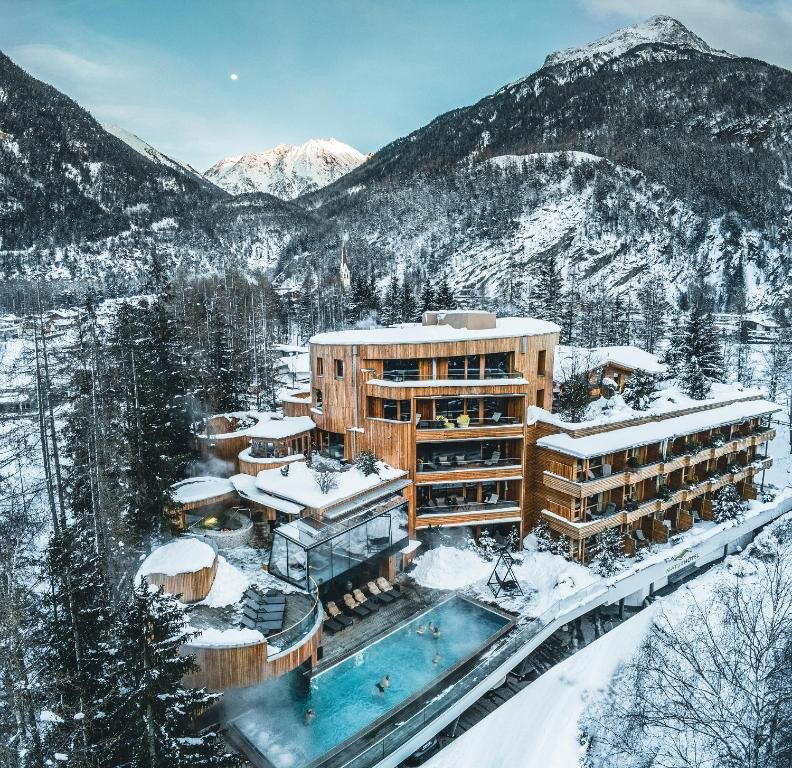
The road into Kauns climbs above the Inn Valley floor in a series of sharp bends that thin out the traffic and, eventually, the noise. By the time Dorfstraße levels off into the village proper, the altitude has already made its point: this is not a restaurant you arrive at by accident. That physical remove is not incidental to the dining experience at Falkeis. In the Austrian alpine tradition, distance from supply chains has long pushed kitchens toward a different kind of discipline, one built on what the immediate terrain offers rather than what a weekly freight delivery makes possible.
Austria's most compelling rural restaurants have always operated this way. The discipline of sourcing from a constrained geography produces menus that read as a direct document of a place at a particular time of year, which is precisely why destinations like Döllerer in Golling an der Salzach and Obauer in Werfen have built reputations that extend well beyond their postal codes. The logic is the same in Kauns: the surrounding Tyrolean landscape, with its short growing seasons, high-altitude pasture, and proximity to both valley farming and mountain foraging, creates the conditions for a kitchen identity that cannot easily be replicated elsewhere.
Ingredient Geography: What the Tyrolean Alps Produce
Tyrol sits at the intersection of several distinct microclimates. The Inn Valley floor supports grain cultivation and vegetable farming, while the higher slopes above villages like Kauns yield mountain herbs, wild greens in spring, and game through autumn and winter. Alpine dairy, a staple of the regional kitchen for centuries, arrives in forms that range from fresh curd to aged hard cheeses with complex, grassy flavour profiles shaped by the plants the cattle graze on. This is not interchangeable produce: high-altitude grazing and short seasons produce ingredients that carry a flavour specificity that lowland equivalents do not.
Across Austrian alpine cooking more broadly, this ingredient specificity has become a structuring argument for serious kitchens. It is the same logic that underpins the sourcing discipline at Gourmetrestaurant Tannenhof in Sankt Anton am Arlberg and the kitchen philosophy at Stüva in Ischgl, both operating in the Tyrolean alpine context where what grows nearby, or what is raised nearby, shapes the menu more than trend cycles do. Falkeis, at Dorfstraße 54 in Kauns, sits inside that same geographic argument.
The Austrian Rural Restaurant in Context
Rural Austrian dining has developed a recognisable set of characteristics over the past two decades. The country's most formally recognised restaurants are not all in Vienna. Addresses like Steirereck im Stadtpark in Vienna and Landhaus Bacher in Mautern an der Donau have established that fine dining in Austria is a distributed phenomenon, not a capital-city monopoly. The rural tier extends that pattern further, into smaller villages where the kitchen's relationship with local farmers, cheesemakers, and foragers becomes the central organising principle rather than a marketing footnote.
This dynamic is well established in the alpine west. The western Austrian counties, Tyrol and Vorarlberg particularly, have produced a cluster of kitchens that treat proximity to ingredient sources as a structural advantage. The forested slopes above the Inn Valley yield mushrooms in late summer and autumn. The rivers carry freshwater fish, including char and trout, that appear on seasonal menus across the region. Mountain lamb, typically lighter and more complexly flavoured than lowland breeds, has become a marker of seasonal alpine menus. Restaurants at this level, from Griggeler Stuba in Lech to Kräuterreich by Vitus Winkler in Sankt Veit im Pongau, have demonstrated that the alpine sourcing model can support both formal cooking and deeply rooted regional cuisine simultaneously.
Kauns as a Dining Destination
Kauns is a small village in the district of Landeck, roughly between Innsbruck and the Arlberg pass. Its position in the upper Inn Valley places it within reach of several serious alpine dining addresses, which means a multi-day itinerary that combines Falkeis with visits to Restaurant 141 by Joachim Jaud in Mieming or the broader Arlberg dining circuit is entirely workable. For travellers arriving from elsewhere in Austria, Landeck is the closest rail hub, with the village accessible by road from there. The approach by car from the valley floor takes under twenty minutes from Landeck, though the ascent is steep enough to discourage casual drop-ins.
The seasonality of the Tyrolean alpine calendar shapes when a visit makes most sense. Summer and early autumn bring the richest range of local produce: mountain herbs, wild berries, freshwater fish, and early game. Winter visits align with the region's ski tourism season, when the Inn Valley corridor is at its busiest and the kitchen's relationship with preserved and aged ingredients becomes more prominent. Spring is the transitional window, when the first green growth on higher pastures signals a shift in what is available, and kitchens begin working with the year's first fresh produce alongside winter-cellar stocks.
For broader context on how Falkeis sits within the regional dining picture, our full Kauns restaurants guide maps the surrounding options across multiple categories and price points.
The Wider Austrian Dining Frame
Austria's dining scene rewards the traveller who treats geography as a planning tool. The concentration of serious kitchens in rural alpine settings, from Ois in Neufelden in Upper Austria to Atelier Fischer in Sankt Gilgen near the Wolfgangsee, reflects a broader national pattern in which the most ingredient-specific cooking happens furthest from the cities. This is a different dynamic from, say, the New York model, where kitchens like Le Bernardin build around imported ingredient networks, or the San Francisco approach at places like Lazy Bear, where sourcing is curated from regional producers but organised by the kitchen's team rather than shaped by immediate geography.
In the Tyrolean context, the geography is less a curatorial choice than a given condition. Kitchens like Falkeis work within it rather than around it, which is the defining characteristic of the Austrian rural alpine kitchen at its most coherent. The parallel across the country is consistent: see Taubenkobel in Schützen am Gebirge in Burgenland, where wine-region produce and Pannonian Plain agriculture anchor the menu, or Schwarzer Adler in Hall in Tirol, operating in the same broader Tyrolean context as Falkeis. The pattern holds: Austrian kitchens that commit to a specific geography tend to produce menus with a legibility that transcends the individual dish.
Finally, Ikarus in Salzburg offers a counterpoint worth considering: a kitchen that rotates guest chefs from around the world through its format, which is the inverse of the fixed-geography model. Both approaches have merit. But for readers whose interest is in what Tyrol specifically tastes like, the village kitchen committed to its own terrain is the more direct answer.
Planning Your Visit
Falkeis is located at Dorfstraße 54 in Kauns, a village in the Landeck district of Tyrol. The address is on the hillside above the Inn Valley, accessible by car from Landeck in under twenty minutes. Given the limited data publicly available for this address, contacting the restaurant directly before visiting is advisable, particularly to confirm current opening times, any reservation requirements, and seasonal closures that are common among smaller alpine establishments. The strongest windows for a visit, based on the regional produce calendar, are late June through October and the core winter season from December through February.
Frequently asked questions
Is Falkeis suitable for children?
Kauns is a small, quiet hillside village in the Landeck district, and the setting at Dorfstraße 54 reflects that pace. Without specific family-menu or seating information on record, contacting Falkeis directly before visiting with children is the practical step, particularly if the kitchen is operating a set or tasting format.
How would you describe the vibe at Falkeis?
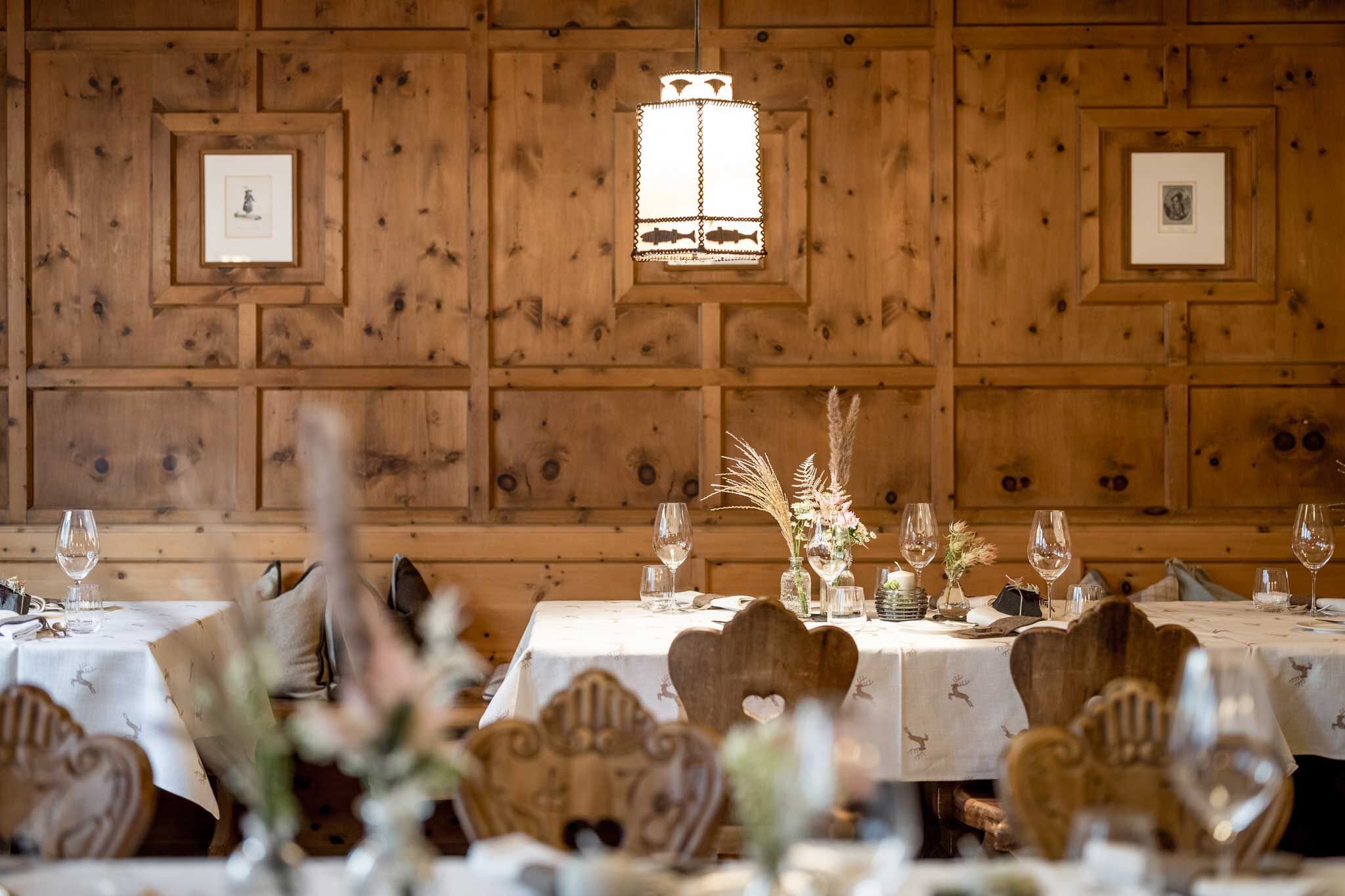
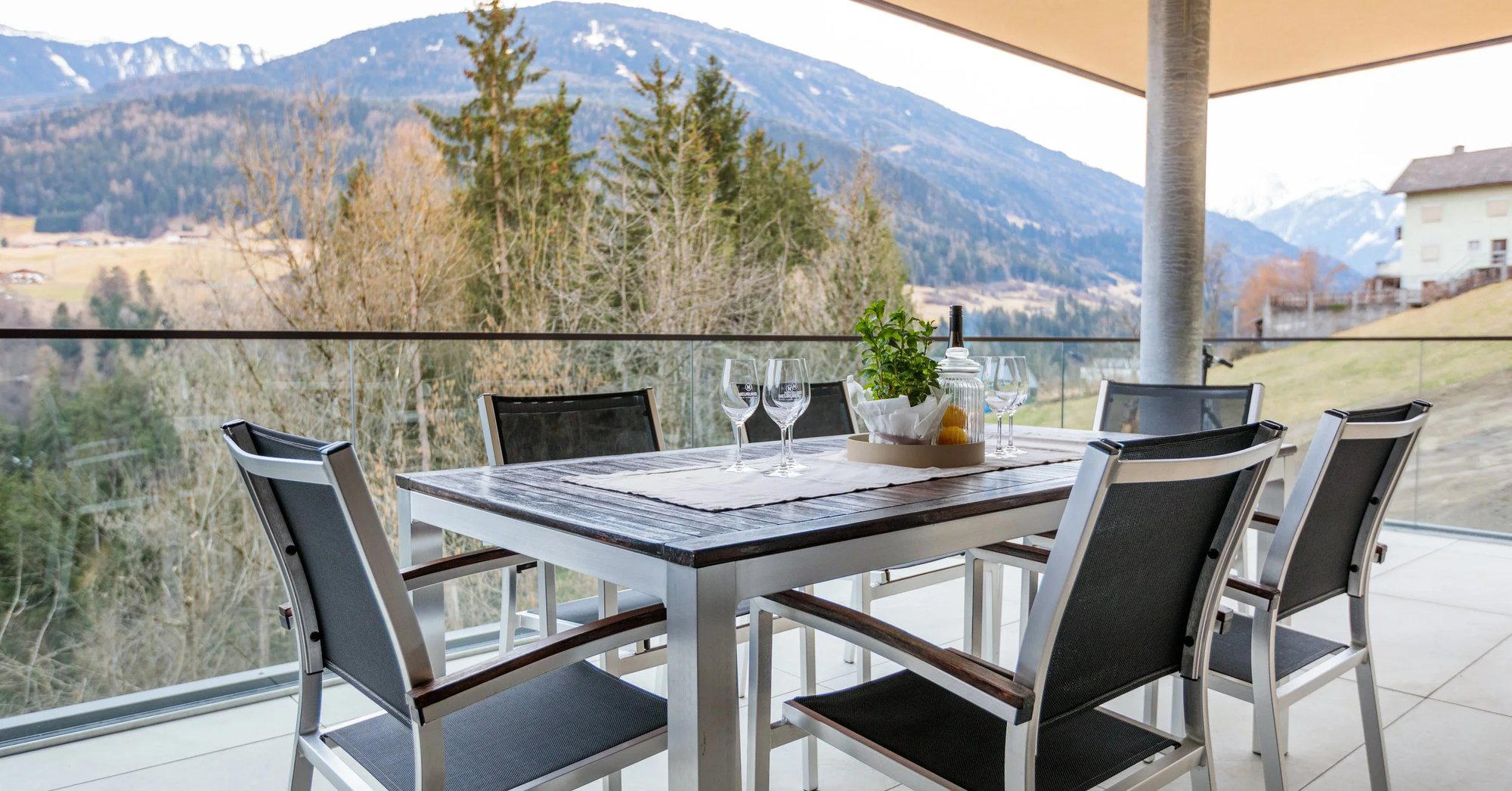
The address sits on the hillside above the Inn Valley floor, accessed by a road that filters out passing trade almost entirely. That physical remove shapes the atmosphere: guests here have made a deliberate choice to come to Kauns, which tends to produce a more attentive, settled room than you find in destination towns like Innsbruck or St. Anton.
How far is Falkeis from the Arlberg ski area, and does the location make it practical as a dining stop?
Falkeis is located in Kauns, in the Landeck district of Tyrol, which sits in the upper Inn Valley corridor between Innsbruck and the Arlberg pass. That position places it within plausible reach of St. Anton am Arlberg for travellers already moving through the region. The village address at Dorfstraße 54 is on the hillside above the valley floor, so the drive requires intention, but travellers routing through Landeck have a logical reason to factor it in.
Where do I go for Falkeis?
Falkeis is located at Dorfstraße 54, 6526 Kauns, Austria, Kauns.
Is Falkeis reservation-only?
For a village restaurant above the Inn Valley in a district as small as Landeck, arriving without a reservation carries risk, especially during the skiing season around the Arlberg pass or in summer hiking months.
What has Falkeis built its reputation on?
Falkeis occupies a specific position in the Austrian rural dining map: a hillside address in Kauns, Tyrol, within the Landeck district that sits between Innsbruck and the Arlberg. Over the past two decades, rural alpine kitchens in Austria have built credibility through seasonal precision and ingredient provenance rather than urban visibility, and Kauns fits that model geographically.
Quick Comparison
Comparable venues nearby, for context on price, style, and recognition.
| Venue | Cuisine | Price | Awards | Notes |
|---|---|---|---|---|
| FalkeisThis venue (the venue you are viewing) | Traditional Austrian Tyrolean | Not listed | Michelin Plate | Not listed |
| Sporthotel Steffisalp | Traditional Austrian with Regional Vorarlberg Classics | $30–50 | Not listed | Warth |
| Sonne Mellau | Creative Vorarlberg and International Cuisine | Not listed | Not listed | Mellau |
| Lanersbacher Hof | Tyrolean Gourmet Cuisine | $50–100 | Not listed | Lanersbach |
| Rimmlstube | Tyrolian Regional Austrian | $20–30 | Not listed | Berwang |
| Maierl-Alm | Modern Tyrolean Alpine Cuisine | $30–50 | Not listed | Kirchberg in Tirol |
Recognition history
Dated appearances from independent guides and award organizations, with the underlying list record or original source where available.
Michelin Plate
Michelin
Continue exploring
More in Kauns
Restaurants in Kauns
All restaurants in Kauns →
Bars in Kauns
Browse all →

Details
- Cozy
- Rustic
- Family
- Casual Hangout
- Garden
- Local Sourcing
- Mountain
- A La Carte
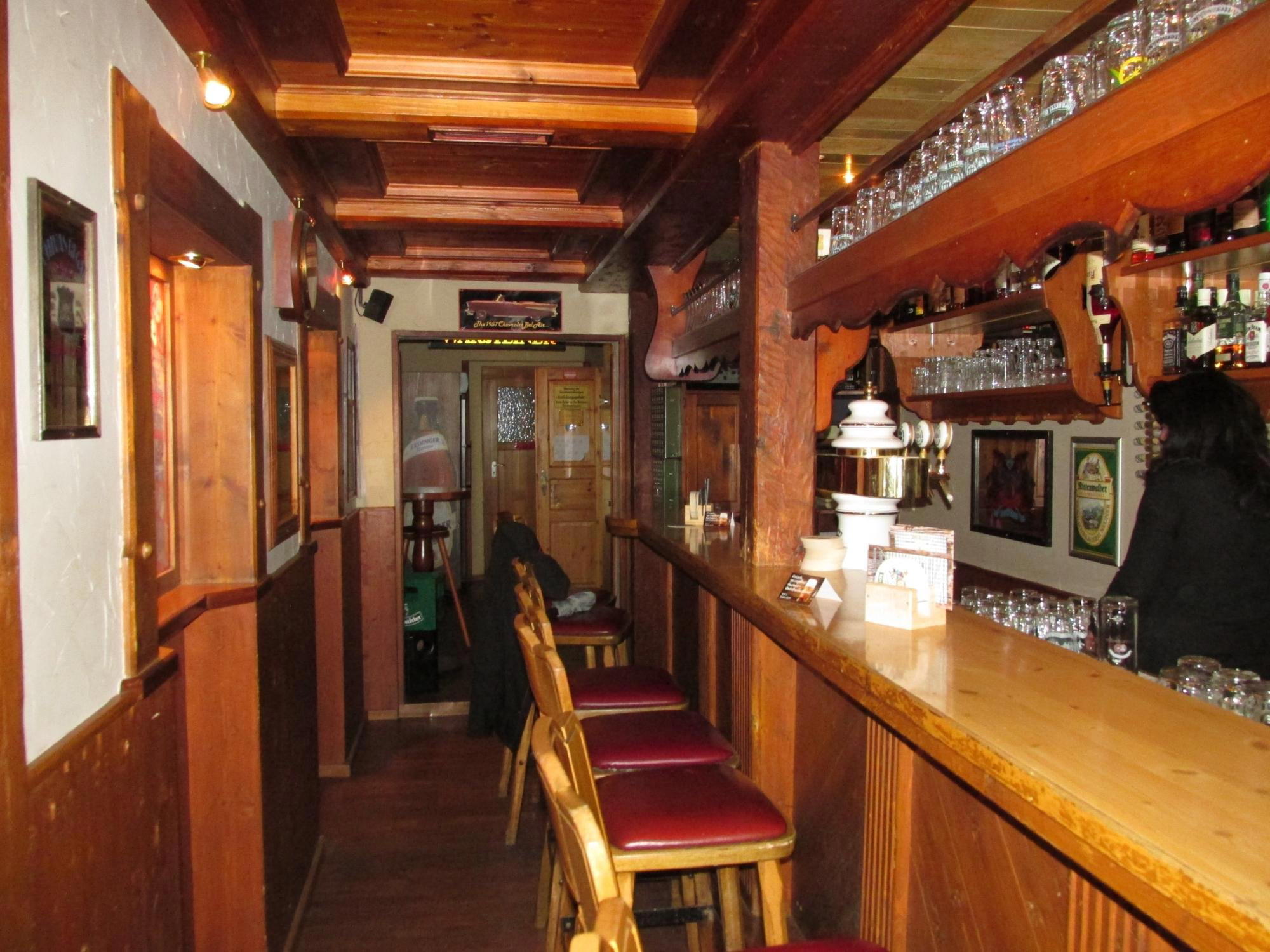
Friendly and cordial atmosphere in a family-run establishment with attentive service.