In the Bregenzerwald valley of Vorarlberg, Sonne Mellau occupies a position that many Alpine restaurants aspire to but few achieve: a dining room where the surrounding landscape is not backdrop but supply chain. The address at Übermellen 65 places it at the quieter edge of Mellau, a village that sits well outside Austria's resort-circuit noise, making it a reliable reference point for the region's farm-rooted cooking tradition.
Pearl is the En Primeur Club membership app — saves, bookings, and concierge access live there. Same editors, same standards.
- Address
- Übermellen 65, 6881 Mellau, Austria
- Phone
- +43551820100
- Website
- sonnemellau.com
- Directions
- Get directions
 Saves & bookings on Pearl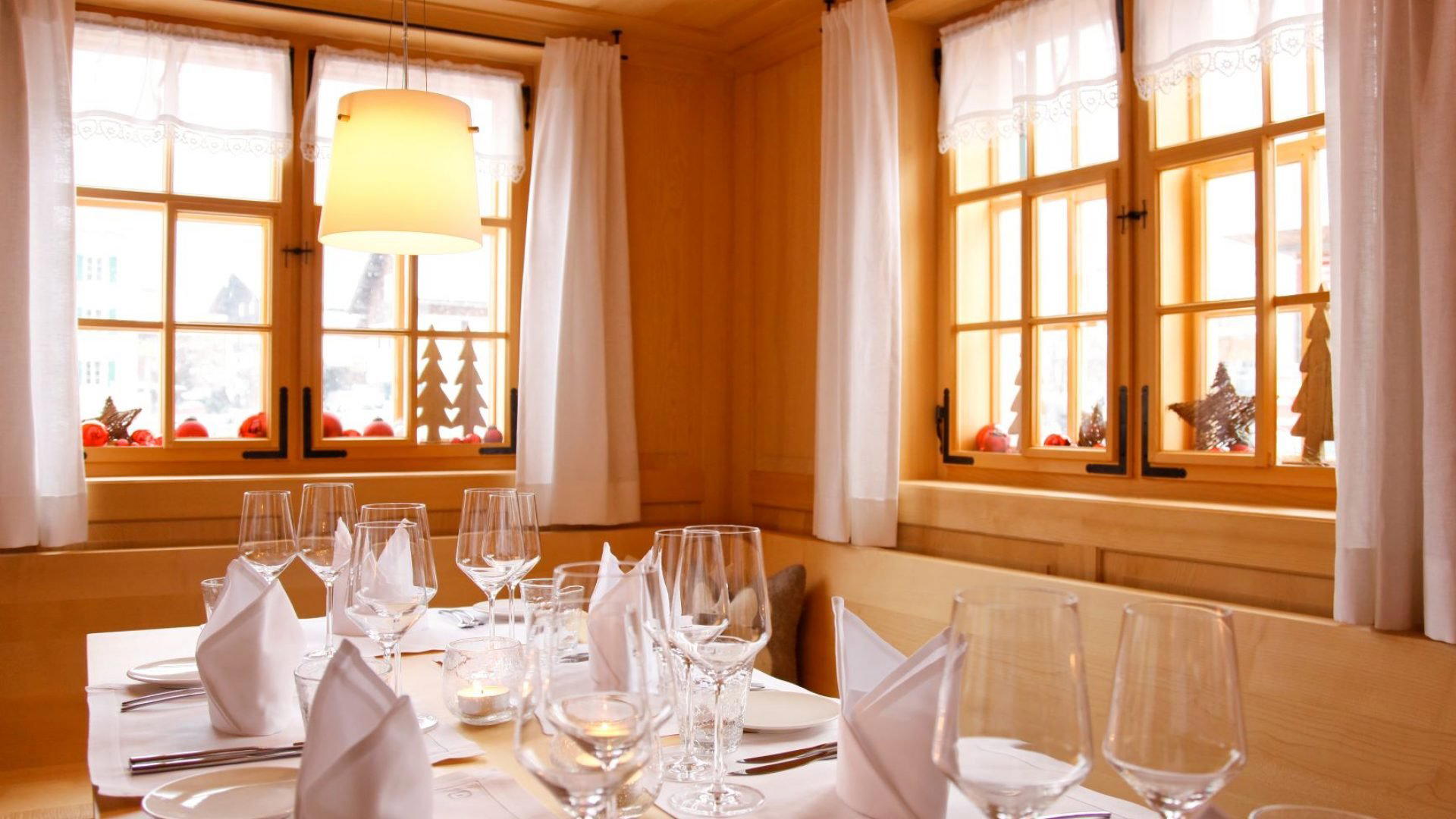
Where the Bregenzerwald Sets the Menu
The Bregenzerwald is one of Austria's most consequential agricultural regions, though it rarely gets framed that way in travel conversation. The valley's cheesemaking culture, in particular, has shaped cooking traditions here for centuries: Vorarlberg produces a range of Alpine dairy that includes Bergkäse, Sennkäse, and Räßkäse, all tied to transhumance farming practices that move cattle between valley pastures and high summer alms. Sonne Mellau is a restaurant in Mellau, Austria, at Übermellen 65, serving Creative Vorarlberg and International Cuisine. It sits inside that tradition rather than observing it from a distance. The physical approach, through a valley that narrows as it moves south toward the Kanisfluh massif, already tells you something about what kind of cooking you are heading toward: ingredient-led, place-specific, and shaped by what the surrounding farms produce in a given season.
That framing matters when positioning Sonne Mellau within Austria's broader fine-dining conversation. At the upper end of that conversation you have references like Steirereck im Stadtpark in Vienna or Döllerer in Golling an der Salzach, restaurants whose ingredient sourcing is meticulous and documented. The Vorarlberg tradition Sonne Mellau connects to operates on a smaller, more regional register, but the underlying logic is the same: cooking whose credibility depends on proximity to its raw materials.
A Valley Village, Not a Resort Town
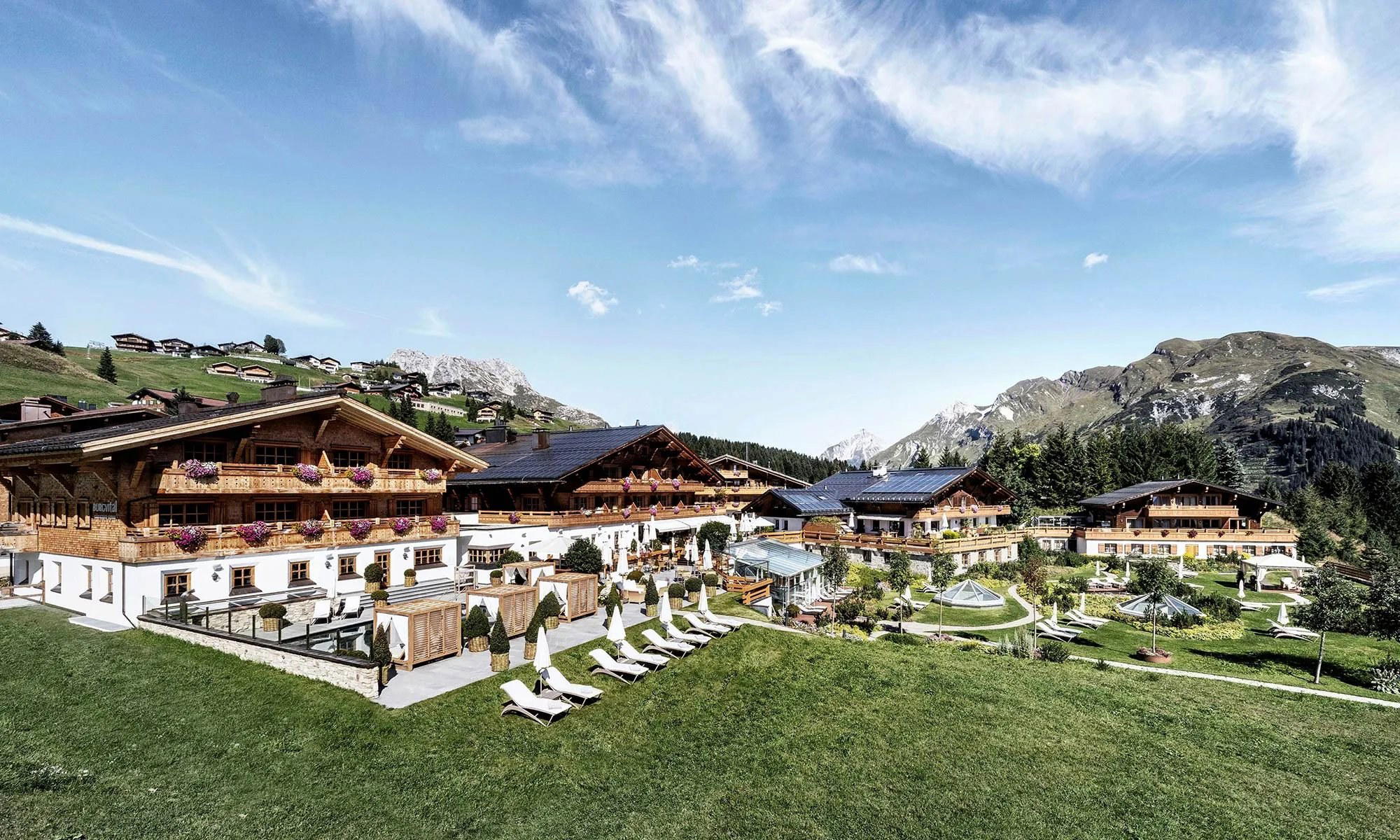
Mellau is not Lech. It is not Ischgl. Those Vorarlberg and Tirol resort addresses carry the infrastructure, the price points, and the international visibility that come with ski-circuit fame. Mellau, by contrast, is a working Bregenzerwald village with a cable car that draws hikers in summer and families in winter, but without the après-ski economy that inflates prices and shifts a restaurant's primary audience toward transient visitors. That distinction shapes what a restaurant like Sonne Mellau can be. Guests are more likely to be regional, Austrian, or German travellers who know the valley than international first-timers working through a highlights list. For a dining room rooted in local sourcing, that audience tends to be a better fit. Compare this to Griggeler Stuba in Lech or Stüva in Ischgl, where the resort context inevitably shapes the room's energy and pricing logic.
Across Austria's Alpine west, a pattern is visible: particularly ingredient-serious kitchens often sit in valley towns rather than resort centres. Gourmetrestaurant Tannenhof in Sankt Anton am Arlberg is a partial exception, managing serious cooking within a resort frame, but Mellau's remove from that circuit gives the restaurant a different baseline. The room does not need to perform for tables arriving in ski boots at 9pm. It can pace itself to the valley's rhythm instead.
The Sourcing Logic of Bregenzerwald Cooking
Austria's Alpine restaurants have increasingly split between two approaches to ingredient sourcing. The first treats provenance as a marketing layer: a menu note about a named farm, a seasonal flourish to justify a premium price point. The second treats proximity to raw materials as a structural constraint that shapes the menu from the ground up. Vorarlberg's leading kitchens tend toward the latter, because the region's farming economy makes it genuinely possible. Dairy, game, freshwater fish from the Rhine tributaries, wild herbs from the alm pastures above the valley floor: these are not seasonal additions but year-round anchors. Within that framework, the kitchen at the restaurant is working with a larder that changes by elevation and month, not just by quarter.
That regional sourcing tradition gives the restaurant a comparable set that extends beyond Vorarlberg. Kräuterreich by Vitus Winkler in Sankt Veit im Pongau operates on a comparable logic in Salzburg province, building menus around foraged and farmed ingredients within a tight geographic radius. Obauer in Werfen has sustained a similar commitment over multiple decades. Atelier Fischer in Sankt Gilgen applies the same sourcing discipline to Salzkammergut ingredients. Across these addresses, the common thread is that the local supply chain is not a constraint to work around but the argument the cooking is making.
Placing Sonne Mellau in the Austrian Dining Scene
Austria's serious restaurant scene is geographically distributed in a way that rewards travellers willing to move beyond Vienna and Salzburg. Landhaus Bacher in Mautern an der Donau anchors the Wachau. Taubenkobel in Schützen am Gebirge defines the Burgenland wine country approach. Ikarus in Salzburg operates on an entirely different model, rotating guest chefs through a kitchen that functions more as a platform than a fixed culinary address. Ois in Neufelden and Schwarzer Adler in Hall in Tirol represent the regional Austrian tradition in Upper Austria and Tirol respectively. Artis in Graz and Restaurant 141 by Joachim Jaud in Mieming extend that geographic spread further. The restaurant contributes a Vorarlberg node to a network that is genuinely national in its reach.
The contrast with non-Austrian references is instructive for understanding the register. Destinations like Le Bernardin in New York City or Atomix in New York City operate in urban fine-dining markets where the competition for attention, press, and reservation slots shapes how a kitchen presents itself. A Bregenzerwald address like Sonne Mellau answers to different pressures, principally the expectations of a loyal regional audience and the agricultural realities of a mountain valley. That is not a limitation; it is a different set of criteria for what good cooking means in a specific place.
Planning a Visit
Mellau is accessible from Bregenz in under an hour by road, and from Dornbirn in roughly 30 minutes, making it a viable day-trip destination from Vorarlberg's main urban centres. The valley's hiking season runs from late May through October, with summer one active period for visitor traffic. Winter brings a quieter pace outside of school holiday windows. For a restaurant rooted in seasonal and local sourcing, the shoulder periods, particularly early June and late September, tend to align well with particularly interesting points in the regional harvest cycle. Booking in advance is advisable given the village scale: Mellau's accommodation and dining options are limited enough that demand concentrates quickly around peak weeks.
Side-by-Side Snapshot
Comparable venues nearby, for context on price, style, and recognition.
| Venue | Cuisine | Price | Notes |
|---|---|---|---|
| Sonne MellauThis venue — the venue you are viewing | Creative Vorarlberg and International Cuisine | $$$ | Not listed |
| Sonnenstüble | Modern Austrian Regional | $$$ | Hirschegg |
| hirsch IV | Modern Austrian with Local Vorarlberg Focus | $$$ | Dornbirn |
| Babenwohl im Hotel Schwärzler | Modern Austrian with International Classics | $$$ | Bregenz |
| Hotel Gasthof Hirschen Schwarzenberg | Modern Austrian Regional | $$$ | Schwarzenberg |
| Gasthaus Löwen | Traditional Austrian Regional | $$ | Au-Rehmen |
Continue exploring
More in Mellau
Restaurants in Mellau
Browse all →
Bars in Mellau
Browse all →

Hotels in Mellau
Browse all →

At a Glance
- Cozy
- Modern
- Scenic
- Rustic
- Family
- Celebration
- Hotel Restaurant
- Terrace
- Mountain
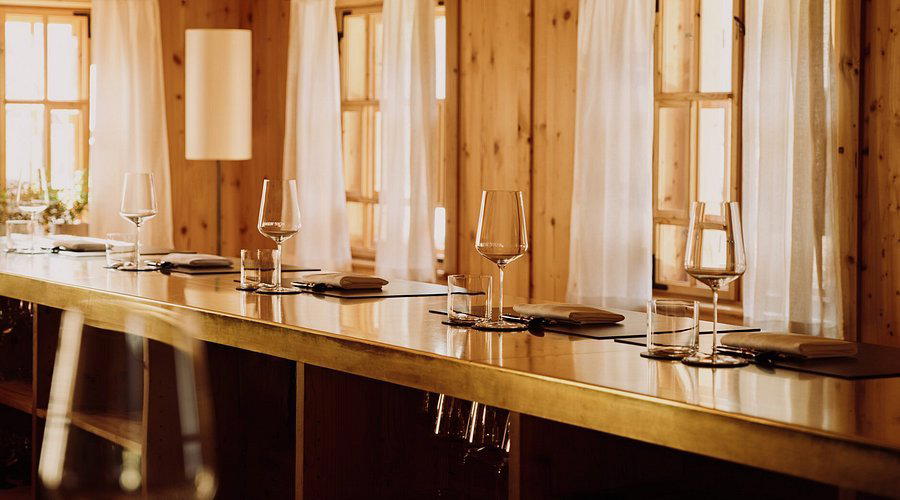
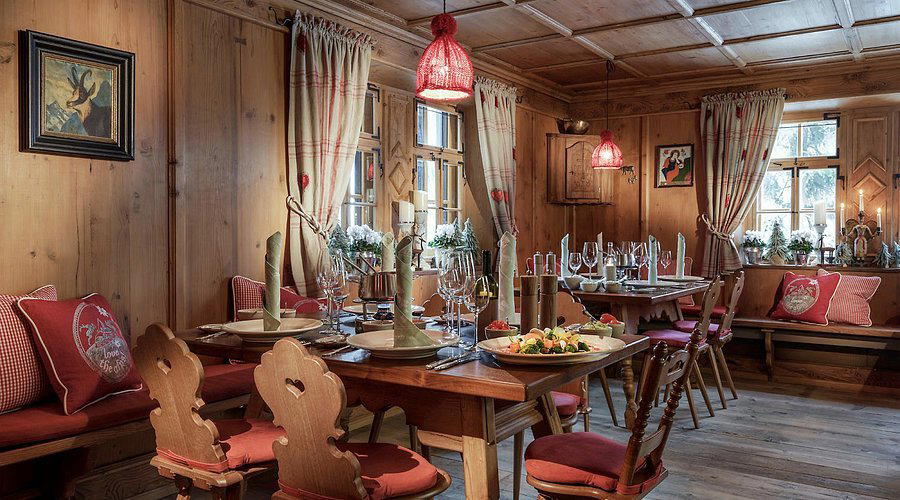
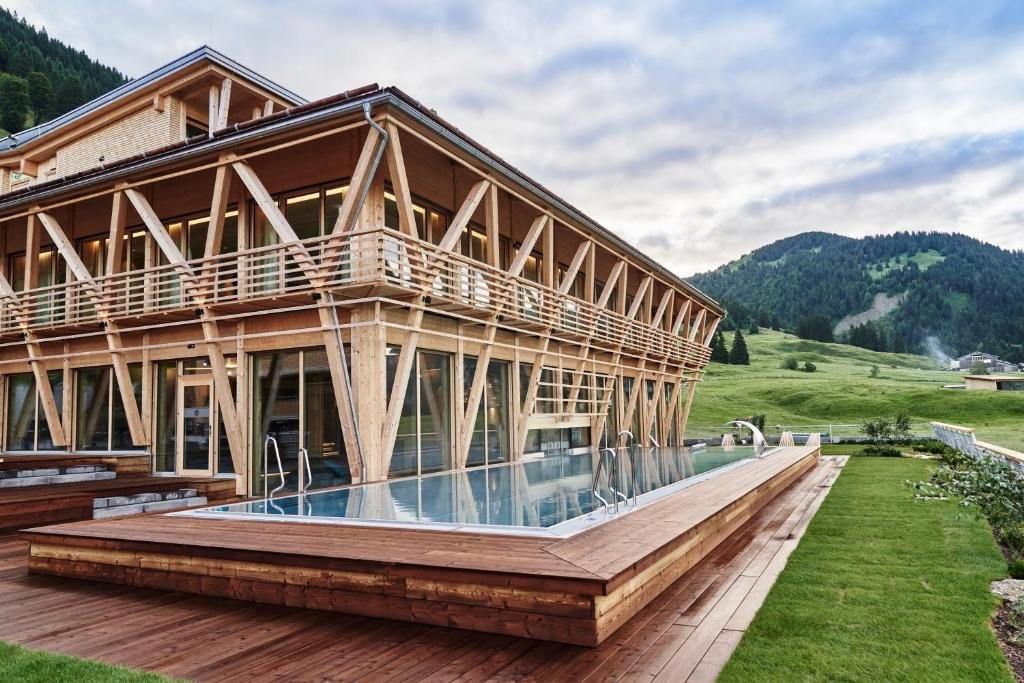
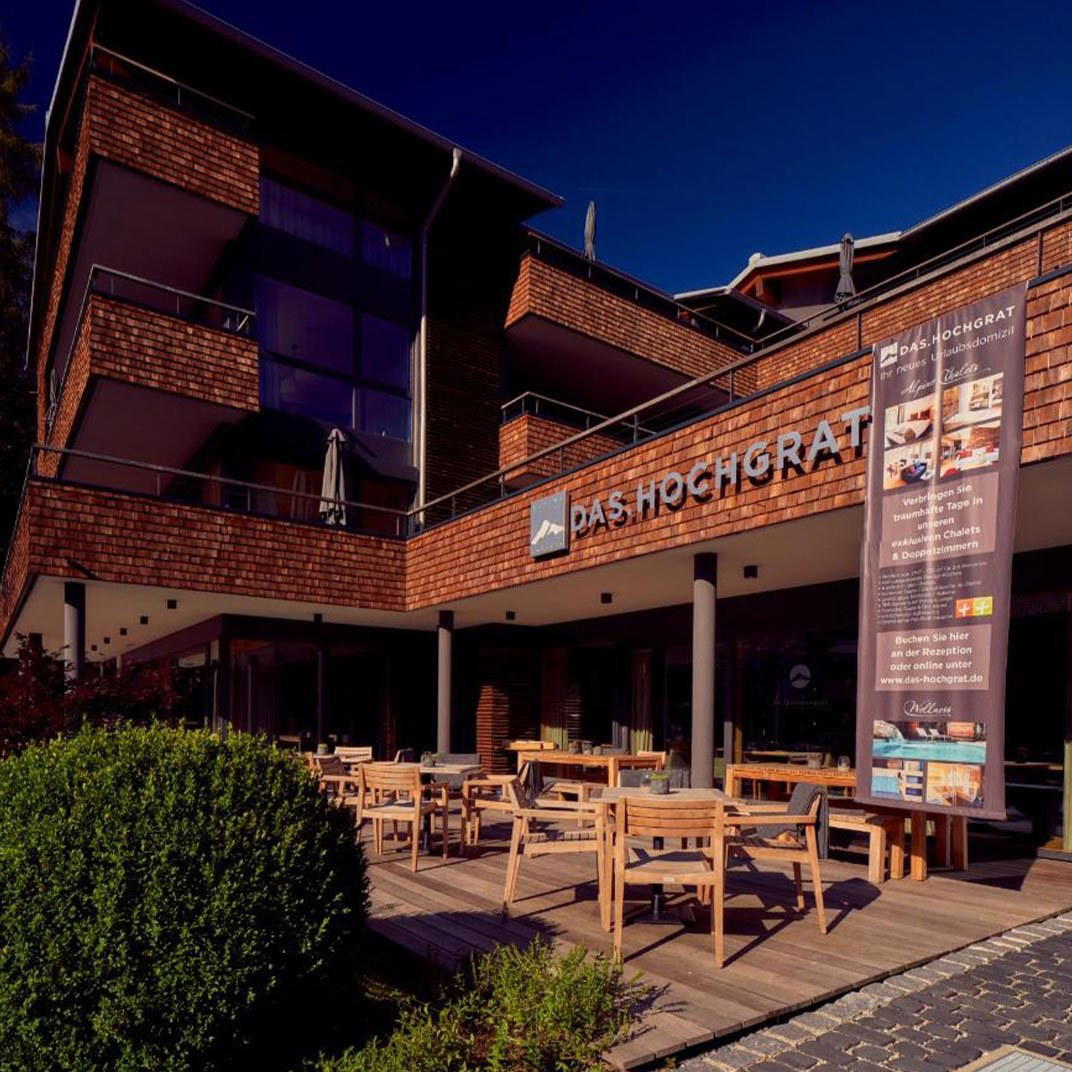
Warm wood furnishings with indirect lighting and deep tones create a comfortable, contemporary mountain atmosphere.