
Tabelog 100 #14
Our verdict
Kobe Onsen Sosaku Dining So places an everyday Japanese dining format inside the hot-spring culture of Kobe’s northern hills, with cafeteria, udon, and ramen categories rather than luxury tasting-menu choreography. Its 2026 Tabelog 100 Diner selection gives the restaurant a reputation signal unusual for a casual onsen-adjacent table, making it useful for travelers reading Kobe beyond beef counters and harborfront dining rooms.

Pearl is the En Primeur Club membership app, where members save venues, book tables and use the concierge.
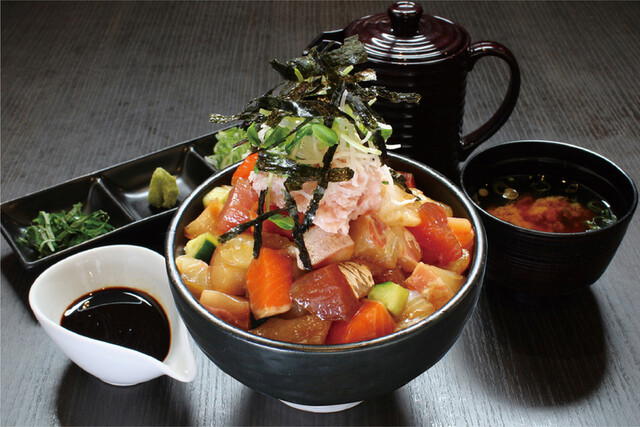
The menu
What to order
- Suzuran Gozen
- Obanzai Gozen
- Handmade Toromi Tofu
- Onsen Tamago Pudding
- Miso-simmered mackerel with steamed vegetables
Arriving in Kobe changes the rhythm of the city. The restaurant map, with its polished dining rooms and visitor itineraries, can give way to a slower world of practical meals, casual counters, and food built around comfort rather than ceremony. In that setting, Kobe Onsen Sosaku Dining So belongs to an everyday Japanese category: a Kobe dining room listed for cafeteria, udon, and ramen, with an appeal that can speak to solo noodle eaters as much as groups looking for an easy meal.
The useful point is not that this is a counterpoint to luxury Kobe dining; it is how sharply it defines another side of the city’s appetite. Kobe’s international reputation tends to compress the city into a small set of premium restaurant images, but Kobe adds a different register too: practical, regional, and tied to day-use leisure. For a broader read on the city’s dining range, Our full Kobe restaurants guide is the better map, while hotel, bar, winery, and activity planning sits separately in Our full Kobe hotels guide, Our full Kobe bars guide, Our full Kobe wineries guide, and Our full Kobe experiences guide.
An everyday dining room with a national reputation signal
Tabelog’s 2026 Hyakumeiten recognition matters because the category is not built around the same markers as fine dining. It reads the strength of shokudo culture, set meals, noodles, family usability, and the kind of everyday kitchen that can be overlooked by travelers chasing tasting menus. Kobe Onsen Sosaku Dining So’s inclusion places a Kobe cafeteria, udon, and ramen venue inside a national conversation about casual Japanese dining, rather than leaving it as a minor stop on the side of a larger itinerary.
That recognition also makes it useful as a corrective to a narrow Kobe itinerary. In the same city, Aburi Niku Kobo Wakkoku Shinkobe ten represents another named Kobe restaurant to consider in a very different register. Other Kobe dining rooms, coffee stops, neighborhood Japanese rooms, and international casual addresses show how broad the city’s restaurant grammar becomes once the lens moves away from a single signature style.
The dining room’s role reinforces that function. As a casual venue recognized in cafeteria, udon, and ramen categories, the format is closer to a local-use social space than a destination room engineered around scarcity. That does not make it less serious. In Japan, the democratic dining room often carries a strict operational test: it must be consistent across age groups, meal times, and reasons for visiting.
Comfort food, noodles, and the relaxed side of Kobe
The menu categories give the clearest reading of the place: cafeteria, udon, and ramen. That combination sits naturally inside a relaxed casual-dining environment. Diners in this register tend to want food that is warming, legible, and restorative rather than performative. Noodles and casual dining staples fit that pattern without forcing the meal into a formal restaurant script.
For travelers, the editorial value is in the contrast. Kobe’s more familiar dining story often points to premium ingredients, sushi, French technique, and harbor-city polish. This address belongs to the everyday side of Kobe travel, where a meal can be part of a larger sequence rather than the sole purpose of the day. That rhythm is closer to how many Japanese diners use casual local restaurants, and it explains why a straightforward dining room can carry more cultural information than a more photogenic table.
Similar casual specificity appears across Japan in different forms. Across the country, narrow formats and everyday dining rooms can carry local meaning without needing to resemble formal destination restaurants. The comparison is not about cuisine equivalence; it is about how Japan’s casual rooms often become more revealing when judged within their own category.
How to read it against Kobe's higher-spend rooms
Kobe Onsen Sosaku Dining So is not competing for the same occasion as the city’s premium counters or formal dining rooms. Its appeal is lower-pressure and more situational: a casual meal, a family outing, or a Kobe detour. That makes the 2026 Tabelog Hyakumeiten recognition more interesting, because it rewards a format that depends on usefulness as much as polish.
The planning logic follows the setting. Weekends, public holidays, Golden Week, Obon, and year-end periods can bring the kind of demand patterns that affect casual venues across Japan, and this category is better approached with a flexible schedule than a tightly stacked restaurant crawl. Treat it as part of a wider Kobe plan rather than a rushed meal, and use current venue information when confirming access and availability.
For visitors building a Japan itinerary around casual dining, the address also connects to a broader interest in regional, format-specific Japanese food. In Kobe, the lesson is grounded: the everyday dining room remains a living domestic format, and this one has enough critical recognition to merit attention beyond convenience.
Frequently asked questions
What kind of setting is Kobe Onsen Sosaku Dining So?
It is a dining room in Kobe recognized in Tabelog’s 2026 Hyakumeiten, with listed categories of cafeteria, udon, and ramen.
What time does Kobe Onsen Sosaku Dining So open and close?
Check current operating details directly before visiting Kobe Onsen Sosaku Dining So, as hours can change.
How much does it cost to eat at Kobe Onsen Sosaku Dining So?
Pricing at Kobe Onsen Sosaku Dining So is listed as Dinner: JPY 2,000 - JPY 2,999; Lunch: JPY 1,000 - JPY 1,999.
What is Kobe Onsen Sosaku Dining So known for?
Kobe Onsen Sosaku Dining So is known as a Kobe cafeteria, udon, and ramen venue with Tabelog Hyakumeiten 2026 recognition and a listed score of 3.54.
Cost and Credentials
Comparable options at the same price tier.
| Venue | Cuisine | Price | Awards | Notes |
|---|---|---|---|---|
| Kobe Onsen Sosaku Dining SoThis venue (the venue you are viewing) | Creative Japanese set meals in an onsen complex | $10–20 | Tabelog 100 #14 | Not listed |
| QUATTRO | Kobe yoshoku (Japanese-style Western) | $20–30 | Tabelog 100 #25 | Chūō, Kobe yoshoku (Japanese-style Western) |
| Kakui Ni Iku Ka | Yoshoku (Japanese-style Western) | Not listed | Tabelog 100 #90 | Hyōgo, Yoshoku (Japanese-style Western) |
| Grill Ippei Sannomiya ten | Classic Kobe yoshoku (Japanese-style Western food) | $20–30 | Tabelog 100 #28 | Chūō, Classic Kobe yoshoku (Japanese-style Western food) |
| Grill Ippei Shinkaiti honten | Yoshoku (Japanese-Style Western Cuisine) | $10–20 | Tabelog 100 #27 | Hyōgo, Yoshoku (Japanese-Style Western Cuisine) |
| Kisetsu Ippin Ryori Fujiwara | Seasonal Japanese Izakaya & Seafood | $30–50 | Tabelog 100 #57 | Chūō, Seasonal Japanese Izakaya & Seafood |
Recognition history
Dated appearances from independent guides and award organizations, with the underlying list record or original source where available.
Tabelog 100 #14 · No. 14
Tabelog · Tabelog 100 - Diner - 2026
Continue exploring
More in Kobe
Restaurants in Kobe
All restaurants in Kobe →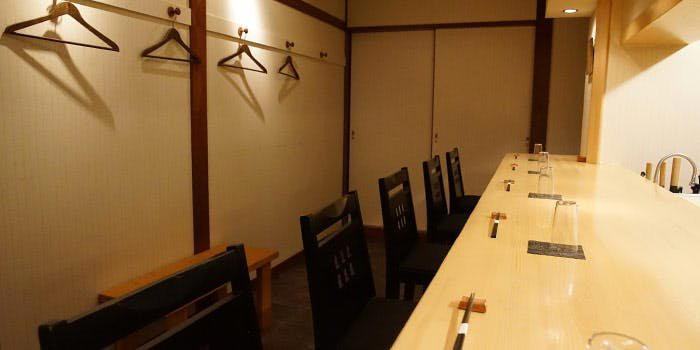

Bars in Kobe
Browse all →
Hotels in Kobe
All hotels in Kobe →

Wineries in Kobe
Browse all →
Details
- Scenic
- Cozy
- Lively
- Classic
- Family
- Group Dining
- Casual Hangout
- Date Night
- After Work
- Garden
- Design Destination
- Standalone
- Private Dining
- Local Sourcing
- Garden
- Mountain
- A La Carte
- Set Menu
- Beer
- Sake
- Soft Drinks
Current opening hours
- Monday
- 11 AM–9:30 PM
- Tuesday
- 11 AM–9:30 PM
- Wednesday
- 11 AM–9:30 PM
- Thursday
- 11 AM–9:30 PM
- Friday
- 11 AM–9:30 PM
- Saturday
- 11 AM–9:30 PM
- Sunday
- 11 AM–9:30 PM
Hours can change for holidays and private events. Hours as of .
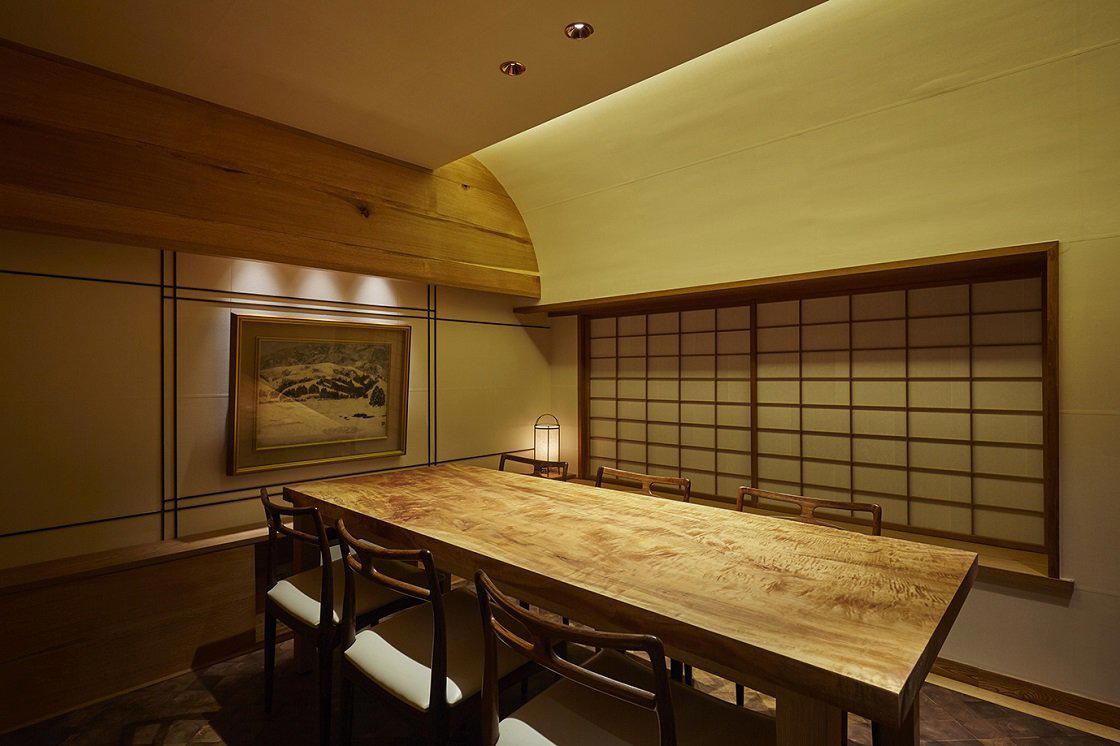
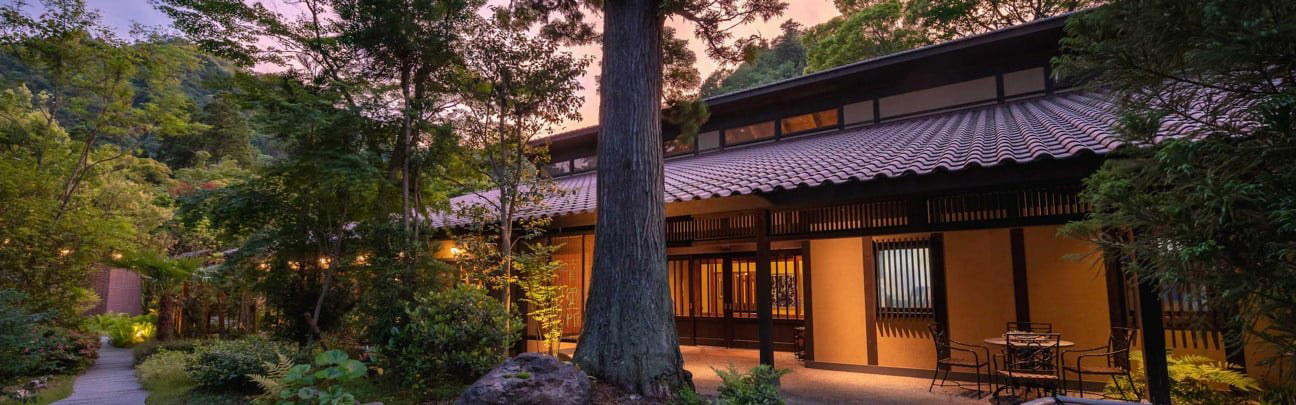
Relaxed onsen dining with warm lighting, a spacious 80+ seat room, and a casual yet polished feel suited to families, couples, and groups using the hot spring.