Estella
Estella occupies a Temple Place address in Boston's Downtown Crossing, positioning it within the city's mid-to-upper dining tier. The venue's details remain closely held, which in Boston's current restaurant climate often signals a format built around in-room discovery rather than pre-arrival marketing. Worth investigating for those tracking the city's evolving fine dining conversation.
Pearl is the En Primeur Club membership app — saves, bookings, and concierge access live there. Same editors, same standards.
- Address
- 49 Temple Pl, Boston, MA 02111
- Phone
- +16178559869
- Website
- estellaboston.com
- Directions
- Get directions
 Saves & bookings on Pearl
Temple Place and the Architecture of Anticipation
Downtown Crossing has spent the better part of a decade shedding its reputation as a retail corridor and acquiring a second identity as one of Boston's more interesting dining blocks. The stretch around Temple Place sits at the edge of that transition, close enough to the Financial District to draw a weeknight professional crowd, close enough to the Theater District to anchor a pre-curtain dinner, and insulated enough from the waterfront's tourist traffic to attract a local clientele with specific expectations. It is in this particular urban pocket that Estella operates, at 49 Temple Place.
The address itself tells a partial story. Temple Place runs one block, connecting Washington Street to Tremont, and the buildings along it carry the compressed verticality typical of Boston's older commercial core: narrow facades, high ceilings on the lower floors, stone and brick detailing that predates the city's post-war rebuilding. Dining rooms fitted into these shells tend to work with the architecture rather than against it, which often produces spaces of considerable character. The physical container shapes the experience before a single dish arrives.
This matters more than it might seem. In American fine dining, the dining room has re-emerged as a primary editorial statement. The generation of restaurants that dominated the 2010s, open kitchens, communal tables, deliberate noise, gave way in the early 2020s to a counter-movement that valued containment, acoustic control, and spatial intention. Venues like Smyth in Chicago and Atomix in New York City demonstrated that the room's design could carry as much weight as the kitchen's output in shaping a guest's perception of value. Estella's Temple Place setting places it in a city where that argument is still being made and tested.
Boston's Fine Dining Tier: Where Estella Fits
Boston's upper dining register has never been as codified as New York's or as chef-personality-driven as San Francisco's. What the city produces instead is a scattered constellation of serious restaurants that rarely appear in the same national conversation, partly because the local media infrastructure for fine dining coverage is thinner than the quality of the venues warrants. That gap creates a category of restaurants worth tracking precisely because they operate below the noise floor of national attention.
The comparison set in Boston's more considered dining tier includes venues like Agosto, which runs a Portuguese-inspired tasting-menu format at a chef's counter, and 311 Omakase, which applies the omakase discipline to a small-seat format. Both signal a broader pattern: Boston's most intentional restaurants tend toward intimacy, format specificity, and a room design that reinforces the kitchen's editorial point of view. 1928 Rowes Wharf approaches the category from the hotel-anchored side, where the physical setting carries institutional weight. Estella's Temple Place address places it in the independent tier of this conversation.
Nationally, the benchmark venues in this register, The French Laundry in Napa, Le Bernardin in New York City, Providence in Los Angeles, Blue Hill at Stone Barns in Tarrytown, each make a coherent argument through their physical space as much as their menus. The room at The Inn at Little Washington in Washington, or the layered service architecture at Single Thread Farm in Healdsburg, demonstrate that at a certain level of dining ambition, interior design and spatial sequencing become inseparable from the food proposition. Lazy Bear in San Francisco and Addison in San Diego show how different that argument can look depending on the city's personality and the format's scale.
What Downtown Crossing Tells You About the Room
Choosing a Temple Place address over the South End's more obvious fine dining corridor, or the Seaport's purpose-built restaurant blocks, is itself a positioning decision. The South End concentrates Boston's most legible dining identity: long-running neighborhood institutions, a dense residential base, and enough foot traffic to sustain mid-week covers without destination marketing. The Seaport offers visibility and volume. Temple Place offers neither of those things in the same measure, which means a venue there is making a deliberate bet on the destination diner rather than the passerby.
That bet tends to produce a specific kind of room: one designed to reward the arrival rather than capture it. Restaurants in locations that require intentional travel, whether geographically remote, like Atelier Moessmer Norbert Niederkofler in Brunico, or simply off the main circuit of a city, typically invest more heavily in the threshold experience, the sequence of spaces between door and table, and the acoustic and lighting conditions of the dining room itself.
Boston's older commercial buildings on blocks like Temple Place tend to offer ceiling heights and structural details that newer restaurant construction rarely replicates. The question for any serious dining room fitted into such a space is whether the kitchen's ambitions match what the architecture is offering. At venues like Agosto, the physical format of the chef's counter makes the kitchen's presence the room's central feature. At Abe and Louie's, the room's scale and finish carry a particular institutional confidence. Each represents a different theory of what a dining room is for.
Boston's broader dining scene, documented in our full Boston restaurants guide, has moved toward greater format diversity over the past several years. The direct progression from casual to formal is less descriptive of the city's actual restaurant culture than a map that accounts for counter formats, tasting-menu specialists, raw bar anchors like Neptune Oyster, and the continuing relevance of serious steakhouses. 75 on Liberty Wharf holds the waterfront end of that spectrum. Emeril's in New Orleans offers a useful reference point for what a chef-driven room looks like when it reaches a certain institutional weight, a model that several Boston venues have approached from different directions.
Know Before You Go
- Address: 49 Temple Place, Boston, MA 02111
- Neighbourhood: Downtown Crossing, between Washington Street and Tremont Street
- Nearest Transit: Downtown Crossing station (Red and Orange Lines) is one block north on Washington Street
- Dietary Requirements: Discuss any allergies or dietary restrictions directly with the venue when booking; specific accommodation details are not listed
- Current Details: Hours, pricing, and menu format should be confirmed with the venue before visiting, as this information is not publicly indexed at time of writing
At-a-Glance Comparison
Comparable venues nearby, for context on price, style, and recognition.
| Venue | Cuisine | Price | Notes |
|---|---|---|---|
| EstellaThis venue — the venue you are viewing | Caribbean-American Modern Fusion | $$ | Not listed |
| Shojo | Modern Asian Fusion | $$ | Chinatown |
| Aujoudhui | Dining | Not listed | Boston |
| Joia | Modern Italian | $$ | Downtown |
| Citizens House of Blues Boston | Southern American | $$ | Kenmore |
| Aura | American | $$ | South Boston Waterfront |
Continue exploring
More in Boston
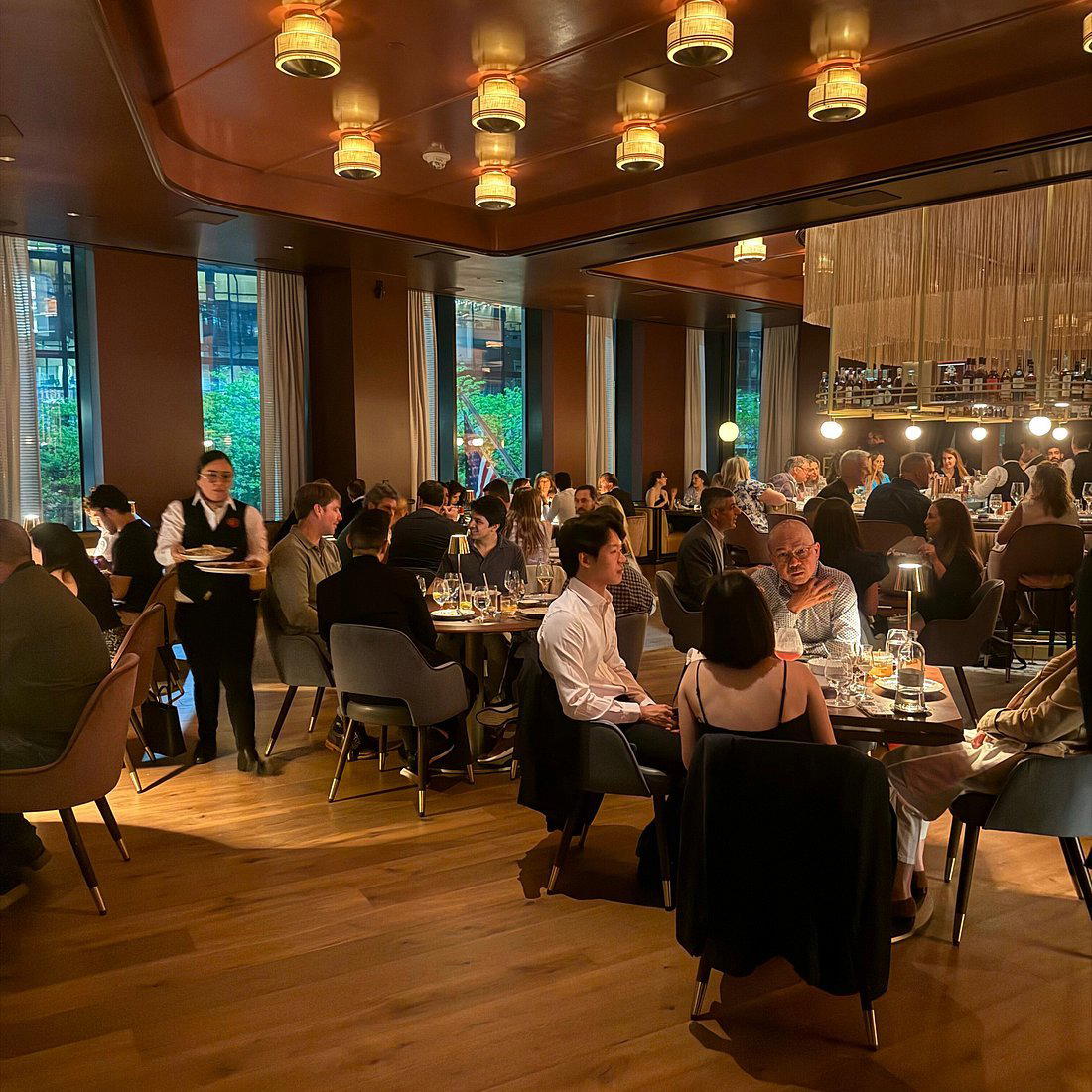
Restaurants in Boston
Browse all →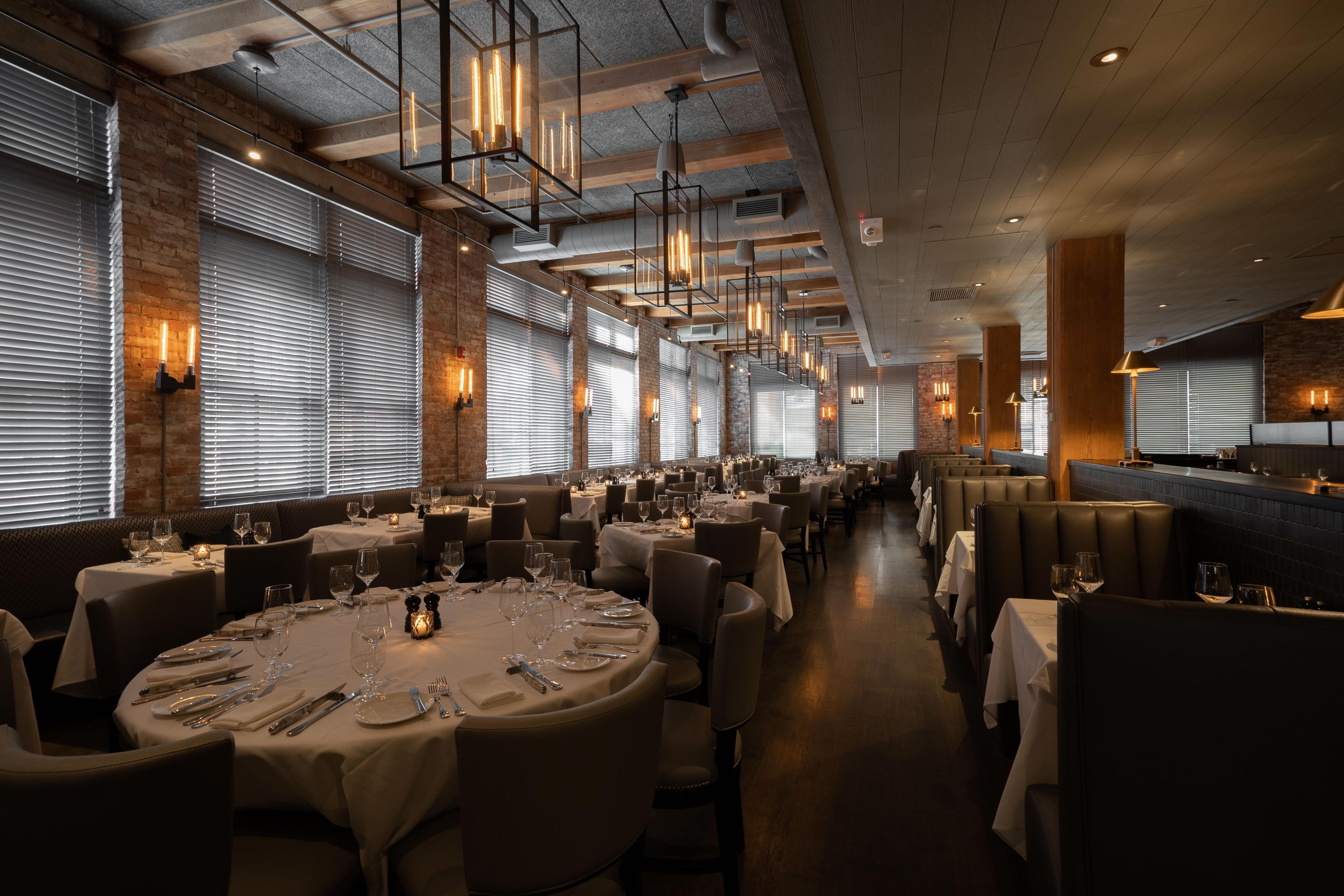
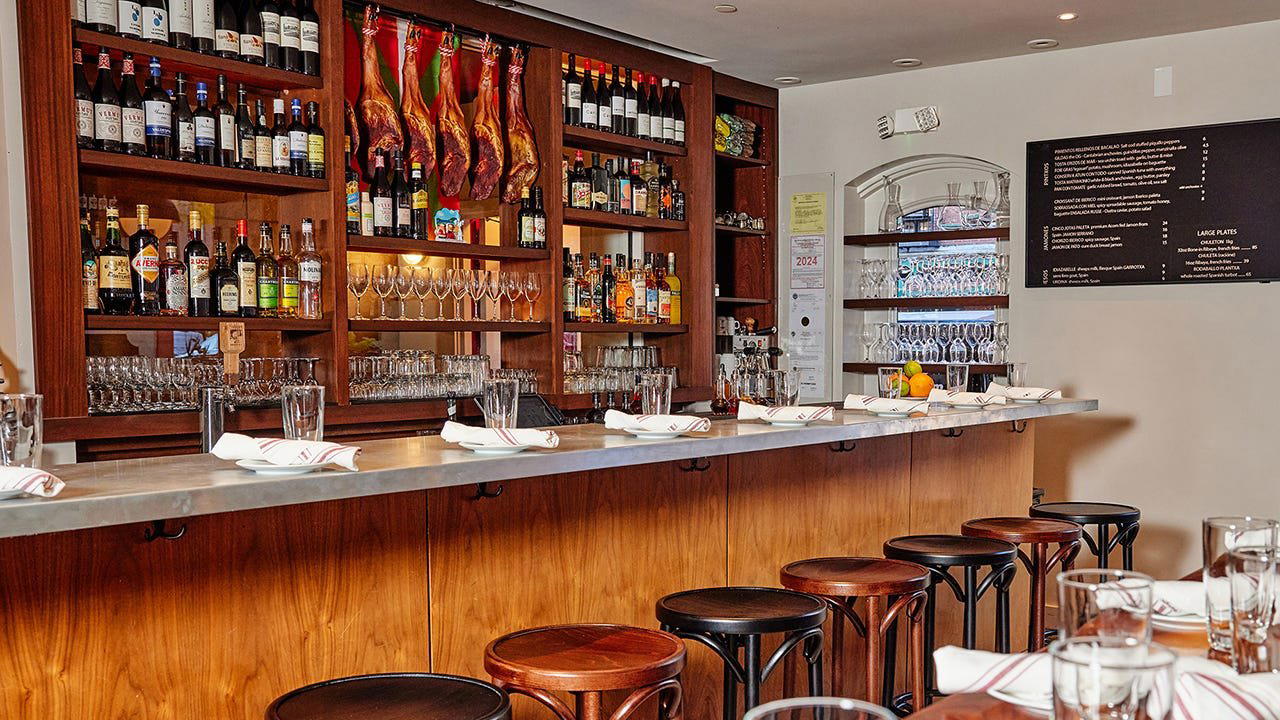
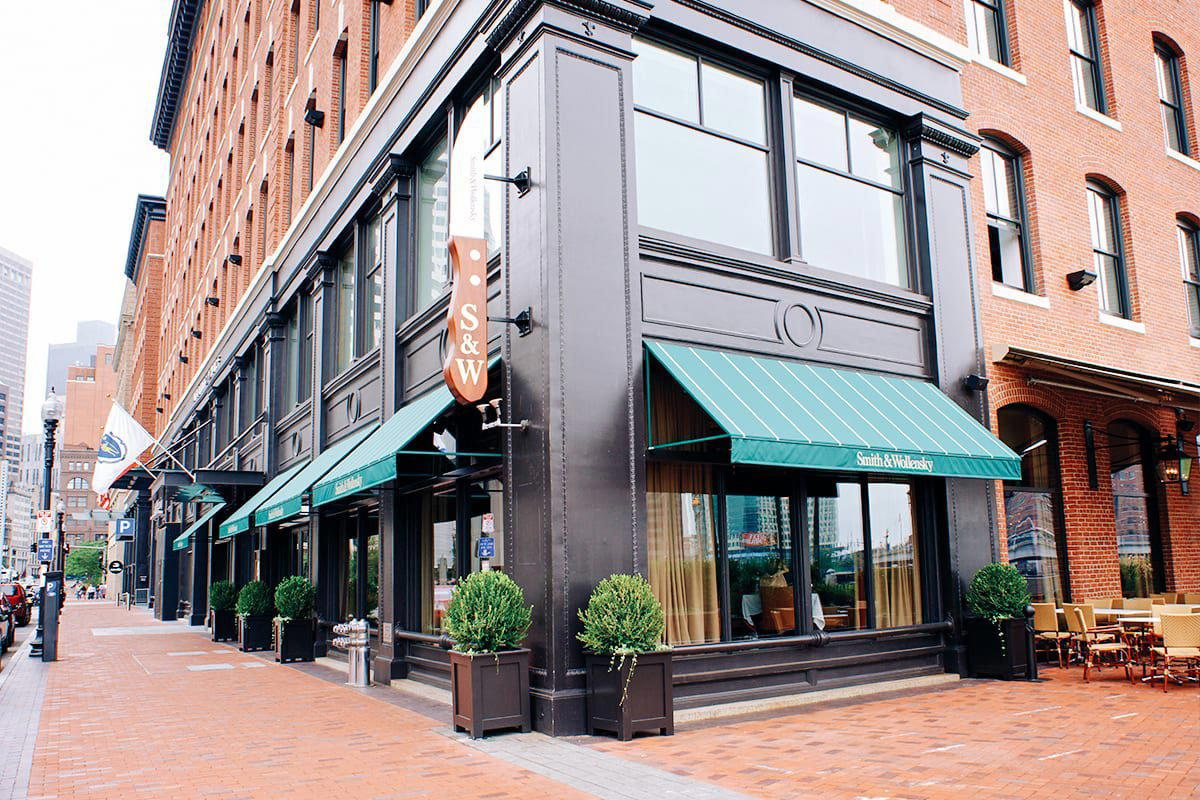
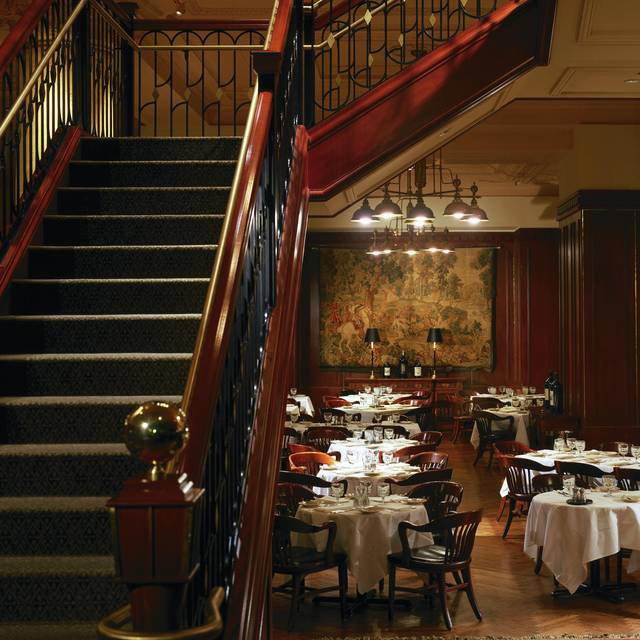
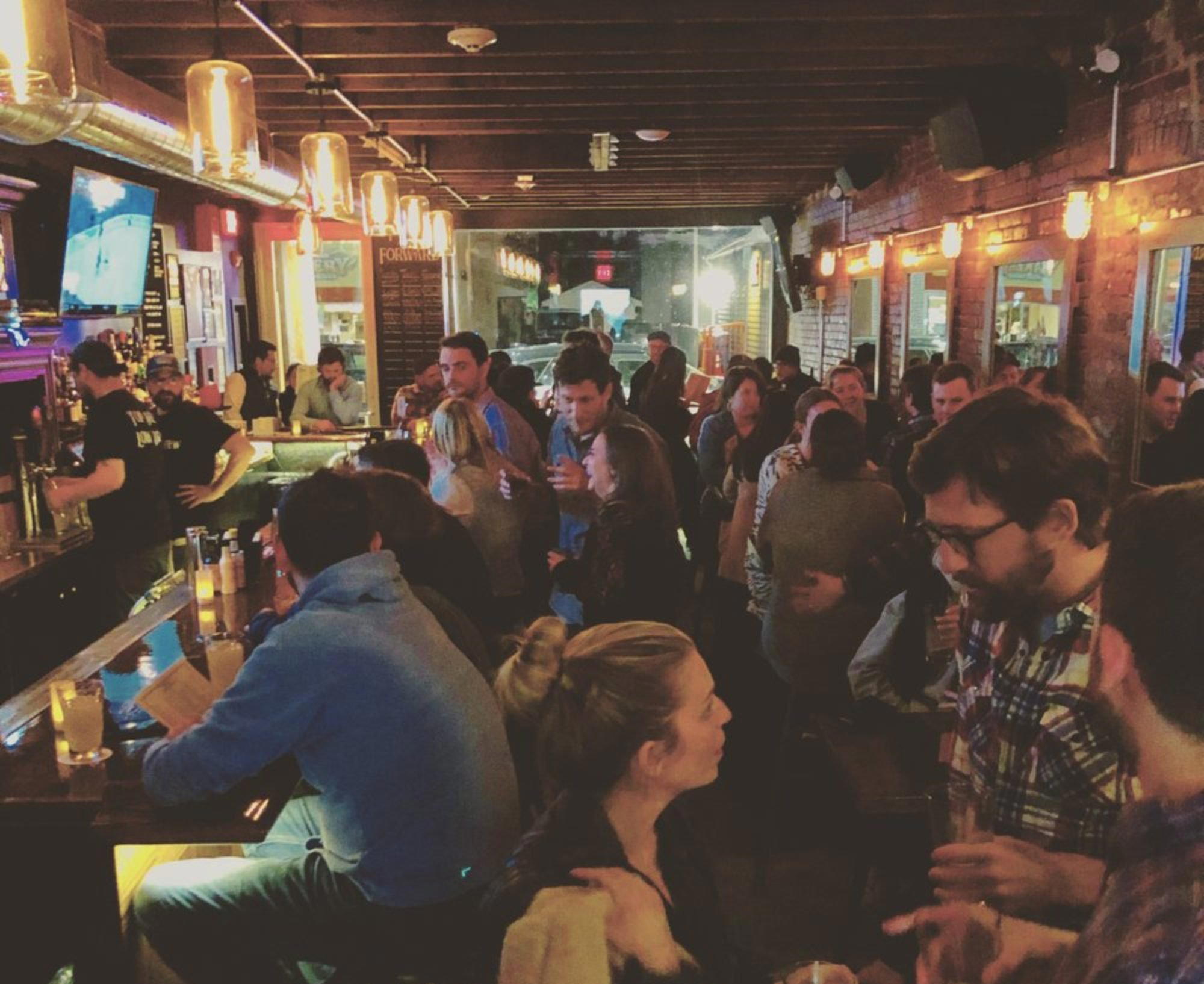
Bars in Boston
Browse all →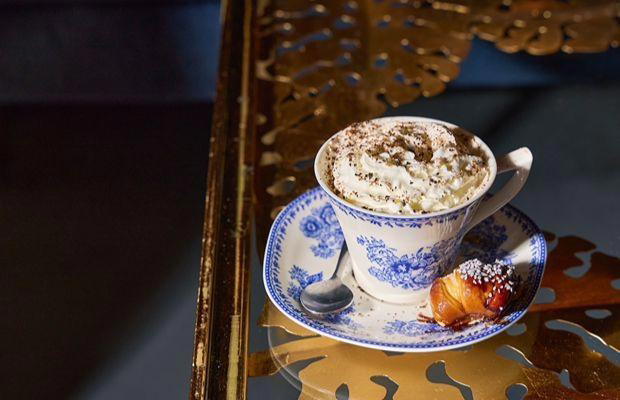
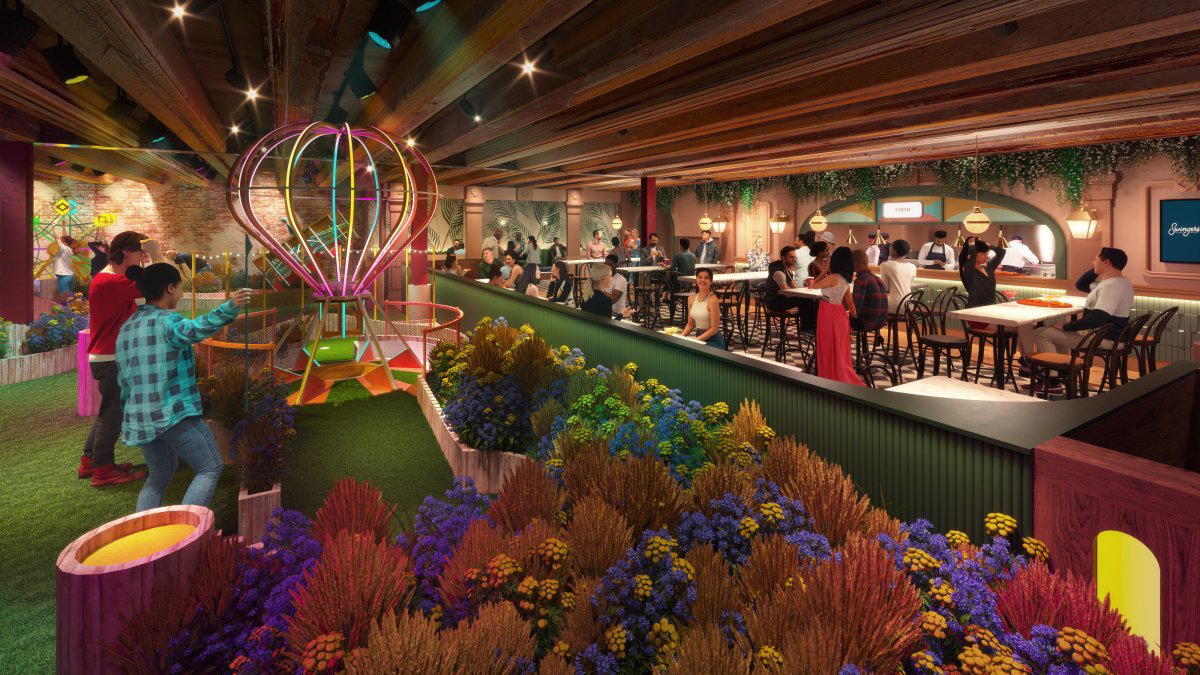
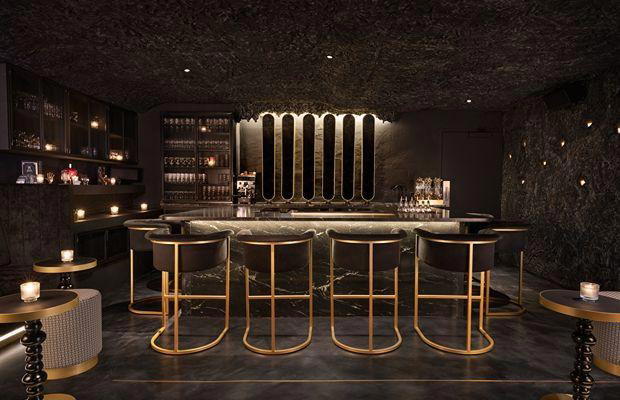
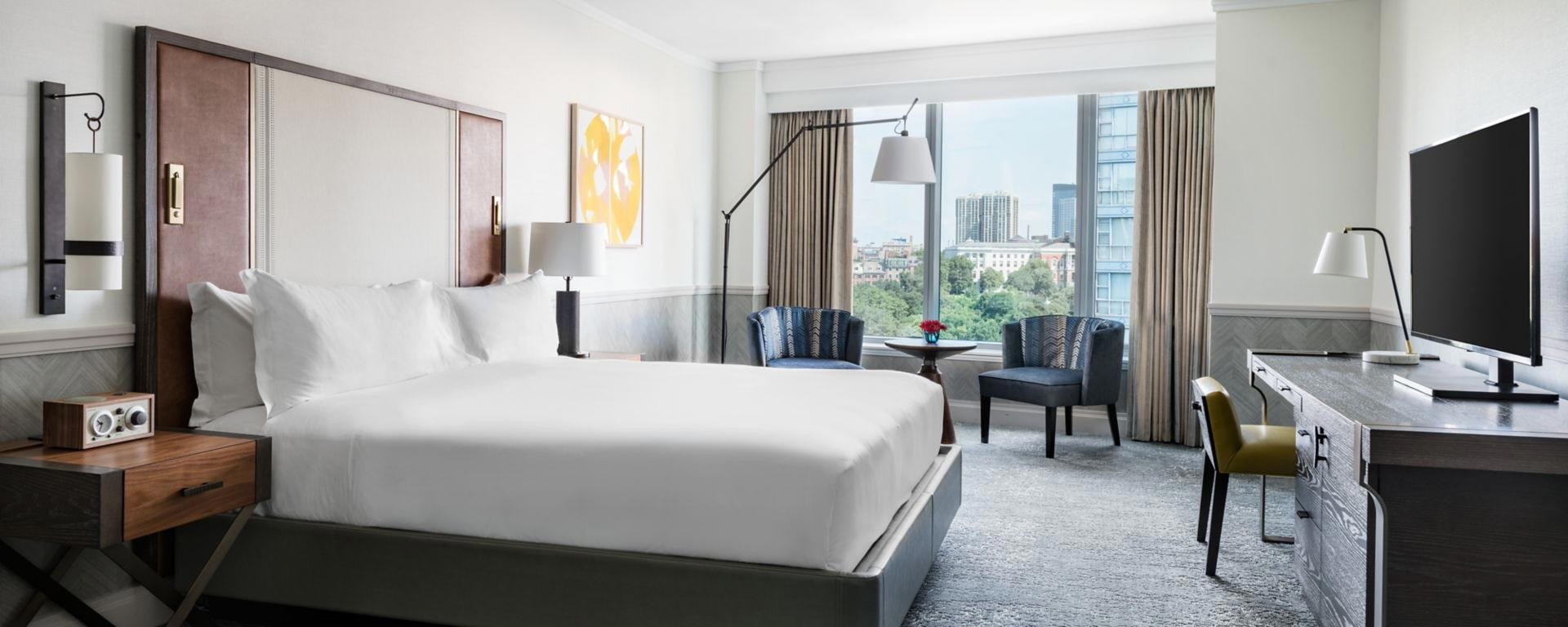
Hotels in Boston
Browse all →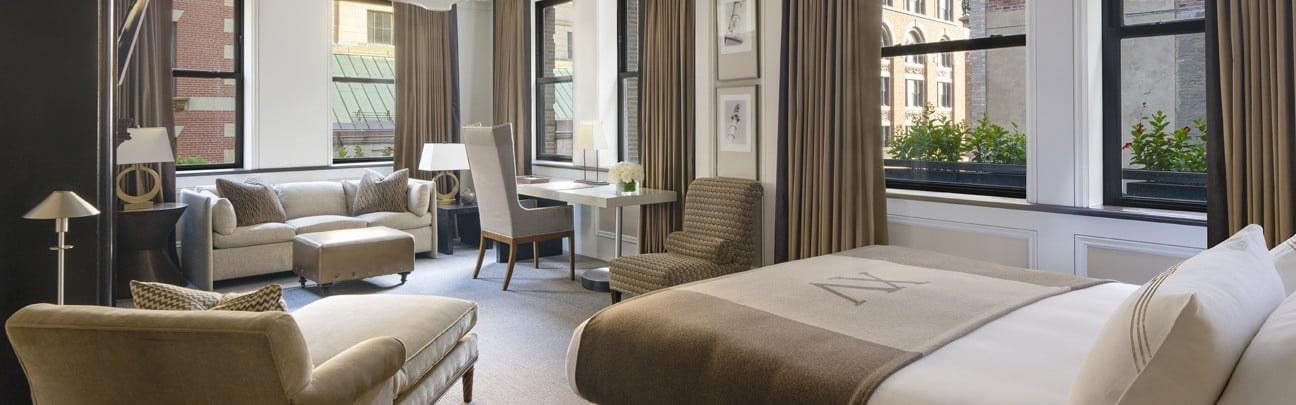
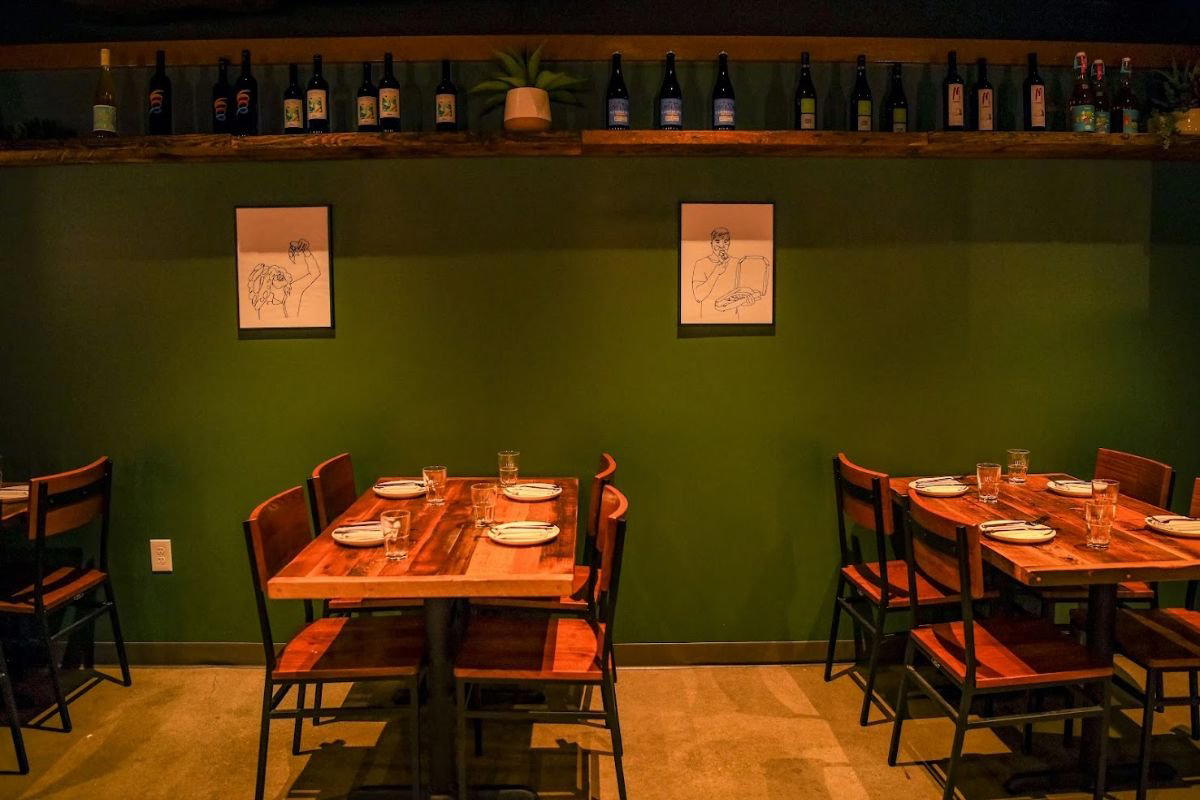
Wineries in Boston
Browse all →
At a Glance
- Lively
- Trendy
- Energetic
- Bohemian
- Casual Hangout
- Group Dining
- After Work
- Late Night
- Open Kitchen
- Standalone
- Craft Cocktails
- Beer Program
Current opening hours
- Monday
- 4 PM–2 AM
- Tuesday
- 4 PM–2 AM
- Wednesday
- 4 PM–2 AM
- Thursday
- 4 PM–2 AM
- Friday
- 4 PM–2 AM
- Saturday
- 3 PM–2 AM
- Sunday
- 3 PM–2 AM
Hours can change for holidays and private events. Last verified .
Multi-level space with lively artwork and hanging flowers; busy bar scene with energetic kitchen atmosphere and lively dining environment.