Eonyang Bulgogi Busanjip

Michelin Plate
Our verdict
The price point sits at the accessible end of Busan's dining spectrum, making it a reference address for the Eonyang-style tradition without the premium-tier tariff.

Pearl is the En Primeur Club membership app, where members save venues, book tables and use the concierge.

Where Busan's Grilled Meat Tradition Gets Specific
Suyeong-gu is not Busan's flashiest dining district. The neighbourhood lacks the hotel-corridor gloss of Haeundae or the self-conscious cool of some of the city's newer food corridors. What it has instead is a kind of functional seriousness, restaurants that survive on repeat local custom rather than tourist foot traffic. On Namcheonbada-ro, Eonyang Bulgogi Busanjip fits that pattern precisely. The room, the format, and the pricing all signal a place built for regulars, not spectacle.
The restaurant holds a Michelin Plate for both 2024 and 2025, a designation that in the Guide's own taxonomy means good cooking rather than destination-level ambition. That framing matters here. The Plate sits below the Star tier occupied by addresses like Palate (Contemporary, ₩₩, one Michelin Star) and Mori (Japanese, ₩₩₩, one Michelin Star), and it makes no claim to be otherwise. The distinction is useful: this is not a restaurant trying to reinterpret tradition or chase tasting-menu prestige. It is trying to cook bulgogi correctly, in the Eonyang style, at a price point anyone can approach.
Eonyang Bulgogi: The Regional Tradition Behind the Name
Bulgogi is one of Korea's most broadly recognised dishes internationally, which has done it few favours. The version most travellers encounter outside Korea, thin, often sweet, frequently pre-marinaded to the point of saturation, represents one end of a wide spectrum. Eonyang bulgogi sits at the other end of that spectrum, defined by restraint rather than intensity.
Eonyang is a town in South Gyeongsang Province, inland from Busan, and its version of the dish is characterised by comparatively minimal marinade, higher-quality beef cuts, and a cooking method that emphasises the natural grain and texture of the meat over the glaze. Where Seoul-style bulgogi often cooks in a pan with liquid, Eonyang-style is typically grilled over charcoal or a wire rack, drier and with more distinct char. The regional specificity of the preparation places Busanjip in a different conversation from the average grilled-meat restaurant, less about volume, more about fidelity to a particular approach. For context on what deep regional specificity looks like elsewhere in the Korean dining tradition, the kaiseki-adjacent precision of Gaon in Seoul or the refined hanok setting of Kwon Sook Soo in Gangnam-gu illustrate how seriously Korean cuisine takes its own internal distinctions.
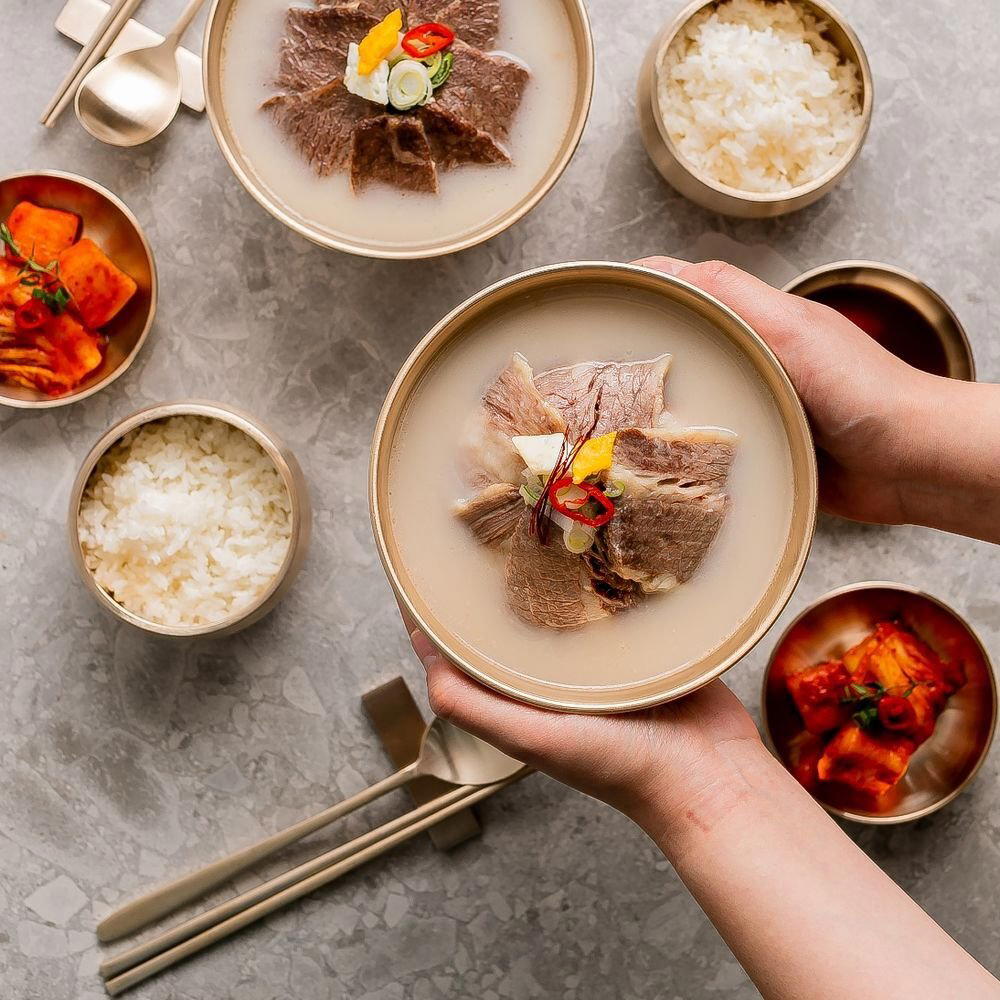
The single ₩ price designation places Eonyang Bulgogi Busanjip at the same accessible tier as neighbourhood specialists like Anmok (Dwaeji-gukbap, ₩) and 100.1. Pyeongnaeng (Naengmyeon, ₩). In Busan's dining economy, that tier sustains some of the city's most technically consistent cooking, dishes refined over decades of daily repetition rather than seasonal menu revision. The contrast with the upper end of the city's grilled-meat spectrum is useful to understand. Born and Bred (Steakhouse, ₩₩₩₩) operates at the premium end of the beef-focused category, where imported cuts and table-service formality drive the price. Busanjip operates on entirely different logic: the value is in the tradition and the execution, not in ingredient sourcing signals or room design.
Tourists generate spikes; regulars generate consistency. The numbers here suggest the latter.
Drinking With Bulgogi: What Works and What the Tradition Says
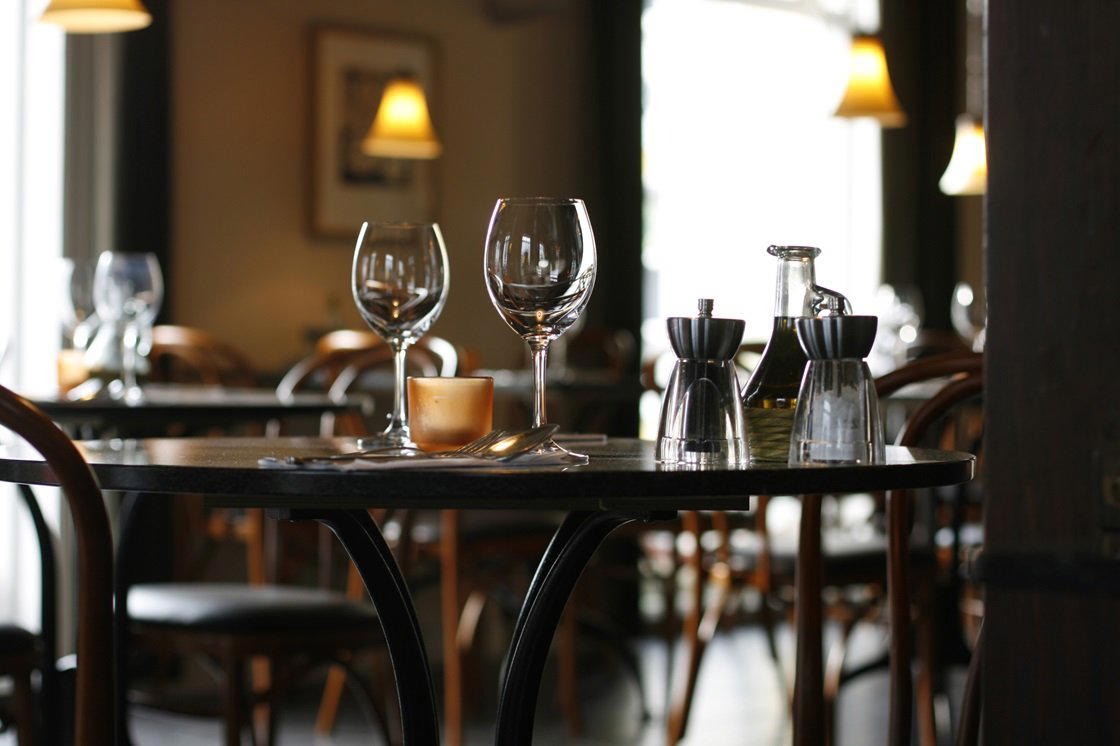
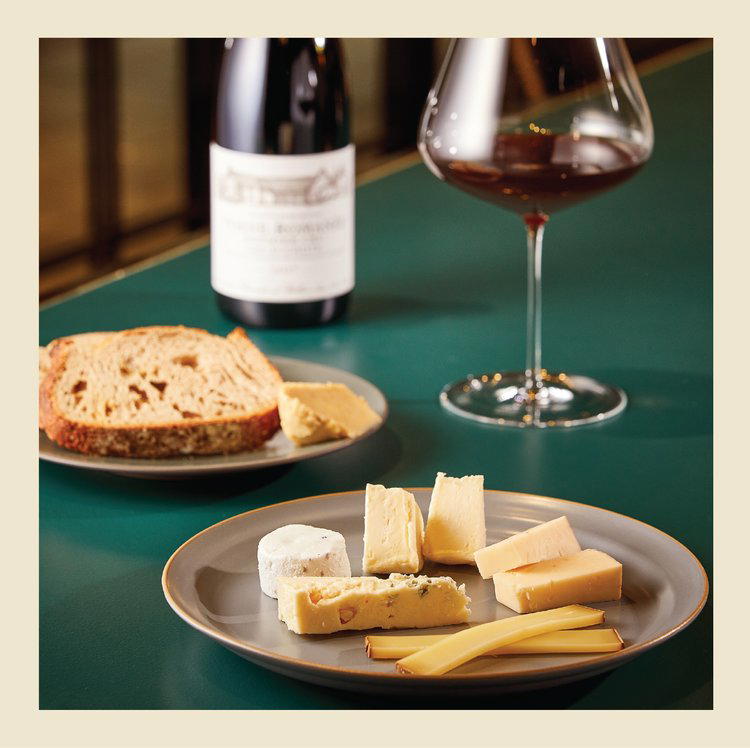
Editorial angle of a wine list is an interesting one to apply to a single-₩ bulgogi specialist in Suyeong-gu, and not because the subject is unserious. The pairing question is genuinely worth addressing. Korean grilled meat tradition has its own deeply considered beverage culture, and the expected companions at a table like this are soju, makgeolli, or Korean beer, not a Burgundy.
Soju's clean, neutral spirit profile cuts through the fattiness of well-marbled beef without competing with the marinade. Makgeolli, the milky, lightly carbonated rice wine, brings a soft acidity and mild effervescence that works particularly well against the char notes of Eonyang-style preparation. These are not consolation prizes in the absence of a wine list. They are the intended pairings, refined over generations of the same meal. Wine drinkers who want a comparative reference point might note that the pairing logic resembles what works with high-quality grilled lamb or beef in European traditions: lower tannin, higher acidity, or neutral spirits rather than heavy oak-driven reds. For restaurants where wine list depth is genuinely central to the experience, Mingles in Seoul represents a Korean fine-dining context where beverage curation matches the kitchen's ambition, and internationally, Le Bernardin in New York City and Atomix in New York City set a different standard entirely for pairing programs. Busanjip is not competing in that space, nor should it be.
The Broader Busan Context
Busan's food identity is built on specificity, pork bone broth in Seomyeon, raw fish in Jagalchi, naengmyeon with a cold-seawater heritage unique to the port. Eonyang bulgogi fits that pattern of hyper-local tradition maintained seriously over time. The Michelin recognition, across two consecutive years, signals that the Guide's inspectors consider the cooking worth attention within its own category. For a restaurant at the ₩ price tier, that two-year consistency of recognition carries weight. A temple food specialist like Baegyangsa Temple in Jangseong-gun represents a different register of Korean culinary tradition, but the underlying principle is the same: cuisine as a carrier of specific regional and cultural practice, not as a vehicle for chef expression. That framing connects Busanjip to a longer Korean dining tradition that predates the Michelin era entirely. For anyone building a broader picture of what Busan's table looks like, our full Busan restaurants guide maps the city's dining across price tiers and neighbourhood. Complementary reading on where to stay and what to drink is available through the Busan hotels guide, the Busan bars guide, and for anyone curious about the growing Korean wine and spirits scene, the Busan wineries guide and Busan experiences guide round out the picture. The The Flying Hog in Seogwipo offers a point of comparison for how Korean regional dining operates on Jeju, where island ingredients and tradition shape an entirely different set of expectations.
Planning Your Visit
Eonyang Bulgogi Busanjip is located at 32 Namcheonbada-ro, Suyeong-gu, a direct address to reach by Busan Metro (Suyeong station is the closest major interchange) or by taxi from Haeundae or Gwangalli. The ₩ pricing means the financial commitment is low, which reduces the urgency of advance planning, but Michelin Plate recognition at this price tier does generate queues, particularly at weekend lunch and dinner. Arriving early in a service window or on a weekday is the practical hedge.
Frequently asked questions
What awards or recognition does Eonyang Bulgogi Busanjip have?
Eonyang Bulgogi Busanjip has received recognition including: Michelin Plate (2025); Michelin Plate (2024).
What's Eonyang Bulgogi Busanjip's location?
Eonyang Bulgogi Busanjip is located at 32 Namcheonbada-ro, Suyeong-gu, Busan, South Korea, Busan.
What's the signature dish at Eonyang Bulgogi Busanjip?
The restaurant focuses on Eonyang-style bulgogi, a preparation rooted in South Gyeongsang Province that uses a restrained marinade and thinner beef cuts compared to the heavily sweetened versions common elsewhere. This regional specificity is what earned the venue consecutive Michelin Plate recognition in 2024 and 2025, not a broad menu, but a single tradition done with consistency.
What price level is Eonyang Bulgogi Busanjip?
Pricing at Eonyang Bulgogi Busanjip is listed as ₩.
How far ahead should I plan for Eonyang Bulgogi Busanjip?
Booking details are not published, but back-to-back Michelin Plate awards and a location outside Busan's main tourist corridors means word-of-mouth demand outpaces casual foot traffic. Arriving during off-peak hours or contacting the restaurant in advance is advisable, particularly for groups.
Category Peers
| Venue | Cuisine | Price | Awards | Notes |
|---|---|---|---|---|
| Eonyang Bulgogi BusanjipThis venue (the venue you are viewing) | Eonyang Bulgogi | $20–30 | Michelin Plate | Not listed |
| Palate | Contemporary French with Korean Fusion | $150–200 | 1 Michelin Star · La Liste Top Restaurants | Contemporary |
| Mori | Japanese Kaiseki | $200–300 | 1 Michelin Star | Japanese |
| Born and Bred | Modern Hanwoo Beef Omakase Steakhouse | $100–150 | Michelin Plate · World's 50 Best #51 | Steakhouse |
| 100.1. Pyeongnaeng | Pyongyang-style Naengmyeon | $10–20 | Michelin Bib Gourmand | Naengmyeon |
| Anmok | Modern Korean Dwaeji-Gukbap | $10–20 | Michelin Bib Gourmand | Dwaeji-gukbap |
Recognition history
Dated appearances from independent guides and award organizations, with the underlying list record or original source where available.
Michelin Plate
Michelin
Full recognition history (3 entries)
Michelin Plate
Michelin
Michelin Plate
Michelin
Continue exploring
More in Busan
Restaurants in Busan
All restaurants in Busan →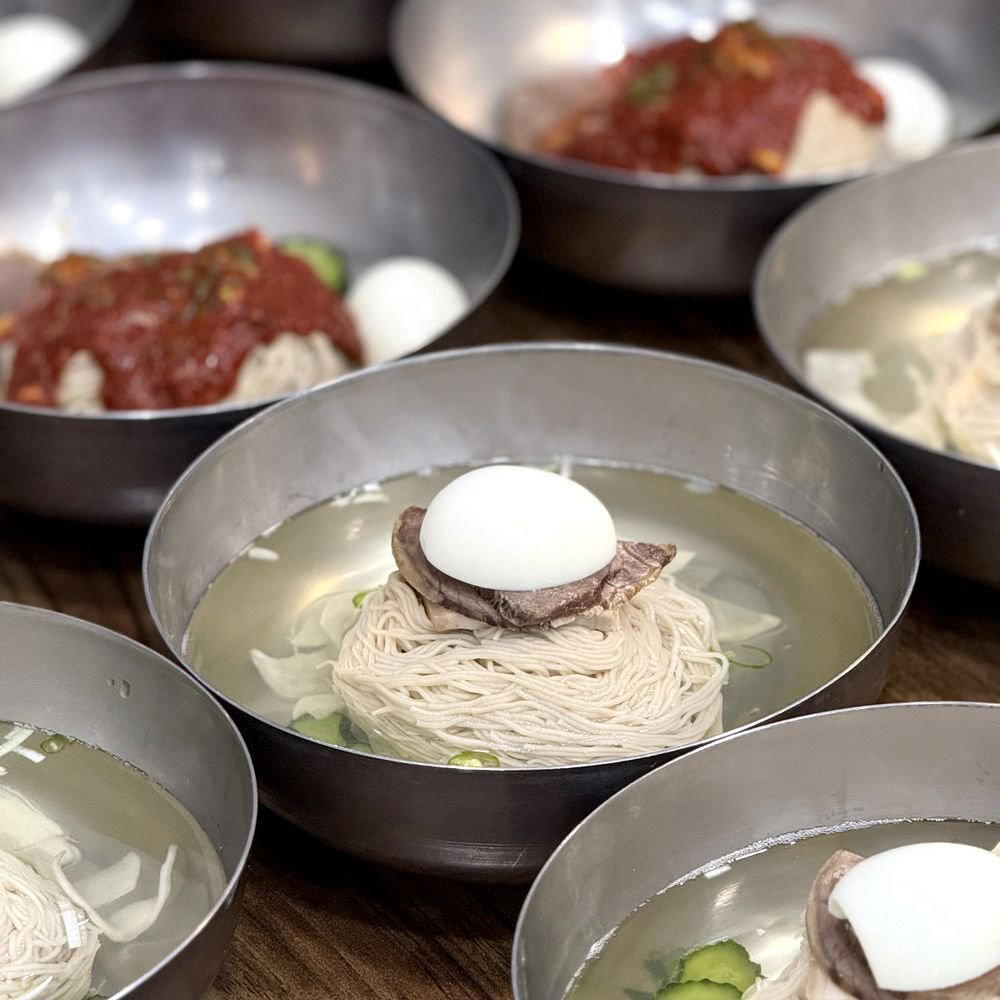
Bars in Busan
All bars in Busan →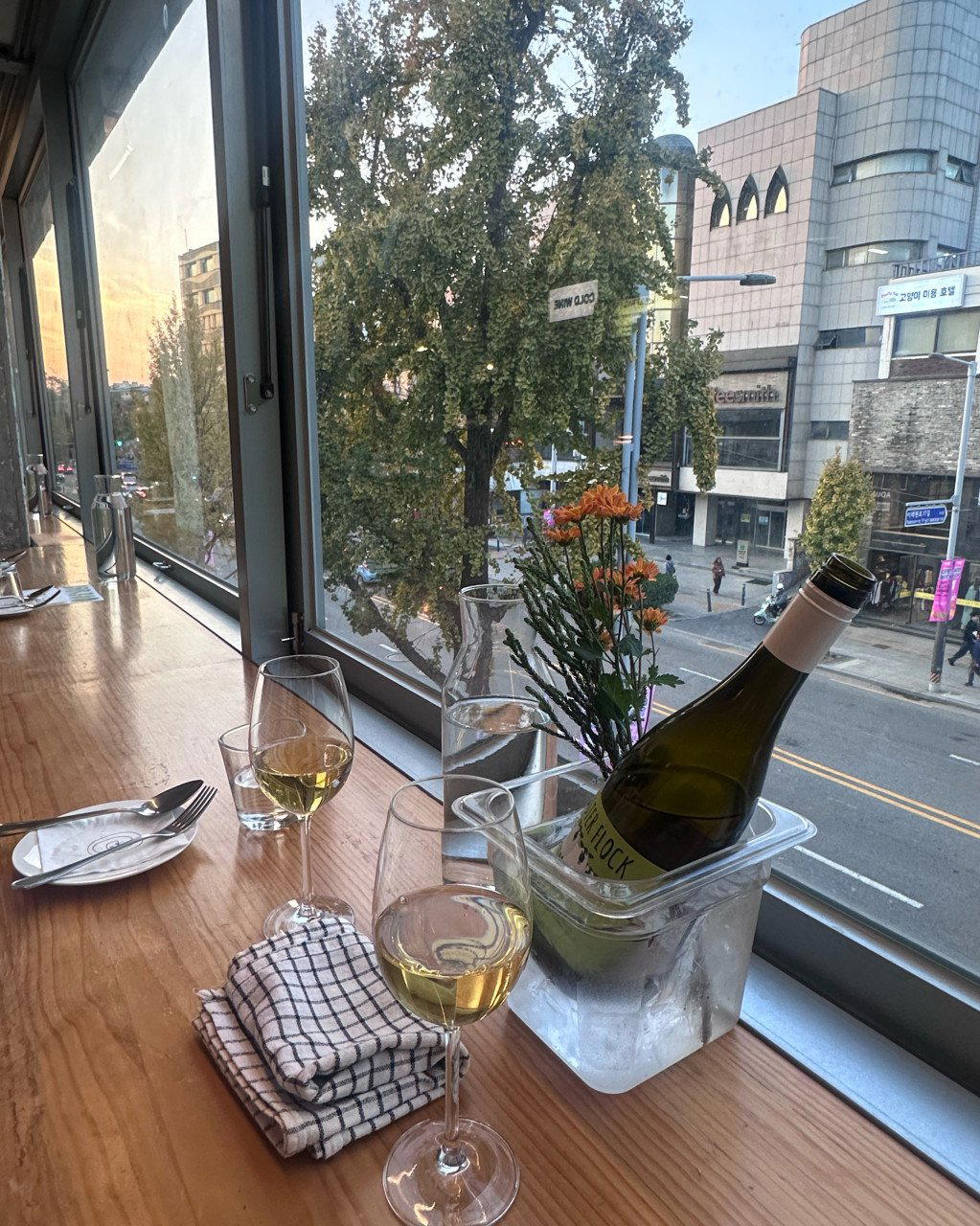
Details
- Lively
- Cozy
- Group Dining
- Family
- Casual Hangout
- Open Kitchen
- Waterfront
- Local Sourcing
- Organic
- Waterfront
- Street Scene
- A La Carte
Current opening hours
- Monday
- 11 AM–9:30 PM
- Tuesday
- 11 AM–9:30 PM
- Wednesday
- 11 AM–9:30 PM
- Thursday
- 11 AM–9:30 PM
- Friday
- 11 AM–9:30 PM
- Saturday
- 11 AM–9:30 PM
- Sunday
- 11 AM–9:30 PM
Hours can change for holidays and private events. Hours as of .
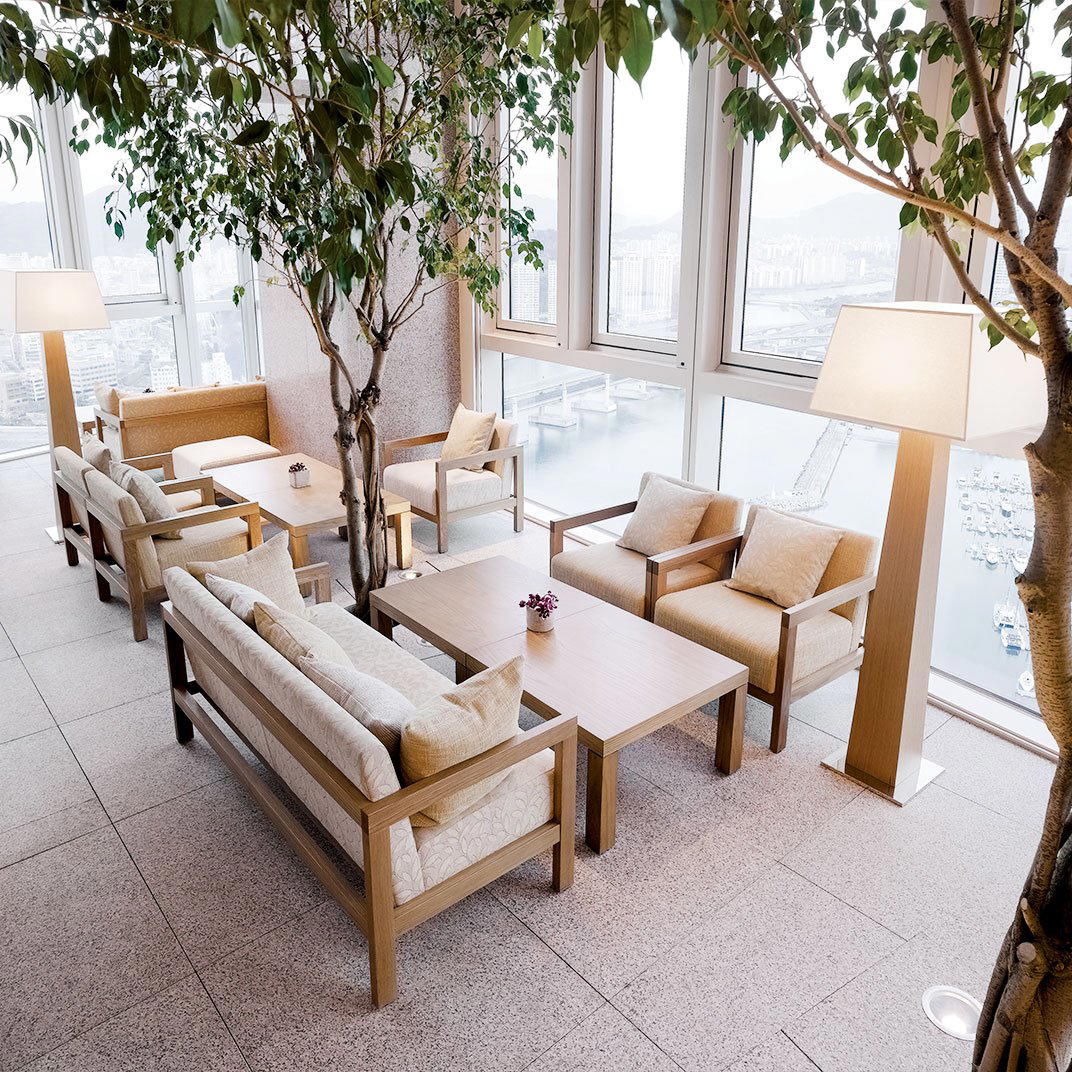
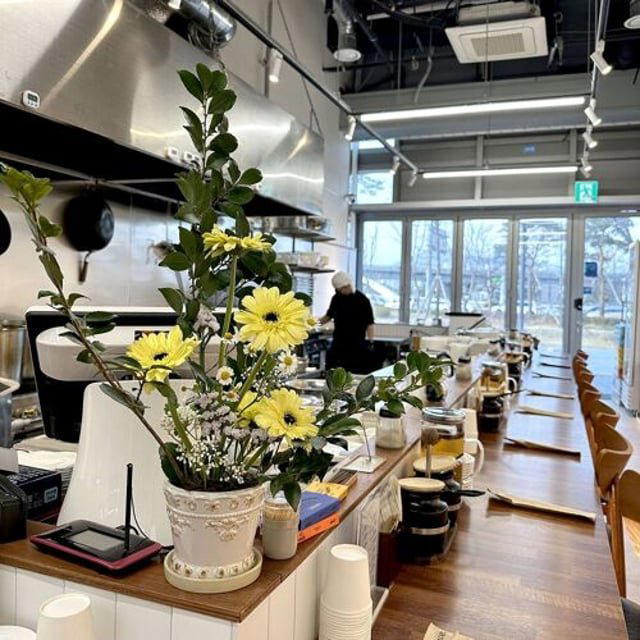
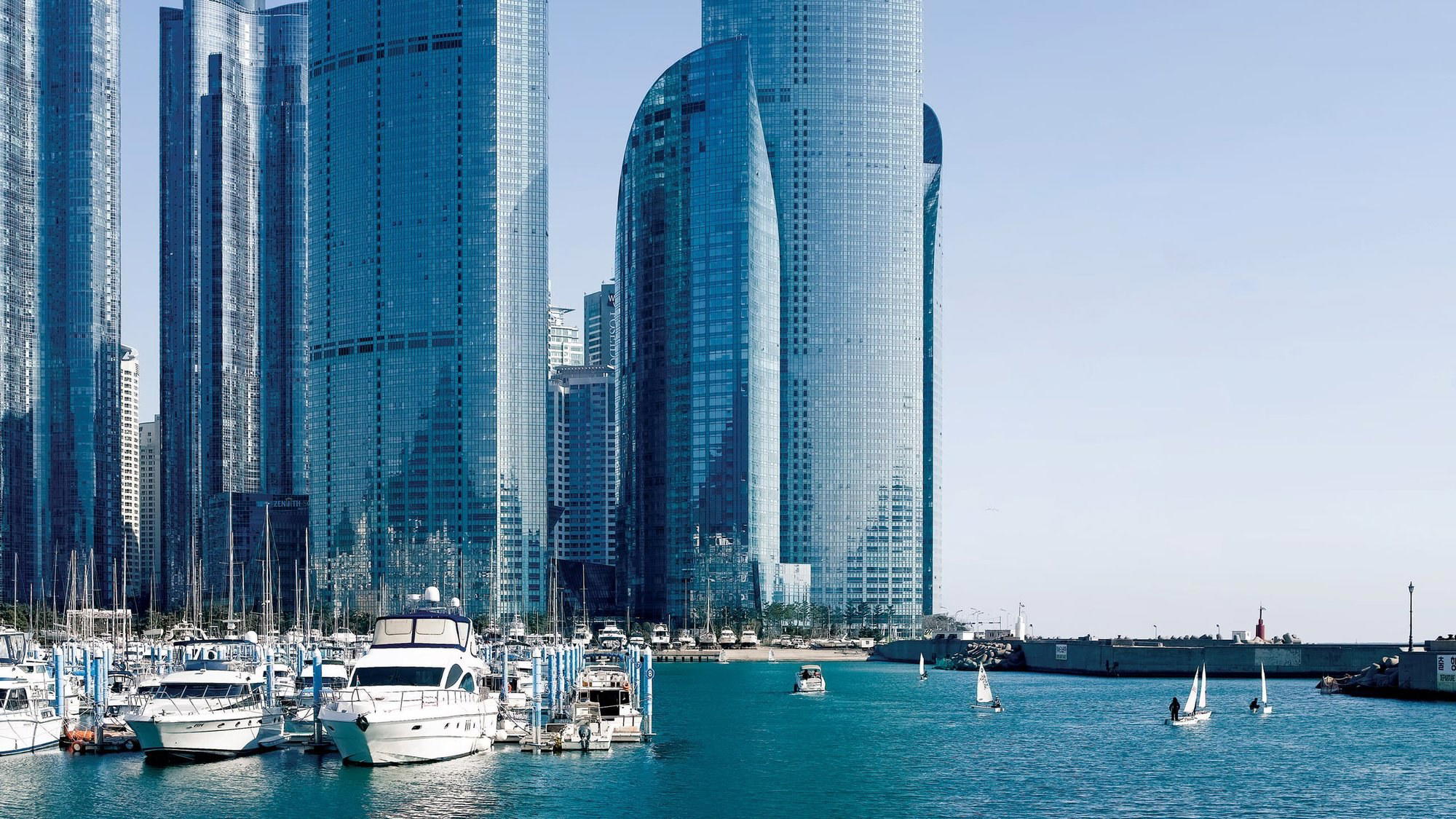
Bustling and popular spot with table-side grilling, cozy atmosphere suitable for groups, overlooking Gwangalli Beach coastal waters.