Ennea
Ennea occupies a quiet address in Lomas de Chapultepec, one of Mexico City's most established residential enclaves, where the dining room format and multi-course sequencing place it within the city's serious tasting-menu tier. The address alone signals a certain kind of ambition: away from the Polanco circuit, in a neighbourhood where restaurants earn their clientele through reputation rather than foot traffic.
 Discover on Pearl
Pearl is the En Primeur Club membership app — saves, bookings, and concierge access live there. Same editors, same standards.
- Address
- Monte Líbano 915, Lomas de Chapultepec II Secc, Miguel Hidalgo, 11000 Ciudad de México, CDMX, Mexico
- Phone
- +525512275346
- Website
- linktr.ee
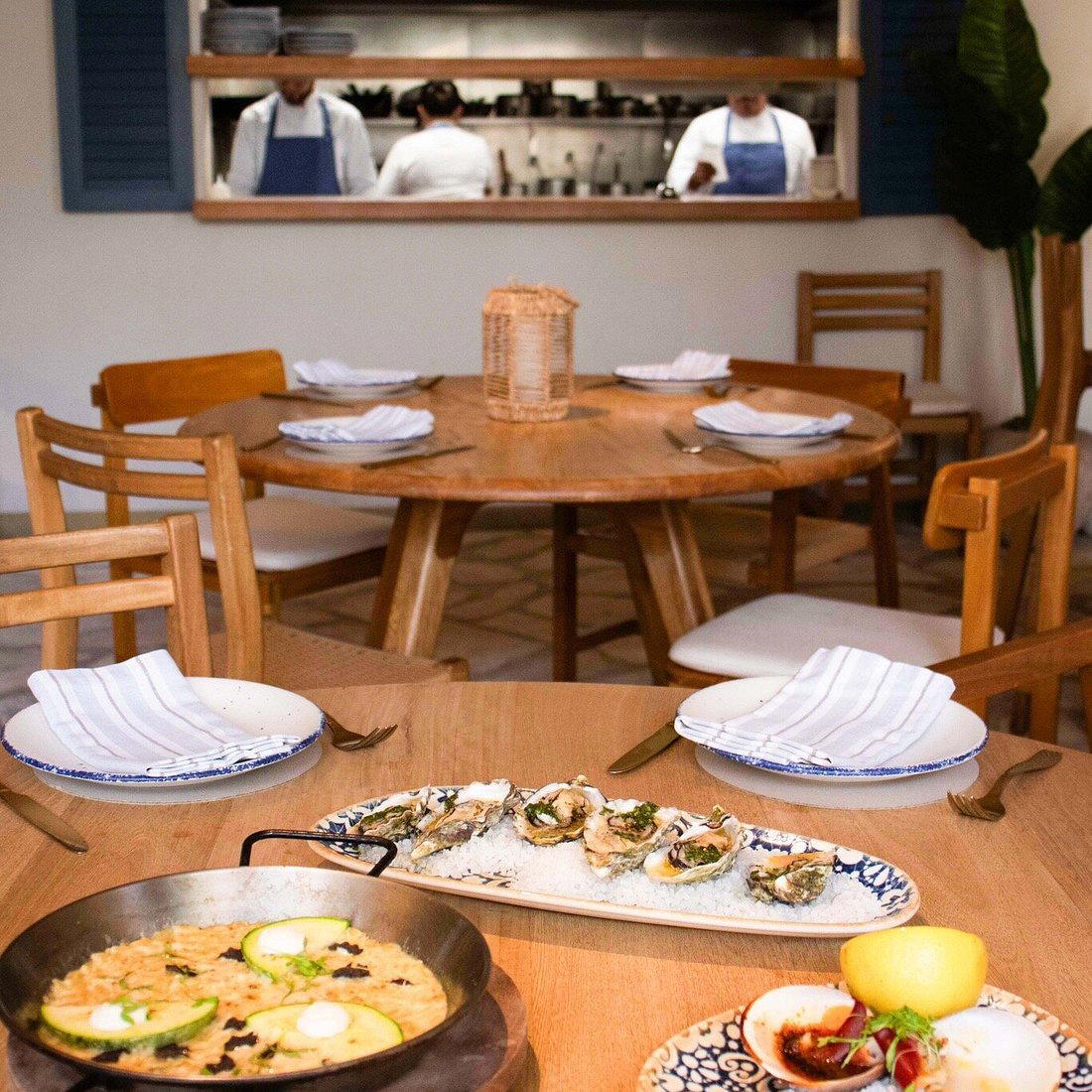
Lomas de Chapultepec and the Geography of Serious Dining
Ennea is a Greek Mediterranean restaurant in Mexico City, with a 4.2 Google rating and recommended reservations. While Polanco addresses, and the names along them, from Pujol to Quintonil, carry most of the international press, the city's residential western neighbourhoods have developed their own tier of considered dining. Lomas de Chapultepec, where Monte Líbano runs through the second section of the colonia, is that kind of address: old-money calm, architecturally dense, and largely invisible to the tourist circuit. Restaurants that open here are not chasing walk-in volume. They are building a local clientele that already knows what it wants.
Ennea sits at Monte Líbano 915 in that context. The Miguel Hidalgo borough places it west of Bosque de Chapultepec and well outside the concentrated dining zones that guide most visitors. For the reader deciding how to spend a serious evening in Mexico City, the location alone communicates something about the expected format: this is a destination restaurant in the literal sense, one you travel to with intent.
The Structure of the Meal: Tasting Menus and What They Signal
Mexico City's upper dining tier has largely consolidated around the multi-course format. Pujol's tasting counter, Quintonil's seasonal progression, and mid-tier operators like Em all use sequenced menus as the primary vehicle for communicating culinary identity. The format disciplines both the kitchen and the diner: ingredient sourcing decisions are visible across courses, flavour progressions are deliberate, and the pacing of a two- to three-hour meal becomes part of the experience rather than incidental to it.
Within that framework, the narrative arc of a tasting menu matters as much as any individual course. The best-executed versions in Mexico City tend to move from restrained, acidic, or raw openings through richer mid-section courses before landing on something that either recalls an early flavour or introduces a contrast that reframes the whole sequence. This is a structural logic borrowed partly from the European fine-dining tradition and partly from the way Mexican cooking already sequences flavour, lighter antojitos before heavier guisos, broths before moles, in everyday contexts.
Ennea's name, Greek for nine, suggests a fixed-count structure. The number itself has become a minor motif across tasting-menu culture globally: enough courses to build genuine narrative arc, few enough to avoid the fatigue that longer menus can produce. Whether the count remains literal or has evolved operationally, the naming signals that sequencing and number have been considered as design elements, not afterthoughts.
Placing Ennea in the City's Competitive Tier
The relevant comparable set for a tasting-menu restaurant in Lomas de Chapultepec is not defined by neighbourhood alone. Across Mexico City, the creative-format dining tier includes addresses with varying price points and approaches: Rosetta in Roma Norte operates at a more accessible price bracket with Italian-leaning creative cooking; Sud 777 in Pedregal has built a longer track record with contemporary Mexican technique. Beyond the capital, Mexico's serious dining circuit now extends to Animalón in Valle de Guadalupe, Le Chique in Puerto Morelos, and Alcalde in Guadalajara, all of which demonstrate that the country's tasting-menu culture is now genuinely national rather than Mexico City-centric.
What positions a restaurant within that broader conversation is not address or price alone but the coherence of its sequencing, the sourcing rigour behind each course, and the degree to which the menu reads as a considered argument rather than a collection of dishes. Ennea's Lomas location and format place it within the city's quieter serious-dining tier, not the internationally publicised bracket occupied by Pujol or Quintonil, but operating with the same underlying assumption that the meal is the primary communication.
That positions it alongside a global pattern of mid-scale tasting formats that prioritise precision over spectacle. Internationally, venues like Lazy Bear in San Francisco have demonstrated that the format can operate with strong identity outside fine-dining's most formal register. In Mexico, KOLI Cocina de Origen in Monterrey, Levadura de Olla in Oaxaca, and HA' in Playa del Carmen each make the case that serious sequenced cooking does not require a capital city address.
The Neighbourhood as Context for the Experience
Lomas de Chapultepec II Secc is not a dining neighbourhood in the conventional sense. It does not have the bar-to-restaurant density of Condesa, the gallery-adjacent foot traffic of Roma Norte, or the hotel concentration of Polanco. What it has is a residential stability that shapes the dining room atmosphere in ways those areas cannot replicate. Tables here are more likely to be occupied by regulars making considered bookings than by visitors working through a city checklist.
That demographic shapes the pace and tone of service in tasting-menu formats specifically. When a dining room is built around repeat visitors with shared reference points, the kitchen can take more risks across the arc of the menu, and the front-of-house can calibrate the rhythm of the evening with more precision. It is a different contract between restaurant and guest than the one operating in high-traffic tourist zones, and it tends to produce a more focused meal.
For the Mexico City visitor constructing a serious dining itinerary, the western residential belt rewards planning. The full Mexico City restaurants guide covers the broader picture, including how to sequence evenings across the city's distinct dining zones. Addresses in Lomas, Tecamachalco, and the surrounding colonias represent a different register from the central circuit, and they repay the logistical effort of getting there.
Planning Your Visit
The dining room at Monte Líbano 915 is a deliberate destination. The Miguel Hidalgo location is most practically reached by car or rideshare rather than on foot from central hotel zones. Reservations are recommended. Format: Greek Mediterranean. Budget: price tier 3. Timing: Mon to Fri 1:30 to 10:30 PM; Sat 9 AM to 10:30 PM; Sun 9 AM to 8 PM. For broader context on comparable Mexico City tasting experiences, see also Pangea in San Pedro Garza García, Arca in Tulum, Olivea Farm to Table in Ensenada, and Lunario in El Porvenir for the range of formats operating across Mexico's serious dining tier. International benchmarks at Le Bernardin in New York City illustrate where the global tasting-menu format anchors its highest register.
Booking and Cost Snapshot
Comparable venues nearby, for context on price, style, and recognition.
| Venue | Cuisine | Price | Awards | Notes |
|---|---|---|---|---|
| EnneaThis venue — the venue you are viewing | $$$ | , | ||
| Carolo Bosques | $$$ | , | La Puntada, International Mediterranean Contemporary | |
| Tres - Lomas | Lomas Virreyes, Franco-Mediterranean | $$$$ | , | |
| Eloise Chic Bistrot | Lomas Virreyes, Modern French Bistro | $$$ | , | |
| Blanco Castelar | $$$ | , | Polanco Chapultepec, Mexican-European Fusion | |
| Estoril | $$$ | , | Polanco Chapultepec, French-Oaxacan Fusion |
Continue exploring
More in Mexico City
Restaurants in Mexico City
Browse all →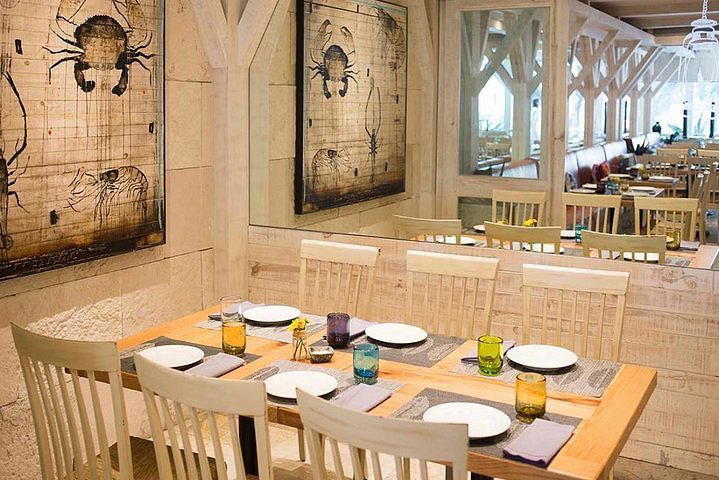
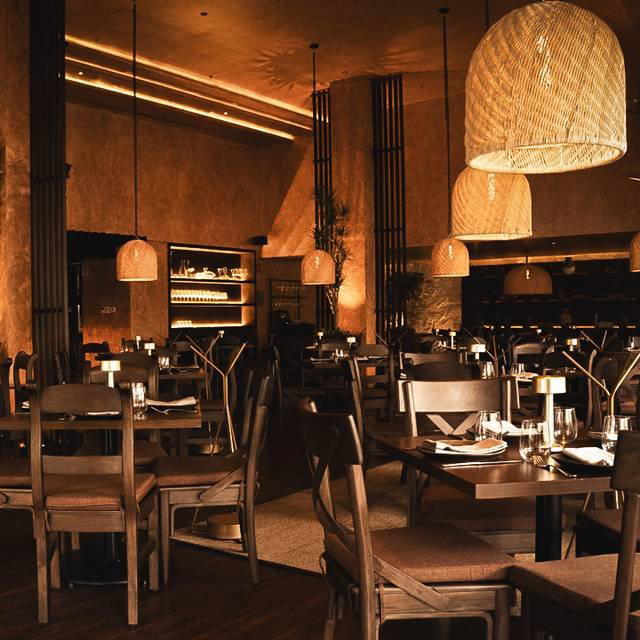
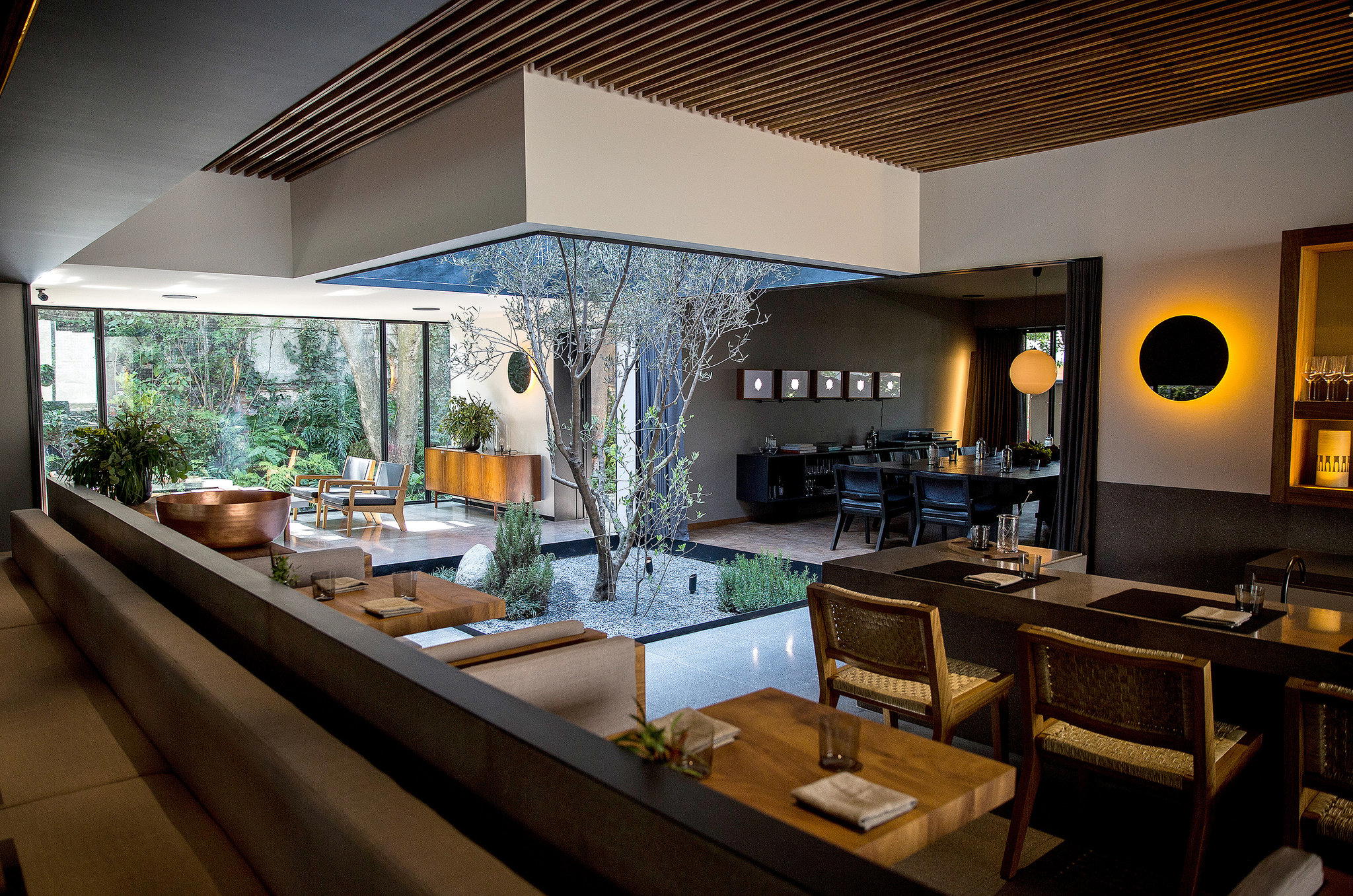
Bars in Mexico City
Browse all →
At a Glance
- Cozy
- Intimate
- Elegant
- Date Night
- Casual Hangout
- Courtyard
- Terrace
- Craft Cocktails
- Extensive Wine List
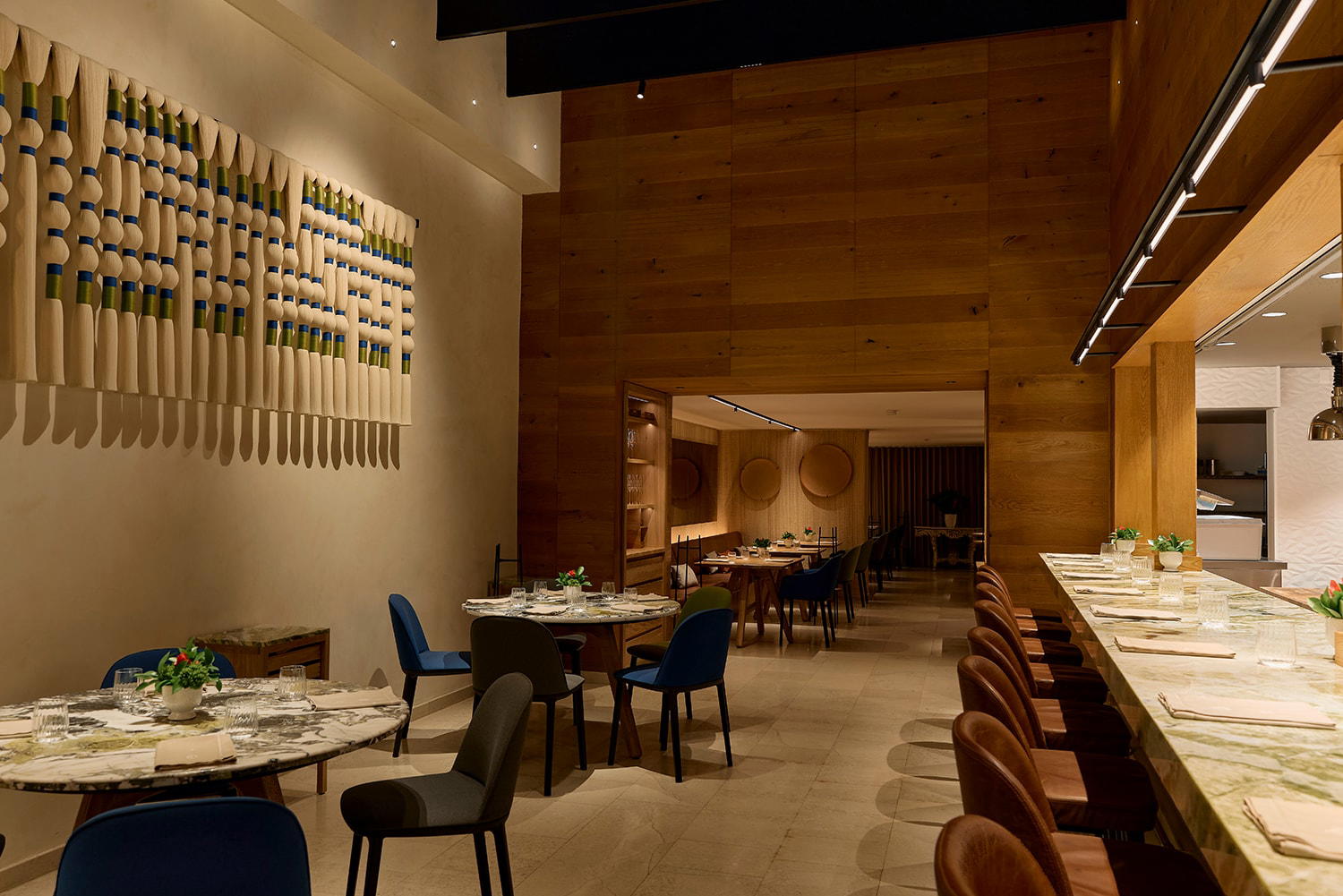
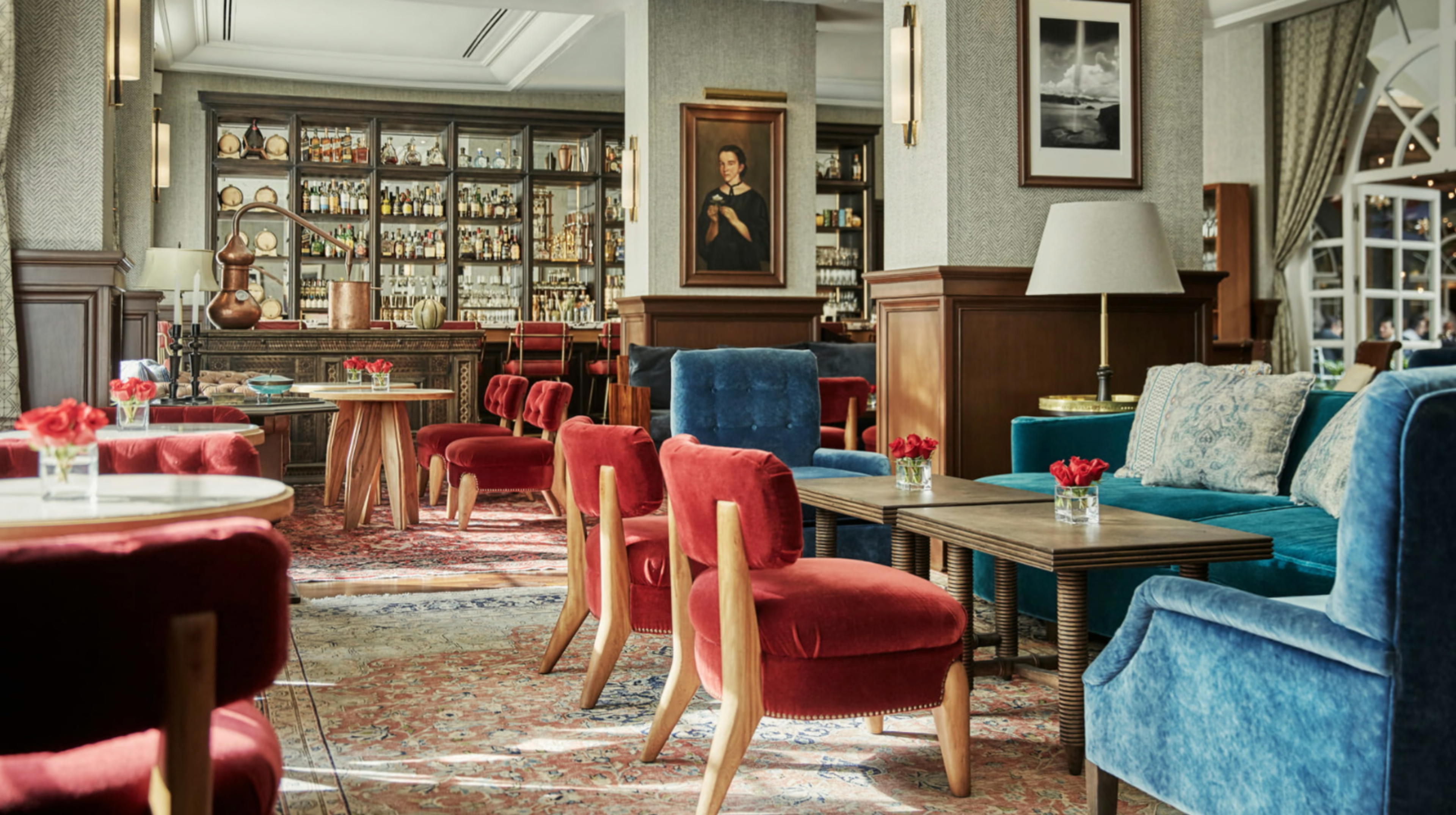
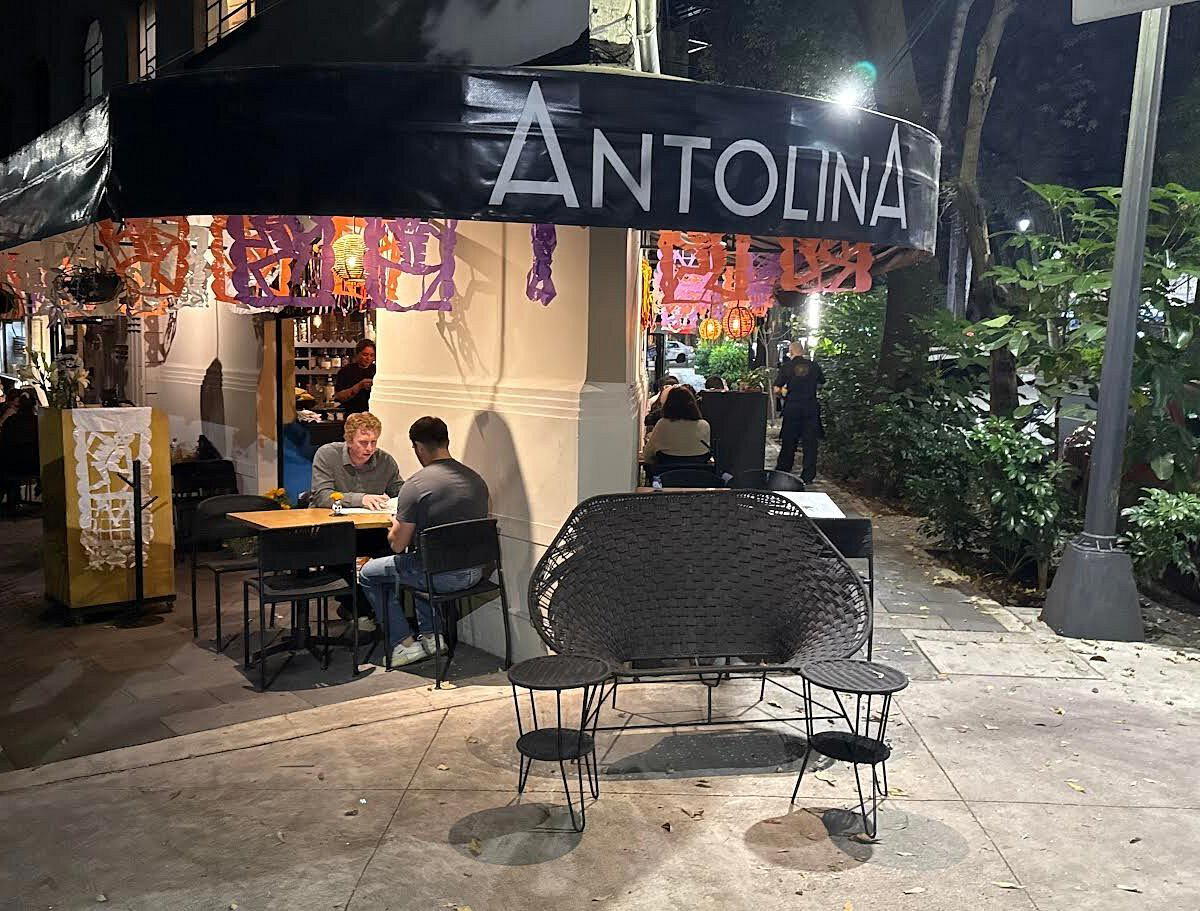
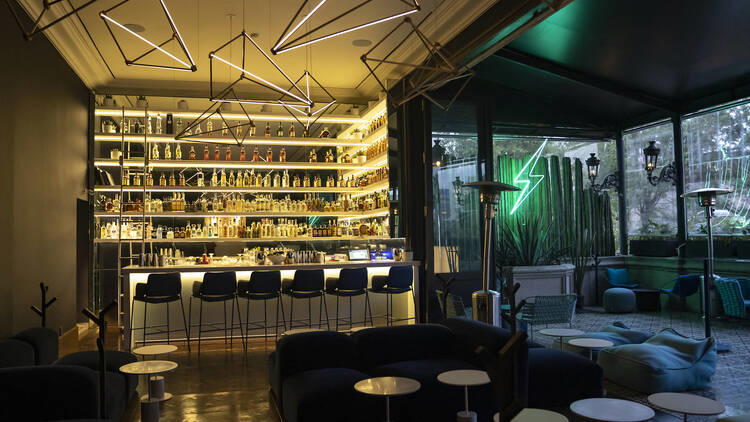
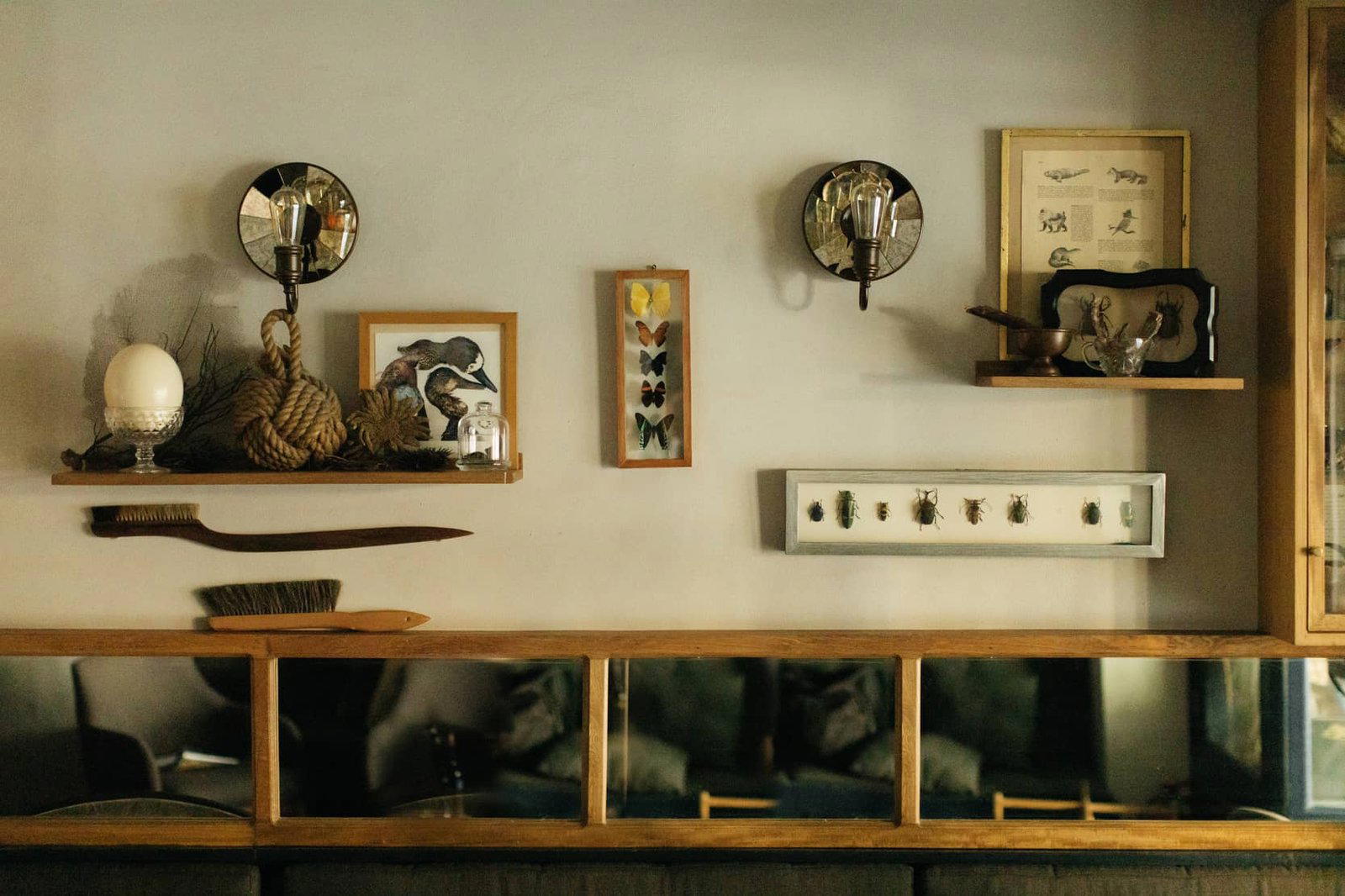
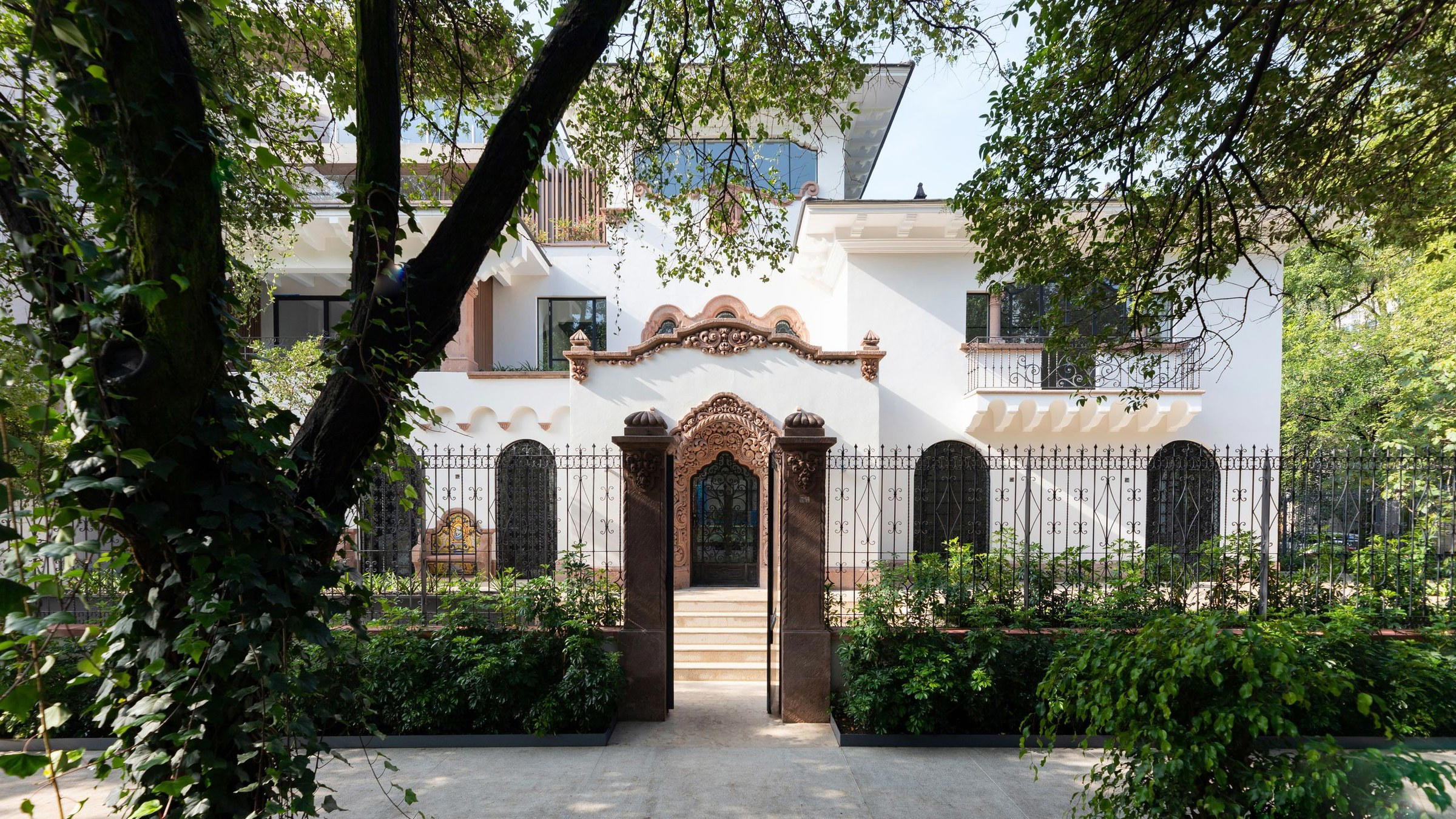
Cozy and intimate atmosphere with a beautifully decorated patio evoking the Aegean Sea.