Eloise Chic Bistrot
Eloise Chic Bistrot pairs modern French bistro cooking with an extensive wine list and a conversational, smart-casual room for leisurely lunches or dinners.
Pearl is the En Primeur Club membership app — saves, bookings, and concierge access live there. Same editors, same standards.
- Address
- Monte Everest 630, Lomas de Chapultepec VI Secc, Miguel Hidalgo, 11000 Ciudad de México, CDMX, Mexico
- Phone
- +525574977921
- Website
- opentable.com
- Directions
- Get directions
 Saves & bookings on Pearl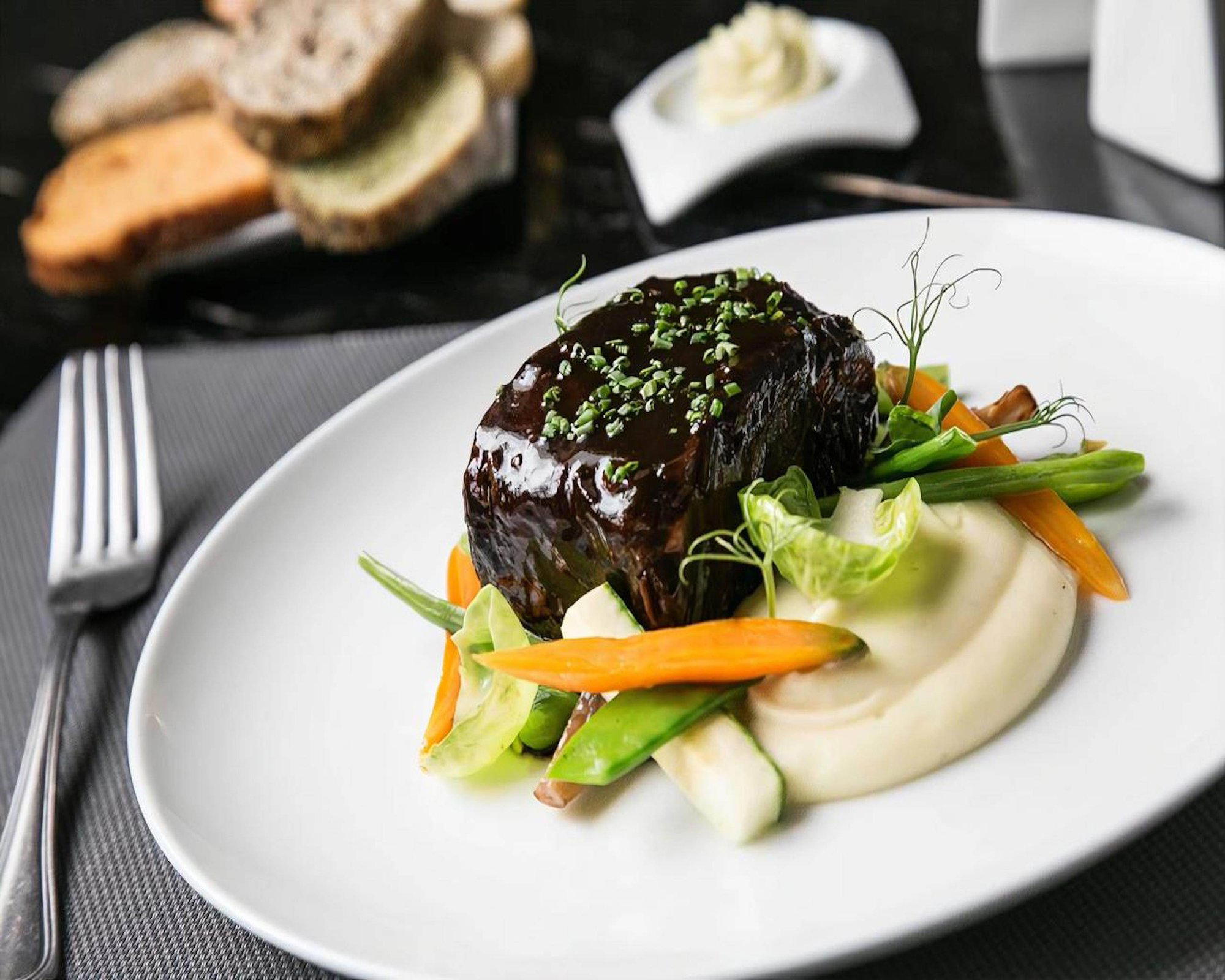
Lomas de Chapultepec and the French-Inflected Bistro Tradition in Mexico City
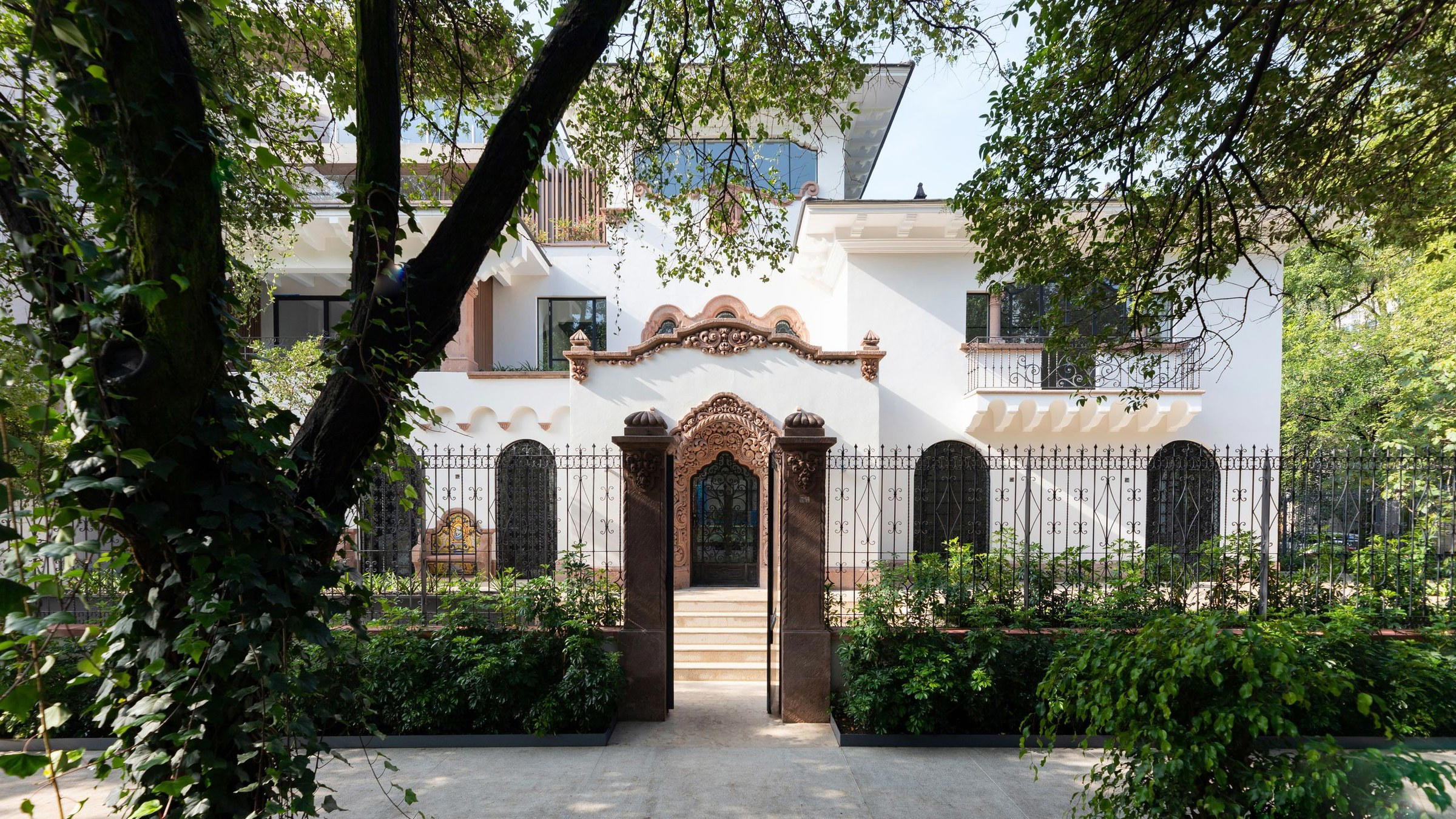
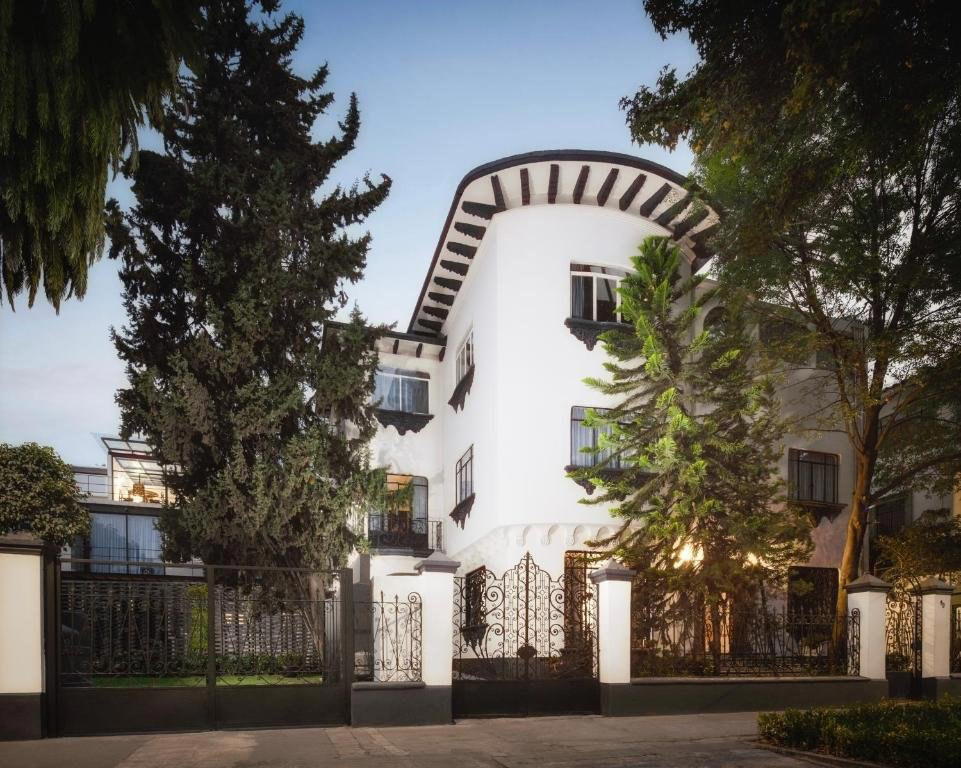
The colonia of Lomas de Chapultepec has long occupied a particular register in Mexico City dining. Its wide, tree-lined streets and residential scale attract a clientele that tends to return to the same tables over years rather than chase the latest opening in Condesa or Roma. The bistro format fits that rhythm naturally: a room that feels neither celebratory nor hurried, where the point is the meal itself and the company around it. Eloise Chic Bistrot is a Modern French Bistro in Lomas de Chapultepec VI Secc, Mexico City, with. It operates inside that tradition. The address alone signals a neighborhood that rewards knowing rather than stumbling upon.
Across Mexico City, the French-influenced bistro sits in an interesting position relative to the headline destinations. Where Pujol and Quintonil operate at the upper edge of the contemporary Mexican canon, and where Rosetta has established a credible Italian-creative identity in Roma Norte, the bistro format appeals to a different kind of loyalty. It is not destination dining in the press-cycle sense. It is dining built around consistency, a familiar room, and a menu that rewards the person who orders the same thing every third visit because they know exactly how it arrives. That model is harder to sustain in a city as trend-driven as Mexico City, which makes it the more interesting editorial subject.
The Room and What It Signals
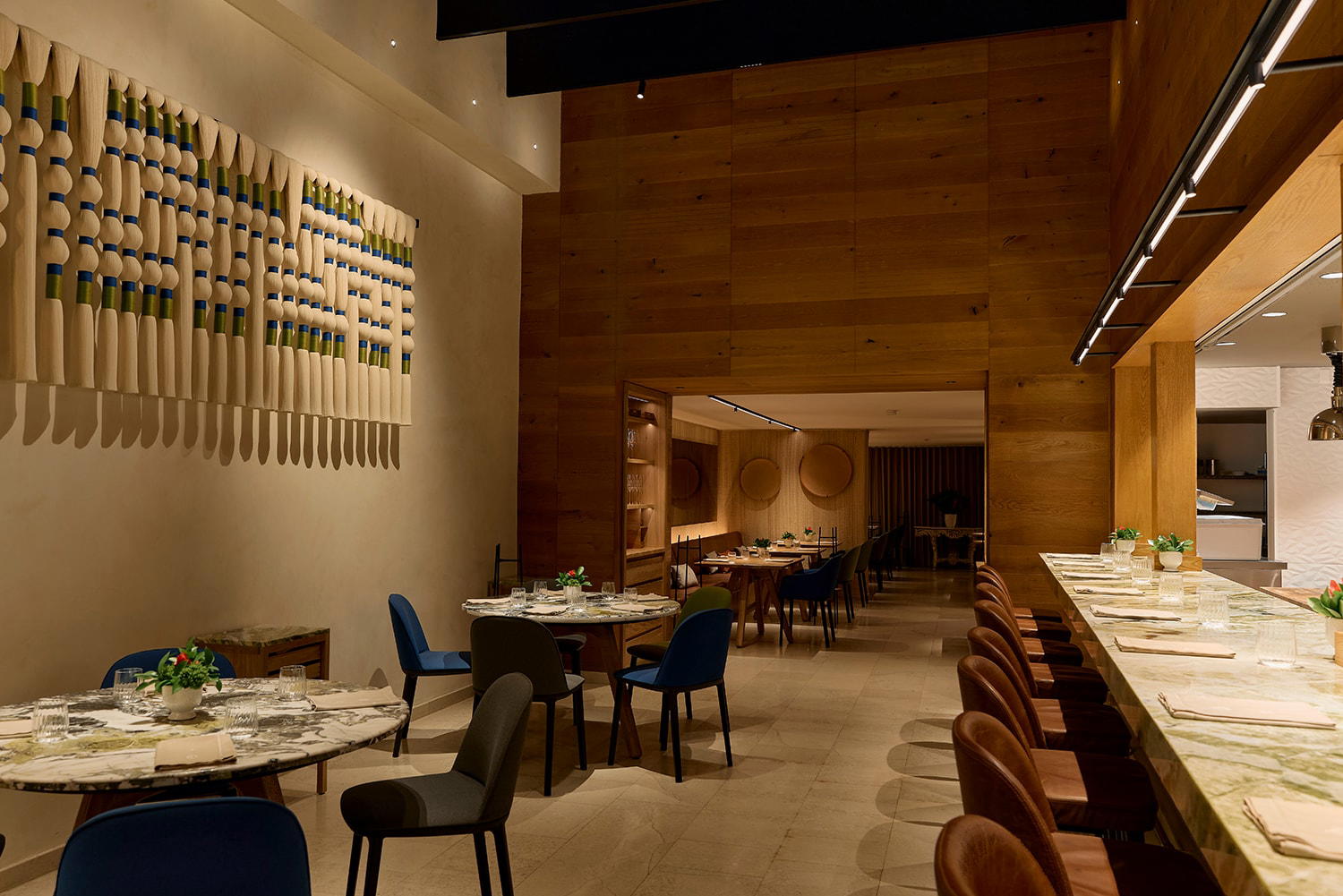
The physical approach to Eloise reads as intentionally residential. Lomas de Chapultepec is not a dining district in the way that Polanco is, with its international hotel restaurants and corporate expense accounts, nor does it carry the creative density of Condesa. A French bistro sensibility in this setting tends toward warm light, close-set tables, and a room that fills with people who already know each other. That social texture, regulars greeting each other across the room, the staff knowing a table's preferences before they order, is the actual product in this category. The food is the occasion; the familiarity is the reason to return.
This contrasts meaningfully with Mexico City's more architecturally demonstrative openings. The bistro format in Lomas de Chapultepec is not in conversation with the design-led restaurants drawing international press attention. It is in conversation with Paris's arrondissement bistros, the ones that have survived gentrification because the regulars simply never left. That is the competitive comparable set here: restaurants where the longevity of the relationship between guest and table matters more than the novelty of any individual dish.
Mexico City's Bistro Category in Context
Within the broader Mexico City dining scene, the bistro category occupies a middle tier that is often underwritten by editorial coverage focused on the flagships. Em operates in a more explicitly tasting-menu format; Sud 777 occupies a creative-cuisine register that positions it differently. The bistro, by contrast, is defined partly by what it refuses to be: it does not need a theatrical presentation, a printed narrative on the plate, or a signature dish that travels on social media. It needs a room that works, a kitchen that executes reliably, and a guest base that has decided to make it theirs.
This format survives in cities with strong neighborhood identities. Lomas de Chapultepec provides that. The colonia's relative distance from the tourist circuits of Polanco and the expat density of Condesa means the clientele is predominantly local and residential. That insulates the bistro format from the cycle of hype and abandonment that affects restaurants in higher-footfall areas. Whether that insularity translates into a wider reputation is a separate question, but for the regulars, it is precisely the point.
For context on the broader Mexican dining scene beyond the capital, properties such as Animalón in Valle de Guadalupe, Le Chique in Puerto Morelos, and Alcalde in Guadalajara each demonstrate how different regional contexts shape what a kitchen can commit to. The Lomas bistro sits at the opposite end of the attention spectrum from those names, and that is a feature, not a deficiency.
What the Regulars Know
In bistro dining, the real menu is not the printed one. It is the accumulation of small knowledge: which table has the better light in the afternoon, which dish the kitchen sends out with more care on a quiet Tuesday, which server will remember that you prefer the wine poured early. That institutional knowledge accrues over visits, not over a single dinner. The regular at a bistro like Eloise has already made the calculation that the reliable experience is more valuable than the novel one. This is a minority position in a city that generates as many new openings as Mexico City does, but it is a durable one.
The broader Mexican restaurant scene includes highly publicized formats at Arca in Tulum, HA' in Playa del Carmen, Levadura de Olla in Oaxaca, and KOLI Cocina de Origen in Monterrey. Each of those is built around a specific identity statement. The bistro in Lomas operates on a different logic, one closer to the neighborhood restaurant model found in Paris's 11th or London's Islington: the goal is to be the place people stop looking for alternatives.
Internationally, the comparison runs toward restaurants like Le Bernardin in New York City at the formal end and Lazy Bear in San Francisco at the communal end, both of which have built deep regular bases through consistent identity. The bistro format asks for neither the investment of a tasting menu nor the theatrical commitment of a supper club. It asks for the willingness to return.
Additional reference points across the country include Pangea in San Pedro Garza Garcia, Lunario in El Porvenir, and Olivea Farm to Table in Ensenada.
Planning Your Visit
Address: Monte Everest 630, Lomas de Chapultepec VI Secc, Miguel Hidalgo, 11000 Ciudad de México, CDMX. Reservations: essential. Dress: smart-casual. Budget: about $50 per person.
City Peers
Comparable venues nearby, for context on price, style, and recognition.
| Venue | Cuisine | Price | Notes |
|---|---|---|---|
| Eloise Chic BistrotThis venue — the venue you are viewing | Modern French Bistro | $$$ | Not listed |
| Cluny | French Bistro & Creperie | $$$ | Chimalistac |
| Margot | Franco-Italian Bistro | $$$ | Nva Anzures |
| Au Pied de Cochon | 24-hour Traditional French Brasserie | $$$ | Polanco |
| L' Entrecote Polanco | Classic French Steak Frites Bistro | $$$ | Polanco Chapultepec |
| Casa Ó | French with Mexican Accents | $$$ | Lomas Virreyes |
Continue exploring
More in Mexico City
Restaurants in Mexico City
Browse all →
Bars in Mexico City
Browse all →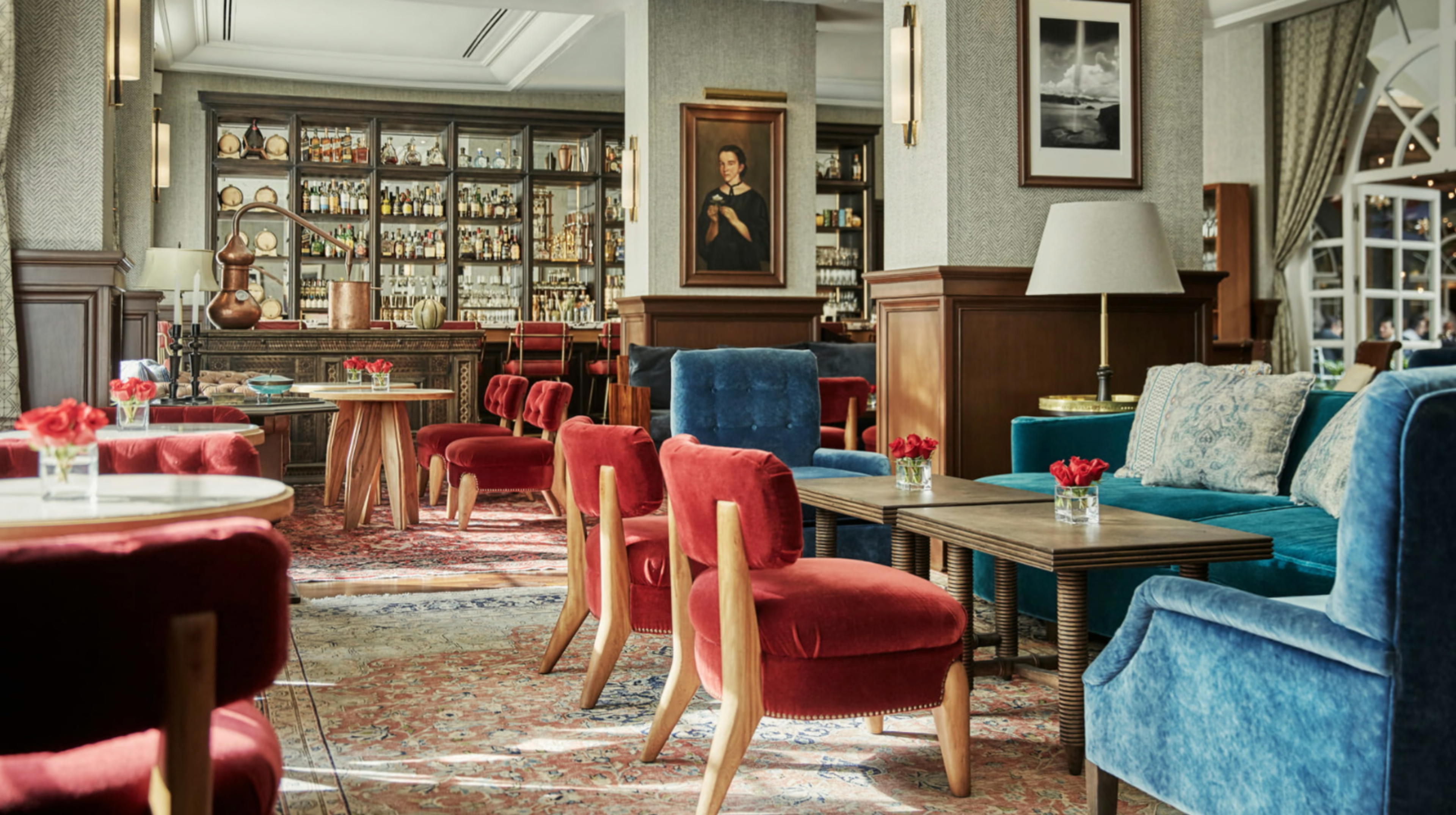
At a Glance
- Elegant
- Cozy
- Romantic
- Sophisticated
- Date Night
- Special Occasion
- Open Kitchen
- Extensive Wine List
Current opening hours
- Monday
- 1:30–11 PM
- Tuesday
- 1:30–11 PM
- Wednesday
- 1:30–11 PM
- Thursday
- 1:30–11 PM
- Friday
- 1:30–11 PM
- Saturday
- 1:30–11 PM
- Sunday
- 1:30–6 PM
Hours can change for holidays and private events. Last verified .
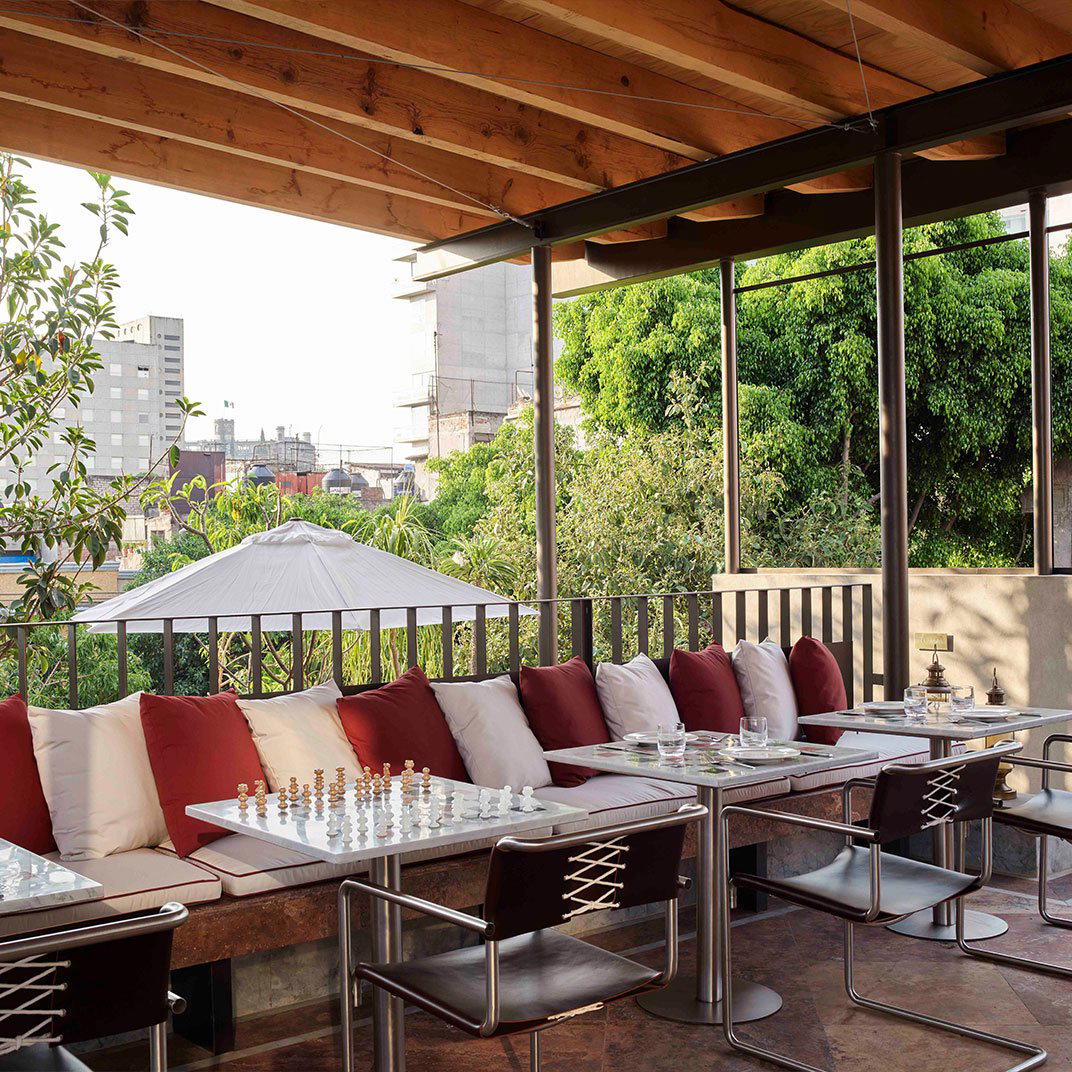
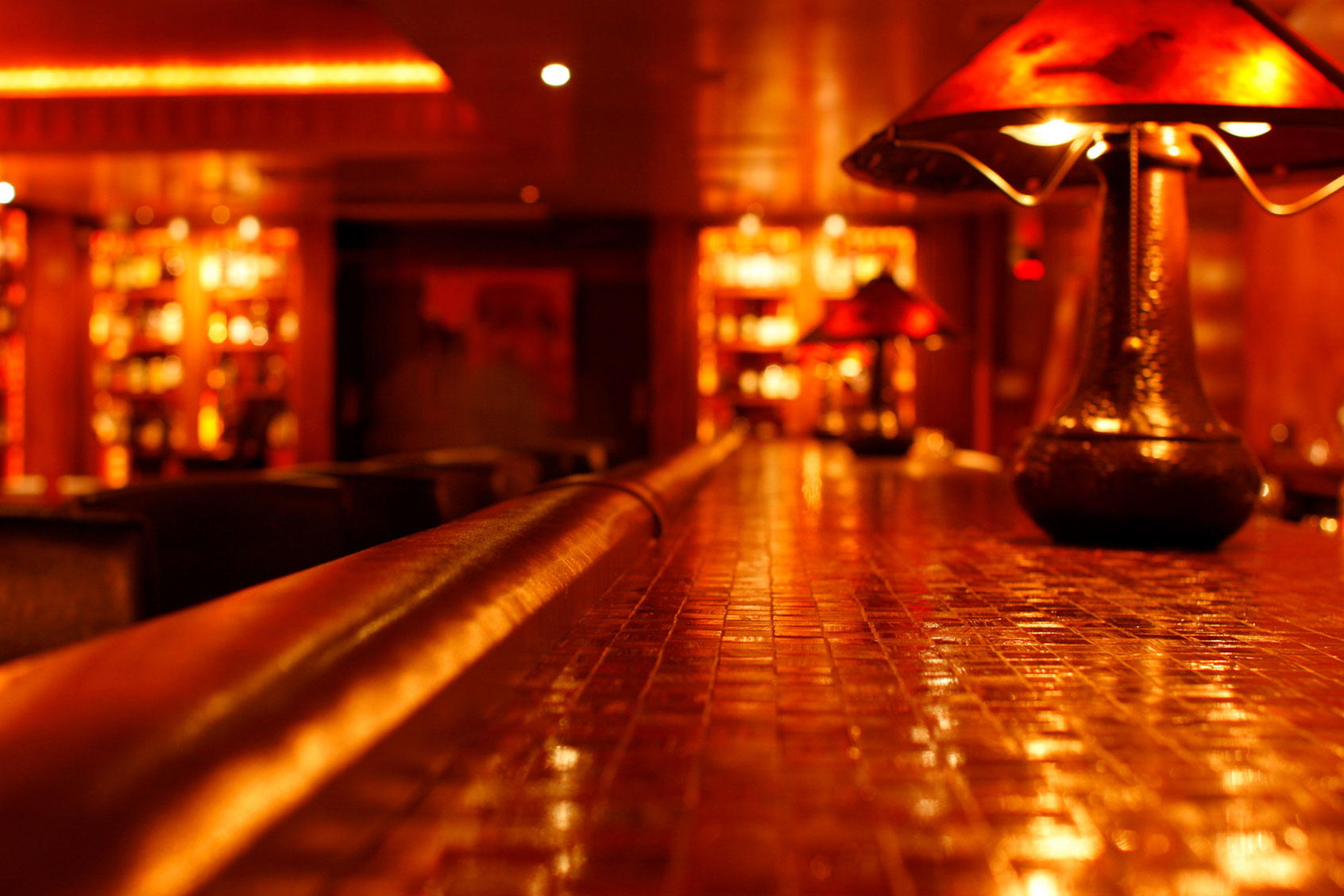
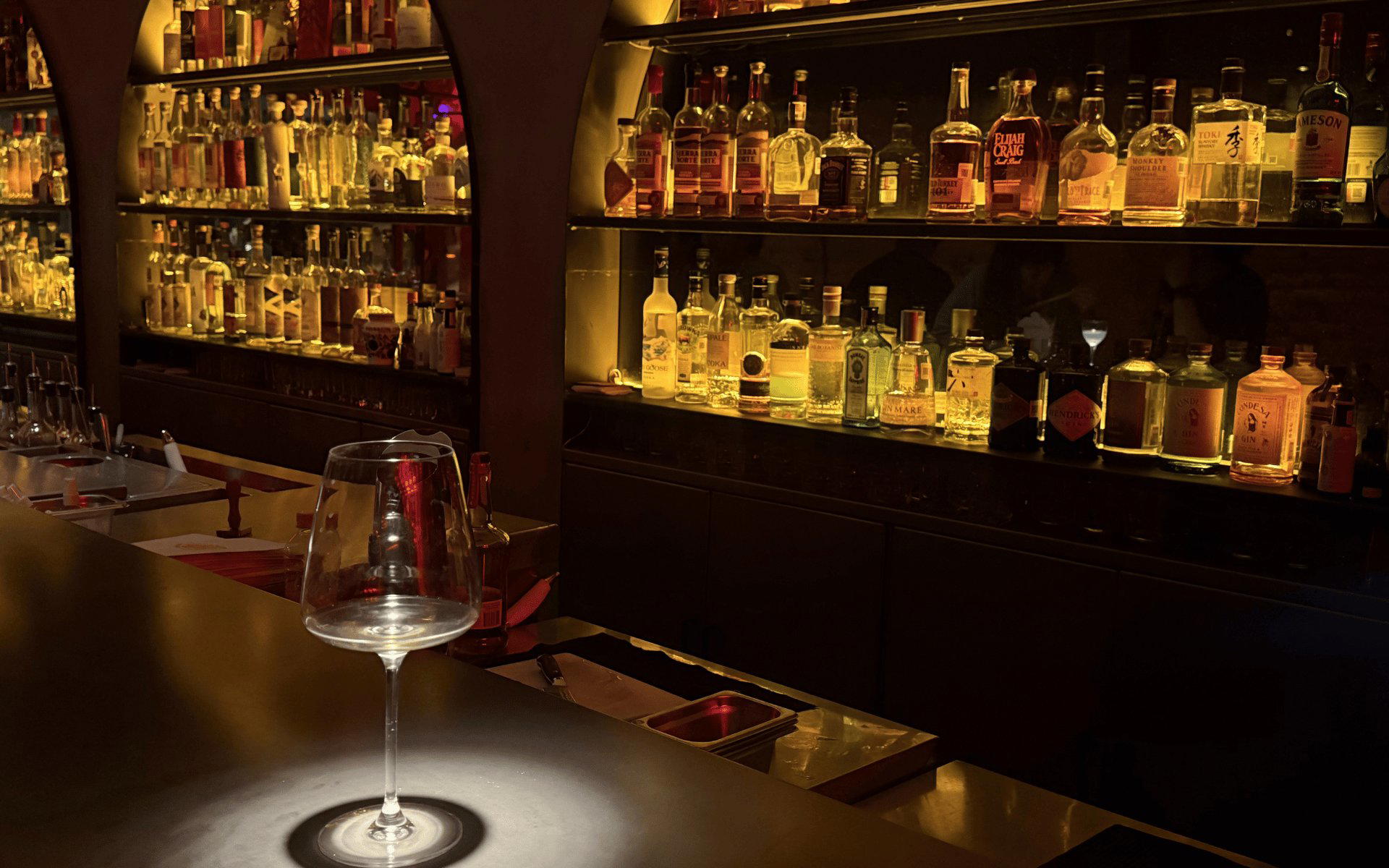
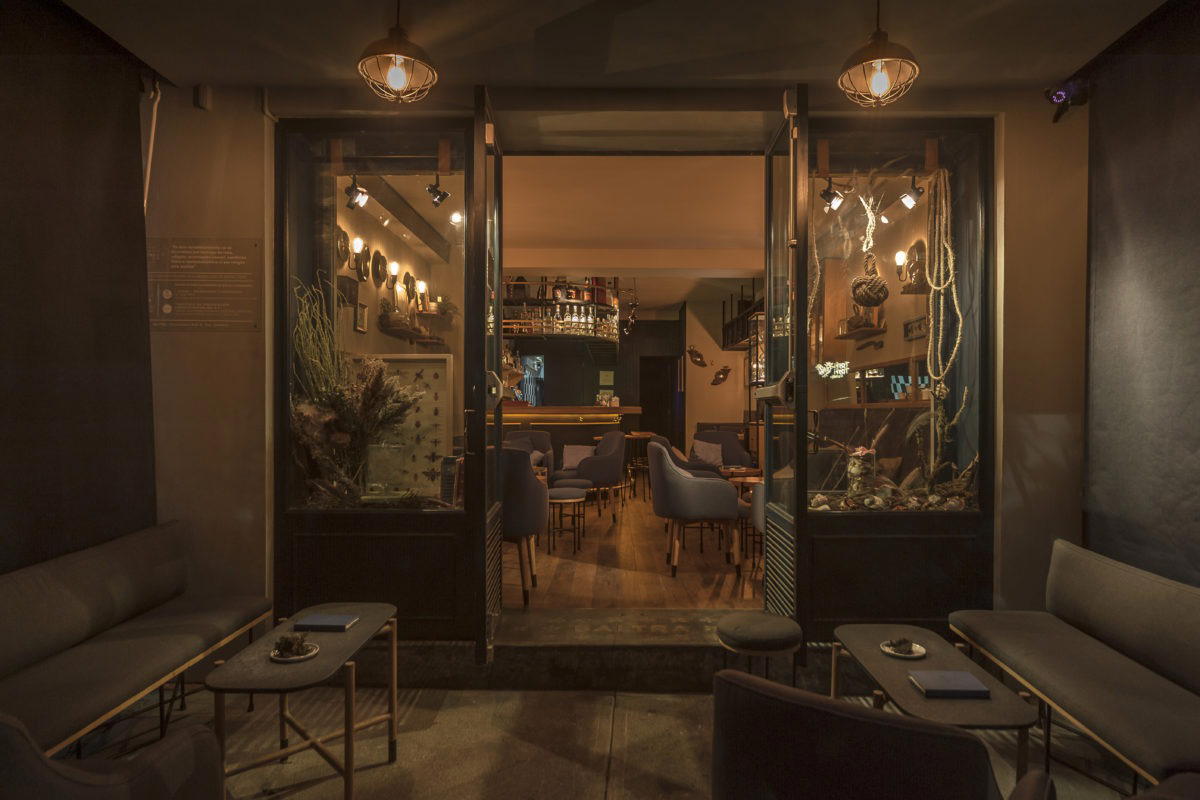
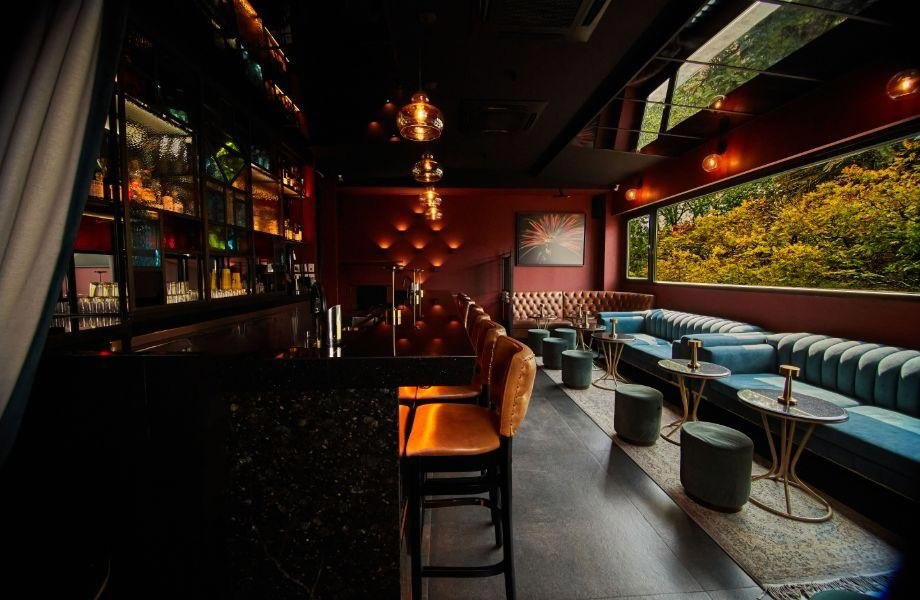
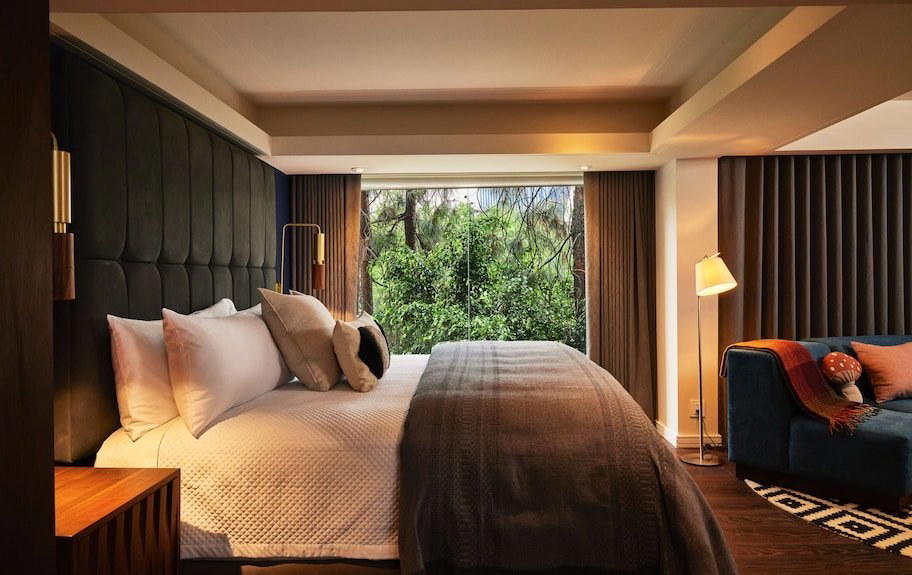
Contemporary vintage space blending elegance with warmth, featuring soft ambient lighting, cozy seating, flowers, and neoclassical-inspired decor set to French music.