Blanco Castelar
Blanco Castelar occupies a measured, design-conscious position in Polanco, one of Mexico City's most competitive dining corridors. The address on Avenida Emilio Castelar places it within walking distance of several of the city's most discussed restaurants, making it a natural candidate for neighbourhood comparison. Its name suggests a spare, light-driven aesthetic that aligns with the cleaner-lined end of contemporary Mexican hospitality.
Pearl is the En Primeur Club membership app — saves, bookings, and concierge access live there. Same editors, same standards.
- Address
- Av. Emilio Castelar 163, Polanco, Polanco III Secc, Miguel Hidalgo, 11550 Ciudad de México, CDMX, Mexico
- Phone
- +525550270321
- Website
- grupocarolo.com.mx
- Directions
- Get directions
 Saves & bookings on Pearl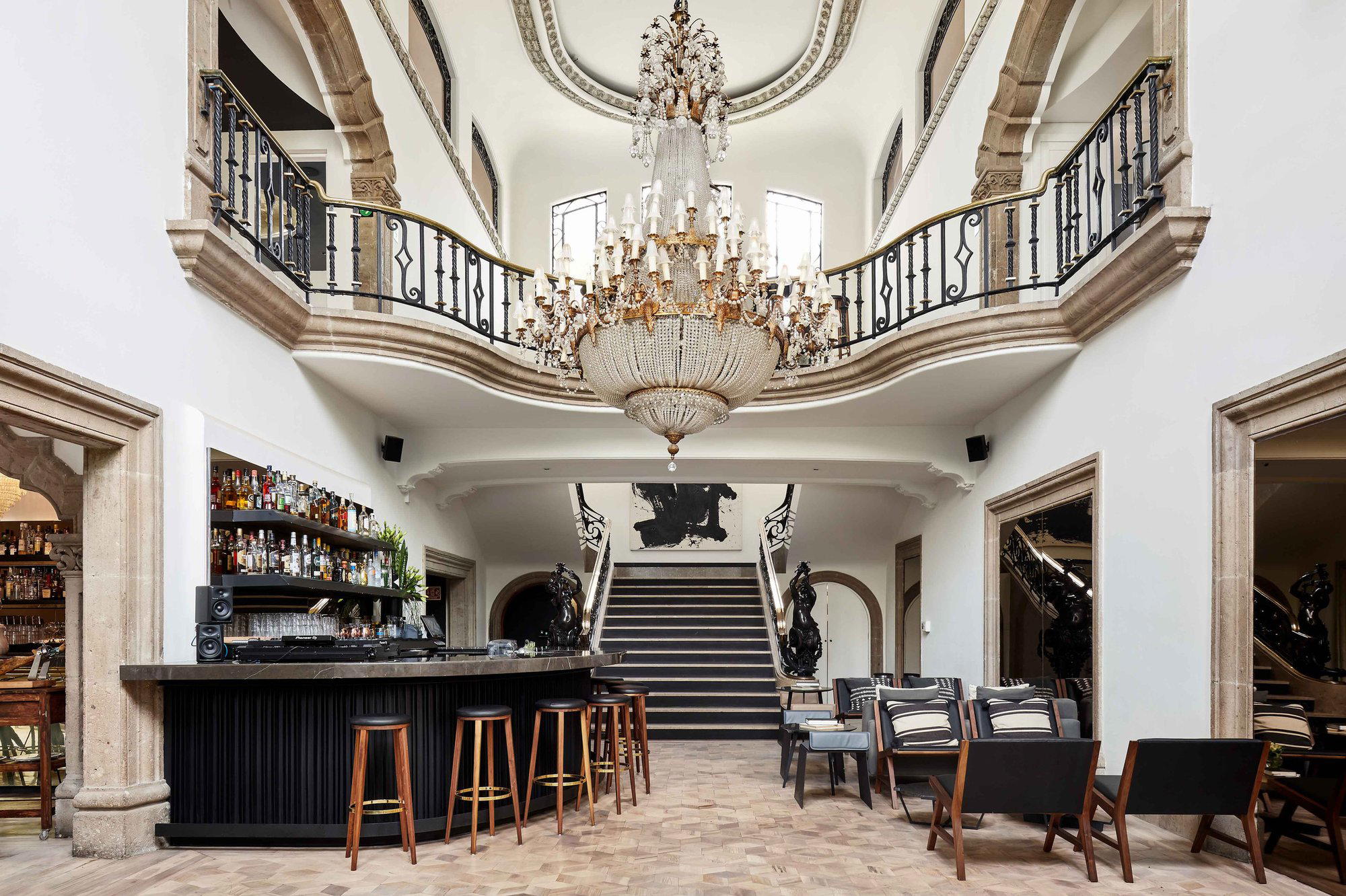
Polanco's Spatial Grammar: Where Blanco Castelar Fits
Between Presidente Masaryk and the quieter residential blocks to the south, the avenue holds a concentration of restaurants that span price tiers, formats, and culinary references. At the upper end of that spectrum sit destinations with international recognition, Pujol and Quintonil have defined what four-course tasting ambition looks like in this neighbourhood. Blanco Castelar at number 163 operates within sight of that conversation.
Polanco's dining identity has shifted considerably over the past decade. What was once a neighbourhood defined by continental European references, French service, Italian marble, white tablecloths performing a certain idea of luxury, has opened up to formats that compete on spatial intelligence rather than formality. The emergence of design-led rooms, chef's counters, and open kitchen arrangements throughout the colonias Miguel Hidalgo and Cuauhtémoc has redistributed what signals prestige. A spare, well-proportioned room now reads as a deliberate choice, not an absence of investment.
Blanco Castelar's name itself telegraphs that orientation. The Spanish adjective for white attached to the street name suggests an aesthetic programme built around restraint: light materials, deliberate negative space, a room that uses what it removes as much as what it installs. That design sensibility connects it to a broader movement across Mexico City's mid-to-upper dining tier, where the physical container is increasingly the first argument a restaurant makes about its intentions.
The Architecture of the Room
Mexico City has produced a recognisable school of restaurant interiors over the past fifteen years, one that draws on a combination of pre-Columbian material references, volcanic stone, unfinished concrete, clay, and the kind of rigorous minimalism associated with Tadao Ando or the Monterrey architecture programmes that trained a generation of Mexican designers. The result, when executed with discipline, is a room that feels simultaneously rooted and spare: the walls hold memory, the furniture holds almost nothing else.
The restaurant's Polanco address places it in a neighbourhood where real estate costs apply pressure to every square metre. The rooms that succeed here do so by making the constraint legible, by turning limited footprint into focused experience. Compared to the sprawling garden rooms of Rosetta in Roma Norte (see our Rosetta guide) or the open-air dining experiments further south, a Polanco interior has to work harder within its envelope. Natural light management, ceiling height, and the acoustic signature of the room all become more consequential when you cannot rely on outdoor space to absorb the energy of a busy service.
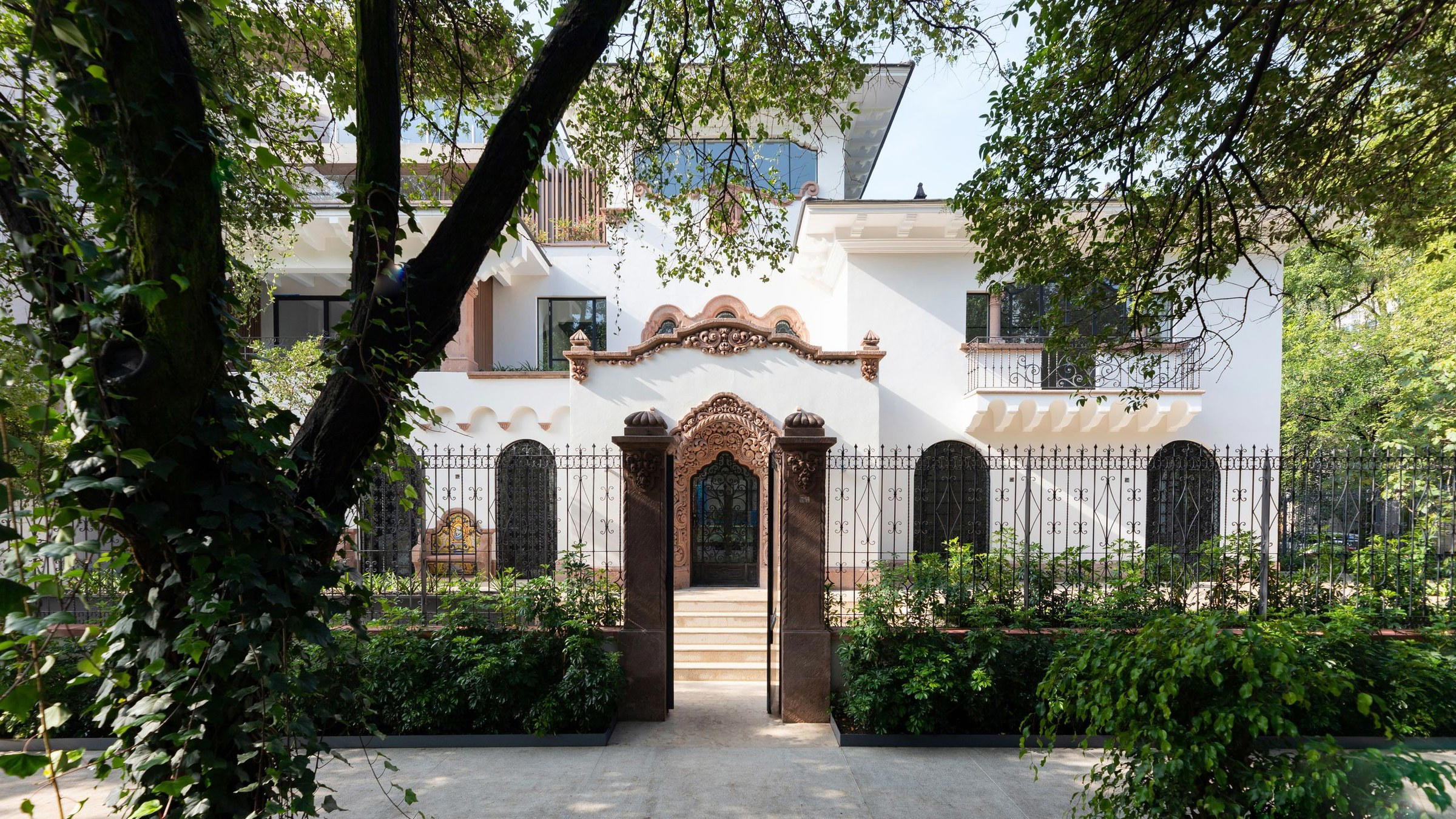
The Castelar address, a mid-rise commercial ground floor typical of the neighbourhood, involves a degree of architectural negotiation: shopfront glazing, variable ceiling heights, the challenge of creating intimacy in a space designed for visibility. How a restaurant responds to that brief is often more revealing than its menu. A room that handles those constraints well tends to produce the kind of focused dining environment that retains regulars rather than capturing tourists.
Neighbourhood Context and Competitive Position
Polanco is not a neighbourhood that forgives positioning errors. The dining density in the few blocks around Castelar means that guests are choosing actively between known quantities: a table at Em, a reservation at one of the tasting-menu counters, or something more casual that still justifies the Polanco price point. The restaurant's competitive set is not defined by cuisine type alone but by what price tier and format promise to deliver in this specific geography.
For context, the colonias immediately surrounding Polanco, Lomas de Chapultepec, Anzures, and the upper reaches of Condesa have each developed their own dining registers. Polanco itself skews toward the occasion-dining end of the spectrum, with a secondary layer of neighbourhood regulars who use the street as a reliable weekly or fortnightly option. That second group is the more demanding audience: they return often enough to notice inconsistency, and they compare across enough restaurants in the same corridor to have calibrated expectations about value, service rhythm, and spatial comfort.
Mexico City's broader restaurant culture in 2024 and into 2025 has been marked by a continued push toward creative Mexican cooking that draws on regional ingredient traditions without reducing them to folklore. Chefs from Oaxaca to Baja California have established reference points, Animalón in Valle de Guadalupe, Levadura de Olla in Oaxaca, KOLI Cocina de Origen in Monterrey, that capital-city restaurants now have to locate themselves relative to. A Polanco address is no longer a credentialling shortcut; what happens at the table has to justify the geography.
For readers exploring Mexico's wider dining geography, the EP Club guide covers destinations from Le Chique in Puerto Morelos and HA' in Playa del Carmen on the Caribbean coast to Alcalde in Guadalajara, Pangea in San Pedro Garza García, Olivea Farm to Table in Ensenada, Lunario in El Porvenir, and Arca in Tulum. For the full capital picture, the EP Club Mexico City restaurants guide covers the range of neighbourhoods and formats, from tasting-menu counters in Roma Norte to casual creative kitchens in Narvarte. International reference points for this calibre of dining include Le Bernardin in New York City and Lazy Bear in San Francisco, both of which define what focused, format-disciplined dining looks like at the summit of their respective markets. Sud 777 in Pedregal offers a useful Mexico City comparison point for design-conscious creative cooking at a similar tier.
Know Before You Go
Price Range: About USD 60 per person.
Same-City Peers
Comparable venues nearby, for context on price, style, and recognition.
| Venue | Cuisine | Price | Notes |
|---|---|---|---|
| Blanco CastelarThis venue — the venue you are viewing | Mexican-European Fusion | $$$ | Not listed |
| Cocina Abierta - Reforma | Multi-Cuisine Fusion | $$$ | Nva Anzures |
| Quinquela | Mexican-Italian-Argentine Bistro | $$$ | Centro Urbano Benito Juarez |
| Ling Ling Mexico | Modern Pan-Asian Izakaya | $$$$ | Nva Anzures |
| Maza Bistrot | Indian-French Fusion Bistro | $$$ | Juarez |
| Judas Cocina Migrante | Arab-Mexican Fusion | $$$$ | Roma Norte |
Continue exploring
More in Mexico City
Restaurants in Mexico City
Browse all →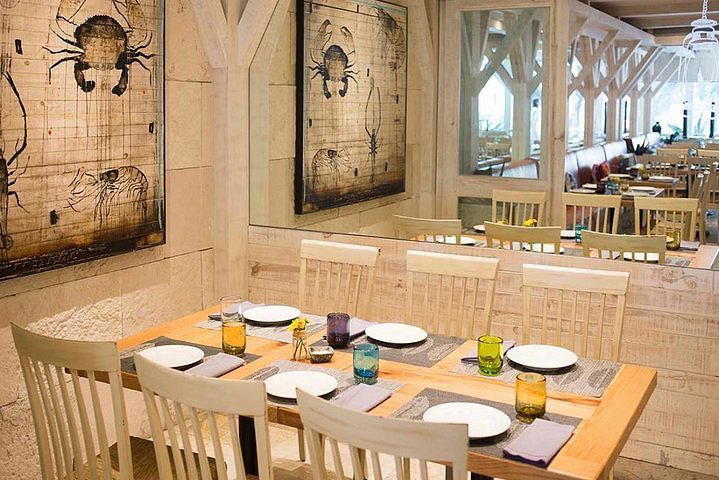
Bars in Mexico City
Browse all →
At a Glance
- Elegant
- Modern
- Sophisticated
- Cozy
- Date Night
- Group Dining
- Special Occasion
- Terrace
- Historic Building
- Extensive Wine List
- Craft Cocktails
Current opening hours
- Monday
- 1 PM–12 AM
- Tuesday
- 1 PM–12 AM
- Wednesday
- 1 PM–1 AM
- Thursday
- 1 PM–2 AM
- Friday
- 1 PM–2 AM
- Saturday
- 1 PM–2 AM
- Sunday
- 1–11 PM
Hours can change for holidays and private events. Last verified .
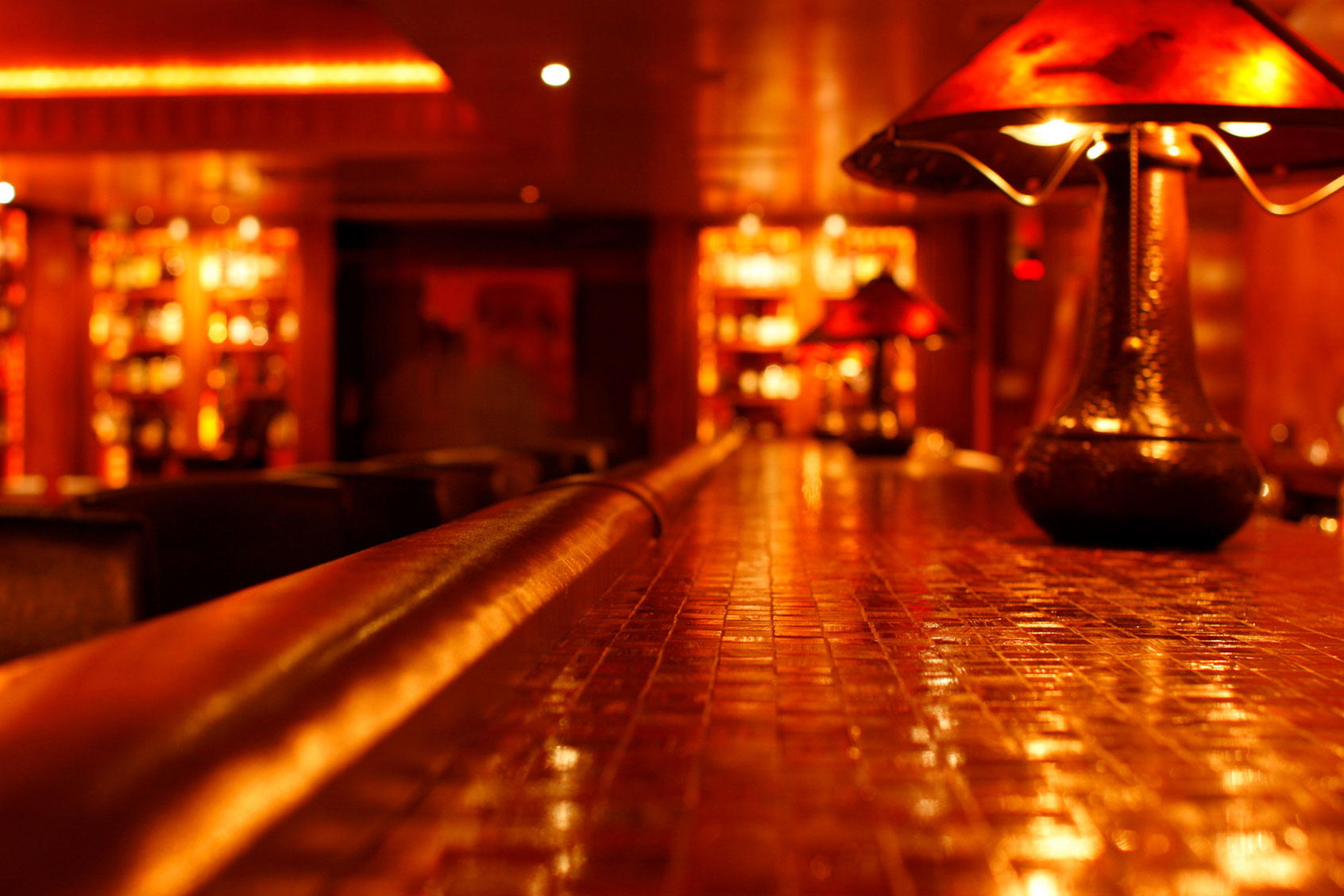
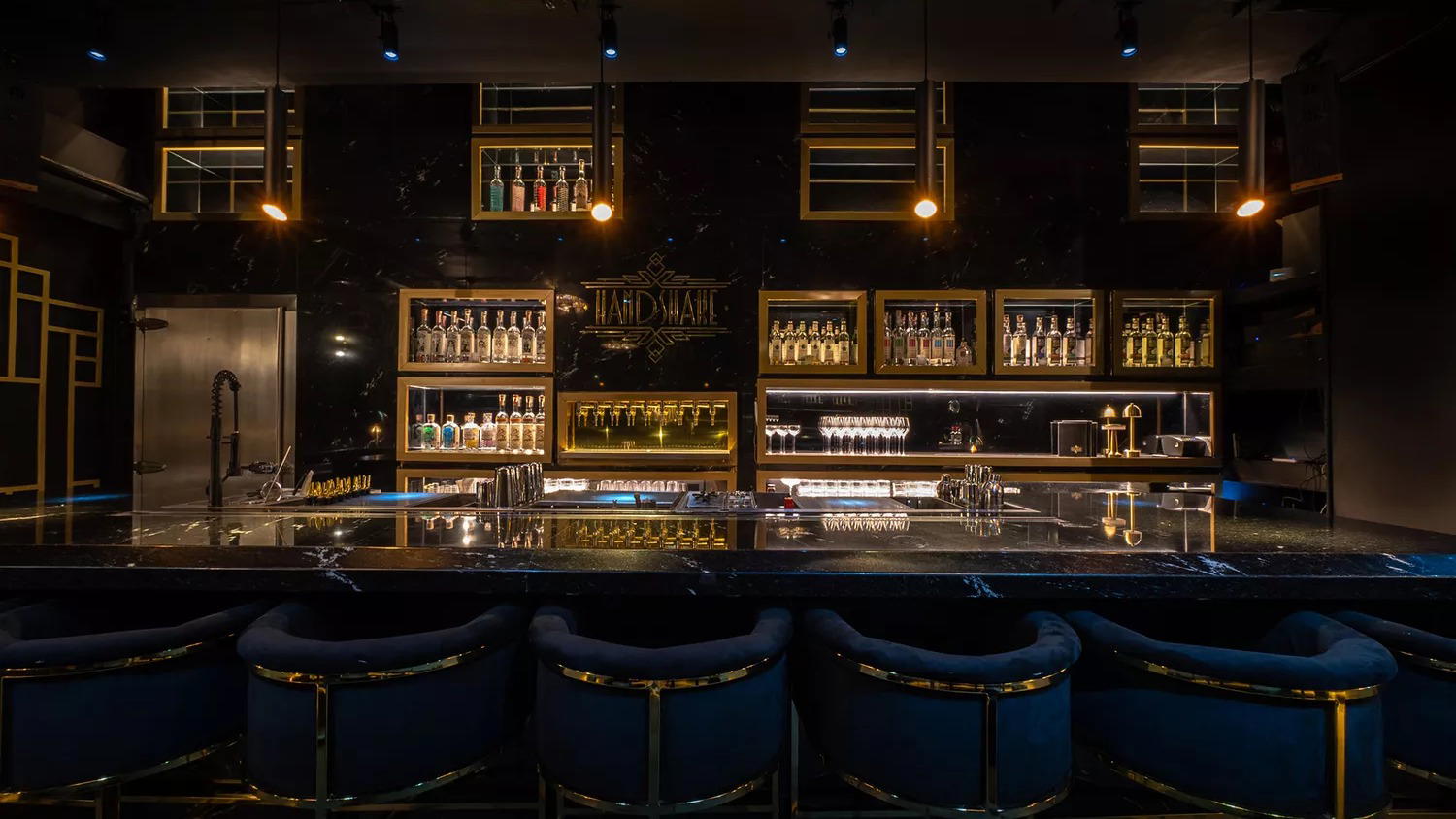
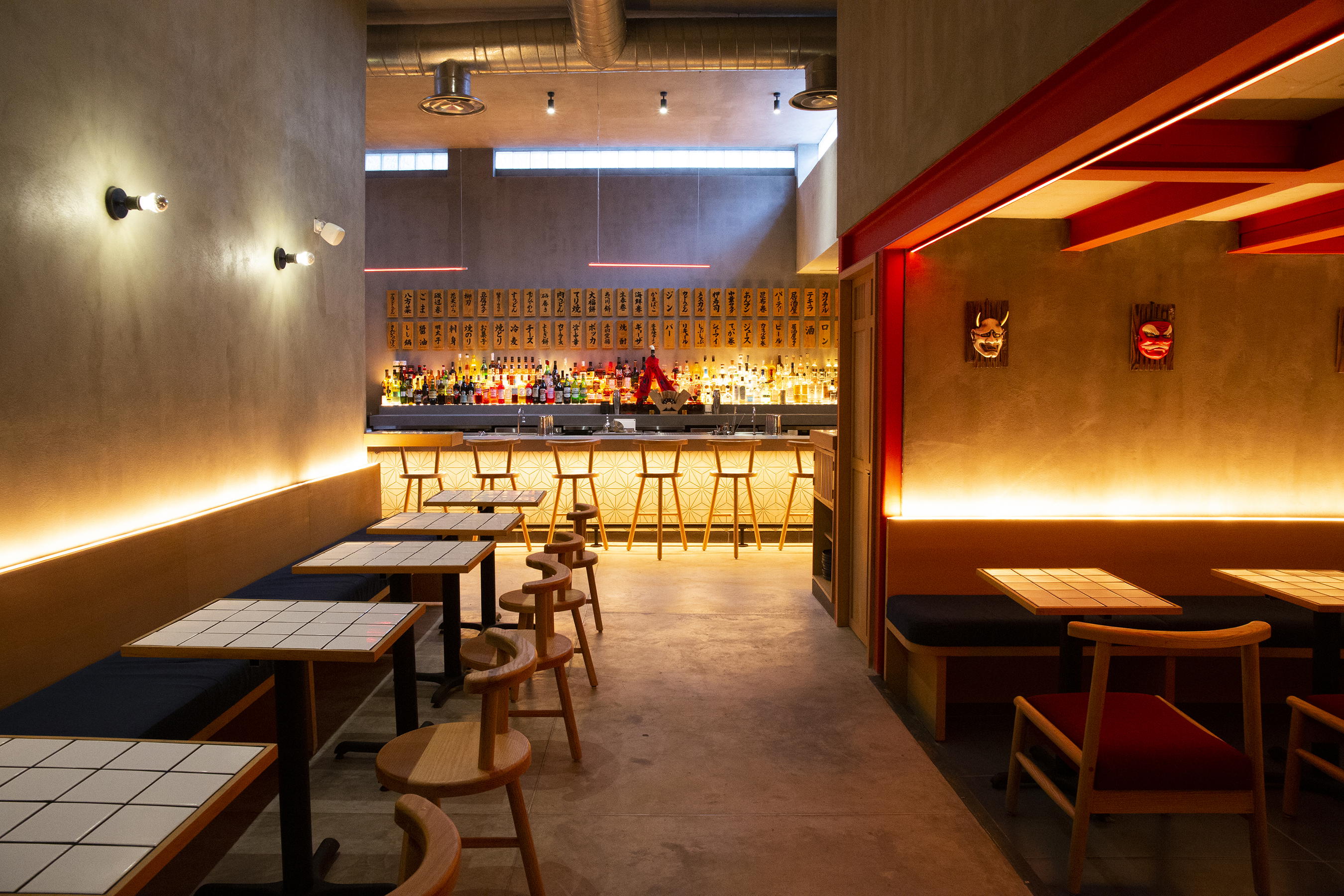
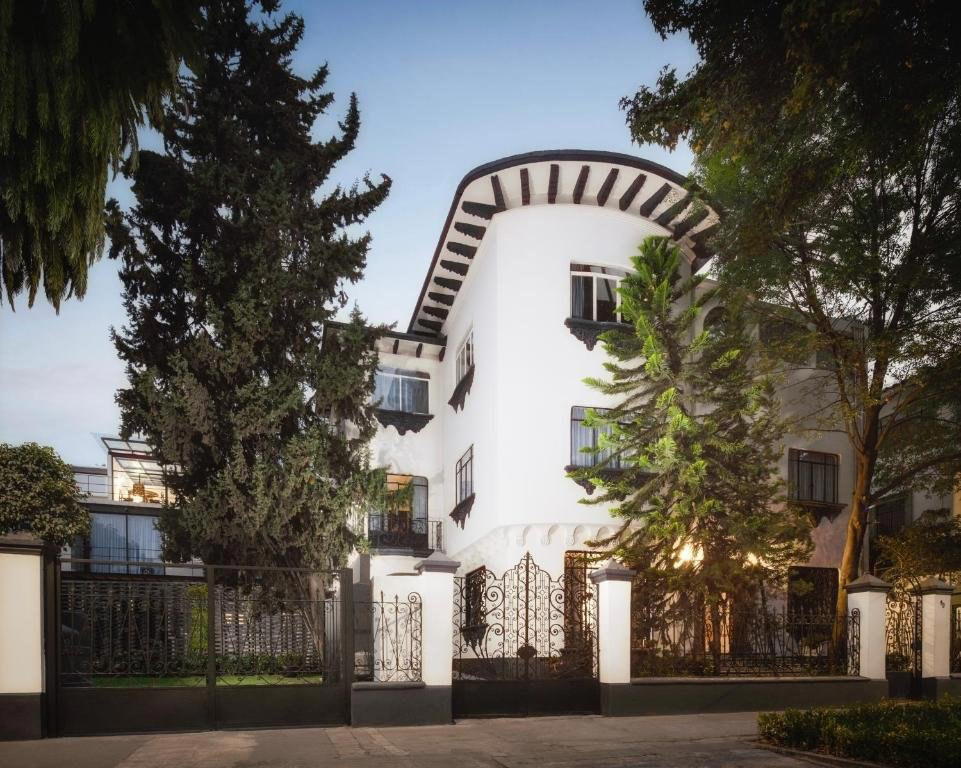
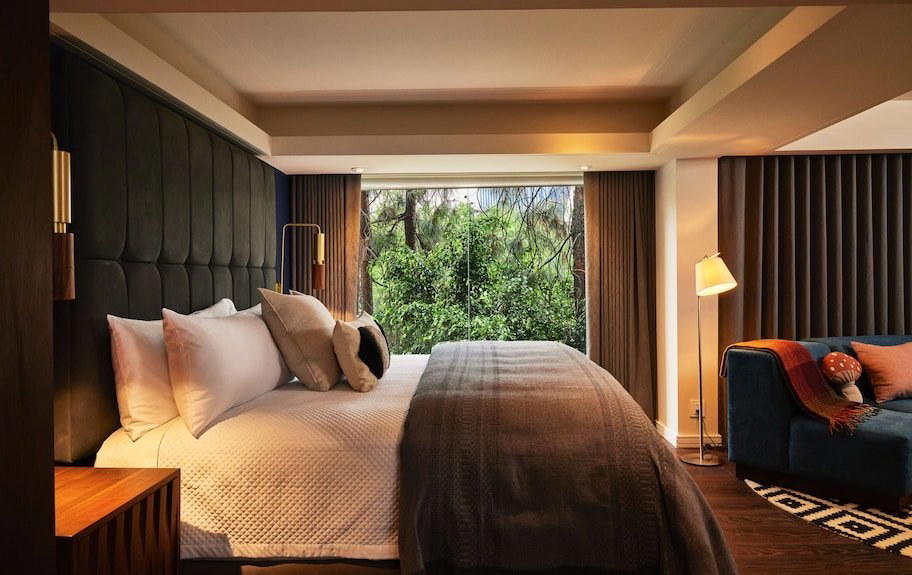
Beautifully decorated interior with warm and pleasant spaces, including terrace; comfortable fine dining atmosphere enhanced by occasional DJ.