Estoril
Estoril sits in Polanco's dining corridor, where the neighbourhood's appetite for European-inflected cooking has long coexisted with Mexico City's broader shift toward ingredient-led, ecologically conscious cuisine. The address on Alejandro Dumas places it within walking distance of some of the capital's most closely watched restaurant projects, making it a natural point of reference for anyone mapping the area's current dining direction.
 Discover on Pearl
Pearl is the En Primeur Club membership app — saves, bookings, and concierge access live there. Same editors, same standards.
- Address
- Alejandro Dumas 24, Polanco Chapultepec, Polanco IV Secc, Miguel Hidalgo, 11560 Ciudad de México, CDMX, Mexico
- Phone
- +525552809828
- Website
- estoril.rest
Polanco's Slow Shift Toward Conscious Cooking
Polanco has spent the better part of two decades operating as Mexico City's default address for European-influenced dining: French brasserie formats, Spanish-leaning wine lists, Italian-coded menus polished for a clientele that travels frequently and eats widely. That identity has not disappeared, but it has been complicated. Over the same period, a parallel current has moved through the neighbourhood, quieter, less obviously promoted, in which kitchens have begun anchoring their sourcing decisions in ecological accountability rather than prestige ingredient logic. Estoril, on Alejandro Dumas 24 in the Polanco IV Sección, sits inside that tension between the area's inherited European appetite and the more recent pressure toward supply-chain transparency.
The broader Mexico City scene provides the clearest frame for understanding what that shift looks like in practice. Restaurants like Quintonil and Pujol have made producer relationships a central part of their public identity, embedding named farms and regional suppliers into menus that are explicitly built around that infrastructure. At a different price tier, Rosetta has demonstrated that European culinary grammar and Mexican sourcing discipline are not mutually exclusive. Estoril occupies territory somewhere in that conversation, a Polanco restaurant serving French-Oaxacan fusion at about $50 per person, and a location that places it squarely in the part of the city where these questions about sourcing ethics and dining identity are being asked most loudly.
What Ethical Sourcing Actually Requires in This City
Mexico City's geography makes ethical sourcing both easier and harder than it appears from the outside. The city sits within reach of some of the country's most productive agricultural zones: the highlands of Puebla and Tlaxcala to the east, the chinampas of Xochimilco to the south, the dry-farmed milpa systems of central Mexico that predate industrial agriculture by centuries. A kitchen serious about waste reduction and ecological sourcing in this city has access to a supply network that most global capitals cannot match for biodiversity or cultural depth. The difficulty is organisational, building relationships with small producers, absorbing seasonal unpredictability, and committing to ingredients that do not arrive in standardised formats.
The restaurants that have handled this most credibly across Mexico are often the ones operating furthest from the capital's centre of gravity. Animalón in Valle de Guadalupe has built its entire format around the agricultural logic of Baja California's wine country. Olivea Farm to Table in Ensenada makes the farm-kitchen relationship explicit in its name and its structure. Levadura de Olla in Oaxaca works within the ingredient logic of one of Mexico's most ecologically complex culinary regions. These projects share a commitment to place-specificity that goes beyond menu language, it shapes their physical formats, their seasonal calendars, and their economic relationships with producers. The question Polanco-based restaurants face is whether that kind of commitment translates into an urban fine-dining context, or whether the neighbourhood's expectations around service polish and consistency inevitably pull kitchens back toward more controllable, less ecologically variable supply chains.
The Neighbourhood as Context
Alejandro Dumas is a street that rewards some navigation. The immediate vicinity of Polanco IV Sección concentrates a range of dining formats, hotel restaurants serving international clientele, destination addresses drawing reservations from across the city, and neighbourhood fixtures that have persisted across multiple shifts in culinary fashion. Estoril belongs to this last category by address if not necessarily by character: the Dumas corridor has historically been a street where longevity counts for something, where a restaurant's ability to survive successive waves of openings functions as its own kind of credential.
The comparative comparable set in this part of the city includes Em, which has positioned itself as a more ingredient-forward alternative to the neighbourhood's European defaults, and Sud 777, which operates in a different quadrant of the city but has set a benchmark for what ecologically conscious cooking looks like within a polished, technically accomplished format. The conversation these restaurants are having collectively, about what Mexican dining owes to its agricultural heritage, and how that obligation changes the economics and aesthetics of a tasting menu, is the most interesting critical conversation in Mexico City dining right now, and Estoril is one of the addresses where that conversation has a local reference point in Polanco specifically.
For a wider picture of how this kind of sourcing-first philosophy operates across the country, the evidence base is considerable: KOLI Cocina de Origen in Monterrey, Alcalde in Guadalajara, Lunario in El Porvenir, Pangea in San Pedro Garza García, HA' in Playa del Carmen, Arca in Tulum, and Le Chique in Puerto Morelos each represent a regional inflection of the same underlying commitment. Taken together, they form a national argument about what Mexican hospitality looks like when it is grounded in ecological accountability. Estoril sits within this broader argument from its Polanco position.
International reference points matter here too. The discipline that Le Bernardin in New York applies to seafood sourcing, or the communal format through which Lazy Bear in San Francisco has embedded producer relationships into its dining experience, demonstrates that ecological sourcing ambition and high-end dining format are compatible propositions. The question for any Polanco restaurant in this conversation is not whether the ambition is possible, but whether the neighbourhood's particular expectations, around consistency, around service register, around the social function of the dining room, shape what that ambition looks like in practice.
Planning Your Visit
Estoril is located at Alejandro Dumas 24, Polanco IV Sección, Miguel Hidalgo, Mexico City. The restaurant is open Monday through Saturday from 1 to 11 PM and Sunday from 1 to 6 PM, and reservations are recommended.
Comparable Spots, Quickly
Comparable venues nearby, for context on price, style, and recognition.
| Venue | Cuisine | Price | Awards | Notes |
|---|---|---|---|---|
| EstorilThis venue — the venue you are viewing | French-Oaxacan Fusion | $$$ | , | |
| Blanco Castelar | Mexican-European Fusion | $$$ | , | Polanco Chapultepec |
| Anatol | Modern Fusion with Italian Influences | $$$ | , | Polanco Chapultepec |
| müi Paladar | Modern Fusion Pop-up | $$$ | , | Condesa |
| Pietro el Pedro | Italian-Mexican Fusion | $$ | , | Lomas de Virreyes |
| Cocina Abierta - Artz | Multi-Cuisine Food Hall | $$$ | , | Jardines en la Montaña |
Continue exploring
More in Mexico City
Restaurants in Mexico City
Browse all →
Bars in Mexico City
Browse all →




At a Glance
- Classic
- Elegant
- Sophisticated
- Business Dinner
- Date Night
- Special Occasion
- Terrace
- Historic Building
- Extensive Wine List
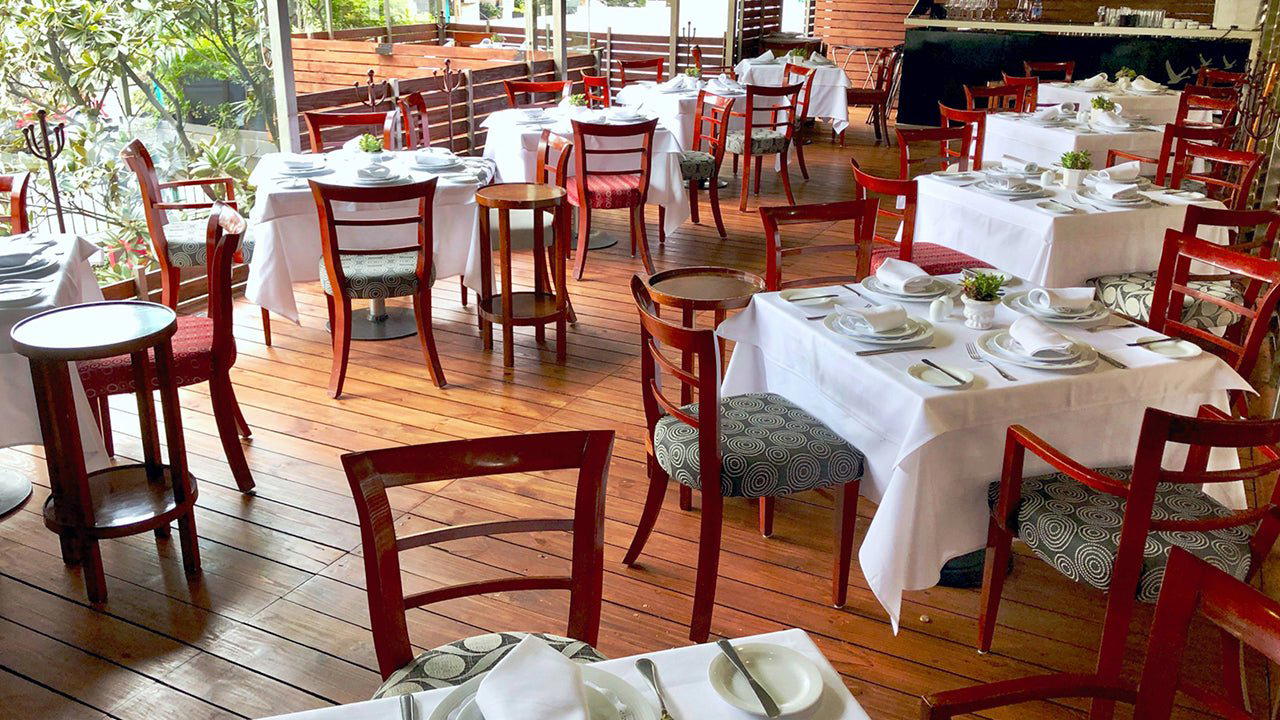
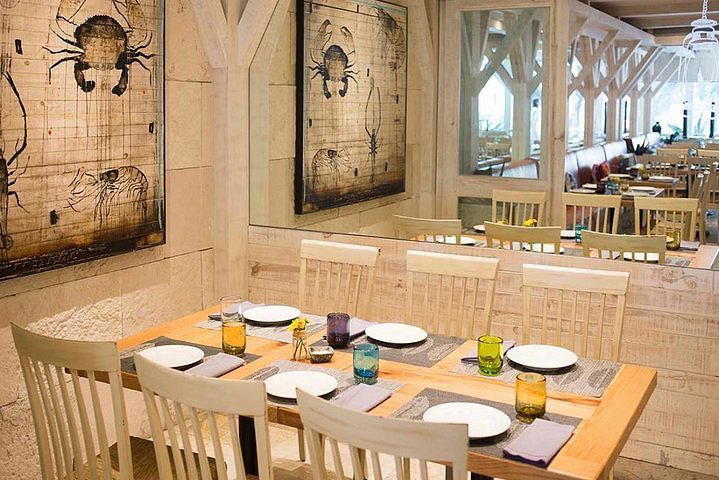
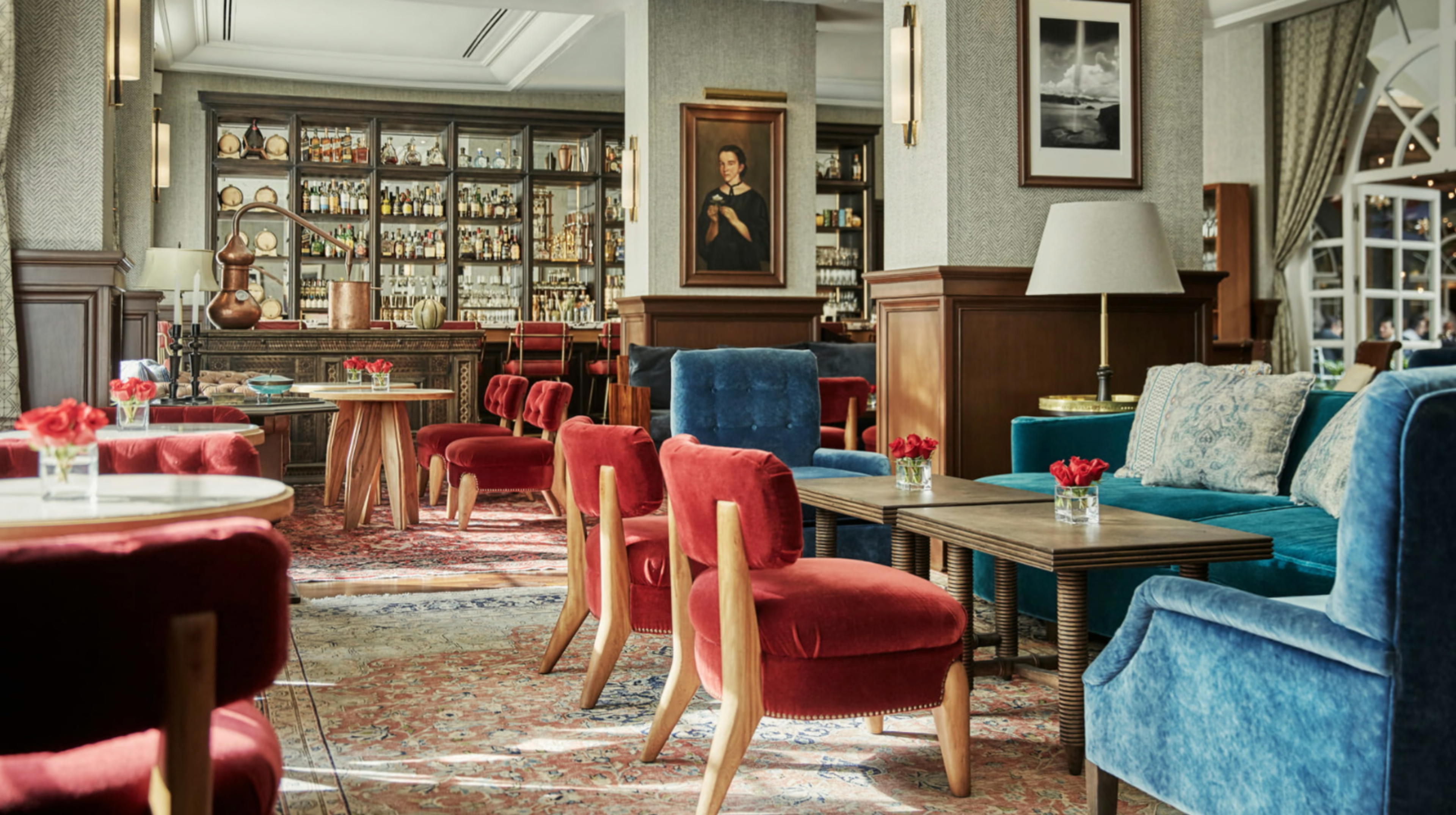
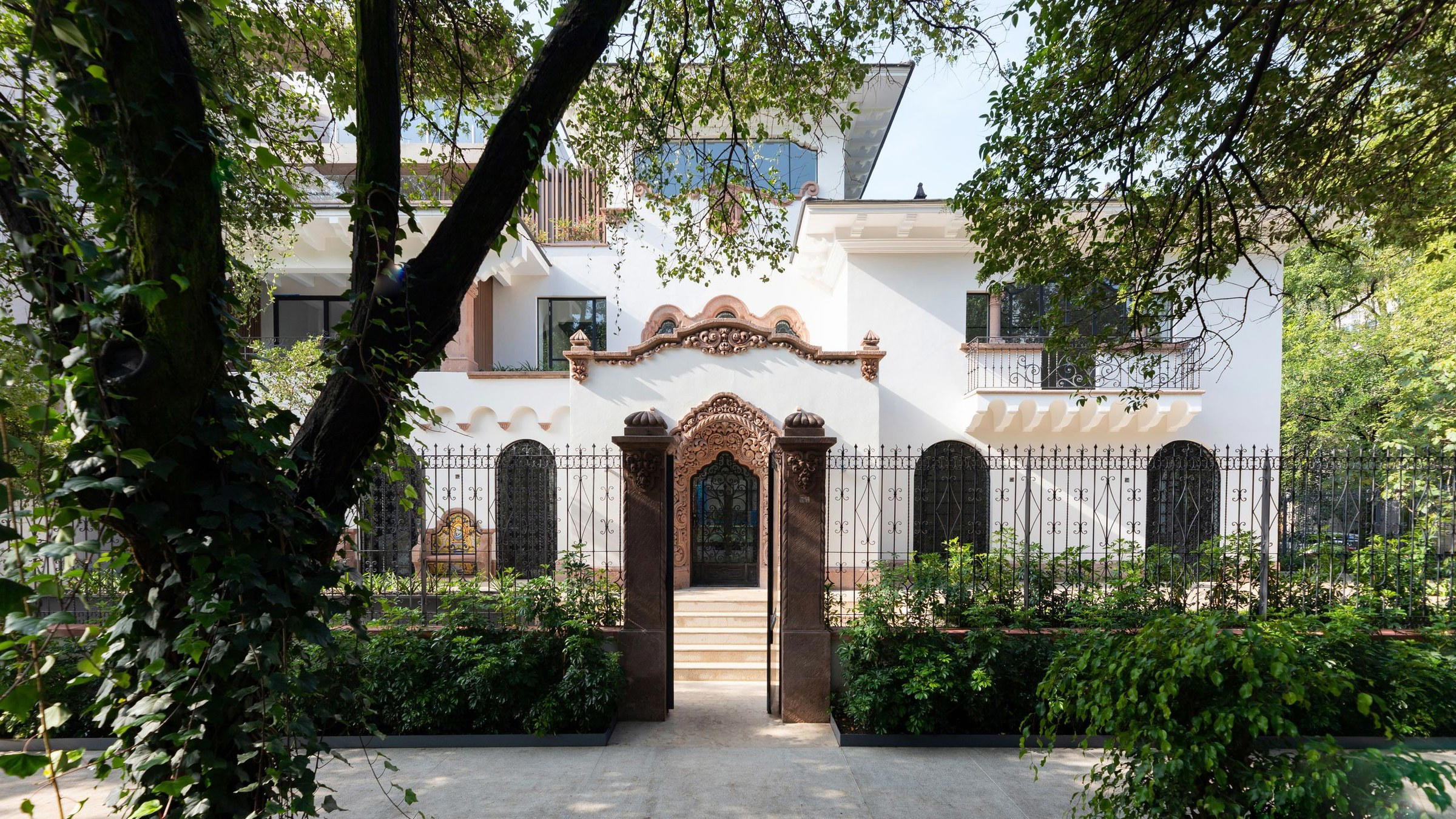
Light-filled, spacious and airy rooms in a former mansion adorned with paintings, providing a refined, quiet old-world atmosphere.