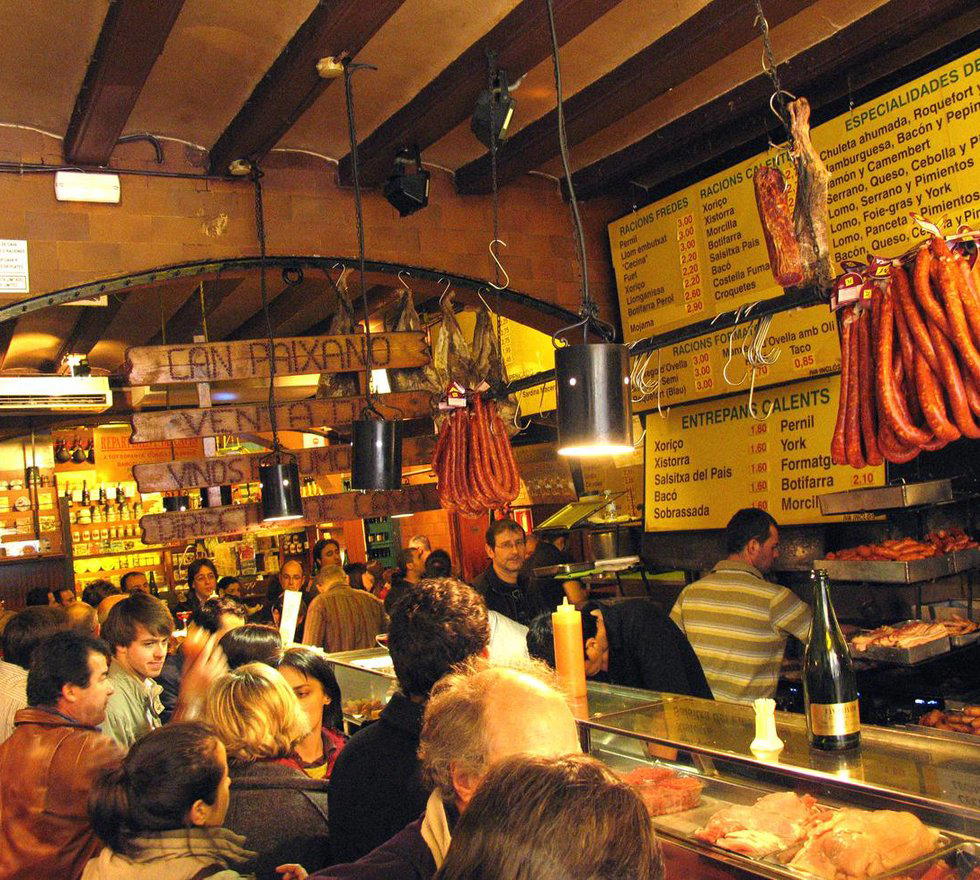
"Taverna, you'll know it from its flashy red-painted exterior, is actually the little sister of nearby Suculent, an upscale tasting menu type of place from Carles Abellan. Like so many of the stronger chefs in the city, Abellan is a former protege of Ferran Adrià, his first solo venture was another favorite of ours, Comerç, 24. Unlike its sit-down neighbor, La Taverna del Suculent is more casual; guests order tapas and finger food directly from the bar and can eat them standing, and wine flows freely. Order the crispy tortillitas, or anything that involves ham. "
- Address
- Rambla del Raval, 39, Ciutat Vella, 08001 Barcelona, Spain
- Phone
- +34 672 26 62 57
- Directions
- Get directions
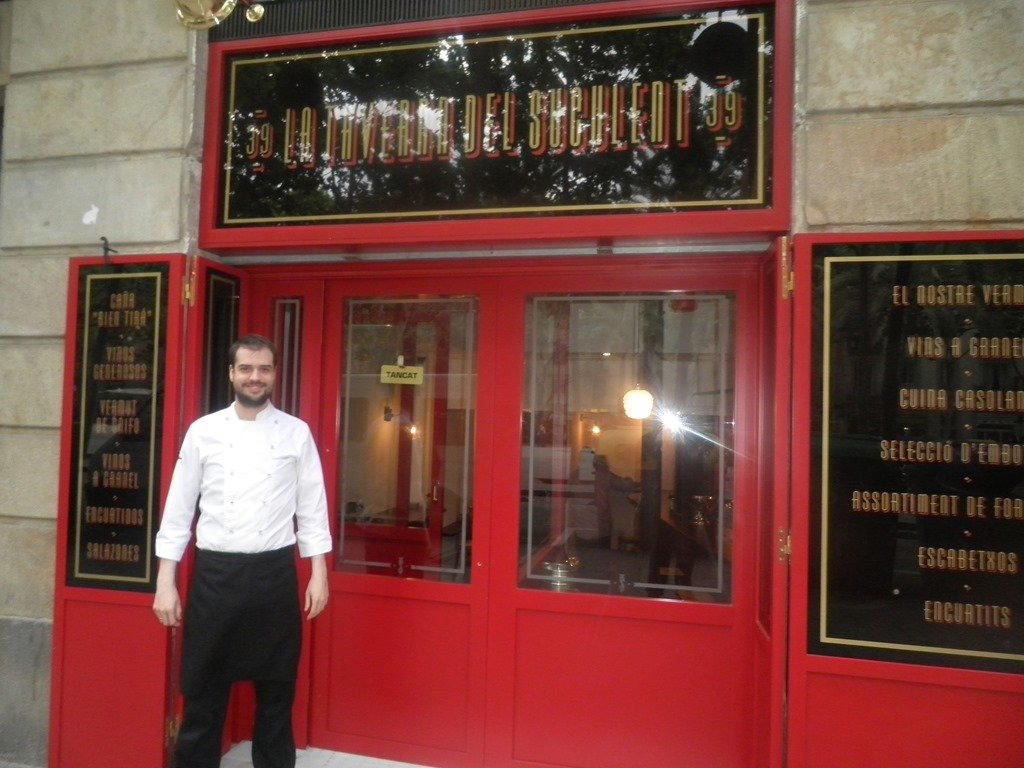
The Raval Table: Where Barcelona Eats Without Performing
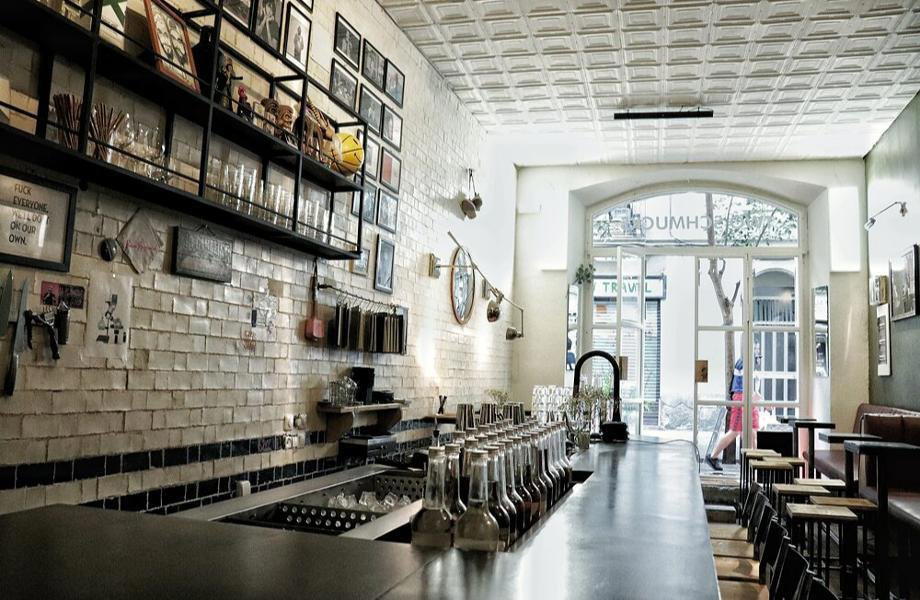
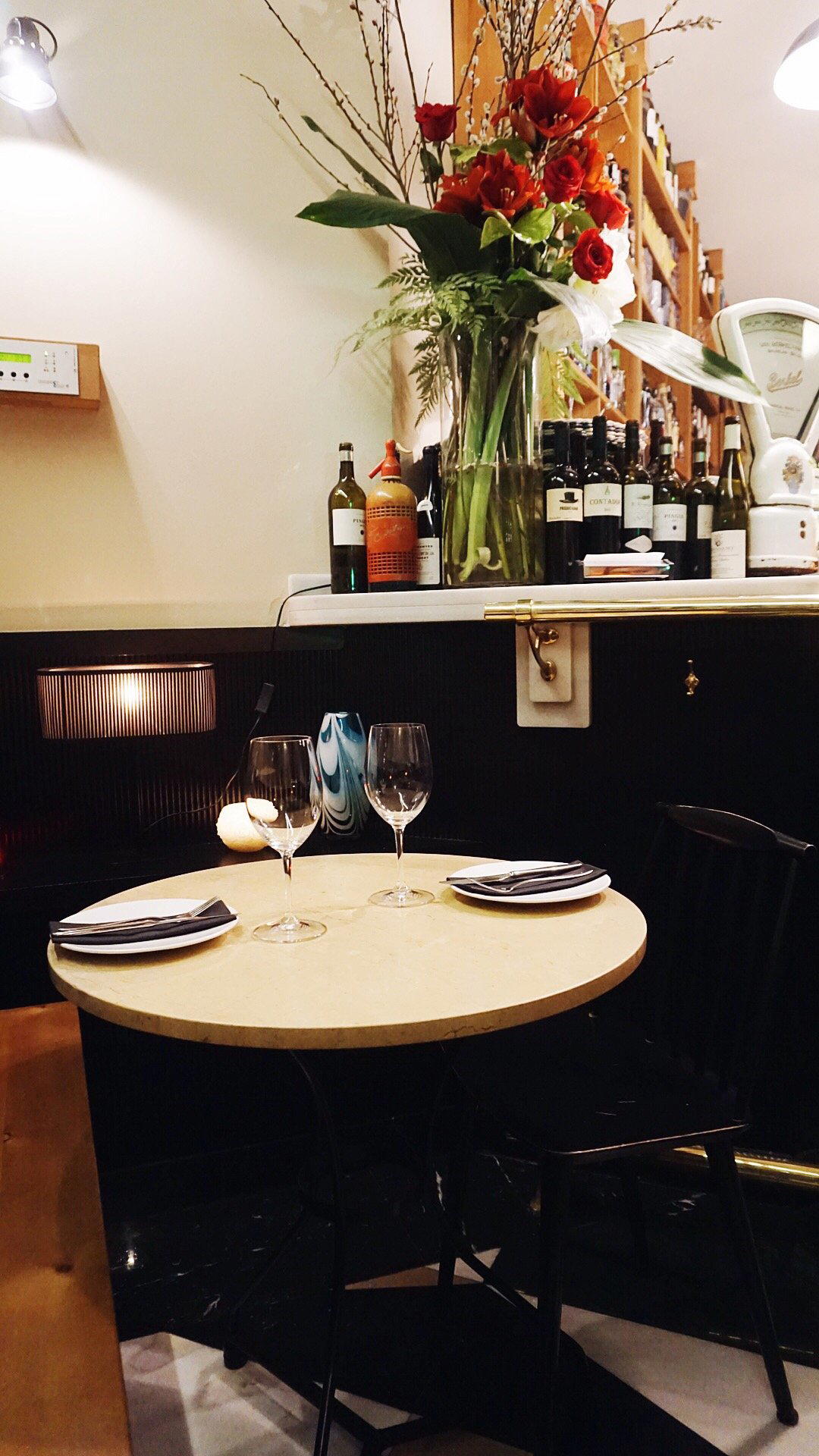
Rambla del Raval runs parallel to Las Ramblas but operates in an entirely different register. The boulevard is quieter, less choreographed, and populated by a mix of longtime residents, students, and a growing number of diners who have figured out that the neighbourhood's restaurant scene rewards attention. La Taverna Del Suculent sits at Rambla del Raval, 39, in Ciutat Vella, Barcelona, and serves Modern Spanish Tapas at about $50 per person. The room signals that before you order anything: the setting is grounded, the pace unhurried, and the expectation is that the food will carry the evening rather than the theatre around it.
This matters because Barcelona's premium dining conversation is currently dominated by a cluster of ambitious creative-format restaurants. Disfrutar, Cocina Hermanos Torres, ABaC, Lasarte, and Enigma anchor the high-concept, high-investment tier of the city's offer. They are compelling in their own right, but they represent one particular idea of what a serious Barcelona meal looks like. La Taverna Del Suculent occupies a different register within Suculent's broader operation, one that prioritises the tavern tradition over the tasting menu format, while still bringing considered technique to the table.
The Suculent Network and What the Taverna Format Means
Suculent has established itself as one of the more coherent restaurant identities in contemporary Barcelona. The mothership, also located in Raval, is associated with chef Albert Ventura and the broader orbit of Albert Adrià's influence on the city's mid-tier creative scene. The Taverna is a deliberate step sideways from that, designed around the social logic of a Barcelona tavern: shared plates, wine by the glass, a counter or table that you occupy rather than perform at. In a city where the taverna format has genuine historical depth, that positioning is a considered editorial choice, not a fallback.
Across Spain, the taverna and tasca tradition has undergone significant reappraisal in the last decade. What was once treated as the unremarkable backdrop to everyday eating is now understood as the format where particularly honest cooking happens. El Celler de Can Roca in Girona built part of its identity on the tension between high technique and the simplicity of family cooking. Further south, Quique Dacosta in Dénia and Ricard Camarena in València have each shown how regional Spanish cooking can hold its own against the international vanguard. La Taverna Del Suculent works within that broader reappraisal, applying kitchen seriousness to a format that traditionally rewards exactly that kind of attention.
Team Dynamic: The Front-of-House as Editorial Voice
At the Taverna format, the relationship between kitchen, floor, and guest operates differently than it does at a tasting-menu counter. There is no fixed procession of courses to structure the interaction. Instead, the front-of-house team carries real interpretive weight: reading the table, sequencing the order, steering wine decisions in real time. This is a more demanding service model than it might appear, because it requires the floor to function as a genuine collaborator rather than a delivery mechanism.
In Barcelona, this kind of service intelligence is more common at the high-end creative houses. Bringing it into a taverna format is where the restaurant earns its position in the city's dining conversation. When the sommelier and front-of-house team are operating well, a meal here has genuine rhythm: the plates arrive in an order that makes sense, the wine choices pivot around what's actually being eaten, and the pace reflects the table rather than the kitchen's schedule. That collaborative energy, when it's present, is what separates a serious taverna from a restaurant that simply serves smaller plates.
For reference, the same principle holds at the highest levels of Spanish dining. Arzak in San Sebastián, Martin Berasategui in Lasarte-Oria, and Azurmendi in Larrabetzu all treat the front-of-house as a structural part of the experience rather than an afterthought. The taverna format simply requires it to work less formally and more responsively.
Where This Sits in the Barcelona Picture
Barcelona's dining scene has stratified in ways that make the mid-tier interesting space to watch. At the leading end, the Michelin-decorated creative houses operate on long lead times, formal formats, and price points that reflect their comparable set internationally rather than locally. Mugaritz, DiverXO in Madrid, and Aponiente in El Puerto de Santa María all operate in that upper bracket, as do equivalents further afield like Atrio in Cáceres. Below that tier, the competition is less hierarchical and more about format clarity and kitchen consistency.
The restaurant operates in that second category. It sits below the city's Michelin-starred creative tier in price and formality, but within a different kind of seriousness: one that takes the taverna tradition as its reference point rather than the tasting menu format. Comparable international operators who have worked this same seam include Lazy Bear in San Francisco, which built a serious cooking identity inside a deliberately informal communal format, and Le Bernardin in New York City, which demonstrates how a clear format identity can sustain a restaurant across decades. The taverna model has that same potential for longevity when the kitchen and floor are genuinely aligned.
For a full orientation to Barcelona's restaurant options across price tiers and formats, the EP Club Barcelona restaurants guide maps the city's dining scene with the same editorial rigour.
Planning a Visit
The restaurant is located at Rambla del Raval, 39, in the Ciutat Vella district, on the lower stretch of the Raval boulevard that connects to the El Raval neighbourhood proper. The address places it within walking distance of the Liceu and Sant Antoni metro stations, making it accessible from most central Barcelona hotels without requiring a taxi. Given the Suculent operation's established following in the city, booking ahead is advisable rather than optional, particularly for Thursday through Saturday evenings when the neighbourhood draws both locals and visitors. Midweek lunch tends to be more accessible.
In Context: Similar Options
Comparable venues nearby, for context on price, style, and recognition.
| Venue | Cuisine | Price | Notes |
|---|---|---|---|
| La Taverna Del SuculentThis venue — the venue you are viewing | Modern Spanish Tapas | $$ | Not listed |
| Casa Delfin | Traditional Catalan Tapas | $$ | Sant Pere, Santa Caterina i la Ribera |
| Pepa Tomate | Modern Catalan Tapas | $$ | la Vila de Gracia |
| Nova Galiza | Spanish Fusion with Galician Specialties | $$ | la Nova Esquerra de l'Eixample |
| Buena Vida Bar | Modern Spanish Tapas | $$ | la Vila de Gracia |
| La Bendita | Spanish Tapas and Paella | $$ | la Sagrada Familia |
Continue exploring
More in Barcelona
Restaurants in Barcelona
Browse all →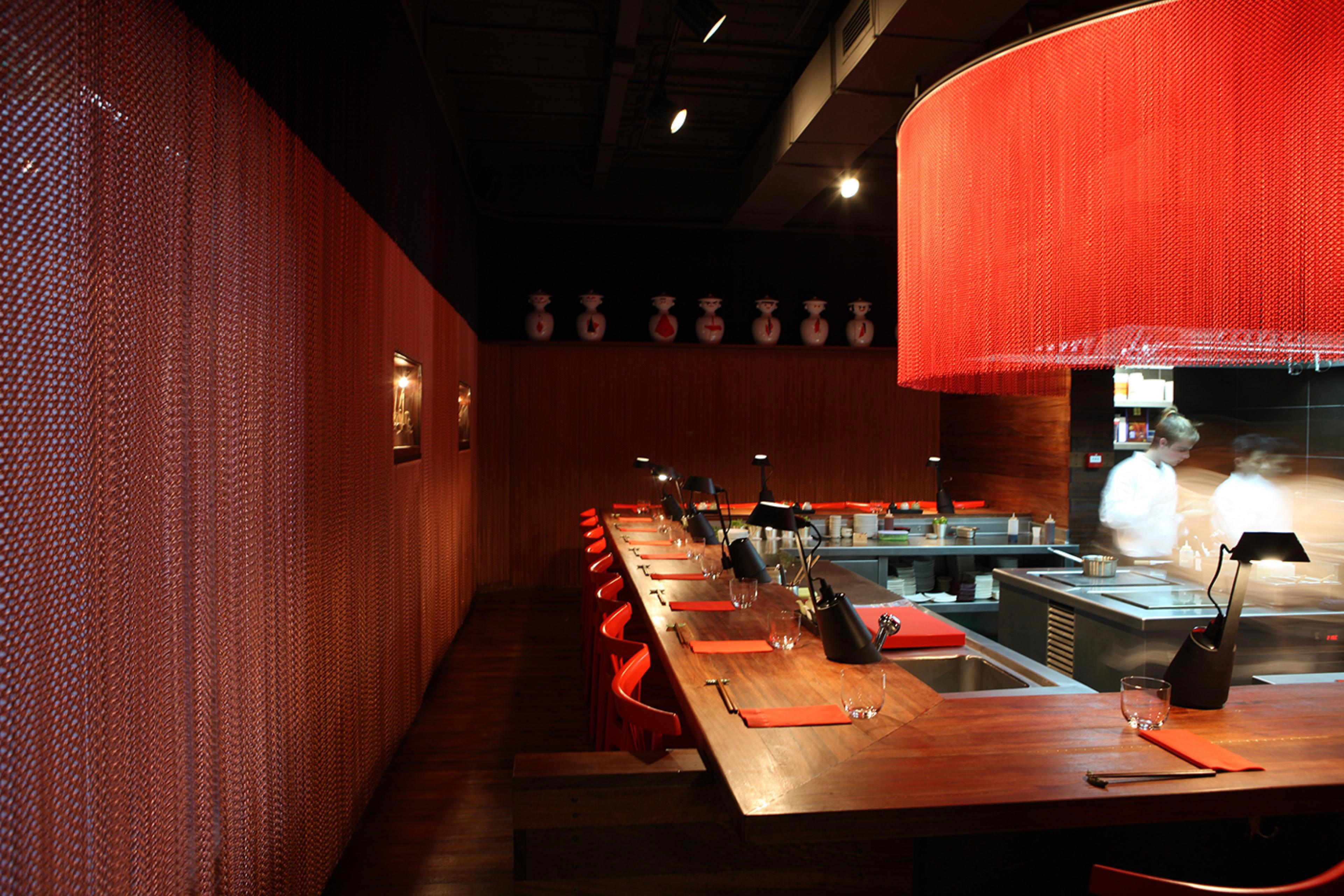
Bars in Barcelona
Browse all →
Hotels in Barcelona
Browse all →
At a Glance
- Cozy
- Rustic
- Intimate
- Date Night
- Special Occasion
- Extensive Wine List
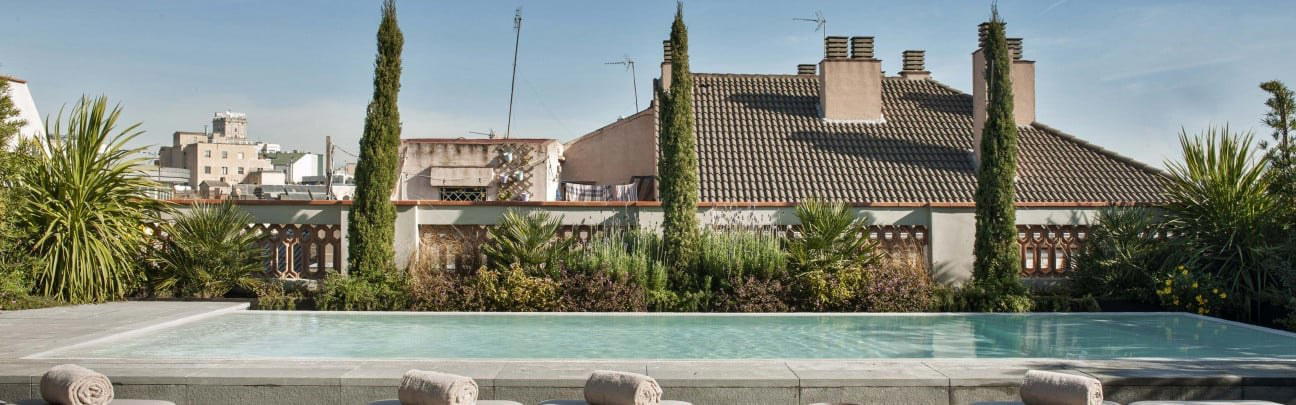
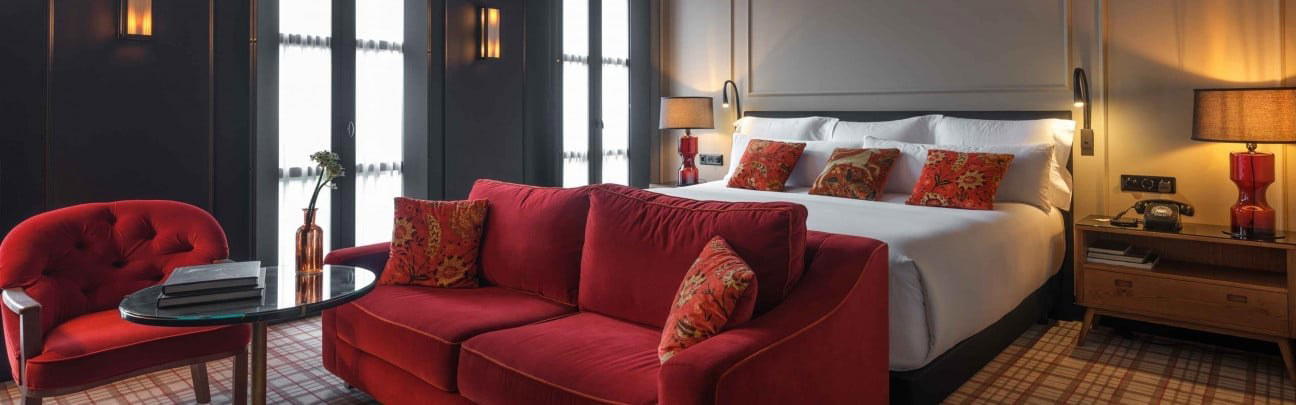
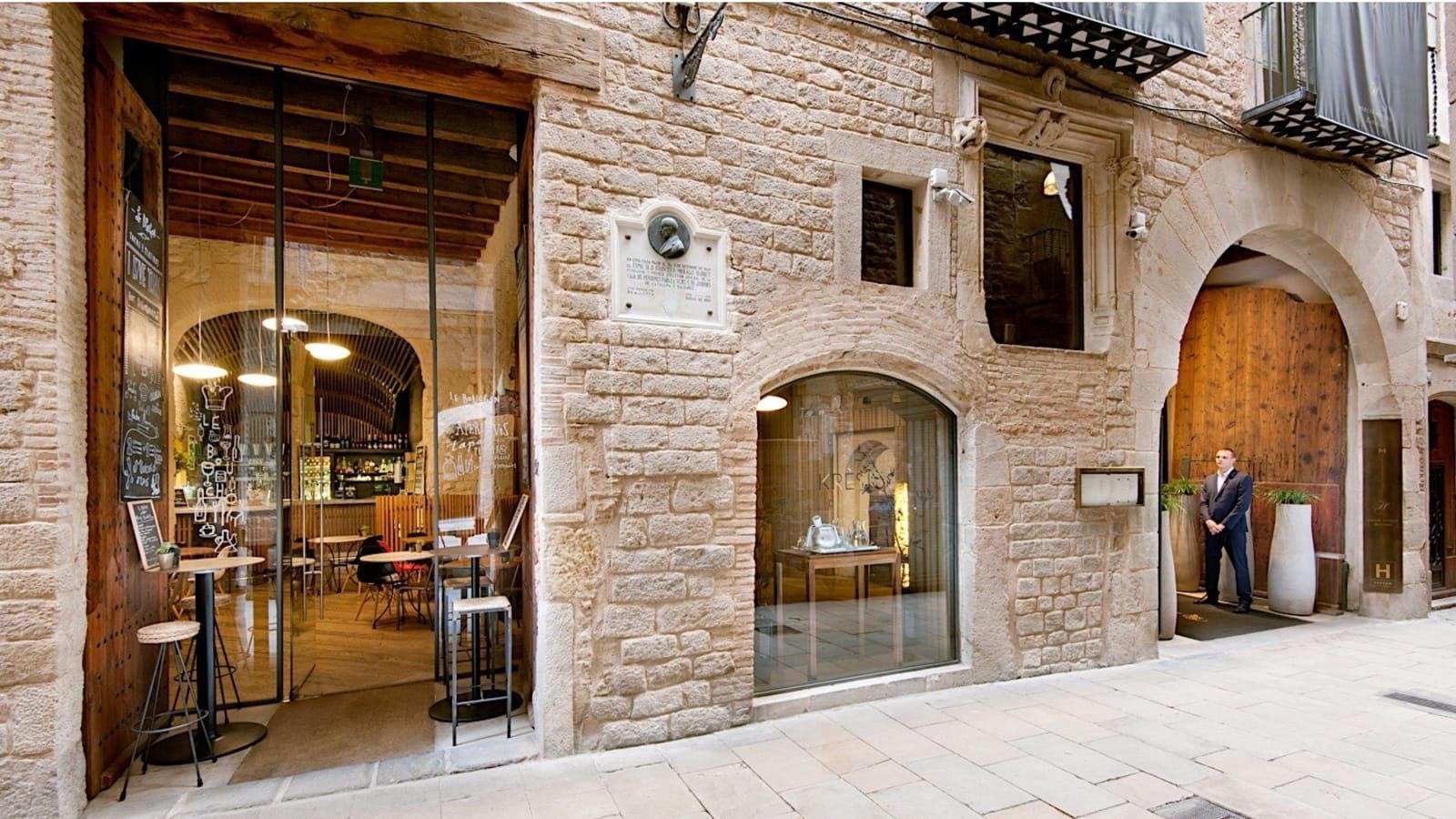
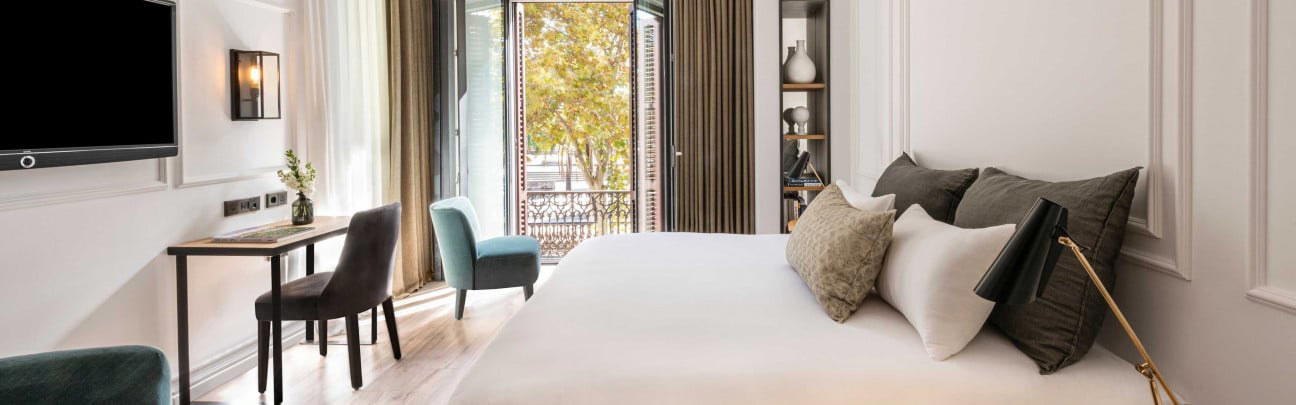
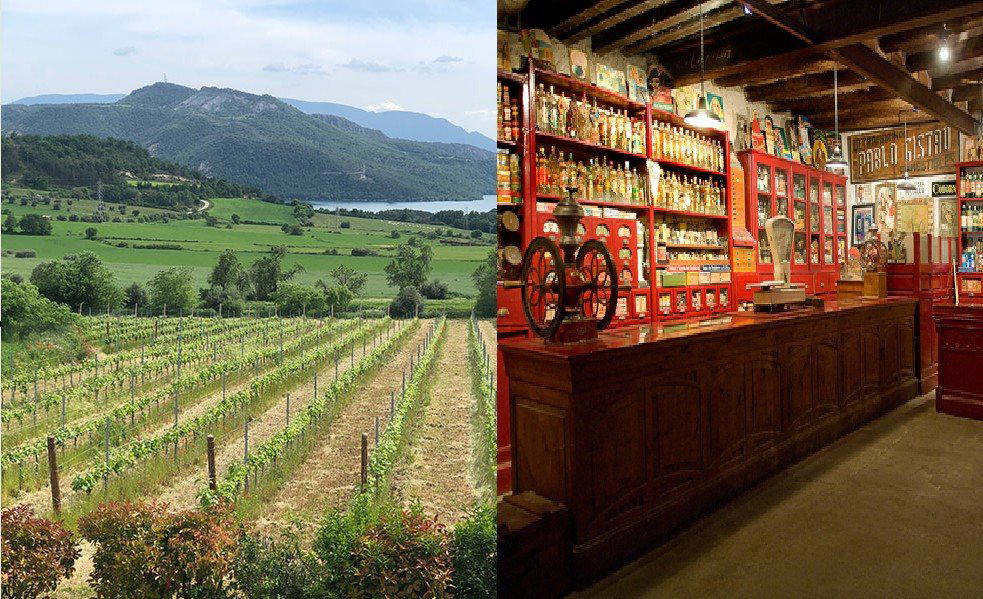
Inviting atmosphere with red, black, and wooden interior, cozy and casual yet sophisticated.