Shanti Restaurant serves Authentic Indian cooking at Carrer d'Agustina Saragossa, 3 in Les Corts, with Butter Chicken, Murg Malai Tikka, Prawn Curry, and Mango Chicken.
Pearl is the En Primeur Club membership app — saves, bookings, and concierge access live there. Same editors, same standards.
- Address
- Carrer d'Agustina Saragossa, 3, Les Corts, 08017 Barcelona, Spain
- Phone
- +34932051985
- Website
- shanti.es
- Directions
- Get directions
 Saves & bookings on Pearl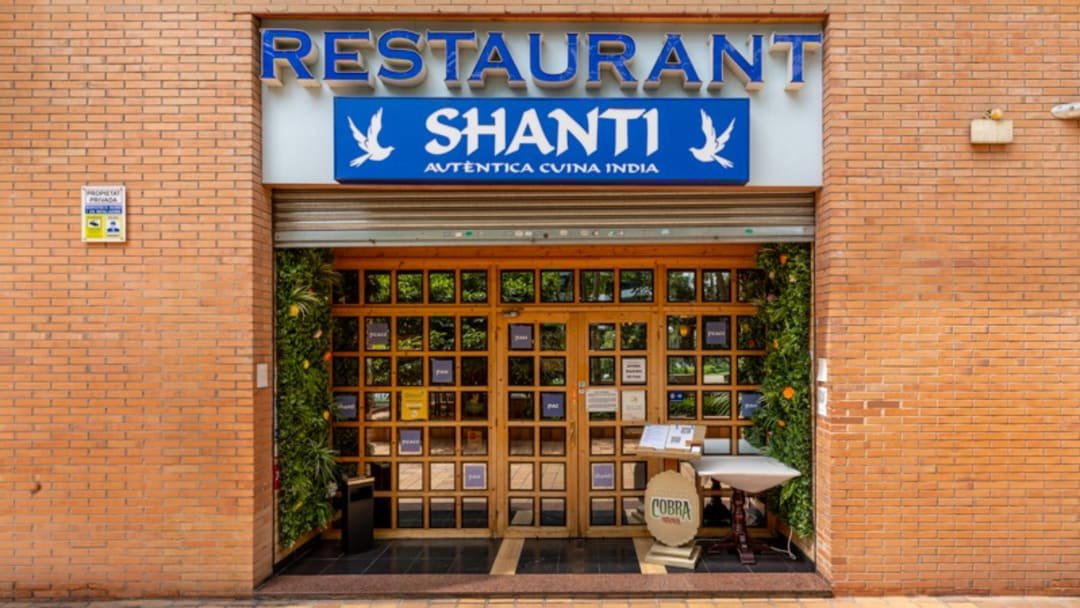
Indian Cooking in the Les Corts Quarter
Les Corts sits west of the Eixample grid, a residential district where the dining scene runs closer to neighbourhood habit than tourist circuit. That positioning matters for a restaurant like Shanti, an Authentic Indian restaurant in Les Corts, Barcelona, with. Indian cooking has established a modest but durable presence across the city over the past decade, and the addresses that last in quieter residential zones tend to do so on the strength of consistency rather than novelty.
The broader context for Indian restaurants in Barcelona is worth understanding. Spain has not historically produced a large South Asian diaspora of the scale that shaped London or Amsterdam, which means Indian kitchens here developed differently: fewer cheap curry-house shortcuts, more pressure to justify the proposition to a market that encounters the cuisine without inherited familiarity. The restaurants that have found their footing in Barcelona tend to occupy a middle tier that takes subcontinental technique seriously while reading the local palate with some care.
Where Local Produce Meets Subcontinental Method
The editorial angle that most rewards attention at a Barcelona Indian restaurant is the intersection of imported technique and regional Spanish produce. Catalonia's ingredient larder is formidable: fish from the Catalan coast, pork from Pyrenean breeds, vegetables from market gardens running down toward the Ebre delta. When a kitchen applies spice logic and slow-cooking methods from the subcontinent to that raw material, the results can diverge sharply from what the same dish produces in London or New York.
Indian cooking traditions developed around specific proteins, fats, and vegetables, and a skilled kitchen has to make deliberate decisions about substitution. A marinade built for chicken from Punjab functions differently around a Catalan free-range bird; a lamb braise calibrated for mutton will read differently with younger Pyrenean animals. Restaurants in Barcelona that handle these translations carefully tend to develop a character that is neither purely subcontinental nor Spanish-fusion in the reductive sense, but something with its own internal logic. That is the register Shanti occupies in its neighbourhood, serving a residential clientele that returns rather than one that is ticking a category off a list.
For comparison, Barcelona's technically ambitious end of the market is represented by restaurants like Disfrutar (Progressive, Creative), Cocina Hermanos Torres (Creative), and ABaC (Creative), all of which work the local-ingredient-plus-advanced-technique question from a Catalan creative base. Lasarte (Progressive Spanish, Creative) and Enigma (Creative) operate similarly at the higher end of the price tier. What Shanti represents is a parallel problem solved through a different culinary inheritance: how to make something coherent and honest in a city where the dominant cooking tradition is not your own.
Indian Cooking and Spain's Broader Creative Scene
Spain's national fine-dining conversation remains rooted in Spanish and Basque regional traditions. The Michelin three-star tier across the country includes El Celler de Can Roca in Girona, Martin Berasategui in Lasarte-Oria, and Mugaritz in Errenteria; at the two-star level, Arzak in San Sebastián, Azurmendi in Larrabetzu, Quique Dacosta in Dénia, Ricard Camarena in València, and Aponiente in El Puerto de Santa María represent Spanish kitchens working at the intersection of local product and serious technique. DiverXO in Madrid and Atrio in Cáceres extend that conversation into more provocative creative territory. Internationally, the local-ingredient-plus-imported-method question appears in different forms at Le Bernardin in New York City and Atomix in New York City, both of which handle European or Korean technique against American produce with considerable precision.
The point of the comparison is contextual: the question of what happens when one culinary tradition is applied to another region's produce is the central creative challenge of contemporary international cooking, from three-Michelin-star kitchens down to well-run neighbourhood addresses in residential Barcelona. Shanti sits in the latter bracket, where the answer is provided through repetition and refining rather than through tasting-menu theatrics.
The Les Corts Address
Carrer d'Agustina Saragossa runs through a part of Les Corts where the street scale is domestic rather than commercial. The neighbourhood draws residents who work near the financial district of Diagonal and in the university cluster further west. Dining here skews toward local repeat custom. For a visitor, that has a practical implication: the kitchen is calibrated for people who have eaten there before, which tends to produce more honest and less tourist-adjusted cooking than addresses on the Barceloneta waterfront or in the Gothic Quarter.
Barcelona's Indian restaurant offering has historically concentrated in the Eixample, where foot traffic from hotels and offices supported it; addresses in quieter residential zones like Les Corts represent a more embedded, neighbourhood-facing version of the same proposition. That is worth knowing when setting expectations. This is not a destination restaurant in the sense that you would reroute an itinerary to reach it. It functions as a capable local address in a part of the city that does not have an abundance of non-Spanish options at any price point.
Planning Your Visit
Reservations are recommended. Dress is smart casual. Expect to spend about $30 per person.
Category Peers
Comparable venues nearby, for context on price, style, and recognition.
| Venue | Cuisine | Price | Notes |
|---|---|---|---|
| Shanti RestaurantThis venue — the venue you are viewing | Authentic Indian | $$ | Not listed |
| Tandoori Nights | Authentic Indian Tandoori | $$ | el Raval |
| Rasoi BCN | Authentic Indian | $$ | l'Antiga Esquerra de l'Eixample |
| Mog Barcelona | Modern Goan Fusion | $$$ | l'Antiga Esquerra de l'Eixample |
| Bodega Pasaje 1986 | Traditional Spanish Tapas Bodega | $$ | la Marina de Port |
| Ca l'Estevet | Traditional Catalan | $$ | el Raval |
Continue exploring
More in Barcelona
Restaurants in Barcelona
Browse all →
Bars in Barcelona
Browse all →
Hotels in Barcelona
Browse all →

At a Glance
- Elegant
- Quiet
- Sophisticated
- Intimate
- Date Night
- Business Dinner
- Group Dining
- Family
- Casual Hangout
- Standalone
Current opening hours
- Monday
- 1–4 PM, 7:30–11 PM
- Tuesday
- 1–4 PM, 7:30–11 PM
- Wednesday
- 1–4 PM, 7:30–11 PM
- Thursday
- 1–4 PM, 7:30–11 PM
- Friday
- 1–4 PM, 7:30–11 PM
- Saturday
- 1–4 PM, 7:30–11 PM
- Sunday
- Closed
Hours can change for holidays and private events. Last verified .
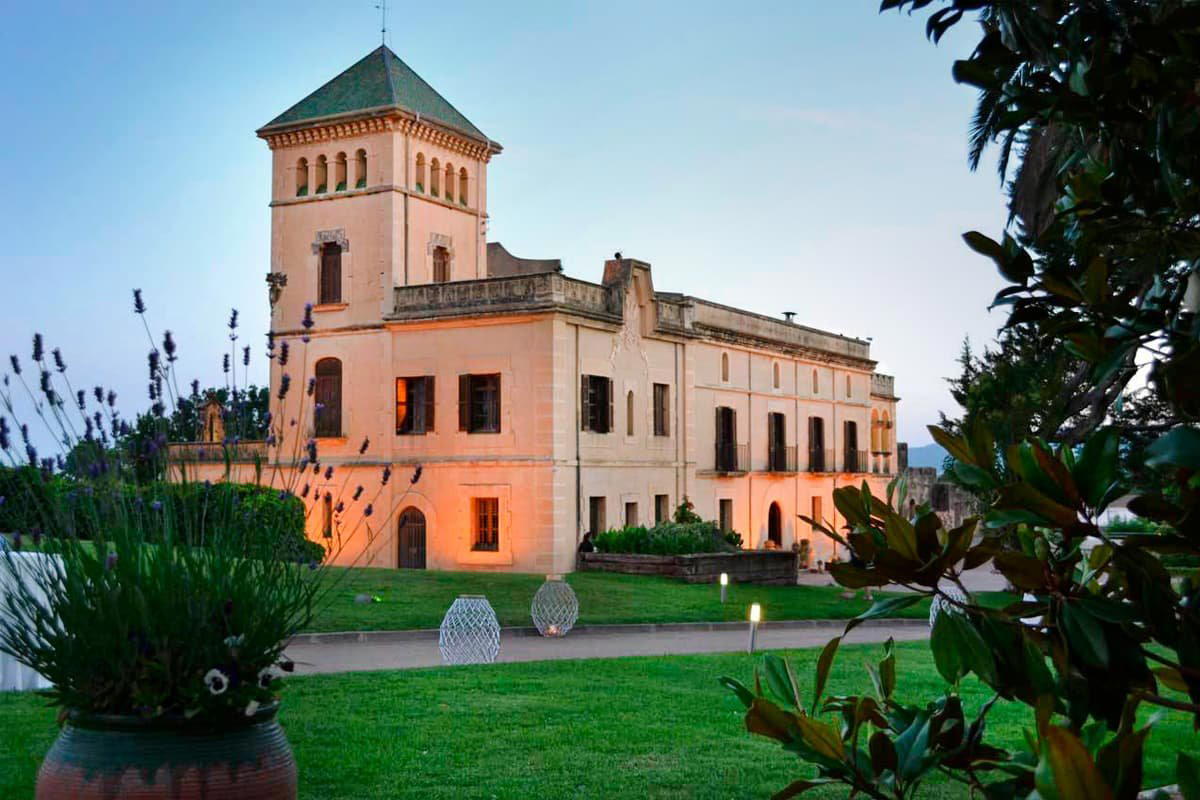
Welcoming and sophisticated setting with exotic atmosphere; designed for relaxed, peaceful dining with warm, attentive service.